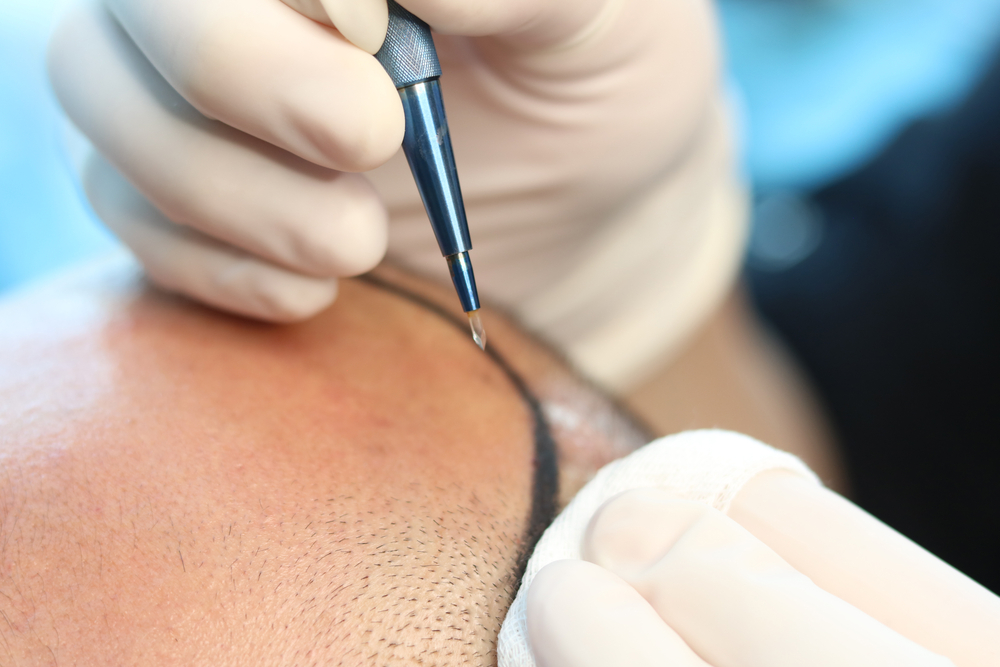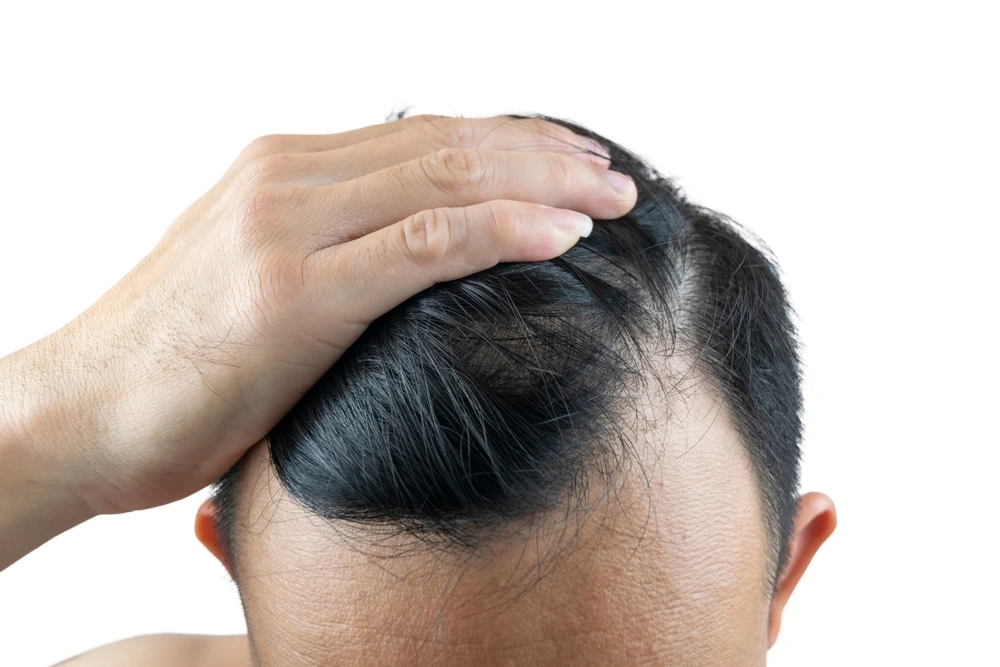
Hair transplantationHair transplantation is a surgical procedure that involves the extraction of hair follicles from a designated donor site, followed by... has grown into one of the most popular cosmetic procedures worldwide. Millions of men and women choose this surgery to restore their hairline and confidence. Modern techniques like follicular unit extraction (FUE)A Breakthrough in Hair Transplantation Follicular Unit Extraction (FUE) has revolutionized the field of hair transplantation, offering a minimally invasive... and follicular unit transplantation (FUT) deliver natural results for most patients. However, some procedures fail. An unsuccessful hair transplant wastes money, causes emotional pain, and sometimes creates permanent damage. This article explains what makes a hair transplant fail, how to spot warning signs, and how doctors correct bad results. You will learn about surgeon errors, patient mistakes, medical risks, and proven repair options. Every fact in this article comes from peer-reviewed medical research.
What Is an Unsuccessful Hair Transplant?
An unsuccessful hair transplant produces poor growth, unnatural appearance, or visible scarring. Doctors define failure as lack of meaningful growth after 12 to 18 months. Patients must distinguish true failure from normal temporary shedding.
Hair transplantation moves hair follicles from one area to another. Surgeons call the source area the donor site. They call the target area the recipient site. When surgery succeeds, these follicles grow naturally in their new location. When surgery fails, patients see thin patches, unnatural angles, or scarring. True failure means the grafts did not survive or the aesthetic result looks artificial. Normal recovery includes temporary shedding and mild redness. These issues resolve within months. True failure persists beyond 12 months and often requires corrective treatment.
How Do Doctors Define Hair Transplant Failure?
Doctors define hair transplant failure through several clear markers. Poor graft survival tops the list. This means the transplanted follicles die instead of growing new hair. Low hair density after the growth phase also signals failure. Patients expect thick coverage but see thin patches instead. Unnatural hairline design counts as failure too. A hairline that looks straight, pluggy, or artificial ruins the cosmetic goal. Visible scarring in the donor or recipient area marks another failure type. Persistent complications like chronic pain or infection also indicate an unsuccessful procedure (Kerure and Patwardhan 2018).
Orentreich established the scientific foundation for modern hair transplantation in 1959. He discovered that hair from the back and sides of the scalp resists balding after transplantation. This principle of donor dominance guides all successful procedures today (Orentreich 1959). When surgeons ignore this principle or harvest from unstable areas, grafts fail.
When Does a Hair Transplant Count as Failed?
A hair transplant counts as failed when patients see no meaningful growth after 12 to 18 months. Some doctors wait a full 18 months before judging results. Patchy or uneven density means failure. Significant donor areaThe Source of Restoration The donor area plays a critical role in hair transplantation, as it serves as the source... depletion also counts as failure. This happens when surgeons take too much hair from the back of the head. Dissatisfaction due to unnatural appearance matters too. Even if some hair grows, a bad hairline or wrong angles make the result a failure.
What Is the Difference Between Failed Transplants and Normal Recovery?
Patients often confuse normal recovery with true failure. Shock loss causes temporary shedding. This happens when transplanted hairs fall out within weeks after surgery. The follicles remain alive and grow new hair later. Telogen effluvium also causes temporary thinning. Surgery stress pushes existing hairs into the resting phase. These hairs return within three to six months (Bernstein and Rassman 2006). Normal healing includes redness, mild swelling, and crusting for the first two weeks. True failure shows no regrowth after 12 months, persistent bald patches, or worsening scars.
How Common Are Failed Hair Transplants?
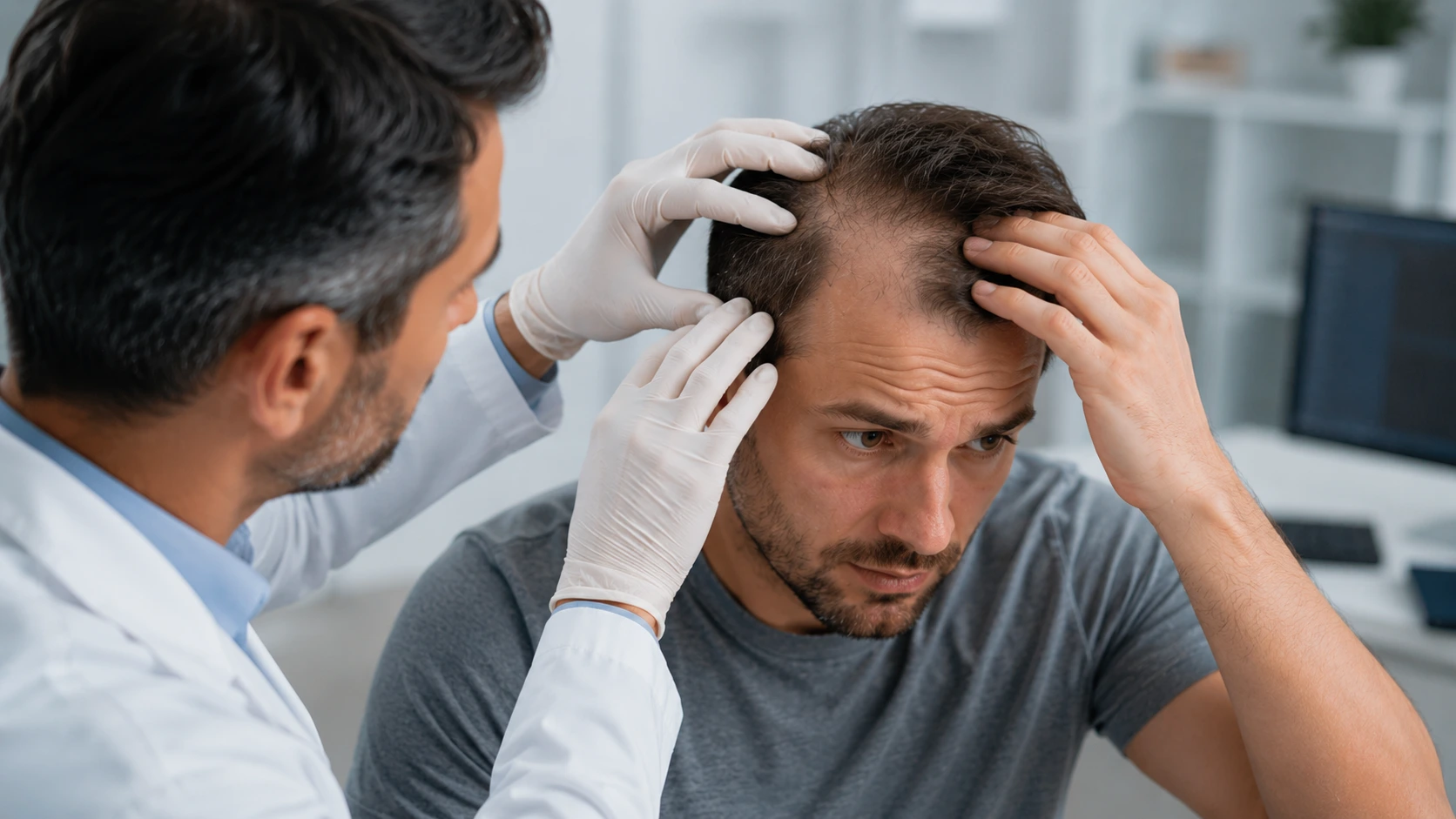
Most hair transplants succeed. Modern techniques produce high graft survival rates. However, failure still happens in some cases. Inexperienced surgeons and poor patient selection cause most failures.
What Are the Success Rates of Modern Hair Transplants?
Modern hair transplants show excellent success rates. FUE procedures achieve graft survival rates between 90 and 95 percent. FUT procedures show similar success. Limmer found that micrograft survival reaches 90 to 95 percent at five months when surgeons use proper techniques (Limmer 1994). Seager demonstrated that smaller micrografts survive better than larger ones. His study showed 86 percent survival at 14 weeks for properly sized grafts (Seager 1997). These numbers prove that technique matters enormously.
Why Do Most Hair Transplants Succeed?
Most hair transplants succeed for biological reasons. Surgeons use autologous grafts. This means they move the patient’s own hair from one area to another. The body does not reject its own tissue. Advanced extraction and implantation techniques also help. Surgeons now use microscopes and precision tools. These tools minimize damage to follicles. Proper storage solutions keep grafts alive during surgery. Raposio found that cooling micrografts improves their survival during transplantation (Raposio et al. 1999).
What Factors Increase the Risk of Failure?
Several factors increase failure risk. Inexperienced clinics top the list. Poor planning follows closely. Inadequate donor supply creates major problems. Some patients simply do not have enough permanent hair to transplant. Medical conditions like scarring alopecia also raise risk. Unrealistic expectations do not cause biological failure. However, they do cause patients to perceive success as failure.
What Causes an Unsuccessful Hair Transplant?
Multiple factors cause hair transplant failure. Poor candidate selection starts the problem. Inexperienced surgeons make technical errors. Bad planning ruins aesthetics. Graft damage kills follicles. Post-operative mistakes destroy results. Medical conditions sabotage growth.
Does Poor Candidate Selection Lead to Failure?
Yes, poor candidate selection leads directly to failure. Surgeons must evaluate donor hair supply first. Some patients lack sufficient donor hair. Advanced hair loss patterns leave too little permanent hair to harvest. Patients with unrealistic expectations often seek surgery too early. Diffuse thinning challenges surgeons because the donor area may also thin. Doctors use the Norwood classification to measure male pattern baldness. This scale helps surgeons plan long-term donor management. Operating on the wrong candidate wastes grafts and produces disappointment.
Can an Inexperienced Surgeon Cause Transplant Failure?
Yes, inexperienced surgeons cause many failures. Some clinics operate as hair mills. They process high volumes with little medical supervision. Technicians perform most of the work. The doctor merely supervises or signs off. This model prioritizes profit over quality. Improper graft handling kills follicles. Surgeons must use microscopes and gentle technique. Physician involvement matters at every step. Commercialized clinics often skip these standards. Patients suffer from poor growth and wasted donor hair.
Does Poor Surgical Planning Ruin Results?
Yes, poor surgical planning ruins aesthetic outcomes. Incorrect hairline design creates the most visible problem. A hairline that sits too low or runs too straight looks artificial. Wrong graft distribution leaves empty patches. Inadequate density planning makes the result look thin. Surgeons must also consider future hair loss. A young patient may lose more native hair over time. The transplant must blend with future balding patterns. Artistic and medical planning must work together. Age-appropriate hairlines prevent unnatural results.
How Does Graft Damage During Surgery Cause Failure?
Graft damage during surgery kills follicles directly. Excessive out-of-body time harms grafts. Follicles need quick implantation after extraction. Poor storage conditions also damage grafts. Dehydration and temperature changes stress the follicles. Kim proved that dehydration and improper temperature reduce graft survival significantly (Kim et al. 2002). Transection of follicles causes immediate failure. This happens when surgeons cut through the follicle bulb. Mechanical trauma during extraction or placement also destroys grafts. Microscopic handling protocols protect follicle viability. Surgeons who skip these protocols cause poor growth.
Do Post-Operative Mistakes Destroy Transplanted Hair?
Yes, post-operative mistakes destroy grafts. Touching or scratching grafts dislodges them. Bernstein and Rassman found that pulling on a hair always dislodges the graft during the first two days. By day six, grafts anchor more firmly. By day nine, crusting extends the risk period (Bernstein and Rassman 2006). Smoking and alcohol use damage healing. Nicotine constricts blood vessels. This reduces oxygen delivery to new grafts. Intense physical activity increases bleeding and swelling. Failure to follow washing instructions causes infection and crust buildup. The first 14 days determine graft survival. Patient compliance directly affects results.
Can Underlying Medical Conditions Cause Transplant Failure?
Yes, medical conditions sabotage transplants. Scarring alopecia destroys follicles permanently. Lichen planopilaris causes inflammation that kills grafts. Autoimmune disorders attack hair follicles. Scalp inflammation reduces blood flow and oxygen. These conditions impact graft survival severely. Doctors must diagnose these issues before surgery. Operating on a patient with active scarring alopecia guarantees failure.
What Are the Warning Signs of a Failed Hair Transplant?
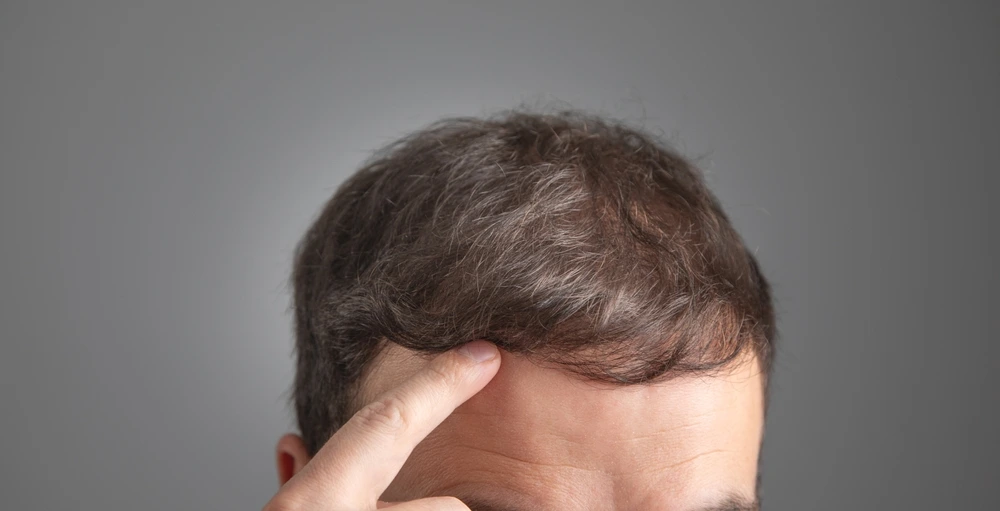
Patients must watch for specific warning signs. Poor growth after one year signals trouble. Patchy density looks unnatural. Bad hairlines stand out immediately. Excessive scarring reveals technical errors. Persistent redness and infection require urgent attention.
What Growth Problems Signal Transplant Failure?
Poor hair growth after 12 months signals failure. Patients should see noticeable thickening by month six. By month 12, the result should look substantial. Patchy or uneven density also indicates failure. Some areas grow well while others remain bald. This happens when grafts die unevenly or surgeons place them poorly.
How Does an Unnatural Hairline Look?
An unnatural hairline looks straight across the forehead. Natural hairlines have irregularities and soft edges. Plug-like appearance creates doll-like results. This happens when surgeons use large grafts or place them in rigid rows. Incorrect hair angles make hair stick out wrong. Hair must flow in the same direction as native hair. Wrong angles create a bizarre appearance.
What Scarring Issues Indicate Failure?
Excessive scarring indicates technical failure. FUT scars should form thin lines. Wide or raised scars mean poor closure technique. FUE overharvesting creates a moth-eaten appearance. This happens when surgeons extract too many grafts from one zone. The donor area looks patchy and thin. Visible dot scars at short haircuts also indicate overharvesting.
Do Redness and Infection Mean the Transplant Failed?
Persistent redness beyond one month needs evaluation. Mild redness lasts two to four weeks normally. Longer redness suggests infection or inflammation. Infection-related complications include pustules, discharge, and pain. Piraccini found that infection rates in hair transplant surgery remain below one percent in proper settings (Piraccini et al. 2020). However, poor hygiene raises infection risk dramatically. Infection can destroy grafts and cause scarring.
What Technical Errors Lead to Hair Transplant Failure?
Technical errors kill grafts and ruin aesthetics. Improper extraction damages the donor area. High transection rates waste follicles. Wrong incision depth harms blood supply. Poor recipient site creation affects angle and density.
How Does Improper Graft Extraction Cause Damage?
Improper extraction tears follicles from the scalp. Surgeons must align the punch tool with the hair angle. Wrong alignment cuts through follicles. Excessive force crushes the graft. Poor technique leaves buried grafts in the donor area. These buried grafts cause cysts and inflammation.
What Is Follicle Transection and Why Does It Matter?
Follicle transection means cutting through the follicle during extraction. This destroys the graft completely. Avram found that robotic FUE shows transection rates averaging 6.6 percent. Manual FUE often shows higher rates. Some cases reach 32.1 percent transection when surgeons use poor technique (Avram and Watkins 2014). Pathomvanich developed techniques to minimize transection through direct visualization (Pathomvanich 2000). Every transected follicle represents a lost graft. High transection rates mean poor density and wasted donor hair.
How Does Incorrect Incision Depth Affect Results?
Incorrect incision depth damages blood vessels and nerves. Shallow incisions fail to deliver grafts to the proper level. Deep incisions cut vital blood supply. Grafts need oxygen and nutrients from surrounding tissue. Wrong depth compromises this support. Necrosis can occur when incisions destroy blood flow. Mohmand noted that cutaneous necrosis after FUE leads to permanent scarring and hair loss (Mohmand 2018).
What Happens When Recipient Sites Are Created Poorly?
Poor recipient site creation ruins aesthetics and survival. Sites that are too close together compete for blood supply. This causes graft failure. Sites that are too far apart create thin density. Wrong site direction makes hair grow at odd angles. Surgeons must match the natural angle of existing hair. Poor site creation also increases scalp trauma. More trauma means more inflammation and poorer healing.
Why Does Hair Direction Matter in Transplant Surgery?
Hair direction matters because natural hair flows at specific angles. Forehead hair points forward and slightly down. Crown hair swirls in a whorl pattern. Surgeons must copy these patterns exactly. Wrong direction makes transplanted hair stand out. Patients cannot style hair normally when angles are wrong. Direction errors also create shadowing problems under light.
How Does Overharvesting Destroy the Donor Area?
Overharvesting extracts too many grafts from the safe donor zone. Surgeons should not exceed a one-to-four ratio of extracted follicles to remaining follicles. Going beyond this limit thins the donor area permanently. The scalp develops a moth-eaten appearance. Donor area depletion means patients cannot get future transplants. Overharvested areas never recover because extracted follicles do not grow back.
How Does a Failed Hair Transplant Affect Mental Health?
A failed hair transplant hurts more than appearance. Patients lose confidence. They feel anxiety and regret. Social and professional lives suffer. Surgeons must manage expectations before surgery to prevent psychological harm.
Does a Failed Transplant Cause Loss of Confidence?
Yes, failed transplants crush self-esteem. Hair loss already damages confidence. A failed surgery makes things worse. Patients feel they wasted money and hope. They avoid mirrors and photos. Some men stop socializing entirely. The visible nature of hair makes hiding impossible.
Can Failed Surgery Trigger Anxiety and Regret?
Yes, failed surgery triggers severe anxiety. Patients obsess over the bad result. They regret the decision daily. Some patients develop depression. Liu found that purpose of transplantation and early life impact significantly affect satisfaction levels (Liu et al. 2019). Patients with unrealistic expectations face the worst regret. They expected transformation but received disappointment.
How Do Social and Professional Lives Suffer?
Social lives suffer because patients feel embarrassed. They avoid dating and parties. Professional lives suffer too. Patients feel colleagues judge their appearance. Some men believe baldness affects career advancement. Hair carries strong cultural meaning. Society links hair to youth and vitality. Losing hair and then losing the transplant feels like double punishment.
Why Must Surgeons Manage Expectations Before Surgery?
Surgeons must manage expectations because psychology determines satisfaction. Patient education prevents unrealistic hopes. Doctors should show typical results, not perfect cases. Psychological screening helps identify high-risk patients. Tools like the Body Dysmorphic DisorderBody Dysmorphic Disorder (BDD) A psychological condition involving obsessive focus on perceived flaws in appearance, affecting surgical candidacy. Questionnaire (BDDQ), Patient Health Questionnaire-9 (PHQ-9), and Generalized Anxiety Disorder-7 (GAD-7) flag patients who need mental health support first. Internally motivated patients achieve better long-term satisfaction. Externally motivated patients seeking social validation face higher dissatisfaction risk.
How Do Doctors Diagnose a Failed Hair Transplant?
Doctors diagnose failure through careful examination. They inspect the scalp directly. They use special tools. They evaluate the donor area. Sometimes they take biopsies.
What Happens During a Clinical Examination?
During clinical examination, the doctor inspects both donor and recipient areas. They look for scarring, density, and hair angle. They compare current results with pre-operative photos. They measure hair density per square centimeter. They check for signs of infection or inflammation. The doctor asks about the surgery technique and aftercare compliance.
How Does Trichoscopy Help Assess Failure?
Trichoscopy lets doctors examine the scalp at high magnification. This tool reveals hair shaft thickness, follicle density, and miniaturization. Doctors use trichoscopy to assess donor area quality before any revision surgery. They can spot anisotrichosis, which means variable hair shaft diameter. This condition indicates unstable donor hair. Trichoscopy also helps distinguish true failure from temporary telogen effluvium.
Why Do Doctors Evaluate the Donor Area?
Doctors evaluate the donor area because it determines repair options. They measure remaining hair density. They check for overharvesting damage. They assess scar quality from previous FUT or FUE. If the donor area is depleted, revision surgery becomes difficult. Doctors may need to use body hair instead.
When Do Doctors Use Scalp Biopsy?
Doctors use scalp biopsy in complex cases. Biopsy reveals scarring alopecia or lichen planopilaris. It shows whether follicles remain alive under the skin. Biopsy helps distinguish surgical failure from biological disease. This information guides treatment choices.
How Do Surgeons Determine the Cause of Failure?
Surgeons determine cause by reviewing the timeline. Surgical errors show immediately or within months. Biological causes progress slowly. Poor growth after 12 months suggests graft death. Sudden patchy loss suggests technical error. Diffuse poor growth suggests medical condition or overharvesting. The surgeon combines history, examination, and testing to find the cause.
Can Doctors Fix a Failed Hair Transplant?
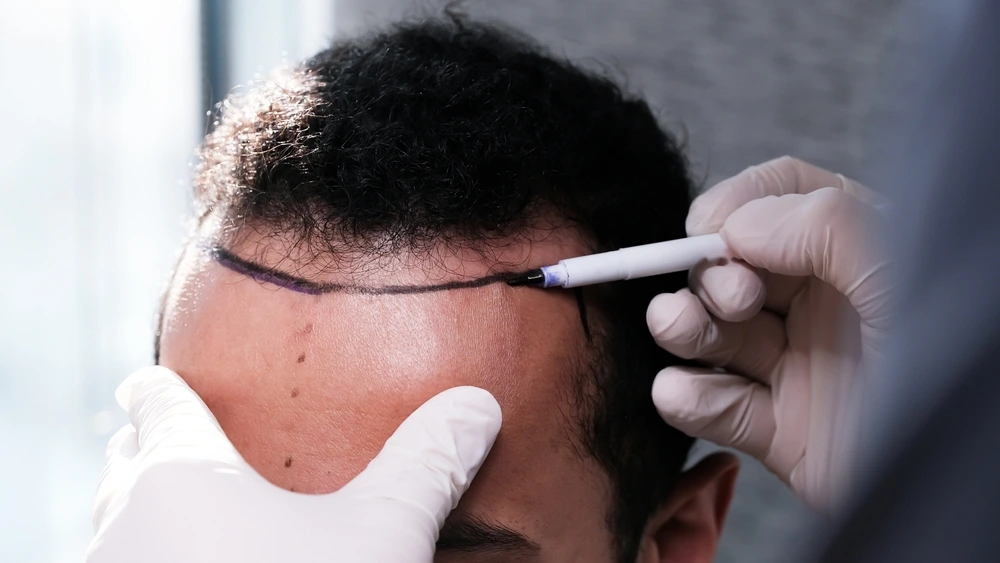
Yes, doctors can fix many failed transplants. Revision surgery offers new grafts. Hairline correction improves aesthetics. Scar revision hides damage. Scalp micropigmentation creates optical density. Medical treatments support growth.
What Is Revision Hair Transplant Surgery?
Revision surgery means performing a second transplant to fix the first. Surgeons use secondary FUE procedures to add density. They may perform FUT revision to harvest more grafts efficiently. Revision requires careful planning. Surgeons must protect remaining donor hair. They must place new grafts between existing ones. Good revision surgery can transform a bad result into a natural appearance.
How Do Surgeons Correct Bad Hairlines?
Surgeons correct bad hairlines by removing poorly placed grafts. They redesign the hairline with proper irregularity. They use single-hair grafts at the front edge. This creates a soft, natural transition. They adjust angles to match natural flow. Hairline correction demands artistic skill and medical precision.
Can Scar Revision Improve Appearance?
Yes, scar revision improves appearance. Surgeons excise wide FUT scars and re-close them with better technique. They may use trichophytic closure to hide scars under hair. For FUE scars, surgeons can transplant hair directly into scar tissue. This reduces the moth-eaten look. Some patients benefit from laser treatments to flatten raised scars.
What Is Scalp Micropigmentation?
Scalp micropigmentation (SMP) uses tiny pigment dots to mimic hair follicles. This non-surgical treatment conceals scars and adds visual density. SMP works well for patients with depleted donor areas. It hides FUT linear scars and FUE dot scars. The pigments match natural hair color. Results last three to five years before touch-ups.
How Do Medical Treatments Help Failed Transplants?
Medical treatments support remaining and transplanted hair. Minoxidil dilates blood vessels and delivers more nutrients to follicles. Finasteride blocks DHT and prevents further native hair loss. Dutasteride offers stronger DHT suppression. These medications do not fix dead grafts. However, they protect existing hair and improve overall density.
What Combination Treatments Work Best?
Combination treatments work better than single treatments. Alves showed that platelet-rich plasma combined with minoxidil and finasteride improves hair density significantly (Alves and Grimalt 2018). Bao found that microneedling combined with minoxidil produces superior growth compared to minoxidil alone (Bao et al. 2020). Low-level laser therapy also supports follicle health. Surgeons often recommend medical therapy alongside revision surgery for maximum improvement.
How Can Patients Prevent Hair Transplant Failure?
Prevention matters more than correction. Patients must choose qualified surgeons. They must verify clinic credentials. They need medical evaluation. They must set realistic expectations. They must follow aftercare exactly. Surgeons must plan for future hair loss.
How Do You Choose a Qualified Surgeon?
You choose a qualified surgeon by checking board certifications. Look for membership in the International Society of Hair Restoration Surgery (ISHRS). Check experience and case volume. Surgeons should perform hundreds of cases annually. Review before-and-after results carefully. Make sure results look natural, not just dense. Ask who performs the extraction and placement. The surgeon should handle critical steps personally, not just technicians.
Why Must Patients Verify Clinic Credentials?
Patients must verify credentials because hair mills operate worldwide. These clinics advertise cheap prices and high graft numbers. They use aggressive sales tactics. Medical standards suffer in these environments. Verify that the facility holds proper medical licenses. Check that the surgeon holds valid medical credentials. Read independent reviews from multiple sources.
What Medical Evaluations Are Needed?
Doctors must perform comprehensive medical evaluation before surgery. They should check for scarring alopecia, lichen planopilaris, and autoimmune disease. They must assess donor density and quality. They should evaluate the Norwood stage or Ludwig stage of hair loss. Blood tests rule out thyroid problems and nutritional deficiencies. Doctors should also perform psychological screening. This identifies patients with body dysmorphic disorder or unrealistic expectations.
Why Are Realistic Expectations Important?
Realistic expectations prevent disappointment. Surgeons must explain that transplants redistribute hair. They do not create new hair. Patients with limited donor hair cannot achieve full density. Young patients must understand that future hair loss may continue. Surgeons should show age-appropriate results. They must explain the 12-month growth timeline clearly.
How Does Aftercare Protect Results?
Aftercare protects grafts during the critical first two weeks. Patients must sleep with head elevated. They must avoid smoking and alcohol. They should not touch or scratch grafts. Gentle washing removes crusts without dislodging follicles. Patients must avoid strenuous exercise for one week. Sun exposure can damage healing scalp. Following these rules maximizes graft survival.
Why Must Surgeons Plan for Future Hair Loss?
Surgeons must plan long-term because hair loss often continues. A young man at Norwood stage 3 may reach stage 6 by age 50. Using too many grafts early leaves nothing for later. Surgeons must preserve donor hair for future sessions. They must design hairlines that look good even if balding progresses. Long-term strategy prevents patchy results down the road.
What Improvements Can Repair Surgery Offer?
Repair surgery offers significant improvements. Doctors can enhance density. They can redesign bad hairlines. They can conceal scars. They can repair donor areas. They can fix outdated pluggy transplants.
Can Doctors Enhance Density?
Yes, doctors enhance density by adding grafts between existing ones. They must avoid overloading blood supply. Strategic placement fills thin zones. Combination with medical therapy improves visual thickness. Patients gain fuller appearance without artificial look.
How Do Surgeons Redesign Bad Hairlines?
Surgeons redesign hairlines by removing old grafts and placing new ones. They create proper temporal recessions. They build irregular, natural front lines. Single-hair grafts soften the edge. Proper angulation matches natural growth patterns.
Can Doctors Conceal Scars?
Yes, doctors conceal scars through multiple methods. They transplant hair into scar tissue. They perform SMP to reduce contrast. They excise and re-close wide scars. FUE into FUT scars breaks up the linear appearance. These methods restore confidence for patients who want short haircuts.
Is Donor Area Repair Possible?
Donor area repair is possible but limited. Surgeons cannot replace extracted follicles. They can soften the moth-eaten look with strategic placement of remaining grafts. SMP reduces visual contrast in thin areas. Body hair transplantation offers alternative graft sources when scalp donor hair runs out.
How Do Surgeons Fix Pluggy Old Transplants?
Surgeons fix pluggy transplants by removing large old grafts. They dissect these plugs into smaller follicular units. They redistribute the hair properly. This eliminates the doll-like appearance. Modern techniques transform outdated results into natural coverage.
Frequently Asked Questions About Unsuccessful Transplants
Patients ask many questions about failure and repair. Clear answers help them make informed decisions.
Can a Hair Transplant Completely Fail?
Yes, a hair transplant can completely fail. This happens when most grafts die. It occurs with inexperienced surgeons, poor aftercare, or active scalp disease. Complete failure leaves the patient with no meaningful growth and possible scarring.
How Long Should You Wait Before Judging Results?
You should wait 12 months before judging results. Some doctors recommend 18 months. Hair grows slowly. Transplanted hairs shed first. New growth starts around month three. Full density develops by month 12. Judging too early causes unnecessary panic.
Can the Body Reject Hair GraftsA hair graft refers to a small unit of hair-bearing skin taken from the donor area—typically the back or sides...?
No, the body does not reject hair grafts in standard transplantation. Surgeons use your own hair. Autologous tissue faces no rejection. However, grafts can die from poor handling, infection, or lack of blood supply. This is graft failure, not immune rejection.
Is Shock Loss a Sign of Failure?
No, shock loss is not a sign of failure. Shock loss means temporary shedding after surgery. It affects transplanted hairs and nearby native hairs. The follicles remain alive. Hair regrows within three to six months. True failure means no regrowth after 12 months.
How Many Revision Procedures Are Safe?
The number of safe revisions depends on donor supply. Most patients can undergo two to three procedures over a lifetime. Each session uses more donor hair. Surgeons must preserve enough hair for natural donor appearance. Overharvesting limits future options permanently.
Can Overharvested Donor Areas Recover?
No, overharvested donor areas cannot recover fully. Extracted follicles never grow back. The remaining hair may thin further with age. SMP can improve visual density. Strategic styling can hide thinning. However, original density never returns.
What Should Patients Remember About Unsuccessful Hair Transplants?
Patients should remember that most hair transplants succeed when properly planned. Failure usually results from poor candidate selection, surgical errors, inadequate aftercare, or underlying scalp disease. Early diagnosis improves correction opportunities. Revision procedures and adjunctive therapies can significantly improve outcomes. Selecting an experienced surgeon and following evidence-based treatment protocols remain the most effective strategies for preventing an unsuccessful hair transplant.
What Are the Most Important Facts?
The most important facts are simple. First, research your surgeon thoroughly. Second, understand your donor limits. Third, follow aftercare exactly. Fourth, plan for long-term hair loss. Fifth, seek early evaluation if results look wrong. Medical science offers real solutions. However, prevention always beats correction.
References
Alves, Rafael, and Ramon Grimalt. “Platelet-Rich Plasma in Combination with 5% Minoxidil Topical Solution and 1 mg Oral Finasteride for the Treatment of Androgenetic Alopecia.” Dermatologic Surgery, vol. 44, no. 1, 2018, pp. 126-130.
Avram, Marc R., and Shannon A. Watkins. “Robotic Follicular Unit Extraction in Hair Transplantation.” Dermatologic Surgery, vol. 40, 2014.
Bao, Lei, et al. “Randomized Trial of Electrodynamic Microneedle Combined with 5% Minoxidil Topical Solution for the Treatment of Chinese Male Androgenetic Alopecia.” Journal of Cosmetic and Laser Therapy, vol. 22, no. 1, 2020, pp. 1-7.
Bernstein, Robert M., and William R. Rassman. “Graft Anchoring in Hair Transplantation.” Dermatologic Surgery, vol. 32, no. 2, 2006.
Bernstein, Robert M., and William R. Rassman. “The Logic of Follicular Unit Transplantation.” Dermatologic Clinics, vol. 17, 1999, pp. 277-295.
Haber, Robert S. “Is Prophylactic Antibiotic Use Necessary Before Hair Transplant Surgery?” Dermatologic Surgery, vol. 41, no. 10, 2015, pp. 1152-1155.
Kerure, A.S., and N. Patwardhan. “Complications in Hair Transplantation.” Journal of Cutaneous and Aesthetic Surgery, vol. 11, 2018.
Kim, Jae-Chul, et al. “The Effects of Dehydration, Preservation Temperature and Time on the Hair Grafts.” Annals of Dermatology, vol. 14, 2002, pp. 149-152.
Limmer, Bobby L. “Elliptical Donor Stereoscopically Assisted Micrografting as an Approach to Further Refinement in Hair Transplantation.” Dermatologic Surgery and Oncology, vol. 20, 1994, pp. 789-793.
Liu, Yang, et al. “Evaluating the Satisfaction of Patients Undergoing Hair Transplantation Surgery Using the FACE-Q Scales.” Aesthetic Plastic Surgery, vol. 43, 2019.
Mohmand, M.H. “Effect of Follicular Unit Extraction on the Donor Area.” Journal of Cutaneous and Aesthetic Surgery, 2018.
Orentreich, Norman. “Autografts in Alopecias and Other Selected Dermatological Conditions.” Annals of the New York Academy of Sciences, vol. 83, 1959, pp. 463-479.
Pathomvanich, Damkerng. “Donor Harvesting: A New Approach to Minimize Transection of Hair Follicles.” Dermatologic Surgery, vol. 26, no. 4, 2000, pp. 345-348.
Piraccini, Bianca Maria, et al. “Infectious Complications of Hair Transplant Surgery: A Systematic Review.” Journal of the European Academy of Dermatology and Venereology, vol. 34, no. 5, 2020, pp. 950-956.
Raposio, Edoardo, et al. “Effects of Cooling Micrografts in Hair Transplantation Surgery.” Dermatologic Surgery, vol. 25, 1999, pp. 705-707.
Seager, David J. “Micrograft Size and Subsequent Survival.” Dermatologic Surgery, vol. 23, 1997, pp. 757-761.