Hair loss affects millions of people worldwide. It ranges from mild shedding to permanent baldness. Doctors call this condition alopecia. Many different types of alopecia exist. Each type has unique causes, symptoms, and treatments. You need accurate information to seek the right help. This article explains the 10 major forms of hair loss in simple terms. You will learn how hair grows, how doctors classify hair loss, and what treatments can help. We base this guide on current medical research and clinical practice. Early diagnosis always leads to better outcomes.
What Is Hair Loss (Alopecia)?
Hair loss means you lose more hair than your scalp replaces. This condition changes how thick your hair looks. Alopecia is the medical term for any type of hair loss. It does not mean one single disease. Instead, it describes many different scalp disorders causing hair loss. Some types of hair loss create bald patches. Other types cause diffuse hair loss across the entire scalp. Doctors evaluate your scalp, medical history, and family background to find the exact cause. You should know that hair shedding differs from true hair loss. Normal shedding involves losing 50 to 100 hairs daily. True hair loss happens when new hair stops replacing the old hair.
What Is the Hair Growth Cycle?
Your hair follows a predictable growth pattern. This cycle includes four distinct phases. Each hair follicle moves through these phases independently. The first phase is anagen. Anagen is the active growth phase. It lasts two to six years. About 85 to 90 percent of your hairs sit in this phase right now. The second phase is catagen. Catagen is a short transition period. It lasts only two to three weeks. The hair stops growing and the follicle shrinks. The third phase is telogen. Telogen is the resting phase. It lasts about three months. The old hair stays in place while new hair begins forming below it. The fourth phase is exogen. Exogen is the shedding phase. The old hair falls out and makes room for new growth. This cycle repeats constantly across your scalp.
How Does Hair Loss Develop?
Hair loss develops when something disrupts the normal hair cycle. Several mechanisms cause this disruption. Follicular miniaturization shrinks hair follicles over time. This process produces thinner and shorter hairs. Inflammatory and autoimmune mechanisms attack the follicle directly. White blood cells mistake hair follicles for foreign invaders. They destroy the follicle structure. Hormonal and genetic influences also play major roles. Dihydrotestosterone, or DHT, shortens the anagen phase in pattern hair loss. Genetic sensitivity to DHT determines who develops androgenetic alopecia. You inherit this sensitivity from both parents. Environmental triggers like stress, infection, or trauma can speed up these processes.
How Is Hair Loss Classified?
Doctors classify hair loss using three main systems. They look at scarring, distribution, and duration. These categories help doctors choose the right treatment. You should understand these classifications because they predict your prognosis. Scarring alopecia destroys the follicle permanently. Non-scarring alopecia leaves the follicle intact. Diffuse hair loss spreads across the scalp. Localized hair loss stays in one area. Temporary hair loss resolves when doctors treat the cause. Permanent hair loss requires ongoing management. Each classification guides doctors toward specific diagnostic tests.
What Is the Difference Between Scarring and Non-Scarring Alopecia?
Scarring alopecia destroys the hair follicle and replaces it with scar tissue. This damage is permanent. Non-scarring alopecia keeps the follicle alive. The hair can regrow if doctors treat the cause early. Scarring types include lichen planopilaris and central centrifugal cicatricial alopecia. Non-scarring types include alopecia areata and telogen effluvium. Doctors use scalp biopsy to tell these apart. Early treatment prevents irreversible damage in scarring forms. You must seek help quickly if you notice scalp redness, pain, or smooth shiny bald areas.
What Is the Difference Between Diffuse and Localized Hair Loss?
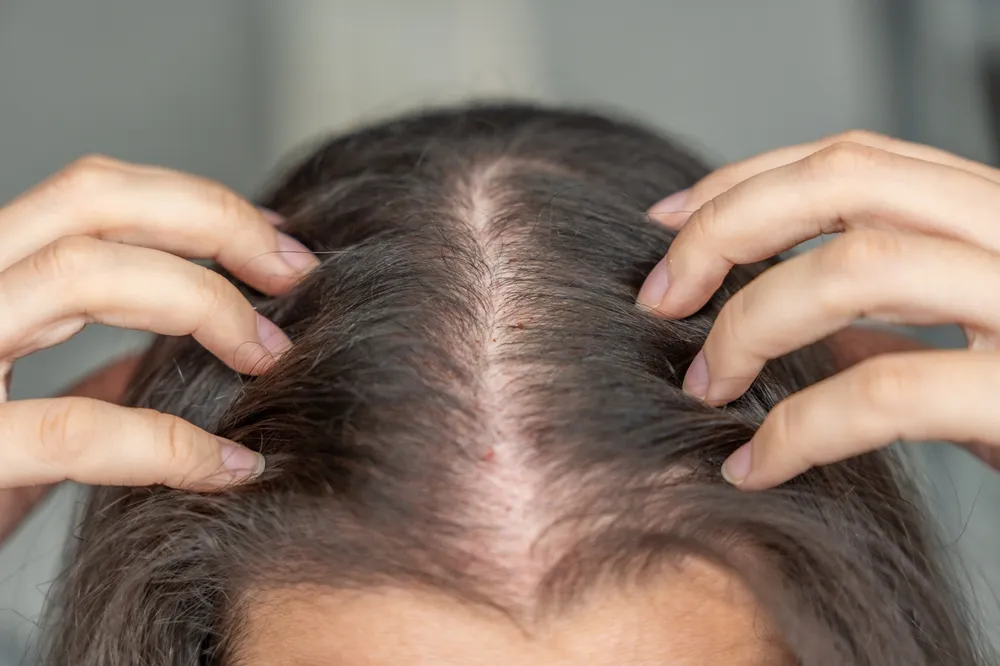
Diffuse hair loss thins hair evenly across the scalp. You notice a wider part or a smaller ponytail. Telogen effluvium and female pattern hair loss often show this pattern. Localized hair loss creates distinct bald patches. Alopecia areata and tinea capitis commonly cause patchy hair loss. Doctors examine the pattern to narrow down the diagnosis. Diffuse hair loss often signals systemic issues like thyroid disease. Localized hair loss usually points to local scalp conditions or autoimmune attacks.
What Is the Difference Between Temporary and Permanent Hair Loss?
Temporary hair loss reverses when you remove the trigger. Childbirth, surgery, or severe stress can cause temporary shedding. The hair recovers within months. Permanent hair loss continues until doctors intervene. Androgenetic alopecia and scarring alopecia fall into this group. The follicle loses its ability to produce new hair. You need long-term treatment to manage permanent forms. Some conditions start as temporary but become permanent if you ignore them. Traction alopecia offers a clear example. Early traction damage heals if you stop pulling the hair. Chronic traction destroys the follicle forever.
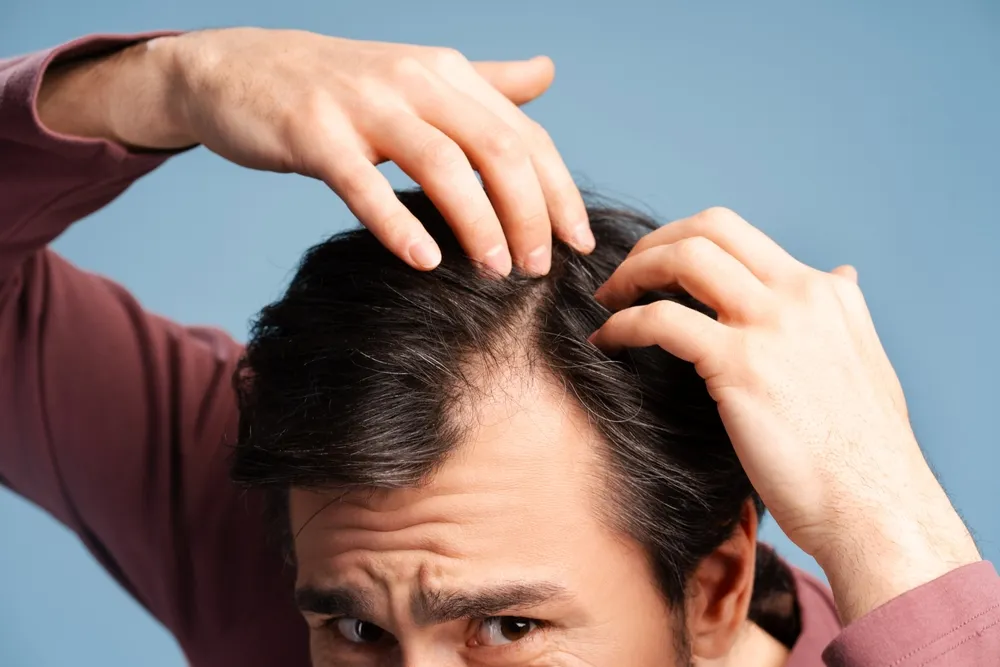
Medical science recognizes many forms of alopecia. Ten major types appear most often in clinics. These include androgenetic alopecia, alopecia areata, telogen effluvium, anagen effluvium, traction alopecia, trichotillomania, cicatricial alopecia, central centrifugal cicatricial alopecia, frontal fibrosing alopecia, and tinea capitis. Each type has distinct features. Some types overlap in appearance. Doctors use special tools to separate them. The table below summarizes key differences.
|
Form
|
Category
|
Pattern
|
Reversibility
|
Key Feature
|
|
Androgenetic alopecia
|
Non-scarring
|
Patterned
|
Permanent without treatment
|
Follicle miniaturization
|
|
Alopecia areata
|
Non-scarring
|
Patchy
|
Often reversible
|
Autoimmune attack
|
|
Telogen effluvium
|
Non-scarring
|
Diffuse
|
Reversible
|
Shedding after stress
|
|
Anagen effluvium
|
Non-scarring
|
Diffuse
|
Reversible
|
Breakage during growth
|
|
Traction alopecia
|
Non-scarring to scarring
|
Localized
|
Early stage reversible
|
Mechanical pulling
|
|
Trichotillomania
|
Non-scarring to scarring
|
Patchy
|
Variable
|
Behavioral pulling
|
|
|
What Is Androgenetic Alopecia?
Androgenetic alopecia is the most common form of hair loss. It affects both men and women. Genetic and hormonal causes drive this condition. Your genes determine how sensitive your follicles are to DHT. This hormone shrinks the follicle over time. The medical community calls this pattern hair loss. It follows predictable patterns in most patients. Doctors use standardized scales to measure its severity. You can slow this process with medication. Hair transplantation offers another solution for suitable candidates.
What Is Male Pattern Hair Loss?
Male pattern hair loss creates a receding hairline and vertex thinning. The hairline moves backward in an M shape. The crown thins and may become completely bald. Doctors use the Norwood Scale to classify male pattern baldness. This scale ranges from stage 1 to stage 7. Stage 1 shows minimal recession. Stage 7 leaves only a horseshoe band of hair. DHT targets the front and top of the scalp. The back and sides resist this hormone. This resistance explains why transplants use donor hair from these safe zones.
What Is Female Pattern Hair Loss?
Female pattern hair loss causes diffuse crown thinning. Women keep their frontal hairline in most cases. The part widens and the scalp becomes more visible. Doctors use the Ludwig Scale to grade female hair thinning. Stage 1 shows mild widening. Stage 3 reveals significant crown baldness. Women experience this type after menopause in many cases. Hormonal shifts increase the impact of androgens on the scalp. Early treatment preserves more hair density.
What Are the Risk Factors for Pattern Hair Loss?
Family history stands as the strongest risk factor. You inherit genes from both parents. Aging also increases your risk. Hormonal sensitivity matters more than hormone levels. Some men have normal testosterone but highly sensitive follicles. Women with polycystic ovary syndrome face higher risk due to androgen excess. Smoking and poor nutrition may speed up the process. You cannot change your genes, but you can modify lifestyle factors.
What Treatment Options Exist for Androgenetic Alopecia?
Doctors prescribe topical minoxidil and oral finasteride for men. Minoxidil increases blood flow to the follicle. Finasteride blocks the conversion of testosterone to DHT. Women often use topical minoxidil and oral spironolactone. Spironolactone blocks androgen receptors. Hair transplantation moves healthy follicles to bald areas. Regenerative therapies like PRP injections stimulate weak follicles. You must continue treatment to maintain results. Stopping medication allows DHT to resume its damage.
What Is Alopecia Areata?
Alopecia areata is an autoimmune hair loss condition. Your immune system attacks healthy hair follicles. This attack causes sudden bald patches. The condition affects any hair-bearing area. Scientists have identified specific immune cells involved. CD8+ T cells infiltrate the follicle bulb. They release inflammatory signals that disrupt the hair cycle (Miao 2022). Genetic factors increase susceptibility. Environmental triggers like stress or infection may start the attack. This form of autoimmune hair loss often surprises patients because it appears rapidly.
What Are the Common Symptoms of Alopecia Areata?
Round or oval bald patches appear suddenly. The skin looks smooth and normal. You may feel mild itching or burning before the hair falls out. Hairs near the edge loosen easily. Doctors call these exclamation mark hairs. The condition can affect your beard, eyebrows, or body hair. Some patients lose all scalp hair. Others lose hair across their entire body. Severity varies widely between patients.
What Are the Variants of Alopecia Areata?
Patchy alopecia areata causes one or more bald spots. This is the most common variant. Alopecia totalis removes all scalp hair. Alopecia universalis removes all body hair. Diffuse alopecia areata thins hair across the entire scalp. It mimics telogen effluvium. Doctors examine the pattern and may perform a biopsy. Each variant requires a tailored treatment approach.
How Do Doctors Diagnose and Manage Alopecia Areata?
Doctors diagnose this condition through clinical examination. They look at the pattern and check for exclamation mark hairs. Trichoscopy reveals yellow dots and broken hairs. Blood tests rule out thyroid disease or other autoimmune issues. Treatment includes corticosteroid injections into the patches. Topical immunotherapy applies chemicals to provoke an immune reaction. JAK inhibitors offer newer options for severe cases. Many patients experience regrowth within months. Some patients relapse repeatedly.
What Is Telogen Effluvium?
Telogen effluvium is excessive shedding caused by cycle disruption. A major stressor pushes many hairs into the resting phase at once. These hairs shed together weeks later. You notice handfuls of hair in the shower or on your brush. This condition creates diffuse hair loss. The scalp looks normal without redness or scaling. Doctors recognize this as one of the most common reversible hair loss types. It usually resolves once the trigger disappears.
What Triggers Telogen Effluvium?
Many triggers can start this process. High fever, surgery, or childbirth commonly cause it. Rapid weight loss and crash diets deprive follicles of nutrients. Severe psychological stress releases hormones that affect the cycle. Thyroid dysfunction and iron deficiency also trigger shedding. Recent studies show that COVID-19 infection causes this condition in some patients (Iancu 2023). You should identify and treat the trigger to stop the shedding.
What Is the Difference Between Acute and Chronic Telogen Effluvium?
Acute telogen effluvium lasts less than six months. It starts two to three months after the trigger. The hair recovers once the stressor resolves. Chronic telogen effluvium persists longer than six months. Some patients shed heavily for years. Doctors investigate ongoing triggers like nutritional gaps or hormonal imbalance. Both forms cause distress but differ in duration.
What Is the Recovery Timeline for Telogen Effluvium?
Hair shedding typically peaks at four months. New growth becomes visible at three to six months. Full density returns within nine to twelve months. You must correct the underlying cause for recovery to occur. Patience matters because hair grows slowly. Doctors may recommend supplements if blood tests reveal deficiencies. Minoxidil can speed up regrowth in some cases.
What Is Anagen Effluvium?
Anagen effluvium is rapid hair loss during the active growth phase. Toxic insults break the hair shaft while it still grows. This condition causes diffuse hair loss across the scalp. It can also affect eyebrows, lashes, and body hair. The damage happens quickly. Patients may lose most hair within weeks. This form differs from telogen effluvium because the hair breaks rather than sheds.
What Causes Anagen Effluvium?
Chemotherapy drugs cause most cases. These medications attack rapidly dividing cells. Hair matrix cells divide faster than most body cells. Radiation therapy to the head also causes this damage. Toxic exposures to thallium, mercury, or boron produce similar effects. Autoimmune diseases like pemphigus vulgaris can trigger it. Doctors know the cause immediately in most cases because the trigger is obvious.
How Does Anagen Effluvium Present Clinically?
Hair falls out in clumps within days to weeks of exposure. The scalp lacks inflammation or scarring. Trichoscopy shows tapered fractures of anagen hairs. Doctors call these Pohl-Pinkus constrictions. The hair narrows at the break point. You may see black dots where hairs broke off at the scalp. This presentation differs clearly from other forms of alopecia.
Can Hair Regrow After Anagen Effluvium?
Yes, hair regrows in most cases. The follicle stem cells survive chemotherapy. New hair emerges one to three months after treatment ends. The new hair may have different texture or color. Some patients notice curling or graying. Permanent alopecia rarely occurs with standard chemotherapy doses. Radiation above 30 Gray can destroy follicles permanently. Your oncology team can discuss scalp cooling to reduce hair loss during treatment.
What Is Traction Alopecia?
Traction alopecia is mechanical hair loss from persistent pulling. Tight hairstyles damage the follicle over time. This condition mostly affects women with tightly curled hair. It starts at the hairline and temples. Early traction alopecia is reversible. Chronic traction causes permanent scarring. Cultural and occupational practices often drive this condition. Ballet dancers, military personnel, and people with religious headwear face higher risk.
Which Hairstyles Increase the Risk of Traction Alopecia?
Tight braids, cornrows, and weaves pull constantly on the roots. High ponytails and buns create tension at the hairline. Hair extensions add weight that stresses follicles. Dreadlocks can mat and pull at the scalp. Chemical relaxers and heat styling weaken hair further. You should vary your hairstyles and avoid tight pulling every day. Looser styles protect your follicles.
What Are the Early Warning Signs of Traction Alopecia?
You notice small bumps or redness along the hairline. Broken hairs appear near the temples. The scalp feels tender or itchy. Hair casts surround the base of some hairs. These signs appear before bald patches form. Doctors use the Marginal Traction Alopecia Severity Score to grade early damage. You must act at this stage to prevent permanent loss.
How Can You Prevent and Treat Traction Alopecia?
Stop wearing tight styles immediately. Switch to loose protective styles. Avoid chemical treatments on affected areas. Topical corticosteroids reduce inflammation in early cases. Minoxidil stimulates regrowth if follicles remain alive. Doctors may inject steroids into inflamed areas. Longstanding cases need hair transplantation. Education prevents this condition in children and teens.
What Is Trichotillomania?
Trichotillomania is a hair-pulling disorder. Patients repeatedly pull out their own hair. They feel tension before pulling and relief afterward. This condition belongs to the obsessive-compulsive spectrum. It affects men, women, and children. Girls and women develop it four times more often than men. The average age of onset is 10 to 13 years. Many patients wait 20 years before seeking help (Grant 2024).
What Psychological Factors Drive Trichotillomania?
Stress, anxiety, and boredom trigger the urge. Some patients pull hair automatically without awareness. Others feel obsessive thoughts about hair texture. They pull to achieve smoothness or remove perceived imperfections. Depression often accompanies this disorder. Family conflict or school pressure may worsen symptoms in children. Understanding these triggers helps therapists design treatment.
What Are the Symptoms and Diagnosis Criteria for Trichotillomania?
Patients show patchy bald spots with irregular borders. Hairs break at different lengths. The scalp shows no scaling or inflammation. Some patients eat the pulled hairs. This behavior risks trichobezoar formation in the stomach. Doctors diagnose based on history and pattern. Trichoscopy reveals broken hairs, flame hairs, and coiled hairs. The pull test is negative because patients pull intentionally.
What Treatment Approaches Help Trichotillomania?
Habit reversal therapy stands as the first-line treatment. Patients learn to recognize urges and substitute other behaviors. They keep their hands busy with competing responses. Cognitive behavioral therapy addresses underlying thoughts. Selective serotonin reuptake inhibitors help some patients. N-acetylcysteine shows promise in clinical trials. Support groups reduce shame and isolation. Early intervention prevents permanent follicle damage.
What Is Cicatricial (Scarring) Alopecia?
Cicatricial alopecia destroys the hair follicle permanently. Inflammation targets the upper follicle and stem cell region. Scar tissue replaces the normal follicle structure. This group includes several distinct diseases. Lichen planopilaris, frontal fibrosing alopecia, and central centrifugal cicatricial alopecia belong here. Doctors call these primary scarring alopecias. Secondary scarring follows burns, radiation, or infections. You cannot restore hair in scarred areas without surgery.
What Are the Common Types of Scarring Alopecia?
Lichen planopilaris causes perifollicular redness and scale. It destroys follicles in patches. Frontal fibrosing alopecia affects the front hairline and eyebrows. Central centrifugal cicatricial alopecia starts at the crown and spreads outward. Folliculitis decalvans creates pustules and tufted hairs. Discoid lupus erythematosus produces scaly plaques and pigment changes. Each type needs specific treatment to stop progression (Harries 2010).
What Warning Signs Indicate Scarring Alopecia?
Scalp pain, burning, or itching signal active inflammation. You see redness around hair follicles. Pustules or scaling may appear. The bald skin looks smooth and shiny. Follicle openings disappear completely. These signs differ from non-scarring types where pores remain visible. You should see a dermatologist immediately if you notice these symptoms.
Why Does Early Treatment Matter for Scarring Alopecia?
Once scar tissue forms, the follicle dies forever. No medication can revive dead follicles. Early anti-inflammatory treatment preserves surviving follicles. Doctors use corticosteroids, antimalarials, or immunosuppressants. They monitor disease activity with photography and dermoscopy. Delay allows irreversible bald patches to expand. Timely action saves your hair.
What Is Central Centrifugal Cicatricial Alopecia?
Central centrifugal cicatricial alopecia, or CCCA, is a scarring condition. It starts at the crown and spreads outward in a circular pattern. This condition mostly affects women of African descent. It represents the most common scarring alopecia in this population. The exact cause remains unclear. Genetics, hair care practices, and autoimmunity may all contribute (George 2023).
Who Is Most Commonly Affected by CCCA?
Black women between ages 30 and 50 develop CCCA most often. The female-to-male ratio is three to one. Adolescents can also show early signs. Tightly curled hair patterns increase susceptibility. Some studies link CCCA to metabolic syndrome and breast cancer risk. Family history appears in some cases. More research continues to clarify risk factors (Palmer 2023).
What Are the Symptoms and Progression of CCCA?
Hair thinning begins at the vertex. The area expands slowly and symmetrically. You may feel tingling, itching, or tenderness. The scalp shows smooth shiny skin without visible pores. Broken hairs remain at the edges. Some patients notice peripilar white halos on dermoscopy. The condition progresses over years if untreated. Early detection limits the bald area.
How Do Doctors Diagnose CCCA?
Doctors examine the pattern and test scalp flexibility. They perform dermoscopy to look for specific signs. A scalp biopsy confirms the diagnosis. Pathology shows premature inner root sheath desquamation. Inflammation surrounds the follicle isthmus. Doctors rule out other scarring types. They may check for underlying medical conditions. Accurate diagnosis guides treatment selection.
What Treatments Are Available for CCCA?
Topical corticosteroids reduce inflammation. Intralesional steroid injections target active areas. Topical minoxidil preserves remaining hair. Antibiotics like doxycycline fight inflammation at low doses. Hair transplantation works only in stable burned-out disease. Patients must avoid chemical relaxers and heat. Gentle hair care prevents further damage. Early treatment preserves the most hair.
What Is Frontal Fibrosing Alopecia?
Frontal fibrosing alopecia, or FFA, is a scarring condition. It causes band-like recession of the front hairline. This condition mostly affects postmenopausal women. However, younger women and men can develop it too. The incidence has risen worldwide over the past decade. Scientists study genetic and environmental triggers. Immune privilege collapse in the follicle drives the damage (Miao 2022).
What Are the Characteristic Signs of FFA?
The front hairline moves back in a symmetrical band. You lose eyebrows and sometimes body hair. The skin looks pale and smooth. Follicle openings vanish completely. Some patients develop papules at the hairline. These signs progress slowly over years. Early recognition prevents extensive recession.
What Risk Factors Contribute to FFA?
Genetics play a strong role. The HLA-B*07:02 allele increases risk five-fold (Tziotzios 2019). The CYP1B1 gene also influences susceptibility (Saceda-Corralo 2023). Hormonal changes after menopause trigger onset in many patients. Sunscreen ingredients and cosmetic allergens may contribute in some cases. Stress and surgical procedures have triggered cases. Autoimmune background increases vulnerability.
How Do Doctors Diagnose and Manage FFA?
Doctors examine the frontal band and check for eyebrow loss. Trichoscopy shows loss of follicular openings. Biopsy confirms lichenoid inflammation around the follicle. Treatment includes topical steroids and calcineurin inhibitors. Oral hydroxychloroquine and 5-alpha reductase inhibitors help some patients. JAK inhibitors show emerging promise. Hair transplantation offers temporary improvement but disease may recur. Sun protection remains important.
What Is Tinea Capitis?
Tinea capitis is a fungal scalp infection. Dermatophyte fungi invade the hair shaft and scalp skin. This condition mostly affects children. It causes patchy hair loss with scaling and inflammation. The infection spreads through direct contact. Shared combs, hats, or pillows transmit spores. Pets can carry the fungus too. Treatment requires oral antifungal medication (Al Aboud 2023).
What Symptoms Does Tinea Capitis Cause?
Patchy bald spots appear with thick scaling. The scalp may show black dots where hairs broke off. Some patients develop a boggy swollen mass called a kerion. This painful lump oozes pus. Lymph nodes behind the ears swell. Fungal species determine the exact appearance. Trichophyton tonsurans causes black dot ringworm. Microsporum canis causes gray patch ringworm.
How Do Doctors Diagnose Tinea Capitis?
Doctors examine the scalp and use Wood lamp examination. Some fungi fluoresce blue-green under this light. They take scalp scrapings for potassium hydroxide preparation. Microscopy reveals hyphae and spores. Fungal culture identifies the exact species. This process takes two to four weeks. Dermoscopy shows comma hairs and corkscrew hairs. These findings confirm the infection quickly.
What Antifungal Treatments Cure Tinea Capitis?
Oral griseofulvin has served as the traditional treatment. Patients take it for four to eight weeks. Terbinafine works faster for Trichophyton species. Itraconazole and fluconazole offer alternatives. Topical creams alone cannot cure this infection. Antifungal shampoos reduce spread to family members. Doctors screen household contacts. Everyone with infection needs treatment simultaneously.
What Symptoms May Indicate Hair Loss?
You should watch for specific warning signs. Normal daily shedding does not cause visible thinning. True hair loss shows distinct patterns. Early recognition leads to better treatment results. You can perform simple checks at home. Look at your part width, hairline position, and brush collection. Note any scalp sensations like pain or itching. These clues help doctors identify the type.
What Counts as Excessive Daily Shedding?
Losing more than 150 hairs daily suggests a problem. You find clumps in the shower drain or on your pillow. The hair brush fills faster than usual. This shedding may signal telogen effluvium. Count hairs over several days to establish a baseline. Sudden increases warrant medical evaluation. Do not ignore persistent heavy shedding.
How Does a Widening Hair Part Signal Hair Loss?
Women notice their part line expanding over time. The scalp becomes visible along the center crown. This pattern suggests female pattern hair loss or diffuse alopecia. Compare current photos to old ones. A widening part often precedes obvious baldness. Early treatment prevents further widening.
What Does a Receding Hairline Indicate?
A receding hairline in men signals androgenetic alopecia. The M-shaped pattern advances slowly. In women, frontal fibrosing alopecia also recedes the hairline. Traction alopecia pulls the temples backward. Each cause needs different treatment. Measure the distance from eyebrows to hairline monthly. Document changes with photographs.
What Do Patchy Bald Spots Mean?
Round smooth patches suggest alopecia areata. Irregular broken patches point to trichotillomania. Scaly patches with redness indicate tinea capitis. Scarred smooth patches reveal cicatricial alopecia. The shape and surface of the patch tell doctors the cause. Note any associated symptoms like itching or pain.
Can Scalp Itching, Burning, or Flaking Indicate Hair Loss?
Yes, these sensations often precede visible hair loss. Itching suggests inflammation or fungal infection. Burning signals active scarring alopecia. Flaking may indicate seborrheic dermatitis or tinea capitis. Do not scratch aggressively. Scratching damages follicles further. See a dermatologist for persistent symptoms.
What Does Eyebrow and Body Hair Loss Suggest?
Eyebrow loss accompanies frontal fibrosing alopecia and alopecia universalis. Body hair loss occurs in severe alopecia areata. Thyroid disease also thins eyebrows. Systemic issues need comprehensive testing. Report all hair loss locations to your doctor. This information narrows the diagnosis quickly.
How Do Dermatologists Diagnose Different Types of Hair Loss?
Dermatologists use a systematic approach. They combine history, examination, and special tests. Each test reveals different information. You should prepare for your visit by listing symptoms, family history, and recent stressors. Bring photos showing changes over time. The doctor will examine your scalp closely.
What Does Medical History Assessment Involve?
The doctor asks about onset, duration, and progression. They inquire about family history of hair loss. Recent illnesses, surgeries, or medications matter. Diet, menstrual history, and stress levels provide clues. Hairstyle practices reveal traction risk. This history points toward specific diagnoses.
What Happens During a Physical Scalp Examination?
The doctor inspects the entire scalp under bright light. They note the pattern, extent, and surface changes. Redness, scaling, pustules, or scarring change the differential. They examine eyebrows, lashes, and body hair. Good lighting and magnification improve accuracy. Positioning the patient upright helps the doctor see all areas.
What Is the Hair Pull Test?
The doctor grasps 40 to 60 hairs and pulls gently. Extracting more than 10 percent suggests active shedding. A positive test supports telogen effluvium or alopecia areata. The test is negative in normal scalps and pattern hair loss. Doctors repeat this in multiple areas. It takes seconds and causes minimal discomfort.
What Is Trichoscopy?
Trichoscopy is scalp dermoscopy. A handheld device magnifies the scalp 10 to 100 times. Doctors see follicle openings, hair shaft shapes, and skin surface details. Yellow dots suggest alopecia areata. White dots indicate scarring. Exclamation mark hairs confirm active autoimmune attack. This non-invasive test replaces biopsy in many cases.
What Laboratory Tests Detect Hair Loss Causes?
Doctors order blood tests based on suspicion. Iron studies reveal anemia or ferritin deficiency. Thyroid function tests detect hypo- or hyperthyroidism. Hormonal evaluation checks androgens and prolactin. Vitamin D and zinc levels may help. Autoimmune panels rule out lupus or thyroid antibodies. These tests find reversible systemic causes.
When Is a Scalp Biopsy Necessary?
Doctors perform biopsy when diagnosis remains unclear. They take a 4-millimeter punch from the scalp. Horizontal sections show follicle density and inflammation type. Vertical sections reveal follicle depth and scarring extent. Biopsy distinguishes scarring from non-scarring types. It identifies specific inflammatory patterns. This procedure guides aggressive treatment decisions.
What Treatment Options Exist Based on Hair Loss Type?
Treatment must match the specific diagnosis. Wrong treatment wastes time and money. Doctors combine medical, procedural, and supportive therapies. You need realistic expectations. Hair grows slowly. Most treatments require three to six months before visible improvement. Consistency determines success.
What Medical Therapies Treat Hair Loss?
Topical minoxidil stimulates follicle blood flow. Oral finasteride blocks DHT in men. Spironolactone reduces androgen effects in women. Corticosteroids suppress autoimmune attacks. Antifungals cure tinea capitis. Antibiotics and anti-inflammatories treat scarring types. Doctors customize combinations for each patient.
What Are Regenerative Treatments for Hair Loss?
Platelet-rich plasma, or PRP, uses your own blood components. Doctors inject growth factors into the scalp. This therapy may awaken dormant follicles. Low-level laser therapy increases cellular energy. Stem cell research shows early promise. These options work best as adjuncts to standard medical therapy.
How Does Lifestyle and Nutrition Support Hair Health?
Protein intake provides building blocks for hair. Iron, zinc, and vitamin D support growth cycles. Biotin helps only if you are deficient. Avoid crash diets and extreme weight loss. Manage stress through exercise and sleep. Gentle hair care reduces breakage. These habits support medical treatments.
Who Qualifies for Hair Transplant Surgery?
Candidates need stable hair loss and adequate donor hair. Transplants treat androgenetic alopecia best. They do not cure scarring alopecia unless disease is inactive. Patients with trichotillomania must control behavior first. Realistic expectations matter. Transplanted hair resists DHT but surrounding hair may continue thinning.
Why Is Psychological Support Important for Hair Loss Patients?
Hair loss causes anxiety, depression, and social withdrawal. Support groups validate your experience. Counseling helps patients cope with appearance changes. Cognitive behavioral therapy addresses negative thoughts. Mental health support improves quality of life regardless of hair regrowth. You deserve comprehensive care.
Can Hair Loss Be Prevented?
You cannot prevent genetic hair loss completely. However, you can delay or reduce many forms. Prevention focuses on follicle health, stress control, and gentle handling. Early action matters most. Protect your hair before damage accumulates.
How Can You Protect Hair Follicle Health?
Eat a balanced diet with adequate protein and iron. Avoid smoking and excessive alcohol. Treat scalp conditions promptly. Use mild shampoos suited to your hair type. Protect your scalp from sunburn. Healthy follicles resist damage better.
How Does Stress Management Prevent Hair Loss?
Chronic stress pushes hairs into telogen prematurely. Meditation, exercise, and therapy reduce cortisol levels. Adequate sleep allows follicle repair. Address anxiety and depression early. Your mind and scalp connect directly.
Why Should You Avoid Excessive Hair Tension?
Tight styles pull follicles from their anchors. Repeated tension causes inflammation and scarring. Alternate loose styles with protective ones. Avoid heavy extensions and tight braids. Your edges need rest to survive.
When Should You Seek Early Medical Evaluation?
See a doctor at the first sign of excess shedding or patchy loss. Early diagnosis preserves more hair. Do not wait for baldness to become obvious. Scarring conditions need immediate attention. Prompt treatment offers the best prognosis.
When Should You See a Hair Loss Specialist?
General practitioners can handle simple cases. Complex or progressive hair loss needs a dermatologist. Specialists have advanced tools and experience. They perform trichoscopy, biopsies, and specialized lab testing. You should know when to seek expert care.
What Signs Require Professional Assessment?
Any hair loss that persists beyond three months needs evaluation. Patchy loss, scalp pain, or rapid thinning warrant specialist visits. Women with widening parts should see experts early. Men with aggressive recession need assessment. Do not self-diagnose based on internet photos.
What Are the Red Flags for Scarring Alopecia?
Scalp pain, burning, or tenderness signal danger. Smooth shiny patches without pores indicate scarring. Pustules, crusting, or rapid expansion need urgent care. These findings suggest permanent follicle destruction. Only specialists can halt this process.
What Does Sudden or Rapid Hair Loss Mean?
Sudden loss suggests telogen effluvium, alopecia areata, or tinea capitis. Rapid loss over weeks demands immediate evaluation. Systemic illness or infection may lurk beneath. Time-sensitive treatment prevents permanent damage.
What Other Symptoms Accompany Serious Hair Loss?
Fatigue, weight change, or menstrual irregularity suggest thyroid or hormonal issues. Fever and swollen lymph nodes accompany tinea capitis. Joint pain and mouth sores may indicate lupus. Report all symptoms. They connect hair loss to whole-body health.
Patients ask similar questions across clinics. Clear answers reduce fear and guide action. We address the most frequent concerns here.
What Is the Most Common Type of Hair Loss?
Androgenetic alopecia affects the most people. By age 50, about half of men show signs. Many women develop female pattern hair loss after menopause. Genetics and hormones drive this condition.
Which Types of Hair Loss Are Reversible?
Telogen effluvium, tinea capitis, and early traction alopecia often reverse completely. Alopecia areata frequently regrows, though it may relapse. Non-scarring types offer better recovery chances than scarring types.
Can Women Develop Pattern Hair Loss?
Yes, women develop pattern hair loss commonly. It usually appears as diffuse crown thinning. The frontal hairline often stays intact. Hormonal shifts after menopause trigger or worsen it.
Is Alopecia Areata Permanent?
No, alopecia areata is not usually permanent. Many patients regrow hair within months. Some experience cycles of loss and regrowth. Severe forms like alopecia universalis resist treatment more often.
What Causes Sudden Hair Shedding?
Sudden shedding usually follows a major stressor. Childbirth, surgery, fever, or crash diets trigger telogen effluvium. The shedding starts two to three months after the event. It resolves when the trigger disappears.
Can Hair Grow Back After Traction Alopecia?
Yes, hair grows back if you catch traction alopecia early. You must stop the pulling immediately. Chronic traction destroys follicles permanently. Early intervention saves your hairline.
Which Hair Loss Conditions Require a Scalp Biopsy?
Doctors biopsy when diagnosis remains unclear. Scarring alopecias, unusual patterns, or treatment failures need biopsy confirmation. The test distinguishes between similar-looking conditions. It guides specific therapy.
Can Hair Transplantation Treat Every Type of Alopecia?
No, transplantation does not treat every type. It works best for stable androgenetic alopecia. Active scarring diseases reject transplants. Trichotillomania patients must stop pulling first. Doctors evaluate candidacy carefully.
The 10 major forms of hair loss differ in cause, pattern, and prognosis. Accurate diagnosis determines your treatment path. Non-scarring types like telogen effluvium and alopecia areata often reverse. Scarring types like CCCA and FFA demand early intervention to prevent permanent loss. You should monitor your scalp for warning signs. Seek specialist evaluation for persistent or worsening symptoms. Modern medicine offers many solutions. You can preserve your hair with timely action and proper care.
References
Al Aboud, Ahmad M., and Ashish G. Patel. "Tinea Capitis." StatPearls, StatPearls Publishing, 2023.
George, Elizabeth A., et al. "Beyond the Hot Comb: Updates in Epidemiology, Pathogenesis, and Treatment of Central Centrifugal Cicatricial Alopecia from 2011 to 2021." Journal of the American Academy of Dermatology, 2023.
Grant, Jon E. "Trichotillomania Etiology Differs Among Patients, Calls for Range of Treatments." Psychiatry News, 2024.
Harries, Matthew J., et al. "Diagnosis of Primary Cicatricial Alopecia." British Journal of Dermatology, vol. 163, no. 5, 2010, pp. 1043-1051.
Iancu, Gabriela Mariana, et al. "SARS-CoV-2 Infection - A Trigger Factor for Telogen Effluvium: Review of the Literature with a Case-Based Guidance for Clinical Evaluation." Life, vol. 13, no. 7, 2023, p. 1576.
Miao, Yu-Jie, et al. "Frontal Fibrosing Alopecia: A Review of Disease Pathogenesis." Frontiers in Medicine, vol. 9, 2022, p. 911944.
Palmer, Victoria, et al. "Central Centrifugal Cicatricial Alopecia in the Adolescent Population: An Overview of Available Literature." Life, vol. 13, no. 4, 2023, p. 1022.
Saceda-Corralo, D., et al. "Genotyping of the rs1800440 Polymorphism in CYP1B1 Gene and the rs9258883 Polymorphism in HLA-B Gene in a Spanish Cohort of 223 Patients with Frontal Fibrosing Alopecia." Acta Dermato-Venereologica, vol. 103, 2023, p. 9604.
Tziotzios, C., et al. "Genome-wide Association Study in Frontal Fibrosing Alopecia Identifies Four Susceptibility Loci Including HLA-B*07:02." Nature Communications, vol. 10, 2019, p. 1.