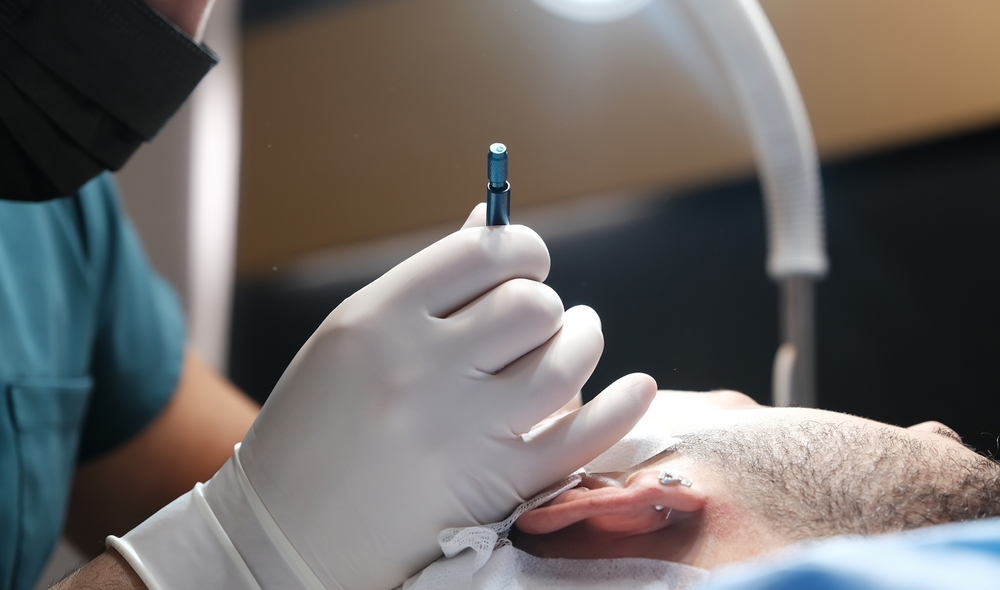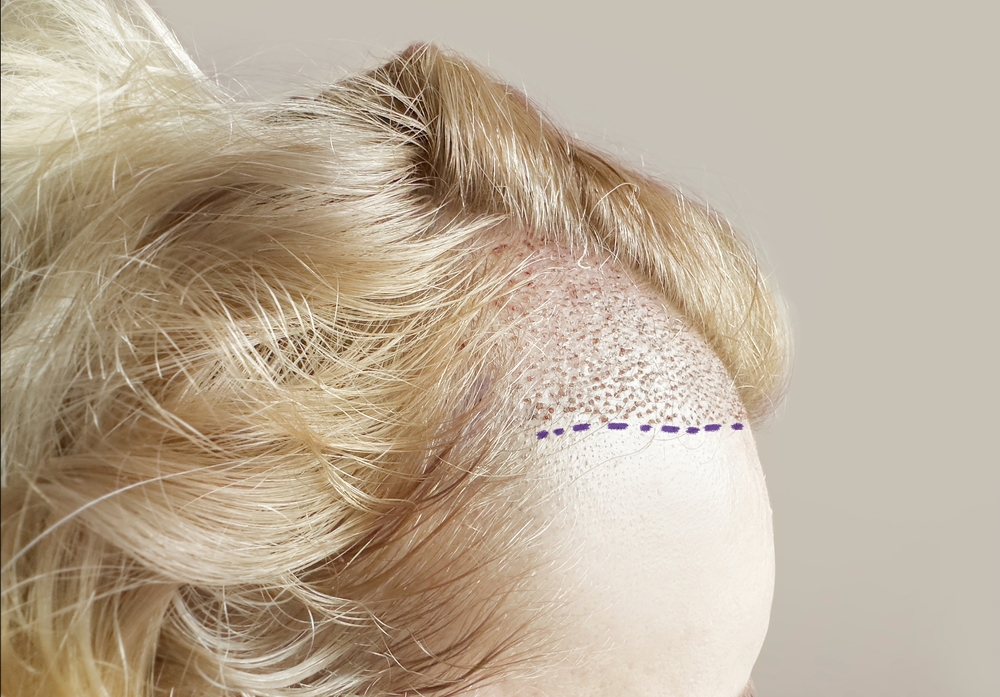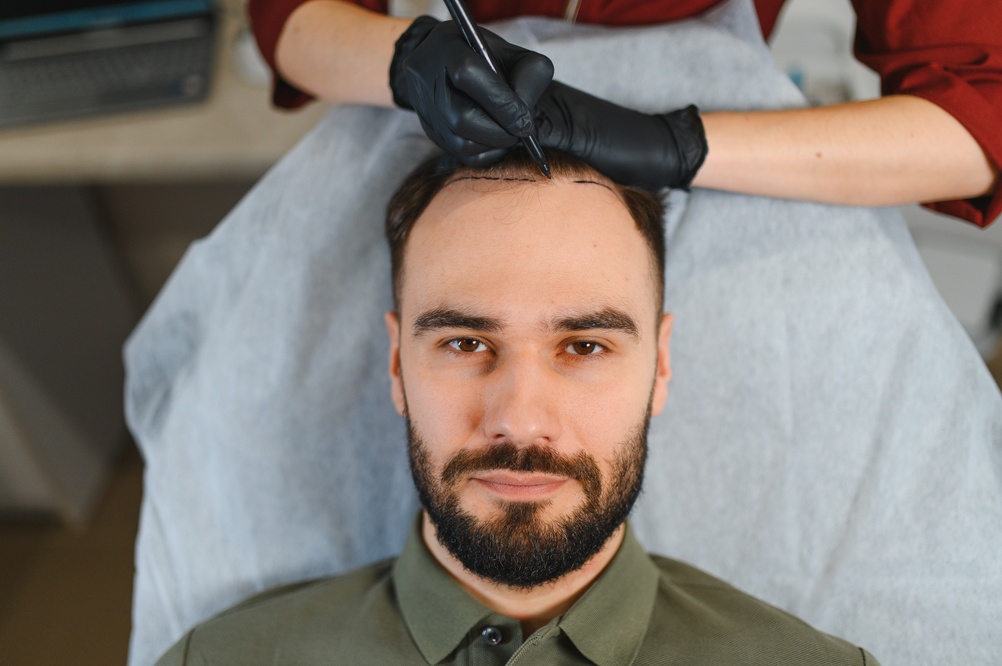
Hair transplantationHair transplantation is a surgical procedure that involves the extraction of hair follicles from a designated donor site, followed by... restores more than hair. It rebuilds self-esteem, social confidence, and emotional stability for people who suffer from androgenetic alopecia.
Modern hair restoration techniques, including Follicular Unit Extraction (FUE)A Breakthrough in Hair Transplantation Follicular Unit Extraction (FUE) has revolutionized the field of hair transplantation, offering a minimally invasive... and Direct Hair Implantation (DHI), offer permanent solutions for hair loss. These procedures move healthy follicles from donor areas to thinning zones. Patients choose these treatments for cosmetic improvement, but the psychological payoff often exceeds the physical change. Hair carries deep emotional weight across all cultures. When people lose hair, they frequently report feelings of embarrassment, shame, and diminished self-worth (Aukerman and Jafferany 2023). Hair transplantation interrupts this cycle. It gives patients a tangible way to reclaim their identity and reverse the social anxiety that alopecia triggers.
Researchers now study the mental effects of hair restoration with growing urgency. The field of psychotrichology examines how hair loss damages quality of life and how surgical restoration repairs it. Patients who undergo hair transplantation often experience measurable improvements in confidence, relationship satisfaction, and workplace assertiveness. This article explores every psychological stage of the hair restoration journey. It explains the mental burden of hair loss, the emotional turbulence before and after surgery, the scientific evidence supporting psychological benefits, and the risks that patients and surgeons must manage together.
How Does Hair Loss Damage Identity and Self-Image?
Hair shapes personal identity. When people lose hair, they often feel they lose part of their social identity and attractiveness.
Human beings link hair to youth, vitality, and social status. Cultures worldwide celebrate thick hair as a sign of health and energy. When androgenetic alopecia triggers follicle miniaturization, patients watch their reflection change in ways they cannot control. This visible transformation attacks their self-image directly. Cash (1992) found that men with advanced hair loss reported significantly more body-image dissatisfaction than men with full heads of hair. These men also engaged in constant coping behaviors, such as wearing hats or seeking reassurance about their looks.
Women suffer equally, and sometimes more intensely. Cash, Price, and Savin (1993) compared balding women to balding men and to female controls. The women with hair loss reported greater social anxiety, lower self-esteem, and less life satisfaction than both comparison groups. They also invested more emotional energy in hiding their thinning hair. Society often treats female hair loss as a taboo subject, which magnifies the shame. Women feel they violate cultural norms of femininity when their hair thins, even though androgenetic alopecia affects up to fifty percent of women during their lifetime.
People develop strong emotional attachments to their hair appearance. Hair frames the face and signals personality. Patients describe their hair as a security blanket or a signature feature. When this feature disappears, grief reactions emerge. The loss feels like aging accelerated beyond one’s control. Patients look in mirrors and see strangers staring back. This identity disruption creates the psychological foundation that drives millions of people toward hair restoration surgery each year.
What Emotional and Social Problems Does Hair Loss Create?
Hair loss triggers anxiety, depression, social withdrawal, and professional insecurity in both men and women.
Androgenetic alopecia acts as a chronic psychosocial stressor. It does not threaten physical health, but it consistently threatens mental health. Aukerman and Jafferany (2023) reviewed multiple studies and confirmed that patients with hair loss frequently develop clinically significant anxiety and depression. The visible nature of scalp alopecia leaves no place to hide. Sufferers fear judgment in every social interaction.
Self-confidence drops first. Patients stop taking photos. They avoid bright lights and windy days. They cancel social plans. Younger men under age twenty-six show the most intense preoccupation with hair loss, according to Cash (1992). Single men report more negative socioemotional effects than married men. They worry that romantic partners will reject them because of their thinning hair.
The workplace suffers too. Patients perceive that colleagues view them as older or less dynamic. Some avoid leadership roles or public speaking because they feel their appearance undermines their authority. Over ninety percent of respondents in one Korean study perceived balding men as older and less attractive than non-balding men. They also rated balding men as less confident and less potent. These stereotypes push patients into isolation.
Depression accompanies androgenetic alopecia in alarming numbers. Camacho and García-Hernández (2002) evaluated two hundred patients in Spain and found depression in fifty-five percent of women with hair loss. Williamson, Gonzalez, and Finlay (2001) measured quality of life in alopecia support group members and found that seventy-four percent scored above the threshold for possible clinical depression. The mean Dermatology Life Quality Index (DLQI) score reached 8.3, which matches the burden of severe psoriasis. Hair loss steals joy from daily life, and patients deserve recognition of this legitimate emotional pain.
Why Do Patients Choose Hair Transplantation?
Patients seek hair transplantation to restore youth, rebuild confidence, reverse emotional trauma from alopecia, and improve social opportunities.
The decision to undergo hair transplantation rarely comes from vanity. It usually emerges from deep psychological need. Patients want to look in the mirror and recognize themselves again. They want to stop devoting mental energy to camouflage. They want to feel competitive in dating markets and professional environments.
Nilforoushzadeh and Golparvaran (2022) measured loneliness, anxiety, and depression in male patients before hair transplantation. These men already carried heavy emotional burdens. They chose surgery not to become someone new, but to become themselves again. Social media and celebrity transformations influence some patients, but most arrive with simpler goals. They want normalcy.
Romantic motivation drives many consultations. Patients report that potential partners ask about their age or make jokes about their receding hairline. They fear that baldness signals genetic weakness or low testosterone. These fears are biologically inaccurate, but socially potent. Hair transplantation offers a way to reset the narrative. It allows patients to present themselves on their own terms.
What Psychological Tests Should Patients Complete Before Surgery?
Surgeons should screen patients for depression, anxiety, body dysmorphic disorderBody Dysmorphic Disorder (BDD) A psychological condition involving obsessive focus on perceived flaws in appearance, affecting surgical candidacy., and unrealistic expectations before approving hair transplantation.
Psychological evaluation before hair restoration protects both patient and surgeon. Not every person with hair loss makes a good surgical candidate. Some patients need mental health treatment first. Others hold expectations that no surgery can satisfy.
Moattari and Jafferany (2022) argue that dermatologists and plastic surgeons must incorporate psychological screening into every consultation. Validated tools make this process efficient and objective. The Body Dysmorphic Disorder Questionnaire (BDDQ) flags patients who obsess over minimal or imagined defects. Hafi et al. (2020) surveyed hair transplant candidates in South India and found significant rates of body dysmorphic disorder attitudes among applicants. These patients risk persistent dissatisfaction even after technically perfect results.
The table below summarizes the key screening instruments that clinics should use:
|
Screening Tool |
What It Measures |
Why It Matters for Hair Transplant |
|
Body Dysmorphic Disorder Questionnaire (BDDQ) |
Obsessive preoccupation with appearance flaws |
Identifies patients who may never feel satisfied with surgical results (Declau et al. 2024) |
|
Patient Health Questionnaire-9 (PHQ-9) |
Depression severity |
Detects mood disturbances that could distort postoperative judgment |
|
Generalized Anxiety Disorder-7 (GAD-7) |
Anxiety severity |
Reveals patients whose anxiety may spike during recovery |
|
Hospital Anxiety and Depression Scale (HADS) |
Combined anxiety and depression |
Offers a dual-screen for patients with mixed mood symptoms |
Surgeons must also assess expectations directly. Pikoos et al. (2021) developed the Aesthetic Procedure Expectations Scale to measure unrealistic hopes in cosmetic surgery patients. Hair transplant candidates who expect instant density, perfect hairlines, or complete life transformation often face emotional crashes. Surgeons should explain that transplanted hair sheds before it grows. They should show realistic timelines. They should clarify that surgery redistributes existing hair rather than creating new follicles. This honesty prevents psychological harm.
How Do Patients Feel Immediately After a Hair Transplant?

Patients feel hope mixed with stress after surgery. They worry about graft survival and fear the temporary shedding phase.
The immediate postoperative period tests emotional resilience. Patients leave the clinic with visible scabs and swelling. They know results will take months, but they crave instant validation. This gap between action and outcome creates anxiety.
Shichang et al. (2024) interviewed patients during the post-hair transplant recovery period and identified self-management as a major psychological challenge. Patients felt uncertain about how to care for grafts. They feared that touching their scalp would kill follicles. They obsessed over sleeping positions. These worries are normal, but they can overwhelm patients who already struggle with anxiety.
The “shock loss” period confuses many patients. Between two and eight weeks after surgery, transplanted hairs fall out. This shedding is temporary. It precedes the anagen growth phase. However, patients who do not understand this cycle panic. They believe the surgery failed. They call clinics in distress. Surgeons who communicate clearly before surgery reduce this anxiety significantly. Patients need written materials and verbal reassurance that shock loss represents success, not failure.
The table below outlines the emotional milestones patients typically experience:
|
Recovery Phase |
Emotional State |
Key Psychological Task |
|
First week |
Relief mixed with protectiveness |
Trusting the surgical plan and following aftercare |
|
First month |
Anxiety about shedding and redness |
Accepting shock loss as part of the natural cycle |
|
Months three to six |
Hope and impatience |
Waiting for visible density without obsessive checking |
|
Month twelve |
Satisfaction or adjustment |
Integrating the new appearance into self-image |
What Positive Psychological Changes Follow a Successful Hair Transplant?
Successful hair transplantation boosts self-esteem, reduces social anxiety, improves quality of life, and restores personal identity.
When new hair finally grows, the psychological payoff arrives in waves. Patients report feeling younger, more attractive, and more authentic. The mirror becomes a friend rather than an enemy. These benefits are not merely anecdotal. Researchers have measured them with validated psychological instruments.
Liu (2019) evaluated 1,106 male patients with androgenetic alopecia before and nine months after hair transplantation. The Rosenberg Self-Esteem Scale scores rose by 1.56 points on average. Satisfaction with appearance jumped by 30.25 points. Patients with high preoperative self-esteem trended toward even greater postoperative satisfaction. This finding suggests that psychological readiness amplifies surgical success.
Maletic et al. (2024) conducted a multicenter study of forty-eight patients and found significant improvements in both physical and mental health scores after FUE hair transplantation. The DASS-21 stress and anxiety subscales dropped significantly. Life satisfaction increased. These patients felt lighter emotionally because they no longer carried the daily burden of visible hair loss.
Social confidence surges next. Patients re-engage with dating apps, attend parties, and accept speaking engagements. They stop positioning themselves in dark corners of restaurants. Workplace assertiveness improves because they no longer feel their appearance undermines their competence. Huang, Fu, and Chi (2021) confirmed in a meta-analysis that androgenetic alopecia impairs health-related quality of life most severely in the emotion dimension. Reversing this impairment through transplantation unlocks energy that patients redirect toward career advancement and relationship building.
Many patients describe the experience as a personal transformation. They regain a sense of agency. They feel they took control of their appearance rather than surrendering to genetics. This empowerment extends beyond hair. Patients report improved grooming habits, better fashion choices, and renewed gym memberships. The hair transplant becomes a catalyst for holistic self-care.
What Does Scientific Research Say About Hair Transplant Psychology?
Scientific studies prove that hair transplantation improves self-esteem, quality of life, and social perception in measurable ways.
The evidence base for hair transplant psychology has grown substantially. Researchers now use standardized scales rather than vague satisfaction surveys. This rigor allows doctors to quantify emotional recovery.
The Rosenberg Self-Esteem Scale (RSES) serves as the gold standard for measuring self-worth changes. Liu (2019) applied this scale to over one thousand male patients and documented statistically significant increases after surgery. The relationship between self-esteem and satisfaction proved robust. Patients who felt better about themselves internally also rated their surgical results more positively externally.
Quality of life researchers prefer the Dermatology Life Quality Index (DLQI) and the Hairdex instrument. Williamson, Gonzalez, and Finlay (2001) used the DLQI in alopecia patients and found a mean score of 8.3, indicating moderate life impairment. After successful treatment, these scores drop toward zero, which signals normal functioning. Maletic et al. (2024) confirmed that post-transplant patients experience better social functioning and reduced embarrassment in public spaces.
Observer perception studies add another layer of evidence. Bater et al. (2016) investigated how strangers perceive hair transplant recipients. Independent observers rated postoperative patients as more attractive, more approachable, more successful, and younger than their preoperative selves. These ratings occurred without observers knowing about the surgery. The changes were subtle enough to look natural but significant enough to alter social impressions. This objective confirmation validates what patients feel subjectively.
|
Psychological Measure |
Preoperative Typical Score |
Postoperative Typical Change |
Source |
|
Rosenberg Self-Esteem Scale |
Baseline low-normal in AGA patients |
+1.56 point increase (statistically significant) |
Liu (2019) |
|
Dermatology Life Quality Index |
Mean 8.3 (moderate impairment) |
Drop toward normal range |
Williamson et al. (2001) |
|
Observer Attractiveness Rating |
Lower scores for balding appearance |
Significant improvement in perceived youth and success |
Bater et al. (2016) |
|
Stress and Anxiety (DASS-21) |
Elevated in candidates |
Significant reduction after FUE |
Maletic et al. (2024) |
What Psychological Risks Should Patients Watch for After Surgery?
Unrealistic expectations, body dysmorphic disorder, emotional dependence on surgery, and poor communication can turn success into disappointment.
Hair transplantation does not guarantee happiness. Some patients face psychological setbacks despite excellent surgical outcomes. Understanding these risks helps patients and clinics prevent them.
Unrealistic expectations top the list. Patients who expect celebrity-level density or instant transformation set themselves up for emotional crashes. Hair transplantation redistributes existing follicles. It cannot create unlimited density. It cannot reverse aging in the face or body. It cannot fix broken relationships. Pikoos et al. (2021) found that patients with exaggerated preoperative expectations report lower satisfaction even when surgeons deliver technically perfect results. Surgeons must show before-and-after photos of previous patients with similar hair loss patterns. They must explain that final results require twelve months.
Body dysmorphic disorder (BDD) poses a more serious risk. Patients with BDD obsess over minor or imagined appearance flaws. They seek repeated surgeries. They blame surgeons for problems that exist only in their perception. Hafi et al. (2020) identified BDD attitudes among hair transplant candidates in clinical surveys. Bascarane et al. (2021) argue that ethical surgeons should refer these patients to psychiatrists rather than operating. Surgery cannot cure distorted thinking.
Emotional dependence on cosmetic procedures represents another trap. Some patients treat surgery like an addiction. They request repeat procedures for negligible improvements. They chase perfection that does not exist. Each operation carries financial cost, surgical risk, and emotional investment. Patients who link all self-worth to appearance remain vulnerable regardless of how much hair they possess.
Postoperative dissatisfaction sometimes stems from poor communication rather than poor surgery. Patients who feel ignored by their clinics develop resentment. They interpret normal healing delays as malpractice. Clinics that provide long-term follow-up, answer questions promptly, and acknowledge emotional concerns reduce this risk dramatically.
How Should Surgeons Address Patient Psychology?
Surgeons must counsel patients before surgery, communicate honestly, build trust, and refuse to operate on psychologically unsuitable candidates.
The surgeon’s role extends beyond graft placement. It includes emotional guidance. Dhami (2021) emphasizes that counseling hair loss patients before surgery improves both psychological and surgical outcomes. When surgeons educate patients about realistic results, they protect them from future disappointment.
Preoperative counseling should cover three areas. First, the surgeon should explain the biological timeline. Patients need to know about shock loss, the three-month growth lag, and the twelve-month maturation period. Second, the surgeon should discuss density limitations. Donor supply is finite. Third, the surgeon should ask about psychological history. Patients with previous depression, anxiety, or BDD need careful evaluation.
Trust builds through transparency. Surgeons should show unretouched photos of actual patients. They should explain complications honestly. They should never promise specific hairline shapes that violate natural anatomy. When patients trust their surgeon, they tolerate the uncertain recovery period with less anxiety.
Ethical responsibility demands refusal when necessary. Surgeons who operate on every applicant for profit risk harming vulnerable individuals. If a patient shows signs of BDD, the surgeon should decline and refer. If a patient expects impossible density, the surgeon should say no. These refusals feel uncomfortable in the moment, but they save patients from psychological harm. They also protect the surgeon’s reputation and integrity.
Do Men and Women Experience Different Psychological Effects?
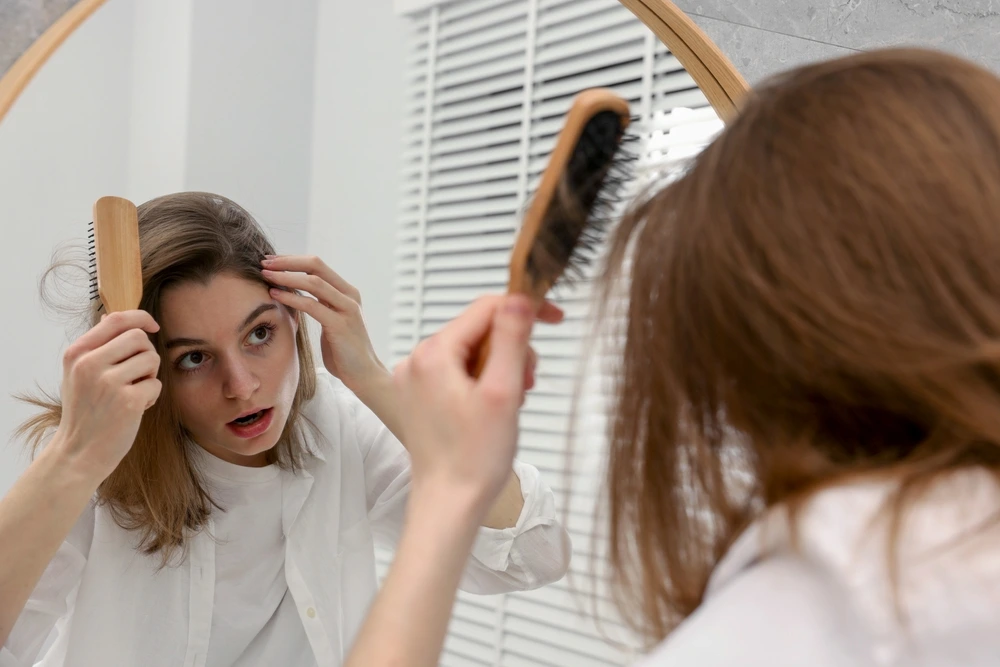
Yes. Men worry about masculinity and aging. Women face greater stigma and stronger links between hair loss and femininity.
Androgenetic alopecia affects both sexes, but the psychological impact differs. Men and women navigate distinct social pressures regarding hair.
Men associate hair density with masculinity, virility, and professional competitiveness. Cash (1992) found that balding men feared social rejection and perceived themselves as older than their actual age. Single men under thirty reported the most distress. They felt that hair loss put them at a disadvantage in dating markets. Workplace confidence also dropped. Men worried that baldness signaled declining energy or leadership potential.
Women face a harsher social stigma. Society tolerates male baldness more than female thinning. Women with hair loss often feel they have failed a core feminine expectation. Cash, Price, and Savin (1993) demonstrated that women with androgenetic alopecia reported more negative feelings about their appearance than balding men or female controls. They also showed higher social anxiety and lower self-esteem.
Camacho and García-Hernández (2002) found depression in fifty-five percent of women with hair loss compared to only three percent of men. Van Der Donk et al. (1994) interviewed fifty-eight women seeking treatment and found that eighty-eight percent reported negative daily life effects. Seventy-five percent said hair loss hurt their self-esteem. Fifty percent experienced social problems directly tied to their appearance.
|
Psychological Factor |
Male Experience |
Female Experience |
|
Primary fear |
Loss of masculinity and aging |
Loss of femininity and social judgment |
|
Depression rates |
Lower reported rates (3% in one study) |
Higher reported rates (55% in one study) |
|
Social anxiety |
High, especially in dating |
Higher than male counterparts |
|
Coping behavior |
Compensation through physique or dress |
Hiding hair, avoiding photos, style alterations |
|
Stigma level |
Moderate social acceptance of baldness |
Strong cultural stigma against visible thinning |
Female hair transplantation offers powerful psychological relief. When women see their part lines narrow and their crowns fill in, they report emotional restoration that rivals or exceeds male satisfaction. The procedure validates their concerns and reverses a condition that society wrongly treats as shameful.
What Are the Long-Term Psychological Outcomes?
Patients maintain higher confidence, better social function, and improved self-care habits for years after successful hair transplantation.
The psychological benefits of hair transplantation often persist long after the final graft grows. Patients do not simply return to baseline. They frequently exceed their pre-hair-loss emotional state.
Maletic et al. (2024) followed patients who underwent FUE and found sustained improvements in life satisfaction. The initial boost in confidence evolves into stable self-assurance. Patients no longer think about their hair constantly. They forget they ever worried about baldness. This mental freedom represents the true long-term prize.
Daily habits improve too. Patients who once avoided mirrors now groom with care. They invest in better skincare, fitness, and wardrobe. The hair transplant triggers a broader self-respect. Liu (2019) noted that patients with high self-esteem before surgery achieved the best long-term satisfaction. This suggests that surgery amplifies existing psychological health rather than creating it from nothing. Patients who combine surgery with healthy mindsets enjoy the most durable benefits.
Ongoing hair preservation treatments, such as finasteride or minoxidil, also influence long-term happiness. Patients who protect their non-transplanted native hair maintain better overall density. This preservation prevents the contrast between transplanted and thinning areas that sometimes causes distress. Natural-looking results correlate strongly with lasting satisfaction.
How Can Patients Protect Their Mental Health During Recovery?
Patients should practice patience, avoid obsessive checking, lean on support systems, and seek professional help if anxiety persists.
Recovery demands more than physical care. It requires emotional discipline. Patients who manage their minds during the waiting period enjoy better overall experiences.
Patience serves as the most important virtue. Hair grows slowly. Visible changes take three to four months. Full results require twelve months. Patients who check mirrors hourly invite anxiety. They magnify every tiny variation. Experts recommend taking monthly photos under consistent lighting instead. This approach shows gradual progress without daily emotional spikes.
Support systems matter enormously. Partners who understand the timeline provide reassurance during shedding phases. Family members who avoid jokes about postoperative appearance protect fragile self-esteem. Online patient forums offer peer support, but patients should avoid comparing their week-three results to someone else’s year-one results. Each scalp heals differently.
Professional mental health support becomes essential when patients experience persistent depression or anxiety despite surgical success. Some patients discover that hair loss was not the root cause of their unhappiness. It was merely the most visible symptom. Therapists can address deeper body-image issues or mood disorders. Bascarane et al. (2021) recommend integrated psychiatric care for cosmetic surgery patients with complex emotional histories. This collaboration between surgeons and therapists produces the healthiest outcomes.
What Questions Do Patients Ask About Hair Transplant Psychology?
Does a Hair Transplant Improve Confidence?
Yes. Studies show significant self-esteem increases after hair transplantation, especially in patients with realistic expectations.
Liu (2019) documented a measurable rise in Rosenberg Self-Esteem Scale scores after surgery. Patients feel more attractive, younger, and more socially competitive. Confidence improvements appear within months and solidify by the one-year mark.
Can Hair Restoration Help Anxiety or Depression?
Hair restoration reduces appearance-related anxiety and improves emotional well-being, but it does not cure clinical depression alone.
Maletic et al. (2024) found significant drops in stress and anxiety after FUE procedures. However, patients with preexisting clinical depression need parallel psychiatric treatment. Surgery addresses the visible trigger, but therapy addresses the internal chemistry.
How Long Does Emotional Recovery Take?
Emotional recovery parallels physical growth. Most patients feel major psychological relief between months three and six, with full emotional adaptation by month twelve.
The first two months test patience because of shock loss and redness. By month three, early growth appears. By month six, density becomes visible. By month twelve, patients integrate the results into their identity.
Is It Normal to Feel Emotional After Hair Transplant Surgery?
Yes. Postoperative stress, impatience, and mood swings are normal during the healing process.
Shichang et al. (2024) identified self-management stress as a universal theme in postoperative patients. The combination of physical healing, financial investment, and delayed gratification creates emotional volatility. These feelings resolve as growth begins.
What Happens if Psychological Expectations Are Unrealistic?
Unrealistic expectations lead to dissatisfaction, emotional distress, and potential conflict with the surgeon, even after perfect technical results.
Pikoos et al. (2021) developed scales specifically to measure this risk. Patients who expect surgery to transform their entire life often feel empty when only their hair changes. Surgeons must filter these expectations during consultation.
Can Hair Transplants Change Social or Professional Life?
Yes. Patients report better dating success, stronger workplace confidence, and more active social participation after hair restoration.
Bater et al. (2016) showed that observers rate post-transplant patients as more approachable and successful. These perceptions translate into real-world opportunities. Patients initiate conversations, pursue promotions, and expand their social networks.
Why Do Some Patients Still Feel Dissatisfied After Surgery?
Dissatisfaction usually stems from unrealistic expectations, body dysmorphic disorder, poor communication, or failure to protect native hair after surgery.
Hafi et al. (2020) linked postoperative dissatisfaction to undiagnosed BDD in some cases. Other patients simply expected more density than their donor supply allowed. Clear preoperative education prevents most of these outcomes.
Frequently Asked Questions on Psychology After Hair Transplant
Hair transplantation offers profound psychological benefits when surgeons select appropriate candidates, set realistic expectations, and provide ongoing support.
The relationship between hair loss and emotional well-being is real and well-documented. Androgenetic alopecia triggers anxiety, depression, social withdrawal, and identity crises in millions of people. Hair transplantation interrupts this suffering. It restores self-esteem, rebuilds social confidence, and improves measurable quality-of-life scores.
However, surgery is not a magic pill. It works best for patients with healthy psychological foundations and realistic goals. Surgeons must screen for body dysmorphic disorder, depression, and exaggerated expectations. They must refuse to operate on patients who need psychiatric care instead of grafts. They must communicate timelines honestly and support patients through the emotional valleys of recovery.
When performed ethically on suitable candidates, hair transplantation functions as both an aesthetic and psychosocial treatment. It gives patients their hair back. More importantly, it gives them their sense of self back. The mirror reflects not just new follicles, but renewed identity, confidence, and emotional freedom.
References
Aukerman, Emily L., and Mohammad Jafferany. “The Psychological Consequences of Androgenetic Alopecia: A Systematic Review.” Journal of Cosmetic Dermatology, vol. 22, no. 1, 2023, pp. 89-95.
Bascarane, Senthamil, et al. “Psychiatric Assessment and Management of Clients Undergoing Cosmetic Surgery: Overview and Need for an Integrated Approach.” Indian Journal of Plastic Surgery, vol. 54, no. 1, 2021, pp. 8-19.
Bater, Kelly L., et al. “Perception of Hair Transplant for Androgenetic Alopecia.” JAMA Facial Plastic Surgery, vol. 18, no. 6, 2016, pp. 413-418.
Camacho, F. M., and M. García-Hernández. “Psychological Features of Androgenetic Alopecia.” Journal of the European Academy of Dermatology and Venereology, vol. 16, no. 5, 2002, pp. 476-480.
Cash, Thomas F. “The Psychological Effects of Androgenetic Alopecia in Men.” Journal of the American Academy of Dermatology, vol. 26, 1992, pp. 926-931.
Cash, Thomas F., et al. “Psychological Effects of Androgenetic Alopecia on Women: Comparisons with Balding Men and with Female Control Subjects.” Journal of the American Academy of Dermatology, vol. 29, 1993, pp. 568.
Declau, F., et al. “The Body Dysmorphic Disorder Questionnaire-Aesthetic Surgery: Are We Screening the Troublesome Patients?” Facial Plastic Surgery, vol. 40, no. 5, 2024, pp. 571-580.
Dhami, L. “Psychology of Hair Loss Patients and Importance of Counseling.” Indian Journal of Plastic Surgery, vol. 54, no. 4, 2021, pp. 411-415.
Hafi, B., et al. “Hair Transplantation, Body Dysmorphic Disorder, and Patients’ Attitude: A Survey-Based Study From South India.” Dermatologic Therapy, vol. 33, no. 6, 2020, e13945.
Huang, Chih-Hung, et al. “Health-Related Quality of Life, Depression, and Self-esteem in Patients With Androgenetic Alopecia: A Systematic Review and Meta-Analysis.” JAMA Dermatology, vol. 157, no. 8, 2021, pp. 963-970.
Liu, Fang, et al. “The Relationship between Self-esteem and Hair Transplantation Satisfaction in Male Androgenetic Alopecia Patients.” Journal of Cosmetic Dermatology, vol. 18, no. 10, 2019, pp. 2762-2770.
Maletic, Ana, et al. “Impact of Hair Transplantation on Quality of Life.” Aesthetic Plastic Surgery, vol. 48, no. 9, 2024, pp. 1825-1830.
Moattari, Christina R., and Mohammad Jafferany. “Psychological Aspects of Hair Disorders: Consideration for Dermatologists, Cosmetologists, Aesthetic, and Plastic Surgeons.” Skin Appendage Disorders, vol. 8, no. 3, 2022, pp. 186-194.
Nilforoushzadeh, M. A., and M. Golparvaran. “An Assessment for Measuring Loneliness, Anxiety, and Depression in Male Patients With Androgenetic Alopecia Undergoing Hair Transplantation Surgery: A Before-After Study.” Journal of Cosmetic Dermatology, vol. 21, no. 12, 2022, pp. 7013-7017.
Pikoos, T. D., et al. “Assessing Unrealistic Expectations in Clients Undertaking Minor Cosmetic Procedures: The Development of the Aesthetic Procedure Expectations Scale.” Facial Plastic Surgery & Aesthetic Medicine, vol. 23, 2021, pp. 263-269.
Shichang, L., et al. “Self-Management in the Post-Hair Transplantation Recovery Period Among Patients With Androgenetic Alopecia: A Qualitative Study.” International Journal of Nursing Studies Advances, vol. 7, 2024, 100234.
Van Der Donk, J., et al. “Quality of Life and Maladjustment Associated with Hair Loss in Women with Androgenetica.” Social Science & Medicine, vol. 38, 1994, pp. 159.
Williamson, D., et al. “The Effect of Hair Loss on Quality of Life.” Journal of the European Academy of Dermatology and Venereology, vol. 15, no. 2, 2001, pp. 137-139.