Women considering hair transplantation in Turkey need to understand the root cause of their hair loss, confirm their candidacy through medical evaluation, choose experienced surgical teams, and set realistic expectations about results and recovery.
What Causes Hair Loss in Women?
Women lose hair due to genetics, hormones, medical conditions, lifestyle factors, and aging. Each cause requires a different approach.
Female hair loss differs from male hair loss in pattern, cause, and treatment. Women experience diffuse thinning across the scalp rather than a receding hairline. This difference shapes every decision about surgical restoration.
What Is Female Pattern Hair Loss?
Female Pattern Hair Loss (FPHL) causes gradual thinning at the crown and widening of the part line. It affects up to 40% of women by age 50.
FPHL results from genetic sensitivity to dihydrotestosterone (DHT). This hormone shrinks hair follicles and shortens the growth cycle. Women inherit this trait from either parent. The condition progresses slowly. Early intervention preserves more follicles.
How Do Hormones Affect Hair Growth?
Hormonal shifts during pregnancy, menopause, and thyroid disorders trigger temporary or permanent hair loss.
Estrogen supports hair growth. When estrogen drops during menopause, DHT gains influence. This shift causes follicles to miniaturize. Polycystic ovary syndrome (PCOS) also raises androgen levels and triggers thinning. Thyroid hormones regulate follicle metabolism. Both hyperthyroidism and hypothyroidism disrupt this balance.
Which Medical Conditions Lead to Hair Loss?
Thyroid disorders, iron deficiency, autoimmune diseases, and scalp infections commonly cause hair loss in women.
Iron deficiency anemia reduces oxygen delivery to follicles. This condition affects 20% of women worldwide. Autoimmune diseases like alopecia areata attack follicles directly. Scalp disorders such as seborrheic dermatitis and psoriasis create inflammation that weakens roots. These conditions require treatment before any surgical consideration.
How Do Lifestyle Factors Contribute?
Chronic stress, crash diets, nutritional gaps, and certain medications accelerate hair shedding.
Telogen effluvium occurs when stress pushes follicles into the resting phase. This condition causes diffuse shedding three months after the trigger. Crash diets lack protein, zinc, and biotin. These nutrients build hair structure. Medications including beta-blockers, anticoagulants, and retinoids list hair loss as a side effect.
Who Is a Good Candidate for a Hair Transplant?
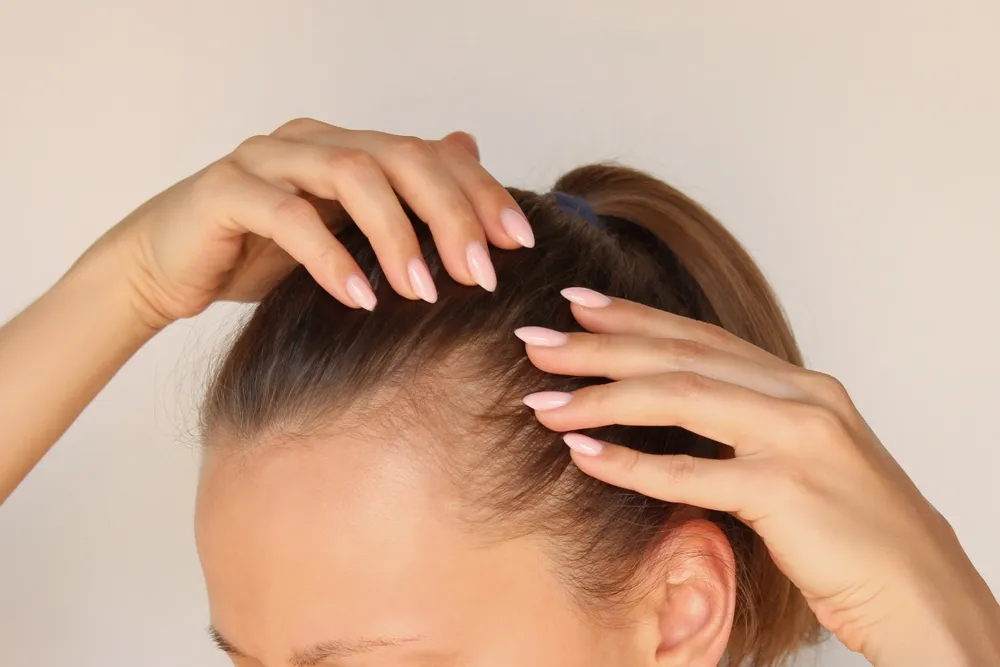
Women with stable hair loss, adequate donor hair, and diagnosed causes benefit most. Those with diffuse unpatterned alopecia or active disease may not qualify.
Which Women Benefit Most from Hair Transplant Surgery?
Women with localized thinning, traction alopecia, stable FPHL, or scar camouflage needs see the best results.
Traction alopecia from tight hairstyles creates permanent follicle damage in affected areas. These areas respond well to transplantation. Women with stable FPHL and preserved donor density gain meaningful coverage. Hairline lowering procedures help women with high foreheads. Eyebrow restoration addresses over-plucking or genetic sparseness. Scar camouflage from previous surgeries or injuries restores hair in bald patches.
Who May Not Qualify for Surgery?
Women with diffuse unpatterned alopecia, active autoimmune disease, rapid ongoing shedding, or insufficient donor hair face poor outcomes.
Diffuse unpatterned alopecia (DUPA) affects the entire scalp including the donor area. Transplantation fails because the donor hair itself is unstable. Active lupus or alopecia areata may attack transplanted follicles. Surgeons refuse patients with untreated medical causes because surgery cannot fix the underlying problem.
Why Is Medical Evaluation Essential Before Surgery?
Proper diagnosis prevents unnecessary surgery. Blood tests, hormone panels, and scalp analysis reveal whether transplantation will succeed.
What Tests Should Women Complete First?
Women need blood tests for iron, thyroid, and hormones. They also need trichoscopy and scalp examination.
A complete blood count identifies anemia. Thyroid panels measure TSH, T3, and T4. Hormone tests check testosterone, DHEA-S, and prolactin. Trichoscopy magnifies the scalp 100 times. This tool reveals follicle miniaturization, inflammation, and scarring. A dermatologist performs this examination. Family history review identifies genetic patterns. These steps take time but protect patients from wrong procedures.
Why Should Transplantation Never Come First?
Surgery cannot treat medical hair loss. Treating the root cause first saves money and preserves donor hair.
Many women have reversible hair loss. Iron supplementation restores growth in anemic patients. Thyroid medication stabilizes shedding. Treating these conditions first costs less than surgery. It also preserves donor hair for future needs. Surgeons who skip evaluation violate medical ethics.
Which Hair Transplant Techniques Work Best for Women?
FUE, DHI, Sapphire FUE, and long hair transplants each serve different female patient needs. Technique choice depends on hair type, loss pattern, and lifestyle.
How Does FUE Work for Women?
FUE extracts individual follicles from the donor area and implants them in thinning zones. It leaves tiny dot scars.
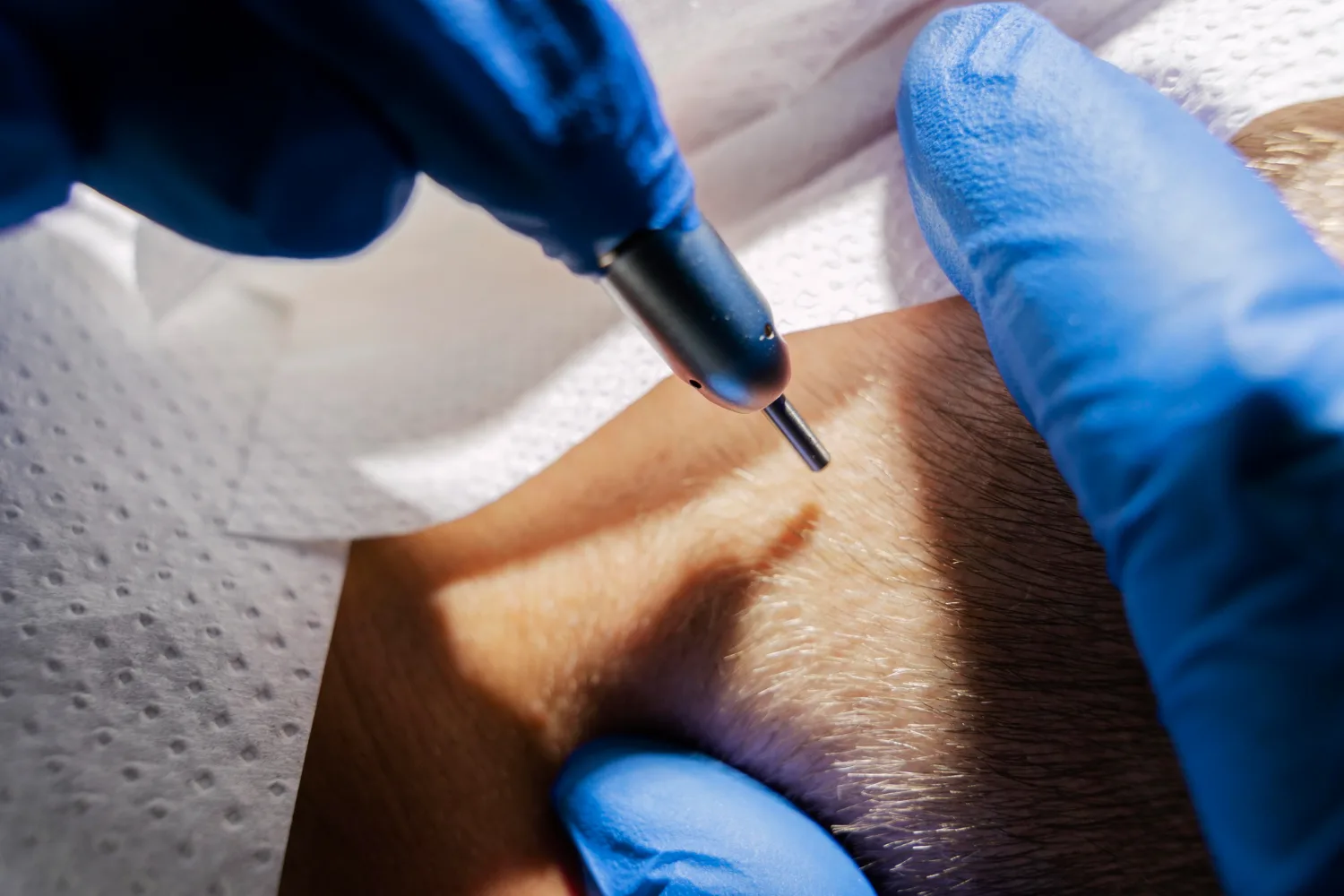
Surgeons use a micro-punch tool to remove follicular units one by one. Each unit contains 1–4 hairs. The procedure takes 6–8 hours. Local anesthesia numbs both areas. Women keep their hair short in the donor zone for extraction. The technique works for most women with localized thinning. Recovery takes 7–10 days. The dot scars measure less than 1 millimeter. They hide under longer hair.
What Makes DHI Different?
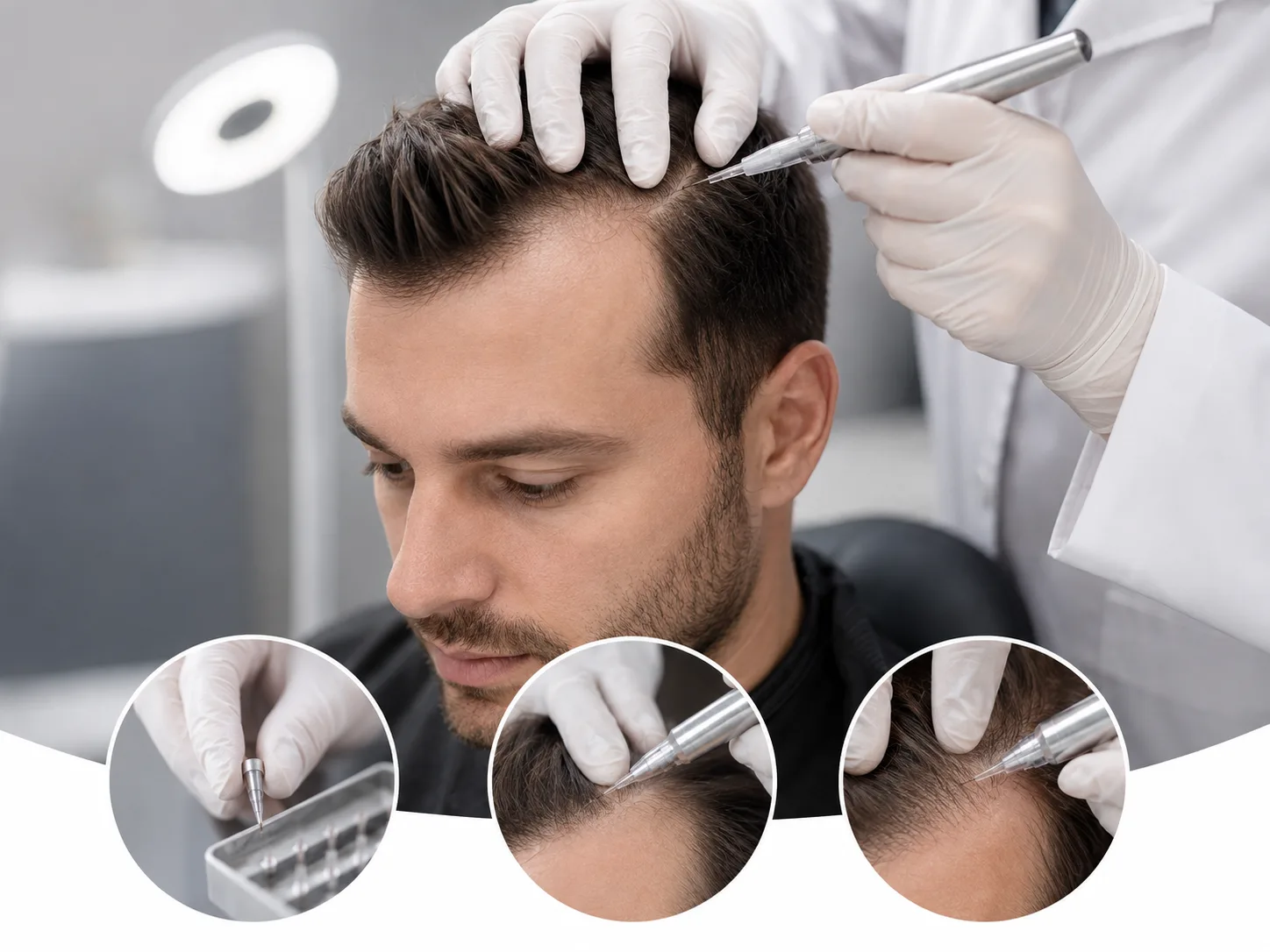
DHI uses a Choi implanter pen to place grafts directly without creating recipient sites first. This allows denser packing.
The Choi pen loads each graft and inserts it at the correct angle and depth simultaneously. This reduces handling time. Follicles spend less time outside the body. DHI suits women who need precise hairline work. The technique also works well for eyebrow restoration. Surgeons control direction and density more accurately.
What Are the Benefits of Sapphire FUE?
Sapphire blades create smaller, sharper incisions than steel blades. This reduces tissue trauma and speeds healing.
Sapphire tips measure 0.8–1.0 millimeters. They make V-shaped slits instead of U-shaped cuts. Less tissue damage means less scarring. Blood vessels suffer minimal trauma. The scalp heals faster. Women return to normal activities sooner. This technique works especially well for women with fine hair or sensitive scalps.
Can Women Get Long Hair Transplants?
Yes. Long hair FUE extracts and implants follicles without shaving the donor or recipient areas. This technique suits women who cannot cut their hair.
Surgeons extract longer hairs with specialized tools. They implant these hairs while maintaining length. The procedure takes longer. It costs more. However, women avoid the social visibility of a shaved head. This option appeals to professionals and public figures. Not all clinics offer this service. It requires advanced skill.
Can Women Avoid Shaving Their Entire Head?
Yes. Partial shaving, hidden donor harvesting, and unshaven techniques allow women to keep most of their hair.
What Is Unshaven FUE?
Unshaven FUE extracts follicles without cutting surrounding hair. The procedure hides evidence of surgery.
Surgeons shave only tiny patches in the donor area. They cover these patches with longer hair immediately. Women style their hair normally after a few days. This technique limits the number of grafts per session. Surgeons extract fewer follicles per hour. Patients may need multiple sessions for large areas.
When Is Shaving Necessary?
Large sessions exceeding 2,000 grafts usually require some shaving for efficiency and accuracy.
Surgeons need clear access to the scalp for dense packing. Long hair obstructs visibility. Women with extensive thinning may accept partial shaving for better results. The shaved areas grow back within 3–4 weeks. Surgeons discuss these trade-offs during consultation.
Why Is Female Hairline Design Different from Male Hairline Design?
Female hairlines feature softer contours, irregular edges, and rounded temple angles. Male hairlines are straighter and more angular.
What Defines a Natural Female Hairline?
A natural female hairline has a rounded shape with micro-irregularities and soft transitions. It sits lower than most male hairlines.
Women's hairlines typically begin 5–7 centimeters above the eyebrows. The shape forms a smooth oval or bell curve. Tiny variations in the front row create a feathered appearance. Surgeons place single-hair grafts at the leading edge. They avoid straight lines or sharp corners. Temple points remain rounded rather than squared. These details preserve femininity.
How Does Facial Harmony Influence Design?
The hairline must balance forehead height, brow position, and facial proportions. Customization matters more than templates.
Surgeons measure facial thirds. The distance from hairline to eyebrows should equal the distance from eyebrows to the nose base. Women with longer faces may need slightly lower hairlines. Women with round faces benefit from vertical height. Ethnic variations also matter. Mediterranean women often have lower, denser hairlines. Northern European women may have higher, more delicate frames. Experienced surgeons design for the individual, not a standard pattern.
How Many Grafts Do Women Usually Need?
Women typically need 1,000–2,500 grafts depending on the area, desired density, and donor quality.
What Factors Determine Graft Numbers?
Hair density, hair caliber, donor availability, and coverage goals determine the final count.
Women with thick, coarse hair achieve better coverage with fewer grafts. Fine hair requires more grafts for the same visual density. Surgeons measure donor density per square centimeter. Healthy donors yield 80–100 follicles per cm². The table below shows typical ranges:
|
Procedure Type
|
Graft Range
|
Coverage Area
|
|
Hairline restoration
|
800–1,500
|
Frontal 1–2 cm
|
|
Density improvement
|
1,000–2,000
|
Mid-scalp
|
|
Crown thinning
|
1,500–2,500
|
Vertex
|
|
Scar revision
|
500–1,000
|
Localized patch
|
|
Eyebrow restoration
|
200–400
|
Each brow
|
Why Does Donor Quality Matter?
Donor hair must remain stable long-term. Weak donor hair falls out after transplantation.
Surgeons test donor hair for miniaturization. They examine the occipital and parietal regions. These areas usually resist DHT. However, women with DUPA lack this safe zone. Surgeons refuse cases where donor hair shows thinning. This protects patients from wasted procedures.
Why Has Turkey Become a Leading Destination for Female Hair Transplants?
Turkey combines experienced surgeons, high procedure volumes, advanced technology, and comprehensive patient services at competitive costs.
How Does Surgical Experience in Turkey Compare?
Turkish surgeons perform thousands of procedures annually. This volume develops expertise in female-specific techniques.
Istanbul clinics treat patients from Europe, the Middle East, and North America. High demand means surgeons encounter diverse hair types, loss patterns, and ethnic variations. This exposure sharpens skills. Many Turkish surgeons publish research in international journals. They speak at global conferences. Their experience with female patients exceeds that of many Western counterparts.
What Technologies Do Turkish Clinics Use?
Leading Turkish clinics use advanced microscopes, motorized FUE devices, and sapphire blades.
Digital microscopes magnify follicles up to 50 times. This prevents transection during extraction. Cold storage solutions preserve graft viability. Robotic assistance aids in some extraction processes. DHI pens and sapphire tips are standard at top facilities. These tools improve outcomes for women who need precision work.
What Services Support International Patients?
Clinics provide airport transfers, hotel accommodation, interpreters, and postoperative follow-up.
Medical tourism packages simplify logistics. Patients receive VIP transport from the airport. Interpreters speak English, Arabic, French, and Spanish. Hotels partner with clinics for recovery-friendly stays. Nurses visit patients for the first wash. Some clinics offer 12-month remote follow-up via video calls. These services reduce stress for international visitors.
What Should Women Look for When Choosing a Clinic in Turkey?
Women should verify surgeon qualifications, confirm who performs each step, review female-specific results, check accreditation, and read independent reviews.
How Can Patients Verify Surgeon Qualifications?
Patients should check medical board registration, ISHRS membership, and specialized training in hair restoration.
The International Society of Hair Restoration Surgery (ISHRS) sets global standards. Members complete continuing education. They follow ethical guidelines. Patients should ask for the surgeon's name and verify credentials online. Some clinics use technicians without medical degrees. This practice endangers patients.
Why Should Patients Review Female Before-and-After Photos?
Female hair restoration requires different skills than male restoration. Photos prove the surgeon understands these differences.
Patients should look for natural hairlines, appropriate density, and feminine framing. Photos should show consistent lighting and angles. They should include multiple patients, not just one or two examples. Patients should ask to see results from their specific hair type and ethnicity.
What Role Does Clinic Accreditation Play?
Accredited clinics meet international safety and hygiene standards. Accreditation reduces infection risk and ensures emergency preparedness.
Look for Joint Commission International (JCI) accreditation or Turkish Ministry of Health licenses. These certifications require regular inspections. They verify sterilization protocols, anesthesia safety, and staff training. Unaccredited clinics may cut corners.
What Are the Red Flags Patients Should Avoid?
Unrealistic promises, extremely low prices, sales-driven consultations, and lack of surgeon access signal dangerous clinics.
Which Promises Should Raise Concerns?
Guarantees of 100% graft survival, unlimited density, or celebrity-like results are medically impossible.
Hair transplantation involves biology. Graft survival rates typically reach 90–95% in skilled hands. No surgeon achieves 100%. Density depends on donor supply and scalp characteristics. Clinics promising "unlimited grafts" or "perfect hairlines" mislead patients. These claims often hide inexperienced staff or poor planning.
Why Do Extremely Low Prices Indicate Risk?
Low prices often mean technicians replace surgeons, use outdated equipment, or skip safety protocols.
Quality hair transplantation requires time, skill, and sterile conditions. A team of surgeons and nurses works 6–8 hours per case. Proper equipment costs money. Clinics charging 50% below market rates must cut somewhere. They may use unlicensed technicians. They may reuse instruments. They may skip blood tests. Patient safety organizations warn against price-driven decisions.
What Is the Danger of Sales Consultants?
Non-medical sales staff should not diagnose hair loss or recommend graft numbers. Only physicians should provide medical advice.
Many clinics employ aggressive sales teams. These consultants pressure patients to book immediately. They offer discounts for same-day decisions. They bypass medical evaluation. Ethical clinics require a surgeon's examination before quoting graft numbers. Patients should demand to speak with the operating surgeon, not a sales agent.
What Happens During the Hair Transplant Procedure?
The procedure includes consultation, hairline planning, donor preparation, anesthesia, extraction, site creation, graft placement, and recovery instructions.
What Occurs During Consultation?
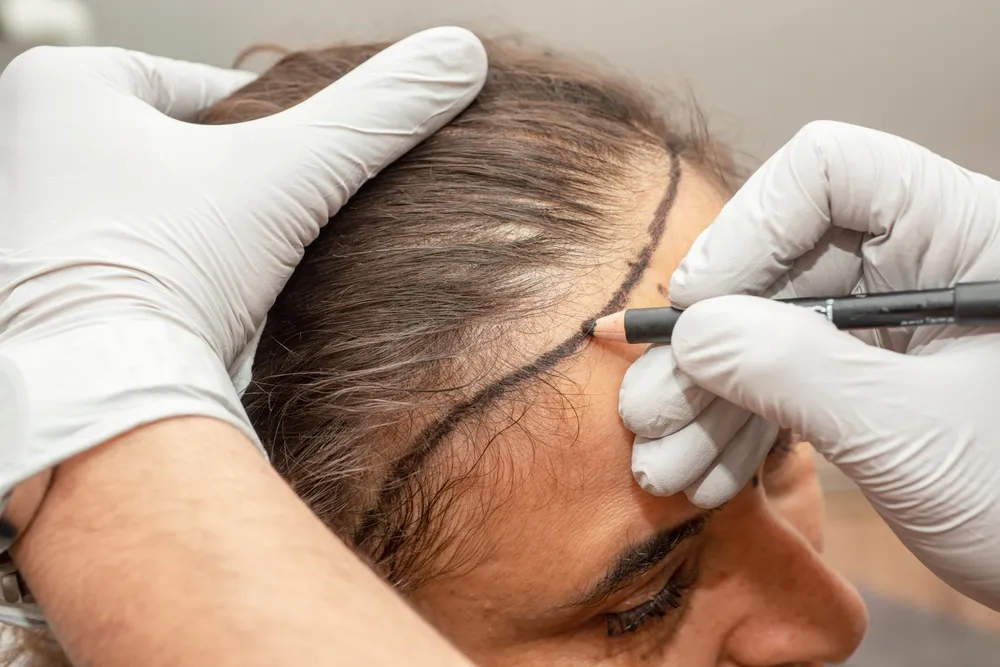
The surgeon examines the scalp, discusses goals, and creates a surgical plan. This step takes 30–60 minutes.
The surgeon draws the proposed hairline. They measure donor density. They calculate graft numbers. They explain the technique. They review medical history. They photograph the scalp for records. Patients sign informed consent documents. This consultation establishes trust and clarity.
How Do Surgeons Prepare the Donor Area?
Surgeons trim or shave the donor zone. They apply local anesthesia. They mark extraction boundaries.
The donor area usually sits at the back of the head. Surgeons inject lidocaine with epinephrine. This numbs the skin and reduces bleeding. They wait 10–15 minutes for full effect. Patients feel pressure but no pain during extraction.
What Is the Graft Placement Process?
Surgeons create recipient sites first. They then place grafts into these sites using forceps or implanter pens.
Recipient sites determine hair direction, angle, and density. Surgeons use 19–21 gauge needles or sapphire blades. They create thousands of tiny incisions. Each incision receives one graft. The angle matches natural hair growth. The direction follows existing patterns. This step requires 3–4 hours for large cases.
Is the Procedure Painful?
Local anesthesia eliminates pain during surgery. Patients feel mild pressure and vibration. Postoperative soreness lasts 2–3 days.
What Should Patients Expect During Surgery?
Patients stay awake. They feel initial needle pricks from anesthesia. After that, the scalp remains numb.
The anesthesia injection causes brief stinging. This sensation lasts 10–20 seconds. Surgeons then test the area before beginning. Patients may feel pulling during extraction. They may feel tapping during site creation. Most patients listen to music or watch videos. The procedure is long but not painful.
What Happens After Anesthesia Wears Off?
Tightness, mild throbbing, and swelling occur for 48–72 hours. Pain medication manages discomfort.
The scalp feels tight because of tissue swelling. This sensation peaks on day two. Over-the-counter pain relievers help. Some patients experience forehead swelling that descends toward the eyes. This looks dramatic but resolves within five days. Sleeping with the head elevated reduces swelling.
What Is the Recovery Timeline?
Recovery progresses through immediate healing, shock loss, early growth, and final maturation over 12–18 months.
What Happens in the First Week?
Scabbing forms around grafts. Swelling peaks and fades. Patients begin gentle washing on day three.
Tiny crusts cover each graft. These scabs protect the follicles. Patients must not pick at them. The first wash happens at the clinic or at home with instructions. Mild shampoo and lukewarm water remove blood and serum. Pat-drying prevents dislodging grafts. Most women resume light activities after three days.
What Is Shock Loss?
Transplanted hairs fall out 2–4 weeks after surgery. This is normal. The follicles remain alive beneath the skin.
The hair shafts shed. The follicles enter a resting phase. This process surprises many patients. It is a natural part of the cycle. The follicles reactivate after 3–4 months. New hair begins emerging. Patients must trust the process during this phase.
When Does Hair Start Growing?
New hair emerges at 3–4 months. Visible density improves at 6–9 months. Final results appear at 12–18 months.
Early growth looks fine and soft. Hair thickens over time. The texture may differ slightly from existing hair at first. By month nine, most women see significant improvement. The final 20% of density develops between months 12 and 18. Patience matters during this period.
What Are the Possible Risks and Complications?
Infection, folliculitis, numbness, poor graft survival, and unnatural appearance represent the main risks. Skilled surgeons minimize these through sterile technique and careful planning.
How Common Is Infection?
Infection occurs in less than 1% of cases at reputable clinics. Proper aftercare and antibiotics prevent most infections.
The scalp has excellent blood supply. This resists infection naturally. However, poor hygiene or contaminated instruments introduce bacteria. Signs include redness, pus, and fever. Clinics prescribe antibiotics as a precaution. Patients must follow wound care instructions.
What Is Folliculitis?
Folliculitis is inflammation around new hair follicles. It appears as small red bumps. It usually resolves with warm compresses.
This condition affects 5–10% of patients. It results from bacteria or trapped oils. Mild cases need no treatment. Persistent cases require topical antibiotics. Severe cases need medical drainage. Proper washing prevents most occurrences.
Can Donor Overharvesting Occur?
Yes. Inexperienced surgeons extract too many grafts from the donor area. This creates visible thinning and scarring.
The donor area has a finite supply. Surgeons must calculate safe extraction limits. Removing more than 25–30% of available grafts risks depletion. This leaves patchy, see-through areas. These scars are permanent. They limit future procedures. Conservative planning protects the donor area.
How Do Surgeons Prevent Unnatural Results?
They study natural hair patterns, use single-hair grafts at the hairline, and match angles precisely.
Unnatural results come from straight hairlines, wrong angles, or dense packing in the wrong zones. Surgeons create micro-irregularities. They vary graft density across the scalp. They follow the patient's original hair direction. These details separate natural results from obvious transplants.
What Results Can Women Expect?
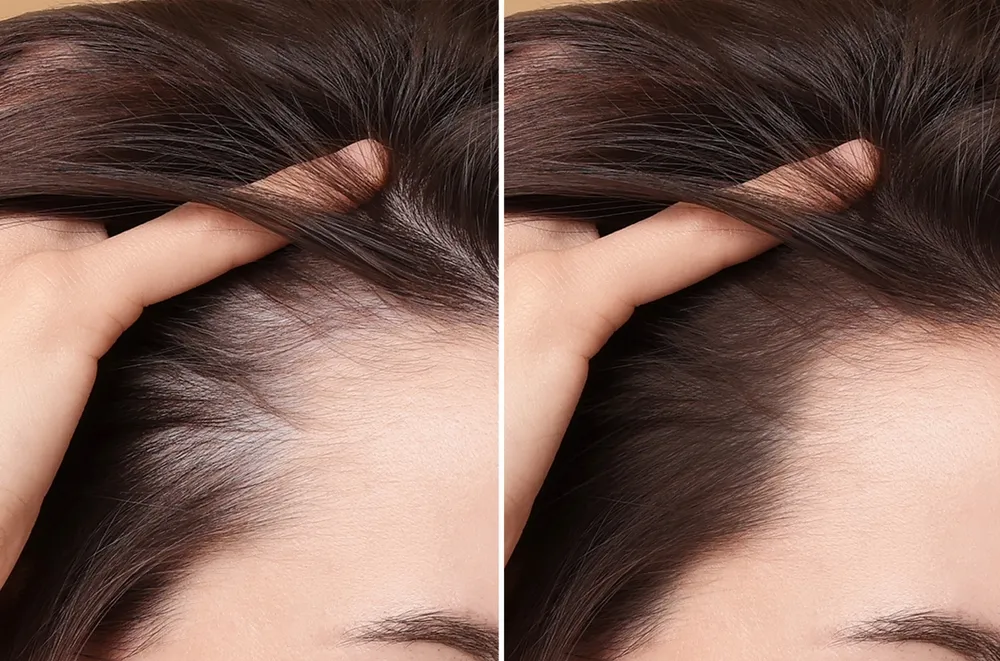
Women can expect improved density, a natural hairline, better styling options, and enhanced confidence. Results vary by individual.
How Does Transplantation Change Daily Life?
Women style their hair more freely. They use less camouflage product. They feel more confident in social settings.
Many women hide thinning with powders, sprays, or hairstyles. Transplantation reduces this need. Women part their hair differently. They wear their hair up. They swim without worry. These small freedoms improve quality of life significantly.
What Are Realistic Expectations?
Transplantation restores lost hair. It does not create hair density from youth. Results look natural, not perfect.
Surgeons work with existing hair. They fill gaps. They restore framing. They cannot exceed genetic potential. Women with extensive thinning may need multiple procedures. Some areas may never reach full density. Understanding these limits prevents disappointment.
Should Women Continue Medical Treatments After Surgery?
Yes. Transplantation does not stop future hair loss. Medical treatments protect existing hair and support transplanted follicles.
Which Treatments Support Transplanted Hair?
Minoxidil, nutritional optimization, and PRP therapy support long-term results.
Minoxidil increases blood flow to follicles. It extends the growth phase. Women apply topical solutions or use oral formulations under medical supervision. PRP injections concentrate growth factors from the patient's own blood. These injections stimulate follicle activity. Nutritional supplements address deficiencies that weaken hair.
Why Does Future Hair Loss Matter?
Untreated FPHL continues after transplantation. Native hair may thin around transplanted areas. This creates uneven patches.
Medical treatments slow progression. They preserve the investment. Women who skip maintenance may need additional surgery sooner. A comprehensive approach combines surgery with ongoing care. This strategy delivers the best long-term outcomes.
How Much Does a Female Hair Transplant in Turkey Cost?
Costs vary by technique, graft count, surgeon experience, and included services. Turkey offers significant savings compared to Western Europe and North America.
What Factors Influence Pricing?
Technique choice, graft number, clinic reputation, and package inclusions determine the final price.
Sapphire FUE and DHI cost more than standard FUE. Long hair transplants command premium pricing. Highly experienced surgeons charge more than junior doctors. All-inclusive packages cover hotel, transfers, and aftercare. These packages add value but increase the upfront cost.
How Does Turkey Compare to Other Countries?
Turkey offers 60–70% lower costs than the UK, Germany, or the USA for equivalent quality.
|
Country
|
Average Cost Range
|
Technique
|
Package Inclusions
|
|
Turkey
|
$2,000–$5,000
|
FUE/DHI/Sapphire
|
Often included
|
|
United Kingdom
|
$8,000–$15,000
|
FUE
|
Rarely included
|
|
Germany
|
$7,000–$14,000
|
FUE/DHI
|
Rarely included
|
|
United States
|
$10,000–$20,000
|
FUE
|
Rarely included
|
Lower costs reflect Turkey's economy, not lower quality. Top Turkish surgeons train internationally. They use the same equipment. They achieve comparable or better results. Patients should research carefully rather than choosing the cheapest option.
Frequently Asked Questions
Can Women Get a Hair Transplant Without Shaving Their Heads?
Yes. Unshaven and long hair techniques allow women to retain most of their hair length.
Is a Female Hair Transplant Permanent?
Yes. Transplanted follicles from the safe donor zone resist DHT. They grow permanently in the new location.
How Long Does Recovery Take?
Social recovery takes 7–10 days. Full healing takes 2–3 weeks. Hair growth begins at 3–4 months.
Does Transplanted Hair Fall Out?
The shafts fall out during shock loss. The follicles survive. New hair grows from these follicles.
Will I Need More Than One Procedure?
Some women need two sessions for extensive thinning. Surgeons plan conservatively to preserve donor hair.
Is Turkey Safe for Female Hair Transplant Patients?
Yes. Accredited clinics in Istanbul and Ankara maintain international safety standards. Women should research clinics thoroughly.
Can Menopause Affect Transplant Results?
Menopause accelerates hair loss in untreated FPHL. Medical therapy after surgery protects results.
Can Women with Diffuse Thinning Have a Hair Transplant?
Some can. Women with localized diffuse thinning qualify. Women with DUPA usually do not.
How Soon Can I Return to Work?
Desk work resumes in 3–5 days. Physical jobs require 10–14 days. Public-facing roles may need 7–10 days for swelling to subside.
Can I Color My Hair After Surgery?
Patients should wait 4–6 weeks before coloring. Harsh chemicals irritate the healing scalp.
Conclusion
Hair transplantation offers women a powerful tool for restoring confidence and appearance. However, surgery is not the first step. Every woman must identify the true cause of her hair loss before considering transplantation. Medical conditions, hormonal imbalances, and nutritional deficiencies require treatment first. Only women with stable, diagnosed hair loss and adequate donor hair qualify for surgery.
Turkey provides an excellent destination for female hair transplantation. Experienced surgeons, advanced technology, and comprehensive patient services create strong value. However, success depends on choosing the right clinic. Women must verify surgeon credentials, demand transparency, and avoid red flags like unrealistic promises and aggressive sales tactics.
The procedure itself requires patience. Results mature over 12–18 months. Recovery demands careful aftercare. Long-term success requires ongoing medical treatment to protect existing hair. Women who understand these realities make better decisions. They achieve natural, lasting results.
The key message is clear: proper diagnosis, individualized planning, experienced surgical teams, and realistic expectations matter more than price. Women who prioritize these factors find that hair transplantation in Turkey transforms not just their hair, but their confidence and quality of life.
References
Blume-Peytavi, Ulrike, et al. "S1 Guideline for Diagnostic Evaluation in Androgenetic Alopecia in Men, Women and Adolescents." British Journal of Dermatology, vol. 164, no. 1, 2011, pp. 5–15. The guideline emphasizes that women require hormonal and laboratory evaluation before any surgical intervention for hair loss.
Ludwig, E. "Classification of the Types of Androgenetic Alopecia (Common Baldness) Occurring in the Female Sex." British Journal of Dermatology, vol. 97, no. 3, 1977, pp. 247–254. Ludwig's classification remains the standard framework for understanding female pattern hair loss severity.
Olsen, Elise A., et al. "Evaluation and Treatment of Male and Female Pattern Hair Loss." Journal of the American Academy of Dermatology, vol. 57, no. 2, 2005, pp. 137–139. This review outlines the necessity of ruling out underlying medical conditions before considering hair restoration surgery.
Rassman, William R., et al. "Follicular Unit Extraction: Minimally Invasive Surgery for Hair Transplantation." Dermatologic Surgery, vol. 28, no. 8, 2002, pp. 720–728. The paper describes the FUE technique and its advantages for female patients who wish to avoid linear scars.
Unger, Walter P., and Ronald Shapiro. Hair Transplantation. 5th ed., Marcel Dekker, 2013. This comprehensive textbook covers female hairline design principles, donor area management, and the differences between male and female restoration approaches.
Watkins, Steven A. "Surgical Hair Restoration in Women: Challenges and Solutions." Facial Plastic Surgery Clinics of North America, vol. 21, no. 3, 2013, pp. 477–486. Watkins discusses candidacy criteria, the importance of diagnosing diffuse unpatterned alopecia, and technique selection for female patients.
Zontos, George, et al. "Direct Hair Implantation: A Review of the Technique and Clinical Outcomes." Aesthetic Plastic Surgery, vol. 45, no. 3, 2021, pp. 1023–1031. The review examines DHI technology and its applications for precise hairline reconstruction in women.