Jawline filler has become one of the most sought-after non-surgical aesthetic treatments for individuals seeking sharper facial definition and improved profile balance. As minimally invasive procedures continue to dominate the cosmetic industry, more patients are turning to injectable dermal fillers to sculpt and contour the lower face without the risks or recovery associated with surgery. This comprehensive guide explores what jawline filler is, how it works, who makes an ideal candidate, and what patients can expect before, during, and after treatment.
What Is Jawline Filler?
Definition of Jawline Filler
Jawline filler refers to injectable dermal fillers specifically used to enhance, define, and sculpt the mandibular region. Unlike surgical jawline augmentation, which requires implants and invasive procedures, filler treatments offer a temporary yet highly effective solution for facial contouring. These injectables add volume beneath the skin, creating the illusion of a more structured and prominent jawline while maintaining natural facial movement and expression.
Main Goals of Jawline Enhancement
The primary objectives of jawline filler treatment include improving overall jawline definition, creating facial balance and symmetry, reducing the visible appearance of jowls or mild sagging skin, and enhancing gender-specific facial features. For men, this often means achieving a more chiseled and angular appearance, while women typically seek a softer, more refined contour that harmonizes with other facial features.
Common Areas Treated
Practitioners commonly target the mandibular angle, the chin and prejowl sulcus, and the entire jaw border to establish a continuous lower face contour. By treating these interconnected areas as a unified aesthetic unit, injectors can produce seamless results that appear natural rather than artificially segmented.
How Jawline Fillers Work
Volume Restoration and Structural Support
Dermal fillers work by introducing gel-like substances beneath the skin’s surface, physically lifting and supporting tissues that have lost volume due to aging or genetics. When strategically placed along the jawline, these fillers create contour and projection that mimic underlying bone structure, effectively reshaping the lower face without altering the skeletal framework itself.
Hyaluronic Acid and Other Filler Materials
The most commonly used jawline fillers include hyaluronic acid (HA) formulations, which offer excellent safety profiles and reversible outcomes. Calcium hydroxylapatite (CaHA) provides firmer consistency ideal for structural contouring while stimulating natural collagenA structural protein found in the skin and other connective tissues, which is responsible for skin firmness and elasticity.... production. For patients seeking longer-lasting results, PMMA and biostimulatory fillers offer semi-permanent enhancement, though these require more careful consideration due to their irreversible nature.
How Fillers Interact With Facial Anatomy
Successful jawline contouring demands intimate knowledge of facial anatomy, particularly bone structure and soft tissue support systems. Injectors must exercise extreme precision near major blood vessels and nerves to avoid complications while optimizing aesthetic outcomes. The filler must integrate harmoniously with existing tissues to create results that move naturally with facial expressions.
Who Is a Good Candidate for Jawline Filler?
Ideal Candidates
Perfect candidates for jawline filler include individuals with genetically weak jawline definition, those experiencing age-related volume loss in the lower face, patients with mild skin laxityLaxity: Looseness or slackness in the skin or tissues, often referring to the loss of firmness and elasticity in aging... who are not yet ready for surgical intervention, and anyone desiring non-surgical contouring with minimal downtime.
Who Should Avoid Jawline Fillers?
Contraindications include active skin infections in the treatment area, pregnancy and breastfeeding considerations, autoimmune or bleeding disorders that could complicate healing, and patients holding unrealistic aesthetic expectations regarding what injectable treatments can achieve.
Medical Consultation and Facial Assessment
Every treatment should begin with thorough facial proportions and profile analysis. Practitioners must develop individualized treatment plans that account for each patient’s unique bone structure, skin quality, and aesthetic goals rather than applying standardized approaches.
Types of Jawline Fillers Used in Aesthetic Medicine
Hyaluronic Acid Fillers
HA fillers remain the most popular choice due to their excellent safety record, natural-looking outcomes, and the ability to dissolve the product with hyaluronidase if necessary. Their versatility makes them suitable for both subtle enhancements and more dramatic transformations.
Calcium Hydroxylapatite Fillers
CaHA products offer firmer consistency specifically designed for structural contouring applications. Beyond immediate volume enhancement, these fillers stimulate the body’s natural collagen production, potentially extending results while improving skin quality over time.
Long-Lasting and Biostimulatory Fillers
PMMA and collagen-stimulating injectables provide extended longevity lasting several years. However, patients must understand that these options demand greater commitment, as results cannot be easily reversed compared to hyaluronic acid alternatives.
Choosing the Right Filler for Jawline Contouring
Selection depends on skin thickness, desired definition level, longevity expectations, and practitioner preference based on experience with specific products. Thicker, more structured fillers generally perform better along the jawline than softer formulations designed for lip enhancement or fine lines.
How Is Jawline Filler Applied?
Pre-Procedure Preparation
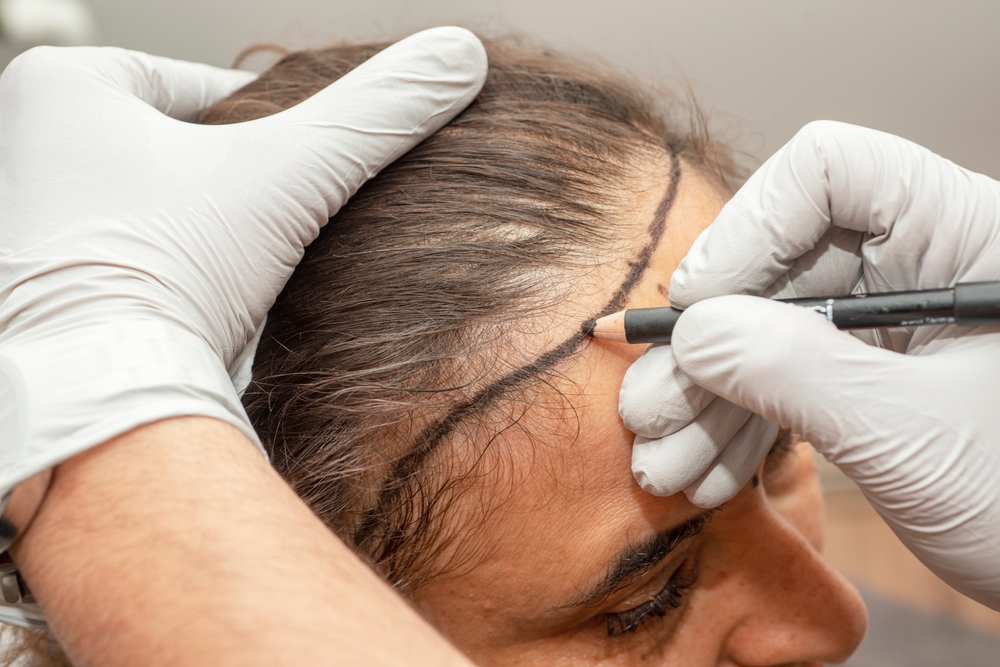
Comprehensive medical history review precedes every treatment, accompanied by facial photography and precise anatomical marking. Patients should avoid alcohol and blood-thinning medications for several days before their appointment to minimize bruising risk.
Step-by-Step Jawline Filler Procedure
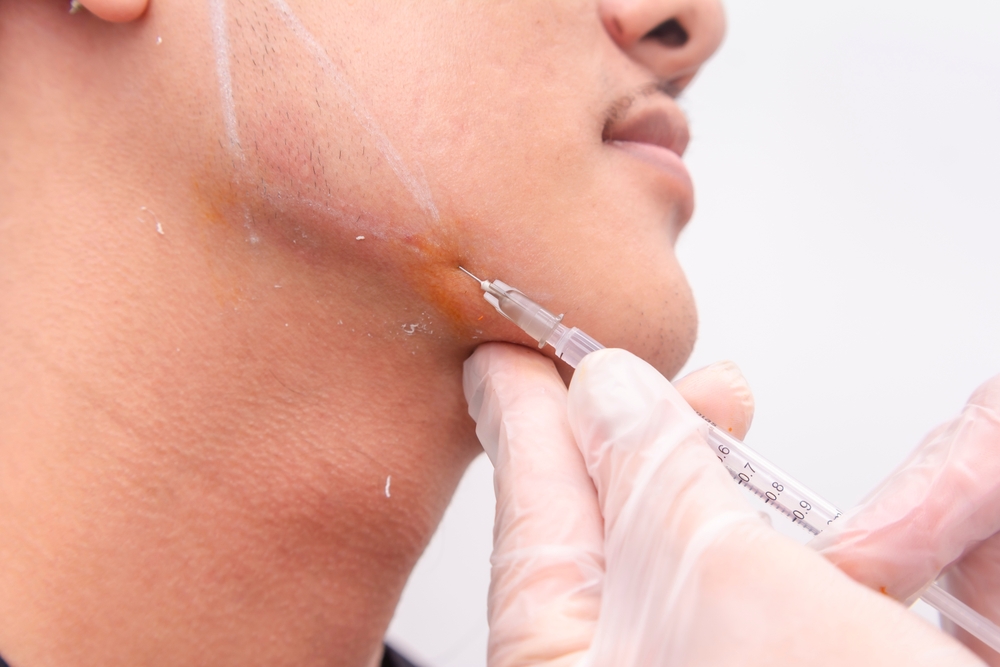
The treatment begins with thorough cleansing and sterilization of the injection sites. Topical anesthetic ensures patient comfort throughout the procedure. The injector then performs detailed injection planning and mapping before administering product using either cannula or needle techniques. Following placement, the practitioner sculpts and molds the filler to ensure smooth, symmetrical contours before conducting immediate post-treatment evaluation.
Injection Techniques
Experienced injectors employ various methods including linear threading for continuous contouring, bolus injections for specific augmentation points, and layering methods that build structure gradually. The choice between needle versus cannula approaches depends on treatment areas, patient anatomy, and injector expertise.
Duration of the Procedure
Typical jawline filler appointments require thirty to sixty minutes, including consultation and preparation time. Most patients return to normal activities immediately afterward, making this an ideal lunchtime procedure for busy professionals.
What to Expect After Jawline Filler Treatment
Immediate Results
Patients observe instant contour improvement following injection, though temporary swelling and redness may initially exaggerate results. These immediate changes provide a preview of the final outcome once healing completes.
Recovery Timeline
Minor bruising and tenderness typically resolve within one week. Swelling gradually diminishes over several days, with final results becoming apparent after the settling period concludes, usually within two to four weeks.
Post-Treatment Care Instructions
Optimal healing requires avoiding pressure and excessive touching of treated areas, restricting strenuous exercise and alcohol consumption for twenty-four to forty-eight hours, and maintaining appropriate sleeping positions that prevent facial compression during the initial recovery phase.
Benefits of Jawline Fillers
Non-Surgical Facial Contouring
Jawline fillers eliminate the need for incisions or general anesthesiaEnsuring Comfort During Hair Transplants Sedation is used in hair transplantation to help patients remain calm and comfortable throughout the... while requiring minimal downtime compared to surgical alternatives. Patients achieve significant aesthetic enhancement without interrupting their professional or personal schedules.
Facial Balance and Definition
Properly administered jawline fillers create sharper, more defined appearances while improving overall profile aesthetics. The treatment establishes visual harmony between the chin, jaw, and neck regions.
Customizable and Reversible Results
Practitioners can adjust volume and shape during treatment, and HA fillers offer the unique advantage of dissolving capability if patients desire modification or complete reversal.
Psychological and Aesthetic Benefits
Beyond physical transformation, jawline enhancement frequently increases self-confidence and improves patients’ perception of their facial harmony, contributing positively to overall wellbeing.
Risks and Side Effects of Jawline Fillers

Common Temporary Side Effects
Expected reactions include swelling, bruising, tenderness, and redness at injection sites. These typically resolve spontaneously without intervention within days.
Rare but Serious Complications
Though uncommon, potential risks include vascular occlusion, filler migration, infection, skin necrosis, and extremely rare vision complications from improper injection technique near vulnerable vascular structures.
Importance of Choosing a Qualified Injector
Facial anatomy expertise, sterile clinical environments, and emergency complication management capabilities distinguish qualified medical professionals from unregulated practitioners. Patient safety depends entirely on injector selection.
How Long Do Jawline Fillers Last?
Average Longevity by Filler Type
HA fillers typically maintain results for six to eighteen months, CaHA fillers around twelve months, and PMMA fillers potentially several years depending on individual factors.
Factors Affecting Filler Duration
Metabolism, lifestyle habits, injection depth, product type, and filler density all influence how quickly the body breaks down injected materials.
Maintenance Sessions and Touch-Ups
Follow-up treatments preserve optimal contours as gradual filler breakdown occurs. Many patients schedule maintenance appointments before complete dissipation to sustain continuous enhancement.
Jawline Filler Before and After Expectations
Natural-Looking Results
Proportion and moderation remain essential principles. The most successful treatments enhance existing features rather than creating artificial or disproportionate appearances.
Masculine vs Feminine Jawline Enhancement
Gender-specific contouring goals guide injector approach, with men typically seeking broader, more angular definitions while women often prefer elegant, softly tapered transitions.
Realistic Expectations
Patients must understand what fillers can and cannot achieve. When significant skeletal deficiency exists, surgical implants may represent more appropriate solutions.
Jawline Filler vs Other Jawline Contouring Treatments
Jawline Filler vs Botox
While fillers enhance volume and structure, Botox reduces muscle mass for slimming effects. These treatments address fundamentally different concerns and often complement each other.
Jawline Filler vs Chin Filler
These complementary lower-face treatments frequently combine to create unified aesthetic improvements across the entire mandibular region.
Jawline Filler vs Surgical Implants
Fillers offer lower cost, minimal recovery, and reversibility, while surgical implants provide permanence at the expense of invasiveness, expense, and extended downtime.
Combination Treatments
Many patients optimize results by combining jawline fillers with RF skin tightening, thread lifts, or fat reduction procedures for comprehensive lower face rejuvenation.
Cost of Jawline Fillers
Average Price Range
Costs vary significantly based on geographic location and clinic positioning, typically calculated per syringe with most jawline treatments requiring multiple syringes for optimal results.
Factors Influencing Treatment Cost
Injector expertise, product brand selection, and total syringe requirements primarily determine final pricing. Premium products administered by experienced specialists command higher fees reflecting superior safety and outcomes.
Why Cheap Fillers Can Increase Risks
Counterfeit products and non-medical injectors present serious safety concerns. Selecting providers based solely on price dramatically increases complication risks.
Frequently Asked Questions About Jawline Fillers
Are Jawline Fillers Painful?
Most patients experience minimal discomfort due to topical anesthetics and modern filler formulations containing lidocaine.
Can Jawline Fillers Be Dissolved?
Hyaluronic acid fillers can be dissolved using hyaluronidase, providing safety and flexibility unavailable with other filler types.
How Many Syringes Are Needed?
Most jawline treatments require two to four syringes depending on desired enhancement level and individual anatomy.
Is There Downtime After Jawline Filler?
Minimal downtime allows immediate return to most activities, though patients should avoid strenuous exercise and excessive heat for twenty-four hours.
Can Jawline Fillers Migrate?
Properly placed fillers rarely migrate, though poor injection technique or excessive product volume can contribute to displacement.
Are Jawline Fillers Safe?
When administered by qualified medical professionals using authentic products, jawline fillers maintain excellent safety records.
Conclusion
Jawline fillers represent an exceptional option for individuals seeking enhanced facial definition without surgical commitment. By understanding the procedure, materials, candidacy requirements, and recovery expectations, patients can make informed decisions about their aesthetic journey. The importance of individualized facial assessment cannot be overstated, as personalized treatment planning produces the most natural and satisfying outcomes. Safety considerations and realistic expectations should guide every decision, while the value of choosing experienced medical professionals remains paramount for achieving optimal, harmonious results that enhance both appearance and confidence.
References
American Society of Plastic Surgeons. (2024). Soft Tissue Fillers. https://www.plasticsurgery.org/cosmetic-procedures/soft-tissue-fillers
Funt, D., & Pavicic, T. (2013). Dermal fillers in aesthetics: an overview of adverse events and treatment approaches. Clinical, Cosmetic and Investigational Dermatology, 6, 295–316. https://doi.org/10.2147/CCID.S50546
DeLorenzi, C. (2014). Complications of injectable fillers, part 2: vascular complications. Aesthetic Surgery Journal, 34(4), 584–600. https://doi.org/10.1177/1090820X14525035
Beleznay, K., Humphrey, S., Carruthers, J. D., & Carruthers, A. (2015). Vascular Compromise from Soft Tissue Augmentation: A Case Series, Management, and Prevention. Journal of Drugs in Dermatology, 14(5), 489–493.
Sundaram, H., & Cassuto, D. (2011). Biophysical characteristics of hyaluronic acid soft-tissue fillers and their relevance to aesthetic applications. Plastic and Reconstructive Surgery, 128(5), 253S–262S. https://doi.org/10.1097/PRS.0b013e31823039bf
Loghem, J. V., Yutskovskaya, Y. A., & Werschler, W. P. (2015). Calcium hydroxylapatite: over a decade of clinical experience. Journal of Cosmetic Dermatology, 14(3), 234–241. https://doi.org/10.1111/jocd.12162
American Board of Cosmetic Surgery. (2024). Dermal Fillers: Types, Benefits, and Risks. https://www.americanboardcosmeticsurgery.org/procedure-learning-center/non-surgical/dermal-fillers-guide/
Scheuer, J. F., Sieber, D. A., Pezeshk, R. A., Gassman, A. A., Campbell, C. F., & Rohrich, R. J. (2017). Facial Danger Zones: Techniques to Maximize Safety during Soft-Tissue Filler Injections. Plastic and Reconstructive Surgery, 139(5), 1102–1108. https://doi.org/10.1097/PRS.0000000000003234
Gold, M. H. (2007). Use of hyaluronidase to reverse hyaluronic acid filler. Journal of Cosmetic Dermatology, 6(1), 26–28. https://doi.org/10.1111/j.1473-2165.2007.00314.x
American Society for Dermatologic Surgery. (2024). Fillers. https://www.asds.net/skin-experts/skin-treatments/fillers