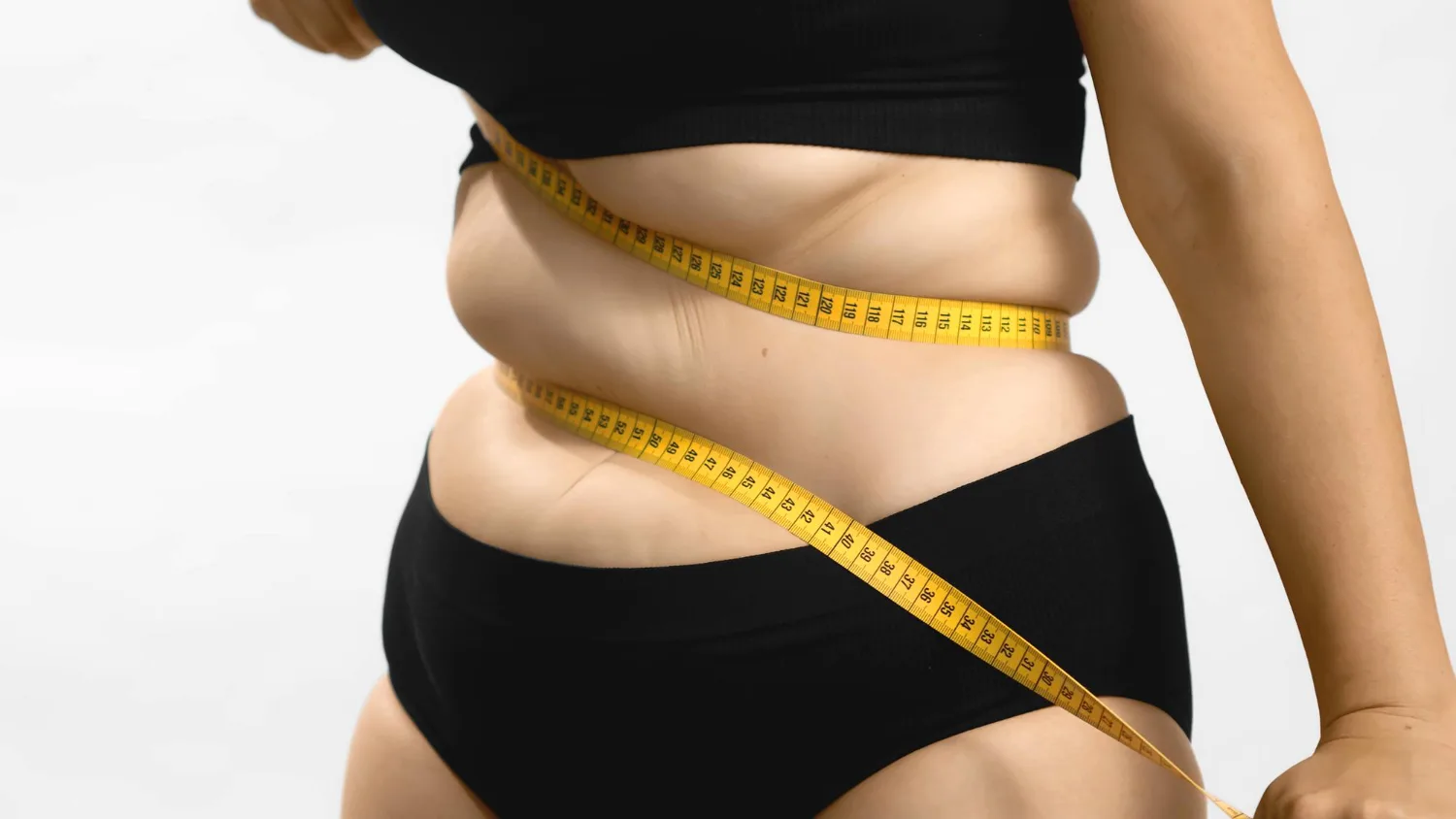
A mini tummy tuck and a full tummy tuck serve different patients. These procedures address different anatomical problems. Board-certified plastic surgeons evaluate each patient individually. They match the procedure to the patient's specific needs. This article explains the key differences between these two types of abdominoplasty.
What Is the Difference Between a Mini Tummy Tuck and a Full Tummy Tuck?
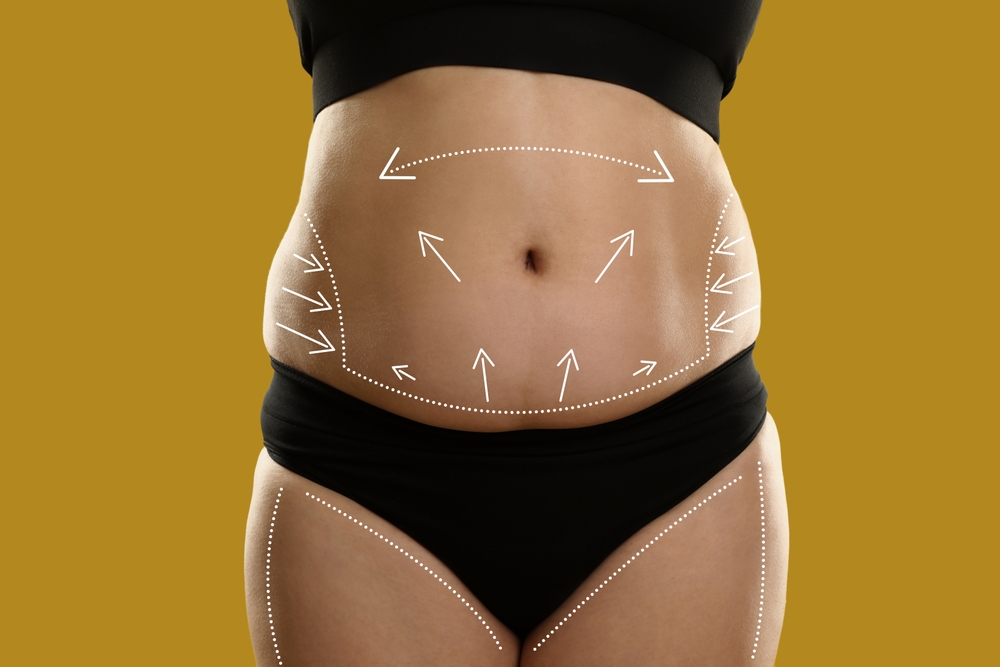
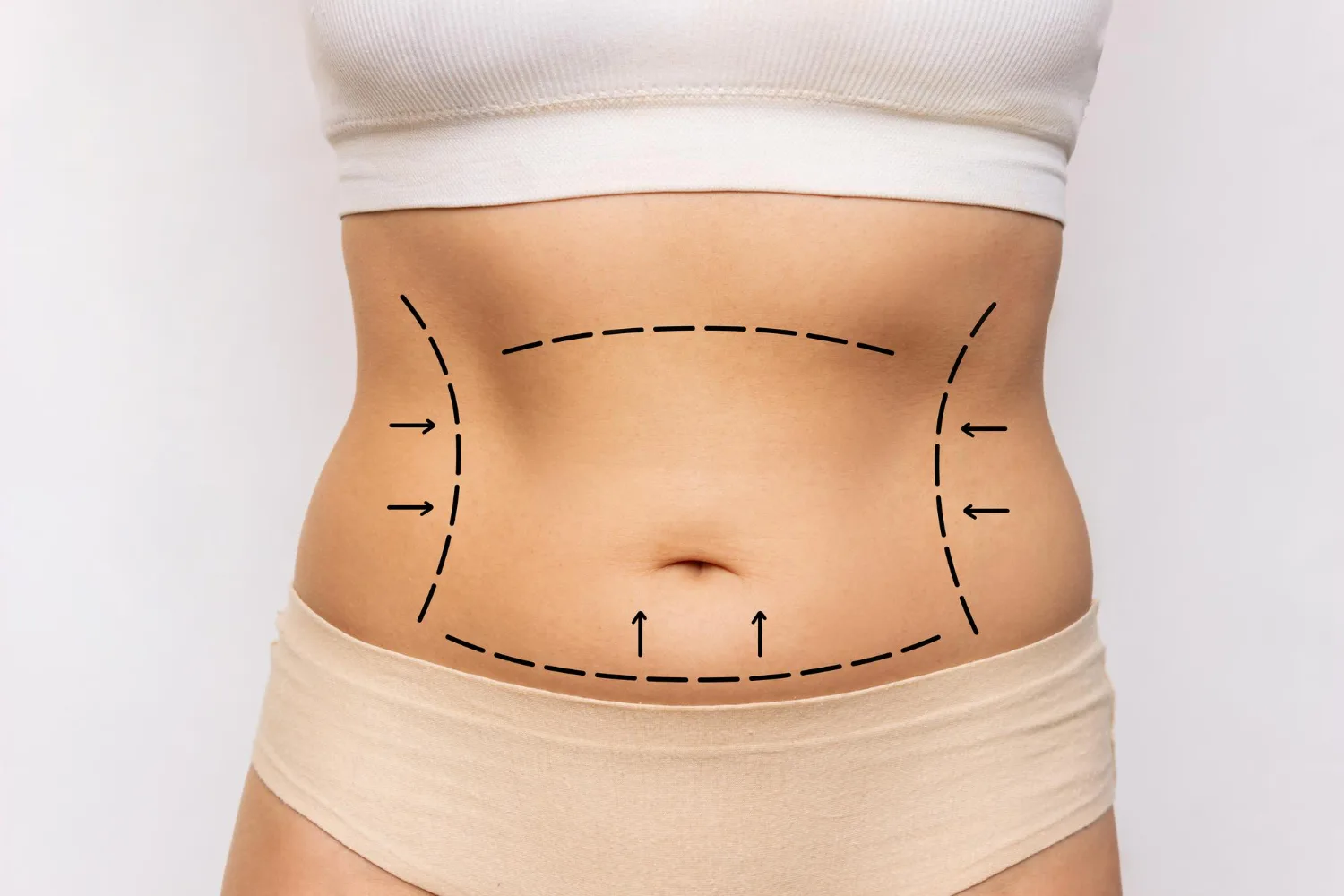
A mini tummy tuck treats only the lower abdomen. A full tummy tuck treats the entire abdominal wall. The difference lies in the extent of correction. Surgeons choose the procedure based on the patient's anatomy.
What Is a Mini Tummy Tuck?
A mini tummy tuck is a limited form of abdominoplasty. Surgeons perform this procedure on patients with mild lower abdominal laxity. The surgery focuses on the area below the belly button. It removes a small amount of excess skin. It tightens the lower abdominal muscles when needed. The incision stays low on the abdomen. The belly button remains in its original position. This procedure offers shorter recovery times. It suits patients with good skin elasticity (Mazzocchi et al. 538).
Surgeons set specific surgical goals during a mini tummy tuck. They aim to flatten the lower abdomen. They remove limited amounts of excess skin. They perform lower abdominal contouring. They address small fat deposits. They do not reposition the belly button.
The treatment area remains confined to the lower abdomen. Surgeons do not address upper abdominal problems with this technique. They focus on the region between the pubic bone and the belly button. This limitation defines the procedure.
Lower abdominal contouring forms the core of this surgery. Surgeons tighten the skin and fat layer in this specific zone. They create a smoother contour below the belly button.
Limited skin removal characterizes this approach. Surgeons remove only a small ellipse of skin. They do not address significant skin excess.
What Is a Full Tummy Tuck?
A full tummy tuck is a comprehensive abdominal contouring procedure. Surgeons perform this surgery on patients with extensive abdominal wall problems. The procedure addresses both the upper and lower abdomen. It removes large amounts of excess skin. It tightens separated abdominal muscles. It repositions the belly button (Hunstad and Repta 45).
Surgeons perform comprehensive abdominal contouring during this procedure. They treat the entire abdominal wall. They address both upper and lower abdomen correction. They remove excess skin from the entire region. They tighten the rectus muscles through rectus muscle plication. They perform belly button repositioning through umbilical transposition.
The upper and lower abdomen correction sets this procedure apart. Surgeons elevate the skin from the rib cage to the pubic bone. They access the entire abdominal wall. They can see and repair the full extent of muscle separation.
Muscle tightening forms a critical component. Surgeons suture the separated rectus muscles together. This repair restores the abdominal wall integrity. It creates a firmer midsection.
Belly button repositioning allows surgeons to remove excess upper abdominal skin. They release the belly button from its stalk. They pull the upper abdominal skin down. They create a new opening for the belly button. This step achieves natural-looking results.
Why Does Understanding These Differences Matter?
Understanding these differences helps patients choose the right procedure. Surgeons match the procedure to anatomy rather than preference. They examine each patient carefully. They look at skin quality. They assess muscle separation. They measure the extent of excess skin.
Individualized surgical planning produces the best outcomes. Surgeons do not offer a one-size-fits-all solution. They tailor the operation to the patient's specific body. They consider the patient's goals. They balance those goals with anatomical realities. This approach ensures patient safety and satisfaction.
How Does a Mini Tummy Tuck Compare to a Full Tummy Tuck?
A mini tummy tuck and a full tummy tuck differ in many ways. The comparison table below shows these differences clearly.
|
Feature
|
Mini Tummy Tuck
|
Full Tummy Tuck
|
|
Surgical area
|
Lower abdomen only
|
Upper and lower abdomen
|
|
Incision length
|
4 to 8 inches
|
Hip to hip, typically 10 to 12 inches
|
|
Muscle repair
|
Limited or none
|
Full rectus muscle plication
|
|
Belly button repositioning
|
Not performed
|
Always performed
|
|
Skin removal
|
Limited, 2 to 4 inches
|
Extensive, 6 to 12 inches or more
|
|
Fat removal
|
Small amounts
|
Large amounts, often with liposuction
|
|
Liposuction compatibility
|
Sometimes combined
|
Frequently combined
|
|
Operating time
|
1 to 2 hours
|
2 to 4 hours
|
|
Hospital stay
|
Usually outpatient
|
Usually outpatient, sometimes overnight
|
|
Recovery duration
|
1 to 2 weeks for basic activities
|
2 to 4 weeks for basic activities
|
Surgeons use this comparison during surgical consultation. They show patients where they fit on this spectrum. They explain the trade-offs. They help patients understand what each procedure can and cannot do.
Who Is a Good Candidate for a Mini Tummy Tuck?
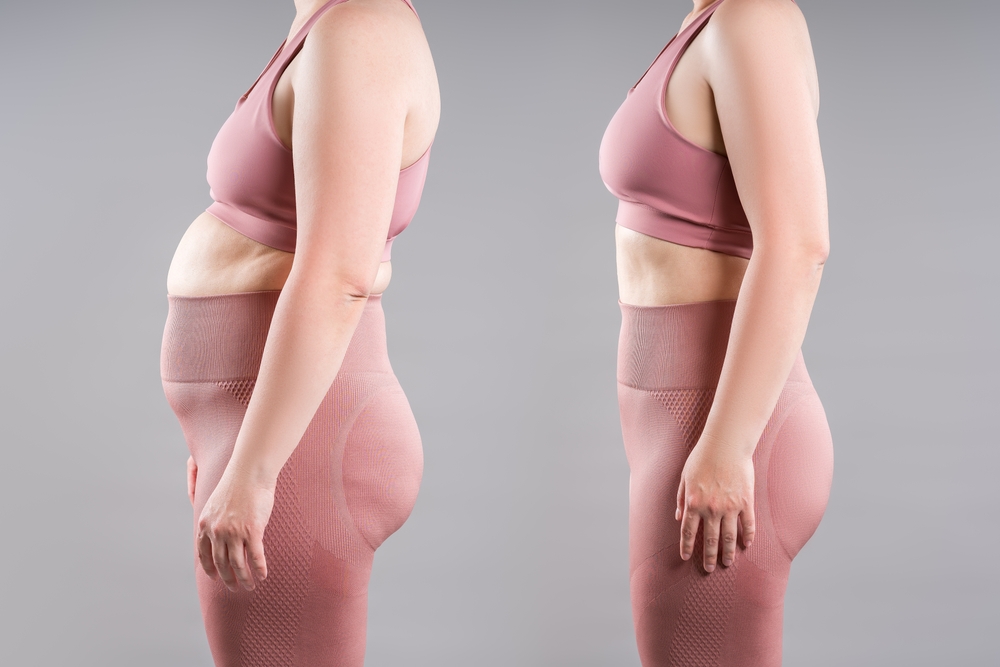
A mini tummy tuck suits specific patients. Not everyone qualifies for this limited procedure. Surgeons evaluate several factors before recommending this approach.
Who Has Mild Lower Abdominal Skin Laxity?
Patients with mild lower abdominal skin laxity qualify for a mini tummy tuck. These patients have a small pouch below the belly button. Their upper abdomen looks flat and firm. The skin excess stays confined to the lower region. Surgeons can remove this limited excess skin through a short incision. These patients achieve excellent results.
Who Is Close to Their Ideal Body Weight?
Individuals close to their ideal body weight make good candidates. Surgeons look for patients with a stable BMI. They prefer patients within 10 to 15 percent of their goal weight. Heavier patients need more extensive procedures. Thin patients with isolated lower abdominal problems benefit most from the mini approach.
Which Women Qualify After Pregnancy?
Women after pregnancy with minimal muscle separation qualify for this procedure. Some women regain their pre-pregnancy shape quickly. They develop only small amounts of loose skin below the belly button. Their abdominal muscles remain largely intact. These women do not need full muscle repair. They benefit from the limited approach.
Who Lacks Significant Upper Abdominal Skin Excess?
Patients without significant upper abdominal skin excess qualify for mini abdominoplasty. Surgeons examine the upper abdomen carefully. They pinch the skin above the belly button. If this skin shows good elasticity, the patient may qualify. If the upper abdominal skin hangs or wrinkles, the patient needs a full tummy tuck.
When Is a Mini Procedure Not Enough?
A mini procedure falls short for some patients. Patients with extensive skin excess need more. Patients with significant diastasis recti need full repair. Patients with stretch marks above the belly button need full correction. Surgeons refuse to perform a mini tummy tuck on these patients. They know the results would disappoint. They recommend the appropriate procedure instead.
Who Benefits Most from a Full Tummy Tuck?
A full tummy tuck helps patients with significant abdominal wall problems. These patients need comprehensive correction. The full procedure addresses their complex needs.
Who Benefits After Significant Weight Loss?
Patients after significant weight loss benefit greatly from full abdominoplasty. Massive weight loss leaves behind large amounts of excess skin. The skin loses its elasticity. It cannot shrink back to the new body size. These patients develop hanging skin folds. The full tummy tuck removes this excess. It restores a normal contour (Aly et al. 1471).
Who Has Extensive Loose Skin?
Individuals with extensive loose skin need this procedure. Aging reduces skin elasticity. Sun damage worsens this problem. Genetics play a role too. These patients develop wrinkles and folds across the entire abdomen. The full tummy tuck removes this skin. It creates a smooth surface.
Who Needs Diastasis Recti Repair?
Patients with diastasis recti benefit from full muscle repair. Pregnancy stretches the abdominal wall. The rectus muscles separate. This separation creates a bulge. It weakens the core. Exercise cannot fully close this gap. Surgeons perform rectus muscle plication during a full tummy tuck. They sew the muscles together. They restore the flat abdominal wall (Nahas et al. 189).
Who Has Had Multiple Pregnancies?
Women after multiple pregnancies often need full correction. Each pregnancy stretches the abdominal wall further. The skin loses elasticity. The muscles separate more. The belly button distorts. These women develop problems in both the upper and lower abdomen. The full tummy tuck addresses all these pregnancy-related abdominal changes.
Who Needs Combined Abdominal Wall Reconstruction?
Some patients need combined abdominal wall reconstruction. Hernias may accompany the cosmetic problems. Surgeons repair these hernias during the tummy tuck. They use mesh reinforcement when needed. They tighten the muscles. They remove excess skin. This combined approach restores both function and appearance.
Which Areas of the Abdomen Does Each Procedure Treat?
Each procedure treats different anatomical zones. Understanding these zones helps patients know what to expect.
Which Area Does the Lower Abdomen Include?
The lower abdomen extends from the belly button to the pubic bone. Both procedures treat this area. The mini tummy tuck treats only this zone. The full tummy tuck treats this zone plus others. Surgeons remove excess skin here. They tighten muscles here. They create a smooth transition to the pubic area.
Which Area Does the Upper Abdomen Include?
The upper abdomen extends from the rib cage to the belly button. Only the full tummy tuck treats this area. Surgeons elevate the skin from the rib cage. They pull it down. They remove the excess. They create a tight, smooth upper abdominal wall.
Can Surgeons Treat the Flanks?
Surgeons treat the flanks when they combine liposuction with tummy tuck surgery. Liposuction removes fat from the love handles. This combination creates a narrower waist. It improves the overall silhouette. Both mini and full tummy tuck patients can receive this addition. Full tummy tuck patients often need it more.
How Does Waistline Contouring Work?
Waistline contouring improves the narrowest part of the torso. Full tummy tuck surgery often includes this benefit. Surgeons tighten the abdominal muscles. This pulls the waist inward. They remove excess skin. This defines the waistline further. Mini tummy tuck surgery provides limited waistline improvement.
What Overall Body Proportion Improvements Occur?
Overall body proportion improvements follow both procedures. The abdomen becomes flatter. The waist becomes more defined. The torso looks longer. The hips look more proportionate. These changes improve how clothes fit. They boost patient confidence.
How Do the Surgical Techniques Differ?
The surgical techniques differ significantly. Each step varies between the two procedures.
Where Do Surgeons Place the Incision?
Surgeons place the incision low on the abdomen for both procedures. The mini tummy tuck uses a shorter incision. It typically measures 4 to 8 inches. It sits just above the pubic hairline. The full tummy tuck uses a longer incision. It stretches from hip to hip. It also sits low on the abdomen. Both incisions hide under underwear and swimwear.
How Do Surgeons Elevate the Skin?
Surgeons elevate the skin differently in each procedure. During a mini tummy tuck, they lift only the lower abdominal skin. They create a small flap. During a full tummy tuck, they lift the skin from the pubic bone to the rib cage. They create a large flap. This large flap allows access to the entire muscle layer.
How Do Surgeons Remove Fat?
Surgeons remove fat through direct excision and liposuction. In a mini tummy tuck, they remove small fat deposits. They may use limited liposuction. In a full tummy tuck, they remove larger fat volumes. They often perform extensive liposuction. They sculpt the entire abdominal wall (Matarasso 829).
How Do Surgeons Tighten the Muscles?
Surgeons tighten the muscles through sutures. In a mini tummy tuck, they may tighten the lower muscles only. They place a few sutures below the belly button. In a full tummy tuck, they perform complete rectus muscle plication. They place sutures from the rib cage to the pubic bone. They bring the separated muscles together. They create a firm internal corset.
Surgeons manage the belly button differently. In a mini tummy tuck, the belly button stays in place. Surgeons do not disturb it. In a full tummy tuck, surgeons perform umbilical transposition. They release the belly button from the surrounding skin. They pull the upper abdominal skin down. They cut a new opening. They reposition the belly button naturally.
What Closure Techniques Do Surgeons Use?
Surgeons use layered closure techniques for both procedures. They close the deep tissue first. They use absorbable sutures. They close the skin with fine sutures or staples. They may use surgical glue. They place drains in full tummy tuck patients. They sometimes skip drains in mini tummy tuck patients.
Does Every Patient Need Muscle Repair?
Not every patient needs muscle repair. Surgeons evaluate each case individually.
What Is Diastasis Recti?
Diastasis recti is a separation of the rectus abdominis muscles. These muscles run vertically on each side of the belly button. A connective tissue band called the linea alba holds them together. Pregnancy or weight gain stretches this band. The muscles separate. This creates a gap. It causes a visible bulge. It weakens the core.
How Does Pregnancy Affect the Abdominal Wall?
Pregnancy stretches the abdominal wall significantly. The growing uterus pushes the muscles apart. Hormones soften the connective tissue. The linea alba widens. After delivery, some women recover naturally. Others retain the separation. Multiple pregnancies worsen this problem. The muscles cannot return to their original position without surgery.
How Do Surgeons Repair Muscles During a Full Tummy Tuck?
Surgeons repair muscles during a full tummy tuck through rectus muscle plication. They expose the entire muscle layer. They place permanent or slowly absorbable sutures. They sew the muscles together along the midline. They start at the rib cage. They continue to the pubic bone. This repair flattens the abdomen. It strengthens the core. It improves posture (Nahas et al. 192).
Can Surgeons Repair Muscles During a Mini Tummy Tuck?
Surgeons can perform limited muscle repair during a mini tummy tuck. They access only the lower abdominal muscles. They place sutures below the belly button. They cannot reach the upper muscles. This limited repair helps some patients. It does not address full diastasis recti. Patients with significant separation need a full tummy tuck.
How Do Incision Size and Scarring Compare?
Incision size and scarring differ between the two procedures. Patients often worry about scars. Understanding the differences helps set realistic expectations.
How Long Is a Mini Tummy Tuck Scar?
A mini tummy tuck scar measures 4 to 8 inches. It sits low on the abdomen. It hides below the bikini line. This shorter scar appeals to many patients. Surgeons can often place it within existing creases. The scar fades over time. It becomes thin and flat.
How Long Is a Full Tummy Tuck Scar?
A full tummy tuck scar stretches from hip to hip. It typically measures 10 to 12 inches. It also sits low on the abdomen. It hides under clothing. Some patients develop a small vertical scar near the center. This scar appears when surgeons need to remove extra skin at the closure point. The horizontal scar remains the main one.
A belly button scar forms during full tummy tuck surgery. Surgeons create a new opening for the belly button. They place it within the existing belly button stalk. The scar hides inside the belly button rim. It becomes nearly invisible. Mini tummy tuck patients do not get this scar. Their belly button stays untouched.
What Factors Influence Scar Quality?
Several factors influence scar quality. Genetics play a major role. Some patients form thick scars naturally. Others heal with thin, flat scars. Smoking harms scar healing. It reduces blood flow. It delays healing. It worsens scar appearance. Nutrition affects healing too. Patients need adequate protein and vitamins. Postoperative scar care improves outcomes. Surgeons recommend silicone therapy. Patients apply silicone sheets or gels. They protect scars from sun exposure. They massage the scars gently. These steps promote scar maturation (Costa-Ferreira et al. 1545).
Which Procedure Provides Better Cosmetic Results?
Both procedures provide excellent cosmetic results when matched to the right patient. The "better" result depends on the patient's starting point.
What Improvements in Abdominal Contour Occur?
Improvements in abdominal contour occur with both procedures. Mini tummy tuck patients see a flatter lower abdomen. Full tummy tuck patients see a flat, contoured entire abdomen. The upper abdomen improves. The lower abdomen improves. The transition between zones looks smooth. Surgeons create a natural, youthful contour.
How Does Waist Definition Improve?
Waist definition improves more with full tummy tuck surgery. Surgeons tighten the entire muscle layer. This narrows the waist. They remove excess skin and fat. This further defines the waistline. Mini tummy tuck patients see limited waist improvement. The procedure does not address the upper abdominal muscles.
How Much Skin Tightening Occurs?
Skin tightening occurs in both procedures. Full tummy tuck patients see more dramatic tightening. Surgeons remove large amounts of excess skin. They pull the remaining skin tight. Mini tummy tuck patients see moderate tightening. The limited skin removal restricts the degree of tightening.
Can Stretch Marks Reduce?
Stretch marks reduce when surgeons remove the skin that contains them. Full tummy tuck surgery removes most skin below the belly button. This eliminates many stretch marks in the lower abdomen. It pulls the upper abdominal skin down. This lowers the position of remaining stretch marks. Mini tummy tuck patients see limited stretch mark improvement. Only stretch marks in the lower abdomen disappear.
What Long-Term Patient Satisfaction Rates Exist?
Long-term patient satisfaction rates remain high for both procedures. Studies show that patients report improved quality of life. They feel more confident. They wear fitted clothing more often. They maintain their results with stable weight. Full tummy tuck patients often report higher satisfaction when they started with more significant problems. Mini tummy tuck patients report high satisfaction when they had limited concerns (Heller et al. 951).
How Long Is Recovery After Each Procedure?
Recovery time varies between the two procedures. Patients need to understand these timelines.
Immediate recovery starts in the surgical facility. Patients wake up from anesthesia. Nurses monitor their vital signs. Surgeons check the dressings. Patients receive pain medication. They begin walking within hours. Early walking reduces blood clot risk. It speeds healing.
How Do Surgeons Manage Pain?
Surgeons manage pain with multiple medications. They use non-opioid pain relievers. They prescribe muscle relaxants. They may use nerve blocks. These blocks numb the abdominal wall. They reduce pain for 24 to 72 hours. Patients take medications on schedule. They stay ahead of the pain.
Do Surgeons Use Drains?
Surgeons use drains during full tummy tuck surgery. Drains remove fluid that collects under the skin. They prevent seroma formation. Patients empty the drains several times daily. They record the output. Surgeons remove the drains when output decreases. This typically takes 5 to 10 days. Some surgeons use progressive tension sutures instead. These sutures eliminate the need for drains. Mini tummy tuck patients rarely need drains.
When Can Patients Start Walking?
Patients start walking the same day as surgery. They take short, frequent walks. They avoid prolonged bed rest. Walking prevents blood clots. It reduces swelling. It promotes bowel function. Patients walk slightly bent at first. They straighten gradually over one to two weeks.
When Can Patients Return to Work?
Patients return to work at different times. Mini tummy tuck patients return within 1 to 2 weeks. They need less time off. Full tummy tuck patients return within 2 to 4 weeks. Some need more time if their jobs require physical labor. Desk workers return sooner. Patients should not rush this timeline.
When Can Patients Exercise?
Patients resume exercise gradually. They start with walking. They add light cardio after 3 to 4 weeks. They avoid core exercises for 6 to 8 weeks. They avoid heavy lifting for 6 weeks. Surgeons clear each patient individually. They monitor healing. They adjust timelines based on progress.
How Long Does Swelling Last?
Swelling lasts for several months. It peaks at 3 to 5 days after surgery. It improves significantly by 6 weeks. Residual swelling persists for 3 to 6 months. Some patients notice minor swelling for up to a year. Compression garments help control swelling. Patients wear these garments for 4 to 6 weeks.
When Do Final Results Appear?
Final results appear after all swelling resolves. Most patients see their final shape at 6 months. Some need a full year. The scar continues to fade during this time. Scar maturation takes 12 to 18 months. Patients should remain patient. They should trust the process.
What Are the Potential Risks and Complications?
All surgeries carry risks. Patients should understand these risks before proceeding.
What Is Infection?
Infection occurs when bacteria enter the surgical site. Surgeons use sterile techniques. They prescribe antibiotics. Patients keep the incision clean. Signs of infection include redness, warmth, and fever. Surgeons treat infections with antibiotics. Severe infections need drainage (Friedman et al. 533).
What Is a Seroma?
A seroma is a fluid collection under the skin. It forms when tissue fluid accumulates. Drains help prevent this problem. Without drains, seromas may form. Surgeons drain them with a needle. They place new drains if needed. Compression garments reduce seroma risk.
What Is a Hematoma?
A hematoma is a collection of blood under the skin. It forms when blood vessels bleed after surgery. Surgeons control bleeding during the operation. Hematomas cause swelling and pain. Surgeons evacuate large hematomas in the operating room. Small hematomas resolve on their own.
What Causes Delayed Wound Healing?
Delayed wound healing occurs in patients with poor circulation. Smokers face this risk. Diabetics face this risk. Patients with poor nutrition face this risk. Wounds may separate at the edges. Surgeons treat this with wound care. They may use special dressings. They monitor progress closely.
Poor scar formation results from genetics, tension, or infection. Some patients form hypertrophic scars. These scars remain thick and red. Others form keloids. These scars grow beyond the incision line. Surgeons treat poor scars with steroid injections. They may revise the scar later.
What Are Blood Clots?
Blood clots form in the legs after surgery. They can travel to the lungs. This condition is called pulmonary embolism. It is life-threatening. Early walking prevents clots. Surgeons use compression devices. They may prescribe blood thinners. Patients report leg pain or shortness of breath immediately.
What Changes in Skin Sensation Occur?
Changes in skin sensation occur after both procedures. Nerves stretch during surgery. This causes numbness. The numbness affects the lower abdomen. It improves over months. Some patients retain small areas of numbness permanently. This does not affect function.
When Does Revision Surgery Become Necessary?
Revision surgery becomes necessary when results do not meet expectations. Dog ears may form at the incision ends. Surgeons can trim these. Asymmetry may occur. Surgeons can correct this. Some patients desire further liposuction. Surgeons perform these revisions after full healing.
Can Liposuction Be Combined with a Mini or Full Tummy Tuck?
Surgeons often combine liposuction with tummy tuck surgery. This combination enhances results.
What Are the Benefits of Combination Procedures?
Combination procedures offer several benefits. Liposuction removes fat that tummy tuck surgery alone cannot address. It sculpts the flanks. It defines the waist. It creates smoother transitions. Patients enjoy more comprehensive body contouring surgery results.
What Is High-Definition Body Contouring?
High-definition body contouring uses precise liposuction techniques. Surgeons sculpt around muscle groups. They create visible abdominal lines. They define the waist. They enhance the torso shape. This technique works well with full tummy tuck surgery.
What Is Circumferential Liposuction?
Circumferential liposuction treats the entire torso. Surgeons remove fat from the abdomen, flanks, and back. This creates a harmonious shape. It improves the profile from all angles. Full tummy tuck patients often choose this addition.
What Safety Considerations Apply?
Safety considerations matter during combination procedures. Longer surgery increases risks. Surgeons limit the amount of fat removal. They monitor fluid balance. They avoid hypothermia. They work with experienced anesthesia teams. They prioritize patient safety over aggressive contouring.
How Should Patients Prepare for Surgery?
Preparation improves surgical outcomes. Patients should follow all instructions carefully.
What Medical Evaluation Do Patients Need?
Patients need a thorough medical evaluation. Surgeons review their medical history. They perform physical exams. They order blood tests. They check heart function. They identify risk factors. They clear patients for anesthesia.
Why Does Weight Stabilization Matter?
Weight stabilization matters because fluctuations affect results. Surgeons want patients at a stable weight. They prefer patients who have maintained their weight for 6 months. Future weight gain stretches the results. Future weight loss creates new loose skin.
Why Must Patients Stop Smoking?
Patients must stop smoking because nicotine harms healing. It constricts blood vessels. It reduces oxygen delivery. It increases infection risk. It causes poor scar formation. Surgeons require smoking cessation for at least 4 weeks before and after surgery.
What Medication Review Do Patients Need?
Patients need a complete medication review. They stop blood thinners before surgery. They avoid herbal supplements. They stop anti-inflammatory drugs. These substances increase bleeding risk. Surgeons provide a specific list of prohibited items.
How Does Nutritional Optimization Help?
Nutritional optimization helps patients heal faster. Patients need adequate protein. They need vitamins A and C. They need zinc. They should eat a balanced diet. They may take supplements. Good nutrition supports immune function. It promotes wound healing.
How Should Patients Prepare for Recovery at Home?
Patients should prepare their homes before surgery. They set up a recovery area. They place pillows within reach. They prepare meals in advance. They arrange help with childcare. They fill prescriptions. They place loose clothing nearby. They prepare for limited mobility.
What Results Can Patients Realistically Expect?
Realistic expectations prevent disappointment. Patients should understand the healing timeline.
Immediately after surgery, patients see a flatter abdomen. Swelling masks some of the improvement. The skin looks tight. The incision lines look red. Bruising appears. Patients wear compression garments. They feel tightness and soreness.
What Results Show at One Month?
At one month, patients see significant improvement. Swelling decreases. Bruising fades. Patients resume light activities. They return to work. The incision looks healing. They still wear compression garments. They avoid strenuous exercise.
What Results Show at Three Months?
At three months, results look much better. Most swelling resolves. The abdomen looks flatter. The waist looks more defined. Scars start to fade. Patients resume most exercises. They feel normal in daily activities.
What Results Show at Six Months?
At six months, results approach final form. Swelling is minimal. The contour looks natural. Scars have faded significantly. Patients enjoy their new shape. They wear fitted clothing confidently. They maintain their results with healthy habits.
How Do Patients Maintain Long-Term Results?
Patients maintain long-term results with stable weight. They eat a balanced diet. They exercise regularly. They avoid future pregnancies if possible. They protect scars from the sun. They follow their surgeon's advice. Results can last for many years.
How Can You Decide Between a Mini and Full Tummy Tuck?
The decision requires careful evaluation. Patients should not make this choice alone.
What Happens During Surgeon Assessment?
During surgeon assessment, the board-certified plastic surgeon examines the patient. They look at skin quality. They assess muscle tone. They measure excess skin. They discuss goals. They explain options. They recommend the procedure that matches the anatomy.
How Do Surgeons Evaluate Skin Quality?
Surgeons evaluate skin quality by pinching the skin. They assess elasticity. They look for stretch marks. They check for wrinkles. They determine how much skin will tighten. Poor skin elasticity favors full tummy tuck surgery.
How Do Surgeons Measure Muscle Separation?
Surgeons measure muscle separation with physical examination. They feel the gap between the rectus muscles. They measure its width. They assess its length. They determine if it extends above the belly button. Significant separation requires full repair.
How Does BMI Affect the Decision?
BMI affects the decision significantly. Surgeons prefer patients with a BMI under 30. Higher BMI increases risks. It reduces results. Patients with higher BMI may need weight loss first. Surgeons discuss this openly. They prioritize safety.
Should Patients Consider Future Pregnancy Plans?
Patients should consider future pregnancy plans. Pregnancy stretches the results. It may recreate the problems. Surgeons recommend waiting until patients finish having children. This preserves the investment. It avoids revision surgery.
How Do Personal Aesthetic Goals Factor In?
Personal aesthetic goals guide the final decision. Some patients want maximum improvement. They accept longer scars and recovery. Others want moderate improvement. They prefer shorter scars. Surgeons balance these desires with anatomical realities. They create a personalized surgical plan.
Frequently Asked Questions About Mini Tummy Tuck vs Full Tummy Tuck
Can a Mini Tummy Tuck Repair Abdominal Muscles?
A mini tummy tuck can repair lower abdominal muscles only. Surgeons access the muscles below the belly button. They place limited sutures. They cannot repair separation above the belly button. Patients with full diastasis recti need a full tummy tuck.
Is a Full Tummy Tuck More Painful?
A full tummy tuck causes more discomfort than a mini tummy tuck. The muscle repair creates tightness. The larger incision creates more soreness. Surgeons manage this pain effectively. They use nerve blocks. They prescribe medications. Most patients describe the pain as manageable.
A full tummy tuck moves the belly button. Surgeons perform umbilical transposition. They create a new opening in the pulled-down skin. They place the belly button naturally. A mini tummy tuck does not move the belly button. It stays in its original position.
Which Procedure Leaves a Smaller Scar?
A mini tummy tuck leaves a smaller scar. The incision measures 4 to 8 inches. A full tummy tuck leaves a longer scar. It stretches from hip to hip. Both scars hide low on the abdomen. Both fade over time.
Can Liposuction Replace a Tummy Tuck?
Liposuction cannot replace a tummy tuck. Liposuction removes fat only. It does not remove excess skin. It does not repair muscles. Patients with loose skin need skin removal. They need a tummy tuck for optimal results.
Is a Tummy Tuck a Weight-Loss Procedure?
A tummy tuck is not a weight-loss procedure. It is a body contouring surgery. Patients should reach their goal weight first. The surgery removes some weight through skin and fat removal. This amount is small. Patients should not expect significant weight loss.
How Long Do Tummy Tuck Results Last?
Tummy tuck results last for many years with stable weight. Patients who maintain their weight enjoy permanent results. The removed skin does not return. The muscle repair stays intact. Future weight gain or pregnancy can alter results.
Can I Become Pregnant After a Tummy Tuck?
Patients can become pregnant after a tummy tuck. The surgery does not affect fertility. However, pregnancy stretches the abdominal wall again. It may recreate loose skin and muscle separation. Surgeons recommend waiting until after childbearing.
Which Procedure Has a Shorter Recovery?
A mini tummy tuck has a shorter recovery. Patients return to work in 1 to 2 weeks. They resume exercise sooner. A full tummy tuck requires 2 to 4 weeks before returning to work. Recovery takes longer due to the extensive muscle repair.
Can Men Undergo Mini or Full Tummy Tuck Surgery?
Men can undergo both mini and full tummy tuck surgery. Male patients often seek these procedures after weight loss. They want to remove excess skin. They want to tighten the abdominal wall. Surgeons tailor the technique to male anatomy. They preserve masculine features.
Conclusion: Which Procedure Is Right for You?
The key clinical differences between mini and full tummy tuck center on extent. A mini tummy tuck treats the lower abdomen only. It uses a shorter incision. It offers faster recovery. A full tummy tuck treats the entire abdomen. It repairs separated muscles. It repositions the belly button. It requires a longer incision and recovery.
Patients should not choose based on scar length or recovery time alone. They should choose based on their anatomy. Anatomical assessment determines the right procedure. A board-certified plastic surgeon performs this evaluation. They look at skin elasticity. They measure muscle separation. They assess excess skin. They create an individualized surgical plan.
Personalized surgical planning produces the best outcomes. Shared decision-making between patient and surgeon ensures satisfaction. Patients should ask questions. They should review before-and-after photos. They should understand the risks. They should follow all preparation and recovery instructions. The right procedure, performed by the right surgeon, delivers safe, beautiful, lasting results.
References
Aly, A. S., et al. "Belt Lipectomy for Circumferential Truncal Excess." Plastic and Reconstructive Surgery, vol. 117, no. 5, 2006, pp. 1471-81.
Costa-Ferreira, A., et al. "Scar Quality after Abdominoplasty." Plastic and Reconstructive Surgery, vol. 112, no. 5, 2003, pp. 1543-8.
Friedman, T., et al. "Infectious Outbreaks in Aesthetic Surgery." Aesthetic Surgery Journal, vol. 28, no. 5, 2008, pp. 531-7.
Heller, J. B., et al. "Outcomes after Abdominoplasty." Plastic and Reconstructive Surgery, vol. 122, no. 3, 2008, pp. 951-8.
Hunstad, J. P., and R. Repta. Atlas of Abdominoplasty. Elsevier, 2009.
Lockwood, T. "Lower Body Lift with Superficial Fascial System Suspension." Plastic and Reconstructive Surgery, vol. 92, no. 6, 1993, pp. 1112-22.
Matarasso, A. "Liposuction as an Adjunct to the Full Abdominoplasty." Plastic and Reconstructive Surgery, vol. 95, no. 5, 1995, pp. 829-36.
Mazzocchi, M., et al. "Evolution of Liposuction and Abdominoplasty Techniques." Aesthetic Plastic Surgery, vol. 35, no. 4, 2011, pp. 538-45.
Nahas, F. X., et al. "An Efficient Way to Correct Recurrent Rectus Diastasis." Aesthetic Plastic Surgery, vol. 28, no. 4, 2004, pp. 189-96.
Saldanha, O. R., et al. "Lipoabdominoplasty with Selective and Safe Undermining." Aesthetic Surgery Journal, vol. 23, no. 2, 2003, pp. 111-7.