Turkey has emerged as a global leader in Afro hair transplantation by combining specialized surgical training, advanced follicle extraction techniques, and comprehensive medical tourism infrastructure. Surgeons in Turkey now treat thousands of international patients with Afro-textured hair each year, achieving natural results through customized approaches that respect the unique anatomy of curly and coily hair follicles.
The global demand for hair restoration has surged dramatically over the past decade. Millions of men and women now seek surgical solutions for hair loss, and this demand spans every ethnic group and hair type. Among these patients, individuals with Afro-textured hair face distinct challenges that standard transplant procedures often fail to address. The curved follicle structure, elliptical hair shafts, and unique curl patterns of Afro hair demand specialized expertise that many clinics worldwide simply do not possess.
Turkey has stepped into this gap with remarkable speed and precision. The country now ranks among the top destinations for complex hair restoration procedures, particularly for patients with curly and coily hair textures. Turkish surgeons have accumulated extensive experience treating diverse international populations, and this exposure has sharpened their skills in handling the anatomical complexities of Afro-textured hair.
This guide explains what makes Afro hair transplantation different, why Turkey leads this specialized field, which patients qualify for the procedure, and what results patients can realistically expect. Readers will learn about surgical techniques, recovery timelines, risk factors, and the critical importance of choosing an experienced surgical team.
What Makes Afro Hair Transplantation Different from Standard Hair Transplants?
Afro hair transplantation differs from standard procedures because Afro-textured hair grows from curved follicles beneath the scalp. These curved roots require specialized extraction techniques, custom angle planning, and precise implantation to avoid follicle damage and achieve natural curl direction.
What Is the Anatomy of Afro-Textured Hair?
Afro-textured hair features curved follicles, elliptical hair shafts, and distinct curl patterns that create unique surgical challenges during transplantation.
The anatomy of Afro-textured hair fundamentally differs from straight or wavy hair types. Each strand emerges from a curved follicle that bends beneath the scalp surface rather than growing straight down. This curvature affects every aspect of the transplant procedure.
The hair shafts themselves display an elliptical cross-section rather than a circular one. This elliptical shape contributes to the flat, ribbon-like structure of individual strands and explains why Afro hair curls so tightly. The follicle orientation follows the curl pattern, meaning the root curves in the same direction as the visible curl above the scalp.
Researchers have documented these anatomical differences extensively. Bernard (2009) demonstrated that the curvature of Afro hair follicles begins deep within the dermis and continues through the subcutaneous tissue. This curvature requires surgeons to adjust their extraction angles significantly compared to procedures on straight hair.
Why Do Curved Hair Follicles Create Surgical Challenges?
Curved follicles increase the risk of transection during extraction, demand delicate graft handling, and require surgeons to preserve follicle integrity through every step of the procedure.
The curved path of Afro hair follicles creates substantial surgical challenges. When surgeons extract grafts using standard straight-line punches, the curved root often intersects with the cutting edge. This intersection causes follicle transection, which destroys the graft and wastes precious donor hair.
Delicate graft extraction techniques become essential. Surgeons must trace the natural curve of each follicle rather than assuming a straight trajectory. This tracing demands slower, more deliberate movements and often requires manual extraction tools rather than motorized devices.
Preserving follicle integrity matters enormously. A transected follicle will not survive transplantation, and Afro hair patients typically have lower donor density than other ethnic groups. Every lost graft represents a permanent reduction in available donor supply. Bernard (2009) emphasizes that understanding follicle curvature prevents unnecessary graft destruction and maximizes donor yield.
Why Does Surgeon Experience Matter More Than Hair Type Alone?
Surgeon experience determines success more than hair type because technical precision, familiarity with diverse curl patterns, and individualized surgical planning separate successful outcomes from failed procedures.
Technical precision separates expert surgeons from novices in Afro hair transplantation. Experienced surgeons recognize subtle variations in curl patterns and adjust their extraction angles in real time. They feel the resistance of curved roots through their instruments and modify their technique accordingly.
Familiarity with diverse curl patterns proves invaluable. Afro-textured hair encompasses a wide spectrum from loose curls to tight coils, and each pattern presents slightly different follicle curvature. Surgeons who have treated hundreds of patients with Afro hair develop an intuitive understanding of these variations.
Individualized surgical planning becomes possible only after surgeons accumulate sufficient experience. They learn to assess donor density, predict future hair loss patterns, and design hairlines that complement ethnic facial features. Jimenez and colleagues (2012) note that ethnic hair restoration requires surgeons to abandon one-size-fits-all approaches in favor of customized strategies.
Why Has Turkey Become a Global Leader in Afro Hair Transplantation?
Turkey leads Afro hair transplantation because its surgeons have spent years treating international patients, continuously adopting new technologies, building specialized medical teams, offering competitive pricing, and developing comprehensive medical tourism infrastructure.
How Has Years of Experience Treating International Patients Shaped Turkish Expertise?
Years of treating patients from Africa, the Caribbean, Europe, and the Americas have given Turkish surgeons unmatched exposure to diverse Afro hair types and curl patterns.
Turkish hair restoration clinics began attracting international patients over two decades ago. This influx created a natural laboratory for developing Afro hair expertise. Surgeons encountered patients with tight coils, loose curls, and everything in between. They learned to adapt their techniques through direct hands-on experience rather than theoretical study alone.
This continuous exposure accelerated skill development. While surgeons in Western countries might treat Afro hair patients occasionally, Turkish surgeons handle these cases daily. This volume creates a feedback loop where surgeons refine their techniques, observe outcomes, and further improve their methods.
How Has Continuous Growth in Hair Restoration Technologies Supported This Leadership?
Turkish clinics have invested heavily in advanced extraction tools, custom punch designs, and implantation devices specifically suited for curved follicles.
The technology landscape in Turkish hair restoration has evolved rapidly. Clinics now utilize specialized punch tips with curved or angled designs that follow follicle trajectories. These custom tools reduce transection rates significantly compared to standard straight punches.
Implantation devices have also improved. Surgeons now use pens and implanters that allow precise control over graft depth and angle. This precision matters enormously when placing curved follicles, as the implantation angle determines the final curl direction.
How Do Specialized Medical Teams for Curly and Coily Hair Operate?
Leading Turkish clinics now assign specific surgical teams to Afro hair cases, ensuring that every team member understands the unique requirements of curved follicle extraction and implantation.
These specialized teams undergo additional training beyond standard hair transplant certification. They study follicle anatomy, practice extraction techniques on simulated curved roots, and review outcomes from previous cases. This focused preparation builds collective expertise that improves every aspect of patient care.
How Does Competitive Pricing Work Without Sacrificing Quality?
Lower operational costs in Turkey allow clinics to offer world-class procedures at prices significantly below those in Western countries, without compromising surgical standards or technology.
Turkey benefits from lower facility costs, favorable currency exchange rates, and efficient healthcare infrastructure. These economic advantages translate into accessible pricing for international patients. A patient might pay $15,000 to $25,000 for an Afro hair transplant in the United States or United Kingdom, while the same procedure in Turkey typically costs $2,500 to $5,000.
This pricing gap does not reflect quality differences. Turkish clinics often use identical equipment and sometimes employ surgeons with comparable or superior training. The cost advantage stems from structural economic factors rather than reduced care standards.
How Does Comprehensive Medical Tourism Infrastructure Support Patients?
Turkish clinics provide airport transfers, accommodation arrangements, multilingual coordinators, and structured post-operative support that removes logistical barriers for international patients.
Medical tourism infrastructure in Turkey has matured into a seamless system. Patients arrive at Istanbul Airport and find pre-arranged transportation waiting. Clinics book hotel rooms within walking distance of the surgical facility. Multilingual coordinators speak English, French, Arabic, and other languages to eliminate communication barriers.
Post-operative support extends far beyond the surgery date. Patients receive detailed recovery instructions, remote consultation access, and scheduled follow-up assessments. This comprehensive care model reduces stress and improves compliance with recovery protocols.
Which Patients Are Suitable Candidates for Afro Hair Transplantation?
Suitable candidates include men with male pattern hair loss, women with traction alopecia, patients with scarring alopecia, individuals seeking beard or edge restoration, and those needing hairline reconstruction.
Are Men with Male Pattern Hair Loss Good Candidates?
Men with male pattern hair loss represent the largest group of Afro hair transplant candidates, provided they have adequate donor hair and realistic expectations.
Male pattern hair loss affects Afro-textured hair with the same genetic mechanisms seen in other ethnic groups. Dihydrotestosterone (DHT) miniaturizes follicles in predictable patterns, typically beginning at the temples and crown. Men with stable donor zones at the back and sides of the scalp qualify for transplantation.
Can Women with Traction Alopecia Undergo Transplantation?
Women with traction alopecia make excellent candidates when the causative styling practices have stopped and the scalp has healed sufficiently.
Traction alopecia disproportionately affects women with Afro-textured hair due to tight braiding, weaving, and chemical processing. Once patients discontinue these practices and inflammation subsides, transplanted grafts can restore lost density along the hairline and temples.
Do Patients with Scarring Alopecia Qualify?
Patients with scarring alopecia may qualify after careful evaluation, provided the condition has stabilized and the scar tissue retains adequate blood supply.
Scarring alopecias such as central centrifugal cicatricial alopecia (CCCA) require special consideration. Surgeons must assess whether the recipient site can support graft survival. Active inflammatory conditions contraindicate surgery until dermatological treatment achieves stability.
Who Qualifies for Beard and Edge Restoration?
Men seeking fuller beard coverage and women seeking restoration of thinning edges along the hairline both qualify when donor supply permits.
Beard transplantation in Afro-textured hair demands particular attention to curl direction and density patterns. Edge restoration for women requires conservative graft placement to avoid creating an unnatural appearance.
Are Individuals Seeking Hairline Reconstruction Suitable?
Individuals with receded or damaged hairlines qualify for reconstruction when surgeons can design an ethnic-appropriate hairline that matches facial proportions.
Hairline reconstruction represents one of the most common requests among Afro hair patients. Surgeons must design lines that respect ethnic characteristics rather than imposing straight or low hairlines that appear artificial on Afro-textured faces.
What Hair Loss Conditions Can Be Treated?
Surgeons can treat androgenetic alopecia, traction alopecia, hairline recession, crown thinning, temple hair loss, and previous transplant corrections in patients with Afro-textured hair.
How Does Androgenetic Alopecia Respond to Transplantation?
Androgenetic alopecia responds excellently to transplantation because DHT-resistant donor follicles maintain their genetic properties when moved to balding areas.
Androgenetic alopecia, commonly called male or female pattern baldness, stems from genetic sensitivity to DHT. Donor follicles taken from the permanent zone resist DHT influence. Once surgeons relocate these follicles, they continue growing for decades. Unger (1995) established that transplanted hair retains donor-site characteristics indefinitely, making transplantation a permanent solution for pattern baldness.
Can Traction Alopecia Be Reversed Surgically?
Traction alopecia can be reversed surgically after patients eliminate the causative traction and allow the scalp to recover from chronic inflammation.
Traction alopecia differs from genetic hair loss because it results from mechanical damage rather than hormonal factors. Once patients stop tight braiding, weaving, or chemical treatments, the scalp enters a healing phase. Surgeons then transplant healthy follicles into areas where traction destroyed native growth. The key requirement involves complete cessation of damaging practices before surgery.
Does Hairline Recession Respond Well to Restoration?
Hairline recession responds exceptionally well to restoration when surgeons design ethnic-appropriate lines that frame the face naturally.
Hairline recession affects both men and women with Afro-textured hair. Men typically experience recession at the temples, while women often notice thinning along the frontal margin. Surgical restoration places grafts at precise angles to recreate a natural, age-appropriate hairline.
Can Crown Thinning Be Addressed?
Crown thinning can be addressed through transplantation, though the swirl pattern and curl direction require careful planning to achieve natural-looking coverage.
The crown presents unique challenges because hair grows in a circular swirl pattern. Surgeons must replicate this pattern using grafts placed at angles that match the natural whorl. Afro-textured hair adds complexity because the curl direction must align with the swirl.
Is Temple Hair Loss Treatable?
Temple hair loss is highly treatable through transplantation, particularly when surgeons restore the temporal points that frame the face.
Temple hair loss creates a hollowed appearance that ages the face prematurely. Restoring density at the temples requires grafts placed at acute angles that follow the natural hair direction. This restoration dramatically improves facial framing.
Surgeons can correct previous transplant results by camouflaging pluggy grafts, lowering overly high hairlines, and adding density to thin areas.
Patients who underwent previous transplants elsewhere sometimes experience unsatisfactory results. These results might include visible scarring, unnatural hairlines, or poor density. Corrective surgery redistributes grafts, adds new follicles, and improves overall aesthetics.
Which Hair Transplant Techniques Are Used for Afro Hair?
Surgeons use FUE, DHI, Sapphire FUE, manual extraction techniques, and customized combinations based on individual hair characteristics.
FUE extracts individual follicular units using small punches, and surgeons modify the technique by adjusting punch angles to follow curved follicle trajectories.
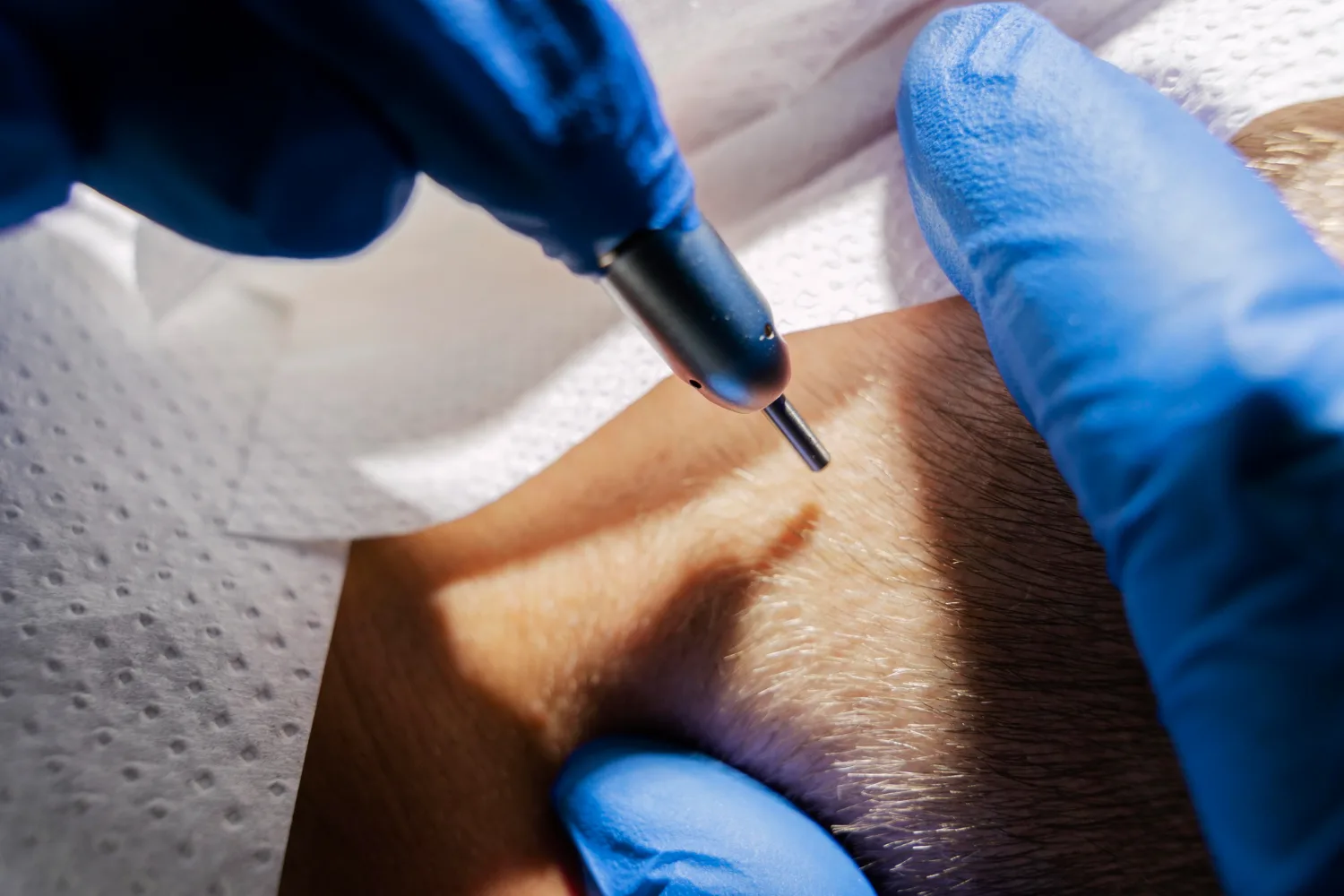
FUE has become the dominant technique for Afro hair transplantation. Surgeons use punches ranging from 0.8mm to 1.0mm in diameter to extract individual grafts. The critical modification involves angling the punch to match the curvature of each follicle rather than inserting it perpendicular to the scalp.
Orentreich (1969) pioneered the foundational concepts of hair transplantation, and modern FUE builds upon these principles by miniaturizing the extraction process. For Afro hair, the punch must enter at the correct angle and depth to encircle the curved root without cutting through it.
What Is Direct Hair Implantation (DHI)?
DHI uses a specialized pen-like tool to implant grafts immediately after extraction, reducing handling time and allowing precise control over depth and angle.
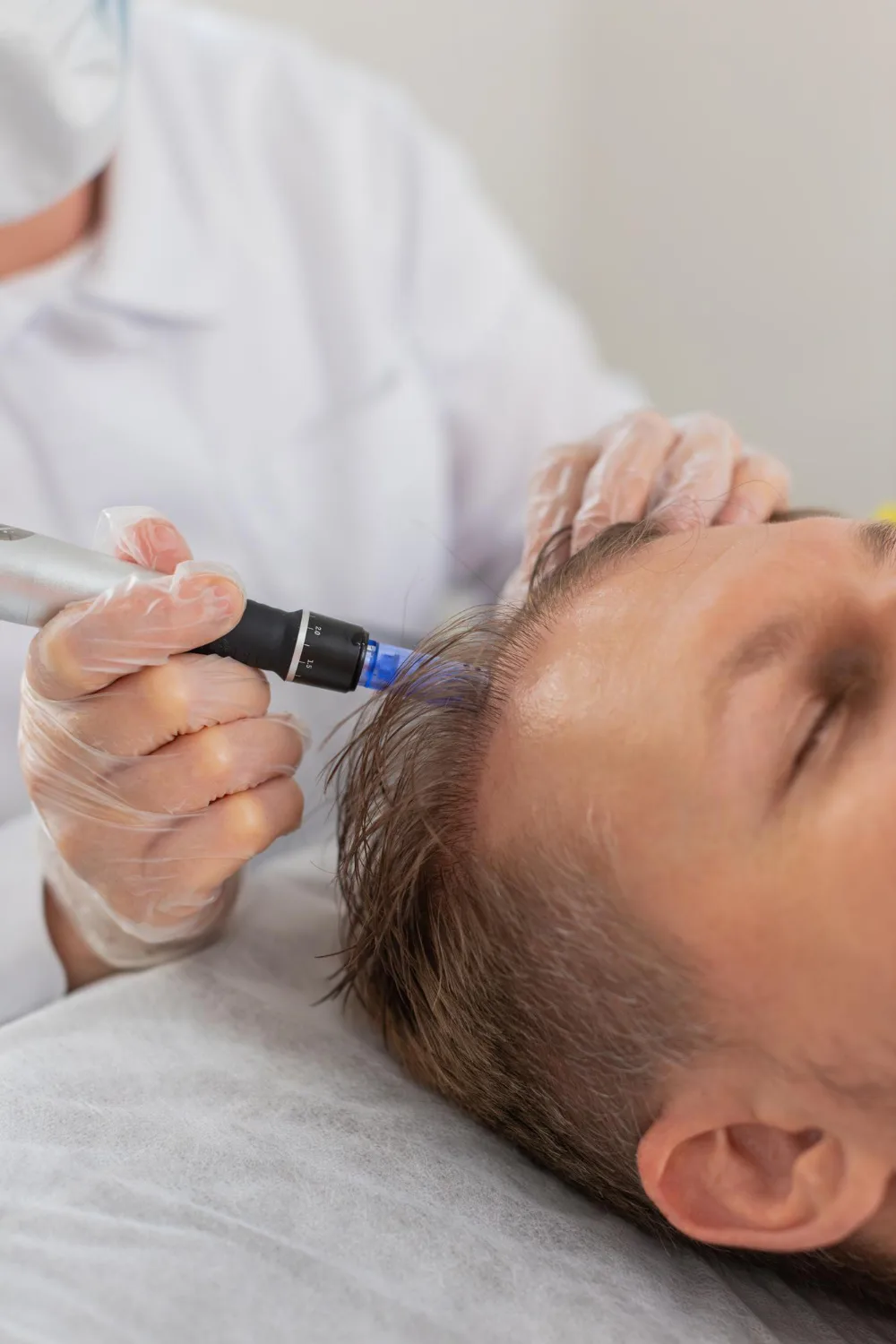
DHI offers advantages for Afro hair because it minimizes graft manipulation. The Choi implanter pen creates recipient sites and places grafts in a single motion. This efficiency reduces the time grafts spend outside the body, potentially improving survival rates.
The technique also allows surgeons to control implantation angle with exceptional precision. For curved follicles, this control ensures that the curl direction aligns with natural growth patterns.
How Does Sapphire FUE Improve Results?
Sapphire FUE uses blades made from synthetic sapphire to create finer, cleaner recipient sites that heal faster and reduce scarring.
Sapphire blades create V-shaped incisions rather than the U-shaped cuts produced by steel blades. These finer incisions cause less tissue trauma and promote faster healing. For Afro hair patients, reduced scarring matters because keloid formation carries higher risk in darker skin types.
Surgeons use manual extraction when motorized devices risk transecting tightly curved follicles, allowing them to feel follicle resistance and adjust technique in real time.
Manual extraction involves using hand-held punches without motorized assistance. The surgeon rotates the punch manually while feeling for the correct depth and angle. This tactile feedback proves invaluable when follicles curve unpredictably.
Some Turkish surgeons prefer manual extraction for the entire Afro hair case, while others use it selectively for the most curved follicles. The choice depends on individual patient anatomy and surgeon preference.
How Do Surgeons Customize Technique Selection?
Surgeons customize technique selection based on curl tightness, donor density, scalp laxity, and previous surgical history.
Each patient presents a unique combination of characteristics. A patient with loose curls and high donor density might benefit from standard FUE. A patient with tight coils and low density might require manual extraction with DHI implantation. Surgeons assess these factors during consultation and design individualized surgical plans.
Why Is Hairline Design Especially Important in Afro Hair Transplants?
Hairline design matters enormously because ethnic hairlines possess distinct characteristics, facial harmony requirements, density patterns, and curl direction considerations that demand specialized expertise.
What Are Ethnic Hairline Characteristics?
Ethnic hairlines typically feature a wider, more rounded shape with temporal points that sit higher than those seen in Caucasian hairlines.
Afro-textured hairlines differ from straight hair hairlines in several ways. The frontal hairline tends to be broader and less defined. Temporal points often sit higher and create a more open forehead appearance. The hairline edge shows irregular, feathered transitions rather than sharp lines.
Surgeons must respect these ethnic characteristics rather than imposing straight, low hairlines that appear artificial. Jimenez and colleagues (2012) emphasize that ethnic hair restoration requires surgeons to study population-specific norms and design accordingly.
How Does Facial Harmony Influence Design?
Facial harmony demands that the hairline complement the patient's forehead height, brow position, and facial proportions rather than following a template.
A well-designed hairline frames the face and enhances natural features. Surgeons measure forehead height, assess brow position, and evaluate facial width before drawing the proposed line. For Afro-textured patients, the hairline must harmonize with typically broader facial structures and fuller features.
What Is Natural Density Planning?
Natural density planning involves placing grafts at distances that mimic the naturally lower density of Afro-textured hair while creating adequate visual coverage.
Afro-textured hair often appears denser than it actually is because the curls create volume and fill space between strands. However, the actual follicle density per square centimeter tends to be lower than in straight hair populations. Surgeons must plan graft placement to achieve visual fullness without overharvesting the donor area.
Why Must Surgeons Preserve Curl Direction During Implantation?
Preserving curl direction ensures that transplanted hair grows in harmony with surrounding native hair and avoids chaotic, unnatural patterns.
Each curl has a direction. When surgeons implant grafts, they must orient the follicle so that the emerging curl follows the same direction as neighboring hairs. Incorrect orientation creates hair that sticks out at odd angles or fights against the natural flow. This attention to detail separates natural-looking results from obvious surgical work.
The procedure involves initial consultation, scalp assessment, hairline mapping, local anesthesia, follicle extraction, graft preservation, recipient site creation, implantation following natural curl direction, and detailed recovery instructions.
What Happens During the Initial Consultation?
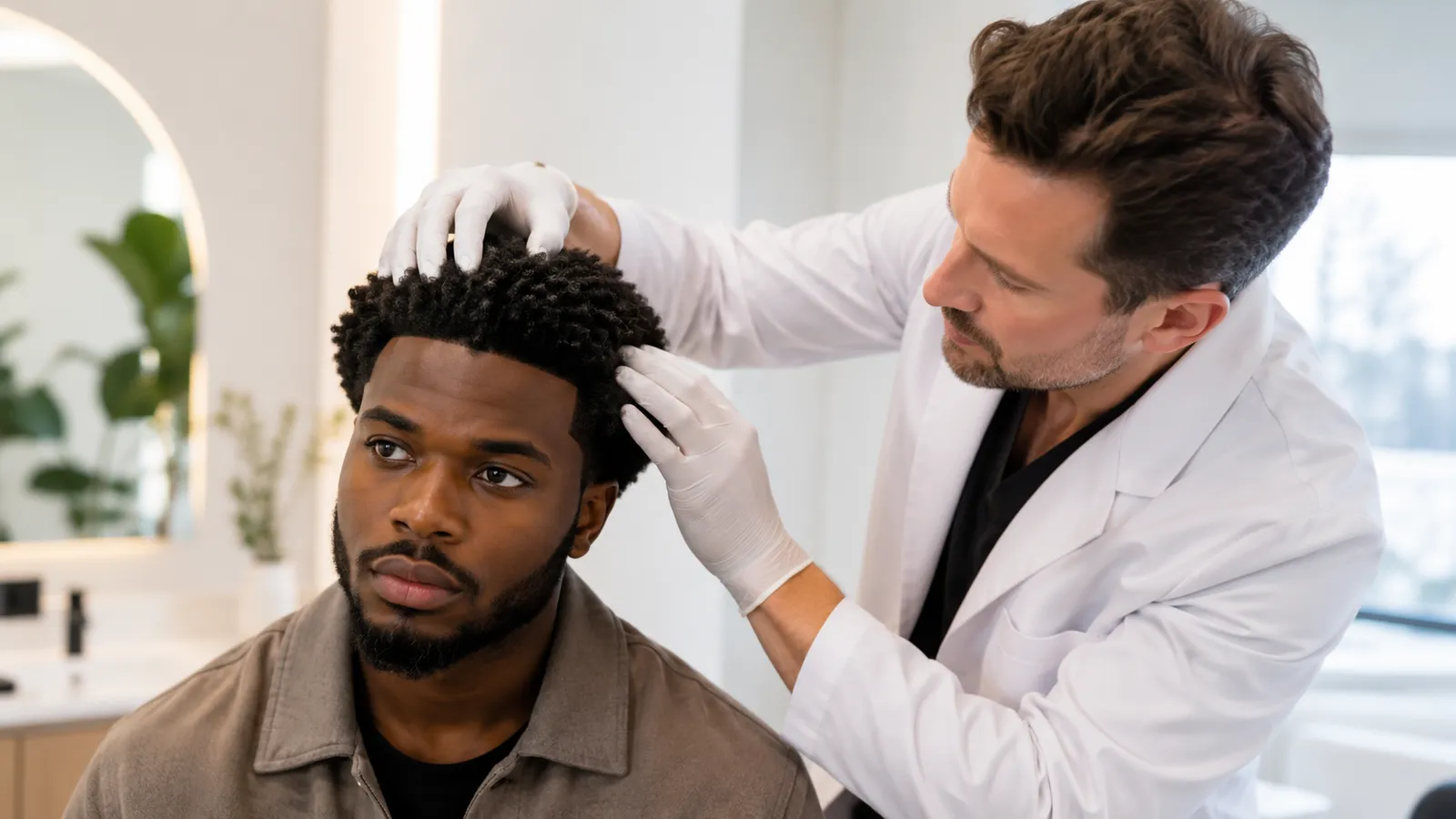
The initial consultation involves reviewing medical history, examining hair loss patterns, discussing expectations, and determining surgical candidacy.
Patients meet with the surgical team, either in person or through video consultation. The surgeon reviews the patient's hair loss history, family patterns, and previous treatments. They discuss realistic outcomes, potential risks, and the number of grafts required.
How Do Surgeons Assess the Scalp and Donor Area?
Surgeons assess scalp laxity, donor density, curl pattern, and skin characteristics using magnification and manual examination.
The donor area at the back of the scalp receives careful evaluation. Surgeons measure follicle density per square centimeter, assess the curvature of representative follicles, and evaluate scalp elasticity. They also examine the recipient area to plan coverage and determine graft distribution.
What Is Hairline Mapping?
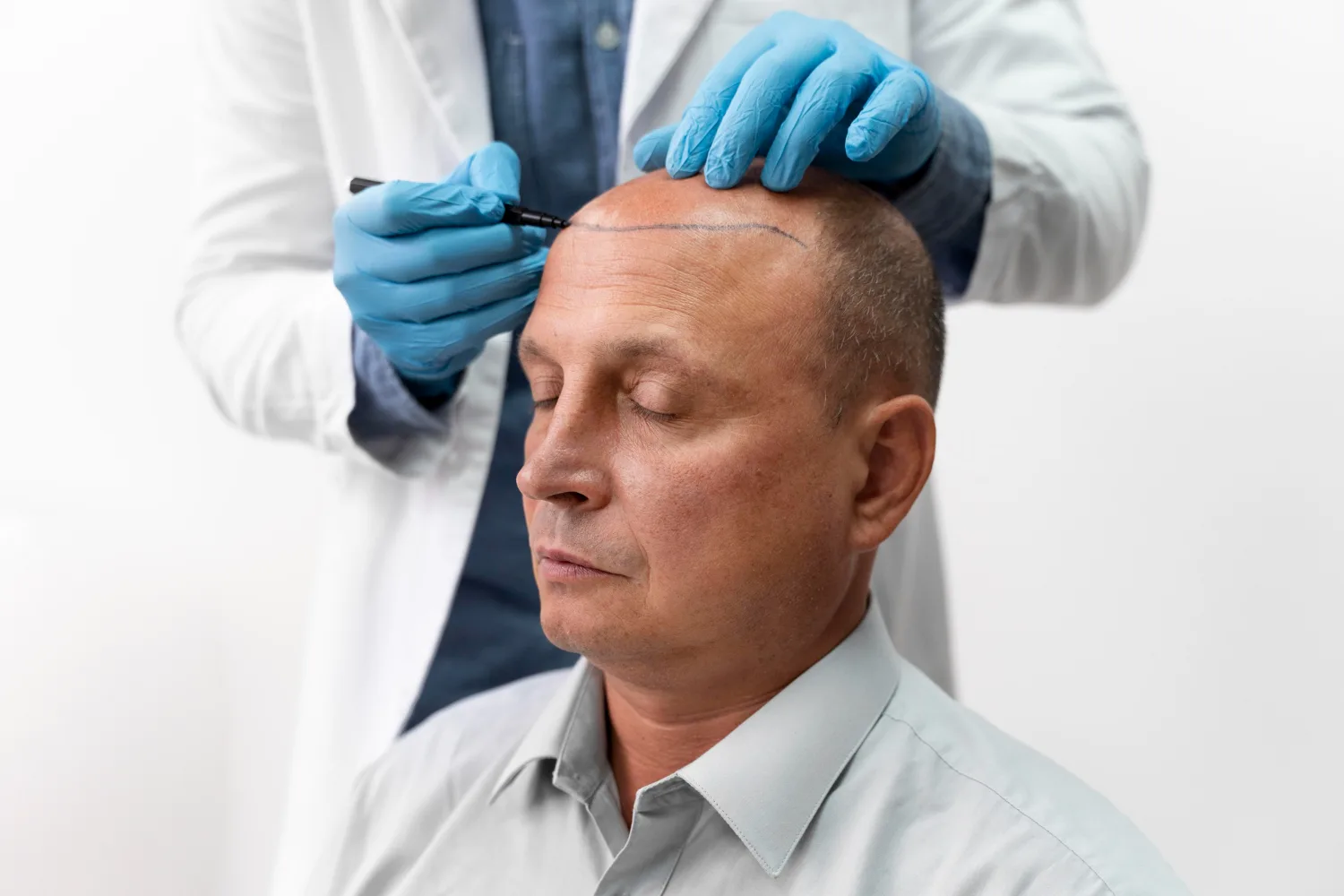
Hairline mapping involves drawing the proposed hairline on the scalp using surgical markers, with patient input, before anesthesia administration.
The surgeon draws the hairline while the patient holds a mirror. This collaborative process ensures patient satisfaction with the design. Measurements confirm symmetry and proportion. Once both parties agree, the markings guide the entire procedure.
How Is Local Anesthesia Administered?
Surgeons administer local anesthesia through injections in the donor and recipient areas, ensuring complete numbness while the patient remains awake and comfortable.
The anesthesia blocks pain signals from the scalp. Patients feel pressure and movement but no sharp pain. Additional doses maintain numbness throughout the lengthy procedure, which typically lasts six to eight hours.
The surgical team extracts grafts one by one using specialized punches, working systematically across the donor area while tracking transection rates.
Extraction proceeds in zones. The surgeon or technician extracts grafts, places them in a sterile holding solution, and monitors quality continuously. If transection rates rise, the team adjusts angles or switches techniques.
How Are Grafts Preserved?
Grafts remain in chilled holding solutions that mimic physiological conditions, preventing dehydration and temperature damage until implantation.
Graft preservation represents a critical step. Teams place extracted follicles in solutions at cool temperatures. Some clinics use advanced storage media that extend graft viability outside the body. Proper preservation ensures maximum survival rates.
How Are Recipient Sites Created?
Surgeons create tiny incisions in the recipient area using blades or needles, controlling depth, angle, and direction for each graft.
Recipient site creation demands artistry and precision. The surgeon makes thousands of incisions at specific angles that match natural hair direction. For Afro hair, these angles must account for curl emergence patterns.
How Does Implantation Follow Natural Curl Direction?
The implantation team places each graft into its designated site while orienting the curved follicle to match the natural curl direction of surrounding hair.
This step requires careful handling. Technicians must not crush or bend the delicate curved roots. They insert each graft at the correct depth and angle, ensuring the curl will emerge naturally.
What Recovery Instructions Do Patients Receive?
Patients receive detailed instructions covering sleeping position, washing protocols, medication schedules, activity restrictions, and warning signs for complications.
The clinic provides written and verbal instructions before discharge. Patients learn to sleep with their head elevated, avoid touching the grafts, and follow a specific washing routine starting several days after surgery.
What Makes Donor Area Management More Complex?
Donor area management grows complex because of curved root anatomy, the need to avoid overharvesting, the importance of maintaining donor density, and the requirement for long-term planning.
How Does Curved Root Anatomy Affect Donor Management?
Curved roots force surgeons to space extractions more widely and use smaller punches to avoid damaging neighboring follicles.
Because follicles curve in various directions, the safe extraction zone around each graft becomes larger. Surgeons must leave adequate buffer zones between extraction sites to prevent collateral damage. This spacing reduces the total number of grafts available from a given donor area.
Why Must Surgeons Avoid Overharvesting?
Overharvesting destroys donor area appearance, creates visible scarring, and depletes reserves needed for future procedures.
Afro hair patients typically have lower donor density than other populations. Aggressive extraction can create patchy, moth-eaten appearances in the donor area. Conservative harvesting preserves aesthetics and maintains options for future touch-ups.
How Do Surgeons Maintain Donor Density?
Surgeons maintain donor density by extracting grafts in a scattered pattern, leaving adequate unharvested zones between extraction sites.
Rather than clearing large continuous areas, surgeons extract grafts in a dispersed pattern. This approach preserves overall density appearance even after thousands of grafts have been removed. The remaining follicles continue growing and camouflage the extraction sites.
Why Does Long-Term Planning Matter?
Long-term planning ensures that patients retain adequate donor hair for future hair loss progression, particularly since androgenetic alopecia often continues advancing.
Hair loss is progressive. A patient who needs 2,000 grafts today might require another 1,500 grafts in five years. Surgeons must calculate total available donor supply and reserve adequate follicles for future needs. Bernard (2009) notes that premature depletion of donor reserves represents one of the most serious errors in hair restoration planning.
How Many Grafts Are Usually Needed?
Graft requirements vary by area: hairline restoration needs 800–1,500 grafts, frontal region needs 1,500–2,500, crown coverage needs 1,000–2,000, and extensive cases may require 3,000–4,500 grafts, depending on hair density, curl pattern, donor availability, and desired coverage.
How Many Grafts Does Hairline Restoration Require?
Hairline restoration typically requires 800 to 1,500 grafts, depending on the degree of recession and the desired density.
A conservative hairline rebuild might use 800 grafts to restore temporal points and fill frontal thinning. More extensive recession could require 1,500 grafts to create a full, natural hairline.
What Does the Frontal Region Need?
The frontal region typically requires 1,500 to 2,500 grafts to achieve adequate coverage behind the hairline.
The frontal region extends from the hairline back to the mid-scalp. This area requires the highest density because it receives the most visual attention. Patients with significant frontal thinning need larger graft numbers.
How Many Grafts Does Crown Coverage Demand?
Crown coverage typically demands 1,000 to 2,000 grafts arranged in a swirl pattern that mimics natural crown growth.
The crown requires careful planning because hair grows in a circular pattern. Surgeons must place enough grafts to create visual density without overusing the limited donor supply.
What Do Extensive Hair Loss Cases Require?
Extensive cases involving hairline, frontal region, and crown might require 3,000 to 4,500 grafts, sometimes performed in multiple sessions.
When hair loss affects multiple zones, surgeons must prioritize areas and plan staged procedures. Attempting to cover everything in one session risks overharvesting and suboptimal density.
What Factors Affect Graft Numbers?
Hair density, curl pattern, donor availability, and desired coverage all influence the final graft count.
Hair density determines how many follicles exist per square centimeter. Curl pattern affects visual coverage because tight curls create more volume per graft. Donor availability sets the absolute limit on graft supply. Desired coverage reflects patient goals and aesthetic preferences.
|
Area
|
Typical Graft Range
|
Notes
|
|
Hairline
|
800–1,500
|
Depends on recession extent
|
|
Frontal Region
|
1,500–2,500
|
Highest visual priority
|
|
Crown
|
1,000–2,000
|
Requires swirl pattern
|
|
Extensive Cases
|
3,000–4,500
|
May need multiple sessions
|
What Results Can Patients Expect?
Patients experience immediate postoperative appearance, a shedding phase, early hair growth, progressive density, and final results after 12 to 18 months.
What Does the Immediate Postoperative Appearance Look Like?
Immediately after surgery, patients see tiny crusts around each graft, mild redness, and the new hairline in place, though the grafts contain short trimmed hairs.
The scalp looks pink and dotted with hundreds or thousands of small crusts. These crusts protect the grafts during initial healing. The transplanted hairs are typically trimmed short, so the visual impact is subtle.
What Is the Shedding Phase?
The shedding phase occurs two to four weeks after surgery, when transplanted hairs fall out as the follicles enter a resting state before regrowing.
Shedding alarms many patients, but it represents a normal part of the process. The hair shaft detaches while the follicle remains alive beneath the scalp. New growth will emerge from these surviving follicles.
When Does Early Hair Growth Begin?
Early hair growth begins around three to four months after surgery, with fine, soft hairs emerging from the transplanted follicles.
These early hairs are typically thin and light in color. They signal that the follicles have successfully established blood supply and resumed active growth cycles.
How Does Progressive Density Develop?
Progressive density builds between months six and nine, as more follicles enter the growth phase and existing hairs thicken and darken.
By month six, patients notice substantial coverage improvement. The hairs continue maturing, becoming thicker, longer, and more pigmented. The curl pattern becomes more defined.
What Do Final Results Look Like After 12–18 Months?
Final results emerge after 12 to 18 months, showing mature, fully grown hair that blends naturally with native hair and displays the expected curl pattern.
At this stage, the transplanted hair has completed multiple growth cycles. It looks and behaves like native hair. Patients can cut, style, and treat it normally. The curl pattern matches the natural characteristics of their Afro-textured hair.
What Is the Recovery Timeline After Afro Hair Transplantation?
Recovery follows a structured timeline: the first week involves crusting and sensitivity, weeks two through four include shedding, months two through four show early growth, months six through nine reveal progressive density, and one year plus delivers mature results.
What Happens During the First Week?
The first week involves crust formation, mild swelling, redness, and strict activity restrictions while grafts anchor into the scalp.
Patients sleep with their head elevated to reduce swelling. They avoid touching the grafts and follow a gentle washing protocol starting around day three. The scalp feels tender but manageable with prescribed pain medication.
What Occurs During Weeks Two Through Four?
Weeks two through four bring crust shedding, hair shedding, reduced redness, and a return to light normal activities.
The protective crusts naturally flake away. Transplanted hairs fall out during this period. Patients can usually resume non-strenuous work and social activities. The scalp appearance normalizes significantly.
What Changes Happen During Months Two Through Four?
Months two through four bring early hair emergence, continued scalp healing, and the beginning of visible coverage improvement.
Fine hairs begin pushing through the scalp. These early hairs are soft and lightly pigmented. Patients start seeing the first signs of successful transplantation, though coverage remains light.
What Develops During Months Six Through Nine?
Months six through nine deliver substantial density increases, hair maturation, and clearly visible aesthetic improvement.
The transplanted hairs thicken and darken. Curl patterns become more apparent. Most patients feel confident about their appearance by month nine, even though full maturity has not yet arrived.
What Happens One Year and Beyond?
One year and beyond brings fully mature hair, complete curl pattern expression, and the final aesthetic outcome that patients can style and maintain long-term.
The hair reaches its full thickness and length. It responds to normal styling, cutting, and care routines. Patients enjoy permanent results that continue improving through the 18-month mark.
|
Timeline
|
Key Milestones
|
|
First Week
|
Crusting, swelling, graft anchoring
|
|
Weeks 2–4
|
Shedding, crust removal, light activity
|
|
Months 2–4
|
Early hair emergence, initial coverage
|
|
Months 6–9
|
Significant density, visible improvement
|
|
12–18 Months
|
Mature, final results
|
What Are the Potential Risks and Complications?
Potential risks include graft transection, folliculitis, temporary shock loss, poor hairline design, uneven density, and the critical importance of choosing an experienced surgical team.
How Does Graft Transection Affect Outcomes?
Graft transection destroys follicles during extraction, reducing the number of viable grafts and potentially wasting limited donor supply.
Transection occurs when the cutting edge slices through the follicle. A transected follicle cannot survive transplantation. In Afro hair, the curved root structure increases transection risk. Skilled surgeons maintain transection rates below 5 percent.
What Is Folliculitis?
Folliculitis is an inflammation of hair follicles that can develop after transplantation, causing redness, pustules, and discomfort around graft sites.
This condition usually responds to topical or oral antibiotics. Proper hygiene and following post-operative instructions reduce the risk. Patients with Afro-textured hair may have a slightly higher risk due to the curly hair re-entering the skin.
What Is Temporary Shock Loss?
Temporary shock loss occurs when native hairs fall out due to surgical trauma, but they typically regrow within three to four months.
The trauma of surgery can push nearby native hairs into a resting phase. These hairs shed but usually regrow as the scalp heals. This phenomenon is temporary and self-limiting.
How Does Poor Hairline Design Impact Results?
Poor hairline design creates unnatural, artificial-looking results that fail to complement ethnic facial features and may require costly revision surgery.
A hairline that is too low, too straight, or improperly angled looks obviously surgical. For Afro hair patients, ethnic hairline characteristics must guide the design. Poor design represents one of the most difficult complications to correct.
What Causes Uneven Density?
Uneven density results from inconsistent graft placement, poor distribution planning, or inadequate donor supply for the desired coverage area.
Patchy density draws attention to the transplant rather than creating natural-looking fullness. Careful pre-operative planning and meticulous implantation prevent this problem.
Why Does Choosing an Experienced Surgical Team Matter?
An experienced surgical team prevents most complications through proper technique, careful planning, and appropriate patient selection.
Experience directly correlates with outcomes in Afro hair transplantation. Surgeons who regularly perform these procedures recognize potential problems before they occur and know how to respond when challenges arise.
How Should Patients Prepare Before Traveling to Turkey?
Patients should complete medical evaluations, laboratory tests, medication reviews, smoking and alcohol cessation, hair care adjustments, and travel planning before departure.
What Medical Evaluations Are Required?
Patients need comprehensive medical evaluations to identify conditions that might complicate surgery, such as bleeding disorders, uncontrolled hypertension, or active scalp infections.
The clinic typically requests a medical history questionnaire. Patients disclose chronic conditions, previous surgeries, and current medications. Surgeons use this information to assess surgical risk.
Which Laboratory Tests Are Necessary?
Standard laboratory tests include complete blood count, coagulation studies, and infectious disease screening to ensure safe surgical candidacy.
These tests identify anemia, clotting abnormalities, or infections that could affect surgery or healing. Clinics usually specify which tests they require and may recommend additional assessments based on age or medical history.
How Should Patients Review Their Medications?
Patients must disclose all medications and supplements, particularly blood thinners, anti-inflammatory drugs, and herbal supplements that increase bleeding risk.
Surgeons typically instruct patients to stop blood-thinning medications several days before surgery. This includes aspirin, ibuprofen, and certain supplements like fish oil and ginkgo biloba.
What Smoking and Alcohol Restrictions Apply?
Patients must stop smoking and drinking alcohol at least one week before surgery because both substances impair healing and increase complication risks.
Nicotine constricts blood vessels and reduces oxygen delivery to healing tissues. Alcohol thins blood and interferes with anesthesia. Strict abstinence improves outcomes significantly.
What Hair Care Recommendations Apply?
Patients should avoid chemical treatments, tight braiding, and harsh products for at least two weeks before surgery to ensure scalp health.
A healthy scalp heals better. Patients should arrive with clean, natural hair free from extensions, wigs, or heavy products. The surgical team will shave the donor and recipient areas as needed.
What Travel Planning Should Patients Complete?
Patients should book flights arriving at least one day before surgery, arrange accommodation near the clinic, and plan a stay of three to five days post-surgery before flying home.
This timeline allows for pre-operative consultation, the surgery itself, and at least one post-operative check before departure. Patients should also arrange comfortable headrests for the return flight.
What Should Patients Look for When Choosing a Clinic?
Patients should seek demonstrated experience with Afro hair, before-and-after cases featuring similar hair types, surgeon qualifications, transparent consultation processes, accredited medical facilities, and comprehensive aftercare programs.
Why Does Demonstrated Experience with Afro Hair Matter?
Demonstrated experience proves that the surgical team understands curved follicle anatomy and has developed techniques specifically for Afro-textured hair.
Clinics should openly discuss their Afro hair experience. Patients should ask how many cases the team performs monthly and what their transection rates are for curved follicles.
How Important Are Before-and-After Cases?
Before-and-after cases featuring similar hair types provide visual proof of the surgeon's ability to achieve natural results on Afro-textured hair.
Patients should request to see cases with curl patterns similar to their own. These images reveal hairline design quality, density achievement, and natural curl direction.
What Surgeon Qualifications Should Patients Verify?
Patients should verify board certification, specialized hair restoration training, and membership in professional organizations such as the International Society of Hair Restoration Surgery (ISHRS).
Qualified surgeons complete rigorous training in dermatology or plastic surgery before pursuing hair restoration specialization. Professional memberships indicate ongoing education and adherence to ethical standards.
Why Does a Transparent Consultation Process Matter?
A transparent consultation process ensures patients understand realistic outcomes, risks, costs, and the surgical plan before committing to the procedure.
Clinics should provide clear, written estimates. They should explain the proposed technique, graft numbers, and expected results without pressure or unrealistic promises.
How Do Accredited Medical Facilities Protect Patients?
Accredited facilities meet strict hygiene, equipment, and safety standards that reduce infection risks and ensure emergency preparedness.
Accreditation by health ministry standards or international organizations confirms that the clinic maintains proper surgical environments. Patients should verify facility credentials.
Why Is a Comprehensive Aftercare Program Essential?
A comprehensive aftercare program provides recovery support, remote consultation access, and guidance during the critical healing months after surgery.
The aftercare program should include detailed instructions, medication schedules, washing protocols, and accessible contact information for questions or concerns. Remote follow-up options benefit international patients.
How Does Turkey Compare with Other Countries for Afro Hair Transplants?
Turkey compares favorably in surgical expertise, treatment costs, waiting times, medical tourism experience, and technology, often outperforming Western alternatives at significantly lower prices.
How Does Surgical Expertise Compare?
Turkish surgeons perform high volumes of Afro hair cases, developing expertise that rivals or exceeds that of surgeons in countries where these cases remain rare.
Volume drives expertise. A Turkish surgeon might perform fifty Afro hair transplants monthly, while a surgeon in a Western country might perform five. This volume difference creates substantial skill gaps.
How Do Treatment Costs Compare?
Turkish clinics charge 60 to 80 percent less than clinics in the United States, United Kingdom, or Western Europe for equivalent procedures.
|
Country
|
Typical Cost Range
|
Notes
|
|
Turkey
|
$2,500–$5,000
|
All-inclusive packages
|
|
United States
|
$12,000–$25,000
|
Excludes travel and accommodation
|
|
United Kingdom
|
$10,000–$20,000
|
Long waiting lists
|
|
Germany
|
$8,000–$15,000
|
Limited Afro hair experience
|
How Do Waiting Times Compare?
Turkish clinics typically schedule procedures within days or weeks, while patients in Western countries might wait months for consultations and surgery.
The medical tourism model prioritizes efficiency. Patients can often book surgery within two weeks of initial contact. This speed benefits patients who want to address hair loss promptly.
How Does the Medical Tourism Experience Compare?
Turkey offers a more comprehensive medical tourism experience than most countries, with packages that include transportation, accommodation, and dedicated coordinators.
Few Western clinics provide this level of logistical support. International patients in Turkey receive concierge-style service that reduces stress and improves the overall experience.
How Do Technology and Facilities Compare?
Leading Turkish clinics use the same advanced technologies found in top Western facilities, including sapphire blades, DHI implanters, and high-magnification extraction tools.
Technology parity exists between top Turkish clinics and their Western counterparts. The difference lies in cost and volume, not equipment quality.
What Are Common Myths About Afro Hair Transplantation?
Common myths include the belief that Afro hair cannot be transplanted, that curly hair always produces better density, that every clinic can perform these procedures, and that higher graft numbers always mean better results.
Is It True That Afro Hair Cannot Be Transplanted?
This myth is false. Surgeons successfully transplant Afro hair every day using specialized techniques that account for curved follicles.
The myth persists because some inexperienced clinics decline Afro hair cases due to their own limitations. This refusal creates the false impression that the hair type itself is untransplantable. In reality, thousands of successful Afro hair transplants occur annually.
Does Curly Hair Always Produce Better Density?
This is false. While curls create visual volume, the actual follicle density of Afro-textured hair is often lower than that of straight hair populations.
Curls create the illusion of density because each hair occupies more space. However, transplanting Afro hair requires careful planning because the donor area contains fewer follicles per square centimeter. The visual fullness comes from curl pattern, not graft count.
This is false. Afro hair transplantation requires specialized training, custom tools, and extensive experience that many clinics lack.
General hair transplant training does not adequately prepare surgeons for curved follicle extraction. Clinics without specific Afro hair experience often produce poor results or refuse these cases entirely.
Do Higher Graft Numbers Always Mean Better Results?
This is false. Excessive graft numbers can overharvest the donor area, create uneven density, and compromise long-term results.
Quality matters more than quantity. A well-planned 2,000-graft transplant often looks better than a poorly distributed 4,000-graft procedure. Surgeons must balance coverage goals with donor preservation.
Frequently Asked Questions About Turkey's Growing Expertise in Afro Hair Transplantation
Is Afro Hair Transplantation More Difficult Than Straight Hair Transplantation?
Yes, Afro hair transplantation is more difficult because curved follicles increase transection risk, require custom extraction angles, and demand specialized hairline design.
The technical complexity stems from follicle anatomy rather than any inherent limitation of the hair itself. Surgeons must modify every step of the procedure.
Is Turkey a Good Destination for Afro Hair Transplants?
Yes, Turkey is an excellent destination because its surgeons possess extensive Afro hair experience, offer advanced technology, and provide comprehensive care at competitive prices.
The combination of expertise, infrastructure, and value makes Turkey particularly attractive for this specialized procedure.
Which Technique Is Best for Afro-Textured Hair?
The best technique depends on individual characteristics, but FUE with manual extraction or DHI implantation often produces optimal results for curved follicles.
No single technique suits every patient. Surgeons select methods based on curl pattern, density, and scalp characteristics.
How Long Does Recovery Take?
Full recovery takes 12 to 18 months, though patients resume normal activities within two weeks and see significant improvement by month nine.
The timeline mirrors that of other hair transplant types, with the same phases of shedding, early growth, and maturation.
Will the Transplanted Hair Maintain Its Natural Curl Pattern?
Yes, transplanted hair maintains its natural curl pattern because the follicle determines hair texture, and transplantation moves the follicle without altering its genetic programming.
The curl pattern comes from the follicle shape. Since the surgeon moves the entire follicle, the transplanted hair grows with the same curl characteristics as the donor hair.
Can Women Undergo Afro Hair Transplantation?
Yes, women can undergo Afro hair transplantation for conditions including traction alopecia, hairline recession, and crown thinning.
Women represent a significant and growing portion of Afro hair transplant patients. Their cases often require special attention to hairline design and density planning.
How Much Donor Hair Is Typically Required?
Most cases require between 1,500 and 3,000 grafts, though extensive cases might need up to 4,500 grafts staged across multiple sessions.
The exact number depends on the areas requiring coverage and the patient's donor density.
How Can Patients Verify a Clinic's Experience with Afro Hair?
Patients should request before-and-after photos of Afro hair cases, ask about monthly case volume, and inquire about transection rates for curved follicles.
Direct questions about experience reveal whether a clinic genuinely possesses Afro hair expertise or simply accepts these cases without adequate preparation.
Conclusion
Turkey has established itself as a premier destination for Afro hair transplantation through specialized surgical knowledge, high procedural volumes, advanced technology, and patient-centered medical tourism infrastructure.
Turkey's growing expertise in Afro hair restoration reflects years of dedicated practice, continuous technological investment, and exposure to diverse international patient populations. Surgeons in Turkey have moved beyond treating Afro hair as a variation of standard procedures. They have developed specialized protocols that respect the unique anatomy of curved follicles, elliptical shafts, and distinct curl patterns.
The importance of specialized surgical knowledge cannot be overstated. Curved follicle anatomy demands modified extraction angles, custom punch designs, and implantation techniques that preserve natural curl direction. Surgeons without this specialized training risk high transection rates, poor density, and unnatural results.
Successful long-term outcomes depend on several key factors. Individualized treatment planning ensures that each patient receives a strategy tailored to their specific hair characteristics, loss pattern, and goals. Realistic expectations prevent disappointment and help patients appreciate the gradual nature of hair growth. Selecting experienced medical professionals with demonstrated Afro hair expertise remains the single most important decision a patient makes.
Patients considering Afro hair transplantation in Turkey should research thoroughly, verify surgeon credentials, review before-and-after cases, and ask direct questions about experience. The right surgical team transforms a technically challenging procedure into a safe, natural-looking solution that restores confidence and provides permanent results.
References
Bernard, Bruno A. "Hair Shape of Curly Hair." Journal of the American Academy of Dermatology, vol. 60, no. 2, 2009, pp. S33–S38.
Jimenez, Joaquin J., et al. "Hair Restoration in Ethnic Populations." Dermatologic Therapy, vol. 25, no. 2, 2012, pp. 187–194.
Orentreich, Norman. "Autografts in Alopecias and Other Selected Dermatological Conditions." Annals of the New York Academy of Sciences, vol. 83, no. 3, 1969, pp. 463–479.
Unger, Walter P. "Hair Transplantation: The Punch Graft Technique." Dermatologic Clinics, vol. 13, no. 2, 1995, pp. 347–356.