Breast implants give patients fuller, more symmetrical breasts. Many women choose breast augmentation for cosmetic enhancement or breast reconstruction after mastectomy. But every patient asks one critical question: how long do breast implants last? This article answers that question with scientific evidence. It explores breast implant lifespan, factors that affect longevity, signs of failure, and when patients should consider breast implant replacement.
What Is the Average Lifespan of Breast Implants?
Most breast implants last 10 to 20 years. Some implants remain intact for 30 years or longer. The average lifespan depends on implant type, surgical technique, and patient lifestyle.
Are Breast Implants Designed to Last Forever?
No manufacturer designs breast implants as lifetime devices. The U.S. Food and Drug Administration (FDA) classifies breast implants as medical devices with a finite lifespan. Surgeons implant these devices into living tissue. The human body changes over time. Tissues stretch. Scar tissue forms. Gravity pulls. These factors mean implants face constant mechanical stress. No implant withstands these forces indefinitely.
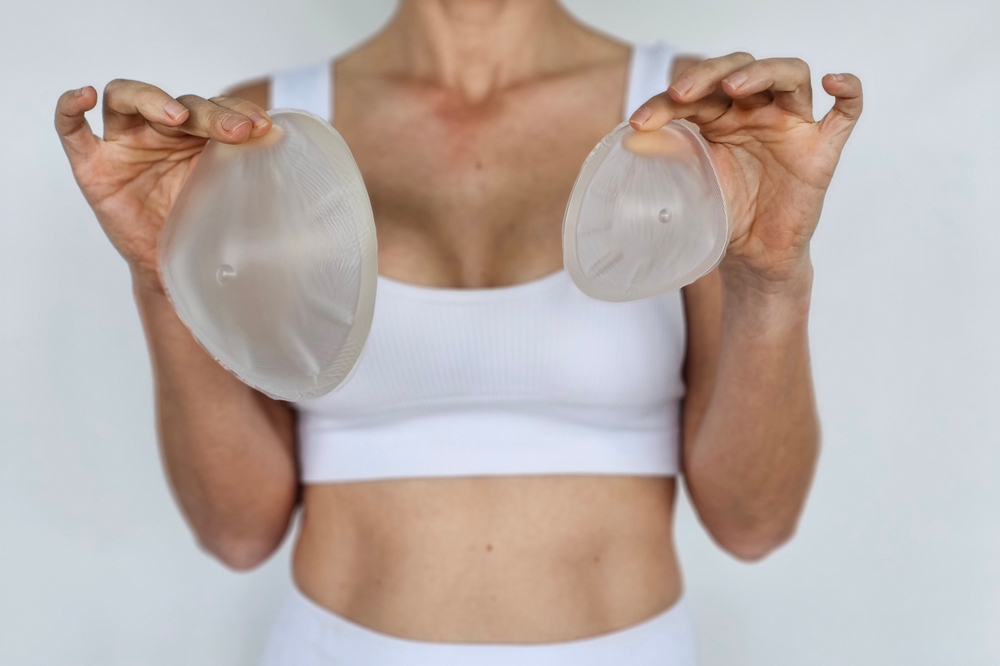
Manufacturers use silicone elastomer shells and either silicone gel or saline fill. These materials resist degradation well. But they still age. Shell polymers experience fatigue. Fill materials may migrate if the shell breaks. Patients should understand this reality from the start. Implants improve appearance and confidence. But they require monitoring and possible future replacement.
What Is the Typical Lifespan of Modern Silicone and Saline Implants?
Modern silicone gel implants and saline implants show excellent durability. Core studies from major manufacturers track thousands of patients over many years. Stevens et al. published nine-year core data showing high implant survival rates for cohesive silicone gel devices (755). Saline implants show similar patterns but with different failure modes.
Silicone implants typically last 10 to 20 years. Some patients keep the same silicone implants for 25 years without problems. Saline implants show comparable timelines. However, saline implants deflate visibly when the shell ruptures. This forces earlier detection. Silicone implants may hide rupture longer.
The table below compares typical longevity:
|
Implant Type
|
Average Lifespan
|
Failure Mode
|
Detection Ease
|
|
Silicone Gel
|
10–20 years
|
Silent rupture
|
Harder; needs MRI
|
|
Saline
|
10–15 years
|
Visible deflation
|
Easy; breast shrinks
|
Why Is the "10-Year Rule" Often Misunderstood?
Many patients believe they must replace implants every 10 years. This myth persists in popular media. The FDA does not mandate replacement at 10 years. The 10-year figure comes from early studies. These studies showed that by year 10, some complications increased. But this does not mean every implant fails at 10 years.
The 10-year rule creates unnecessary anxiety. Patients with healthy implants do not need automatic replacement. Surgeons evaluate each case individually. Imaging studies show implant condition. Physical exams reveal complications. Only problems dictate replacement timing. Age alone does not.
Can Breast Implants Last 20 Years or Longer?
Yes. Many patients maintain intact implants beyond 20 years. Long-term studies confirm this. Cunningham published findings showing silicone implants remain functional well past two decades in some patients (2581). These cases share common traits. Patients maintain stable weight. They avoid smoking. They chose experienced surgeons. They attend regular follow-up appointments.
However, longevity does not guarantee safety. Older implants face higher rupture risk. Shell materials fatigue over time. Patients with 20-year-old implants need closer monitoring. MRI screening helps detect silent rupture. Regular clinical exams catch early changes.
What Factors Affect How Long Breast Implants Last?
Implant material, surgical technique, patient healing, body weight stability, and lifestyle choices all affect how long implants last.
Implant Material (Silicone vs Saline)
Silicone gel implants contain viscous silicone gel. This gel mimics natural breast tissue. Saline implants contain sterile salt water. The shell material matters most for longevity. Both types use silicone elastomer shells. But fill material affects failure presentation.
Silicone gel implants resist rupture well. The cohesive gel stays in place if the shell breaks. But this creates "silent rupture." Patients may not notice shell failure. Saline implants deflate rapidly when the shell tears. The body absorbs the salt water safely. Patients notice the change immediately.
Silicone implants may last longer because the gel supports the shell internally. Saline implants experience more folding and wrinkling. This shell movement causes wear points. However, modern saline implants use thicker shells. This reduces early failure.
Implant Manufacturer and Device Quality
Three major manufacturers dominate the U.S. market: Allergan, Mentor, and Sientra. Each company conducts core studies. These studies track implant performance over years. FDA approval requires this data. Patients should choose implants from established manufacturers. These companies offer warranties. They provide replacement implants if failure occurs.
Device quality improved dramatically since the 1990s. Modern shells use multiple layers. Barrier layers reduce silicone gel bleed. Cohesive gel formulations resist migration. Textured surfaces (now largely discontinued) addressed rotation issues. Smooth surfaces remain standard for most applications.
Surgical Technique and Implant Placement
The surgeon's skill directly affects implant longevity. Precise pocket creation reduces trauma. Minimal handling preserves shell integrity. Proper sizing prevents overfilling or underfilling. These technical details matter.
Implant placement also affects lifespan. Surgeons place implants either under the breast tissue (subglandular) or under the chest muscle (submuscular). Submuscular placement offers more tissue coverage. This reduces visible rippling. It may also lower capsular contracture rates. Lower complication rates mean longer functional lifespan.
Incision location matters too. Inframammary incisions provide direct access. This reduces implant trauma during insertion. Smaller incisions require more force. This may stress the shell.
Every patient heals differently. Some patients form thick scar tissue. Others form thin, pliable capsules. The body creates a scar capsule around every implant. This response is normal. But excessive scar formation causes capsular contracture. This complication affects implant position and feel. It may require revision surgery.
Genetics influence healing. Some patients have keloid tendencies. Inflammation responses vary. Patients with autoimmune conditions may experience different healing patterns. Surgeons cannot predict individual responses perfectly. But they can minimize risk through technique.
Lifestyle Factors That Influence Implant Longevity
Weight Fluctuations: Significant weight gain or loss stretches breast tissue. This changes implant position. It alters tissue coverage. Patients should maintain stable weight for optimal longevity.
Pregnancy and Breastfeeding: Pregnancy enlarges breasts. Glandular tissue expands. After breastfeeding, tissue involutes. These changes affect implant appearance. They may cause sagging or position shifts. But pregnancy does not directly damage implants.
Aging: Skin loses elasticity over time. Cooper's ligaments stretch. These natural aging processes affect breast appearance. Implants may become more visible. The chest wall changes. These factors prompt revision, not implant failure.
Smoking: Nicotine constricts blood vessels. This impairs wound healing. Smokers face higher infection rates. They experience more capsular contracture. Smoking accelerates tissue aging. Patients should quit before surgery.
High-Impact Physical Activity: Contact sports risk direct trauma. Severe chest impacts may rupture implants. High-intensity exercise without proper support causes implant movement. This stresses the capsule. Athletes should wear supportive sports bras.
Do Breast Implants Have an Expiration Date?
No. Breast implants do not carry an expiration date. But they are not lifetime devices. Patients need ongoing surveillance.
FDA Recommendations on Implant Lifespan
The FDA regulates breast implants as Class III medical devices. This classification requires strict premarket approval. The FDA recommends regular monitoring. They suggest MRI screening for silicone implants at three years post-implantation. Then patients should repeat MRI every two years. This detects silent rupture.
The FDA does not set a mandatory replacement timeline. They emphasize individualized care. Patients should understand risks before surgery. Informed consent requires this knowledge. The FDA updated labeling requirements in 2021. Manufacturers must provide detailed risk information. Patients receive this through a decision checklist.
Why Routine Replacement Is Not Always Necessary
Some surgeons previously recommended elective replacement every 10 years. Current evidence does not support this practice. Implants that function well need no intervention. Surgery carries risks. Anesthesia poses dangers. Unnecessary surgery avoids these risks.
Patients should replace implants only when complications arise. Or when they desire size or style changes. Routine replacement costs money. It requires recovery time. It introduces new scar tissue. Evidence-based medicine favors watchful waiting over prophylactic replacement.
Understanding Implant Warranties vs Medical Lifespan
Manufacturers offer warranties. These cover implant rupture or deflation. Warranties typically last 10 years. Some extend to lifetime coverage. But warranty coverage differs from medical lifespan.
A warranty provides financial protection. It does not mean the implant expires at 10 years. Many implants outlast their warranty period. Patients confuse these concepts. They think warranty expiration means medical expiration. This is incorrect. Warranties protect against manufacturing defects. They do not predict biological longevity.
What Causes Breast Implants to Fail Over Time?
Shell rupture, material fatigue, capsular contracture, and implant malposition cause implant failure. These problems develop gradually.
Implant Rupture
Rupture means the shell breaks. This allows fill material to escape. Rupture rates increase with implant age. Shell polymers experience fatigue. Repeated folding and unfolding weakens material. Trauma can cause acute rupture. But most ruptures occur gradually.
Silicone gel implants may show no symptoms after rupture. The gel stays within the capsule. Or it may leak into surrounding tissue. Saline implants always deflate visibly. The body absorbs the saline safely.
Saline Implant Deflation
Saline implants deflate when the shell tears. The breast shrinks within days. Sometimes hours. This happens because saline leaks out. The body absorbs it. Deflation poses no health risk. But it requires surgical replacement.
Walker et al. studied saline implant deflation patterns. They found that fold flaws often cause early failure (743). Modern manufacturing reduced this problem. But saline still escapes faster than cohesive gel migrates.
Silent Rupture in Silicone Implants
Silent rupture defines silicone implant failure without symptoms. The cohesive gel remains near the implant. Patients feel no pain. The breast looks normal. Only MRI detects this condition. This is why the FDA recommends MRI screening.
Holmich et al. studied untreated silent rupture. They found that many patients experience no adverse effects from contained rupture (204). But surgeons still recommend removal. Free silicone may cause inflammation. It may form granulomas.
Implant Shell Wear and Material Fatigue
Implant shells withstand tremendous stress. They endure millions of flexion cycles. But all materials fatigue eventually. Shell thickness affects durability. Thicker shells resist rupture longer. But they feel firmer.
Polymer chains in silicone elastomer break down over time. Oxidation accelerates this. Free radicals attack chemical bonds. The body creates an inflammatory environment. This contributes to material aging.
Implant Malposition
Implants may shift from their original position. Gravity pulls them downward. The capsule may stretch asymmetrically. This causes bottoming out. Or implants may move laterally. Malposition affects appearance. It may cause discomfort.
Malposition does not mean implant failure. But it often requires surgical correction. Patients may choose replacement during repositioning surgery.
Rippling and Wrinkling
Thin tissue coverage reveals implant shell folds. Patients see or feel ripples. This occurs more with saline implants. Underfilling creates more shell folding. It happens more in subglandular placement.
Rippling is a cosmetic issue. It does not threaten health. But patients often request correction. Surgeons may add tissue coverage. Or they may switch to silicone gel.
Implant Rotation (for Anatomical Implants)
Anatomical or "teardrop" implants have a specific shape. They must maintain orientation. If they rotate, the breast looks distorted. Textured surfaces previously prevented rotation. But textured implants now carry BIA-ALCL warnings. Most surgeons use smooth round implants today. These eliminate rotation concerns.
What Is Capsular Contracture and How Does It Affect Implant Longevity?
Capsular contracture means scar tissue tightens around the implant. This hardens the breast. It may cause pain and distortion. It often requires surgical correction.
What Causes Capsular Contracture?
The body forms a scar capsule around every foreign object. This includes breast implants. Normally, this capsule stays thin and soft. But sometimes it thickens and contracts. This squeezes the implant.
Adams et al. identified multiple causes. These include bacterial contamination, hematoma, and genetic factors (365). Biofilm theory explains much of this. Low-grade bacterial infection on the implant surface triggers inflammation. This leads to aggressive scarring.
Baker Grades of Capsular Contracture
Plastic surgeons use the Baker classification. This system grades severity:
|
Baker Grade
|
Description
|
Clinical Presentation
|
|
I
|
Normal
|
Breast feels soft. Looks natural.
|
|
II
|
Mild contracture
|
Slight firmness. Normal appearance.
|
|
III
|
Moderate contracture
|
Firm breast. Distorted shape.
|
|
IV
|
Severe contracture
|
Hard, painful, cold breast. Distorted.
|
Grades III and IV require treatment. Grade II may need intervention if bothersome. Grade I needs only monitoring.
Symptoms Patients Should Recognize
Patients should watch for breast hardening. Pain indicates advanced contracture. Visible distortion suggests moderate severity. The breast may feel cold. This happens because blood flow decreases. Nipple displacement may occur.
These symptoms develop gradually. Patients often adapt slowly. They may not notice subtle changes. Regular self-exams help. Comparing breast softness over time reveals problems.
Treatment Options
Surgeons treat capsular contracture surgically. Capsulotomy releases the scar. The surgeon cuts the capsule. This expands the pocket. Capsulectomy removes the capsule entirely. This gives the implant a fresh surface.
Surgeons may change implant position. They may switch to submuscular placement. They may use acellular dermal matrix. This acts as a scaffold. It reduces recurrent contracture.
Non-surgical treatments show limited success. Massage helps early cases. Ultrasound therapy offers modest benefit. But surgery remains the gold standard for significant contracture.
What Are the Signs That Breast Implants Need to Be Replaced?
Shape changes, hardness, persistent pain, asymmetry, swelling, and visible deflation signal the need for replacement.
Changes in Breast Shape
Sudden shape changes indicate problems. The implant may rupture. The capsule may contract. Tissue may stretch unevenly. Patients should compare current appearance to postoperative photos. Gradual changes may seem normal. But abrupt shifts need evaluation.
Breast Hardness
Increasing firmness suggests capsular contracture. The breast should feel soft and natural. Any progressive hardening warrants examination. Grade II contracture may not look abnormal. But it feels different.
Persistent Pain or Discomfort
Chronic pain after full healing signals trouble. Pain may come from nerve compression. It may indicate contracture. It may suggest infection. Patients should not ignore ongoing discomfort.
Noticeable Asymmetry
Some asymmetry is normal. No two breasts match perfectly. But new asymmetry matters. One implant may deflate. One capsule may contract. Trauma may affect one side. New differences need professional assessment.
Swelling Around the Implant
Swelling suggests fluid accumulation. This may indicate infection. It may signal seroma. It may indicate BIA-ALCL in rare cases. Any unexplained swelling requires prompt evaluation.
Implant Rupture Symptoms
Saline rupture shows immediate deflation. Silicone rupture may show no symptoms. Or it may cause shape changes. It may cause lumps from silicone migration. It may cause burning sensations.
Cosmetic Changes Due to Aging
Sometimes implants function fine. But aging changes breast appearance. Skin sags. Tissue thins. The implant becomes more visible. Patients may choose replacement with lift. This addresses cosmetic concerns, not implant failure.
Do Silicone and Saline Breast Implants Last the Same Length of Time?
Both types last roughly 10 to 20 years. But silicone implants may show slightly better long-term durability. Detection methods differ significantly.
Differences in Durability
Silicone gel implants resist rupture well. The gel supports the shell internally. It reduces shell folding. Saline implants fold more. This creates wear points. However, modern saline shells improved dramatically.
Maxwell et al. studied cohesive silicone gel durability. They found excellent retention rates at 10 years (16). Saline implants show comparable data but with earlier detection of failure.
How Ruptures Present Differently
Silicone rupture hides. The gel stays contained. Patients need MRI for diagnosis. Saline rupture announces itself. The breast collapses. This difference affects patient experience. It does not necessarily affect actual lifespan.
Advantages and Limitations of Each Implant Type
|
Feature
|
Silicone Gel
|
Saline
|
|
Feel
|
Natural, soft
|
Firmer, less natural
|
|
Rupture Detection
|
Requires MRI
|
Visible immediately
|
|
Cost
|
Higher
|
Lower
|
|
Rippling Risk
|
Lower
|
Higher
|
|
Health Risk if Ruptured
|
Possible silicone migration
|
None; saline absorbs safely
|
|
Incision Size
|
Larger
|
Smaller
|
Neither implant clearly outperforms the other. Both show excellent safety profiles. Patient satisfaction remains high for both types. The choice depends on patient priorities. Patients who want natural feel choose silicone. Patients who want easy rupture detection choose saline. Both types require monitoring. Both may need replacement eventually.
How Are Breast Implant Problems Diagnosed?
Surgeons use physical exams, ultrasound, MRI, and mammography. MRI remains the gold standard for silent rupture detection.
Physical Examination
The surgeon inspects breast shape and symmetry. They palpate for firmness. They check implant position. They look for visible rippling. They assess scar quality. Physical exams catch obvious problems. But they miss silent rupture.
Ultrasound
Ultrasound imaging uses sound waves. It creates pictures of breast tissue. It can detect fluid collections. It may show implant shell folds. It may reveal rupture signs. Ultrasound costs less than MRI. It involves no radiation. But it depends heavily on operator skill.
MRI for Silent Rupture Detection
MRI provides the best imaging for silicone implants. Magnetic resonance imaging shows detailed soft tissue. It detects shell discontinuity. It reveals silicone outside the capsule. It identifies intracapsular rupture.
Jewell et al. confirmed MRI accuracy for silicone implant evaluation (379). The FDA recommends MRI at 3 years post-implantation. Then every 2 years thereafter. This schedule catches silent rupture early.
Mammography Considerations
Mammograms screen for breast cancer. Implants complicate this process. Technicians use displacement views. They push the implant back. They image breast tissue separately. This improves visibility.
Swanson et al. studied mammography with implants. They found that experienced radiologists obtain adequate images (1033). But implants do obscure some tissue. Additional views become necessary.
Recommended Imaging Schedule
|
Timeframe
|
Recommended Action
|
|
Pre-surgery
|
Baseline mammogram if age-appropriate
|
|
3 years post-op
|
MRI for silicone implants
|
|
Every 2 years
|
Repeat MRI for silicone implants
|
|
Annually
|
Clinical breast exam by surgeon
|
|
Age-appropriate
|
Mammography per breast cancer guidelines
|
Can You Make Breast Implants Last Longer?
Yes. Patients choose experienced surgeons. They follow postoperative instructions. They maintain stable weight. They wear proper support. They attend regular follow-ups.
Choosing an Experienced Plastic Surgeon
Board-certified plastic surgeons reduce complications. They select appropriate implant size. They use precise technique. They minimize tissue trauma. They place implants correctly. This foundation determines long-term success.
Following Postoperative Instructions
Surgeons provide specific recovery protocols. Patients should rest initially. They should avoid heavy lifting. They should sleep in recommended positions. They should massage if instructed. These steps promote proper healing.
Maintaining a Stable Body Weight
Weight fluctuations stretch tissues. They alter implant position. Stable weight preserves results. Patients should reach goal weight before surgery. They should maintain that weight long-term.
Wearing Proper Breast Support
Gravity affects implants over time. Supportive bras reduce tissue stretching. They minimize implant movement. This reduces capsule stress. Patients should wear bras during exercise. They should consider supportive bras daily.
Attending Regular Follow-Up Appointments
Surgeons monitor implant condition. They catch problems early. They compare current status to baseline. Annual exams provide peace of mind. They document changes over time.
Early Detection of Complications
Patients should perform self-exams. They should note changes promptly. Early intervention prevents major problems. Small issues resolve easier. Delayed treatment complicates correction.
When Should Breast Implants Be Removed Instead of Replaced?
Patients remove implants when they change aesthetic goals. They remove them for medical complications. They remove them because of lifestyle changes. Some patients choose removal due to breast implant illness concerns.
Personal Preference
Some patients no longer want implants. Their preferences change. They may prefer natural appearance. They may want smaller breasts. They may tire of maintenance. Personal choice drives many removals.
Medical Complications
Severe capsular contracture may prompt removal. Recurrent infection requires it. Significant rupture with silicone migration may lead to removal. Some patients experience chronic pain. Removal resolves these issues.
Changes in Lifestyle or Aesthetic Goals
Athletes may find implants interfere with performance. Patients may start careers where implants feel inappropriate. Weight loss may make implants look disproportionate. Life changes affect aesthetic desires.
Breast Implant Illness: Current Evidence
Some patients report systemic symptoms. These include fatigue, joint pain, brain fog, and autoimmune-like symptoms. They attribute these to breast implants. This condition remains controversial.
The FDA acknowledges patient reports. But researchers have not established a causal link. Studies show mixed results. Some patients improve after removal. Others do not. The medical community calls for more research. Patients should discuss concerns with their surgeon. They should make informed decisions.
Rare Implant-Associated Conditions (Including BIA-ALCL)
Breast implant-associated anaplastic large-cell lymphoma (BIA-ALCL) is a rare cancer. It develops in the scar capsule. It occurs mainly with textured implants. De Boer et al. described this association (1149). Most cases show excellent prognosis with capsulectomy.
Breast implant-associated squamous cell carcinoma (BIA-SCC) is even rarer. Researchers report very few cases. The FDA monitors this condition. Patients with textured implants face higher risk. Most manufacturers withdrew textured devices from the market.
These conditions are rare. But patients should know about them. Informed consent requires this discussion.
What Happens During Breast Implant Replacement Surgery?
Surgeons remove old implants. They may remove the capsule. They insert new implants. They may combine this with breast lift. Recovery takes several weeks.
Implant Exchange Procedure
The surgeon usually uses the original incision. This avoids new scars. They remove the old implant. They inspect the pocket. They place the new implant. They may change size or type. The procedure takes 1 to 2 hours.
Capsulectomy
Surgeons often remove the old capsule. This is capsulectomy. It gives fresh tissue contact. It may reduce recurrent contracture. It allows pathological examination. The surgeon sends tissue to the lab.
Combining Implant Replacement with Breast Lift
Aging and implant weight stretch skin. Patients may need breast lift (mastopexy). The surgeon removes excess skin. They reposition the nipple. They reshape breast tissue. This restores youthful contour.
Recovery Timeline
Recovery resembles initial augmentation. Patients rest for several days. They manage discomfort with medication. They wear compression garments. They avoid strenuous activity for 4 to 6 weeks.
Expected Results
Results improve shape and symmetry. New implants feel fresh. Patients often choose different sizes. They may address concerns from the first surgery. Satisfaction rates remain high.
What Is the Recovery Like After Breast Implant Revision Surgery?
Recovery progresses through stages. The first week requires rest. The first month limits activity. Full recovery takes several months.
First Week
Patients experience soreness and swelling. They need help with daily activities. They should rest at home. They take prescribed medications. They avoid lifting. They sleep elevated. Drain tubes may remain in place.
First Month
Swelling decreases gradually. Bruising fades. Patients return to light activities. They may return to desk jobs. They still avoid heavy lifting. They continue wearing support garments. Incisions heal but remain pink.
Returning to Exercise
Patients resume walking early. They wait 4 to 6 weeks for strenuous exercise. They avoid chest-focused workouts initially. They wear supportive sports bras. They listen to their body. Pain means stop.
Long-Term Recovery Expectations
Final results appear after several months. Scars fade over a year. Tissues settle into position. Nipple sensation may change temporarily. It usually returns. Patients should maintain follow-up care.
Can Breast Implants Affect Breast Cancer Screening?
Yes. Implants obscure some breast tissue. But radiologists use special techniques. Patients should inform technicians about their implants.
Mammograms with Implants
Standard mammography views show less tissue with implants. Technicians use implant displacement views. They push the implant back. They image tissue in front. This improves visibility. Implants do not prevent cancer detection. But they complicate it slightly.
Additional Imaging Techniques
Radiologists may add ultrasound. They may recommend MRI. These tools supplement mammography. They improve visualization. They help characterize suspicious areas.
Patients must tell radiologists about their implants. This information changes technique. It affects interpretation. It ensures appropriate views. Never hide implant history. It affects care quality.
Frequently Asked Questions About Breast Implant Longevity
This section answers common patient questions with direct, evidence-based responses.
Can breast implants last a lifetime?
No. Breast implants are not lifetime devices. But they do not require automatic replacement. Many patients keep implants for decades. Regular monitoring determines when replacement becomes necessary.
Is replacing implants every 10 years mandatory?
No. The 10-year figure represents statistical observation. It does not mandate replacement. Patients with healthy implants need no surgery. Only complications or desire for change justify replacement.
How do I know if my implant has ruptured?
Saline implants deflate visibly. The breast shrinks. Silicone implants may show no symptoms. MRI detects silent rupture. Physical changes, pain, or lumps may indicate rupture. See your surgeon promptly if you suspect rupture.
Can I keep implants if they are not causing problems?
Yes. This is the standard approach. Functional implants need no intervention. Watchful waiting saves unnecessary surgery. Regular monitoring ensures continued safety.
Do larger implants wear out faster?
Possibly. Larger implants weigh more. They stress tissues more. They may cause more skin stretching. They may shift position more easily. But size alone does not determine lifespan. Technique and tissue quality matter more.
Is MRI necessary if I have silicone implants?
The FDA recommends MRI at 3 years post-implantation. Then every 2 years. This detects silent rupture. Some patients choose ultrasound instead. But MRI provides the best detail. Discuss options with your surgeon.
What happens if I never replace my implants?
Implants may eventually rupture. Silicone may migrate. Capsular contracture may develop. These complications become harder to treat over time. But some patients keep implants for 30 years without issues. Regular monitoring catches problems before they become severe.
How Long Do Breast Implants Last and When Should You Consider Replacement?
Breast implants give patients beautiful, confidence-boosting results. They withstand years of normal life. But they are not lifetime devices. Modern silicone gel implants and saline implants typically last 10 to 20 years. Some function well beyond 30 years. Others need earlier attention.
The 10-year rule misleads many patients. The FDA does not mandate replacement at 10 years. Surgeons do not recommend automatic exchange. Instead, patients should focus on implant condition. They should attend regular clinical follow-ups. They should obtain appropriate imaging. MRI screening catches silent rupture in silicone implants. Physical exams detect capsular contracture and malposition.
Patients should choose board-certified plastic surgeons. They should follow postoperative instructions carefully. They should maintain stable weight. They should wear proper support. These choices extend implant longevity significantly.
Complications like rupture, capsular contracture, and implant malposition may develop. Early detection simplifies treatment. Patients should know warning signs. These include shape changes, hardness, pain, asymmetry, and swelling. Prompt evaluation leads to better outcomes.
Some patients choose implant removal instead of replacement. Personal preference drives this decision. Medical complications may require it. Rare conditions like BIA-ALCL need specialized care. Patients should discuss all options with their surgeon.
Breast implant replacement surgery offers excellent results. Recovery progresses predictably. Most patients resume normal activities within weeks. Final results appear over months.
The key message remains clear: breast implant lifespan varies by individual. Age alone does not dictate replacement. Condition does. Regular surveillance, appropriate imaging, and partnership with a qualified plastic surgeon ensure optimal long-term outcomes. Patients who understand these facts make the best decisions for their health and appearance.
References
Adams, William P. "Capsular Contracture: What Is It? How to Prevent It and How to Treat It." Aesthetic Surgery Journal, vol. 29, no. 5, 2009, pp. 365-371.
Cunningham, Barbara L. "Long-Term Safety of Silicone Breast Implants." Plastic and Reconstructive Surgery, vol. 126, no. 6, 2010, pp. 2581-2582.
de Boer, M. "Breast Implants and Anaplastic Large-Cell Lymphoma." Plastic and Reconstructive Surgery, vol. 133, no. 5, 2014, pp. 1149-1159.
Hammond, Dennis C. "Capsular Contracture: A Review." Plastic and Reconstructive Surgery, vol. 124, no. 6, 2009, pp. 2008-2015.
Handel, Neal. "Long-Term Safety and Efficacy of Polyurethane Foam-Covered Breast Implants." Aesthetic Surgery Journal, vol. 27, no. 5, 2007, pp. 531-539.
Heden, Per. "Breast Implant Surveillance and Long-Term Outcomes." Aesthetic Plastic Surgery, vol. 34, no. 4, 2010, pp. 485-490.
Holmich, Lisbet R. "Untreated Silicone Breast Implant Rupture." Plastic and Reconstructive Surgery, vol. 114, no. 1, 2004, pp. 204-214.
Jewell, Mark L. "MRI Detection of Silicone Breast Implant Rupture." Plastic and Reconstructive Surgery, vol. 118, no. 2, 2006, pp. 379-385.
Maxwell, G. Patrick. "Efficacy and Safety of Cohesive Silicone Gel Implants." Aesthetic Surgery Journal, vol. 29, no. 1, 2009, pp. 16-25.
Spear, Scott L. "History of Breast Implants and the Food and Drug Administration." Clinics in Plastic Surgery, vol. 36, no. 1, 2009, pp. 15-21.
Stevens, W. Grant. "Nine-Year Core Data Study of Sientra and Allergan Silicone Gel Breast Implants." Plastic and Reconstructive Surgery, vol. 141, no. 4, 2018, pp. 755-763.
Swanson, Eric. "The Effect of Breast Implants on Mammography." Plastic and Reconstructive Surgery, vol. 100, no. 4, 1997, pp. 1033-1038.
Walker, Paul S. "Rupture and Deflation of Saline-Filled Breast Implants." Plastic and Reconstructive Surgery, vol. 96, no. 4, 1995, pp. 743-747.