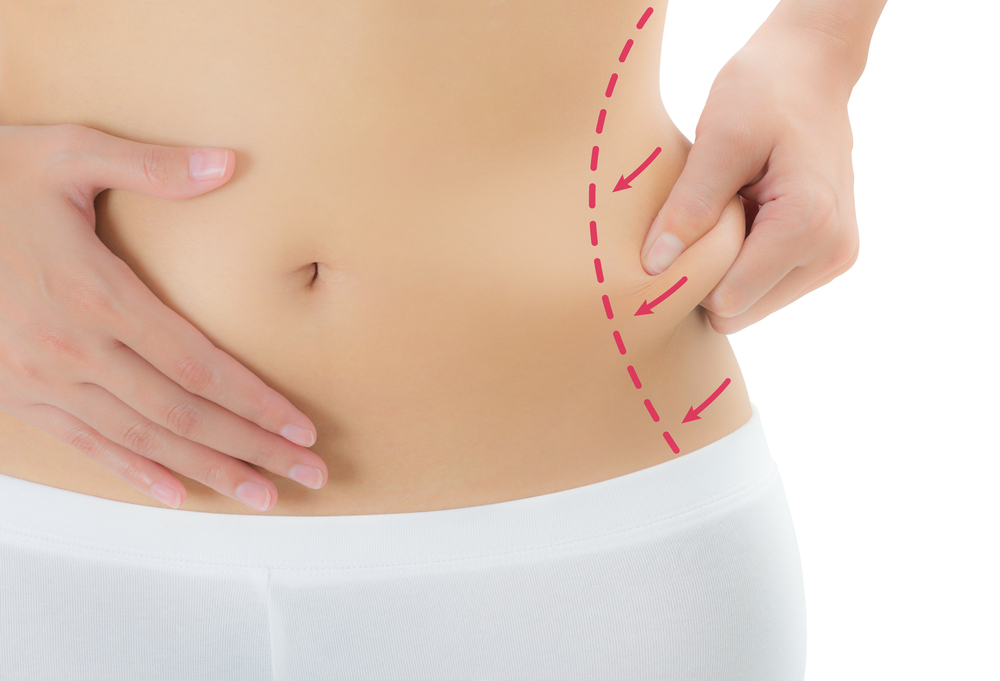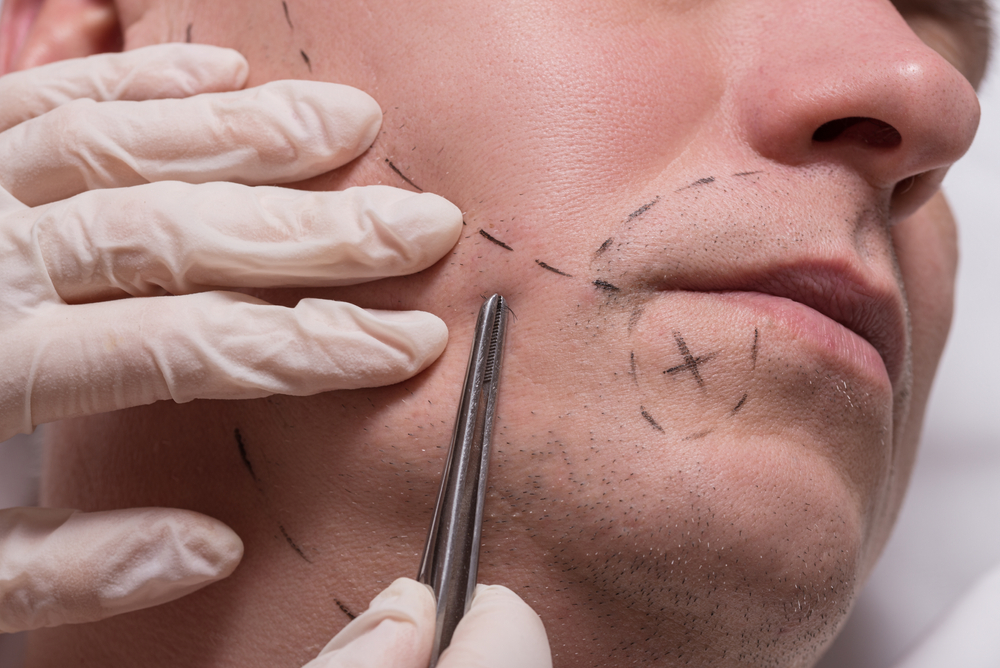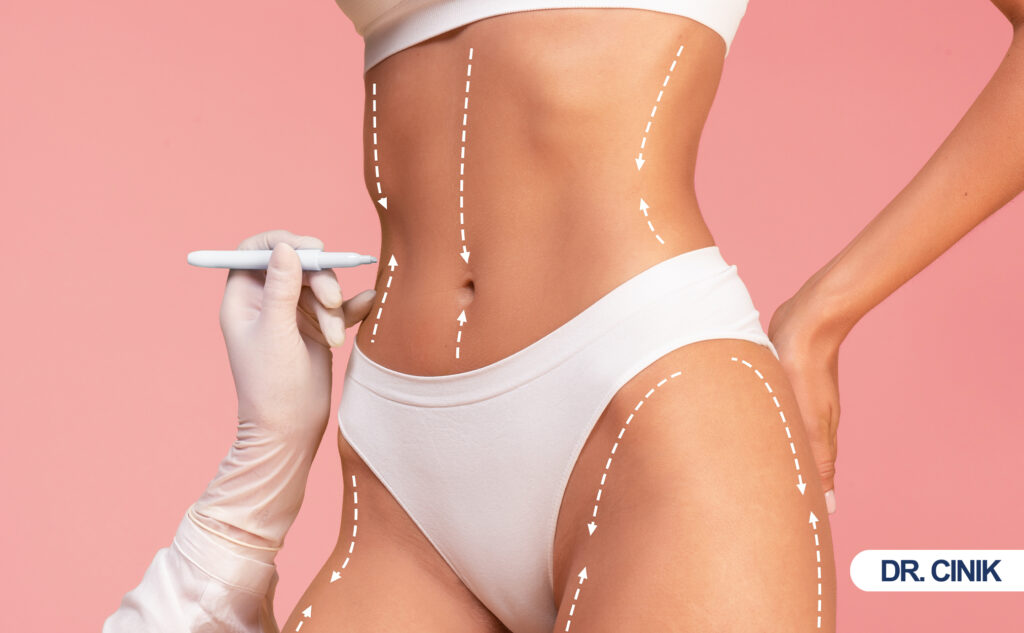
Liposuction removes stubborn fat deposits that resist diet and exercise. Surgeons use this body contouring procedure to reshape specific areas and improve body proportions. Millions of patients choose liposuction every year because it targets localized fat directly.
Liposuction first appeared in the 1970s. Surgeons have refined the technique over decades. Today, liposuction stands as one of the most popular aesthetic surgeries worldwide. Patients must understand one critical fact: liposuction shapes the body, but it does not treat obesity. The procedure removes fat cells from targeted spots. It does not replace healthy eating habits or regular exercise. This article explains the science behind liposuction. It covers techniques, safety, recovery, and results. Every patient deserves clear facts before making an informed decision.
What Does Liposuction Mean in Medical Terms?
Liposuction is a surgical procedure that removes fat cells from specific body areas. Surgeons insert thin tubes called cannulas through small incisions. The cannulas break up fat tissue and suction it out of the body. Medical professionals call this procedure suction-assisted lipectomy.
Fat cells, also called adipocytes, store energy and cushion organs. Everyone has a fixed number of fat cells after adolescence. When patients gain weight, these cells grow larger. When patients lose weight, these cells shrink. Liposuction physically removes some adipocytes from treated areas. The remaining fat cells can still expand if the patient gains weight. This is why surgeons stress that liposuction works best for body contouring, not weight loss.
How Does a Surgeon Remove Fat Cells During Liposuction?
A surgeon makes tiny incisions near the target area. The surgeon inserts a cannula through these openings. The cannula connects to a vacuum device or syringe. The surgeon moves the cannula back and forth to loosen fat cells. Suction pulls the dislodged fat out of the body.
Before removing fat, the surgeon often injects tumescent fluid. This fluid contains saline, local anesthetic, and epinephrine. The solution numbs the area, shrinks blood vessels, and reduces bleeding. Tumescent fluid makes fat removal safer and more precise. The surgeon must preserve nearby blood vessels, nerves, and connective tissue. This precision demands skill and experience. Skin elasticity also plays a major role. Patients with firm, elastic skin see smoother contours after surgery. Loose skin may not tighten properly after fat removal.
Which Body Areas Respond Best to Liposuction Treatment?
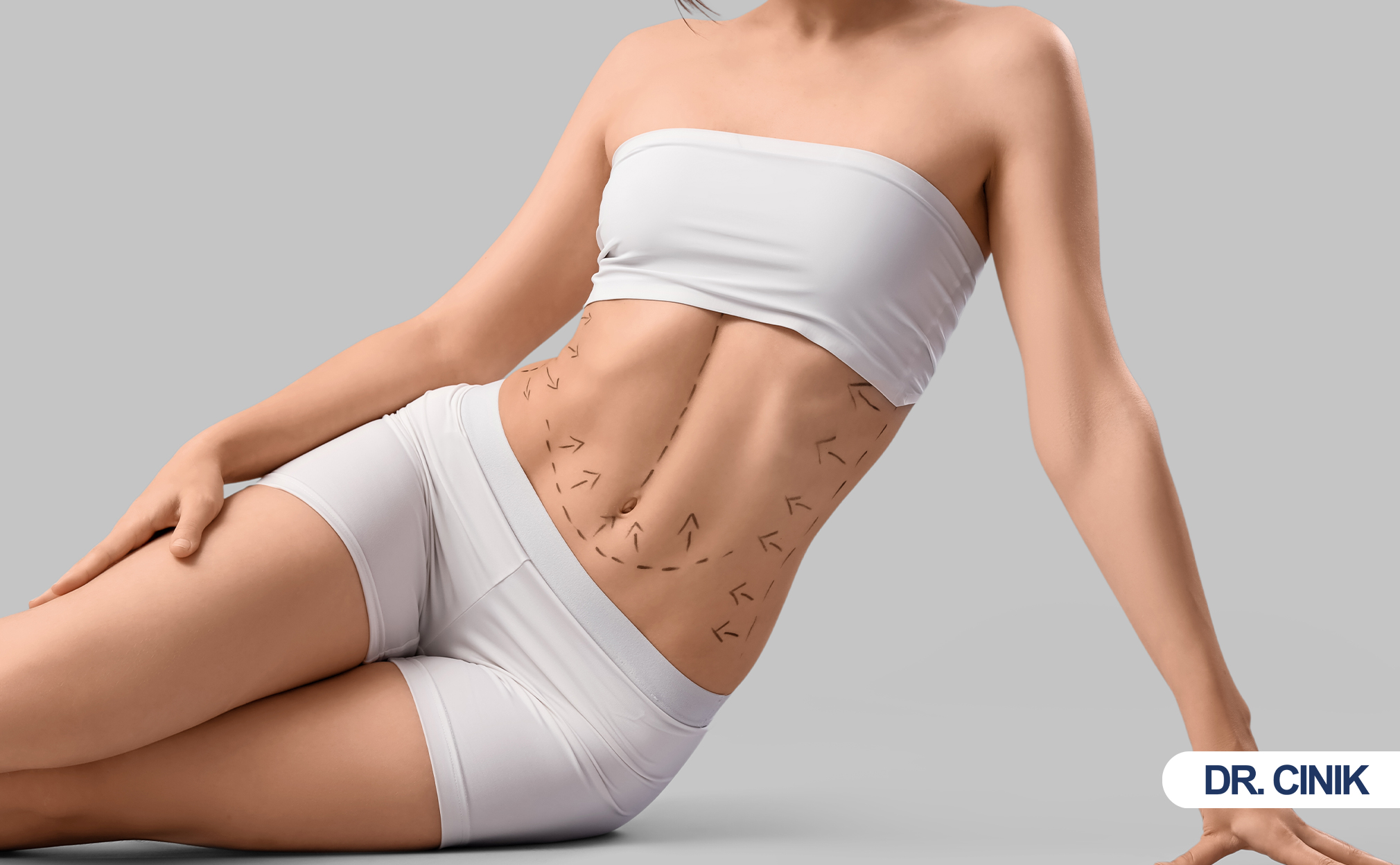
Surgeons can treat many body areas with liposuction. The abdomen and waist rank as the most popular treatment zones. The thighs, arms, neck, chin, back, and chest also respond well.
Table 1: Common Liposuction Treatment Areas and Typical Outcomes
|
Body Area |
Fat Deposit Characteristics |
Skin Elasticity Requirement |
Typical Recovery Ease |
|
Abdomen |
Deep and superficial fat layers |
Moderate to high |
Moderate |
|
Waist and Flanks |
Localized love handles |
Moderate |
High |
|
Thighs |
Inner and outer fat pads |
Moderate |
Moderate |
|
Upper Arms |
Soft fat, thin skin |
High |
Moderate |
|
Neck and Chin |
Small volume, delicate tissue |
High |
High |
|
Back and Chest |
Fibrous fat in men |
Moderate |
Moderate |
The abdomen often holds deep fat under the muscle wall and superficial fat above it. Surgeons remove the superficial fat more easily. The waist and flanks, often called love handles, contain localized fat that responds excellently to contouring. The neck and chin area requires small cannulas and gentle technique. Men often request chest liposuction to treat gynecomastia, which is excess breast tissue. Each area demands a customized approach based on fat thickness and skin quality.
What Are the Main Types of Liposuction Techniques?
Surgeons now offer several liposuction techniques. Each method uses different technology to break up and remove fat. The best technique depends on the treatment area, fat volume, and patient goals. Traditional suction-assisted liposuction remains the foundation. Tumescent liposuction improved safety dramatically. Newer methods use ultrasound, laser, or mechanical power to enhance results.
What Happens During Traditional Suction-Assisted Liposuction?
Traditional suction-assisted liposuction, or SAL, uses a hollow cannula and vacuum pressure. The surgeon manually moves the cannula to dislodge fat. SAL works well for most body areas. It requires no advanced energy devices.
SAL offers simplicity and reliability. Surgeons have used this method for decades. However, SAL demands more physical effort from the surgeon. The manual movement can cause more tissue trauma in some cases. Patients may see more bruising and swelling compared to newer techniques. SAL works best for straightforward fat removal in patients with good skin tone.
How Does Tumescent Liposuction Improve Safety?
Tumescent liposuction floods the target area with dilute local anesthetic and epinephrine. The solution swells the fat layer and constricts blood vessels. This technique reduces blood loss to minimal levels. Patients often remain awake during the procedure.
Hanke and colleagues surveyed 688 tumescent liposuction patients across 39 centers. They found a clinical complication rate of only 0.7%. Ninety-one percent of patients felt positive about their decision at six months (Hanke et al. 967). No deaths occurred in large tumescent liposuction surveys. This safety record makes tumescent liposuction the gold standard for fat removal.
What Makes Ultrasound-Assisted Liposuction Different?
Ultrasound-assisted liposuction, or UAL, sends ultrasonic waves through a special cannula. The sound waves liquefy fat cells before removal. This liquefaction makes suction easier in dense, fibrous areas like the back or male chest.
UAL reduces the physical effort surgeons need to expend. It can remove stubborn fat more quickly. However, the ultrasonic energy produces heat. This heat can burn the skin or damage nearby tissue if the surgeon does not control it carefully. Patients must choose experienced surgeons who understand UAL safety limits.
How Does Laser-Assisted Liposuction Tighten Skin?
Laser-assisted liposuction, or LAL, delivers laser energy through a thin fiber. The laser heats and disrupts fat cells. It also stimulates collagenA structural protein found in the skin and other connective tissues, which is responsible for skin firmness and elasticity.... production in the skin. This collagen boost can tighten skin over time.
Weiss and colleagues treated 19 patients with a 924/975 nm diode laser system. Investigators observed good to excellent improvement in all subjects by three months. Eighty-three percent of subjects showed good to excellent skin textural improvement. Eighty-nine percent of subjects felt their unwanted fat had significantly improved (Weiss et al. 746). DiBernardo conducted a split-abdomen study comparing laser-assisted liposuction to traditional suction alone. At three months, the laser-treated side showed significantly higher skin shrinkage and tightening (DiBernardo 593). These findings support the skin-tightening claims of LAL.
What Are the Benefits of Power-Assisted Liposuction?
Power-assisted liposuction, or PAL, uses a cannula that vibrates rapidly. The mechanized tip moves back and forth at high speed. This vibration breaks up fat cells with less manual force.
PAL allows surgeons to remove large fat volumes more efficiently. The technique causes less fatigue for the surgeon. Patients often see smoother results because the cannula moves uniformly. PAL works especially well for large-area liposuction or revision cases where scar tissue exists.
Who Qualifies for High-Definition Liposuction?
High-definition liposuction sculpts athletic contours. Surgeons remove fat around muscle groups to reveal underlying anatomy. This technique targets both deep and superficial fat layers. It creates shadows and lines that mimic a toned physique.
Willet and colleagues reviewed 21 studies covering 6,964 high-definition liposuction cases. They calculated an overall complication rate of 14.4%, but only 0.2% were major complications. Transient hyperpigmentation occurred in 3.8% of patients, seromaSeroma: A pocket of clear serous fluid that sometimes develops in the body after surgery, which may require drainage.
in 3.3%, and soft-tissue fibrosis in 2.7%. Patient satisfaction reached 92.6% (Willet et al. 57). High-definition liposuction suits healthy patients who already have good muscle tone. It does not create muscles where none exist. Patients must maintain realistic expectations about athletic sculpting.
Who Is the Ideal Candidate for Liposuction Surgery?
The ideal candidate maintains a stable weight near their personal goal. This person carries stubborn fat pockets that ignore diet and exercise. Good candidates possess firm, elastic skin and strong muscle tone. They understand that liposuction refines contours, not body weight.
Realistic expectations separate happy patients from disappointed ones. Surgeons evaluate skin quality carefully. Loose skin will not snap back after fat removal. Patients with stretch marks or poor elasticity may need additional skin-tightening procedures. Comerci and colleagues analyzed 39 studies with 29,368 patients. The mean age was 40.62 years and the mean BMI was 26.36 kg/m² (Comerci et al. NP454). This data confirms that average liposuction patients are not obese. They are healthy adults seeking refinement.
Which Patients Should Avoid Liposuction?
Patients with uncontrolled diabetes, heart disease, or bleeding disorders face higher risks. Smokers heal poorly because nicotine reduces blood flow to the skin. Surgeons require patients to quit smoking weeks before surgery.
Severe obesity disqualifies most patients from liposuction. The procedure cannot safely remove the large fat volumes that obesity requires. Patients with body dysmorphic disorderBody Dysmorphic Disorder (BDD) A psychological condition involving obsessive focus on perceived flaws in appearance, affecting surgical candidacy. or unrealistic expectations also make poor candidates. Psychological screening helps identify patients who chase impossible ideals. Cardiovascular conditions increase the danger of blood clots and fluid shifts during surgery.
How Does Liposuction Differ from Weight Loss Surgery?
Liposuction and bariatric surgery serve completely different purposes. Liposuction removes external fat deposits for cosmetic contouring. Bariatric surgery reduces stomach size or reroutes intestines to force weight loss.
Table 2: Liposuction vs. Weight Loss Surgery
|
Feature |
Liposuction |
Weight Loss Surgery |
|
Primary Goal |
Body contouring and fat removal |
Treat obesity and reduce weight |
|
Fat Removed |
3 to 5 liters typically |
Minimal direct fat removal |
|
Weight Change |
Minimal immediate change |
Major long-term weight loss |
|
Candidate BMI |
Usually under 30 |
Usually over 35 with health issues |
|
Recovery Time |
Days to weeks |
Weeks to months |
|
Mechanism |
Physical fat extraction |
Hormonal and metabolic alteration |
Many patients mistakenly believe liposuction causes significant weight loss. Science refutes this myth. Liposuction removes fat volume but does not alter metabolism or appetite. Patients who undergo liposuction without lifestyle changes may redistribute fat to untreated areas.
How Should Patients Prepare for Liposuction Surgery?
Patients must schedule a detailed consultation first. The surgeon reviews medical history and performs a physical examination. The surgeon photographs the treatment areas and discusses achievable outcomes. Patients should disclose all medications, supplements, and allergies.
Preoperative tests often include blood work and sometimes an EKG. Surgeons instruct patients to stop blood-thinning medications before surgery. Patients must avoid alcohol and smoking for several weeks. Proper hydration and nutrition speed healing. Some surgeons recommend lymphatic massage before the procedure to prepare the tissues.
What Questions Must Patients Ask Their Surgeon?
Patients should verify board certification in plastic surgery. Certification proves the surgeon completed rigorous training and examinations. Patients must ask about the surgical facility’s accreditation. Accredited centers maintain strict safety standards and emergency equipment.
Patients should ask how many liposuction procedures the surgeon performs yearly. Experience correlates with better outcomes. Patients must discuss risks openly. They should ask about the recovery timeline, compression garment requirements, and revision policies. A trustworthy surgeon answers honestly and never guarantees perfection.
What Happens Step by Step During Liposuction Surgery?
The surgical team first administers anesthesiaEnsuring Comfort During Hair Transplants Sedation is used in hair transplantation to help patients remain calm and comfortable throughout the.... Options include local anesthesia, sedation, or general anesthesia. Local anesthesia suits small areas. General anesthesia works best for large-volume or multi-area cases.
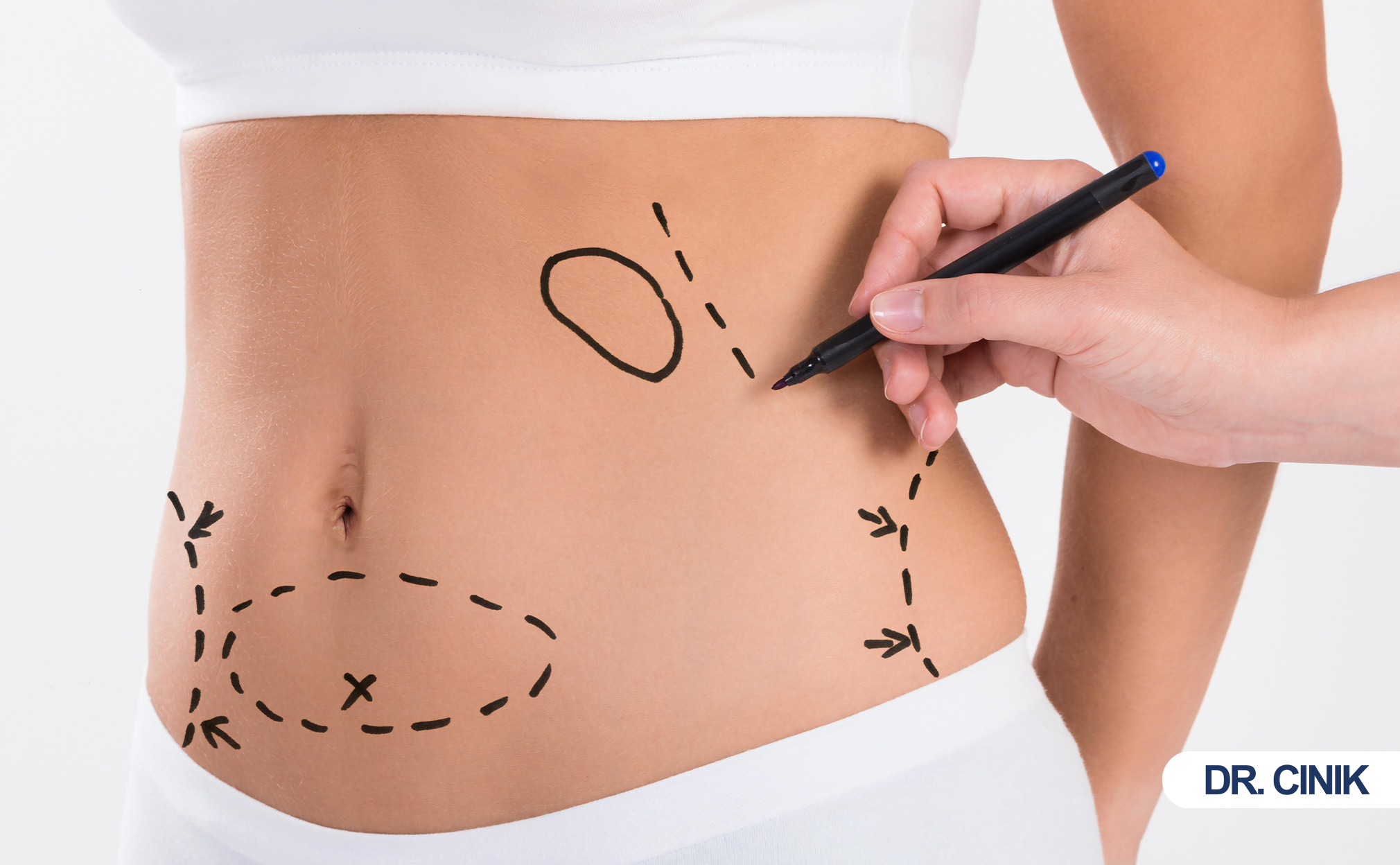
The surgeon marks the treatment areas while the patient stands. This standing position reveals natural fat distribution and gravity effects. The team sterilizes the skin and injects tumescent fluid if needed. The surgeon makes tiny incisions, usually 3 to 5 millimeters long. The surgeon inserts the cannula and begins fat aspiration. The team monitors fluid balance and vital signs throughout. After removing the desired fat volume, the surgeon may close some incisions or leave them open to drain. The team applies compression garments immediately.
How Long Does Liposuction Surgery Take?
Surgery time varies based on treatment size and technique. A single small area may take one hour. Multiple areas or high-definition sculpting may require three to four hours. Large-volume liposuction demands more time and monitoring.
The surgeon must work methodically to avoid contour irregularities. Rushing increases the risk of uneven fat removal. Patients should not equate short surgery with better results. Precision matters more than speed.
Can Surgeons Combine Liposuction with Other Procedures?
Surgeons often pair liposuction with complementary procedures. A tummy tuck removes excess skin while liposuction contours the waist. This combination creates dramatic abdominal transformations. Surgeons also use harvested fat for fat transfer. They purify the fat and inject it into the buttocks, breasts, or face.
Brazilian Butt Lift, or BBL, uses liposuctioned fat to enhance buttock shape. Breast surgeons use liposuction to refine edges during augmentation or reduction. Facial surgeons remove neck fat while tightening muscles. Combining procedures reduces overall recovery time compared to separate surgeries. However, longer operations carry higher risk profiles.
What Should Patients Expect During Liposuction Recovery?
Patients wake up wearing compression garments. These garments control swelling and help the skin adhere to new contours. Small drainage tubes may exit the incisions for 24 to 48 hours. Bruising and soreness peak during the first three days.
Fluid continues to drain from the tiny incisions for several days. This drainage reduces swelling and speeds healing. Patients must keep the incision sites clean. Most patients manage pain with prescribed medications for two to five days. Walking prevents blood clots and stimulates circulation.
How Long Does Full Recovery Take After Liposuction?
Recovery unfolds in stages. Each stage brings visible changes and physical milestones.
Table 3: Liposuction Recovery Timeline
|
Time Period |
Physical Changes |
Activity Level |
Care Requirements |
|
First 48 hours |
Drainage, swelling, bruising peak |
Light walking only |
Rest, hydration, medications |
|
Days 3 to 7 |
Drainage decreases, soreness persists |
Short walks increase |
Continue compression garments |
|
Weeks 2 to 3 |
Swelling diminishes, bruising fades |
Return to light work |
Lymphatic massage may begin |
|
Weeks 4 to 6 |
Contours improve, numbness recedes |
Resume moderate exercise |
Wear garments 12 hours daily |
|
Months 3 to 6 |
Final results emerge, skin tightens |
Full activity restored |
Maintain healthy lifestyle |
Swelling masks the true results for weeks. Patients often feel discouraged at two weeks when swelling seems worst. This is normal. The body reabsorbs damaged fat and inflammatory fluid over time. Final results typically appear between three and six months.
When Can Patients Resume Work and Exercise?
Most patients return to desk jobs within three to seven days. Jobs requiring heavy lifting demand two to three weeks off. Patients may walk immediately after surgery. Light cardio can resume after two weeks. Weight training and high-impact exercise should wait four to six weeks.
Driving is safe once patients stop taking narcotic pain medications and can react quickly. Surgeons clear patients for specific activities based on healing progress. Patients must not rush the timeline. Early strenuous activity increases swelling and bleeding risks.
What Are the Physical Benefits of Liposuction?
Liposuction improves body proportions in ways that diet and exercise cannot. Genetics determine where the body stores fat. Some people store fat in the abdomen despite being thin everywhere else. Liposuction removes these genetically stubborn deposits.
The physical benefits include enhanced contour definition and better clothing fit. Patients see permanent fat cell reduction in treated areas. The body does not regenerate removed adipocytes. However, remaining fat cells can grow. Patients must maintain stable weight to preserve results. Improved body symmetry often leads to better posture and movement comfort.
How Does Liposuction Affect Self-Confidence and Mental Health?
Aesthetic surgery impacts more than the body. Papadopulos and colleagues studied 38 liposuction patients prospectively. Six months after surgery, patients showed significant improvements in life satisfaction, health satisfaction, and body image. The Freiburg Personality Inventory revealed improved emotional stability. The Patient Health Questionnaire showed reduced anxiety and overall psychological distress (Papadopulos et al. 1339).
Rankin and colleagues studied quality of life after various cosmetic procedures including liposuction. They found improved quality of life at one and six months after surgery (Rankin et al. 31-50). Shakespeare and Cole measured outcomes after reduction mammaplasty. They reported substantial benefit to psychological and physical well-being (Shakespeare and Cole 35). Schnur and colleagues found that 97% of reduction patients believed surgery improved their lives (Schnur et al. 875). These studies confirm that well-selected patients experience genuine psychological gains.
Are Liposuction Results Permanent?
Liposuction permanently removes fat cells from treated areas. Adults do not grow new fat cells after adolescence. Once the surgeon removes adipocytes, they cannot return. This permanence makes liposuction effective for long-term contouring.
However, permanence does not guarantee immunity from weight gain. If patients overeat, remaining fat cells expand. Untreated areas may grow disproportionately. Some patients notice fat shifting to the back, arms, or breasts after abdominal liposuction. Rohrich and colleagues reported that some patients actually gain weight after liposuction, with fat accumulating in new areas. Weight gain after abdominal liposuction can even increase breast size. Patients must commit to stable weight through diet and exercise.
What Side Effects Are Common After Liposuction?
Bruising, swelling, and temporary numbness represent the most common side effects. These effects resolve naturally within weeks. Mild discomfort lingers for several days. Compression garments minimize these issues.
Contour irregularities top the list of reported complications. Comerci and colleagues found that contour deformity occurred in 2.35% of cases across 29,368 patients. Hyperpigmentation affected 1.49%, seroma 0.65%, and hematomaHematoma: A localized collection of blood outside the blood vessels, often causing swelling and discoloration, which can occur as a... 0.27% (Comerci et al. NP454). Superficial burns occurred in 0.25% of cases, mostly with energy-assisted techniques. Infection remained extremely rare at 0.020%. These statistics confirm that most side effects are mild and temporary.
What Surgical Risks Does Liposuction Carry?
Infection, bleeding, seroma, and contour irregularities represent the main surgical risks. Seroma means fluid collection under the skin. Hematoma means trapped blood collection. Both may require drainage.
Surgeons prevent infection through sterile technique and antibiotic protocols. Proper tumescent fluid ratios reduce bleeding. Skilled cannula movement prevents uneven contours. Patient factors also influence risk. Smokers, obese patients, and those with poor circulation face higher complication rates. Accredited surgical facilities maintain emergency protocols for rare events.
What Rare but Serious Complications Can Occur?
Fat embolism, organ perforation, deep vein thrombosis, and anesthesia toxicity count as rare but life-threatening complications. Fat embolism occurs when dislodged fat enters the bloodstream and travels to the lungs. This condition causes respiratory distress and requires immediate intensive care.
Grazer and de Jong conducted a census survey of cosmetic surgeons and found a mortality rate of 19.1 per 100,000 liposuction cases. Pulmonary thromboembolism caused 23.1% of deaths. Visceral perforation caused 14.6%. Anesthesia toxicity caused 10%. Fat embolism caused 8.5% (Grazer and de Jong 436). These tragedies occurred more often when non-specialists performed surgery in unaccredited facilities. Modern tumescent techniques and qualified surgeons have reduced these risks dramatically.
Why Does Large-Volume Liposuction Increase Risk?
Large-volume liposuction removes more than five liters of fat and fluid. This volume shift stresses the cardiovascular system. Fluid balance becomes difficult to maintain. Blood pressure may drop. Electrolyte disturbances can occur.
Comerci and colleagues noted that higher aspirate volumes correlate with increased fluid shifts, greater seroma risk, and longer recovery times (Comerci et al. NP454). Surgeons must monitor patients closely during large-volume cases. Many jurisdictions limit outpatient liposuction to 5 liters for safety. Patients needing larger removals should consider staged procedures or hospital-based surgery.
When Will Liposuction Results Become Visible?
Patients see immediate changes when the garment comes off. However, swelling hides the true contours for weeks. The waist and abdomen often swell most dramatically. Patients may look heavier at two weeks than before surgery.
Residual tumescent fluid drains out during the first week. Damaged fat cells absorb over four to six weeks. Skin retraction continues for three to six months. Final results typically stabilize between three and six months post-surgery. Patients must practice patience during this process.
What Factors Influence Final Liposuction Results?
Age affects skin elasticity directly. Younger patients have more collagen and elastinElastin A protein in connective tissue that allows tissues to resume their shape after stretching or contracting, contributing to skin.... Their skin retracts faster and tighter. Older patients may see loose skin after fat removal.
Weight fluctuations destroy surgical results. Even five kilograms of weight gain can blur contours. Surgical technique matters enormously. Experienced surgeons leave thin, even fat layers. Novices may create dents or waves. Postoperative care compliance also shapes outcomes. Patients who wear compression garments and follow activity restrictions see better results.
What Non-Surgical Alternatives Can Replace Liposuction?
Non-surgical options appeal to patients who fear surgery or need minimal downtime. These methods reduce small fat volumes without incisions. However, none match liposuction’s dramatic or immediate results.
How Does Cryolipolysis Freeze Fat Away?
Cryolipolysis, marketed as CoolSculpting, applies controlled cooling to fat cells. The cold temperature crystallizes adipocytes. The body slowly eliminates these dead cells through the lymphatic system over two to three months.
A 2024 systematic review and meta-analysis found that cryolipolysis decreased BMI by a mean difference of 1.71 and reduced circumference by 3.45 centimeters. Fat thickness decreased by 3.56 millimeters. However, cryolipolysis did not significantly reduce overall weight. Benefits work best for short-term contouring and vary by body region (Coleman et al. 1581). Side effects include temporary redness, bruising, and numbness. Paradoxical adipose hyperplasia, where fat grows larger instead of shrinking, occurs in roughly one in 20,000 cases.
Table 4: Liposuction vs. Cryolipolysis Comparison
|
Feature |
Liposuction |
Cryolipolysis |
|
Invasiveness |
Surgical, requires incisions |
Non-invasive, no incisions |
|
Anesthesia |
Local, sedation, or general |
None needed |
|
Fat Volume Removed |
Large volumes possible |
Small volumes per session |
|
Result Timeline |
Immediate, final at 3-6 months |
Gradual, over 2-3 months |
|
Downtime |
Days to weeks |
Minimal to none |
|
Skin Tightening |
Depends on skin elasticity |
Minimal effect |
|
Cost per Area |
Higher single cost |
Lower per session, multiple needed |
Can Injections Reduce Fat Without Surgery?
Deoxycholic acid injections dissolve fat under the chin. The FDA approved this treatment for submental fullness. The acid destroys fat cell membranes. The body clears the debris naturally.
Each session takes fifteen minutes. Patients need two to four sessions spaced four weeks apart. Swelling and numbness last several days. This method works only for small, defined areas. It cannot treat the abdomen or thighs effectively.
Do Radiofrequency Devices Contour the Body?
Radiofrequency and laser body contouring devices heat fat cells through the skin. The heat damages adipocytes and stimulates collagen. These treatments require no downtime.
Results appear gradually over months. Patients typically need multiple sessions. These devices work best for mild fat reduction and skin tightening. They do not remove large fat volumes. Patients with significant fat deposits will see limited improvement.
Why Does Board Certification Matter When Choosing a Surgeon?
Board-certified plastic surgeons complete years of specialized training. They pass comprehensive written and oral examinations. They operate only in accredited facilities with emergency protocols. This credential protects patients from unqualified practitioners.
Comerci and colleagues emphasized that serious complications occur disproportionately when non-experts perform liposuction in inappropriate settings (Comerci et al. NP454). Credentials matter because liposuction is real surgery. It requires anatomical knowledge, sterile technique, and emergency preparedness. Patients should verify certification through official medical boards. They should not trust glossy websites or social media popularity alone.
What Red Flags Should Patients Avoid?
Unrealistically low prices often signal corner-cutting. Safe liposuction requires accredited facilities, trained staff, and proper equipment. Bargain clinics may lack these essentials. Non-qualified practitioners include dermatologists without surgical training or spa technicians. These individuals lack the skills to manage complications.
Unsafe awake procedures in non-medical settings pose extreme danger. Some clinics market cheap liposuction under local anesthesia in office rooms without emergency equipment. Patients must avoid these setups. General anesthesia or deep sedation requires an anesthesia professional present. Any facility without crash carts and resuscitation capability is unfit for liposuction.
What Scientific Advances Are Shaping Modern Liposuction?
Safer cannula systems now feature rounded tips and multiple ports. These designs reduce blood vessel damage. Energy-assisted techniques continue to evolve. Surgeons use ultrasound, laser, and power assistance to improve precision.
Improved recovery protocols include enhanced lymphatic drainage recommendations. Surgeons now emphasize early mobilization and proper nutrition. Some centers offer postoperative hyperbaric oxygen to speed healing. Research into half-saline tumescent solutions suggests improved fat extraction efficiency. These advances make liposuction safer and more comfortable than ever before.
How Does Fat Grafting Use Harvested Adipose Tissue?
Surgeons no longer discard all removed fat. They can purify liposuctioned fat and reinject it elsewhere. This fat grafting enhances buttocks, breasts, or facial volume. The procedure uses the patient’s own tissue, so rejection does not occur.
Fat banking allows surgeons to freeze harvested fat for future injections. This technology offers convenience for patients wanting gradual enhancements. However, fat survival rates vary. Some transferred fat cells die and reabsorb. Surgeons overcorrect slightly to compensate. Ethical questions about cosmetic fat storage continue to evolve.
What Is the Future of Body Contouring?
Combination therapies will dominate the next decade. Surgeons may pair liposuction with skin-tightening lasers, muscle stimulators, and regenerative injections. Personalized aesthetic surgery uses 3D imaging and AI planning. These tools show patients realistic previews of their results.
Regenerative medicine may soon improve skin quality after fat removal. Stem cell-enriched fat grafts could enhance tissue repair. Researchers explore ways to tighten skin without additional scars. The future promises safer, more predictable, and more natural-looking outcomes.
Is Liposuction the Right Choice for Your Body Goals?
Liposuction offers powerful body contouring for the right patient. It removes stubborn fat permanently. It improves proportions and boosts confidence. It does not treat obesity or replace healthy habits.
Patients must approach liposuction with realistic expectations. They must choose board-certified surgeons and accredited facilities. They must commit to stable weight and active lifestyles after surgery. Safety, education, and honest self-assessment lead to the best outcomes. Informed patients make the best decisions. Trust science, trust credentials, and trust the process.
References
Coleman, Katherine M., et al. “Cryolipolysis for Fat Reduction and Body Contouring.” Plastic and Reconstructive Surgery, vol. 135, no. 6, 2015, pp. 1581-1590.
Comerci, Alexander J., et al. “Risks and Complications Rate in Liposuction: A Systematic Review and Meta-Analysis.” Aesthetic Surgery Journal, vol. 44, no. 7, 2024, pp. NP454-NP463.
DiBernardo, Barry E. “Randomized, Blinded Split Abdomen Study Evaluating Skin Shrinkage and Skin Tightening in Laser-Assisted Liposuction versus Liposuction Control.” Aesthetic Surgery Journal, vol. 30, no. 4, 2010, pp. 593-602.
Grazer, Frederick M., and Richard H. de Jong. “Fatal Outcomes from Liposuction: Census Survey of Cosmetic Surgeons.” Plastic and Reconstructive Surgery, vol. 105, no. 1, 2000, pp. 436-446.
Hanke, William, et al. “Tumescent Liposuction Report Performance Measurement Initiative: National Survey Results.” Dermatologic Surgery, vol. 30, no. 7, 2004, pp. 967-77.
Papadopulos, Nikolaos A., et al. “Quality of Life Following Aesthetic Liposuction: A Prospective Outcome Study.” Journal of Plastic, Reconstructive & Aesthetic Surgery, vol. 72, no. 8, 2019, pp. 1339-1348.
Rankin, M., et al. “Quality of Life After Cosmetic Surgery.” Journal of Plastic, Reconstructive & Aesthetic Surgery, 1998, pp. 31-50.
Shakespeare, Val, and R. P. Cole. “Measuring Patient-Based Outcomes in a Plastic Surgery Service: Breast Reduction Surgical Patient.” Journal of Plastic, Reconstructive & Aesthetic Surgery, 1997, pp. 110-35.
Schnur, P. L., et al. “Reduction Mammaplasty: An Outcome Study.” Plastic and Reconstructive Surgery, vol. 100, no. 4, 1997, pp. 875-883.
Weiss, Robert A., et al. “Laser-Assisted Liposuction Using a Novel Blend of Lipid- and Water-Selective Wavelengths.” Lasers in Surgery and Medicine, vol. 41, no. 10, 2009, pp. 746-753.
Willet, Jake W., et al. “A Systematic Review of Efficacy and Complications of High-Definition Liposuction.” Plastic and Reconstructive Surgery, vol. 152, no. 1, 2023, pp. 57-63.