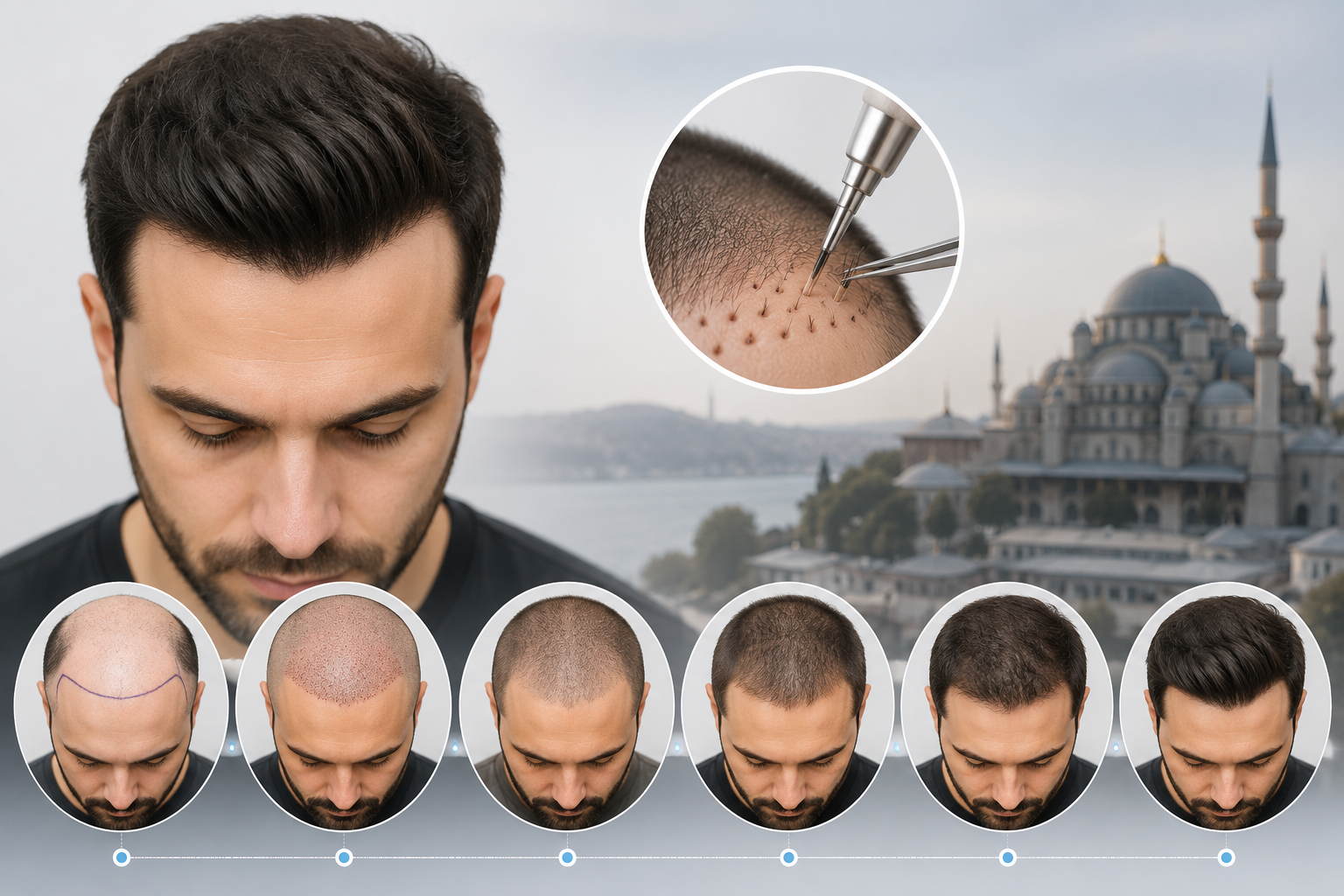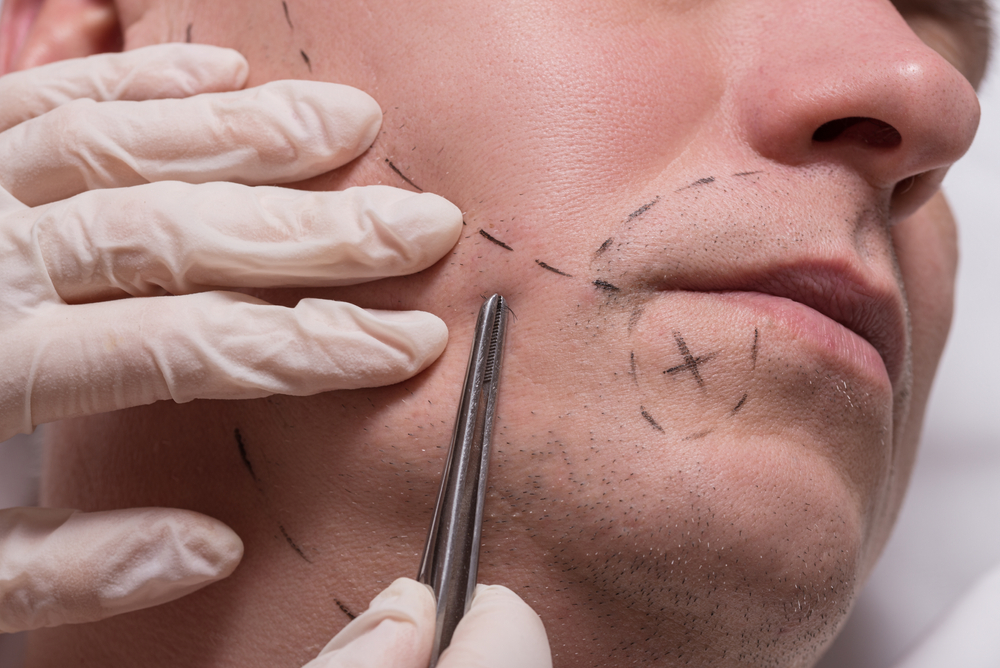
Folliculitis after hair transplant means inflamed or infected hair follicles in the scalp. This condition troubles many patients during recovery. Early recognition protects grafts and speeds healing. Most cases stay mild. Doctors treat them successfully. Patients rarely lose grafts from simple folliculitis. The International Society of Hair Restoration Surgery tracks this complication closely. Studies show it ranks among the most common post-operative reactions in hair restoration surgery (Unger 2011). Proper aftercare prevents most problems. Patients should learn the causes, symptoms, and treatments. This knowledge reduces anxiety. It also improves outcomes. Folliculitis after hair transplant usually signals a temporary healing response. It does not mean the procedure failed.
What Is Folliculitis After Hair Transplant?
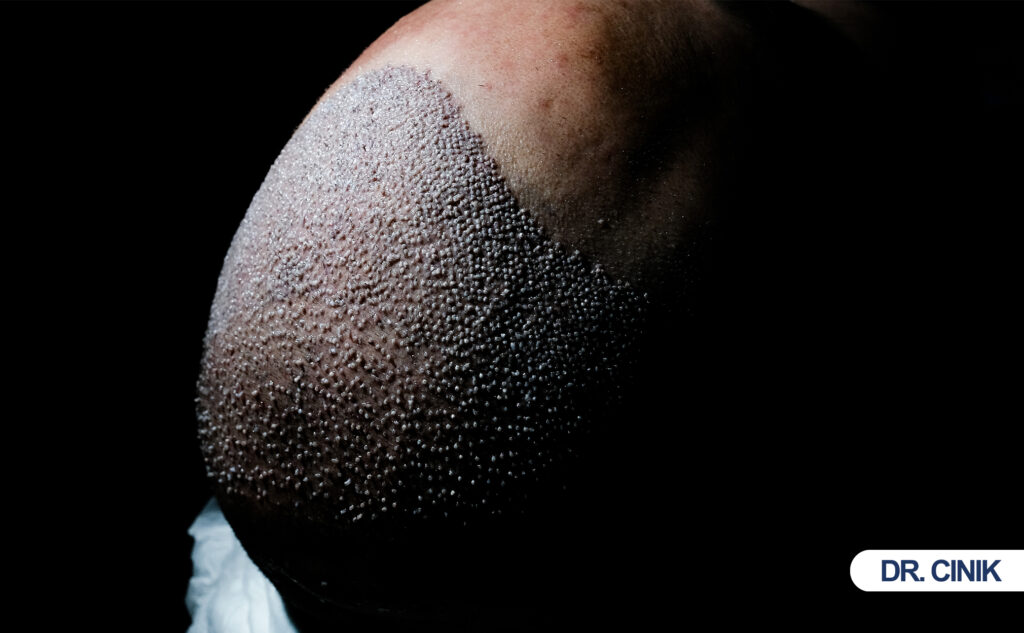
Folliculitis after hair transplant means inflammation or infection around new or native hair follicles. It looks like small red bumps or white pimples. It differs from normal healing scabs. True folliculitis involves active inflammation. Normal healing shows only dry crusts without pus. Surgeons implant grafts into tiny incisions. These incisions disturb the scalp barrier. Bacteria or irritants enter easily. The body responds with inflammation. This reaction creates the bumps patients see. Post-transplant folliculitis can affect both the donor areaThe Source of Restoration The donor area plays a critical role in hair transplantation, as it serves as the source... and the recipient area. Most patients notice it first in the recipient zone. That is where the new grafts sit. The condition reflects the scalp’s natural response to surgical change (Bernstein and Rassman 2005).
What Types of Folliculitis Develop After Hair Transplant?
Four main types of folliculitis develop after hair transplant surgery. Each type shows different causes. Each needs different care.
|
Type |
Cause |
Appearance |
Treatment Approach |
|
Sterile folliculitis |
Non-infectious inflammation |
Red bumps without pus |
Anti-inflammatory creams |
|
Bacterial folliculitis |
Staphylococcus aureus or other bacteria |
Pus-filled pustules |
Topical or oral antibiotics |
|
Ingrown hair folliculitis |
Trapped new hair shafts |
Tender bumps during regrowth |
Warm compresses, careful extraction |
|
Chronic folliculitis |
Underlying scalp disorder |
Recurring painful lesions |
Long-term dermatology care |
Sterile folliculitis causes red bumps without infection. It stems from the healing process itself. No bacteria live inside these bumps. Bacterial folliculitis involves actual microbes. Staphylococcus aureus often triggers it. This bacterium lives on normal skin. It enters through surgical sites. Ingrown hair folliculitis occurs when new hairs curl back into the skin. The body treats them as foreign objects. Chronic folliculitis returns repeatedly. It sometimes signals an underlying disease like seborrheic dermatitis. Patients need different treatments for each type (Bhatia 2013).
How Common Is Folliculitis After Hair Transplant Surgery?
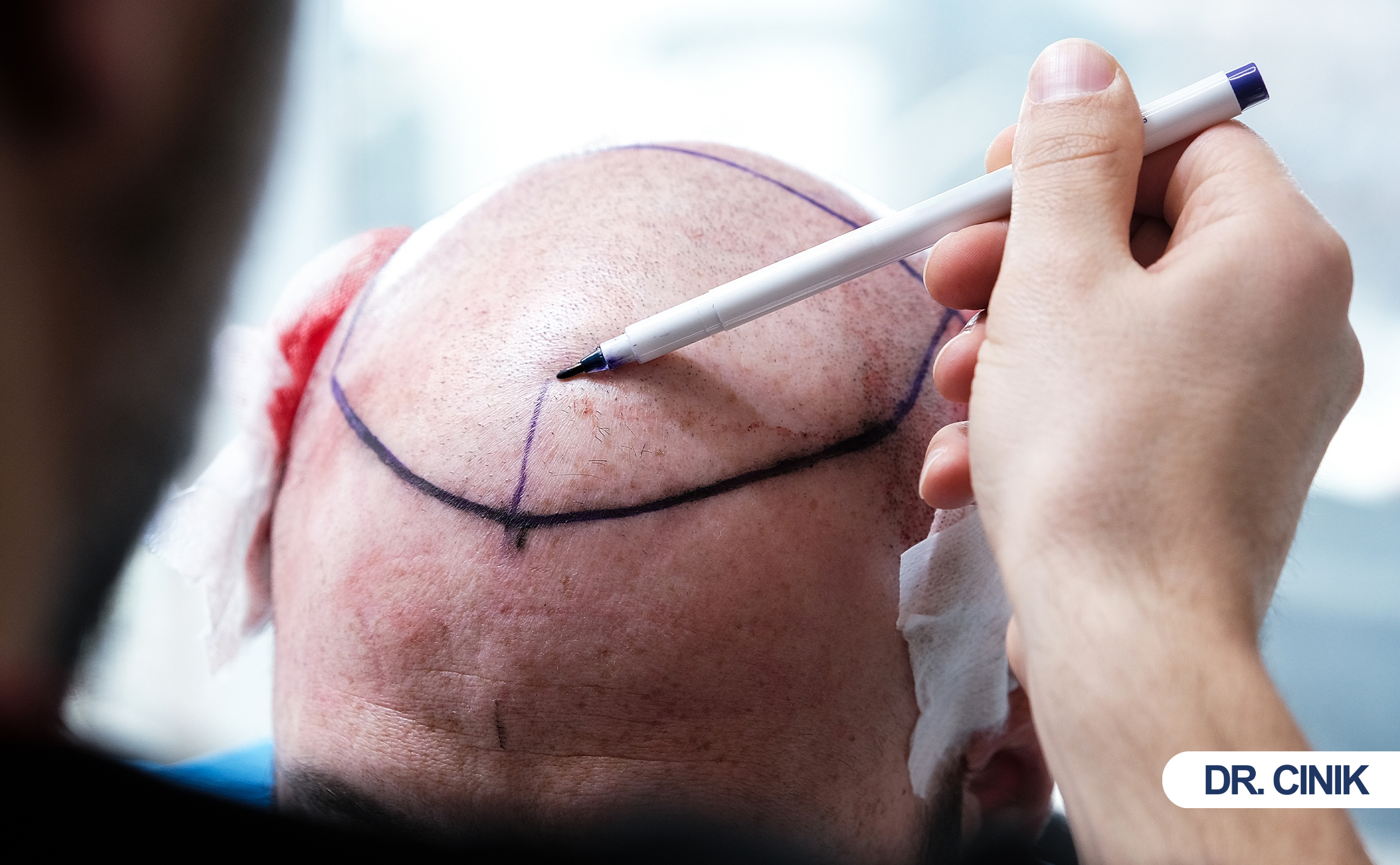
Clinical studies report folliculitis in 1% to 10% of hair transplant patients. Some surveys show higher numbers in FUE cases. Others show equal rates across FUE and FUT methods. The ISHRS notes it remains one of the most frequent post-operative concerns. Most cases appear within the first month. Some appear later during regrowth. The condition rarely causes permanent damage. Timely treatment resolves almost all cases. Patients should not panic if they see bumps. They should contact their surgeon promptly. Early care prevents complications (Unger 2011).
When Does Folliculitis Usually Appear After Hair Transplant?
Early-onset folliculitis appears within days to weeks after surgery. It follows the initial healing phase. Delayed folliculitis appears months later. It coincides with new hair regrowth. Early cases stem from surgical trauma or bacteria. Delayed cases usually involve ingrown hairs. Both types respond well to treatment. Patients should watch their scalp throughout the first six months. The timeline helps doctors identify the cause. Early bumps suggest infection or trauma. Late bumps suggest regrowth issues.
Can Folliculitis Affect Hair Transplant Success?
Folliculitis rarely threatens graft survival. Mild inflammation does not harm follicles. Severe or untreated cases create risks. Deep infection can damage the graft bed. Chronic inflammation may compromise blood supply. Most patients recover fully. Their grafts grow normally. Doctors emphasize early treatment. Early care prevents complications. Patients should report symptoms quickly. This protects their investment in hair restoration (Parsley and Perez-Meza 2004).
What Causes Folliculitis After Hair Transplant?
Multiple factors trigger folliculitis after hair transplant surgery. Surgical trauma, bacteria, blocked pores, and patient habits all play roles. Understanding these causes helps patients prevent problems. Each factor contributes differently. Some factors work together. Patients control many of these risks.
Does Surgical Trauma Cause Folliculitis After Hair Transplant?
Surgical trauma directly triggers folliculitis. Surgeons create hundreds of tiny incisions. These cuts disrupt the scalp’s protective barrier. The body sends inflammatory cells to the area. This response causes redness and small bumps. The trauma itself can cause sterile folliculitis. No infection occurs. The inflammation simply reflects normal healing. Patients should expect some reaction. Excessive trauma worsens the condition. Skilled surgeons minimize tissue damage. They use precise tools. They handle grafts gently. This reduces post-operative inflammation significantly (Bernstein and Rassman 2005).
Can Bacterial Infection Trigger Folliculitis After Hair Transplant?
Bacteria cause many cases of post-transplant folliculitis. Staphylococcus aureus lives on normal skin. It enters through surgical sites. Poor hygiene increases this risk. Contaminated instruments or hands introduce germs. Infected follicles fill with pus. They become tender and red. Antibiotics clear these infections quickly. Surgeons use sterile techniques to prevent them. Patients must keep their hands away from the scalp. They must follow washing instructions. Bacterial folliculitis responds well to treatment. Doctors identify it by the presence of pus. They may culture the bacteria. This guides antibiotic selection (Bhatia 2013).
Do Blocked Hair Follicles Cause Folliculitis After Hair Transplant?
Blocked follicles commonly cause folliculitis. Sebum, dead skin, and crusts accumulate around grafts. This debris clogs the follicle opening. The trapped material irritates the follicle. Inflammation follows. Proper washing prevents this buildup. Patients must follow surgeon-approved cleaning routines. Gentle rinsing removes debris without disturbing grafts. Sebum buildup creates an ideal environment for bacteria. It also physically blocks the emerging hair. Both problems lead to inflamed bumps. Regular cleansing keeps follicles open. It promotes healthy healing (Unger 2011).
Can Ingrown Hairs During Regrowth Cause Folliculitis?
Ingrown hairs cause delayed folliculitis. New hair shafts emerge from transplanted grafts. Sometimes they grow flat against the scalp. They curl back into the skin. The body treats them as foreign objects. Inflammation and pus develop around them. This type appears one to three months after surgery. It coincides with the regrowth phase. Warm compresses often release the trapped hair. Doctors may extract stubborn hairs carefully. Patients should not dig at these bumps. They should let professionals handle extraction. Ingrown hair folliculitis usually resolves once the hair breaks through the skin (Avram and Rogers 2010).
Does Excessive Sweating Cause Folliculitis After Hair Transplant?
Sweat irritates healing follicles. Salt and moisture create a breeding ground for bacteria. Heat expands blood vessels. This increases inflammation. Patients should avoid heavy exercise for two weeks. They should also avoid saunas and hot environments. Keeping the scalp dry reduces folliculitis risk significantly. Sweat mixes with sebum and dead skin. This mixture clogs pores. It also changes the skin’s pH. Bacteria thrive in this environment. Patients should limit physical exertion. They should stay in cool settings. These precautions protect grafts during critical early healing.
Can Poor Post-Operative Care Cause Folliculitis?
Poor aftercare causes many preventable cases. Patients sometimes skip washes. They fear dislodging grafts. This fear allows crusts to build up. Others touch or scratch the scalp. Their hands carry bacteria. Scratching opens healing sites. Both habits increase infection risk. Following the surgeon’s instructions exactly prevents most problems. Patients should set reminders for washing. They should prepare a clean recovery space. They should avoid mirrors that tempt them to inspect or touch grafts. Discipline during the first two weeks pays off. Good habits prevent inflammation (Garg and Garg 2009).
Does Poor Surgical Technique Increase Folliculitis Risk?
Poor technique increases folliculitis risk substantially. Overpacked grafts crowd the recipient area. They compete for blood supply. Some fail to heal properly. Improper graft placement traumatizes surrounding tissue. Excessive force during implantation damages follicles. Experienced surgeons avoid these errors. They space grafts correctly. They handle tissue gently. They create recipient sites at the proper depth. This reduces post-operative inflammation. Patients should research their surgeon’s credentials. They should view before-and-after photos. They should ask about complication rates. Clinic choice affects outcomes directly (Rose 2011).
What Patient-Related Risk Factors Increase Folliculitis Risk?
Certain patient traits increase folliculitis risk. Oily or acne-prone skin produces excess sebum. This clogs pores easily. Diabetes weakens immune response. Infections develop faster. Smoking reduces blood flow. Healing slows down. Pre-existing scalp disorders like seborrheic dermatitis create chronic inflammation. Patients with these risks need extra monitoring. They should discuss concerns with their surgeon before surgery. The surgeon may adjust the procedure plan. They may prescribe preventive antibiotics. They may recommend special shampoos. Honest medical history sharing protects patients. It allows customized care (Trueb 2003).
What Are the Symptoms of Folliculitis After Hair Transplant?
Patients should recognize folliculitis symptoms early. Quick recognition leads to faster treatment. Most symptoms stay localized. They affect only the transplant area. Some symptoms indicate mild cases. Others signal serious infection.
What Do the Early Bumps Look Like After Hair Transplant?
Early folliculitis shows small red bumps. They look like acne. They surround transplanted follicles. Each bump centers on one graft. The skin around them looks pink. Patients notice them during the second week. The bumps feel slightly raised. They differ from flat scabs. Scabs sit on top of the skin. Folliculitis bumps rise from within. Patients may see one bump. They may see clusters. The pattern depends on the cause. Bacterial cases show scattered pustules. Sterile cases show uniform redness. Both patterns need attention.
How Can Patients Recognize Pustules and Whiteheads?
Pustules contain white or yellow pus. They indicate active infection. The center looks white. The base looks red. Whiteheads form when pus stays beneath the surface. They look like small pearls under the skin. Both signs need attention. They suggest bacterial involvement. Doctors often prescribe antibiotics for these lesions. Patients should not squeeze them. Squeezing spreads bacteria. It also damages the graft. Warm compresses help pustules drain naturally. Doctors can lance large ones sterilely if needed (Bhatia 2013).
Does Folliculitis Cause Itching and Burning?
Itching and burning bother many patients. These sensations signal irritation. Nerve endings around follicles react to inflammation. Itching tempts patients to scratch. Scratching worsens the problem. Burning suggests deeper irritation. Both symptoms usually stay mild. They resolve with proper care. Patients can apply cool compresses for relief. They should avoid hot water. They should pat the scalp dry gently. These steps reduce nerve irritation. They improve comfort during healing.
Can Folliculitis Cause Pain or Tenderness?
Pain or tenderness indicates deeper inflammation. Mild folliculitis causes little pain. Patients feel only slight tenderness when touching the area. Severe cases cause throbbing pain. This pain persists without touch. It suggests spreading infection. Patients should report this symptom immediately. Pain scale helps doctors assess severity. Patients should describe the exact location. They should note what triggers the pain. This information guides treatment decisions.
What Swelling and Redness Should Patients Expect?
Swelling and redness follow inflammation. Blood rushes to the affected area. This brings immune cells. The scalp looks pink or red. Swelling raises the skin slightly. These signs stay localized. They affect only small patches. Widespread redness signals a bigger problem. Patients should photograph the area. They should compare photos day by day. Increasing redness needs medical review. Stable or decreasing redness suggests normal healing.
When Does Crusting and Drainage Occur?
Crusting develops when pustules rupture. The pus dries on the surface. This creates yellow or brown crusts. Drainage occurs when lesions weep clear or yellow fluid. Both indicate active lesions. Patients should not pick at crusts. Gentle washing removes them safely. Picking leaves scars. It also introduces new bacteria. Doctors may recommend antiseptic soaks for heavy crusting. These soaks soften debris. They allow gentle removal without trauma.
What Are the Warning Signs of Severe Infection?
Severe infection shows specific warning signs. Fever means the body fights a serious infection. Expanding redness spreads beyond the transplant area. Persistent pain does not respond to basic care. Foul-smelling discharge suggests anaerobic bacteria. These signs need urgent medical care. They threaten graft survival. Patients should take their temperature daily during the first week. They should mark the edges of redness with a pen. This helps them track spread. Immediate antibiotics prevent abscess formation (Parsley and Perez-Meza 2004).
How Does Folliculitis Differ From Normal Hair Transplant Healing?
Normal healing creates bumps and crusts. These differ from true folliculitis. Patients must learn the difference. This knowledge prevents unnecessary panic. It also prevents delayed treatment.
What Do Normal Post-Transplant Pimples Look Like?
Normal healing pimples look like tiny white dots. They contain clear fluid or dried sebum. They lack pus. They appear within the first week. They resolve without treatment. These pimples reflect the graft settling into place. They do not hurt. They do not spread. Patients see them around many grafts at once. They look uniform. They lack the angry red base of folliculitis.
How Can Patients Tell Scabs Apart From Folliculitis?
Scabs and folliculitis look different. Scabs appear flat and dry. They cover the graft like a cap. They fall off naturally. Folliculitis bumps look raised and inflamed. They often contain fluid. Scabs feel rough. Folliculitis feels tender. Scabs cover the surface. Folliculitis rises from beneath. Patients can compare the two easily. Scabs move when touched gently. Bumps stay fixed. Scabs have no surrounding redness. Bumps show a pink halo.
|
Feature |
Normal Scabs |
Folliculitis |
|
Appearance |
Flat, dry, brown |
Raised, red, pus-filled |
|
Timing |
Days 3–10 |
Days 7–30+ |
|
Pain |
None |
Mild to moderate |
|
Content |
Dried blood or serum |
Pus or clear fluid |
|
Resolution |
Falls off naturally |
Needs treatment |
|
Surrounding skin |
Normal color |
Pink or red halo |
When Should Pimples Become a Concern?
Pimples become concerning when they persist beyond two weeks. Increasing pain suggests infection. Spreading redness indicates bacterial growth. Growing pus volume needs antibiotics. Patients should watch for these changes. Early reporting saves grafts. A single persistent pustule warrants a call. Multiple spreading pustules need urgent review. Patients should trust their instincts. When in doubt, they should contact their surgeon.
How Do Doctors Diagnose Folliculitis?
Doctors diagnose folliculitis through clinical examination. They inspect the scalp under bright light. They note the distribution of lesions. Dermoscopy helps them see follicle details. This tool magnifies the skin surface. Doctors see pus, blood vessels, and hair shafts clearly. They take bacterial cultures in severe cases. Cultures identify the exact bacteria. This guides antibiotic choice. Doctors also ask about the timeline. They want to know when bumps first appeared. They ask about patient habits. They check for underlying conditions. This comprehensive approach ensures correct diagnosis (Unger 2011).
What Is the Timeline and Stages of Folliculitis After Hair Transplant?
Folliculitis follows a predictable timeline. Patients should know what to expect each week. This knowledge reduces anxiety. It also helps them report problems accurately.
What Happens During the First Week After Surgery?
The first week brings normal healing. The scalp shows redness and swelling. Small crusts form over grafts. True folliculitis rarely appears this early. Some patients show early sterile bumps. These reflect surgical trauma. They resolve quickly. Patients should focus on gentle care. They should avoid disturbing grafts. They should sleep with their head elevated. This reduces swelling. They should follow washing protocols exactly. The first week sets the stage for recovery.
What Occurs During Weeks Two to Four?
Weeks two to four bring the highest folliculitis risk. Grafts settle into place. Sebum production resumes. Crusts may remain if patients washed too gently. Bacteria multiply in this environment. Ingrown hairs begin to appear. Patients notice the first bumps now. They should start monitoring closely. They should compare daily photos. They should note any new tenderness. This is the critical window for folliculitis development.
Why Does Folliculitis Appear Between Months One and Three?
Months one to three feature new hair growth. Hairs push through the scalp. Sometimes they grow sideways. They trap under the skin surface. This causes ingrown hair folliculitis. The regrowth phase excites patients. They must remain vigilant. New bumps during this phase need attention. The hairs are weak at first. They bend easily. Curly-haired patients face higher ingrown hair risk. Doctors may recommend gentle exfoliation later in this phase. This helps hairs break through properly.
Can Folliculitis Develop Months Later?
Late-onset folliculitis appears after month three. It coincides with the active growth phase. Some patients see bumps at month six. These usually involve ingrown hairs. Chronic cases also appear late. They suggest underlying scalp disease. Dermatologists evaluate these patients thoroughly. They may perform scalp biopsies. They check for autoimmune conditions. Late folliculitis always needs professional review. It differs from early cases in both cause and treatment.
How Long Does Folliculitis Last After Hair Transplant?
Simple folliculitis lasts one to two weeks. Treatment speeds recovery. Mild cases resolve without medicine. Severe cases need two to four weeks. Chronic cases persist for months. They require ongoing dermatologic care. Most patients clear completely. Their grafts survive unaffected. Patients should track their healing. They should note improvement day by day. Lack of improvement after one week needs medical review. Doctors can adjust treatments based on response (Avram and Rogers 2010).
How Can Patients Treat Folliculitis After Hair Transplant?
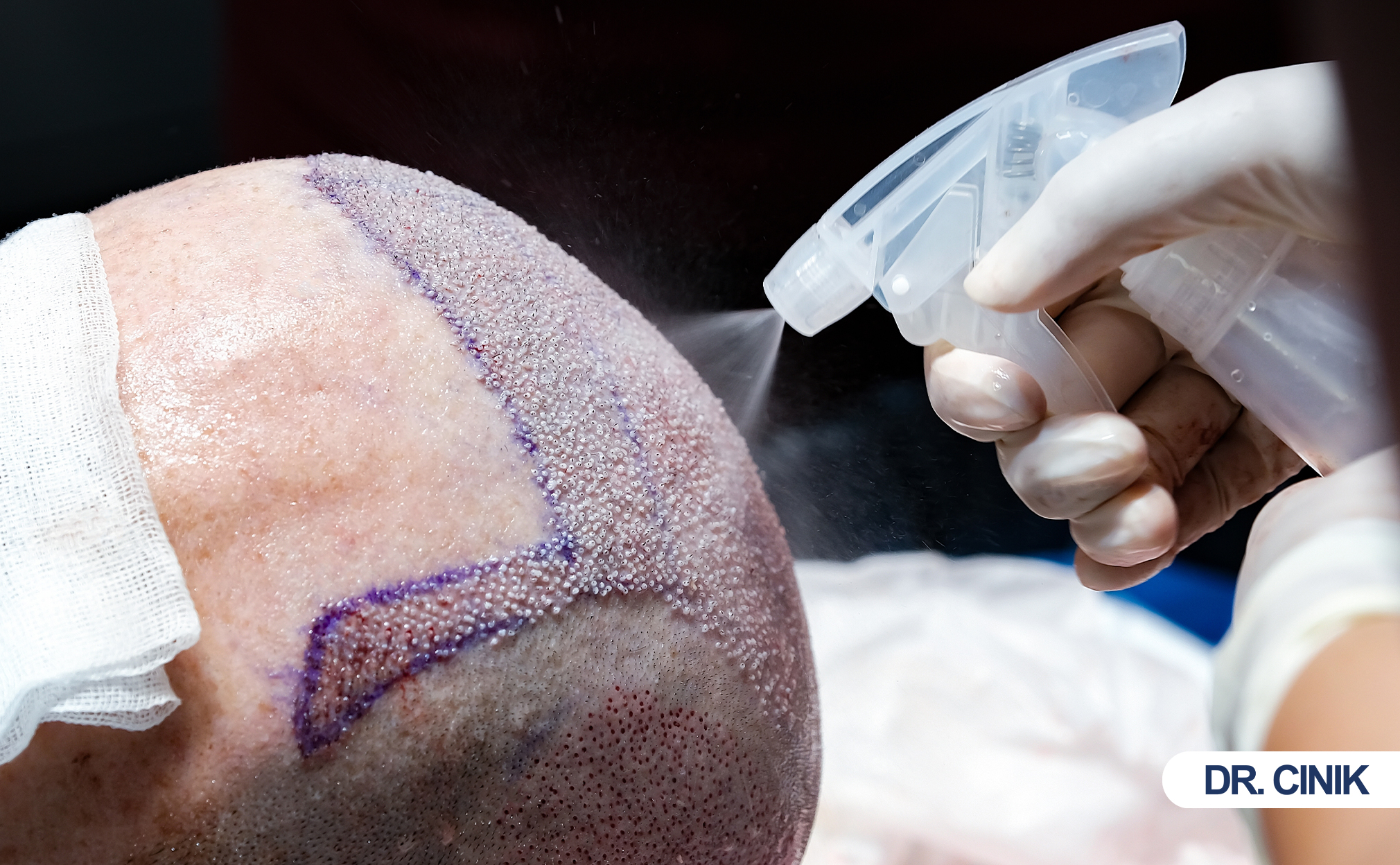
Treatment depends on severity. Mild cases need home care. Moderate cases need medicine. Severe cases need clinical intervention. Patients should not self-diagnose. They should seek professional guidance.
What Home Care Helps Mild Folliculitis?
Patients can treat mild folliculitis at home. Gentle scalp washing removes debris. Warm compresses reduce pain and draw out pus. Patients should apply a clean, warm cloth for ten minutes. They must avoid picking or scratching. Picking introduces bacteria. It also dislodges grafts. These simple steps resolve many cases. Patients should wash twice daily during active folliculitis. They should use lukewarm water. They should avoid direct shower pressure on grafts. Patience and gentleness work best (Garg and Garg 2009).
What Medicated Treatments Do Doctors Prescribe?
Doctors prescribe several medicated treatments. Topical antibiotics like mupirocin kill surface bacteria. Oral antibiotics like cephalexin treat deeper infection. Antiseptic cleansers reduce bacterial load. Doctors sometimes recommend chlorhexidine washes. Corticosteroid creams reduce inflammation. Steroid injections treat stubborn sterile folliculitis. Doctors choose treatments based on culture results. They consider the patient’s medical history. They avoid drugs that interact with existing conditions. They monitor for side effects. This personalized approach cures most cases (Bhatia 2013).
|
Treatment |
Use Case |
Typical Duration |
|
Topical antibiotics |
Mild bacterial cases |
7–10 days |
|
Oral antibiotics |
Moderate to severe cases |
10–14 days |
|
Antiseptic cleansers |
Prevention and mild cases |
Ongoing as directed |
|
Corticosteroid creams |
Sterile inflammation |
5–7 days |
|
Steroid injections |
Recurrent sterile bumps |
Single session |
|
Warm compresses |
Mild cases with tenderness |
Until resolution |
What Professional Clinical Treatments Are Available?
Clinics offer advanced treatments. Doctors drain large pustules with sterile needles. This releases pressure and pain. Laser therapy reduces inflammation. Light-based treatments kill bacteria. Culture-guided therapy targets resistant infections. Doctors send pus samples to labs. Labs identify the bacteria. Doctors then select the exact antibiotic needed. This precision cures resistant cases. Some clinics offer photodynamic therapy. This combines light and photosensitizing agents. It destroys bacteria deep in follicles. These advanced options help difficult cases (Rose 2011).
How Do Doctors Manage Sterile Folliculitis?
Sterile folliculitis lacks bacteria. Antibiotics do not help. Doctors use anti-inflammatory approaches. They prescribe corticosteroid creams. They sometimes inject steroids directly into lesions. Observation also works. Many cases resolve without medicine. Doctors monitor these patients closely. They ensure the condition does not progress. They differentiate sterile from bacterial cases carefully. Wrong treatment wastes time. It may worsen the condition. Proper diagnosis guides effective care.
What Treatments Help Chronic or Recurrent Cases?
Chronic folliculitis needs long-term management. Dermatologists evaluate the scalp thoroughly. They look for underlying diseases. They may prescribe oral retinoids for severe cases. They adjust hair care routines. They treat concurrent scalp conditions. Patients need patience. These cases take months to stabilize. Most patients eventually recover fully. Dermatologists may recommend low-dose maintenance therapy. They schedule regular follow-ups. They prevent flare-ups through ongoing care (Trueb 2003).
How Can Patients Prevent Folliculitis After Hair Transplant?
Prevention works better than treatment. Patients control many risk factors. Good habits protect grafts and scalp health. Prevention starts before surgery. It continues for months after.
Why Should Patients Follow Aftercare Instructions?
Surgeons design aftercare instructions carefully. They base them on clinical evidence. Proper washing removes crusts before they block follicles. Medication adherence prevents infection. Patients should read instructions before surgery. They should ask questions. They should follow every step exactly. This discipline prevents most folliculitis cases. Patients should create a recovery checklist. They should prepare supplies in advance. They should arrange help for the first few days. Good preparation supports compliance (Unger 2011).
How Important Is Scalp Hygiene?
Scalp hygiene prevents bacterial growth. Patients must keep the graft area clean. They should wash gently starting on day two or three. They should use surgeon-approved shampoos. They should rinse thoroughly. They should avoid scrubbing. Clean scalps resist infection. They also heal faster. Patients should change pillowcases frequently. They should use clean towels. They should avoid hats that trap heat. Hygiene extends beyond washing. It encompasses the entire recovery environment.
Should Patients Avoid Sweating Early On?
Patients should avoid heavy sweating for ten to fourteen days. Sweat contains salt and bacteria. It irritates fresh grafts. Patients should skip intense workouts. They should avoid hot tubs and saunas. They should sleep in cool rooms. These precautions reduce inflammation significantly. Light walking is acceptable. Patients should stop if they feel overheated. They should dry the scalp immediately after any light activity. This protects grafts during critical early healing.
Why Must Patients Avoid Touching Grafts?
Hands carry bacteria and oils. Touching grafts transfers these contaminants. Scratching opens healing sites. It dislodges grafts. Patients should touch the scalp only during washing. They should use clean hands. They should pat dry gently. This simple rule prevents many infections. Patients should trim their nails short. This reduces damage if they scratch unconsciously. They should wear loose clothing. Tight collars rub against the donor area. They should avoid headphones that press on grafts. Every touch carries risk.
What Hair Products Should Patients Use?
Patients should use only recommended products. Harsh shampoos strip natural oils. This triggers excess sebum production. Styling products clog follicles. Patients should avoid gels, sprays, and waxes for one month. They should choose mild, fragrance-free cleansers. Surgeons often provide specific product names. These products support healing. Patients should avoid dyes or chemical treatments for three months. These irritants inflame healing follicles. They increase folliculitis risk unnecessarily.
Why Are Follow-Up Appointments Essential?
Follow-up appointments catch problems early. Surgeons inspect the scalp at key intervals. They spot folliculitis before patients notice it. They adjust care plans. They prescribe medicine promptly. Patients should attend every scheduled visit. They should report concerns between visits. This partnership ensures the best outcome. Telemedicine options help patients who travel far. They can send photos for review. This maintains continuity of care. Early detection remains the best protection (Bernstein and Rassman 2005).
Does Clinic Choice Affect Folliculitis Risk?
Clinic choice affects folliculitis risk directly. Experienced surgeons use sterile techniques. They handle grafts gently. They space implants correctly. They provide thorough aftercare instructions. They use quality instruments. They maintain clean facilities. Patients should research clinics carefully. They should choose board-certified surgeons. This decision prevents complications before they start. Patients should ask about infection rates. They should verify accreditation. They should read independent reviews. Quality clinics prioritize patient safety above speed (Rose 2011).
What Complications Can Untreated Folliculitis Cause?
Untreated folliculitis sometimes causes serious problems. Patients should never ignore persistent symptoms. Complications range from minor to severe.
Can Folliculitis Damage Grafts?
Chronic inflammation damages grafts. It reduces blood flow to the follicle. It creates a toxic environment. The graft may fail to grow. This causes permanent hair loss in that spot. Early treatment prevents this outcome. Most patients never reach this stage. One or two affected grafts do not ruin the result. Widespread damage affects the aesthetic outcome. Patients should treat every bump seriously. They protect their investment through vigilance.
Does Folliculitis Cause Scarring?
Severe folliculitis leaves scars. Deep infection destroys tissue. The body replaces it with fibrous tissue. This creates small bald patches. It also changes scalp texture. Keloid scars form in some patients. These scars prevent future transplants in that area. Prevention and early care avoid scarring. Patients with keloid history should inform their surgeon. They need special precautions. Scarred areas lose hair permanently. They also look different from surrounding skin.
Can Abscesses Form From Folliculitis?
Deep bacterial infections form abscesses. These are pockets of pus beneath the skin. They feel warm and fluctuant. They cause significant pain. Doctors must drain them surgically. Abscesses threaten multiple grafts. They require oral antibiotics. They represent a serious complication. Patients should never wait for abscesses to drain naturally. Surgical drainage prevents spread. It also reduces scarring. Abscesses need immediate medical attention.
Can Folliculitis Lead to Chronic Scalp Conditions?
Rare cases progress to folliculitis decalvans. This chronic disease destroys follicles permanently. It causes scarring hair loss. It requires long-term dermatologic treatment. Other patients develop chronic folliculitis. This condition returns repeatedly. Both need specialist care. Early treatment of post-transplant folliculitis prevents these progressions. Patients with recurring bumps need dermatology referral. They may need scalp biopsies. They may need immunosuppressive therapy. These measures control chronic disease (Trueb 2003).
What Psychological Impact Can Folliculitis Have?
Folliculitis causes anxiety. Patients worry about graft survival. They fear permanent damage. They feel self-conscious about visible bumps. This stress slows healing. Patients should communicate with their surgeon. Reassurance helps. Successful treatment restores confidence. Support groups provide emotional relief. Patients should share concerns openly. They should not suffer in silence. Mental health supports physical recovery.
Does Folliculitis Risk Differ Between FUE and FUT?
Surgical technique influences folliculitis patterns. FUE and FUT create different healing environments. Patients should understand these differences.
How Do FUE and FUT Techniques Differ?
FUE extracts individual follicles. Surgeons use tiny punches. They create scattered donor wounds. They implant grafts into recipient sites. FUT removes a strip of scalp. Surgeons dissect this strip into grafts. They close the donor area with sutures. Both methods place grafts in the recipient area. The implantation step matters most for folliculitis. FUE leaves tiny round scars. FUT leaves one linear scar. Healing differs between the two. FUE patients heal faster in the donor area. FUT patients manage one long incision (Bernstein and Rassman 2005).
Which Method Carries Higher Folliculitis Risk?
Studies show similar folliculitis rates. FUE creates many small punctures. These heal quickly. However, poor extraction angles traumatize follicles. FUT creates one linear scar. The sutured area heals differently. Recipient area folliculitis occurs equally in both methods. The surgeon’s skill matters more than the method. Skilled surgeons minimize trauma in either technique. Patients should focus on surgeon experience. They should not choose a method solely based on folliculitis risk. Both FUE and FUT produce excellent results in expert hands (Avram and Rogers 2010).
Does Sapphire FUE Reduce Folliculitis Risk?
Sapphire FUE uses blades made from sapphire crystal. These blades create sharper, cleaner incisions. Clean cuts heal faster. They cause less tissue trauma. Some clinics claim lower folliculitis rates. Clinical studies remain limited. The logic supports the claim. Sharper tools reduce inflammation. However, surgeon skill still dominates outcomes. Sapphire blades help. They do not replace expertise. Patients should ask about tool quality. They should also verify surgeon credentials. Technology complements skill. It does not substitute for it (Jimenez and Ruifernandez 1999).
Can Folliculitis Cause Hair Loss After Transplant?
Patients fear hair loss from folliculitis. This fear is understandable. Most cases do not cause permanent loss. Patients should learn the difference between temporary and permanent problems.
What Is the Difference Between Temporary Shedding and Permanent Loss?
Temporary shedding occurs when inflammation shocks the graft. The hair shaft falls out. The follicle remains alive. New hair regrows later. Permanent loss means the follicle dies. Chronic inflammation or deep infection causes this. Doctors can usually prevent permanent loss. They intervene early. Patients should monitor their scalp. They should not panic if they see shedding. Shock loss is common even without folliculitis. It reverses naturally (Unger 2011).
When Does Hair Regrow After Folliculitis?
Hair regrows after inflammation resolves. This takes one to three months. The follicle enters a new growth cycle. Patients see fine hairs first. These thicken over time. Regrowth follows the normal transplant timeline. Folliculitis may delay growth slightly. It rarely stops it completely. Patients should continue normal care. They should not over-treat the area. They should trust the healing process. Full density returns within twelve months.
Which Cases Require Medical Attention?
Patients should seek help for persistent pustules. Scarring signs need immediate care. Spreading redness signals infection. Fever indicates systemic involvement. Pain that worsens instead of improving needs evaluation. These cases threaten grafts. Doctors act quickly to save them. Patients should not wait for weekend clinics. They should call emergency lines if needed. Rapid response prevents permanent damage (Bhatia 2013).
When Should Patients Contact Their Hair Transplant Surgeon?
Communication prevents complications. Patients should know when to call. They should maintain open lines with their clinic.
What Warning Signs Must Patients Never Ignore?
Patients must never ignore severe pain. They must report spreading infection. Fever always requires a call. Persistent pus beyond one week needs antibiotics. Rapid swelling suggests an abscess. These signs indicate serious problems. Early contact saves grafts. It also prevents scarring. Patients should keep their surgeon’s number accessible. They should save it in multiple places. They should not feel embarrassed to call. Surgeons expect post-operative questions.
What Counts as an Emergency Situation?
Emergency situations threaten overall health. Rapid swelling across the scalp counts as an emergency. Extensive redness with fever needs urgent care. Foul-smelling drainage suggests serious infection. Difficulty breathing or facial swelling signals a rare allergic reaction. Patients should seek emergency care for these signs. They should call their surgeon immediately after. Emergency rooms can stabilize patients. Surgeons provide follow-up care. Coordination between emergency staff and surgeons ensures continuity.
Why Does Early Intervention Matter?
Early intervention stops minor problems from becoming major ones. A small pustule responds to topical cream. An abscess needs surgery. Early antibiotics cure simple infections. Late antibiotics fight established disease. Every day of delay increases risk. Patients should err on the side of caution. They should call with any concern. Surgeons prefer early calls. They can reassure patients or treat problems. Both outcomes beat delayed emergency visits (Parsley and Perez-Meza 2004).
Frequently Asked Questions About Folliculitis After Hair Transplant
Patients ask many questions about folliculitis. Here are the most common ones. These answers supplement the detailed sections above.
Is folliculitis normal after hair transplant?
Yes, mild folliculitis is common. It affects up to 10% of patients. It usually resolves quickly. It does not mean the surgery failed.
How long does folliculitis last after FUE?
Simple cases last one to two weeks. Treated cases clear faster. Chronic cases persist longer. Most FUE patients recover fully.
Can folliculitis damage transplanted grafts?
Mild cases do not damage grafts. Severe untreated cases can compromise them. Early treatment prevents this.
Should I pop pimples after hair transplant?
No, never pop pimples. Popping introduces bacteria. It also dislodges grafts. It increases scarring risk.
Is folliculitis contagious?
No, folliculitis is not contagious. It stays localized to your scalp. Others cannot catch it.
Can dandruff cause folliculitis after transplant?
Dandruff irritates the scalp. It may contribute to inflammation. It does not directly cause folliculitis. Proper dandruff control helps overall scalp health.
Does folliculitis mean my grafts failed?
No, folliculitis does not mean graft failure. Most grafts survive despite bumps. The inflammation affects the surface. The root stays intact.
Can I exercise if I have folliculitis?
No, avoid exercise until folliculitis clears. Sweating worsens the condition. Wait for your surgeon’s approval.
Which shampoo helps folliculitis after hair transplant?
Surgeons recommend mild, antimicrobial shampoos. Chlorhexidine-based cleansers help. Patients should follow their surgeon’s specific advice. They should avoid harsh chemicals.
Can folliculitis come back months later?
Yes, delayed folliculitis appears during regrowth. It usually involves ingrown hairs. Proper monitoring catches it early.
What Is the Final Outlook for Patients With Folliculitis After Hair Transplant?
Folliculitis after hair transplant usually stays mild. Doctors treat it successfully. Early diagnosis protects graft survival. Proper aftercare prevents most cases. Patients recover fully in almost all situations. Final hair transplant results remain excellent. Patients should choose experienced surgeons. They should maintain scalp hygiene. They should report symptoms early. These simple steps ensure the best possible outcome. Folliculitis represents a manageable bump in the road. It does not define the final result. With knowledge and prompt care, patients move past it quickly. Their new hair grows as planned. Confidence returns. The journey ends successfully (Unger 2011; Bernstein and Rassman 2005).
References
Avram, Marc R., and Nicole Rogers. “Follicular Unit Extraction: The Evolution of Hair TransplantationHair transplantation is a surgical procedure that involves the extraction of hair follicles from a designated donor site, followed by....” Dermatologic Surgery, vol. 36, no. 9, 2010, pp. 1363–1370.
Bernstein, Robert M., and William R. Rassman. “The Logic of Follicular Unit Transplantation.” Dermatologic Clinics, vol. 23, no. 2, 2005, pp. 275–287.
Bhatia, Aman C. “Complications in Hair Restoration Surgery.” Facial Plastic Surgery Clinics of North America, vol. 21, no. 4, 2013, pp. 633–642.
Garg, Anil K., and Seema Garg. “Donor Harvesting: Technical Considerations in Hair Restoration.” Journal of Cutaneous and Aesthetic Surgery, vol. 2, no. 2, 2009, pp. 81–86.
Jimenez, Francisco, and Jose M. Ruifernandez. “Distribution of Human Hair Follicles.” Archives of Dermatology, vol. 135, no. 7, 1999, pp. 855–860.
Parsley, William M., and David Perez-Meza. “Review of Factors in Surgical Complications.” Facial Plastic Surgery Clinics of North America, vol. 12, no. 2, 2004, pp. 219–228.
Rose, Paul T. “Hair Restoration Surgery: Challenges and Solutions.” Aesthetic Surgery Journal, vol. 31, no. 7, 2011, pp. 778–785.
Trueb, Ralph M. “Systematic Approach to Hair Loss.” Journal of Investigative Dermatology Symposium Proceedings, vol. 8, no. 1, 2003, pp. 71–78.
Unger, Walter P., and Ronald Shapiro. Hair Transplantation. 5th ed., Informa Healthcare, 2011.