What Is the True Scale of Hair Loss Worldwide?
Doctors diagnose androgenetic alopecia in 50% of men by age 50 and in 40% of women by age 70. This condition affects hundreds of millions globally.
Hair loss represents one of the most common dermatological complaints worldwide. Researchers estimate that androgenetic alopecia impacts approximately 50 million men and 30 million women in the United States alone (Harrison et al., 2021). Men typically notice receding hairlines and vertex thinning, while women experience diffuse thinning across the crown.
Genetic factors drive this condition. Scientists have identified specific gene variants that increase susceptibility to dihydrotestosterone (DHT). This hormone binds to follicle receptors and progressively miniaturizes hair shafts. Family history remains the strongest predictor. If your father experienced early balding, your risk increases significantly.
The psychological toll exceeds mere cosmetic concern. Studies demonstrate that hair loss correlates with decreased self-esteem, social anxiety, and reduced quality of life (Cartwright et al., 2004). Patients report feeling less attractive and less confident in professional settings. This emotional burden fuels the growing demand for effective restoration solutions.
Researchers continue uncovering additional triggers. Stress hormones, nutritional deficiencies, and autoimmune responses contribute to various alopecia types. However, androgenetic alopecia dominates clinical practice. Understanding this epidemiology helps patients set realistic expectations for treatment outcomes.
How Has Hair Restoration Technology Evolved Over Time?
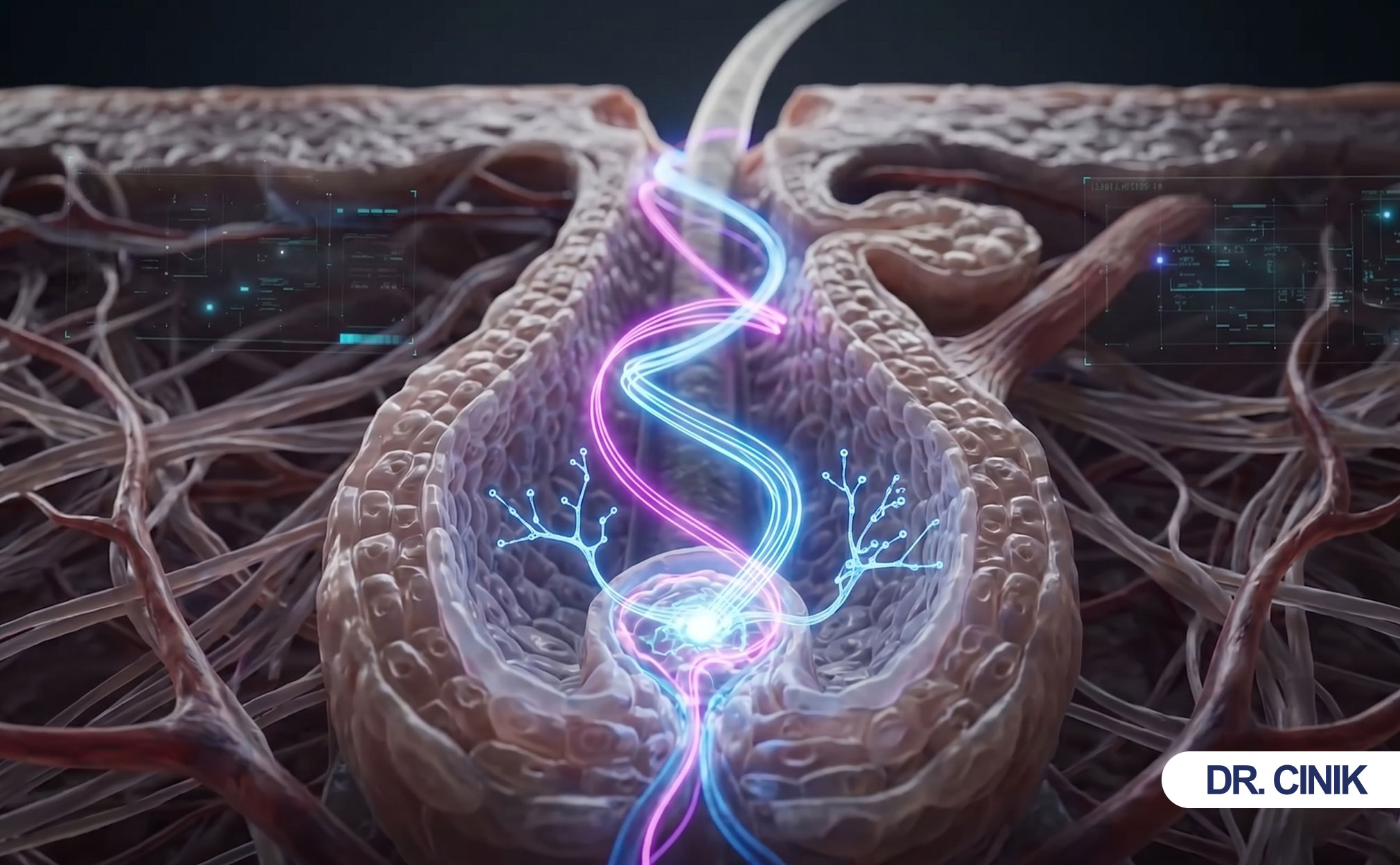
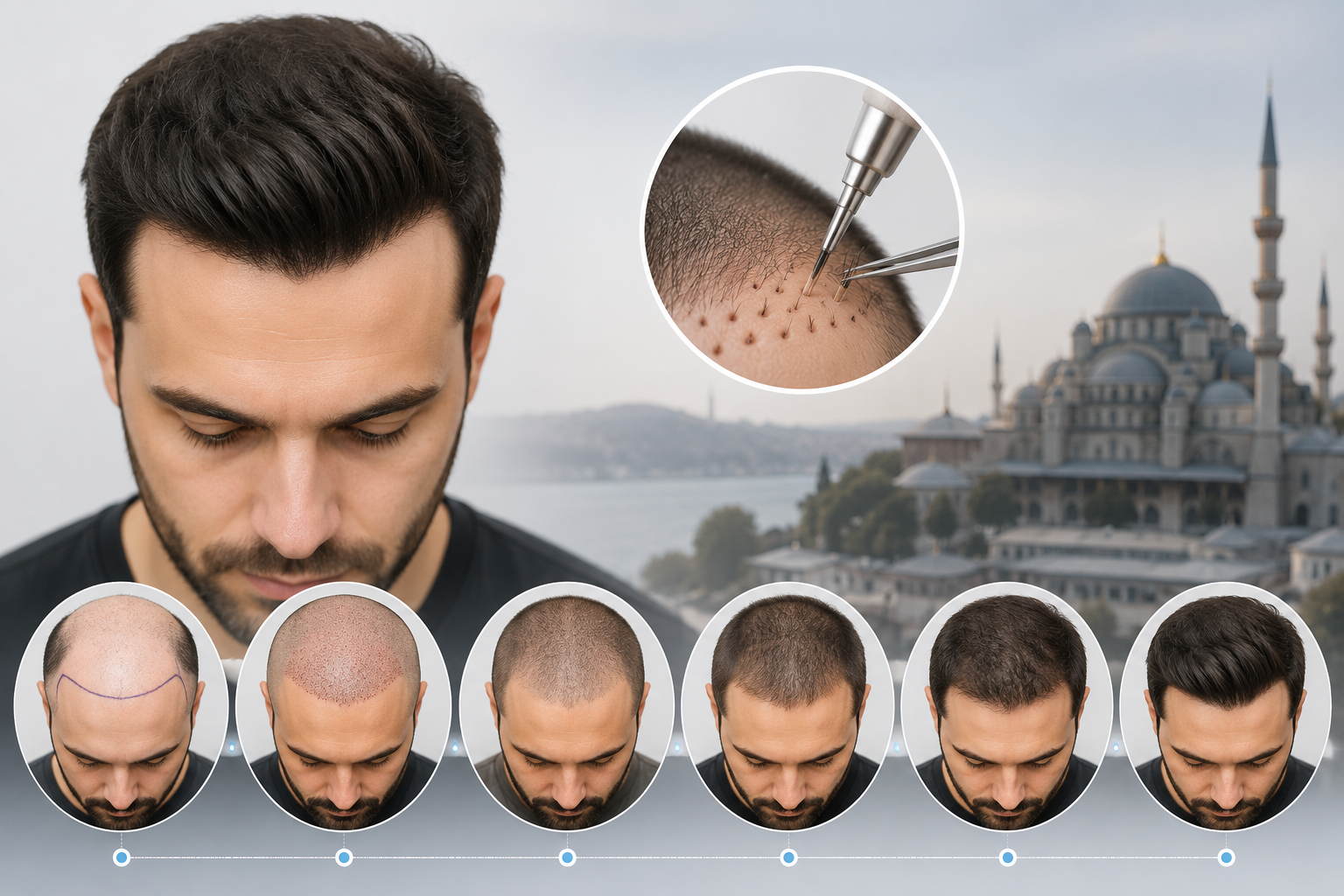
Surgeons progressed from obvious plug grafts in the 1950s to refined FUE and DHI techniques today. Modern procedures produce natural, undetectable results.
The history of hair restoration reveals dramatic technological leaps. Early practitioners performed punch grafts using 4-millimeter plugs. These procedures created doll-like, unnatural patterns. Patients suffered visible scarring and limited styling options.
Follicular Unit Transplantation (FUT) revolutionized the field in the 1990s. Surgeons removed a thin strip of scalp from the donor areaThe Source of Restoration The donor area plays a critical role in hair transplantation, as it serves as the source... and dissected it into individual follicular units. This approach improved density and naturalness. However, FUT left linear scars. Patients with short hair could not hide these marks easily.
Follicular Unit Extraction (FUE) emerged in the early 2000s. Physicians extracted individual grafts directly from the scalp using tiny punches. This eliminated linear scarring and reduced recovery time. FUE quickly became the preferred method for active individuals and those favoring short ha
irstyles.
Direct Hair Implantation (DHI) refined FUE further. Specialists used implanter pens to control angle, depth, and direction precisely. This technique maximized graft survival and density. Modern clinics now combine robotic assistance with manual artistry.
The industry currently explores regenerative frontiers. Scientists investigate stem cell therapies, platelet-rich plasma, and tissue engineering. These approaches aim to supplement or replace traditional surgery. However, transplantation remains the gold standard for reliable, permanent results.
What Drives Patient Search Behavior for Hair Restoration?
Patients search for educational content, comparison guides, and treatment recommendations. Search patterns reveal three distinct intent stages.
Modern patients research extensively before contacting clinics. Search engines capture this journey through distinct query types. Understanding these patterns helps deliver relevant information.
Informational queries dominate early research. Patients type “what is hair cloningHair cloning is an emerging technique in hair restoration that aims to multiply hair follicle cells in a laboratory before...?” or “how does hair transplant work?” They seek foundational knowledge. These searchers are not ready for procedures. They want definitions, mechanisms, and basic suitability criteria.
Comparative queries emerge during active consideration. Users search “hair cloning vs hair transplant” or “FUE vs DHI results.” They weigh options and evaluate trade-offs. These patients compare costs, recovery times, and success rates across different methods.
Decision-stage queries signal purchase intent. Searchers ask “best hair restoration treatment 2026” or “top hair transplant clinic near me.” They have narrowed options and seek specific providers or booking information.
Content creators must address all three stages. Educational content builds trust. Comparison pages guide decisions. Service pages capture conversions. Semantic SEO clusters related concepts together. Search engines now understand topic relationships beyond individual keywords.
What Is Hair TransplantationHair transplantation is a surgical procedure that involves the extraction of hair follicles from a designated donor site, followed by...?
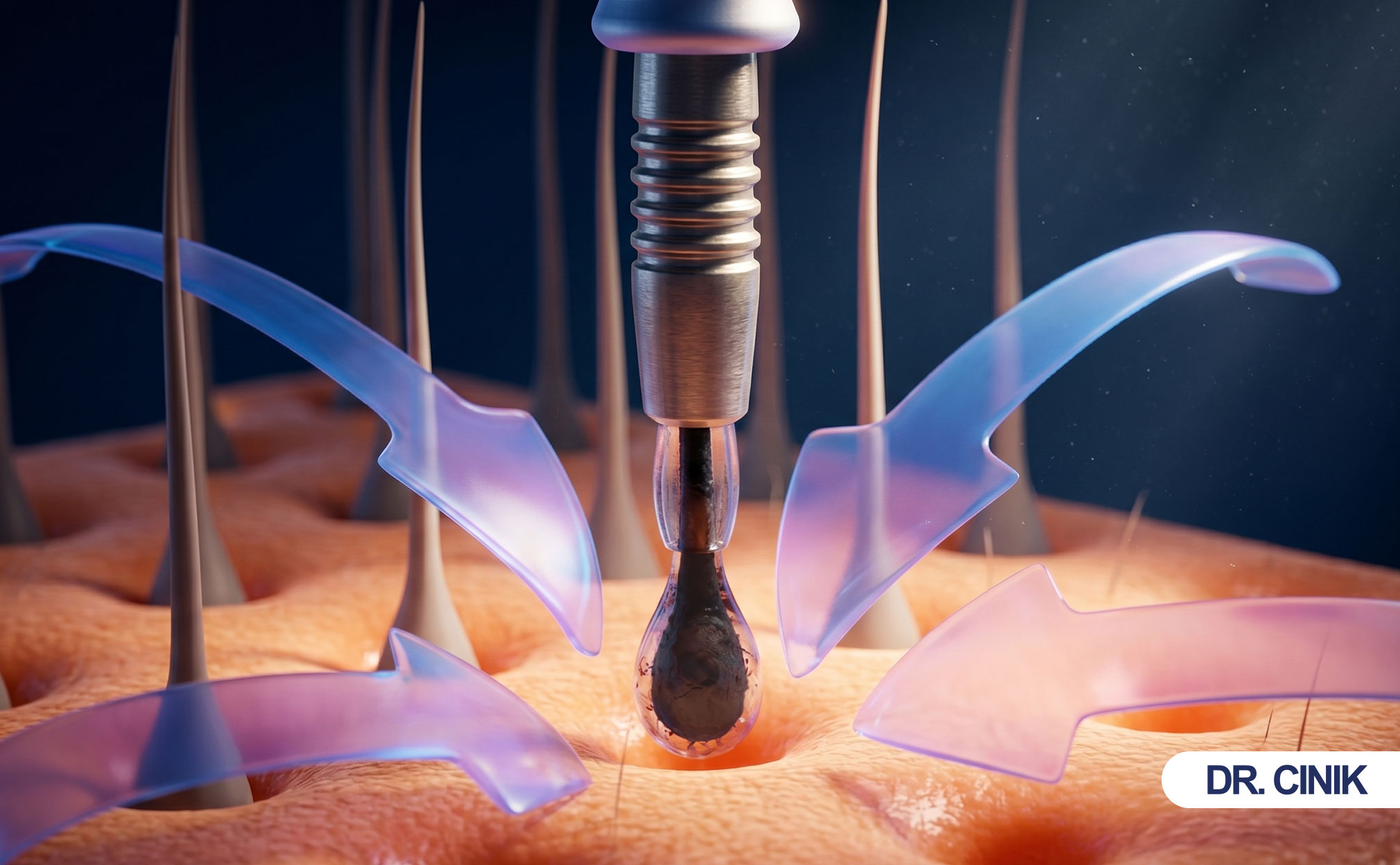
Hair transplantation moves genetically resistant follicles from donor areas to balding regions. These relocated hairs continue growing permanently.
How Do Surgeons Define Hair Transplantation Scientifically?
Doctors define it as the surgical redistribution of androgen-insensitive follicular units from safe donor zones to recipient sites.
Hair transplantation relies on a simple biological principle. Hair follicles from the back and sides of the scalp resist DHT destruction. Surgeons relocate these resistant follicles to thinning areas. The transplanted hairs maintain their genetic immunity. They continue growing normally in the new location.
This concept of “donor dominance” emerged in the 1950s. Dr. Norman Orentreich demonstrated that moved follicles retained their original characteristics (Orentreich, 1959). This discovery established the scientific foundation for all modern transplant techniques.
The procedure does not create new hair. It redistributes existing hair strategically. Surgeons must plan patterns carefully. They account for future hair loss progression. A well-designed hairline serves patients for decades.
Which Techniques Do Surgeons Use Today?
Surgeons primarily use FUE and DHI. Each method offers distinct advantages for different patient profiles.
Follicular Unit Extraction (FUE)A Breakthrough in Hair Transplantation Follicular Unit Extraction (FUE) has revolutionized the field of hair transplantation, offering a minimally invasive... remains the most popular method worldwide. Physicians use micro-punches measuring 0.7 to 1.0 millimeters. They extract individual follicular units one by one. This leaves tiny dot scars that heal invisibly. Patients resume normal activities within days. Most men prefer FUE because they can maintain short hairstyles without visible scarring.
Direct Hair Implantation (DHI) utilizes specialized implanter pens. Surgeons load grafts into hollow needles. They insert these directly into the scalp without prior incision-making. This technique offers precise control over depth, angle, and direction. DHI typically produces higher density in targeted zones. However, it requires extensive experience and takes longer to perform.
|
Technique |
Extraction Method |
Scarring |
Recovery Time |
Best For |
|
FUE |
Individual punches |
Minimal dot scars |
5-7 days |
Short hairstyles, small sessions |
|
DHI |
Individual punches with implanter |
Minimal dot scars |
5-7 days |
High density, precise hairlines |
How Does the Biological Mechanism Ensure Success?
Donor dominance preserves follicle integrity. Surgeons maintain growth cycle synchronization and vascular supply during transfer.
The biological mechanism hinges on follicular unit integrity. Each unit contains 1 to 4 hairs with associated sebaceous glands, nerves, and blood vessels. Surgeons must preserve this structure during extraction and placement.
Hair growth cycles include anagen (growth), catagen (transition), and telogen (resting). Transplanted follicles temporarily shed after surgery. This “shock loss” frightens patients. However, the follicles remain alive beneath the skin. They re-enter anagen within 3 to 4 months.
Angiogenesis supports graft survival. New blood vessels connect to transplanted follicles within days. Proper hydration and oxygen delivery prevent graft death. This explains why surgical technique directly impacts outcomes. Rough handling damages delicate dermal papilla cells.
What Clinical Outcomes Can Patients Expect?
Patients achieve 90% to 98% graft survival. Results appear permanent and natural when surgeons execute procedures properly.
Clinical studies consistently report high success rates. A meta-analysis of FUE procedures documented 95.1% mean graft survival (Rashid et al., 2021). Patient satisfaction scores exceed 90% in most published series.
Results emerge gradually. Transplanted hairs shed within 2 to 3 weeks. New growth begins at month 3. Visible density improves between months 6 and 9. Full results mature at 12 to 18 months post-surgery.
The permanence attracts many patients. Unlike medications requiring daily adherence, transplanted hair grows independently. Patients style, cut, and color it normally. This one-time investment appeals to busy professionals.
What Limitations Should Patients Understand?
Donor hair remains finite. Surgeons cannot restore full density in advanced baldness. The procedure requires surgery and recovery time.
Every patient possesses limited donor reserves. The average donor area contains approximately 6,000 to 8,000 transferable grafts. Severely bald patients may lack sufficient grafts for full coverage. Surgeons must prioritize areas strategically.
Density constraints present another challenge. Natural scalp density ranges from 80 to 100 follicular units per square centimeter. Transplantation achieves 30 to 50 units per square centimeter in a single session. Multiple sessions improve density but deplete donor reserves faster.
The surgical nature involves risks. Infection, bleeding, and scarring occur rarely but remain possible. Patients need 5 to 10 days of social downtime. Swelling and crusting are normal during early recovery.
What Is Hair Cloning?
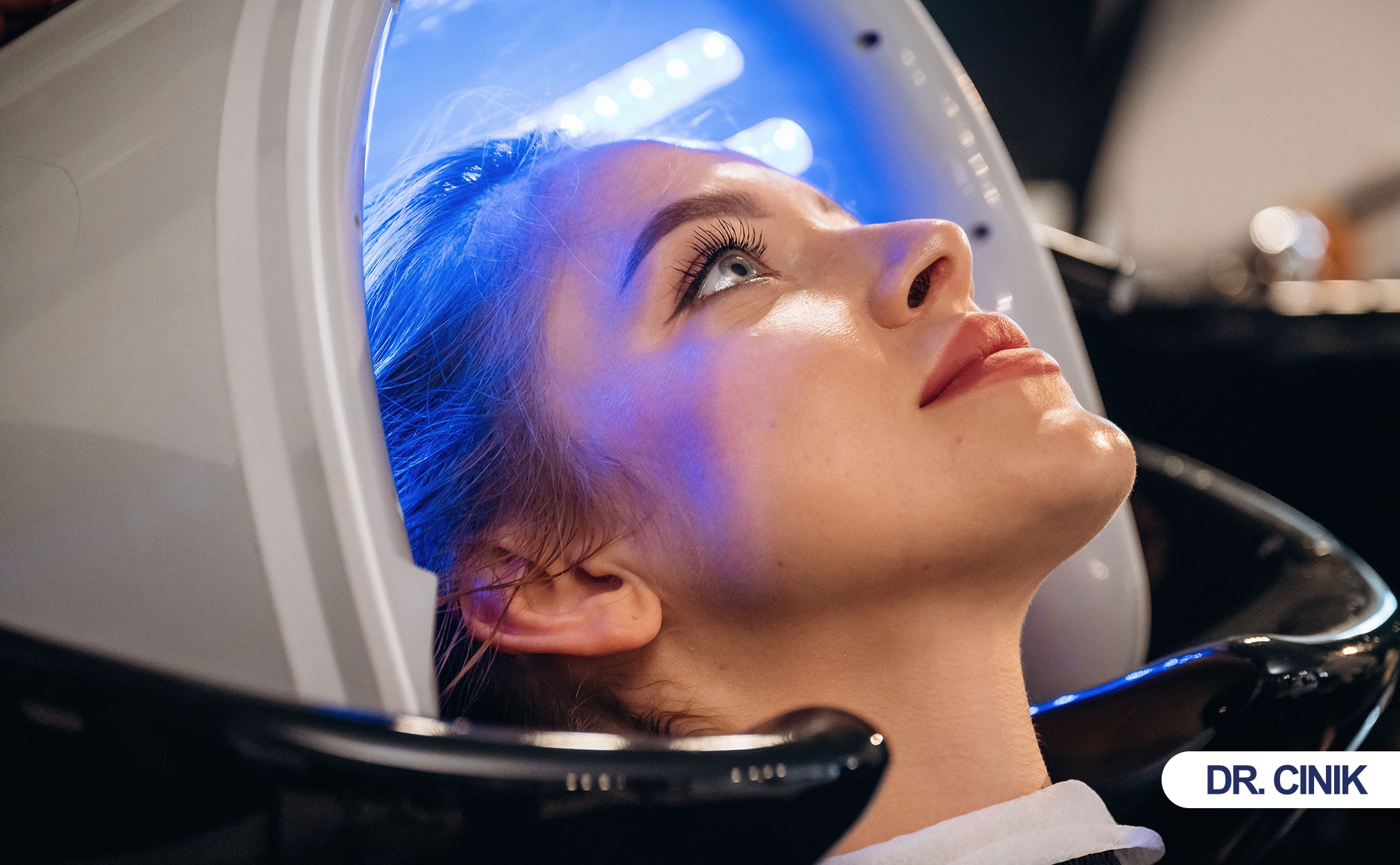
Hair cloning aims to grow new follicles from cultured cells in laboratories. Scientists hope this technique will create unlimited hair supplies.
How Do Scientists Define Hair Cloning?
Researchers define hair cloning as cell-based therapy that multiplies dermal papilla cells to generate entirely new hair follicles.
True hair cloning differs fundamentally from transplantation. Scientists extract cells from existing follicles. They multiply these cells in laboratory cultures. Finally, they inject expanded cell populations into balding scalp. The goal involves inducing entirely new follicle formation.
This process belongs to regenerative medicine. It treats hair loss at the cellular level. Instead of moving existing hairs, cloning creates new ones. The theoretical supply is unlimited. A small biopsy could yield millions of cells.
Current research focuses on dermal papilla cells. These specialized fibroblasts reside at the follicle base. They signal surrounding epithelial cells to initiate hair growth. Scientists believe these cells hold the key to follicular regeneration.
How Does Hair Cloning Differ from Hair Multiplication?
Cloning creates new follicles from cells. Multiplication splits existing follicles into smaller units. These terms are not interchangeable.
Marketing materials often confuse these concepts. Hair cloning involves cellular engineering. Scientists manipulate dermal papilla cells outside the body. They reintroduce these cells to stimulate brand-new follicles.
Hair multiplication (or follicle splitting) divides existing follicles. Surgeons cut a single follicular unit into sub-units. Each piece potentially regenerates into a complete follicle. This remains a surgical technique, not cellular therapy.
The distinction matters for patients. Hair multiplication stays within current surgical capabilities. Hair cloning requires advanced biotechnology. Media reports and clinic advertisements sometimes blur these boundaries.
What Biological Principles Underpin Hair Cloning?
Dermal papilla cells interact with epithelial stem cells to trigger follicle formation. Scientists must recreate this complex signaling in vitro.
Hair follicles represent mini-organs with intricate biology. The dermal papilla sits at the follicle base. It contains mesenchymal cells that secrete growth factors. These signals instruct epithelial cells to proliferate and differentiate.
Epithelial-mesenchymal interactions drive follicle development. During embryogenesis, dermal cells first aggregate. They then signal overlying epidermis to form hair placodes. This coordination produces complete follicle structures.
Adult follicles retain regenerative capacity. The bulge region houses epithelial stem cells. These cells replenish the follicle during normal cycling. However, separated dermal papilla cells lose their inductive properties in culture. Scientists struggle to maintain their follicle-forming ability outside the body (Higgins et al., 2013).
Follicular neogenesis faces additional hurdles. New follicles must establish proper orientation, cycling patterns, and pigmentation. They must connect to blood vessels and nerves. Simply injecting dermal papilla cells does not guarantee organized follicle structures.
What Laboratory Steps Does Hair Cloning Require?
Scientists perform biopsy, cell isolation, culture expansion, and re-implantation. Each step presents technical challenges.
The laboratory process begins with a small scalp biopsy. Surgeons remove a few follicles under local anesthesiaEnsuring Comfort During Hair Transplants Sedation is used in hair transplantation to help patients remain calm and comfortable throughout the.... Technicians then dissect these follicles microscopically. They isolate dermal papilla cells from the bulb region.
Next comes cell culture. Technicians place cells in nutrient media containing growth factors. Cells divide and multiply over several weeks. A small sample expands into millions of cells. Quality control checks ensure sterility and viability.
The final step involves re-implantation. Scientists suspend cultured cells in solution. Physicians inject this solution into balding scalp areas. The hope is that these cells will reorganize and induce new follicle growth.
Current protocols yield inconsistent results. Some cells lose their inductive capacity during culture. Others fail to properly interact with host tissue. The microenvironment must support angiogenesis and immune tolerance.
What Are the Key Differences Between Hair Cloning and Hair Transplant?
Transplants redistribute existing hair immediately. Cloning aims to create new hair but remains experimental. Transplants offer proven results today.
How Do These Treatments Compare Directly?
Transplants use existing donor follicles. Cloning uses lab-expanded cells. Transplants work now. Cloning might work in the future.
|
Feature |
Hair Transplant |
Hair Cloning |
|
Follicle source |
Existing donor hair |
Laboratory-expanded cells |
|
Donor dependency |
Required |
Potentially unlimited |
|
Availability |
Widely available globally |
Experimental only |
|
Predictability |
High, decades of data |
Uncertain, early research |
|
Evidence base |
Strong clinical data |
Limited human studies |
|
Cost structure |
Standardized by region |
Likely high initially |
|
Recovery time |
5-14 days |
Unknown |
|
Permanence |
Proven permanent |
Unproven |
|
Scarring |
Minimal with FUE |
None projected |
|
Number of sessions |
1-3 typically |
Unknown |
This comparison reveals the current reality. Hair transplantation offers immediate, reliable solutions. Hair cloning promises future possibilities but lacks clinical validation. Patients making decisions today should understand this fundamental distinction.
How Do Mechanisms Differ Between Transplantation and Cloning?
Transplants physically relocate intact mini-organs. Cloning attempts to signal the body to grow new mini-organs from cells.
How Does Transplantation Mechanism Function?
Surgeons move complete follicular units with intact structure. These units immediately begin establishing blood supply in new locations.
The transplantation mechanism relies on intact tissue transfer. Surgeons extract complete follicular units. These units contain all necessary cellular components. They include dermal papilla, epithelial sheath, sebaceous gland, and erector pili muscle attachments.
Immediate integration occurs after placement. The graft sits in recipient sites within hours. Platelets aggregate and form temporary clotting. Inflammatory cells arrive to clear debris. Fibroblasts begin laying collagenA structural protein found in the skin and other connective tissues, which is responsible for skin firmness and elasticity.... framework.
Blood vessel connections form within 48 to 72 hours. This revascularization prevents graft ischemia. Once oxygen and nutrient flow resumes, follicles resume normal cycling. The physical structure never dissolves or reorganizes. It simply resumes function in a new location.
How Does Cloning Mechanism Function?
Scientists inject cultured cells hoping these cells will signal surrounding tissue to form organized follicles de novo.
The cloning mechanism operates through cellular induction. Scientists do not transfer intact structures. They introduce isolated cell populations. These cells must communicate with host tissue. They must recreate embryonic signaling pathways.
Dermal papilla cells secrete morphogens like Wnt proteins and BMP inhibitors. These molecules instruct epithelial cells to aggregate and differentiate. In theory, this reproduces fetal follicle development. In practice, adult scalp tissue resists these signals.
The microenvironment critically influences outcomes. Host blood supply must support new tissue. Immune cells must not reject introduced cells. Extracellular matrix must provide appropriate scaffolding. Any deficiency prevents proper follicle organization.
Why Is Follicle Engineering So Complex?
Hair follicles are mini-organs requiring precise orientation, cycling control, and immune compatibility. Scientists struggle to replicate this complexity.
A single hair follicleA hair follicle is a small, tube-like structure embedded in the scalp that produces and grows individual strands of hair.... functions as a complete organ system. It contains over 20 different cell types. These cells coordinate hair shaft production, pigmentation, and cycling. No other organ routinely regenerates and involutes throughout life.
Orientation challenges affect cosmetic outcomes. Hairs emerge from skin at specific angles. They follow consistent directional patterns. Randomly oriented follicles produce chaotic, unnatural appearances. Scientists must control not just follicle formation but also positioning.
Cycling control presents another hurdle. Normal follicles alternate between growth and rest phases. New follicles created through cloning might lack proper cycling regulation. They could enter permanent resting phases. Alternatively, they might grow continuously without shedding.
Immune response threatens cell survival. The body might recognize cultured cells as foreign. Autologous cells reduce this risk but do not eliminate it. Culture conditions can alter cell surface markers. These changes might trigger immune rejection.
What Does Current Clinical Evidence Show?
Transplants boast decades of proven success. Cloning research remains confined to laboratories and very early human trials.
How Strong Is Hair Transplant Evidence?
Surgeons have performed transplants since the 1950s. Thousands of peer-reviewed studies document safety and efficacy.
The evidence base for hair transplantation spans over 70 years. Modern techniques evolved through continuous refinement. Large cohort studies track outcomes over decades. Long-term follow-up confirms graft permanence.
A systematic review analyzed 372 hair transplant studies. Researchers found consistent patient satisfaction rates above 90% (Jimenez et al., 2021). Complication rates remain below 5%. Serious adverse events are rare when board-certified surgeons perform procedures.
Standardized protocols enable predictable results. Experienced teams achieve 95% graft survival routinely. Artistic skills complement technical precision. The combination produces natural, age-appropriate hairlines.
Where Does Hair Cloning Research Stand?
Scientists have completed animal studies and very limited human trials. No commercial cloning service exists today.
Research has progressed through preclinical stages. Scientists successfully induced follicle formation in mice. They cultured human dermal papilla cells. However, human scalp biology differs significantly from rodent models.
Early human trials show mixed results. Some injected cell populations produced fine, vellus-like hairs. Others failed to generate visible growth. No study has replicated terminal hair production consistently.
Researchers at Tsuji Laboratory in Japan and other institutions continue refining protocols. They focus on 3D culture environments. These environments better preserve dermal papilla aggregative properties. Progress remains promising but slow.
What Limitations Have Researchers Observed?
Cloned follicles often produce thin, unpigmented hairs. Long-term survival and proper cycling remain unproven.
Current research reveals significant limitations. Inconsistent follicle formation tops the list. Cell batches vary in inductive capacity. Scientists cannot yet guarantee reliable outcomes.
Generated follicles often resemble vellus hair. These fine, colorless strands lack cosmetic significance. Terminal hair production, the thick, pigmented hair patients want, remains elusive.
Long-term data does not exist. Even when short-term growth occurs, sustainability is unknown. Follicles might degenerate after months or years. Cycling abnormalities could emerge over time.
Regulatory pathways add delays. Any cellular therapy requires extensive safety testing. Authorities must approve manufacturing processes. These steps take years even after scientific problems are solved.
What Are the Advantages and Disadvantages of Each Approach?
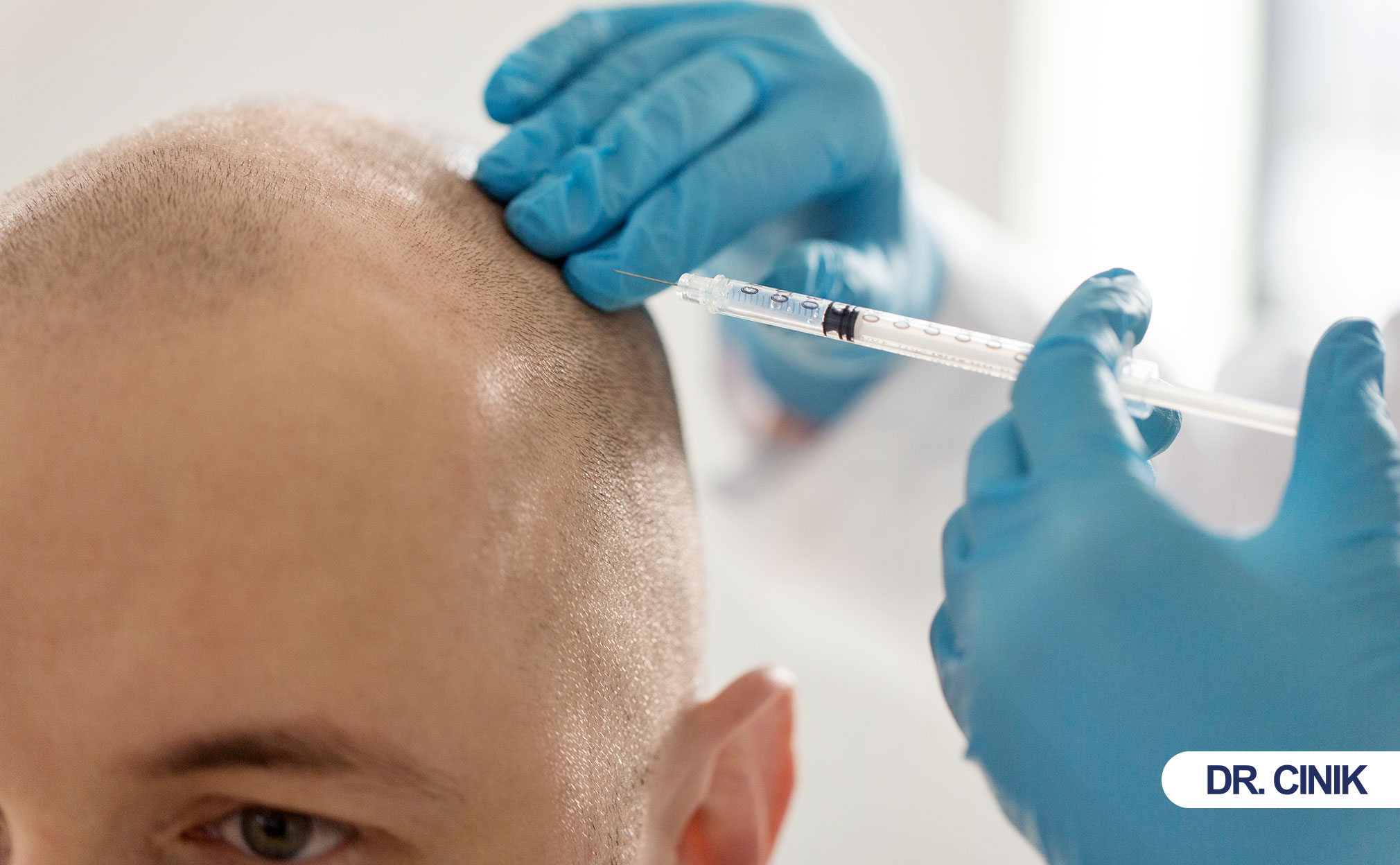
Transplants offer proven, immediate results but require donor hair. Cloning promises unlimited supply but remains unavailable.
What Benefits and Drawbacks Do Transplants Present?
Transplants deliver permanent, natural results using established techniques. However, they require surgery and sufficient donor hair.
Advantages of Hair Transplantation:
Proven track record. Surgeons have refined techniques over decades. Patients access extensive before-and-after documentation. Outcomes are predictable and reproducible.
Immediate availability. Patients book procedures today. No waiting periods for technology development exist. Global clinics offer competitive services.
Permanent results. Transplanted hair resists DHT permanently. Patients enjoy lifelong growth. Maintenance medications remain optional, not mandatory.
Natural appearance. Modern techniques create undetectable results. Skilled surgeons follow facial anatomy and hair loss patterns. Hairlines appear age-appropriate.
One-time investment. While initial costs seem high, transplants require no ongoing product purchases. Patients save money compared to lifelong medication expenses.
Disadvantages of Hair Transplantation:
Finite donor supply. Once surgeons exhaust donor reserves, no additional grafts remain. Future thinning in untreated areas might create uneven patterns.
Surgical risks. Infection, bleeding, and scarring occur rarely. Patients must accept these possibilities. Medical clearance is required.
Recovery requirements. Social downtime lasts 7 to 14 days. Physical activity restrictions apply for one month. Patients must plan around these limitations.
Cost barriers. Quality procedures cost thousands of dollars. Multiple sessions multiply expenses. Insurance rarely covers cosmetic hair restoration.
What Benefits and Drawbacks Does Cloning Present?
Cloning could eliminate donor limitations and surgery. However, it is not yet available and faces scientific hurdles.
Advantages of Hair Cloning:
Unlimited hair supply. Theoretically, scientists could produce unlimited follicles from small biopsies. Even completely bald patients might gain full coverage.
Non-surgical potential. Future procedures might involve simple injections. No scalpels, sutures, or recovery periods would be necessary.
No donor scarring. Since clinics would culture cells rather than extract grafts, no surgical wounds would occur. This benefits patients with limited donor hair.
Scalability. Laboratory production could serve millions simultaneously. Manufacturing processes might eventually reduce costs through economies of scale.
Disadvantages of Hair Cloning:
Experimental status. No regulatory agency has approved hair cloning for commercial use. Patients cannot access this treatment today.
Scientific barriers. Researchers have not solved follicle orientation, cycling, and pigmentation challenges. Cosmetic-quality results remain distant.
Regulatory delays. Even after scientific proof, approval processes take years. Clinical trials must demonstrate long-term safety.
Projected high costs. Initial treatments will likely cost premium prices. Laboratory processing adds significant overhead.
Which Patients Suit Each Treatment?
Transplants suit patients with stable donor hair. Future cloning might help those lacking donor reserves.
Who Are Ideal Transplant Candidates?
Men and women with mild to moderate hair loss and stable donor areas achieve the best transplant results.
Ideal candidates possess several characteristics. They show patterned hair loss with clear donor reserves. Their baldness has stabilized or progresses slowly. They maintain realistic expectations about density outcomes.
Age factors into candidacy. Surgeons typically prefer patients over 25. By this age, hair loss patterns clarify. Younger patients might experience continued thinning after surgery. This could create unnatural patterns requiring future correction.
Medical fitness matters. Patients need adequate healing capacity. Uncontrolled diabetes, blood clotting disorders, or autoimmune diseases increase risks. Surgeons review medical histories carefully.
Psychological readiness is essential. Patients must understand the process. They should accept that results take 12 months to mature. Impatience or unrealistic density demands lead to dissatisfaction.
Who Might Benefit from Future Cloning?
Advanced baldness patients and those with depleted donor areas might eventually benefit from cloning technology.
Future cloning could serve currently untreatable patients. Men with Norwood VI or VII classifications possess minimal donor hair. Traditional transplants cannot restore their full coverage. Cloning might bypass this limitation.
Patients with scarring alopecias represent another group. Diseases like lichen planopilaris destroy follicles permanently. Transplants often fail because inflammation attacks grafts. New follicles grown from cloned cells might resist these conditions better.
Burn or trauma victims could benefit. Scar tissue lacks follicles entirely. Current transplants into scarred areas yield lower survival rates. Cloning might generate follicles engineered specifically for scar environments.
However, these applications remain speculative. Researchers must first prove cloning works in healthy scalps. Only then can they address complex cases.
How Do Costs and Accessibility Compare?
Transplants have established global pricing. Cloning costs remain unknown but will likely start very high.
What Economics Govern Hair Transplants?
Prices vary by graft count, technique, and geography. Most patients pay between $4,000 and $15,000.
Hair transplant economics follow established models. Clinics price procedures per graft or per session. Geographic location significantly influences costs. North American and Western European clinics charge premium rates. Turkish clinics offer up to 70% lower prices with comparable quality.
Technique selection affects pricing. DHI typically costs more than standard FUE. It requires specialized tools and longer operative times.
Graft counts determine total expense. Minor temple restoration might require 1,000 grafts. Extensive crown and frontal work needs 4,000+ grafts. Patients should calculate cost per graft for fair comparisons.
Travel costs factor into medical tourism. Patients saving money overseas must add flights and accommodation. However, total expenses often remain lower than domestic options.
What Costs Will Hair Cloning Likely Carry?
Initial cloning treatments might exceed $50,000. Laboratory processing and regulatory compliance will drive prices upward.
Cell therapy manufacturing is inherently expensive. Clean room facilities require massive capital investment. Skilled technicians handle sensitive cultures. Quality control testing adds overhead.
Personalized medicine costs more than standardized surgery. Each patient requires individual cell lines. Mass production techniques do not yet exist. Economies of scale will develop slowly.
Insurance coverage seems unlikely initially. Cosmetic procedures rarely receive reimbursement. Experimental treatments face additional coverage barriers. Early adopters will pay out-of-pocket.
Prices should decrease over time. Automation could reduce labor costs. Improved culture efficiency would lower material expenses. However, this price reduction trajectory spans years or decades.
What Ethical and Regulatory Issues Arise?
Cell therapies face strict safety regulations. Marketing hype often misleads patients about cloning availability.
How Do Regulators Approach Cell Therapy?
Agencies like the FDA require extensive clinical trials. They monitor cell manipulation, sterility, and long-term safety rigorously.
Regulatory frameworks for cell therapies are complex. In the United States, the FDA classifies manipulated cells as drugs or biologics. Manufacturers must submit Investigational New Drug applications. They conduct Phase I, II, and III trials.
These trials assess safety first. Researchers monitor for tumor formation, immune reactions, and ectopic tissue growth. They track patients for years. Only after proving safety and efficacy can companies seek marketing approval.
European Medicines Agency pathways similarly require robust data. Good Manufacturing Practice standards govern laboratory production. Facilities undergo regular inspections.
This rigorous oversight protects patients. However, it also extends development timelines. Breakthrough discoveries might wait a decade before reaching consumers.
How Do Misleading Claims Harm Patients?
Some clinics exploit cloning excitement. They sell unproven “stem cell” treatments that are not true cloning.
The gap between scientific reality and marketing claims confuses patients. Some clinics advertise “stem cell hair therapy” or “autologous cell treatments.” These are not hair cloning. They typically involve simple platelet-rich plasma or unprocessed fat grafting.
False hope leads to poor decisions. Patients delay proven transplants waiting for cloning. They waste money on ineffective treatments. Some experience harm from unregulated injections.
Evidence-based practice demands honesty. Physicians must clearly distinguish proven therapies from experimental research. Patients deserve accurate timelines. Claiming cloning will arrive “next year” has been happening for over a decade.
What Does the Future Hold for Hair Restoration?
The future likely combines refined transplantation with regenerative adjuncts. True cloning remains years away from clinical reality.
Which Emerging Technologies Show Promise?
Stem cell therapy, 3D bioprinting, and tissue engineering advance rapidly. These might complement or eventually replace current surgery.
Stem cell therapy isolates adult stem cells from fat or blood. Physicians inject these concentrated cells into the scalp. Early studies suggest modest thickening of existing hairs. However, this does not create new follicles.
3D follicle culture represents genuine scientific progress. Researchers create organoids, miniature organ models, in vitro. These structures mimic natural follicle architecture. Tsuji Laboratory successfully grew skin with hair follicles in vitro (Takagi et al., 2016). Scaling this to human clinical application continues.
Tissue engineering combines scaffolds with cellular components. Scientists design biodegradable frameworks that guide tissue formation. These might support organized follicle development better than simple injections.
Gene editing offers futuristic possibilities. CRISPR technology could modify genes responsible for DHT sensitivity. Patients might retain native hair permanently. This remains highly speculative and ethically complex.
When Might Hair Cloning Become Available?
Researchers predict possible clinical adoption after 2030. Continued refinement continues through the late 2020s.
Timeline predictions vary among experts. Optimistic researchers suggest limited human trials by 2028. Commercial availability likely requires additional years. Pessimistic voices caution that fundamental biological barriers might delay arrival until the 2040s.
Current progress focuses on laboratory optimization. Scientists improve cell culture conditions. They test delivery vehicles. Animal studies continue. Human safety trials have not yet begun for most approaches.
Patients should plan based on current reality. Waiting for cloning delays effective treatment. Young patients who postpone transplants might lose donor hair during the wait.
Will Hybrid Models Emerge?
Yes. Clinics will likely combine transplantation with regenerative therapies to enhance results.
The most probable near-term future involves integration. Surgeons transplant grafts for immediate coverage. They simultaneously apply regenerative treatments. These adjuncts might improve graft survival. They could thicken existing native hairs.
Platelet-rich plasma already serves this role. Clinics routinely apply PRP during transplant procedures. Future additions might include cultured growth factors or extracellular vesicles.
This hybrid approach maximizes current capabilities. It does not require solving all cloning challenges immediately. Patients benefit from incremental advances while awaiting breakthrough technologies.
What Should Patients Conclude from This Comparison?
Hair transplantation remains the only proven, available solution. Hair cloning is exciting but experimental. Integrated approaches will bridge the gap.
Modern patients face an information landscape filled with hype and hope. This analysis clarifies the current state of affairs.
Hair transplantation stands on solid ground. Decades of research support its safety and efficacy. Skilled surgeons deliver predictable, permanent, natural results. Patients can access this treatment today across the globe. Limitations exist, but they are known and manageable.
Hair cloning represents genuine scientific promise. Researchers make incremental progress. However, the path from laboratory curiosity to clinical standard spans many years. Patients should not base current decisions on future possibilities.
The trajectory points toward convergence. Transplantation techniques will continue improving. Regenerative therapies will augment results. Eventually, true cloning might supplement or replace surgery. Until then, evidence-based practice favors proven methods.
Frequently Asked Questions
Is Hair Cloning Available Today?
No. No clinic offers true hair cloning commercially. Research continues in laboratories worldwide.
Patients must beware of misleading advertisements. Some facilities sell “stem cell hair treatments.” These are not cloning. True cloning requires culturing and expanding specific cell populations. Then scientists must induce organized follicle formation. No facility has accomplished this commercially.
Researchers at academic institutions lead legitimate efforts. These include teams in Japan, the United States, and Europe. Their work receives peer review. It does not appear in consumer marketing.
Is Hair Cloning Better Than Hair Transplant?
Not currently. Cloning is not available for comparison. In the future, it might help patients who cannot undergo transplantation.
Theoretical advantages favor cloning for some scenarios. Unlimited supply appeals to severely bald patients. Non-surgical delivery sounds attractive. However, theories do not replace proven outcomes.
Transplants offer immediate, reliable, cosmetic-grade results. Cloning cannot match this today. Future comparisons will require decades of clinical data.
Can Hair Cloning Cure Baldness?
Researchers hope so. Currently, no treatment “cures” androgenetic alopecia. Cloning might restore hair without addressing underlying hormonal sensitivity.
True cure would stop hair loss at its source. Cloning adds hair but does not modify DHT sensitivity. Native non-cloned hairs might continue miniaturizing. Patients might need ongoing maintenance.
A complete cure requires halting follicle miniaturization. Current medications like finasteride attempt this. Future gene therapies might succeed better. Cloning alone does not cure the underlying condition.
How Permanent Is a Hair Transplant?
Very permanent. Transplanted follicles retain DHT resistance for life. They continue growing naturally for decades.
Studies track transplant patients for 20+ years. Grafted hairs survive and thrive. They gray naturally with age. They require no special maintenance.
Native non-transplanted hairs may continue thinning. This does not affect grafts. However, it might create new bald areas. Surgeons account for this possibility during planning.
When Will Hair Cloning Become Available?
Experts estimate possible availability after 2030. Some predict later. Research progresses but faces significant biological hurdles.
Patients should not delay proven treatments based on speculation. Hair loss is progressive. Donor hair diminishes over time. Waiting risks losing transplant candidacy.
Regulatory processes add years to scientific development. Even after researchers solve technical problems, approval takes time. Commercial scaling requires additional investment.
References
Cartwright, T., et al. “Quality of Life in Patients with Androgenetic Alopecia.” British Journal of Dermatology, vol. 150, no. 2, 2004, pp. 334-338.
Harrison, S., et al. “The Epidemiology and Genetics of Androgenetic Alopecia.” Journal of the American Academy of Dermatology, vol. 84, no. 3, 2021, pp. 651-658.
Higgins, C. A., et al. “Microenvironmental Reprogramming by Three-Dimensional Culture Enables Dermal Papilla Cells to Induce De Novo Human Hair-Follicle Growth.” Proceedings of the National Academy of Sciences, vol. 110, no. 49, 2013, pp. 19679-19688.
Jimenez, F., et al. “Hair Transplantation: A Systematic Review and Meta-analysis of Complications and Patient Satisfaction.” Dermatologic Surgery, vol. 47, no. 2, 2021, pp. 167-175.
Orentreich, N. “Autografts in Alopecias and Other Selected Dermatological Conditions.” Annals of the New York Academy of Sciences, vol. 83, no. 3, 1959, pp. 463-479.
Rashid, M., et al. “Follicular Unit Extraction Hair Transplant: A Systematic Review and Meta-analysis.” Aesthetic Surgery Journal, vol. 41, no. 8, 2021, pp. 912-924.
Takagi, R., et al. “Bioengineering a 3D Integumentary Organ System from iPS Cells Using an In Vivo Transplantation Model.” Science Advances, vol. 2, no. 4, 2016, e1500887.