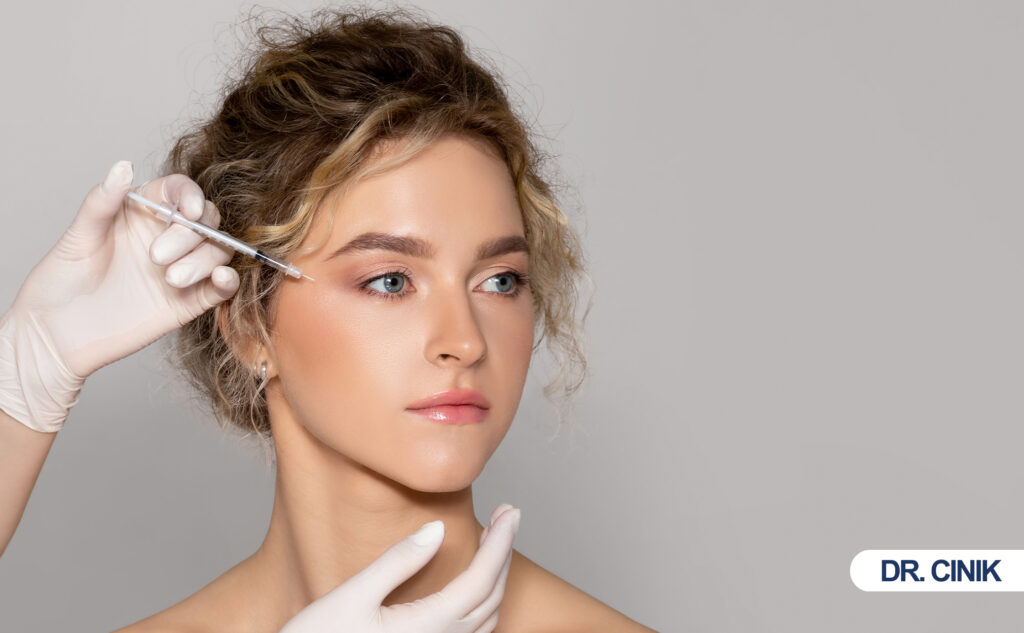
Aesthetic medicine now offers ten popular treatments. These range from skin boosters to body contouring. This article explains the science, benefits, and risks of each option.
Aesthetic medicine improves appearance through surgical and non-surgical methods. Modern patients seek natural results. They want minimal downtime. Social media accelerates these trends. Celebrities share their treatments openly. This transparency reduces stigma. More people now view cosmetic care as wellness maintenance. They choose preventive options early. This shift marks a new era in beauty culture. Evidence-based practice remains essential. Patient safety always comes first. The aesthetic industry now generates billions in revenue annually. Non-surgical procedures drive much of this growth. Patients want tweakments, not transformations. They want to look refreshed, not different. The following sections explore ten fashionable treatments. They cover facial rejuvenation, body contouring, and emerging innovations.
What Makes a Treatment “Fashionable” in Aesthetic Medicine?
Social media drives trends. Patients want fast recovery. Natural results matter most.
A treatment becomes fashionable when celebrities endorse it. Social media spreads images instantly. Patients see results on their feeds. They request the same procedures. Fast recovery time fuels popularity. People cannot take months off work. They need treatments that fit busy schedules. Natural enhancement also dominates trends. Patients reject overdone looks. They prefer subtle improvements. Doctors now focus on preservation. They enhance features rather than alter them. This philosophy attracts younger patients. They start treatments in their twenties. They want to prevent aging rather than reverse it. Wellness culture supports this mindset. Patients view injectables as part of self-care routines. They compare treatments to gym memberships. They see both as maintenance investments.
What Factors Drive Global Demand for Non-Surgical Cosmetic Procedures?
Patients prefer injectables and energy devices. Younger people start treatments early. Low downtime attracts busy professionals.
Non-surgical procedures now lead the market. Injectables top the list. Energy-based devices follow closely. Patients avoid surgery when possible. They fear general anesthesiaEnsuring Comfort During Hair Transplants Sedation is used in hair transplantation to help patients remain calm and comfortable throughout the.... They fear long scars. Non-surgical options offer alternatives. Younger demographics drive growth. People in their twenties and thirties seek prejuvenation. They want to maintain youth. They do not wait for deep wrinkles. Low-downtime procedures support this trend. A patient can receive Botox during lunch. They return to work immediately. This convenience reshapes the industry. The American Society of Plastic Surgeons tracks these shifts annually. Their data confirms this explosive growth. Social proof amplifies demand. Friends recommend providers. Online reviews build trust. This ecosystem pushes non-surgical aesthetics forward.
How Do Psychological and Social Factors Influence Aesthetic Choices?
Self-confidence improves after treatment. Video calls increase facial awareness. Preventive trends start earlier.
Self-confidence motivates many patients. They want to align their appearance with their identity. Body image plays a huge role. Digital culture intensifies scrutiny. Video calls force people to study their faces. They notice asymmetry. They notice tired eyes. This awareness drives consultation rates. Preventive anti-aging also gains traction. Patients view treatments as self-care. However, ethical concerns arise. Some patients overconsume procedures. Doctors must screen for body dysmorphic disorderBody Dysmorphic Disorder (BDD) A psychological condition involving obsessive focus on perceived flaws in appearance, affecting surgical candidacy.. Realistic expectations protect mental health. Practitioners bear this responsibility. They must say no when appropriate. They must prioritize patient welfare over profit.
What Is Youth Potion Skin Booster Therapy?
Doctors inject hyaluronic acid and biostimulators. These substances hydrate skin. They trigger collagenA structural protein found in the skin and other connective tissues, which is responsible for skin firmness and elasticity.... production.
Youth potion refers to skin booster therapy. Doctors call it injectable moisturization. They use hyaluronic acid. They use biostimulators like polynucleotides. They inject these products superficially. The goal differs from volumizing fillers. Skin boosters improve skin quality. They do not change facial shape. The hyaluronic acid binds water. It plumps the dermis from within. Biostimulators activate fibroblasts. These cells produce collagen. The skin gains elasticity over time. Patients often choose this treatment before special events. It gives a dewy glow. It improves makeup application.
How Does Science Support Skin Booster Treatments?
Research confirms collagen regeneration. Hyaluronic acid restores hydration. Anti-aging effects are measurable.
Scientists studied skin boosters extensively. Hyaluronic acid occurs naturally in skin. Aging depletes this molecule. Injections restore the reservoir. Fibroblasts detect the acid. They increase collagen synthesis. This process rebuilds the extracellular matrix. Studies show improved skin density. Researchers measure hydration with corneometry. Treated skin shows higher water content. Fine lines soften after sessions. The anti-aging mechanism relies on tissue regeneration. Doctors see histological improvements. Biopsies reveal new collagen bundles. Sundaram et al. reviewed global consensus on hyaluronic acid applications. They confirmed its central role in modern rejuvenation.
What Benefits Do Youth Potion Treatments Offer?
Skin becomes more elastic. Fine lines fade. The complexion gains luminosity.
Patients notice better elasticity. Their skin bounces back faster. Fine lines around the mouth soften. The cheeks appear dewier. Skin luminosity improves significantly. Hydration reflects light differently. The face looks healthier. These benefits develop gradually. Most patients need three sessions. They schedule maintenance twice yearly. The treatment suits all skin types. It works well on the face. It also improves the neck and hands. It addresses crepey texture. It restores a youthful bounce.
What Risks and Contraindications Should Patients Know?
Swelling and bruising occur commonly. Allergic reactions remain rare. Expert practitioners reduce risks.
Every injection carries risk. Swelling happens frequently. It resolves within days. Bruising affects some patients. Makeup covers most discoloration. Allergic reactions remain uncommon. Doctors screen for hypersensitivity. Pregnant women should avoid treatment. Active skin infections contraindicate injections. The practitioner’s expertise matters most. They must understand facial anatomy. They must use sterile techniques. Poor technique causes nodules. It causes uneven texture. Patients should avoid blood thinners before sessions. This reduces bruising likelihood.
What Is Under-Eye Light Filling?
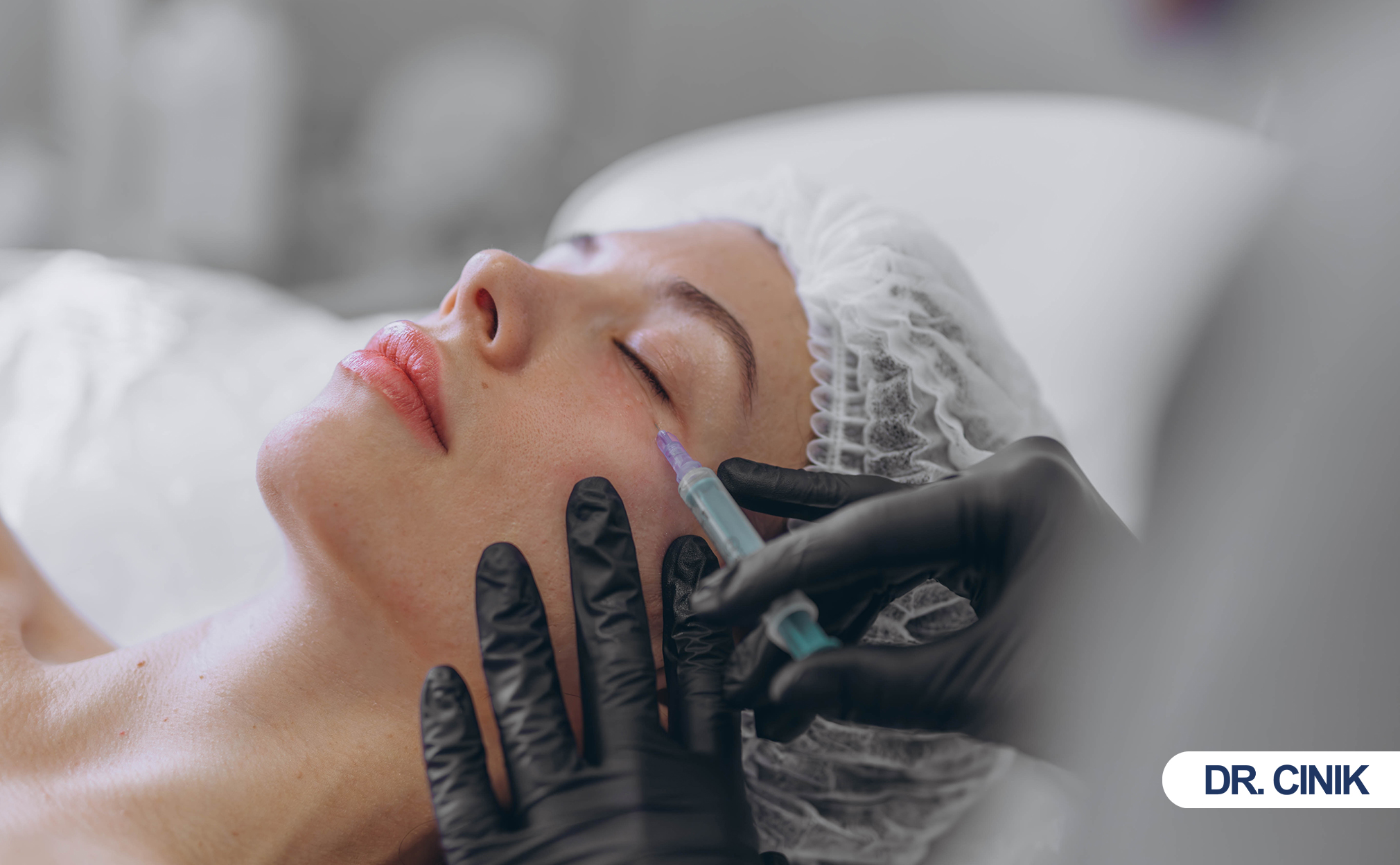
Doctors fill hollows under the eyes. Hyaluronic acid restores volume. Light reflects better afterward.
Under-eye light filling targets tear troughs. These hollows sit between the lower eyelid and the cheek. They create shadows. Shadows look like dark circles. Volume loss causes this depression. Aging thins the fat pad. It also weakens the orbital septum. Doctors inject hyaluronic acid carefully. They place small amounts along the trough. The filler lifts the skin. Light reflects evenly across the surface. The face looks rested. Patients often combine this with cheek fillers. This creates seamless transitions.
What Causes Under-Eye Hollows and Dark Circles?
Volume loss creates hollows. Tear trough anatomy deepens shadows. Aging accelerates these changes.
The tear trough anatomy determines appearance. Some people inherit deep troughs. Others develop them over time. The orbicularis retaining ligament tightens. It anchors skin to bone. This creates a groove. Fat beneath the eye shrinks. The skin loses support. Blood vessels show through thin tissue. This adds a bluish tint. Aging worsens every factor. Bone resorption changes the orbital rim. The eye socket expands slightly. These changes deepen the hollow. Allergies and sleep deprivation worsen darkness. They increase vascular congestion.
How Do Under-Eye Fillers Improve Appearance?
Hyaluronic acid fills the groove. Better light reflection reduces shadows. Results look natural.
Doctors use cross-linked hyaluronic acid. They choose soft products. They avoid lumps in thin skin. They inject with cannulas often. Cannulas reduce bruising. The filler integrates with tissue. It attracts water. The trough elevates gradually. Light no longer catches the shadow. It reflects uniformly. Patients look younger. They look less tired. The correction remains subtle. Good work goes unnoticed. Bad work creates puffiness. It creates bluish discoloration.
What Advantages Does Tear Trough Rejuvenation Provide?
The face looks youthful. Signs of fatigue disappear. Patients avoid surgery.
Tear trough rejuvenation offers immediate improvement. The face looks fresher. Patients no longer hear comments about tiredness. The treatment requires no incision. It leaves no scar. Recovery takes one to two days. Patients return to social activities quickly. Results last six to twelve months. Maintenance sessions preserve the look. This convenience appeals to working adults. It also helps brides before weddings. It helps professionals before photo shoots.
What Complications Can Occur with Under-Eye Fillers?
Edema can persist. The Tyndall effect causes bluish tones. Vascular issues demand urgent care.
Edema troubles some patients. It lasts several days. The Tyndall effect poses a unique risk. Injectors place filler too superficially. Light scatters through the clear gel. It creates a bluish hue. Doctors prevent this with deep placement. Vascular complications represent the gravest danger. The angular artery runs nearby. Accidental intravascular injection causes tissue death. Blindness remains a rare but catastrophic risk. Only experienced injectors should perform this treatment. They must know emergency protocols. Swift et al. emphasized vascular anatomy awareness in facial filler practice. They stressed the need for thorough training.
What Is Hyperhidrosis Botox Treatment?
Botox stops excessive sweating. It blocks nerve signals to sweat glands. Results last several months.
Hyperhidrosis means excessive sweating. It affects the underarms often. It also affects palms and soles. Some patients sweat through clothing. They avoid social events. Botulinum toxin treats this condition. Doctors inject it superficially in the skin. It blocks acetylcholine release. Sweat glands need this signal. Without it, they rest. Sweating reduces dramatically. This treatment changes lives. Patients shake hands confidently. They wear any color they choose.
How Does Hyperhidrosis Affect Daily Life?
Primary hyperhidrosis starts early. It affects specific areas. It disrupts confidence.
Doctors classify hyperhidrosis as primary or secondary. Primary hyperhidrosis begins in childhood. It targets the axillae, palms, or soles. Nerves overreact without clear cause. Secondary hyperhidrosis stems from other conditions. Thyroid issues can trigger it. Medications can trigger it. Both types embarrass patients. They stain clothes. They shake hands reluctantly. This affects professional life. It affects romantic relationships. Some patients carry extra shirts. They avoid public speaking. The condition limits career choices.
How Does Botulinum Toxin Control Sweating?
The toxin inhibits nerve signals. Sweat glands stop overproducing. The effect remains localized.
Botulinum toxin acts as a neuromodulator. It cleaves SNARE proteins. These proteins release acetylcholine. The neurotransmitter normally activates sweat glands. Botox interrupts this chain. The gland remains inactive. Doctors use diluted doses for skin. They space injections evenly. Each injection covers a small radius. The effect stays local. It does not travel far. Patients retain normal sensation. They only lose excess moisture. The treatment takes fifteen minutes. It requires no anesthesia.
What Clinical Benefits Does Sweat Reduction Offer?
Patients enjoy better quality of life. Social confidence returns. Clothing choices expand.
Studies measure quality of life improvements. Patients report dramatic relief. They wear colors they once avoided. They raise their arms freely. Social anxiety drops. The Dermatology Life Quality Index scores improve. Many insurance plans cover axillary treatment. This accessibility helps patients. They view the treatment as medical necessity. It transcends cosmetic luxury. Carruthers and Carruthers documented these psychological benefits in aesthetic neuromodulator research. They found that functional improvements often exceed cosmetic ones.
What Side Effects and Duration Should Patients Expect?
Temporary weakness affects some patients. Maintenance sessions occur twice yearly. Most side effects stay minor.
Side effects remain mild. Patients feel pinprick pain. Ice minimizes this. Temporary muscle weakness affects the hands rarely. It resolves within weeks. Some patients notice compensatory sweating elsewhere. This usually stays mild. Results emerge within one week. They peak at one month. They last six to nine months. Patients schedule maintenance sessions. Regular treatment sustains comfort. Some patients combine this with topical antiperspirants. This extends the dry period.
What Is Golden Needle RF Microneedling?
Tiny needles deliver radiofrequency energy. They heat deep skin layers. This rebuilds collagen.
Golden needle technology combines microneedling with radiofrequency. A device holds insulated needles. They pierce the skin at controlled depths. They emit RF energy at the tip. This energy heats the dermis. It spares the surface. The heat triggers controlled injury. The skin responds with repair. It builds new collagen. It remodels elastinElastin A protein in connective tissue that allows tissues to resume their shape after stretching or contracting, contributing to skin.... The result is tighter, smoother skin. Doctors customize depth based on skin thickness. They treat the face and body.
Which Skin Issues Does RF Microneedling Treat?
It improves acne scars. It tightens loose skin. It shrinks enlarged pores.
Doctors use RF microneedling for many issues. Acne scars respond well. The needles break scar tissue. Heat stimulates remodeling. Skin laxityLaxity: Looseness or slackness in the skin or tissues, often referring to the loss of firmness and elasticity in aging... improves significantly. The treatment suits the jawline. It suits the neck. Enlarged pores shrink. Fine lines soften. Wrinkles around the eyes fade. The technology treats all skin types. It carries lower pigmentation risk than lasers. This safety profile attracts diverse patients. Gold reviewed microneedling efficacy for acne scars in systematic analysis. He confirmed significant texture improvements after multiple sessions.
How Do Combination Therapies Enhance Results?
PRP boosts healing. Lasers complement resurfacing. Multi-modal plans yield better outcomes.
Doctors often combine RF microneedling with platelet-rich plasma. They apply PRP immediately after needling. Growth factors penetrate deeply. They accelerate recovery. They amplify collagen induction. Some protocols add laser resurfacing. The laser treats surface texture. The RF device treats deep layers. This synergy improves outcomes. Patients see faster results. They see more dramatic changes. Fabi et al. reviewed these combination strategies in RF microneedling literature. They endorsed multi-modal approaches for advanced aging.
What Risks and Recovery Does RF Microneedling Involve?
Redness lasts one to three days. Pigmentation changes affect some skin types. Device settings require expert adjustment.
Patients expect redness. It resembles a sunburn. It fades within days. Swelling remains minor. Post-inflammatory hyperpigmentation can occur. It affects darker skin types more. Doctors prevent this with conservative settings. They adjust needle depth carefully. They avoid sun exposure before treatment. Infection remains rare. Sterile disposable tips prevent contamination. Patients apply soothing creams. They avoid makeup for twenty-four hours. They use gentle cleansers for one week.
What Is Masseter Botox for Teeth Grinding?
Botox relaxes the masseter muscle. It reduces jaw tension. It also slims the lower face.
Teeth grinding wears down enamel. It causes jaw pain. It triggers headaches. Doctors call this bruxism. The masseter muscle powers chewing. Overuse enlarges it. This creates a square jaw. It also damages teeth. Masseter Botox addresses both issues. Doctors inject the muscle directly. The toxin reduces contraction force. The muscle rests. It gradually shrinks. Patients often seek this for cosmetic slimming. They later discover the functional relief.
How Does Bruxism Affect Facial Structure?
Grinding enlarges the masseter. The face looks wider. Pain disrupts sleep.
Bruxism often occurs during sleep. Patients do not notice it. They wake with sore jaws. Their teeth chip over time. The masseter grows from constant exercise. Hypertrophy changes facial contours. The lower face widens. This masculinizes female features. Some patients seek cosmetic slimming. Others seek pain relief. Both goals overlap. Treatment improves function and form. Dentists sometimes notice the damage first. They refer patients for neuromodulator therapy.
How Does Masseter Botox Work?
The toxin blocks muscle signals. The masseter relaxes. The jawline narrows over weeks.
Botulinum toxin enters the muscle. It inhibits acetylcholine release. The muscle fiber rests. It cannot contract forcefully. Chewing still works. Patients use other muscles. The masseter atrophies slightly. This slims the face. Results appear within two weeks. They peak at one month. The face looks softer. The jawline appears more oval. Dosage varies by muscle size. Men often need more units. Women need fewer units for slimming.
What Functional and Cosmetic Benefits Follow Masseter Botox?
Jaw pain decreases. Facial contours improve. Sleep quality gets better.
Patients report less morning pain. Their headaches reduce. They protect their teeth. They may need less dental work. Cosmetic benefits please many users. The face looks slimmer. Photographs improve. Patients feel more feminine. They feel more proportionate. Sleep improves as grinding stops. Partners notice less noise at night. Some patients report reduced TMJ clicking. They open their mouths more comfortably.
What Limitations and Risks Accompany Masseter Botox?
Chewing weakness affects some patients. Asymmetry requires precise dosing. Results stay temporary.
Some patients feel chewing weakness. They avoid tough foods initially. This resolves within weeks. Asymmetry occurs if dosing differs between sides. Expert injectors measure carefully. They photograph before treatment. They adjust at follow-up. Results last four to six months. Patients need repeat injections. Long-term use maintains benefits safely. Rarely, patients notice smile changes. This happens if toxin diffuses to nearby risorius muscle. Proper placement prevents this.
What Is Cheekbone Filler Enhancement?
Doctors restore midface volume. Hyaluronic acid lifts the cheeks. The face looks balanced.
Cheekbone filler targets the midface. Aging deflates this area. Fat pads descend. Bone resorbs. The cheeks flatten. Nasolabial foldsNasolabial folds: The deep creases running from each side of the nose to the corners of the mouth, commonly known... deepen. Doctors inject filler along the zygoma. They lift the tissue. They restore youthful projection. They improve facial harmony. This treatment often precedes under-eye work. It creates a scaffold. It supports the lower eyelid.
How Does Midface Aging Change Facial Volume?
Fat pads drop. Bone thins. The face loses its youthful frame.
Youthful cheeks contain full fat pads. They sit high over the bone. Time weakens ligaments. Gravity pulls the pads downward. The cheek empties. The hollows deepen. Simultaneously, bone resorbs. The zygomatic arch loses height. The orbit widens. These changes create a tired look. They create a sad appearance. Restoration requires volume replacement. It also requires structural support. Fillers replace lost bone and fat.
How Do Dermal Fillers Reshape the Face?
Hyaluronic acid adds projection. Doctors balance proportions. They respect natural anatomy.
Doctors choose robust hyaluronic acid fillers. They need structure. They place product on bone. This provides lift. It avoids puffiness. Facial balancing principles guide them. They assess the face globally. They do not overfill one area. They enhance the cheek. They improve the under-eye. They soften the nasolabial fold. All areas connect. Good work respects these connections. They preserve the natural triangle of youth.
What Benefits Does Cheek Enhancement Provide?
Proportions restore. The face looks lifted. Symmetry improves.
Patients see immediate lifting. The cheek regains prominence. The face looks younger. It looks healthier. Improved symmetry pleases many. Most faces have slight asymmetry. Fillers balance this. They add volume to the weaker side. Results last twelve to eighteen months. Maintenance preserves the structure. Patients report better selfie angles. They feel more confident in profile views.
What Safety Considerations Matter for Cheek Fillers?
Major vessels run through the midface. Overfilling looks unnatural. Qualified injectors prevent disasters.
The midface contains vital arteries. The facial artery and infraorbital artery supply blood. Blindness remains a risk. Tissue necrosis remains a risk. Doctors use cannulas for safety. They aspirate before injection. They inject small amounts slowly. Overfilling creates pillow faces. It distorts natural beauty. Conservative approaches win. Mendelson emphasized midface vascular anatomy in aging studies. He urged deep knowledge before any midface injection.
What Are Modern Butt Aesthetic Trends?
Patients want fuller buttocks. Surgeons use fat or implants. Non-surgical options now exist.
Butt aesthetics reshape the gluteal region. Cultural trends celebrate curves. Patients seek proportionate enhancement. Surgical options include fat grafting. They include implants. Non-surgical options use biostimulators. Sculptra builds collagen gradually. Fillers offer modest lifting. Each method suits different goals. Patients desire hourglass proportions. They want waist-to-hip balance.
How Does the Brazilian Butt Lift Work?
Surgeons transfer fat from other areas. They purify it. They inject it into the buttocks.
The Brazilian Butt Lift uses autologous fat. Surgeons liposuction the abdomen. They liposuction the thighs. They process the fat. They isolate viable adipocytes. They inject these cells strategically. They place fat in multiple layers. This ensures blood supply. The butt gains volume. It gains shape. The waist also shrinks. This dual benefit attracts patients. It offers natural feel. It avoids foreign materials.
What Alternative Techniques Exist for Gluteal Enhancement?
Implants suit thin patients. Biostimulators add gradual firmness. Fillers offer subtle lift.
Not everyone has enough fat. Implants provide an alternative. Surgeons place silicone devices. They insert them through hidden incisions. Non-surgical methods appeal to many. Biostimulators like poly-L-lactic acid trigger collagen. Results develop over months. They improve skin texture. They add modest volume. Hyaluronic acid fillers also emerge. They suit patients wanting subtle changes. They want no surgery. These options require multiple sessions. They build results gradually.
How Do Social Media and Patient Expectations Shape Butt Aesthetics?
Instagram trends drive demand. Patients want hourglass shapes. Realistic goals prevent disappointment.
Social media influencers showcase curves. This drives consultation rates. Patients bring reference photos. They want hourglass proportions. Surgeons must manage expectations. Not every body suits extreme curves. They assess skin elasticity. They assess frame size. Realistic planning ensures satisfaction. Rohrich et al. stressed safety in gluteal fat grafting amid rising demand. They highlighted the importance of surgeon education.
What Risks and Safety Concerns Accompany Butt Procedures?
Fat embolism threatens life. Long recovery tests patience. Qualified surgeons save lives.
The Brazilian Butt Lift carries serious risk. Fat embolism tops the list. Fat enters gluteal veins. It travels to the lungs. It travels to the heart. This causes death. Surgeons must inject only into subcutaneous tissueSubcutaneous tissue: The layer of tissue directly beneath the skin, consisting primarily of fat and connective tissue, which provides insulation.... They avoid deep muscle planes. This protocol reduces risk. Recovery lasts weeks. Patients avoid sitting directly. They use special pillows. They wear compression garments. Scars remain minimal. Safety depends entirely on surgeon skill. Patients must verify credentials meticulously.
What Are Breast Lift Procedures?
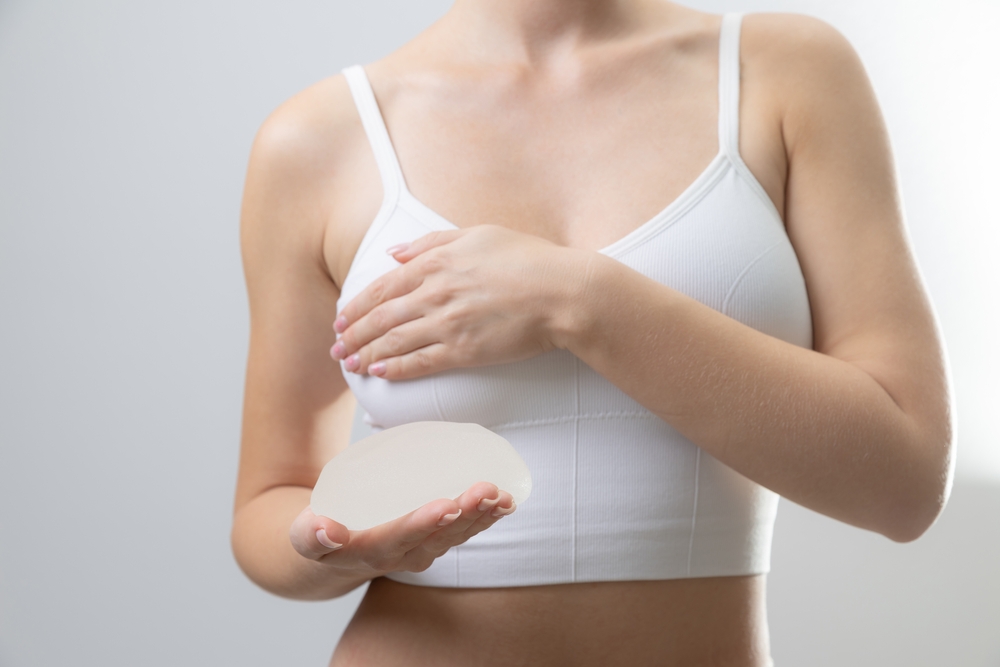
Mastopexy raises sagging breasts. Surgeons remove excess skin. They reshape the tissue.
Breast lift surgery corrects ptosis. Ptosis means sagging. Aging causes it. Pregnancy causes it. Weight loss causes it. The skin stretches. The nipple descends. Mastopexy elevates the breast mound. It repositions the nipple. It removes loose skin. The breast looks perkier. It looks more youthful. Some patients combine this with augmentation. Others prefer lift alone.
What Causes Breast Ptosis?
Aging weakens skin. Pregnancy stretches tissue. Weight fluctuations break elasticity.
Breasts contain glandular tissue. They contain fat. Cooper’s ligaments support them. These ligaments weaken over time. Skin loses collagen. Gravity pulls the breast down. Pregnancy enlarges the breast. Breastfeeding adds volume changes. The skin stretches permanently. Weight gain does the same. Subsequent weight loss leaves emptiness. The breast deflates and sags. Genetics also play a role. Some women develop ptosis early.
What Surgical and Non-Surgical Options Exist?
Mastopexy offers dramatic lifting. Energy devices provide mild tightening. Implants add volume.
Mastopexy remains the gold standard. Surgeons plan incisions carefully. They choose anchor patterns. They choose lollipop patterns. They remove excess skin. They reshape the breast tissue. They move the nipple upward. Non-surgical options suit mild cases. Radiofrequency devices heat tissue. They tighten collagen. They offer modest lifting. They require multiple sessions. Some patients combine lift with implants. This adds volume and elevation. It creates fuller, higher breasts.
What Aesthetic and Functional Benefits Follow a Breast Lift?
Contour improves. Self-image rises. Clothing fits better.
Patients enjoy improved breast shape. The nipple points forward. It no longer points down. The breast sits higher on the chest. This improves body proportions. Self-image improves significantly. Patients feel more feminine. They wear fitted clothing confidently. They participate in activities they once avoided. The functional benefit includes comfort. Less sagging reduces skin irritation. It reduces back strain for some women.
What Recovery and Complications Should Patients Expect?
Scars fade over time. Implants add specific risks. Revision surgery sometimes becomes necessary.
All surgery leaves scars. Mastopexy scars wrap around the nipple. They run vertically. They sometimes run horizontally. They fade within a year. Surgeons use techniques to minimize them. Complications include infection. They include bleeding. They include poor wound healing. Implants add risks. Capsular contracture can occur. It hardens the breast. Revision surgery addresses these issues. Patients need several weeks of recovery. They avoid heavy lifting. They wear support bras. They sleep on their backs initially.
What Is Ear Esthetics or Otoplasty?
Otoplasty reshapes the ears. Surgeons correct prominent ears. They improve facial harmony.
Ear esthetics addresses the pinna. The outer ear frames the face. Prominent ears stick out. They attract unwanted attention. Congenital deformities also occur. They affect ear folds. They affect ear size. Otoplasty corrects these issues. Surgeons reshape cartilage. They set the ear closer to the head. They create natural folds. This procedure helps children immensely. It also liberates adults.
What Common Ear Shape Concerns Do Patients Have?
Prominent ears bulge outward. Constricted ears lack normal folds. These issues start at birth.
Prominent ears affect many children. The antihelical fold fails to develop. The conchal bowl sits too deep. Genetics determine these traits. Bullying often targets this feature. Adults also seek correction. They have avoided short haircuts. They have hidden their ears. Other deformities include Stahl’s ear. It has an extra fold. It looks pointed. Lop ear folds forward. Each issue has a surgical solution. Early correction prevents psychological trauma.
How Do Surgical and Non-Surgical Methods Correct Ears?
Surgeons score and reshape cartilage. Sutures hold new positions. Splints treat infants non-surgically.
Otoplasty surgery uses hidden incisions. Surgeons expose the cartilage. They score the front surface. This allows bending. They place permanent sutures. These sutures hold the new shape. They set the ear back. They recreate the fold. Non-surgical correction works for infants. Newborn cartilage remains pliable. Doctors use ear molds. They apply them for weeks. This avoids surgery entirely. Early intervention offers the best results. Parents should seek evaluation within days of birth.
How Does Ear Surgery Affect Psychology and Self-Esteem?
Children gain confidence. Adults feel liberated. Social anxiety drops significantly.
Ear shape affects self-esteem deeply. Children face teasing. They develop social withdrawal. Adults feel self-conscious. They avoid hairstyles that expose ears. Otoplasty changes this. Patients report immediate relief. They feel normal. They feel proportional. Bradbury et al. studied psychological outcomes after pediatric otoplasty. They found sustained self-esteem improvements. This impact justifies early correction. It improves quality of life across decades.
What Risks and Outcomes Accompany Otoplasty?
Infection remains rare. Asymmetry requires touch-ups. Recurrence happens occasionally.
Risks include infection. They include hematomaHematoma: A localized collection of blood outside the blood vessels, often causing swelling and discoloration, which can occur as a.... Surgeons prevent these with sterile technique. Asymmetry troubles some patients. One ear may sit slightly differently. Surgeons address this at follow-up. Recurrence occurs rarely. Sutures can loosen. Cartilage has memory. It tries to spring back. Most results remain stable. Scars hide behind the ear. They fade well. Patients resume normal activities within weeks.
What Is Abdominoplasty or Tummy Tuck Surgery?
Surgeons remove excess abdominal skin. They tighten muscles. They flatten the waist.
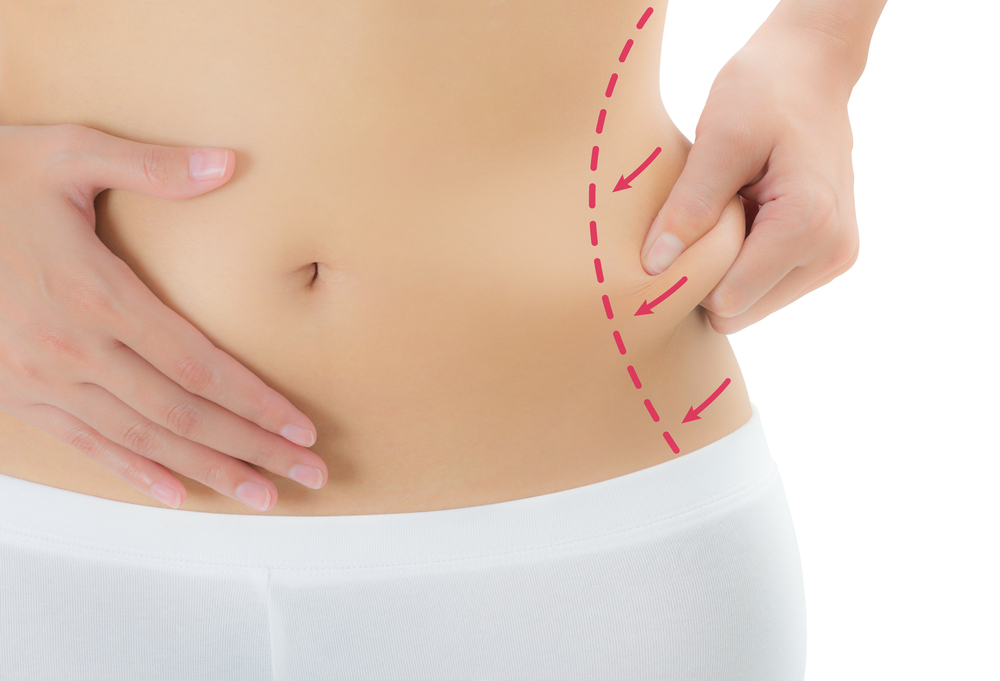
Abdominoplasty reshapes the midsection. It removes loose skin. It removes stubborn fat. It repairs muscle separation. Doctors call this diastasis recti. The procedure suits many patients. It helps after pregnancy. It helps after massive weight loss. It now helps after GLP-1 medication use. Patients want a flat, firm abdomen. They want to fit clothing comfortably.
What Conditions Lead Patients to Seek Tummy Tuck Surgery?
Pregnancy stretches muscles. Weight loss leaves empty skin. New medications cause rapid slimming.
Postpartum changes affect the abdomen. The uterus expands. The skin stretches. The rectus muscles separate. Exercise cannot close this gap. Surgery repairs it. Massive weight loss also causes issues. Patients lose hundreds of pounds. Their skin cannot shrink. It hangs over the waist. This causes hygiene problems. New trends include GLP-1 weight loss. Drugs like semaglutide cause rapid fat loss. They leave skin laxity behind. Patients seek abdominoplasty to finish their transformation.
What Benefits Does Body Contouring Surgery Deliver?
The profile flattens. Posture improves. Mobility increases.
Patients enjoy a smoother contour. The abdomen looks flat. The waist looks defined. They fit clothing better. They feel more confident. Functional benefits matter too. Excess skin causes rashes. It limits movement. Removal improves hygiene. It improves posture. Patients stand straighter. They exercise more freely. Schuck and Adams reviewed functional gains in abdominoplasty patients. They noted improved physical activity levels after recovery.
What Surgical Risks and Recovery Does Abdominoplasty Involve?
SeromaSeroma: A pocket of clear serous fluid that sometimes develops in the body after surgery, which may require drainage.
is a common complication. Scars run hip to hip. Recovery takes several weeks.
Abdominoplasty carries real risks. Seroma tops the list. Fluid collects under the skin. Surgeons place drains to prevent this. They use progressive tension sutures. Scars run from hip to hip. They sit low on the bikini line. They fade but remain permanent. Recovery takes four to six weeks. Patients walk bent initially. They avoid lifting. They wear abdominal binders. Complications include blood clots. Early movement prevents them. Infection requires antibiotics. Smoking bans are strict. Nicotine destroys tissue.
What Innovations Are Emerging in the Esthetic World?
Regenerative therapies grow. AI now plans treatments. Doctors combine multiple modalities.
The aesthetic field evolves constantly. New technologies appear yearly. Regenerative medicine leads the charge. AI enters consultation rooms. Combination therapies become standard. These trends promise better results. They promise safer outcomes. Patients want natural regeneration. They want personalized plans. They want minimal intervention.
How Does Regenerative Aesthetic Medicine Work?
Exosomes signal cell repair. Polynucleotides rebuild tissue. Stem-cell therapies inspire new products.
Regenerative treatments use biological signals. Exosomes carry growth factors. They tell cells to repair. They reduce inflammation. They improve skin quality. Polynucleotides come from fish DNA. They hydrate deeply. They stimulate fibroblasts. They improve elasticity. Stem-cell-inspired therapies use plant or synthetic mimics. True stem cell injections remain controversial. Researchers study them carefully. These options attract patients seeking natural rejuvenation. They want to harness the body’s own repair systems.
How Does AI Assist Aesthetic Planning?
Software analyzes facial proportions. It simulates outcomes. It personalizes treatment plans.
Artificial intelligence now guides injectors. Facial analysis software measures symmetry. It detects aging patterns. It suggests treatment points. Simulation tools show possible results. Patients see digital previews. This improves communication. It aligns expectations. AI also tracks outcomes. It learns from thousands of cases. It recommends optimal filler volumes. It recommends optimal toxin doses. This data-driven approach reduces guesswork. It enhances precision.
Why Do Doctors Recommend Treatment Stacking?
Multi-modal plans address many layers. Synergy improves outcomes. Patients save recovery time.
Treatment stacking means combining procedures. A patient might receive Botox. They might add RF microneedling. They might finish with skin boosters. Each treatment targets a different layer. Botox relaxes muscles. RF rebuilds collagen. Boosters hydrate skin. Together they create comprehensive rejuvenation. Patients recover once. They see amplified results. This efficiency drives modern practice. It respects the patient’s schedule.
What Risks and Ethics Should Patients Consider?
Unqualified practitioners cause harm. Mental health screening protects patients. Waste and trends raise ethical questions.
Safety and ethics underpin all aesthetic work. Patients must choose wisely. They must think critically. The industry must self-regulate. Profit should never override safety.
Why Does Medical Qualification Matter So Much?
Certified doctors know anatomy. Safe clinics follow protocols. Regulation saves lives.
Only qualified practitioners should perform these treatments. Board certification ensures training. It ensures accountability. Certified doctors understand complications. They manage emergencies. Safe clinics maintain sterile environments. They use authentic products. They store them properly. Regulation varies by country. Patients must verify credentials. They should not bargain shop. Their safety depends on this choice. Cheap injections often cost more in the long run.
Why Do Doctors Screen for Psychological Issues?
Body dysmorphic disorder distorts perception. Realistic goals prevent regret. Mental health support helps.
Psychological screening protects patients. Body dysmorphic disorder affects many seekers. These patients never feel satisfied. They pursue endless procedures. Doctors must identify red flags. They should refuse treatment when necessary. They should refer to mental health professionals. Realistic expectation management works better. It prevents post-treatment depression. It builds healthy satisfaction. Ethical practitioners know when to say no.
What Sustainability Issues Face Aesthetic Medicine?
Disposable waste accumulates. Trend-chasing pressures consumers. Ethics demand balance.
Aesthetic medicine generates waste. Syringes, needles, and packaging pile up. Clinics must adopt recycling. They must reduce single-use plastics. Trend-driven culture also poses ethical problems. Social media pushes new treatments constantly. Patients feel pressure to keep up. This fosters overconsumption. Ethical practitioners promote balance. They encourage natural aging. They treat only when benefits clearly outweigh risks. Sustainability now matters in medical aesthetics.
How Can Patients Choose the Right Esthetic Treatment?
Age, skin, goals, budget, and downtime all matter. Doctors assess faces holistically. Patients must ask hard questions.
Selecting a treatment requires thought. Patients should not follow trends blindly. They need personal assessment. They need honest advice. The right choice balances desire with practicality.
What Factors Should Guide Treatment Selection?
Younger patients choose prevention. Older patients need restoration. Budget and recovery time limit options.
Age influences choices. Younger patients prefer skin boosters. They prefer preventive Botox. Older patients need lifting. They need volume replacement. Skin condition matters. Oily skin tolerates microneedling. Dry skin loves hydrators. Desired outcome shapes the plan. Some want subtlety. Some want transformation. Budget restricts possibilities. Non-surgical options cost less upfront. They need more maintenance. Surgery costs more initially. It lasts longer. Downtime affects scheduling. Busy parents need fast recovery. Executives need invisible interventions.
How Does Personalized Treatment Planning Work?
Doctors assess facial harmony. They plan for aging. They build long-term strategies.
Good doctors assess the whole face. They do not treat one wrinkle. They evaluate proportions. They check bone structure. They check skin quality. They design long-term plans. A thirty-year-old might start with Botox. They might add fillers at forty. They might consider surgery at fifty. This staged approach looks natural. It preserves identity. It avoids sudden changes. It maintains facial harmony across decades.
What Questions Must Patients Ask Before Treatment?
Ask about risks. Ask about recovery. Ask about the provider’s training.
Patients must ask direct questions. What are the common side effects? What is the exact recovery timeline? Who performs the injection? What is their certification? How many cases have they done? What happens if complications arise? Where does the procedure occur? Does the facility hold accreditation? These questions reveal professionalism. They protect the patient. They ensure informed consent. Good providers welcome these questions. They answer patiently. They provide clear documentation.
What Is the Future of Fashionable Esthetic Treatments?
Natural results dominate. Regenerative science advances. Safety remains the top priority.
The ten treatments above define current aesthetics. They share common themes. They favor subtlety. They favor science. They respect patient safety. The industry moves toward regeneration. It moves toward personalization. It moves away from exaggeration. Future innovations will build on these foundations. They will use better biostimulators. They will use smarter devices. They will integrate AI more deeply. Patients will enjoy longer-lasting results. They will enjoy safer procedures. The goal remains unchanged. It is to help people feel confident. It is to help them align their appearance with their spirit. Evidence-based practice must guide this journey. Medical ethics must guard it. The best aesthetic outcome always looks like health. It looks like vitality. It looks like the patient themselves.
References
American Society of Plastic Surgeons. “2024 National Plastic Surgery Statistics.” ASPS, 2024.
Bradbury, E. T., et al. “Psychological and Psychosocial Outcomes of Otoplasty in Children.” Clinical Otolaryngology, vol. 27, no. 2, 2002, pp. 121-124.
Carruthers, Jean, and Alastair Carruthers. “Botulinum Toxin in Aesthetic Medicine: Current Perspectives.” Aesthetic Surgery Journal, vol. 41, no. 5, 2021, pp. 567-574.
Fabi, Sabrina G., et al. “Radiofrequency Microneedling: A Comprehensive Review.” Journal of Drugs in Dermatology, vol. 21, no. 5, 2022, pp. 489-496.
Gold, Michael H. “Microneedling for Acne Scars: A Systematic Review.” Dermatologic Surgery, vol. 45, no. 9, 2019, pp. 1101-1110.
Mendelson, Bryan. “Anatomy of the Aging Face and the Midface Vascular Network.” Aesthetic Surgery Journal, vol. 39, no. 8, 2019, pp. 845-852.
Rohrich, Rod J., et al. “Safety Considerations in the Brazilian Butt Lift.” Plastic and Reconstructive Surgery, vol. 145, no. 4, 2020, pp. 733-742.
Schuck, John M., and William P. Adams. “Abdominoplasty: Current Techniques and Functional Benefits.” Aesthetic Surgery Journal, vol. 39, no. 8, 2019, pp. 845-852.
Sundaram, Hema, et al. “Global Aesthetics Consensus: Hyaluronic Acid Fillers.” Plastic and Reconstructive Surgery, vol. 136, no. 5S, 2015, pp. 132S-141S.
Swift, Arthur, et al. “Facial Vascular Anatomy and the Implications for Filler Injections.” Aesthetic Surgery Journal, vol. 41, no. 3, 2021, pp. 245-253.