Nose tip lift filler is an injectable hyaluronic acid treatment that elevates and refines the nasal tip without surgery. Patients increasingly seek this minimally invasive option because it offers immediate cosmetic improvement, requires no general anesthesiaEnsuring Comfort During Hair Transplants Sedation is used in hair transplantation to help patients remain calm and comfortable throughout the..., and allows a quick return to daily routines. Unlike traditional rhinoplasty, liquid rhinoplasty does not remove bone or cartilage. Instead, skilled practitioners strategically place small amounts of dermal filler to reshape the nasal tip. This approach appeals to individuals who want subtle enhancement, temporary results, or a preview of possible surgical outcomes. However, the nose carries unique anatomical risks, so patient selection and injector expertise remain critical for safe, satisfying results.
What Is a Nose Tip Lift Filler?
A nose tip lift filler is a minimally invasive injectable procedure that uses dermal fillers to reshape and elevate the nasal tip. Clinicians classify this treatment under non-surgical rhinoplasty, or liquid rhinoplasty, because it changes nasal appearance through injections rather than incisions. The procedure specifically targets the nasal tip, unlike full nasal reshaping, which addresses the bridge, radix, and sidewalls. Most practitioners use hyaluronic acid-based products because these fillers integrate smoothly with nasal tissue and allow complete reversal if complications arise or patients dislike the aesthetic outcome.
What Exactly Defines a Nose Tip Filler?
A nose tip filler is a hyaluronic acid gel that a practitioner injects directly into nasal tip structures to improve projection and symmetry. Hyaluronic acid is a naturally occurring sugar molecule that binds water and provides volume. Manufacturers cross-link this substance to create thicker, more resilient gels capable of lifting tissue. For nasal applications, clinicians prefer high-viscosity, high-G-prime products because thin nasal skin demands fillers that resist deformation and maintain structural support. Caranti et al. (2025) note that hyaluronic acid fillers dominate modern non-surgical rhinoplasty because practitioners can dissolve them quickly with hyaluronidase, a safety advantage that permanent fillers cannot match.
How Does Nose Tip Lift Filler Work?
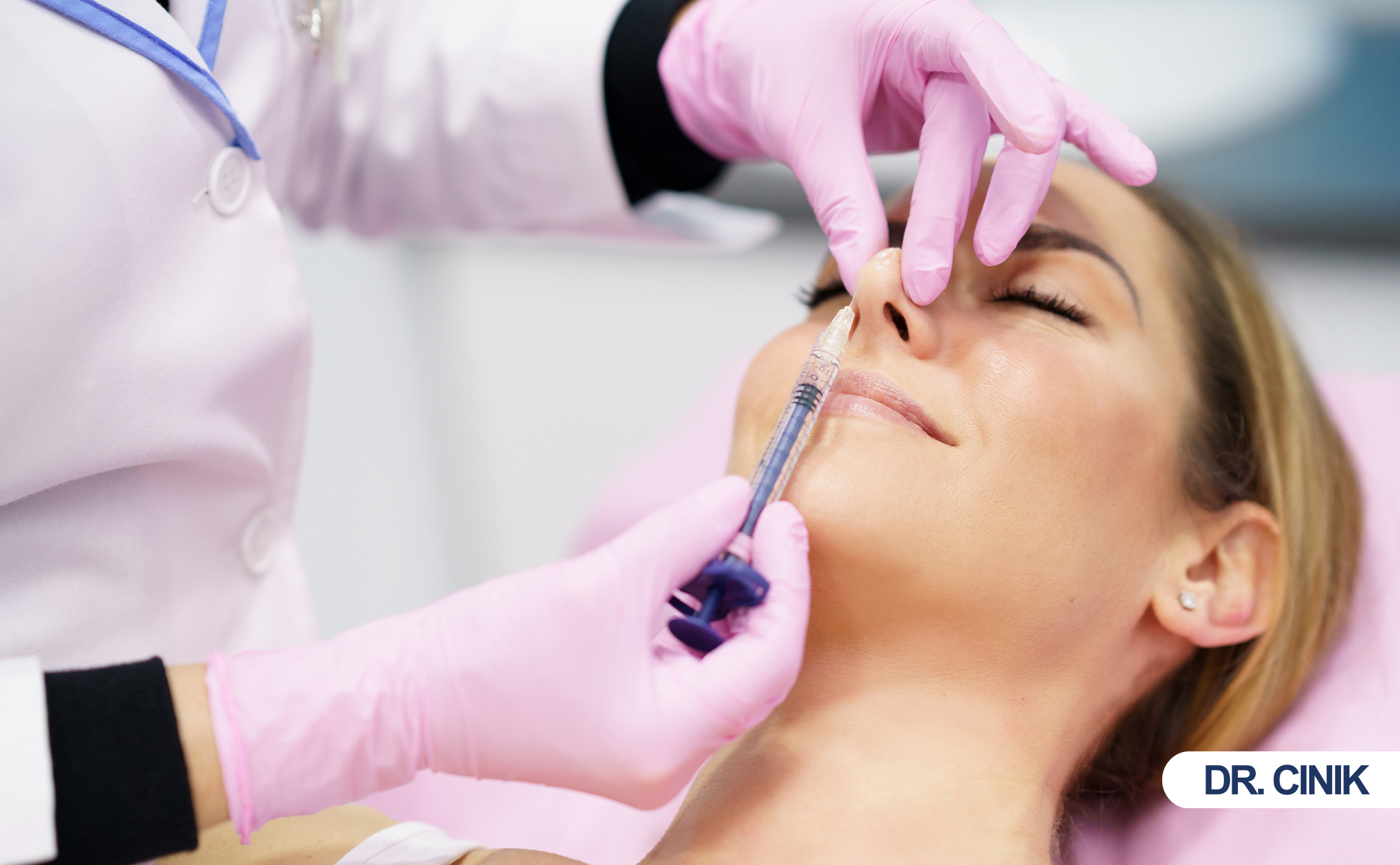
The filler adds structural support beneath the nasal tip skin, which lifts drooping tissue and improves the angle between the nose and upper lip. Practitioners typically inject small aliquots, often 0.1 to 0.2 milliliters, into the columella, infratip lobule, or anterior nasal spine region. These micro-droplets act like soft implants, pushing the nasal tip upward and forward. The procedure also camouflages minor asymmetries by filling concave areas and balancing contour irregularities. Importantly, fillers do not physically shrink the nose. Rather, strategic placement creates an optical illusion of refinement and improved facial harmony.
What Is the Difference Between Nose Tip Lift and Full Liquid Rhinoplasty?
A nose tip lift targets only the tip, while full liquid rhinoplasty reshapes the bridge, radix, and tip together. Full liquid rhinoplasty addresses dorsal humps, radix depression, and bridge width by adding filler above and around these areas. In contrast, a tip lift focuses exclusively on projection, rotation, and definition. Patients with isolated tip ptosis or poor tip definition make ideal candidates for the focused approach. Those with complex deformities involving multiple nasal subunits usually require either full liquid rhinoplasty or traditional surgical correction. Bertossi et al. (2019) emphasize that practitioners must distinguish between focal enhancement and global restructuring when planning treatment.
Why Does Nasal Tip Anatomy Matter for Filler Safety?
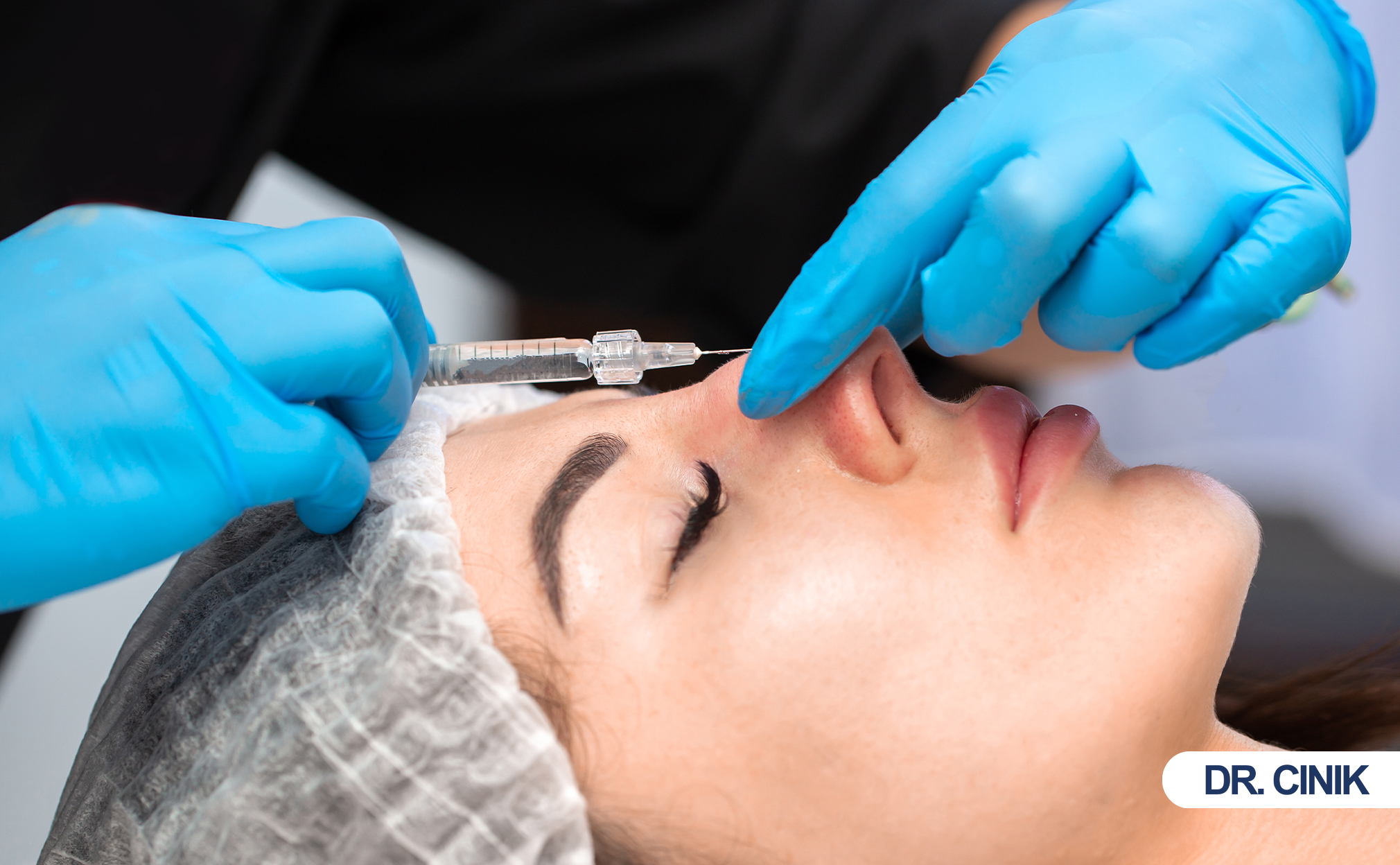
The nasal tip contains delicate cartilage and dense blood vessels, so injectors must understand anatomy to avoid serious complications. The nose is not merely skin and soft tissue. It houses a complex framework of cartilages, muscles, and anastomosing arteries that connect directly to the ocular and cerebral circulations. Any injector who treats this area must possess detailed knowledge of these structures. Without this expertise, even a small volume of misplaced filler can obstruct blood flow, trigger tissue necrosis, or cause catastrophic visual loss.
What Cartilage Structures Support the Nasal Tip?
The medial and lateral crura of the lower lateral cartilages form the nasal tip framework and determine its shape and strength. These paired cartilages resemble an arch or tripod, with the medial crura sitting in the columella and the lateral crura extending into the nasal sidewalls. The interdomal ligament and scroll area connect these segments and influence tip width and projection. When practitioners inject filler for tip rotation, they often deposit product near the anterior nasal spine or between the medial crura to bolster this natural support system. Understanding these landmarks prevents overcorrection and preserves natural tip dynamics.
Which Blood Vessels Supply the Nasal Tip?
The dorsal nasal artery, lateral nasal artery, and angular artery create a dense vascular network across the nose. The external nose receives blood from both the internal and external carotid systems. The ophthalmic artery gives rise to the dorsal nasal artery, which descends along the nasal bridge and anastomoses with the lateral nasal artery. The facial artery contributes the angular artery and superior labial artery, the latter sending small columellar branches to the nasal tip. These vessels form rich interconnections, which means filler injected anywhere on the nose can potentially migrate retrograde into the ophthalmic or cerebral circulation. Kim et al. (2014) documented devastating cases where nasal filler injections caused panophthalmoplegia and permanent vision loss through such vascular pathways.
Why Do Experts Call the Nose a High-Risk Injection Site?
The nose has rich arterial connections to the eye and brain, so misplaced filler can cause blindness, stroke, or tissue death. The angular and dorsal nasal arteries anastomose extensively with branches of the ophthalmic artery, creating a direct route for embolic filler material to travel toward the retina or brain. Goodman et al. (2020) warn that the nasal dorsum and tip present particularly dangerous territory because arteries in this region vary in course and depth. Vascular occlusion represents the most feared complication. When filler enters an artery, it blocks blood flow, causing immediate skin blanching, followed by livedo reticularis, and potentially progressing to full-thickness skin necrosis or cerebral infarction if left untreated.
Which Fillers Do Practitioners Use for Nasal Tip Lifts?
Practitioners use high-viscosity hyaluronic acid fillers because they offer lift, reversibility, and a strong safety record. The nose demands fillers that resist compression, maintain shape, and do not spread unpredictably. Soft, low-density fillers designed for lips or tear troughs lack the structural integrity needed for nasal augmentation. Instead, clinicians select products specifically formulated for deep tissue support and long-lasting projection.
Why Is Hyaluronic Acid the Preferred Choice?
Hyaluronic acid fillers provide immediate results, integrate well with tissue, and dissolve quickly with hyaluronidase if complications arise. Unlike calcium hydroxyapatite or poly-L-lactic acid, hyaluronic acid offers a built-in safety net. If vascular compromise occurs, clinicians can flood the area with hyaluronidase to break down the gel and restore perfusion. Wang et al. (2022) demonstrated in a randomized controlled trial that cross-linked hyaluronic acid products like Restylane Lyft produce significant aesthetic improvement in nasal dorsum and radix shaping with high patient satisfaction. The reversible nature of hyaluronic acid makes it uniquely suitable for the nose, where safety concerns outweigh all other considerations.
Why Do Experts Reject Permanent Fillers for the Nose?
Permanent fillers carry irreversible complications, including granulomas and chronic inflammation, which makes them unsafe for nasal use. Products like silicone, polymethylmethacrylate, or autologous fat lack an antidote. If vascular occlusion, infection, or disfigurement occurs, surgeons cannot dissolve the material easily. Caranti et al. (2025) caution that permanent fillers in the nose create long-term risk profiles that far outweigh their theoretical convenience. Hyaluronic acid fillers may require maintenance, but their temporary nature protects patients from permanent disaster.
What Properties Should an Ideal Nasal Filler Possess?
An ideal nasal filler needs high elasticity, low water absorption, strong cohesivity, and high G-prime to maintain shape under thin nasal skin. G-prime measures a filler’s ability to resist deformation under pressure. High G-prime products lift tissue effectively and do not flatten after placement. Low hydrophilicity prevents excessive post-injection swelling, which is especially important in the nose where even minor edema alters visible contour. High cohesivity ensures the gel stays together as a unified bolus rather than fragmenting into irregular lumps. These rheological properties determine whether the nasal tip achieves smooth, predictable enhancement or develops visible irregularities.
Who Qualifies as an Ideal Candidate for Nose Tip Lift Filler?
Healthy adults with mild tip drooping, slight asymmetry, or weak projection make the best candidates. The procedure suits individuals who want subtle changes without committing to permanent surgery. It also benefits patients who have already undergone rhinoplasty and need minor refinements. However, not everyone qualifies. Proper candidate selection separates successful outcomes from disappointing results or dangerous complications.
Which Patients Benefit Most from This Procedure?
Patients with a drooping tip, bifid tip, or minor post-surgical irregularities see the best outcomes. A drooping tip, also called tip ptosis, occurs when the nasal tip points downward, often creating an aged or heavy appearance. Filler placed at the columella or anterior nasal spine can rotate the tip upward, restoring a youthful angle. Patients with a bifid tip, where the two domes appear separated, benefit from filler placed across the interdomal area to create the illusion of unity. Kassir et al. (2021) reported high satisfaction among patients with mild deformities treated through the ascending technique, which emphasizes gradual, precise augmentation.
Who Should Avoid Nose Tip Fillers?
People with severe deviation, thick scarred skin, major structural defects, or breathing problems need surgical correction instead. Fillers add volume; they cannot remove bone, straighten a crooked septum, or improve airway function. Patients with thick sebaceous skin may develop visible lumpiness because the skin does not drape smoothly over added filler. Those with active skin infections, autoimmune conditions, or unrealistic expectations also fall outside the safe treatment window. Cervelli et al. (2018) excluded patients with these contraindications in their safety study and achieved zero major complications across fifty-two consecutive cases.
What Expectations Should Patients Hold Before Treatment?
Patients must understand that results last 6 to 18 months and that fillers cannot reduce nose size or fix functional issues. Non-surgical rhinoplasty is a cosmetic camouflage technique, not a structural reconstruction. The nose will not become physically smaller. Instead, improved proportions may create the visual impression of refinement. Patients should also know that maintenance sessions keep results alive. Lombardo et al. (2025) found that satisfaction remained high six months after treatment, though natural filler resorption caused slight aesthetic decline over time.
What Happens During a Nose Tip Lift Filler Procedure?
The clinician analyzes facial proportions, cleanses the skin, and injects small filler amounts into precise nasal tip points over 15 to 30 minutes. The appointment follows a structured sequence: consultation, cleansing, marking, injection, molding, and review. Most patients remain awake throughout, experiencing only mild pressure or pinching sensations.
What Does the Consultation Involve?
The clinician reviews medical history, examines nasal anatomy, photographs the nose, and designs a personalized injection plan. During this phase, the practitioner assesses skin thickness, tip support, asymmetry, and vascular patterns. They discuss patient goals, explain limitations, and establish realistic outcomes. Informed consent forms document that the patient understands risks, benefits, and alternatives. Photographs taken from multiple angles serve as baseline references for post-treatment comparison.
Which Injection Techniques Ensure Safety?
Experienced injectors use slow micro-droplet techniques, deep supraperiosteal or supraperichondrial planes, and frequent aspiration checks. Josipovic et al. (2022) developed the five-point liquid rhinoplasty technique, which emphasizes midline injections and tiny 0.02 to 0.1 milliliter aliquots to minimize vascular trauma. Practitioners may use either sharp needles or blunt cannulas depending on the specific nasal area and their personal expertise. Needles offer precision; cannulas may reduce vessel penetration risk in certain planes. Regardless of tool choice, aspiration before each deposit helps confirm that the needle tip does not sit inside a blood vessel. Slow, low-pressure injection allows the practitioner to stop immediately if the patient reports sudden pain or if the skin blanches.
How Long Does the Appointment Take?
Most appointments last 15 to 30 minutes, and patients see immediate changes. Harb et al. (2020) reported an average procedure time of just 12 minutes across 5,000 nonsurgical rhinoplasty cases. The brevity of the treatment contributes to its popularity among busy professionals who cannot accommodate lengthy surgical recovery periods. After injection, the clinician massages the area to smooth the filler and confirm symmetrical placement.
What Does Recovery Look Like?
Patients experience mild swelling and bruising for 24 to 72 hours and return to normal activities the same day. The nose may feel tender or slightly stiff, but these sensations resolve quickly. Clinicians advise avoiding heavy glasses, strenuous exercise, and excessive sun exposure for 48 hours. Makeup can usually resume the next day if the skin remains intact. Unlike surgical rhinoplasty, which requires splints and weeks of social downtime, filler recovery demands minimal adjustment.
What Benefits Does Nose Tip Lift Filler Offer?
The procedure avoids surgery, delivers instant results, allows reversal, and costs less than rhinoplasty. These advantages attract a broad demographic, from young adults seeking first-time enhancement to older patients wanting subtle rejuvenation without operative risk.
Why Do Patients Choose Non-Surgical Options?
Patients avoid general anesthesia, incisions, and long recovery periods. Surgical rhinoplasty involves osteotomies, cartilage grafting, and months of swelling resolution. Many patients fear these invasive steps or cannot take time away from work. Liquid rhinoplasty bridges this gap by offering a lunchtime procedure with visible same-day improvement.
How Fast Will Patients See Changes?
Patients see immediate tip elevation and improved facial balance before leaving the clinic. The filler physically lifts tissue the moment it enters the skin. Minor swelling may temporarily exaggerate results, but the true aesthetic settles within one to two weeks. This instant gratification contrasts sharply with surgery, where final results emerge only after 12 to 18 months of healing.
Can Patients Reverse the Results?
Yes. Hyaluronidase dissolves hyaluronic acid fillers within hours if patients dislike the outcome or complications occur. This reversibility provides psychological comfort and clinical safety. If a patient feels the tip appears over-projected or asymmetric, the clinician can inject hyaluronidase to partially or fully erase the filler. In emergency situations, such as vascular compromise, rapid hyaluronidase administration can prevent permanent tissue damage.
How Does Cost Compare to Surgery?
A filler session costs significantly less than surgical rhinoplasty and requires no hospital fees. Surgical rhinoplasty typically ranges from several thousand to over ten thousand dollars, depending on geographic location and surgeon expertise. A nose tip filler session usually costs a fraction of that amount. However, patients should factor in maintenance costs over time. Repeated treatments every 12 to 18 months can eventually approach surgical costs, though spread across multiple years.
What Risks and Complications Can Occur?
Common side effects include bruising and swelling, but vascular occlusion, skin necrosis, and blindness remain rare yet serious threats. The nose is a high-risk zone, and every patient must understand this reality before consenting. Proper technique, anatomical knowledge, and emergency preparedness keep complication rates low, but zero risk does not exist.
What Mild Side Effects Should Patients Expect?
Redness, tenderness, minor swelling, and bruising typically resolve within three to five days. These reactions represent normal inflammatory responses to needle penetration and foreign material placement. Ice packs, arnica, and gentle care reduce their severity. Harb et al. (2020) noted that erythema and swelling occurred frequently in the first five days but settled spontaneously without intervention.
What Serious Complications Threaten Patient Safety?
Vascular occlusion can trigger tissue death, vision loss, or cerebrovascular events if filler enters arterial branches connected to the eye or brain. When filler blocks an artery, oxygenated blood cannot reach the skin. Ischemia progresses rapidly from blanching to mottled purple discoloration to full necrosis. If the embolus travels retrograde through the ophthalmic artery, it can lodge in the central retinal artery, causing irreversible blindness within minutes. Kim et al. (2014) documented cases of panophthalmoplegia and cerebral infarction following nasal filler injections, underscoring the catastrophic potential of these events.
Which Warning Signs Demand Immediate Attention?
Severe pain, skin blanching, mottled discoloration, visual disturbances, or a sudden headache require emergency intervention. Patients must contact their injector immediately if they experience any of these symptoms. Blanching often appears first, followed by a dusky, net-like pattern called livedo reticularis. Any visual change, blur, dim vision, or field loss, signals possible retinal ischemia and demands instant ophthalmologic referral. Time is tissue, and every minute of delayed treatment increases the risk of permanent damage.
Why Does Injector Experience Matter So Much?
Expert injectors understand nasal anatomy, recognize early warning signs, and maintain emergency hyaluronidase supplies. Novice practitioners may inject too superficially, use excessive volume, or miss the subtle blanching that precedes necrosis. Experienced clinicians aspirate before depositing filler, inject slowly, and keep the total volume conservative. They also maintain emergency protocols, including high-dose hyaluronidase kits, warm compresses, and direct contacts with ophthalmology and vascular surgery teams.
How Does Nose Tip Filler Compare to Surgical Rhinoplasty?
Fillers offer temporary, low-downtime refinement, while surgery delivers permanent structural reconstruction. Both approaches have legitimate roles in nasal aesthetics, but they serve different patient populations and different degrees of deformity.
How Do the Procedures Differ?
Fillers add volume through injections, whereas surgery removes bone, cartilage, and skin through incisions. Liquid rhinoplasty is an additive process. It cannot shave a hump, narrow the bony base, or refine thick skin. Surgical rhinoplasty subtracts, reshapes, and reconstructs using grafts and sutures. The fundamental difference lies in augmentation versus reconstruction.
Which Option Requires Less Recovery Time?
Filler patients resume work immediately, while surgical patients need one to two weeks of downtime. Rhinoplasty surgery produces significant swelling, bruising around the eyes, and nasal packing that limits breathing for days. Filler patients might hide a small bruise with concealer and continue their schedule uninterrupted.
Which Approach Costs More Over Time?
Surgery demands a higher upfront investment, but repeated filler maintenance can accumulate comparable costs over several years. A single rhinoplasty performed by a board-certified surgeon may cost five to ten times more than one filler session. However, if a patient undergoes filler maintenance every year for a decade, the total expenditure may converge with surgical pricing. Patients must weigh temporary convenience against long-term financial planning.
Which Method Delivers Superior Results?
Surgery corrects major deformities permanently, while fillers excel at subtle cosmetic adjustments. Patients with large dorsal humps, wide nasal bones, or severe tip asymmetry will never achieve satisfactory outcomes from filler alone. Conversely, patients with mild ptosis or weak projection often achieve beautiful, natural results without ever entering an operating room.
How Long Do Nose Tip Lift Filler Results Last?
Results typically persist 6 to 18 months, depending on filler type, metabolism, and lifestyle. The nose has relatively low mobility compared to the lips or nasolabial foldsNasolabial folds: The deep creases running from each side of the nose to the corners of the mouth, commonly known..., so fillers in this area often last longer than in more dynamic facial regions. However, individual variation remains significant.
What Is the Average Duration of Results?
Most hyaluronic acid nasal fillers maintain tip projectionThe distance the nasal tip extends outward from the face, crucial for balanced facial aesthetics. for 9 to 12 months before natural resorption begins. Harb et al. (2020) found that approximately 32 percent of patients returned at 12 months for touch-ups, while others maintained satisfactory appearance for up to 24 months. The dense fibrous tissue of the nasal tip and limited muscle movement contribute to this extended longevity.
Which Factors Influence Filler Longevity?
Metabolic rate, filler cross-linking density, injection depth, sun exposure, and smoking affect how long results remain visible. Younger patients with faster metabolisms may break down hyaluronic acid more quickly. Highly cross-linked products resist enzymatic degradation longer than softer gels. Deep injections placed on bone or cartilage last longer than superficial placements because they experience less mechanical stress. Smoking accelerates filler breakdown by reducing tissue oxygenation and increasing inflammatory enzymes.
How Often Do Patients Need Touch-Ups?
Most patients schedule maintenance sessions every 12 to 18 months to preserve optimal tip definition. Some patients return sooner for minor adjustments, while others stretch intervals to two years. The treatment plan remains flexible. Patients can increase projection, decrease it, or modify shape at each visit, allowing evolutionary rather than static aesthetic management.
What Safety Protocols Protect Patients?
Clinicians screen candidates, obtain informed consent, use aspiration, inject slowly, and keep emergency hyaluronidase ready. Safety is not an afterthought; it is the foundation of every successful non-surgical rhinoplasty. Clinics that treat the nose must maintain higher safety standards than those treating lower-risk areas like the cheeks.
What Pre-Treatment Measures Reduce Risk?
Clinicians exclude patients with active infection, bleeding disorders, or prior adverse filler reactions and document baseline photographs. They also review medications, particularly blood thinners and immunosuppressants, that might increase bruising or infection risk. Informed consent forms explicitly mention vascular occlusion, skin necrosis, and blindness as rare but real possibilities. This transparency ensures patients make educated decisions.
Which Injection Planes Minimize Vascular Danger?
Deep preperichondrial and preperiosteal planes avoid direct arterial cannulation and reduce occlusion risk. Cervelli et al. (2018) demonstrated that injections placed deep into the musculoaponeurotic layers, directly above cartilage or bone, significantly reduce the chance of entering vessels. Superficial injections in the subdermal plexus carry far higher risk because this is where the densest vascular networks reside. Practitioners should also favor the midline when possible, as the dorsal nasal artery runs laterally in approximately 80 percent of patients.
How Should Clinicians Manage Emergencies?
Clinicians must stop injecting immediately, administer high-dose hyaluronidase, apply heat and massage, and refer ophthalmology cases urgently. The moment vascular compromise is suspected, the procedure ends. The clinician floods the ischemic area with hyaluronidase, often 1,500 units or more, and repeats dosing every 15 to 20 minutes until perfusion returns. Warm compresses and vigorous massage promote vasodilation and mechanical filler disruption. If visual symptoms appear, the patient needs emergency transfer to an ophthalmology unit capable of managing retinal artery occlusion. Goodman et al. (2020) emphasize that bedside recognition and immediate action matter more than perfect technique in preventing disaster.
What Does Scientific Evidence Say About Non-Surgical Rhinoplasty?
Large retrospective studies and systematic reviews confirm high satisfaction and low complication rates when trained practitioners treat appropriate candidates. The body of literature supporting liquid rhinoplasty has grown substantially over the past decade, moving beyond anecdotal reports to robust clinical data.
How Satisfied Are Patients After Treatment?
Studies report 84 to 98 percent satisfaction rates, with most patients rating outcomes as very satisfied immediately after injection. Lombardo et al. (2025) used the validated FACE-Q questionnaire to demonstrate significant improvements in facial appearance, psychological function, and nose-specific satisfaction six months post-treatment. Josipovic et al. (2022) reported that 95 percent of patients and physicians rated five-point liquid rhinoplasty outcomes as very satisfied. These figures rival or exceed satisfaction rates for many surgical procedures.
What Do Published Studies Reveal About Safety?
Research documents infection rates near 0.04 percent and skin necrosis rates near 0.06 percent in large clinical cohorts. Harb et al. (2020) analyzed 5,000 consecutive nonsurgical rhinoplasties and found vascular occlusion signs in only 0.5 percent of cases, with most resolving through simple measures. Serious adverse events remain exceedingly rare in expert hands, though they dominate academic discussion because of their severity. Caranti et al. (2025) confirm in their narrative review that hyaluronic acid nonsurgical rhinoplasty is generally safe, but awareness and prompt management of complications remain crucial.
What Limitations Exist in Current Research?
Most studies lack randomized controlled designs, long-term follow-up beyond two years, and standardized injection protocols across ethnic groups. The existing literature relies heavily on retrospective case series, single-center experiences, and expert opinion. Different practitioners use different products, techniques, and volume algorithms, making cross-study comparison difficult. Large-scale, multiethnic, randomized trials with five-year follow-up would strengthen evidence-based guidelines. Until then, clinicians must extrapolate from available data and exercise conservative judgment.
What Questions Do Patients Ask Most About Nose Tip Fillers?
Patients commonly ask about pain, reversibility, size reduction, crooked nose correction, overall safety, and maintenance frequency. Clear answers build trust and ensure appropriate expectations.
Is Nose Tip Filler Painful?
Most patients report minimal discomfort; many fillers contain lidocaine, and clinicians can apply topical numbing cream. The nasal tip is sensitive, but the procedure uses extremely fine needles and small volumes. Harb et al. (2020) recorded an average pain score of only 2 out of 10 across 5,000 cases. Any brief sting resolves within seconds.
Can Nose Fillers Be Reversed?
Yes. Hyaluronidase injections dissolve hyaluronic acid fillers safely and effectively. This enzymatic reversal works within hours and provides both an aesthetic escape hatch and a medical rescue tool. Patients should find comfort in knowing that their results are not permanent if they change their minds.
Does Nose Tip Filler Make the Nose Smaller?
No. Fillers add volume, but strategic placement can create an illusion of a smaller, more refined nose. By lifting a drooping tip or smoothing a transition point, the eye perceives better proportions rather than increased size. Patients seeking actual reduction need surgical intervention.
Can Fillers Correct a Crooked Nose?
Fillers can camouflage mild asymmetry, but they cannot straighten severe deviation or reshape bone and cartilage. A crooked nose usually stems from septal deviation or bony asymmetry. Fillers might disguise surface irregularities by adding volume to concave sides, but they do not address the underlying structural cause.
Is Non-Surgical Rhinoplasty Safe?
The procedure is safe in experienced hands, though the nose remains a high-risk zone that demands anatomical expertise. Safety is not inherent to the product; it depends on the practitioner. Patients should select board-certified physicians or surgeons with specific training in nasal filler techniques and complication management.
How Often Are Touch-Ups Needed?
Most patients return for touch-ups every 9 to 18 months, though some maintain results for up to 24 months. The schedule depends on aesthetic goals, filler choice, and individual metabolic factors. Patients can adjust their maintenance frequency based on how their nose evolves over time.
What Should Patients Remember About Nose Tip Lift Fillers?
Nose tip lift filler provides temporary, reversible enhancement for mild cosmetic concerns, but it cannot replace surgery for major structural problems. Patients must enter treatment with clear goals, realistic timelines, and full awareness of both benefits and boundaries.
What Are the Key Takeaways?
Hyaluronic acid fillers offer a safe, effective, and temporary alternative for nasal tip refinement when experts treat properly selected patients. The procedure demands anatomical knowledge, conservative volumes, and emergency preparedness. It excels at subtle enhancement but fails at major reconstruction. Patient selection, injector expertise, and informed consent form the tripod that supports every successful outcome.
What Is the Final Medical Perspective?
Non-surgical rhinoplasty serves as a valuable tool for subtle aesthetic improvement, yet surgical rhinoplasty remains the gold standard for significant nasal reconstruction. The nose tip lift filler occupies an important niche in modern aesthetic medicine. It empowers patients to enhance their appearance without surgery, but it also imposes responsibility on practitioners to respect nasal anatomy, prioritize safety, and recognize the limits of injectable technology. When clinicians and patients approach this procedure with scientific rigor and realistic expectations, nose tip lift fillers deliver satisfying, elegant results that harmonize the face without ever opening an incision.
References
Bertossi, D., et al. “Nonsurgical Rhinoplasty: Nasal Grid Analysis and Nasal Injecting Protocol.” Plastic and Reconstructive Surgery, vol. 143, no. 2, 2019, pp. 428-39.
Caranti, Alberto, et al. “Complications of Nonsurgical Rhinoplasty with Hyaluronic Acid Injections: A Narrative Review.” Aesthetic Plastic Surgery, vol. 49, no. 11, 2025, pp. 3016-25.
Cervelli, V., et al. “Safety and Early Satisfaction Assessment of Patients Seeking Nonsurgical Rhinoplasty with Filler.” Journal of Cutaneous and Aesthetic Surgery, vol. 11, no. 1, 2018, pp. 12-16.
Goodman, G. J., et al. “A Consensus on Minimizing the Risk of Hyaluronic Acid Embolic Visual Loss and Suggestions for Immediate Bedside Management.” Aesthetic Surgery Journal, vol. 40, no. 9, 2020, pp. 1009-21.
Harb, Ayad, et al. “The Nonsurgical Rhinoplasty: A Retrospective Review of 5000 Treatments.” Plastic and Reconstructive Surgery, vol. 145, no. 3, 2020, pp. 489-98.
Josipovic, J., et al. “Five-Point Liquid Rhinoplasty: Results from a Retrospective Analysis of a Novel Standardized Technique and Considerations on Safety.” Journal of Cosmetic Dermatology, vol. 21, no. 10, 2022, pp. 4452-59.
Kassir, R., et al. “Non-Surgical Rhinoplasty: The Ascending Technique and a 14-Year Retrospective Study of 2130 Cases.” Aesthetic Plastic Surgery, vol. 45, no. 3, 2021, pp. 1154-68.
Kim, Sang Nam, et al. “Panophthalmoplegia and Vision Loss after Cosmetic Nasal Dorsum Injection.” Journal of Clinical Neuroscience, vol. 21, no. 4, 2014, pp. 678-80.
Lombardo, Giuseppe A. G., et al. “Assessing the Long-Term Impact of Non-Surgical Rhinoplasty on Patient Satisfaction and Quality of Life: A Prospective Study Using FACE-Q.” Aesthetic Plastic Surgery, vol. 49, 2025, pp. 1-10.
Wang, X., et al. “Restylane Lyft for Aesthetic Shaping of the Nasal Dorsum and Radix: A Randomized, No-Treatment Control, Multicenter Study.” Plastic and Reconstructive Surgery, vol. 150, no. 6, 2022, pp. 1225-35.