Most patients start gentle walking within 24 hours of surgery. Light cardio usually resumes at 4 to 6 weeks. Full exercise, including core training and heavy lifting, typically waits until 8 to 12 weeks. Your surgeon gives the final clearance.
A tummy tuck changes your body in a deep way. The surgeon removes skin and fat. In many cases, the surgeon also repairs the abdominal muscles. This repair involves internal sutures that hold the rectus muscles together. These tissues need time to heal. Exercise places direct stress on them.
Many patients feel eager to return to the gym. This feeling is natural. However, rushing back too soon creates real risks. Studies show that abdominoplasty carries a measurable complication rate, and poor post-operative choices raise that rate (Neaman 2007). Wound separation, seroma, bleeding, and muscle repair failure can all undo a good surgical result.
This guide explains the full exercise timeline after a tummy tuck. It covers each healing stage. It lists safe activities week by week. It also explains why the rules exist. The goal is simple. You protect your result, and you return to fitness safely.
Why Must Exercise Be Restricted After a Tummy Tuck?
Exercise raises pressure inside the abdomen. It strains sutures and healing tissue. Too much activity too soon causes wound separation, seroma, and failure of the muscle repair.
Exercise restriction after abdominoplasty is not a random rule. It comes from the biology of wound healing. A surgical wound gains strength slowly. Research shows a healing wound reaches only about 20 percent of its final tensile strength at three weeks. Even at three months, it peaks near 80 percent of normal skin strength (Li 2007). Your body needs this time. Exercise pulls against this process.
What Happens During an Abdominoplasty?
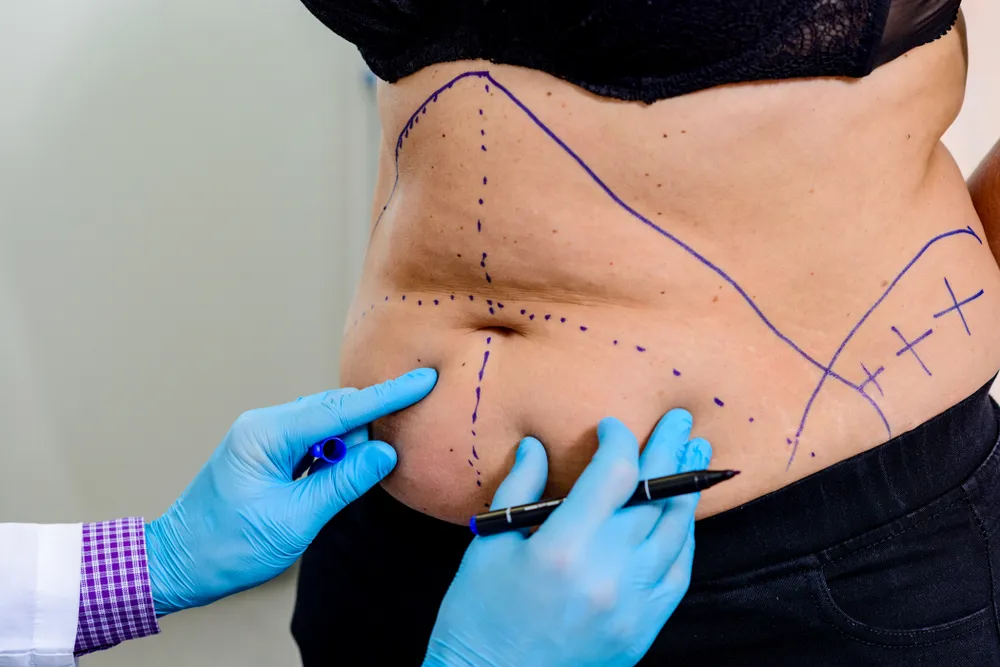
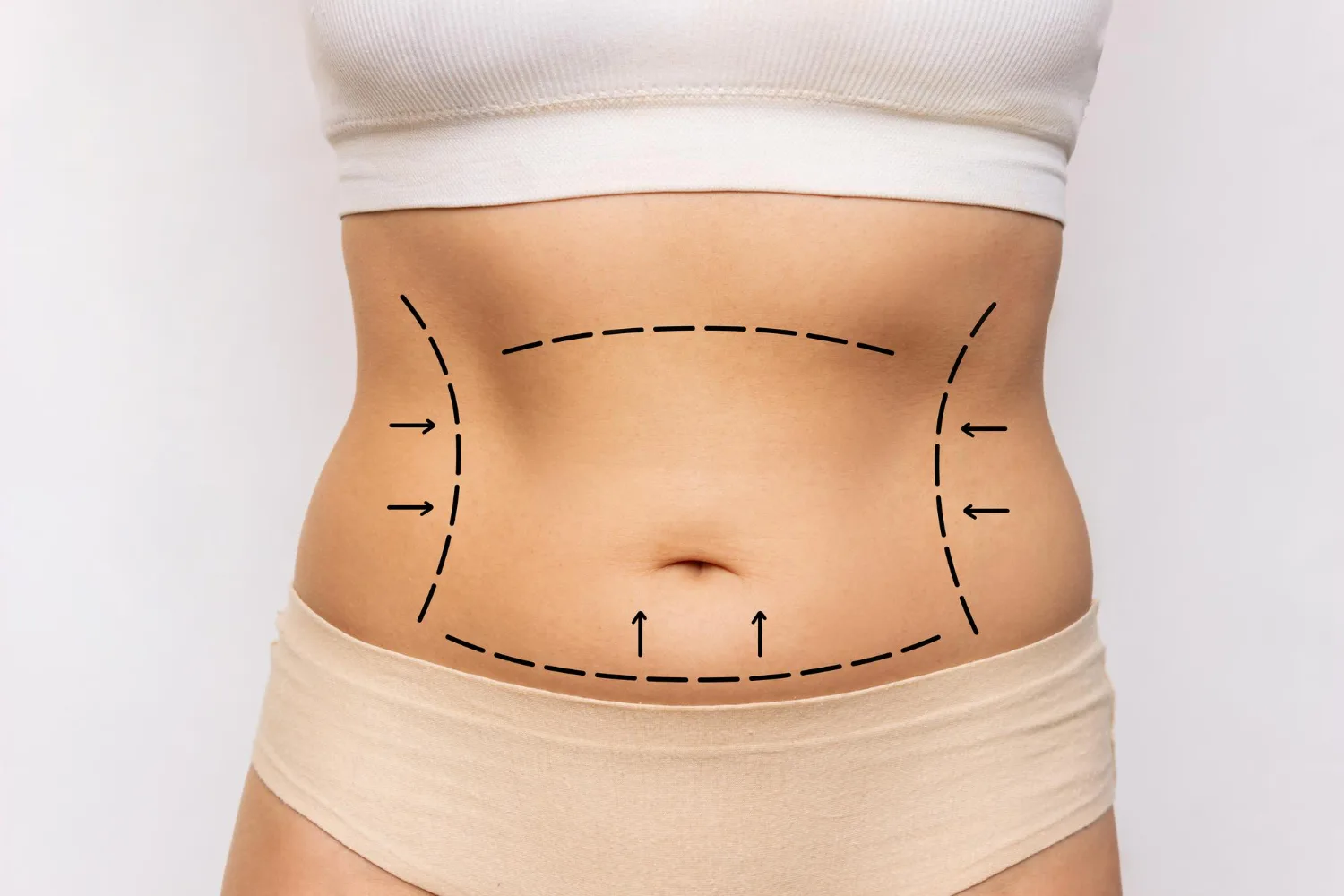
The surgeon removes excess skin, contours fat, and often repairs separated rectus muscles with permanent internal sutures. Each step creates tissue that must heal.
A full abdominoplasty involves several distinct steps. Each step affects your recovery.
- Skin removal. The surgeon excises loose skin, usually between the navel and the pubic area. This creates a long horizontal incision.
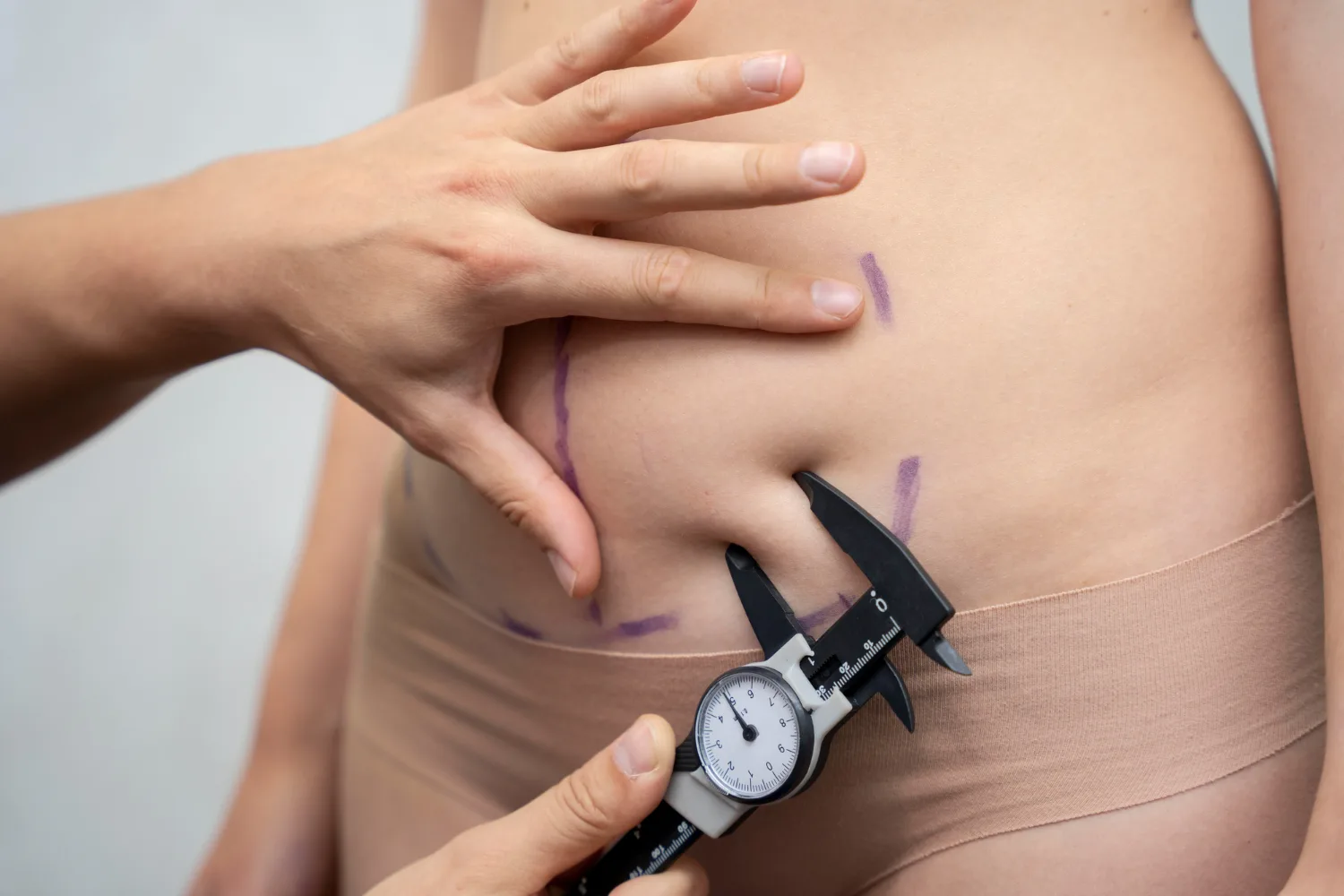
- Fat contouring. The surgeon removes fat directly or with liposuction. Combined liposuction raises the risk of fluid buildup after surgery (Marsh 2015).
- Rectus muscle repair. Many patients have diastasis recti. The surgeon folds and sutures the muscle fascia to tighten the wall. This step is called plication.
- Internal sutures and tissue healing. Deep sutures hold everything in place. These sutures carry mechanical load until your tissue takes over.
The result is a large area of dissected tissue. Two raw surfaces sit against each other. Your body must glue them together with new collagen.
How Does Exercise Affect Surgical Healing?
Exercise raises intra-abdominal pressure, increases blood flow, and creates shearing forces. These forces can open wounds, trigger bleeding, and fill the surgical space with fluid.
Several mechanisms explain the danger.
Increased intra-abdominal pressure. Crunches, planks, and heavy lifts push pressure against the abdominal wall. This pressure acts directly on the plication sutures.
Risk of wound separation. Tension on the incision line can pull the edges apart. Surgeons call this dehiscence.
Bleeding and seroma formation. An elevated heart rate raises blood pressure at the surgical site. Small vessels can bleed. Shearing movement between the flap and the muscle wall releases inflammatory fluid. This fluid collects as a seroma. Seroma remains the most common complication of abdominoplasty, with reported rates from about 10 percent up to 25 percent in some series (Marsh 2015).
Swelling and inflammation. Hard exercise prolongs the inflammatory response. Swelling after a tummy tuck then lasts longer.
Muscle repair disruption. Early core strain can stretch or tear the plication. The repair loosens, and the bulge can return.
What Are the Stages of Healing After a Tummy Tuck?
Healing moves through four stages: inflammation (days 1 to 7), early repair (weeks 2 to 4), tissue remodeling (weeks 4 to 12), and scar maturation (3 to 12 months).
Your exercise plan follows your healing biology. Scientists divide wound healing into overlapping phases (Peña and Martin 2019). Understanding these phases explains why the timeline looks the way it does.
What Happens During the Inflammatory Phase (Days 1 to 7)?
Your body seals the wound and fights contamination. The wound has almost no tensile strength. Rest and short walks define this week.
Blood vessels constrict, then platelets form a fibrin clot. Neutrophils and macrophages clean the wound bed. Swelling, warmth, and soreness peak during this phase. The wound holds together only because of the sutures. Any strain risks disruption.
What Happens During the Early Repair Phase (Weeks 2 to 4)?
Fibroblasts build new collagen and new blood vessels. The wound closes on the surface, but it remains weak underneath.
Fibroblasts lay down immature type III collagen. New vessels form through angiogenesis. The skin looks healed from the outside. Inside, the repair is fragile. Tensile strength stays far below normal (Li 2007). Patients often feel better during this phase and overestimate their healing. This is a common mistake.
What Happens During the Tissue Remodeling Phase (Weeks 4 to 12)?
Your body replaces weak collagen with stronger type I collagen. Strength climbs steadily, and you can add activity step by step.
Matrix metalloproteinases break down the early scaffold. Stronger fibers take its place. The plication line firms up. Scar tissue reorganizes along tension lines. This is the window where graded exercise returns.
What Happens During Long-Term Scar Maturation (3 to 12 Months)?
The scar slowly gains strength and softens. Full tissue maturity can take a year, even though normal exercise resumes much sooner.
Collagen continues to remodel for months. The scar flattens and fades. Deep tissue strength approaches its maximum around three months, though it never reaches 100 percent of uninjured tissue (Li 2007). Most patients train without limits well before full maturation ends.
What Exercise Is Safe During the First Week?
Gentle walking is the only exercise during week one. Start within the first day. Walk a few minutes, several times daily.
The first week sets the tone for recovery. Movement matters, but only one kind.
Why Is Gentle Walking Encouraged?
Walking after tummy tuck surgery prevents blood clots and keeps circulation moving. It does not strain the repair when done slowly and upright.
Immobility after surgery raises the risk of venous thromboembolism. Body contouring patients carry a measurable clot risk, and early mobilization is a core prevention strategy (Hatef 2008). Walking activates the calf muscles. These muscles pump blood back toward the heart. This simple action protects you.
What Are the Benefits of Early Walking?
Early walking improves circulation, reduces clot risk, supports lung function, and speeds overall recovery.
The benefits are well documented across surgical fields:
- Improved circulation. Blood flow delivers oxygen and nutrients to healing tissue.
- Reduced blood clot risk. Leg movement prevents venous stasis (Hatef 2008).
- Better lung function. Upright walking expands the lungs and prevents fluid buildup.
- Faster recovery. Early mobilization shortens recovery time across many operations (Kehlet and Wilmore 2008).
Walk slightly stooped at first if your surgeon advises it. Straighten gradually over the first two weeks.
Which Activities Must Be Avoided in Week One?
Avoid lifting, stretching, core activation, running, and all gym workouts. Any activity that tenses the abdomen is off limits.
The banned list includes:
|
Activity
|
Why It Is Dangerous in Week 1
|
|
Heavy lifting (over ~4–5 kg)
|
Spikes intra-abdominal pressure
|
|
Stretching the torso
|
Pulls on the incision line
|
|
Core activation
|
Strains plication sutures directly
|
|
Running
|
Impact and shearing forces
|
|
Gym workouts
|
Combined load, sweat, and pressure
|
Can You Exercise During Weeks Two to Four?
Yes, but only low-impact movement. Longer walks, light mobility work, and normal household activity are appropriate. Anything that loads the core stays banned.
This phase tests patient discipline. You feel stronger. The wound looks closed. Yet the repair underneath is still immature.
What Activities Are Usually Permitted?
Walking longer distances, gentle mobility for the arms and legs, and daily household movement. Keep your heart rate moderate.
Most surgeons allow:
- Slow walking, up to 20 to 30 minutes at a time
- Light mobility exercises for shoulders, hips, and ankles
- Daily household movement, such as cooking and short errands
Keep your posture tall as comfort allows. Stop if you feel pulling at the incision.
What Should Still Be Avoided in Weeks Two to Four?
Strength training, swimming, cycling, Pilates, and yoga with abdominal engagement remain unsafe during this window.
- Strength training. Load raises abdominal pressure even when the core does not contract directly.
- Swimming. The incision must stay sealed and fully healed before immersion. Most surgeons wait until at least week four to six.
- Cycling. The flexed posture compresses the abdomen.
- Pilates. Nearly every movement recruits the deep core.
- Yoga with abdominal engagement. Twists and planks stress the plication.
When Can You Resume Cardio After a Tummy Tuck?
Light cardio after tummy tuck surgery usually starts at 4 to 6 weeks, with surgeon approval. Progress from walking to cycling, then elliptical, then light jogging over several weeks.
Cardio returns in steps. Each step adds impact. You earn each step with symptom-free progress.
How Should Walking Progress?
Extend duration first, then pace. Aim for 30 to 45 minutes of brisk walking by week five before adding impact.
Walking remains your base. Add five minutes every few days. Then increase speed. Brisk walking prepares tissues for higher loads.
When Can You Use a Stationary Bike?
Usually around weeks 4 to 6. Start upright with low resistance for 10 to 15 minutes.
A stationary bike offers cardio without impact. Keep resistance low. Stay upright rather than leaning forward. Stop if you feel abdominal tightness.
When Can You Use the Elliptical?
Typically around weeks 6 to 8, once you tolerate brisk walking and cycling without swelling or pain.
The elliptical adds range of motion. Use it without leaning on the handles. Keep sessions short at first.
When Is Light Jogging Allowed?
Usually after week 8, and only after medical clearance. Start with short jog-walk intervals.
Jogging creates impact forces through the abdominal wall. Begin with one-minute jog intervals inside a walk. Build slowly over three to four weeks.
What Signs Show You Are Progressing Too Quickly?
New swelling, pulling pain, or fatigue after sessions mean you pushed too far. Step back to the previous level for one to two weeks.
Watch for these signals:
- Swelling that appears in the evening after morning exercise
- A feeling of heaviness or pressure in the lower abdomen
- Soreness at the plication line
- Any fluid wave or new soft bulge
When Is It Safe to Return to Strength Training?
Light resistance work often starts at 6 to 8 weeks. Weight lifting after abdominoplasty with meaningful loads waits until 10 to 12 weeks, with surgeon approval.
Strength training returns piece by piece. Body region matters.
When Can You Do Upper Body Exercises?
Light seated upper body work often begins around weeks 6 to 8. Use light weights and avoid bracing your abdomen.
Seated machines reduce core demand. Choose dumbbells you can lift 15 times with ease. Avoid standing overhead presses early. They force the core to stabilize.
When Can You Do Lower Body Resistance Training?
Light leg work, such as bodyweight sit-to-stands and light leg presses, usually fits in at weeks 8 to 10.
Squats and lunges load the abdominal wall indirectly. Start with bodyweight. Add load only after two symptom-free weeks.
Why Does Heavy Lifting Require Additional Healing Time?
Heavy loads demand a Valsalva maneuver. This spikes intra-abdominal pressure to extreme levels and directly stresses the muscle repair.
A heavy squat or deadlift multiplies abdominal pressure several times over. The plication sutures and the fascial scar absorb this force. Fascia heals slower than skin. This is why surgeons hold heavy lifting until the remodeling phase matures, often at 12 weeks or beyond.
How Should Load Progression Work?
Add weight in small steps, roughly 5 to 10 percent per week. Never add load and volume in the same week.
A simple progression:
|
Week
|
Load Guideline
|
|
6–8
|
Bodyweight and light machines, 15–20 reps
|
|
8–10
|
Light free weights, 12–15 reps
|
|
10–12
|
Moderate loads, 8–12 reps
|
|
12+
|
Gradual return to pre-surgery loads
|
Core exercises after tummy tuck surgery usually restart between 8 and 12 weeks. Begin with breathing drills, not crunches. Full abdominal workouts wait until after 12 weeks and medical clearance.
The core is the last region to return. It is also the most important to protect.
The surgeon sutured your rectus muscles under tension. Direct contraction pulls on that repair line before the tissue is strong enough to resist it.
Recovery after muscle plication differs from simple skin healing. The fascia must scar into its new position. Early contraction can lengthen or disrupt that scar. The result is a persistent bulge and a failed repair.
What Are the Risks of Starting Core Work Too Early?
Muscle separation recurrence, internal suture stress, and delayed healing. Any of these can require revision surgery.
- Muscle separation recurrence. The diastasis reopens.
- Internal suture stress. Sutures can cut through weak tissue.
- Delayed healing. Repeated micro-trauma restarts inflammation.
What Is the Recommended Core Exercise Progression?
Move through six stages: breathing, pelvic tilts, gentle activation, planks, sit-ups, and finally advanced abdominal workouts. Each stage needs weeks of tolerance.
- Breathing exercises (weeks 2–4). Diaphragmatic breathing maintains gentle deep-core tone.
- Pelvic tilts (weeks 6–8). Small, controlled tilts wake up the transverse abdominis.
- Core activation (weeks 8–10). Dead-bug-style moves without strain.
- Planks (weeks 10–12). Start on knees, 10 to 15 seconds.
- Sit-ups (after week 12). Partial curls first, with clearance.
- Advanced abdominal workouts (months 4–6). Full return only when fully healed.
How Does Muscle Repair Affect Exercise Timing?
A tummy tuck without muscle repair allows faster return, often 1 to 2 weeks earlier per stage. Rectus plication adds healing time at every step.
Not all tummy tucks are equal. The presence of abdominal muscle repair recovery changes the whole calendar.
What Changes With a Tummy Tuck Without Muscle Repair?
Skin-only procedures heal faster. Many patients resume light cardio at 3 to 4 weeks and fuller exercise by 6 to 8 weeks.
Without plication, no deep suture line carries mechanical load. The main limits are the incision and the skin flap.
What Changes With Rectus Muscle Plication?
Every stage shifts later. Core work in particular waits until 10 to 12 weeks at minimum.
The plication creates a high-tension repair. Surgeons protect it like an orthopedic repair. This is the single biggest variable in your timeline.
How Do the Two Procedures Compare in Recovery?
Muscle repair adds roughly 2 to 4 weeks to each milestone and delays unrestricted exercise by about a month.
|
Milestone
|
Without Muscle Repair
|
With Muscle Plication
|
|
Gentle walking
|
Day 1
|
Day 1
|
|
Light cardio
|
Weeks 3–4
|
Weeks 4–6
|
|
Moderate exercise
|
Weeks 5–6
|
Weeks 6–8
|
|
Core training
|
Weeks 6–8
|
Weeks 10–12
|
|
Full clearance
|
~8 weeks
|
~12 weeks
|
What Is a Typical Exercise Timeline After a Tummy Tuck?
Walking only in week one, more walking through week four, light cardio by week six, moderate training by week eight, and full exercise after week twelve with clearance.
The tummy tuck recovery timeline below summarizes the standard progression. Individual plans vary. Your surgeon's protocol always wins.
|
Recovery Stage
|
Typical Activities
|
|
Days 1–7
|
Gentle walking only
|
|
Weeks 2–4
|
Increased walking, light daily activity
|
|
Weeks 4–6
|
Light cardio with surgeon approval
|
|
Weeks 6–8
|
Moderate exercise, gradual resistance training
|
|
Weeks 8–12
|
Progressive strength training and low-impact sports
|
|
After 12 weeks
|
Full exercise if fully healed and medically cleared
|
Treat this table as a map, not a contract. Healing speed differs between patients.
Which Exercises Should Be Avoided Until Full Recovery?
High-impact cardio, heavy weightlifting, CrossFit, HIIT, contact sports, abdominal isolation moves, and Olympic lifting stay off the list until at least 12 weeks.
Some activities demand full tissue maturity. Do not negotiate with these.
Why Is High-Impact Cardio Delayed?
Running and jumping send repeated impact waves through the abdominal wall and flap. This promotes swelling and seroma.
Impact creates shearing forces between tissue layers. Shearing is a known seroma mechanism (Marsh 2015).
Why Is Heavy Weightlifting Delayed?
Near-maximal loads produce extreme intra-abdominal pressure that can disrupt the fascial repair even late in recovery.
Wait for explicit clearance. Then rebuild over months, not days.
Why Is CrossFit Delayed?
CrossFit combines heavy loads, speed, and fatigue. Fatigue breaks form, and broken form loads the abdomen unpredictably.
The mixed, high-intensity format leaves no room for controlled progression. Most surgeons recommend waiting three to six months.
Why Are HIIT Workouts Delayed?
Burpees, mountain climbers, and sprint intervals slam the core under fatigue. HIIT belongs after full clearance.
Add intervals only after you tolerate steady cardio and planks without symptoms.
A blow to the healing abdomen can rupture deep tissue. Contact sports usually wait three to six months.
This includes martial arts, football, basketball, and rugby.
Why Are Abdominal Isolation Exercises Delayed?
Crunches, leg raises, and Russian twists contract the exact muscles the surgeon repaired. They resume last of all.
Follow the core progression ladder described earlier.
Why Is Olympic Lifting Delayed?
Snatches and clean-and-jerks generate the highest abdominal pressures of any gym movement. Expect a four-to-six-month wait.
Explosive bracing under load is the final frontier of recovery. Earn it slowly.
What Warning Signs Mean You Should Stop Exercising?
Stop immediately for new pain, swelling, fluid collection, bleeding, incision opening, abdominal bulging, or fever. Call your surgical team the same day.
Your body reports problems early. Listen to it.
What Does Increased Pain Indicate?
Sharp or worsening pain at the repair line signals tissue stress. Stop the activity and rest.
Normal soreness fades in a day. Surgical pain persists or sharpens.
What Does New Swelling Indicate?
Rebound swelling after workouts means the tissue cannot yet handle the load. Reduce intensity for one to two weeks.
Track swelling morning and evening. Evening swelling after training is a classic overuse sign.
What Does a Fluid Collection Indicate?
A soft, wave-like pocket under the skin suggests seroma. This needs medical assessment and sometimes drainage.
Seroma is the most frequent abdominoplasty complication, and obesity and large dissection areas raise the risk (Kim and Stevenson 2006).
What Does Bleeding Indicate?
Any new bleeding from the incision or drain site means a vessel has opened. Stop, apply gentle pressure, and call your surgeon.
What Does an Incision Opening Indicate?
Any gap in the wound edges is a dehiscence. Cover it with a clean dressing and seek same-day care.
What Does Abdominal Bulging Indicate?
A new bulge along the midline may mean the plication has loosened. Stop all core work and see your surgeon.
What Do Fever or Infection Symptoms Indicate?
Fever, redness, warmth, or foul drainage suggests infection. This is a medical urgency, not a training issue.
How Can You Exercise Safely After a Tummy Tuck?
Follow your surgeon's timeline, wear your compression garment, hydrate, eat enough protein, progress gradually, and listen to your body.
Safe return rests on six habits.
Why Should You Follow Your Surgeon's Timeline?
Your surgeon saw your tissue quality, your repair tension, and your healing at follow-up. Generic timelines cannot know these details.
Two patients with the same procedure can have different plans. Trust the personalized one.
Why Should You Wear Compression Garments as Recommended?
A compression garment during recovery limits swelling, supports the flap, and reduces the dead space where fluid collects.
Wear it during workouts until your surgeon says otherwise. It also improves comfort during movement.
Why Should You Stay Hydrated?
Hydration supports circulation and lymphatic drainage. Both systems clear swelling from the surgical site.
Aim for pale-yellow urine as a simple marker.
Why Should You Maintain Proper Nutrition?
Wounds are built from nutrients. Protein and micronutrient shortfalls directly slow collagen production (Russell 2001).
Eat to heal, not to diet. Recovery is the wrong season for a calorie crash.
Why Should You Increase Exercise Intensity Gradually?
Tissue adapts to load when the load rises in small steps. Sudden jumps outpace adaptation and cause injury.
Use the 10 percent rule for both cardio and weights.
Why Should You Listen to Your Body?
Pain, swelling, and fatigue are your early warning system. They arrive days before a visible complication does.
When in doubt, step back a level. One cautious week never ruined a result. One reckless week can.
Does Fitness Level Before Surgery Affect Recovery?
Yes. Fit patients often tolerate early walking better, but tissue healing speed is similar. Athletes do not get a shorter timeline.
Fitness shapes the experience, not the biology.
How Do Athletes Recover Differently?
Athletes regain cardio fitness faster and follow plans well. Their risk is overconfidence, not weakness.
Athletes feel capable early. The tissue is still on the same schedule. Discipline matters most in this group.
How Do Recreational Exercisers Recover Differently?
This group follows the standard timeline closely. Expect steady progress with few surprises.
Most patients fall here. The standard tables apply.
How Do Patients After Massive Weight Loss Recover Differently?
Larger dissections and altered lymphatics raise seroma and complication rates. Timelines often stretch by several weeks.
Post-bariatric patients face seroma rates that can approach 40 percent in some series, and complications rise in this population (Neaman 2007). Extra patience pays off.
How Does Post-Pregnancy Recovery Differ?
Post-pregnancy patients almost always have rectus plication. Childcare lifting duties complicate rest. Plan household help for at least two weeks.
Lifting a toddler counts as weight lifting. Arrange support early.
How Does Nutrition Support Exercise Recovery After Abdominoplasty?
Protein rebuilds tissue, micronutrients drive collagen chemistry, and hydration supports drainage. Good nutrition shortens the road back to training.
Food is part of the rehab plan.
How Much Protein Do You Need?
Most surgical recovery guidance suggests roughly 1.2 to 2.0 grams per kilogram of body weight daily during healing.
Protein supplies the amino acids for collagen. Spread intake across meals. Fish, eggs, poultry, dairy, and legumes all work.
Which Micronutrients Matter for Healing?
Vitamin C, zinc, vitamin A, and iron play direct roles in collagen synthesis and immune defense (Russell 2001).
- Vitamin C. Essential for collagen cross-linking.
- Zinc. Supports cell division and immune function.
- Vitamin A. Drives epithelial repair.
- Iron. Carries oxygen to healing tissue.
A varied diet usually covers these. Ask your team before adding supplements.
How Does Hydration Help?
Water keeps blood volume up and helps the lymphatic system clear post-surgical swelling.
Sip through the day. Increase intake on walking days.
How Do You Maintain Lean Muscle During Recovery?
Adequate protein plus early walking and later resistance work limits muscle loss. Expect some detraining in the first six weeks. It returns fast.
Muscle memory is real. Fitness returns quicker than it was first built.
What Factors Influence When You Can Exercise Again?
Surgical technique, repair extent, healing rate, age, smoking, chronic illness, and BMI all shift the timeline earlier or later.
Recovery milestones after tummy tuck surgery are personal. Seven factors set your calendar.
How Does Surgical Technique Affect Timing?
Mini tummy tucks heal faster than full or extended procedures. Larger dissections need longer protection.
More dissection means more raw surface and more seroma risk (Kim and Stevenson 2006).
How Does the Extent of Muscle Repair Affect Timing?
A wider or tighter plication carries more tension and needs more time. This is the dominant variable for core training.
How Does Individual Healing Rate Affect Timing?
Genetics and tissue quality vary. Two patients with identical surgery can heal weeks apart. Follow-up exams, not the calendar, confirm readiness.
How Does Age Affect Timing?
Older patients often heal a bit slower and may need an extra one to two weeks per stage. Age alone never blocks a full return.
How Does Smoking Affect Timing?
Smoking impairs blood flow and collagen production and raises complication rates. Smokers face longer timelines and stricter limits (Sørensen 2012).
Nicotine constricts small vessels. Quitting before and after surgery measurably improves healing.
How Do Chronic Medical Conditions Affect Timing?
Diabetes and vascular disease slow healing and raise infection risk. These patients need closer monitoring and slower progression.
Good blood sugar control protects the repair.
How Does Body Mass Index Affect Timing?
Higher BMI raises seroma and complication rates. Surgeons often extend restrictions for patients with obesity (Kim and Stevenson 2006).
Frequently Asked Questions About Exercising After a Tummy Tuck
How Soon Can I Walk After a Tummy Tuck?
Within 24 hours. Short, slow walks several times a day begin almost immediately and continue through recovery.
Walking after tummy tuck surgery is treatment, not exercise. It protects against clots and speeds healing (Hatef 2008).
When Can I Return to the Gym?
Light gym visits usually resume around weeks 6 to 8. Full gym training waits until about 12 weeks with clearance.
Start with machines and light cardio. Avoid free-weight compounds early.
Can I Lift Weights After Four Weeks?
Generally no. Four weeks is too early for resistance training. Light weights typically start at 6 to 8 weeks.
The wound at four weeks holds only a fraction of final strength (Li 2007).
When Is It Safe to Run?
Light jogging usually starts after week 8, following symptom-free brisk walking and medical clearance.
Begin with intervals. Add distance slowly.
Can I Do Yoga After Abdominoplasty?
Gentle stretching without abdominal engagement may fit around weeks 6 to 8. Twists, planks, and core flows wait until after 12 weeks.
Tell your instructor about your surgery when you return.
Usually at 10 to 12 weeks at the earliest, after building through breathing drills and pelvic tilts. Clearance is mandatory.
These moves load the plication directly. They come last.
Will Exercising Too Early Ruin My Tummy Tuck Results?
It can. Early strain risks seroma, wound opening, and plication failure. Each of these can deform the final contour and may need revision.
Protecting the first 12 weeks protects the next 12 years.
Can Exercise Reduce Swelling After Surgery?
Gentle walking helps lymphatic drainage and can ease swelling. Hard exercise does the opposite and increases swelling.
More is not better here. Gentle and frequent wins.
Is Soreness Normal When Restarting Workouts?
Mild muscle soreness is normal and fades within 48 hours. Pain at the incision or plication line is not normal. Stop and reassess.
Learn the difference between training soreness and surgical pain.
How Long Does It Take to Regain Full Fitness?
Most patients return to full training by three months and regain pre-surgery fitness by four to six months.
Detraining reverses quickly. Patience in the first quarter pays off in the second.
Conclusion
Exercise supports long-term recovery after a tummy tuck, but timing controls everything. Walking starts on day one. Cardio returns around week six. Strength training builds from week eight. Core work and unrestricted training wait until about week twelve and medical clearance.
Your timeline depends on your surgery. Muscle plication, dissection size, BMI, smoking, and personal healing speed all shift the calendar (Kim and Stevenson 2006; Sørensen 2012). The wound itself needs months to reach peak strength (Li 2007). Respect that biology.
Move early, but move gently. Progress in small steps. Watch for warning signs. Wear your compression garment. Eat for healing. When your surgeon clears you, build back with patience. A gradual return protects your surgical result, prevents complications, and brings you back to full fitness safely.
References
Hatef, Daniel A., et al. "Thromboembolic Risk Assessment and the Efficacy of Enoxaparin Prophylaxis in Excisional Body Contouring Surgery." Plastic and Reconstructive Surgery, vol. 122, no. 1, 2008, pp. 269–279.
Kehlet, Henrik, and Douglas W. Wilmore. "Evidence-Based Surgical Care and the Evolution of Fast-Track Surgery." Annals of Surgery, vol. 248, no. 2, 2008, pp. 189–198.
Kim, Jejoon, and Thomas R. Stevenson. "Abdominoplasty, Liposuction of the Flanks, and Obesity: Analyzing Risk Factors for Seroma Formation." Plastic and Reconstructive Surgery, vol. 117, no. 3, 2006, pp. 773–779.
Li, Jie, et al. "Pathophysiology of Acute Wound Healing." Clinics in Dermatology, vol. 25, no. 1, 2007, pp. 9–18.
Marsh, D. J., et al. "Abdominoplasty and Seroma: A Prospective Randomised Study Comparing Scalpel and Handheld Electrocautery Dissection." Journal of Plastic, Reconstructive & Aesthetic Surgery, vol. 68, no. 4, 2015, pp. 575–581.
Neaman, Keith C., et al. "Analysis of Complications from Abdominoplasty: A Review of 206 Cases at a University Hospital." Annals of Plastic Surgery, vol. 58, no. 3, 2007, pp. 292–298.
Peña, Oriana A., and Paul Martin. "Skin Acute Wound Healing: A Comprehensive Review." Mediators of Inflammation, vol. 2019, 2019, article 3706315.
Russell, Linda. "The Importance of Patients' Nutritional Status in Wound Healing." British Journal of Nursing, vol. 10, no. 6 suppl., 2001, pp. S42–S49.
Sørensen, Lars Tue. "Wound Healing and Infection in Surgery: The Pathophysiological Impact of Smoking, Smoking Cessation, and Nicotine Replacement Therapy - A Systematic Review." Annals of Surgery, vol. 255, no. 6, 2012, pp. 1069–1079.
Stein, Michael J., et al. "Clinical Practice Patterns in Abdominoplasty: 16-Year Analysis of Continuous Certification Data from the American Board of Plastic Surgery." Plastic and Reconstructive Surgery, vol. 153, no. 1, 2024, pp. 66–74.