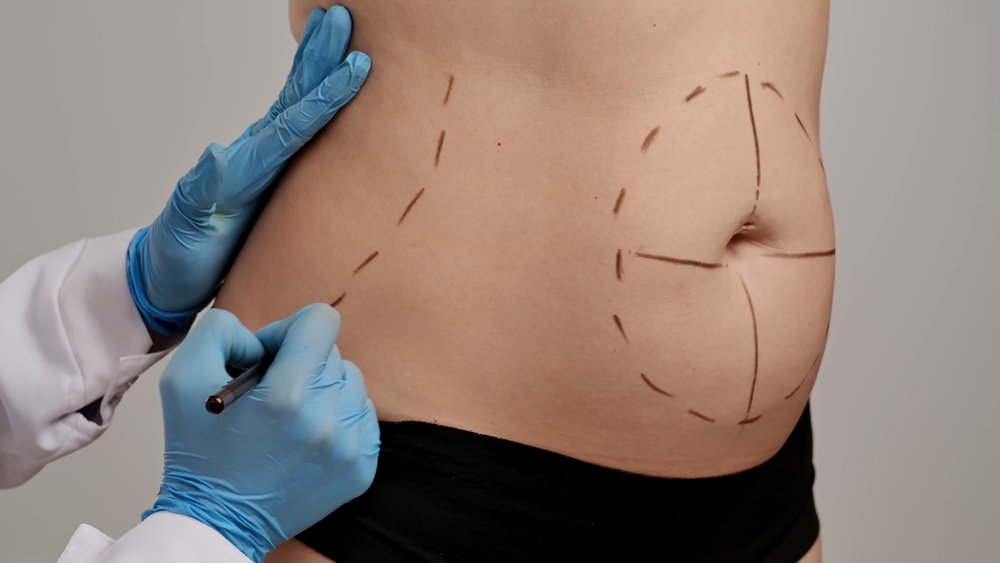
Liposuction in Turkey treats many body areas. Surgeons remove fat from the abdomen, waist, back, thighs, arms, chin, chest, and more. Turkey offers experienced surgeons, modern hospitals, and affordable packages. Patients choose Turkey for safe body contouring and natural-looking results.
Liposuction stands as one of the most popular cosmetic surgeries worldwide. Many people struggle with stubborn fat that refuses to leave despite diet and exercise. Liposuction in Turkey: What Areas Can Be Treated? This question drives thousands of international patients to seek solutions in Turkish clinics each year. Turkey has built a strong reputation for body contouring Turkey services. The country combines skilled plastic surgeons, JCI-accredited hospitals, and advanced technologies like VASER liposuction Turkey clinics offer. Patients receive comprehensive care that includes airport transfers, accommodation, and dedicated international patient coordinators. Modern techniques allow surgeons to sculpt multiple body areas with precision. This article explains every treatable area. It also covers techniques, recovery, safety, and results. You will learn how liposuction works, why Turkey leads this field, and what you can expect from your transformation journey.
What Is Liposuction?
Liposuction is a surgical procedure that removes localized fat deposits. It improves body proportions and sculpts contours. It is not a weight-loss method.
Liposuction removes unwanted fat cells from specific body areas. Surgeons use small tubes called cannulas to suction out fat. The goal is body sculpting, not massive weight reduction. Liposuction treatment areas include spots where fat lingers despite healthy living. The procedure reshapes the body and creates smoother contours. Mayo Clinic defines liposuction as a surgery that uses suction to remove fat from areas like the stomach, hips, thighs, arms, or neck (Mayo Clinic 2026). Patients often confuse liposuction with weight-loss surgery. This is a mistake. Liposuction works best for people near their ideal weight who need targeted refinement.
How Does Liposuction Work?
Surgeons insert small cannulas through tiny incisions. They break up fat and suction it out. Techniques include tumescent, ultrasound-assisted, power-assisted, and laser-assisted methods.
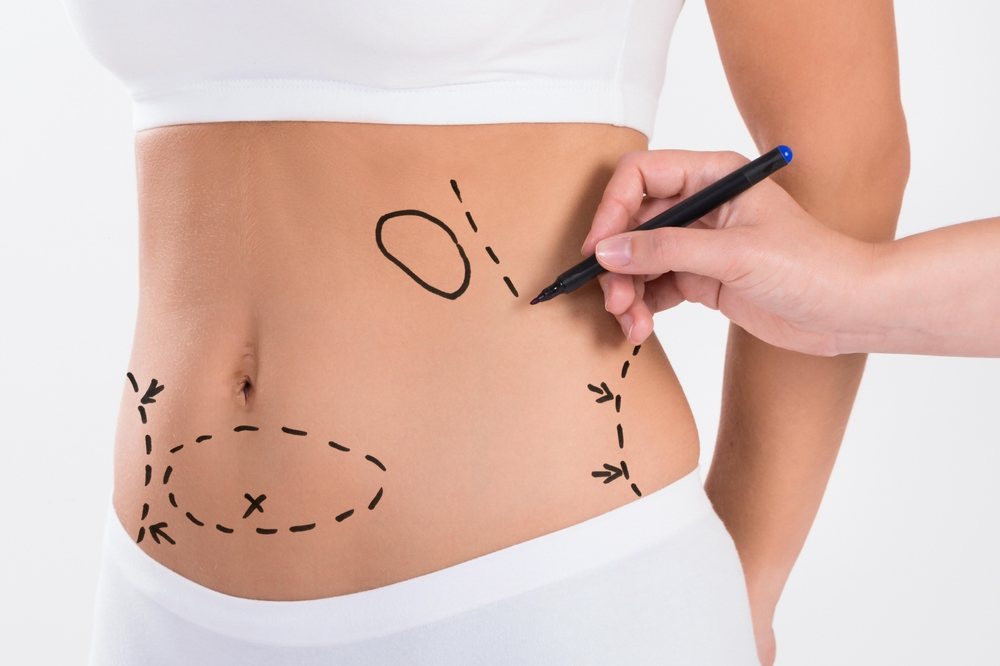
The surgeon marks the treatment areas before surgery. Then the team administers anesthesiaEnsuring Comfort During Hair Transplants Sedation is used in hair transplantation to help patients remain calm and comfortable throughout the.... The surgeon makes small incisions near the target area. A thin cannula enters through these openings. The surgeon moves the cannula back and forth to loosen fat cells. A surgical vacuum or syringe pulls the fat out. The tumescent technique remains the most common approach. It involves injecting a large amount of medicated solution into the fat before removal. This solution contains lidocaine and epinephrine. It reduces bleeding and numbs the area. VASER liposuction Turkey clinics use ultrasound-assisted technology. Sound waves liquefy fat before removal. This method preserves surrounding tissues. Power-assisted liposuction uses a vibrating cannula. Laser-assisted liposuction melts fat with thermal energy. Each method serves different body areas and patient needs.
Who Is an Ideal Candidate?
Ideal candidates have stable body weight, good skin elasticity, and realistic expectations. They should have stubborn fat that resists diet and exercise.
Not everyone qualifies for liposuction. The best candidates maintain a stable weight within 30% of their ideal body weight. Their skin must stretch and bounce back easily. Good elasticity ensures smooth results after fat removal. Candidates must enjoy overall good health. They should not smoke, or they must quit before surgery. Realistic expectations matter greatly. Liposuction removes fat but does not erase cellulite or stretch marks. Patients with diabetes, blood flow problems, or weak immune systems face higher risks. Campbell et al. emphasize that proper patient selection and strict safety protocols reduce complications significantly (Campbell et al. 2025). Surgeons evaluate medical history, skin quality, and fat distribution during consultations.
Why Choose Turkey for Liposuction?
Turkey offers experienced plastic surgeons, modern accredited hospitals, advanced technologies, affordable prices, and full medical tourism support.
Turkey ranks among the top destinations for cosmetic surgery globally. International patients choose Turkey for quality care at competitive prices. The country invests heavily in healthcare infrastructure. Many Turkish hospitals hold JCI accreditation. This means they meet strict international standards for patient safety and care quality. Surgeons in Turkey perform thousands of liposuction procedures yearly. This high volume builds expertise and refined skills. Patients also enjoy comprehensive packages. These packages cover surgery, hospital stay, accommodation, airport transfers, and aftercare. The combination of skill, technology, and hospitality makes Turkey a leader in body contouring Turkey experiences.
What Makes Turkish Surgeons Experienced?
Turkish plastic surgeons perform high volumes of liposuction cases. Many train internationally and hold board certifications. They specialize in body contouring for diverse body types.
Turkish surgeons handle thousands of international patients annually. This volume creates deep expertise in liposuction treatment areas. Many surgeons complete training in Europe or the United States before returning to Turkey. They understand diverse aesthetic goals from patients worldwide. Board certification ensures they meet rigorous education and examination standards. Experienced surgeons know how to sculpt natural-looking contours. They avoid over-removal that creates irregularities. Their expertise spans traditional methods and advanced technologies like VASER liposuction Turkey facilities provide.
What Technologies Do Turkish Hospitals Use?
Turkish hospitals use VASER, power-assisted liposuction, laser liposuction, and 360 liposuction systems. They operate in fully equipped surgical suites with modern monitoring equipment.
Hospitals in Turkey invest in cutting-edge body contouring technologies. VASER systems use ultrasound energy to emulsify fat gently. This technology works well for abdomen liposuction and male liposuction Turkey patients seeking definition. Power-assisted devices speed up fat removal while reducing surgeon fatigue. Laser systems add skin-tightening benefits through thermal stimulation. Operating rooms feature advanced patient monitoring, sterile environments, and emergency preparedness. These technologies combine with strict protocols to ensure safe outcomes.
How Affordable Are Treatment Packages in Turkey?
Liposuction packages in Turkey cost significantly less than in the UK, USA, or Western Europe. Prices often include surgery, hospital stay, hotel, and transfers.
Cost represents a major factor for medical tourists. Liposuction cost Turkey packages offer transparent pricing without hidden fees. Patients receive itemized quotes before booking. The lower cost does not mean lower quality. Turkey benefits from favorable exchange rates and lower operational costs. Patients save 50-70% compared to Western prices. Despite the savings, hospitals maintain high standards. This value proposition attracts thousands of patients yearly.
What Medical Tourism Advantages Exist?
Patients receive accommodation, airport transfers, aftercare services, and international patient coordinators. Many clinics offer translation services and online consultations.
Turkish clinics design seamless experiences for international visitors. Coordinators speak multiple languages. They arrange everything from airport pickup to hotel bookings. Patients receive 24/7 support during recovery. Aftercare includes follow-up appointments, wound care instructions, and emergency contact lines. Some clinics partner with local hotels that cater to recovering patients. This support network reduces stress and allows patients to focus on healing.
What Areas Can Be Treated with Liposuction?
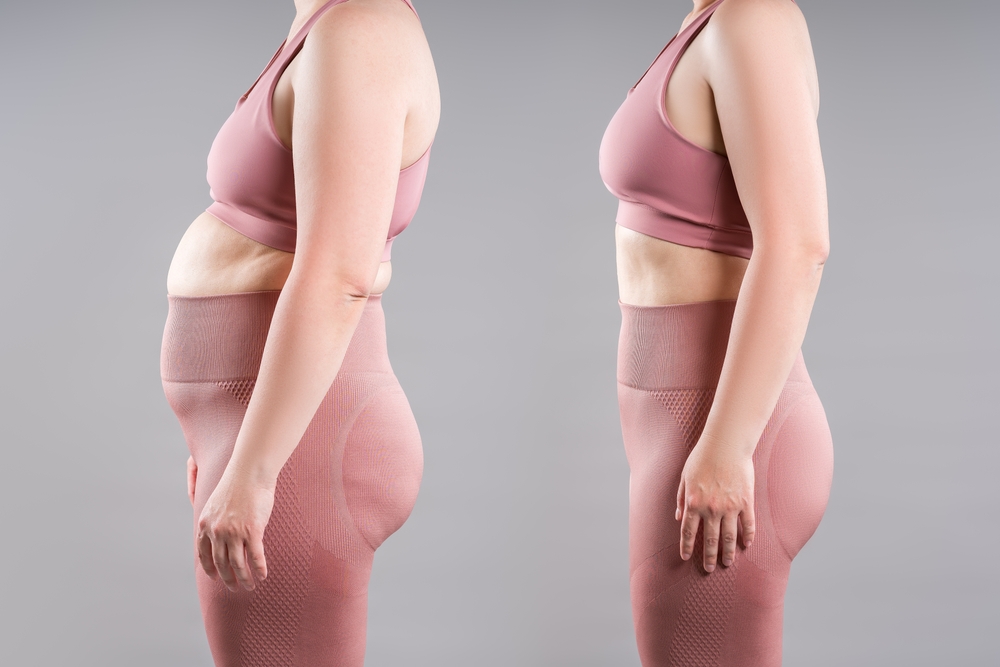
Surgeons can treat the abdomen, waist, back, hips, thighs, buttocks, arms, chin, neck, face, chest, knees, calves, ankles, and pubic area. Multiple areas can be treated in one session.
Liposuction treatment areas cover nearly every part of the body where fat accumulates. Surgeons assess each patient individually. They consider skin quality, fat volume, and overall health. Modern techniques allow precise sculpting of small and large areas alike. Some patients need full body contouring. Others need targeted spot reduction. The following sections detail each treatable area.
Can Liposuction Treat the Abdomen?
Yes. Abdomen liposuction targets the upper abdomen, lower abdomen, and stubborn belly fat. It improves waist definition and creates a flatter stomach.
The abdomen ranks as the most requested liposuction treatment area. Upper abdomen liposuction removes fat below the chest and above the navel. Lower abdomen liposuction targets the pooch below the belly button. Many patients carry stubborn belly fat from genetics, pregnancy, or aging. Surgeons use tumescent or VASER techniques to remove this fat carefully. They preserve the natural contours of the abdominal wall. Patients see improved waist definition and a flatter profile. Skin quality determines final results. Patients with good elasticity enjoy smooth, tight outcomes.
Can Liposuction Treat the Waist and Flanks?
Yes. Waist and flank liposuction removes love handles. It creates an hourglass shape and improves the side profile.
Love handles frustrate many patients. Fat accumulates above the hip bones and spills over waistbands. Waist liposuction sculpts this area to create smoother transitions. Surgeons often combine flank work with abdomen liposuction. This combination enhances the entire midsection. The procedure creates a more defined waistline. Female patients often seek an hourglass silhouette. Male patients want a tapered, athletic look. Removing flank fat improves how clothing fits and boosts confidence.
Can Liposuction Treat the Back?
Yes. Back liposuction targets bra rolls and lower back fat. It smooths the upper and lower back for better body contour.
Back fat creates bulges that show through clothing. Upper back liposuction addresses bra rolls near the shoulder blades. Lower back liposuction removes muffin-top fat above the buttocks. Back liposuction creates smoother contours from every angle. Surgeons access these areas through small incisions hidden near the bra line or lower back folds. This area often responds well to treatment. Patients enjoy better posture and clothing fit after healing.
Can Liposuction Treat the Hips?
Yes. Hip liposuction corrects saddlebags and improves body proportions. It creates smoother transitions between the waist and thighs.
Saddlebags describe fat deposits on the outer hips. These deposits create a heavy appearance and disrupt body proportions. Hip liposuction removes this excess volume. It creates a smoother line from waist to thigh. Surgeons must preserve natural curves while reducing bulk. This area often requires careful sculpting. Over-removal creates an unnatural look. Skilled surgeons balance reduction with aesthetic harmony.
Can Liposuction Treat the Thighs?
Yes. Thigh liposuction treats inner thighs, outer thighs, front thighs, and the banana roll beneath the buttocks.
Thighs represent a major concern for many patients. Inner thigh liposuction reduces chafing and creates a thigh gap. Outer thigh liposuction addresses saddlebag connections. Front thigh liposuction removes excess bulk above the knees. The banana roll sits beneath the buttock crease. Fat here creates a bulge that disrupts the buttock line. Thigh liposuction requires caution. Surgeons must avoid over-removal that leaves loose skin. Patients with good skin tone enjoy the best outcomes.
Can Liposuction Treat the Buttocks?
Yes. Buttock liposuction removes excess fat around the buttocks. Surgeons sometimes combine it with fat transfer when appropriate.
Buttock contouring enhances the shape and position of the buttocks. Surgeons remove fat from the lower back, hips, and banana roll to frame the buttocks better. This creates a lifted appearance without implants. Some patients undergo fat transfer to the buttocks using their own harvested fat. This is called Brazilian Butt Lift. Surgeons must follow strict safety protocols for fat transfer. The goal is natural enhancement, not exaggerated volume.
Can Liposuction Treat the Arms?
Yes. Arm liposuction removes upper arm fat. It improves arm definition and works well after significant weight loss.
Upper arm fat creates a flabby appearance. Many patients feel self-conscious in sleeveless clothing. Arm liposuction removes this fat through small incisions near the elbow or armpit. The procedure improves arm definition and creates a toned look. It is especially popular after massive weight loss. Patients with loose skin may need an arm lift combined with liposuction. Surgeons evaluate skin quality before recommending the best approach.
Can Liposuction Treat the Chin and Neck?
Yes. Chin liposuction reduces double chins. It defines the jawline and improves neck contour.
The chin and neck area shows aging and weight changes early. A double chin makes patients look heavier or older. Chin liposuction removes fat under the chin and along the jawline. Surgeons use small cannulas for precision. Incisions hide beneath the chin or behind the ears. The procedure creates a sharper jawline and smoother neck contour. Patients often combine this with neck lift procedures if skin laxityLaxity: Looseness or slackness in the skin or tissues, often referring to the loss of firmness and elasticity in aging... exists.
Can Liposuction Treat the Face?
Yes. Facial liposuction treats cheeks and jowls in selected cases. It refines facial contours.
Facial liposuction works for patients with excess cheek fat or jowls. Surgeons remove small amounts of fat to refine contours. This is not a common procedure because the face contains delicate structures. Surgeons select candidates carefully. Younger patients with good skin elasticity respond best. The goal is subtle refinement, not dramatic change.
Can Liposuction Treat the Male Chest?
Yes. Male liposuction Turkey clinics offer chest sculpting for gynecomastia. It removes excess breast tissue and creates a masculine appearance.
Gynecomastia affects many men. It causes enlarged breast tissue that creates a feminine chest contour. Male liposuction Turkey surgeons use ultrasound-assisted techniques to remove fat and glandular tissue. Hoyos et al. developed high-definition approaches that sculpt the chest wall for an athletic look (Hoyos et al. 2021). Mowlavi et al. demonstrated that strategic fat removal and grafting create a pentagonal, masculine chest shape (Mowlavi et al. 2020). Surgeons may combine liposuction with direct glandular excision. This restores confidence and improves masculine proportions.
Can Liposuction Treat the Knees?
Yes. Knee liposuction targets inner knee fat. It creates better leg proportions.
Inner knee fat creates bulges that disrupt leg lines. Knee liposuction removes this fat through tiny incisions. Surgeons must work carefully around knee ligaments and joints. The procedure improves leg proportions and creates smoother lines. Patients often combine knee liposuction with thigh work for comprehensive leg contouring.
Can Liposuction Treat the Calves and Ankles?
Yes. Calf and ankle liposuction contours the lower legs. Candidate selection is important due to anatomical complexity.
Cankles describe thick ankles that lack definition. Calf liposuction removes excess fat from the lower legs. This area requires extreme precision. Surgeons must avoid damage to nerves, blood vessels, and muscles. Not everyone qualifies for calf and ankle liposuction. Patients with good skin tone and localized fat respond best. Results create more elegant leg contours.
Can Liposuction Treat the Pubic Area?
Yes. Mons pubis liposuction improves clothing fit and enhances body confidence.
Fat accumulates in the mons pubis above the genital area. This creates bulges in tight clothing. Mons pubis liposuction reduces this volume. It creates a smoother lower abdominal transition. Patients report improved comfort and confidence after this procedure.
Can Multiple Areas Be Treated During One Surgery?
Yes. Surgeons often treat multiple areas in one operation. They limit total fat removal to maintain safety.
Many patients want comprehensive body contouring. Surgeons can combine abdomen liposuction with waist and back work. They can treat arms and back together. Thighs and hips often undergo simultaneous sculpting. Safety limits the number of areas. Surgeons consider total operative time, blood loss, and fluid balance. They prioritize patient safety over convenience.
How Do Surgeons Determine Safe Treatment Limits?
Surgeons evaluate total aspirate volume, operative time, patient BMI, and overall health. They follow evidence-based safety protocols.
Safety drives all surgical decisions. Surgeons measure the total fat volume they plan to remove. Aslani et al. established that infiltrated tumescent volume should not exceed 85% of calculated blood volume (Aslani et al. 2023). This protocol prevents fluid overload and anemia. Surgeons also limit operative time to reduce anesthesia risks. They evaluate patient BMI, heart health, and medical history. Campbell et al. found that strict protocols yield complication rates comparable to or better than US benchmarks (Campbell et al. 2025). Surgeons refuse to operate on high-risk candidates. They may stage extensive procedures across multiple sessions.
What Are Typical Multi-Area Combinations?
Common combinations include abdomen plus flanks, abdomen plus back, arms plus back, thighs plus hips, and chin plus neck.
Surgeons group anatomically connected areas. This creates harmonious results. The following table shows popular combinations:
|
Combination |
Areas Treated |
Benefits |
|
Abdomen + Flanks |
Belly and love handles |
Creates defined waistline |
|
Abdomen + Back |
Front and back torso |
360-degree midsection contour |
|
Arms + Back |
Upper arms and bra rolls |
Balanced upper body |
|
Thighs + Hips |
Legs and saddlebags |
Proportional lower body |
|
Chin + Neck |
Jawline and neck |
Defined facial profile |
These combinations reduce total recovery time. They also ensure balanced proportions. Surgeons avoid treating unrelated distant areas in one session when possible.
What Is 360 Liposuction?
360 liposuction treats the entire torso circumference. It includes abdomen, flanks, waist, and back for balanced aesthetic outcomes.
360 liposuction represents a comprehensive approach. It treats the midsection as one continuous unit. Surgeons remove fat from the front, sides, and back. This creates a harmonious silhouette from every angle. 360 liposuction avoids the “stepped” look that occurs when surgeons treat isolated spots. It enhances waist-to-hip ratios and creates smooth transitions. Aslani et al. note that circumferential approaches improve symmetry and patient satisfaction when performed with proper safety standards (Aslani et al. 2023). Recovery requires compression garments that wrap the entire torso. Results emerge fully after three to six months.
What Are the Popular Liposuction Techniques Used in Turkey?
Turkish surgeons use traditional, VASER, power-assisted, and laser liposuction. Each technique suits different body areas and goals.
Turkish clinics offer the full spectrum of liposuction technologies. Patients choose techniques based on their anatomy, goals, and budget. Surgeons recommend specific methods after physical examination. The following sections explain each technique.
How Does Traditional Liposuction Work?
Traditional liposuction uses tumescent fluid and manual cannula movement. It remains effective for large-volume fat removal.
Traditional liposuction has existed since the 1970s. Modern versions use the tumescent technique. Surgeons inject medicated fluid into fat layers. Then they insert a cannula and manually break up fat. A vacuum device suctions out the fat. This method works well for large areas like the abdomen and thighs. It requires skill and physical effort from the surgeon. Recovery involves moderate bruising and swelling. It remains the most widely used technique globally.
What Is VASER Liposuction?
VASER uses ultrasound waves to liquefy fat before removal. It preserves nerves and blood vessels. It allows precise body sculpting.
VASER stands for Vibration Amplification of Sound Energy at Resonance. This ultrasound-assisted liposuction emulsifies fat cells gently. The liquefied fat exits through small cannulas easily. Nayak reports that VASER liposuction achieves excellent results across multiple body areas including chin, arms, chest, abdomen, and thighs (Nayak 2025). The technology preserves connective tissue, nerves, and blood vessels. Patients experience less bruising and faster recovery. VASER works especially well for male liposuction Turkey patients seeking muscle definition. It also treats fibrous areas like the back and chest effectively.
What Is Power-Assisted Liposuction?
Power-assisted liposuction uses a vibrating cannula. It breaks up fat quickly and reduces surgeon fatigue.
Power-assisted liposuction (PAL) employs a mechanized cannula. The tip vibrates rapidly to break up fat cells. This reduces the physical effort surgeons expend. It allows more precise sculpting over long sessions. PAL works well for large-volume cases and fibrous tissue. Patients benefit from shorter operative times. The technique reduces trauma to surrounding tissues.
What Is Laser Liposuction?
Laser liposuction melts fat with thermal energy. It may stimulate skin tightening through collagenA structural protein found in the skin and other connective tissues, which is responsible for skin firmness and elasticity.... production.
Laser-assisted liposuction directs thermal energy into fat cells. This melts the fat for easier removal. The heat also stimulates collagen and elastinElastin A protein in connective tissue that allows tissues to resume their shape after stretching or contracting, contributing to skin... production. This can improve skin tightness after fat removal. Laser liposuction works well for small areas like the chin, neck, and arms. It is less effective for large-volume cases. Patients with mild skin laxity may see dual benefits.
Which Technique Is Best for Different Body Areas?
VASER works best for precision and fibrous areas. Traditional methods handle large volumes. Laser suits small areas with skin laxity. PAL speeds up large cases.
The following comparison table helps patients understand their options:
|
Technique |
Precision |
Skin Tightening |
Recovery |
Best Areas |
Fat Removal Efficiency |
|
Traditional |
Moderate |
Minimal |
Moderate |
Abdomen, thighs, large areas |
High |
|
VASER |
High |
Moderate |
Faster |
Chest, back, abdomen, chin |
High |
|
Power-Assisted |
Moderate |
Minimal |
Moderate |
Large volume, fibrous areas |
Very High |
|
Laser |
High |
Good |
Fast |
Chin, neck, arms, small areas |
Moderate |
Surgeons often combine techniques. They might use VASER for the chest and traditional methods for the abdomen. This customized approach maximizes results.
Which Areas May Require Skin Tightening After Liposuction?
The abdomen, upper arms, inner thighs, and neck may need skin tightening. Surgeons combine liposuction with lifts or energy devices when skin is loose.
Liposuction removes fat but does not tighten skin significantly. Patients with poor skin elasticity may see sagging after fat removal. Younger patients usually have good skin recoil. Older patients or those after massive weight loss may need additional procedures. Surgeons assess skin quality during consultations. They recommend combination treatments when necessary.
Does the Abdomen Need Skin Tightening?
Yes, if patients have loose skin from pregnancy or weight loss. A tummy tuck removes excess skin and tightens muscles.
The abdomen often stretches beyond its ability to rebound. Pregnancy and massive weight loss damage skin elasticity. After abdomen liposuction, some patients see hanging skin. A tummy tuck removes this excess and repairs separated muscles. Surgeons often perform lipoabdominoplasty. This combines liposuction with skin excision. The result is a flatter, tighter midsection.
Do the Upper Arms Need Skin Tightening?
Yes, if arm skin hangs after fat removal. An arm lift removes excess skin and creates a toned appearance.
Arm liposuction removes fat effectively. However, patients with poor skin tone may see bat-wing skin afterward. An arm lift, or brachioplasty, removes this excess. Surgeons place incisions along the inner arm. They tighten the remaining skin. This combination creates youthful, contoured arms.
Do the Inner Thighs Need Skin Tightening?
Yes, if inner thigh skin sags after liposuction. A thigh lift smooths and tightens this area.
Inner thighs have thin, delicate skin. This skin often lacks elasticity. After thigh liposuction, some patients see wrinkling. A thigh lift removes excess skin and lifts the remaining tissue. Surgeons hide scars in the groin crease or along the inner thigh. This restores smooth leg contours.
Does the Neck Need Skin Tightening?
Yes, if neck skin hangs after chin liposuction. A neck lift or energy devices can tighten this area.
The neck shows aging early. After chin liposuction, older patients may see loose neck skin. A neck lift removes this excess and tightens underlying muscles. Non-surgical options like radiofrequency or laser devices also stimulate tightening. Surgeons recommend the best approach based on skin quality.
What Combination Procedures Help With Skin Tightening?
Tummy tucks, arm lifts, thigh lifts, and J-Plasma or Renuvion energy devices tighten skin after liposuction.
Surgeons offer several solutions for loose skin. Tummy tucks address abdominal laxity. Arm lifts and thigh lifts remove excess limb skin. J-Plasma and Renuvion use helium plasma and radiofrequency energy. These devices contract skin from beneath the surface. They work through small liposuction incisions. Patients with mild laxity may avoid large excisional surgeries. Surgeons customize combinations for each body area.
What Does Liposuction Recovery Look Like by Treatment Area?
Recovery varies by area size and number of treated zones. Most patients return to work within one to two weeks. Full healing takes three to six months.
Liposuction recovery Turkey clinics guide patients through structured timelines. Smaller areas like the chin heal faster. Large areas like the abdomen or thighs require more downtime. Compression garments support healing across all areas. Swelling and bruising fade gradually. Patients must follow specific protocols for each treatment zone.
What Is the Healing Timeline?
Initial healing takes one to two weeks. Swelling subsides significantly by six weeks. Final results appear after three to six months.
The first three days bring the most discomfort. Pain medication manages this period. Bruising peaks early and fades within two to three weeks. Swelling decreases steadily but persists for months. Most patients feel normal after four to six weeks. However, the body continues remodeling internally. Final contours emerge after three to six months. Patients must remain patient during this process.
Why Are Compression Garments Important?
Compression garments reduce swelling, improve circulation, and help skin conform to new contours. Patients wear them for four to six weeks.
Surgeons require compression garments after every liposuction procedure. These specialized garments apply gentle pressure to treated areas. This pressure minimizes fluid buildup and swelling. It also supports blood circulation. Compression helps skin contract and smooth over new contours. Patients wear garments continuously for the first two weeks. They continue during the day for four to six weeks total. Some surgeons recommend longer wear for large areas.
How Long Does Swelling and Bruising Last?
Bruising fades within two to three weeks. Major swelling drops by six weeks. Minor swelling may linger for three to six months.
Bruising results from cannula movement through tissues. It changes color and disappears over weeks. Swelling follows a longer timeline. It increases initially due to surgical trauma and fluid shifts. By week four, patients see noticeable reduction. By week six, most swelling has resolved. Small amounts remain in the tissues for months. This is normal and expected. Final results only show after all swelling disappears.
When Can Patients Return to Work?
Desk workers return within one week. Physical workers need two to three weeks. Patients should avoid strenuous activity.
Return-to-work timelines depend on job demands. Patients who work at computers often resume after five to seven days. Those with active jobs need longer recovery. Surgeons clear patients based on healing progress. Patients should not rush back to physical labor. Early overexertion increases swelling and complication risks.
When Can Patients Exercise Again?
Light walking starts after one week. Light cardio resumes after three to four weeks. Full exercise returns after six weeks.
Gentle walking prevents blood clots and aids circulation. Patients begin short walks within days. They avoid jogging, swimming, or weightlifting for four to six weeks. Surgeons evaluate each patient individually. They clear activities based on healing progress. Returning too soon causes complications and poor results.
When Can Patients Fly Home After Surgery?
Patients can usually fly after five to seven days. They should walk during flights and wear compression garments.
Medical tourists need travel timelines. Surgeons generally clear air travel after five to seven days. Long flights increase blood clot risks. Patients must walk aisles every hour. They wear compression garments during travel. Some surgeons recommend waiting ten days for long-haul flights. Patients should discuss travel plans before booking surgery.
What Results Can Patients Expect Before and After Liposuction?
Patients see immediate contour changes. Final results emerge after three to six months. Long-term success requires stable weight and healthy habits.
Liposuction before and after results inspire many patients. The transformation begins immediately but evolves over months. Understanding this timeline prevents disappointment. Patients must commit to maintenance for lasting outcomes.
What Immediate Changes Occur?
The body shows reduced volume immediately. However, swelling masks true contours during the first few weeks.
Surgeons remove fat during the procedure. This creates instant volume reduction. Patients see flatter areas before they leave the hospital. However, swelling and fluid retention obscure final shapes. Garments and bandages add bulk. True immediate change is structural but visually hidden. Patients should not judge results early.
What Long-Term Body Contouring Results Can Patients Expect?
Treated areas maintain reduced fat volume permanently. The body sculpts smoother contours as swelling fades. Results last for years with weight stability.
Fat cells do not regenerate after removal. The remaining cells can expand if patients gain weight. Stable weight preserves results indefinitely. Patients enjoy improved proportions and clothing fit. Body contouring Turkey patients report sustained satisfaction when they maintain healthy lifestyles. Skin continues tightening for up to twelve months after surgery.
How Can Patients Maintain Results?
Patients must eat a healthy diet, exercise regularly, maintain stable weight, and avoid smoking.
Maintenance is simple but essential. A balanced diet prevents weight gain. Regular exercise tones muscles and burns calories. Stable weight keeps fat cells small. Smoking damages skin elasticity and healing. Patients should quit before surgery and avoid tobacco afterward. These habits protect the investment and ensure lasting satisfaction.
What Are the Risks and Safety Considerations?
Liposuction carries common side effects like swelling and bruising. Serious complications are rare with board-certified surgeons. Patient safety protocols minimize risks.
All surgery involves risk. Liposuction is generally safe when performed correctly. Patients must understand possible side effects and complications. Choosing qualified surgeons and accredited facilities reduces dangers significantly.
What Are Common Side Effects?
Swelling, bruising, and temporary numbness occur after every liposuction procedure. These resolve within weeks to months.
Swelling affects every patient. It peaks in the first week and gradually fades. Bruising appears around incision sites and treated areas. It changes from purple to yellow before disappearing. Numbness results from nerve irritation during cannula movement. Sensation returns gradually over weeks or months. These effects are normal and expected.
What Complications Can Occur?
Possible complications include infection, seromaSeroma: A pocket of clear serous fluid that sometimes develops in the body after surgery, which may require drainage.
, hematomaHematoma: A localized collection of blood outside the blood vessels, often causing swelling and discoloration, which can occur as a..., contour irregularities, and blood clots. These are uncommon with proper technique.
Infection is rare but treatable with antibiotics. Seroma describes fluid collections that may require drainage. Hematoma means blood collection under the skin. Contour irregularities create lumps or dents. Blood clots pose serious risks but remain rare. Campbell et al. found that complication rates in high-volume centers match or beat US benchmarks when surgeons follow strict protocols (Campbell et al. 2025). Patient selection and surgeon skill prevent most complications.
Why Do Board-Certified Surgeons Matter?
Board certification proves rigorous training, examination, and adherence to safety standards. It reduces complication risks significantly.
Board-certified surgeons complete years of specialized training. They pass comprehensive examinations. They maintain continuing education requirements. These surgeons operate only in accredited facilities. They follow established safety protocols. Patients should verify credentials before booking surgery. Certification bodies include the Turkish Society of Plastic Reconstructive and Aesthetic Surgeons and international equivalents.
What Patient Safety Protocols Exist?
Protocols include preoperative screening, sterile technique, blood clot prevention, fluid monitoring, and emergency preparedness.
Accredited hospitals enforce strict safety rules. Surgeons screen patients for medical risks. They use sterile techniques to prevent infection. They apply compression devices and blood thinners to prevent clots. Anesthesiologists monitor vital signs continuously. Fluid balance tracking prevents overload. Emergency equipment and medications remain available. These protocols create layers of protection for every patient.
What Are the Most Frequently Asked Questions About Liposuction?
Patients commonly ask about treatment areas, permanence, pain, recovery time, scars, and results. This section answers the most popular questions.
What Is the Most Common Area Treated with Liposuction?
The abdomen is the most common area. Patients seek flatter stomachs and better waist definition.
Can Liposuction Remove Belly Fat Permanently?
Yes. Removed fat cells do not return. However, remaining cells can expand with weight gain.
Can Several Body Areas Be Treated During One Operation?
Yes. Surgeons often combine areas. They limit total volume and operative time for safety.
Is Chin Liposuction Permanent?
Yes. Chin liposuction permanently removes fat. Aging may affect skin laxity over time.
Is Liposuction Suitable for Weight Loss?
No. Liposuction is a body contouring procedure. It removes localized fat, not large volumes for weight reduction.
Which Liposuction Technique Is Best?
VASER offers precision and faster recovery. Traditional methods handle large volumes. Surgeons recommend based on individual needs.
How Painful Is Recovery?
Patients experience moderate soreness for a few days. Pain medication controls discomfort effectively. Most patients describe recovery as manageable.
How Long Should Compression Garments Be Worn?
Patients wear garments for four to six weeks. Some surgeons recommend longer wear for large areas.
Will There Be Visible Scars?
Scars are small and hidden in natural folds. They fade significantly over one year.
When Will Final Results Become Visible?
Final results appear after three to six months. Some subtle changes continue for up to twelve months.
What Is the Bottom Line About Liposuction in Turkey?
Liposuction in Turkey offers safe, customized body contouring for multiple areas. Experienced surgeons, modern technology, and comprehensive care create excellent outcomes. Success requires realistic expectations, proper planning, and commitment to aftercare.
Liposuction in Turkey: What Areas Can Be Treated? The answer spans nearly every part of the body. From abdomen liposuction to chin liposuction, from thigh liposuction to male liposuction Turkey patients seeking chest definition, Turkish surgeons deliver comprehensive solutions. VASER liposuction Turkey clinics provide advanced precision. 360 liposuction creates harmonious torso transformations. Patients enjoy affordable packages without sacrificing quality. The key to success lies in choosing board-certified surgeons, following recovery protocols, and maintaining healthy habits. Body contouring Turkey experiences continue to attract global patients because they combine medical excellence with genuine hospitality. If you consider liposuction, research your surgeon thoroughly. Ask questions. Review before and after galleries. Commit to the process. Your body contouring journey can yield transformative, lasting results when you approach it with knowledge and care.
References
Aslani, Alexander, et al. “Tumescent Infiltration Safety in Large-Volume Liposuction.” Aesthetic Surgery Journal, vol. 43, no. 5, 2023, pp. 512-520.
Campbell, Cristian, et al. “Safety and Outcomes in Plastic Surgery Medical Tourism: A Retrospective Observational Study of 1363 Patients.” Plastic and Reconstructive Surgery Global Open, vol. 13, no. 3, 2025, pp. 124-135.
Hoyos, Alfredo E., et al. “Dynamic-Definition Male Pectoral Reshaping and Enhancement through Selective Fat Removal and Grafting.” Plastic and Reconstructive Surgery, vol. 147, no. 5, 2021, pp. 789-798.
Mayo Clinic. “Liposuction: Overview and Treatment Areas.” Mayo Clinic, 21 May 2026, www.mayoclinic.org/tests-procedures/liposuction/about/pac-20384586.
Mowlavi, Arian, et al. “Masculinized Male Chest Contouring: Creating the Armor Plate.” Aesthetic Surgery Journal Open Forum, vol. 2, no. 1, 2020, pp. 45-52.
Nayak, S. “Body Contouring Using Vaser Liposuction across Multiple Treatment Areas.” Aesthetic Surgery Journal, vol. 45, no. 2, 2025, pp. 304-312.
Rohrich, Rod J., et al. “Classification and Management of Gynecomastia: Defining the Role of Ultrasound-Assisted Liposuction.” Plastic and Reconstructive Surgery, vol. 111, no. 2, 2003, pp. 909-923.