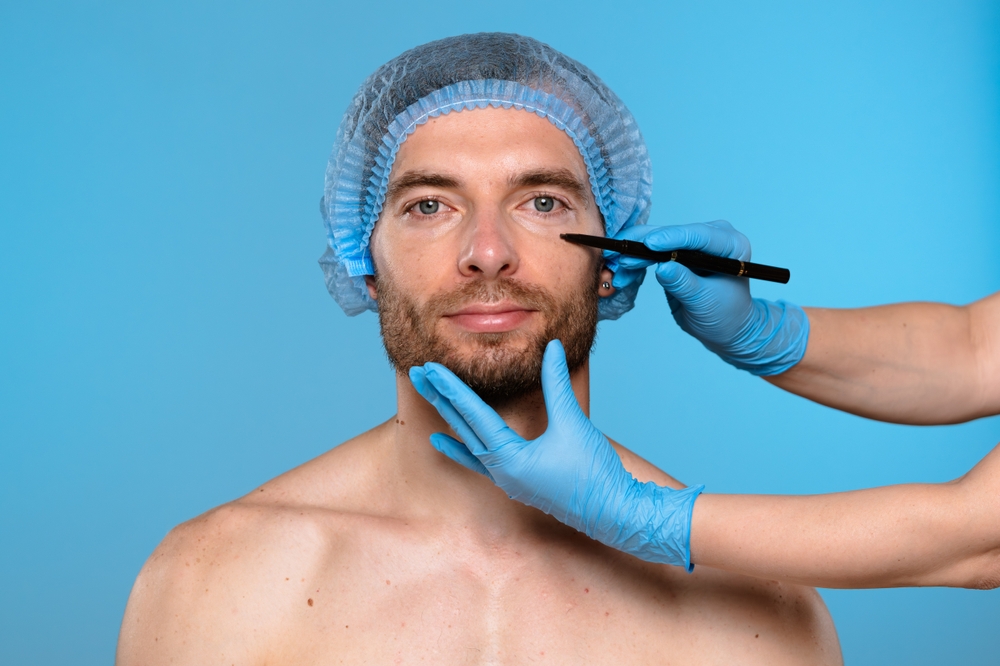
Male plastic surgery reshapes the male face and body through surgical and non-surgical techniques. Men now seek these procedures in record numbers across every age group and profession. Social media, remote work culture, and fitness trends drive this demand. Modern men want natural results that preserve masculine character. This guide explains every major procedure, benefit, risk, and trend in male cosmetic surgery today.
What Is Male Plastic Surgery?
Male plastic surgery covers procedures that improve facial balance, body proportions, and skin quality in men. These treatments address concerns that diet and exercise cannot fix. Surgeons customize every plan for male anatomy. The field grows each year as more men reject outdated stigmas.
How Do Surgeons Define Male Plastic Surgery?
Male plastic surgery includes surgical and non-surgical procedures that reshape male facial and body features. Surgeons perform rhinoplasty, liposuction, facelifts, hair transplants, and injectable treatments on male patients. Each procedure respects thicker male skin, stronger facial bones, and different fat patterns. The goal remains enhancement rather than transformation. Men want to look like better versions of themselves, not different people.
What Is the Difference Between Cosmetic and Reconstructive Surgery for Men?
Cosmetic surgery improves appearance while reconstructive surgery restores function and normal anatomy. Cosmetic procedures include facelifts, liposuction, and gynecomastia surgery. Reconstructive procedures repair injuries, birth defects, or deformities from disease. Both fields use similar surgical skills but pursue different goals. Insurance often covers reconstructive work but rarely covers elective cosmetic improvements.
How Do Surgical and Non-Surgical Approaches Compare for Male Patients?
Surgical approaches deliver permanent structural changes while non-surgical options offer temporary enhancements with less downtime. Men now combine both strategies for comprehensive rejuvenation.
|
Feature |
Surgical Procedures |
Non-Surgical Procedures |
|
Result duration |
Permanent or long-lasting |
Temporary (months to 2 years) |
|
Recovery time |
1 to 6 weeks |
Same day to 1 week |
|
AnesthesiaEnsuring Comfort During Hair Transplants Sedation is used in hair transplantation to help patients remain calm and comfortable throughout the... |
General or local sedation |
Topical or local numbing |
|
Cost range |
Higher initial investment |
Lower per-session cost |
|
Best for |
Major contour changes |
Early aging signs and maintenance |
Why Are More Men Choosing Plastic Surgery Now?
Men now view aesthetic procedures as routine self-care. The old stigma fades as professionals, athletes, and fathers openly discuss their treatments. Clinics report steady growth in male consultations year after year.
How Does Plastic Surgery Boost Self-Confidence in Men?
Surgery corrects features that cause distress and helps men feel more comfortable in social and professional settings. Gynecomastia patients often hide their chests for years before seeking help. After surgery, they report freedom to swim, exercise, and dress without shame. Rhinoplasty patients breathe better and feel more confident in photographs. These psychological benefits matter as much as physical changes.
What Role Does Professional Competitiveness Play in Male Cosmetic Choices?
Many men view aesthetic improvements as investments in their career advancement and professional image. Young executives want to match the energy of their older peers. Older leaders want to avoid looking tired or outdated. Video calls expose every facial flaw in high definition. Men now recognize that appearance affects hiring, promotions, and client relationships.
How Has Social Stigma Around Male Aesthetics Changed?
Cultural shifts and social media have normalized male grooming and cosmetic enhancement. Male influencers share their Botox appointments openly. Professional athletes discuss hair transplants without embarrassment. Fathers compare notes on daddy makeovers at school events. This openness helps men research options and make informed decisions.
How Has the Male Aesthetic Standard Evolved?
Masculine ideals shift over time. Today’s standard favors fit, youthful, and natural appearances over extreme bulk or rugged aging.
What Defines Masculine Facial Proportions?
Strong jawlines, straight nasal bridges, and balanced chins define modern masculine facial ideals. Surgeons avoid over-reducing noses or over-filling lips. A masculine face maintains angular transitions and defined shadows. The goal creates harmony without softness.
How Have Athletic Body Ideals Changed Male Surgery Demand?
Fitness culture drives demand for procedures that reveal muscle definition and remove stubborn fat. Men want visible abdominal lines and tapered waists. Liposuction and high-definition contouring remove fat layers that hide muscle shape. Gynecomastia surgery creates flat, athletic chest contours. These procedures complement gym efforts rather than replace them.
What Are Stealth Cosmetic Procedures for Men?
Stealth procedures deliver subtle improvements that others cannot easily detect. Men prefer treatments that avoid obvious signs of surgery. Strategic Botox softens frown lines without freezing expression. Minor rhinoplasty refines the nose while preserving ethnic character. Hair transplants use single-follicle grafts for undetectable density gains. These approaches protect privacy and avoid social commentary.
Which Procedures Rank as the Most Popular Male Plastic Surgery Options?
Men now choose from a wide menu of surgical options. Each procedure targets specific concerns with proven techniques.
How Does Male Rhinoplasty Preserve Masculine Structure?
Surgeons maintain strong nasal bridges and avoid over-rotation to preserve masculine character. Male noses typically have thicker skin and stronger cartilage than female noses. Surgeons refine bumps or deviations without creating scooped or upturned profiles. Functional improvements often accompany aesthetic changes. Septoplasty corrects breathing problems while cosmetic work reshapes external appearance. Sena Esteves et al. (2017) found that rhinoplasty significantly improved both function and quality of life in male patients.
What Causes Gynecomastia and How Do Surgeons Correct It?
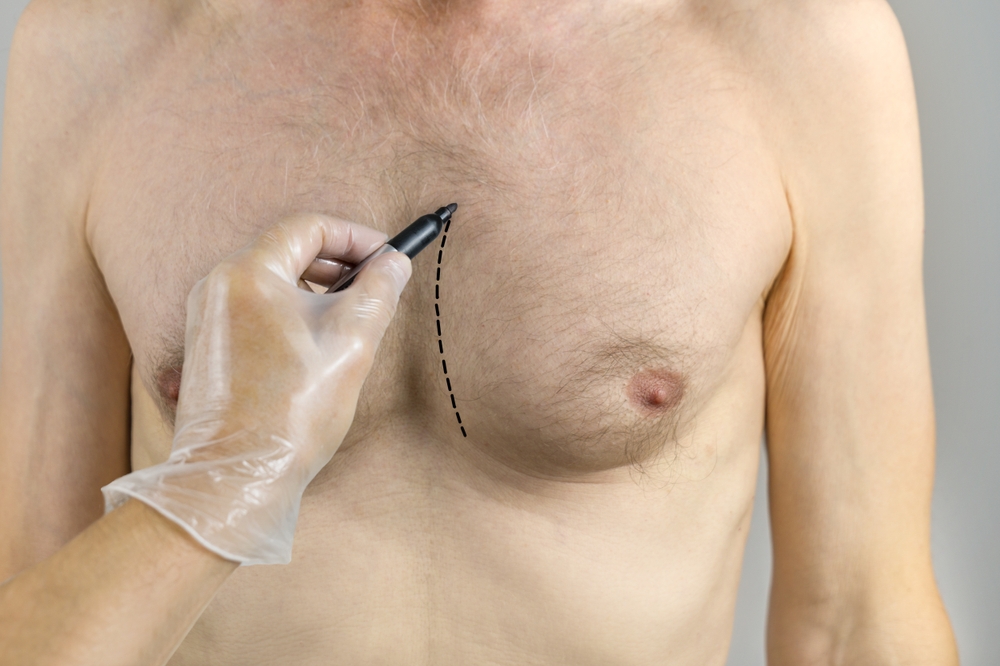
Hormonal changes, medications, or genetics cause enlarged male breast tissue, and surgery removes excess glandular tissue. True gynecomastia involves glandular tissue that exercise cannot eliminate. Pseudogynecomastia involves fat deposits that respond to liposuction. Surgeons often combine both techniques for optimal chest flattening.
Zavlin et al. (2017) analyzed 1,787 gynecomastia surgery cases across multiple centers. Their data showed low surgical complication rates of 3.9% in pediatric patients and 1.9% in adults. Medical complications remained even lower at 0.0% and 0.3% respectively. Most patients went home the same day.
|
Outcome Measure |
Pediatric Patients |
Adult Patients |
|
Mean age |
15.8 years |
39.6 years |
|
Mean BMI |
Not specified |
28.2 |
|
Outpatient rate |
84.3% |
93.9% |
|
Surgical complications |
3.9% |
1.9% |
|
Medical complications |
0.0% |
0.3% |
|
Mean operative time |
111.3 minutes |
56.7 minutes |
Li et al. (2012) reported similar satisfaction in their cohort. Patients rated overall satisfaction at 9.4 out of 10 and self-confidence improvement at 9.2 out of 10.
How Does Liposuction Sculpt the Male Body?
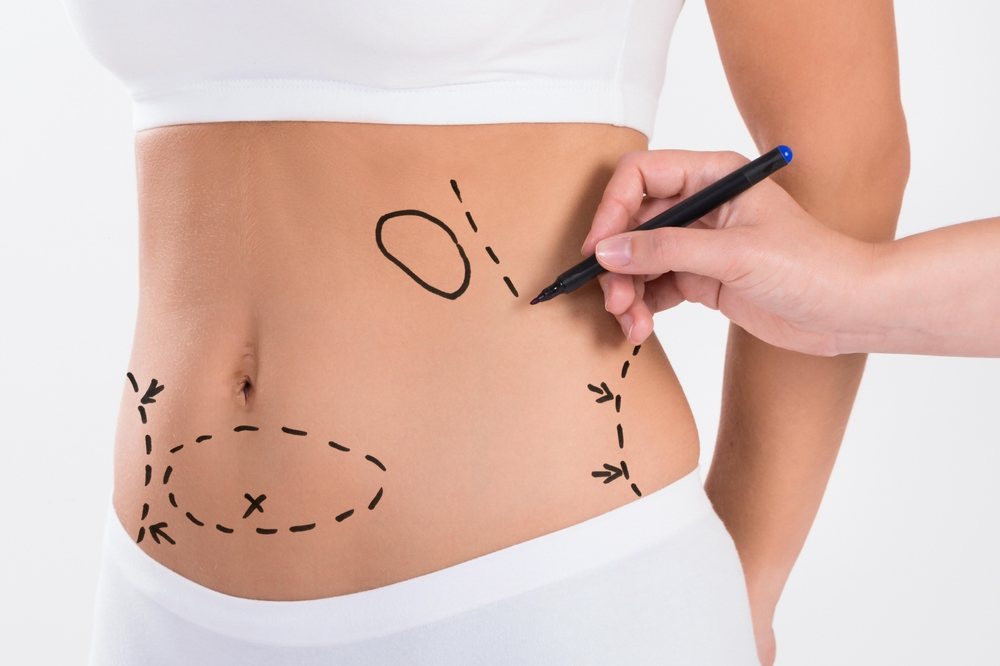
Liposuction removes resistant fat deposits from the abdomen, flanks, chest, and chin to create athletic contours. Men store fat differently than women. The flanks, lower abdomen, and submental area resist diet and exercise most stubbornly. Modern techniques like VASER and power-assisted liposuction break fat apart gently. Surgeons sculpt around muscle groups to create natural shadows and lines.
Olivas-Menayo et al. (2023) demonstrated that combined power-assisted and radiofrequency-assisted liposuction achieved 94.1% patient satisfaction at 12 months. Complications affected only 4.7% of treated areas. This safety profile makes liposuction an excellent option for men seeking defined torsos.
What Techniques Do Surgeons Use for Male Facelifts?
Deep-plane techniques lift underlying tissues while preserving natural masculine features and hairlines. Male facelifts differ significantly from female techniques. Men have beard skin, thicker subcutaneous tissueSubcutaneous tissue: The layer of tissue directly beneath the skin, consisting primarily of fat and connective tissue, which provides insulation..., and horizontally oriented muscle layers. Papel et al. (1996) established early principles for male facelift surgery. They emphasized careful incision placement to preserve natural hairlines and beard patterns.
Saadat and Sykes (2026) advanced these concepts with extended deep-plane techniques for modern male patients. Their approach releases facial ligaments, repositions deeper tissue layers, and addresses neck muscles without feminizing the jawline. They also contour submandibular glands and digastric muscles for sharper neck angles. These refinements create rejuvenation that still looks unmistakably male.
How Does Eyelid Surgery Rejuvenate Male Patients?
Blepharoplasty removes excess skin and fat from upper and lower lids to eliminate a tired appearance. Heavy upper lids make men look sleepy or angry. Puffy lower bags suggest poor health or age. Surgeons remove or reposition fat through hidden incisions. They preserve the natural eye shape and avoid over-correction. Men recover quickly from this procedure and return to work within a week or two.
How Can Men Enhance Their Chin and Jawline?
Implants, fillers, or bone contouring strengthen the jawline and improve facial balance. A weak chin disrupts facial proportions and exaggerates nose size. Chin implants provide permanent augmentation through small incisions inside the mouth or under the chin. Fillers offer temporary enhancement without surgery. Submental liposuction removes double-chin fat to reveal the underlying jaw structure. These procedures often combine with rhinoplasty for total facial harmony.
What Hair Transplant Techniques Work Best for Men?
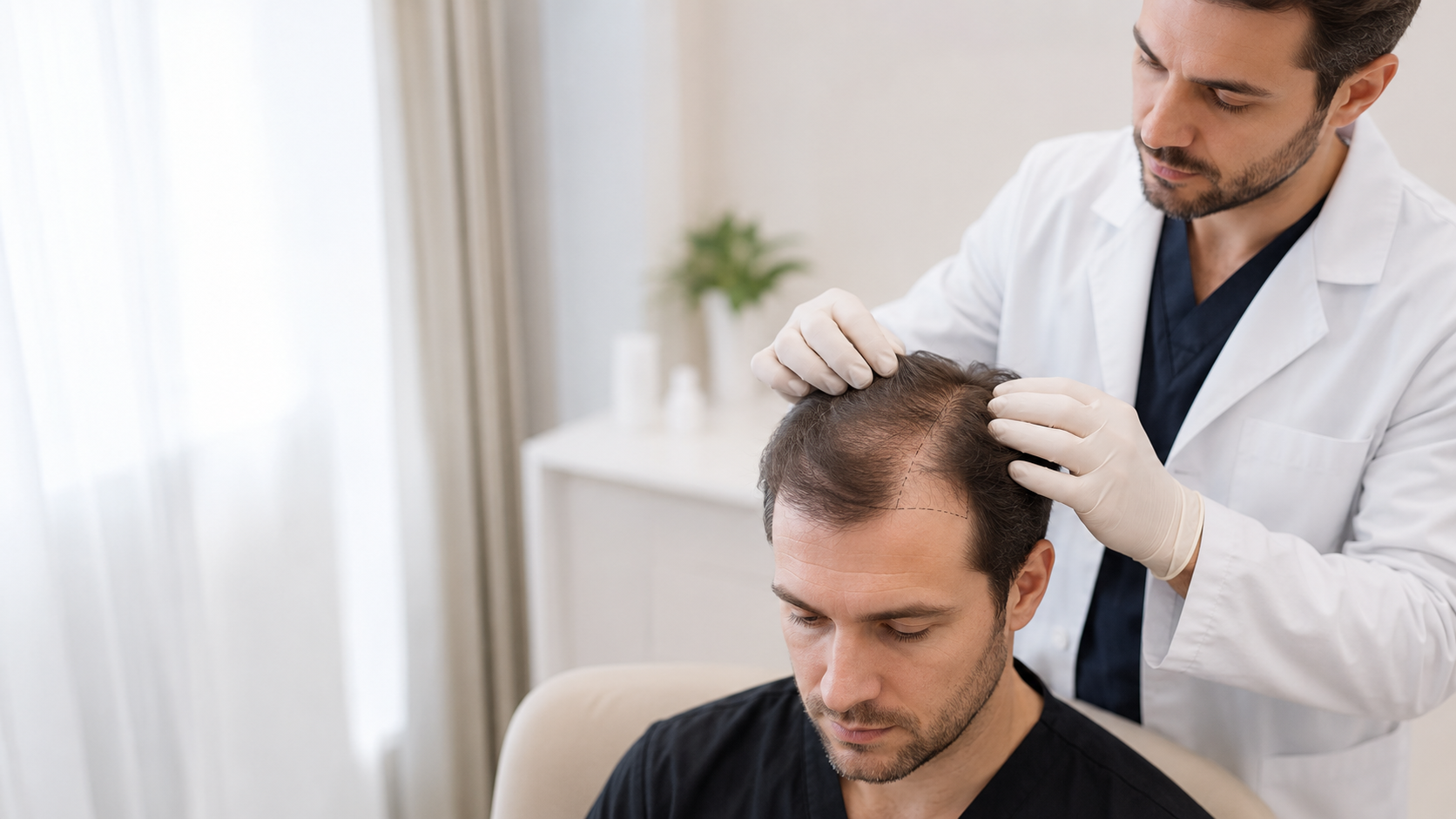
DHI and Sapphire FUE techniques achieve high graft survival rates with natural results. Male pattern baldness affects most men by age 50. Modern transplantation moves healthy follicles from the back of the scalp to thinning areas. Sapphire FUE uses crystal blades for precise channel creation. DHI employs implanter pens that reduce graft handling time.
Yii et al. (2025) reviewed graft survival data across multiple studies. They found that follicular unit survival peaked at 82.7% during the first year after transplantation. Survival rates gradually declined over subsequent years, which underscores the importance of proper candidate selection and surgical technique. Experienced surgeons now routinely achieve 90% to 95% survival in healthy patients with androgenetic alopecia.
How Does Abdominoplasty Help Men Achieve Athletic Definition?
Tummy tuck removes excess skin and tightens abdominal muscles after weight loss. Men who lose significant weight often face loose, hanging skin that hides their muscle development. Abdominoplasty excises this skin and repairs separated rectus muscles. Surgeons often combine this with liposuction for comprehensive torso sculpting. Recovery requires six weeks of activity restriction, but results transform both appearance and clothing fit.
What Non-Surgical Options Exist for Male Cosmetic Enhancement?
Non-surgical treatments now attract as many male patients as surgery. These options require little downtime and deliver noticeable improvements.
How Does Botox Work for Men?
Botox relaxes facial muscles to reduce wrinkles while preserving natural masculine expressions. Men seek Botox to soften forehead lines, crow’s feet, and frown marks. Skilled injectors avoid over-treatment that creates frozen or surprised looks. Results last three to four months. Regular maintenance prevents deep line formation over time.
What Can Dermal Fillers Do for Male Facial Contours?
Fillers add volume to jawlines, chins, and cheeks without surgery. Hyaluronic acid fillers lift hollow temples and sharpen jaw angles. Calcium-based fillers stimulate collagenA structural protein found in the skin and other connective tissues, which is responsible for skin firmness and elasticity.... for longer-lasting structural support. Men appreciate immediate results and minimal swelling. Fillers also correct volume loss from weight loss medications.
How Do Skin Tightening and Laser Treatments Help Men?
RF microneedling and laser resurfacing stimulate collagen and tighten skin without incisions. Radiofrequency energy heats deep tissue layers to contract collagen fibers. Fractional lasers remove damaged surface skin and trigger renewal. These treatments improve texture, reduce pore size, and soften acne scars. A series of sessions delivers cumulative improvements.
What Is PRP and How Does It Restore Hair?
PRP injections use growth factors from the patient’s own blood to stimulate hair follicles. A clinician draws blood, concentrates the platelets, and injects this plasma into thinning scalp areas. Growth factors prolong the active growth phase of hair cycles.
Yuan et al. (2024) analyzed 21 randomized controlled trials involving 628 participants. They found that PRP significantly increased hair density and thickness. Side effects remained mild and temporary. These findings support PRP as a valuable adjunct for men in early stages of hair loss.
How Should Men Approach Preventive Skin Care?
Medical-grade skincare and sun protection delay aging and maintain surgical results. Retinoids increase cell turnover and reduce fine lines. Vitamin C serums brighten skin and fight oxidative damage. Daily sunscreen prevents UV breakdown of collagen. Men who adopt these habits preserve their investment in surgical and non-surgical treatments.
What Trends Will Shape Male Plastic Surgery in 2025 and Beyond?
The field evolves rapidly. Several trends now define how men approach aesthetic enhancement.
Why Are Natural-Looking Results Becoming the Standard?
Men want refreshed appearances that do not look surgically altered. Overdone facelifts and exaggerated implants now repel rather than attract patients. Surgeons emphasize tissue repositioning over skin pulling. Subtle changes satisfy patients and avoid detection.
How Popular Are Minimally Invasive Procedures With Minimal Downtime?
Lunch-break treatments attract busy professionals who cannot take extended time off. Injectables, laser sessions, and skin tightening fit into schedule gaps. Men appreciate improvements without explaining absences to colleagues or clients.
What Is a Daddy Makeover?
A daddy makeover combines facial and body procedures for comprehensive male rejuvenation. This package typically includes liposuction, gynecomastia surgery, and facial refreshment. Men in their 40s and 50s choose this approach to match their fitness levels with their appearance. One recovery period addresses multiple concerns efficiently.
How Do Weight Loss Medications Affect Facial Volume?
GLP-1 receptor agonists cause rapid facial fat loss that creates aged, gaunt appearances. Medications like semaglutide help men lose weight quickly. However, this rapid loss depletes facial fat pads that maintain youthful contours. The phenomenon known as Ozempic face produces hollow cheeks, deeper folds, and thinner lips. Plastic surgeons now treat these medication side effects with fillers, fat transfer, and skin tightening procedures.
How Has Social Media Changed Male Perceptions of Cosmetic Surgery?
Video calls and influencer culture make men more aware of their facial appearance. Men now scrutinize their jawlines, hairlines, and under-eye areas on screens daily. This constant exposure normalizes cosmetic conversations. Peer influence spreads faster than traditional advertising.
How Does Male Plastic Surgery Differ From Female Plastic Surgery?
Male and female surgeries share techniques but differ in planning and execution. Surgeons must respect fundamental anatomical distinctions.
What Anatomical Differences Affect Surgical Planning?
Men have thicker skin, stronger bone structure, and different fat distribution than women. Male skin contains more collagen and blood vessels. This density increases bleeding risk during surgery but often produces stronger scars. Facial bones project more prominently in the brow, chin, and jaw. Fat accumulates in the abdomen and flanks rather than the hips and thighs.
How Does Surgical Planning Differ Between Men and Women?
Surgeons preserve masculine hairlines, avoid over-sculpting, and hide scars within beard patterns. Male facelift incisions must navigate beard follicles carefully. Rhinoplasty maintains a stronger dorsal line. Liposuction targets the flanks and chest rather than the thighs. Every plan reinforces rather than softens masculine character.
How Does Recovery Differ for Male Patients?
Male skin bleeds more during surgery but often heals with stronger scar tissue. Surgeons use meticulous cauterization to control bleeding. Compression garments prove essential after body procedures. Men sometimes resist rest instructions, which can prolong swelling. Patient education and clear activity restrictions improve compliance and outcomes.
|
Feature |
Male Patients |
Female Patients |
|
Skin thickness |
Thicker, more vascular |
Thinner, more elastic |
|
Fat distribution |
Abdomen, flanks, chest |
Hips, thighs, breasts |
|
Scar patterns |
Beard area, hairline |
Behind ears, hairline |
|
Facial bone structure |
Stronger, more angular |
Softer, more rounded |
|
Common procedures |
Liposuction, rhinoplasty, hair transplant |
Breast augmentation, liposuction, facelift |
What Physical and Psychological Benefits Does Male Plastic Surgery Offer?
Procedures deliver measurable improvements across physical, emotional, and functional domains.
How Does Surgery Improve Physical Proportions?
Procedures create balanced body contours and harmonious facial features. Rhinoplasty aligns the nose with other facial structures. Liposuction reveals muscle definition hidden beneath fat. Gynecomastia surgery creates flat, proportionate chests. These physical changes restore natural balance.
How Does Surgery Affect Male Self-Esteem?
Studies show significant improvements in confidence and social function after cosmetic procedures. Rhinoplasty patients report better social interactions and reduced anxiety. Eyelid surgery patients feel more awake and approachable. Gynecomastia patients experience dramatic relief from shame and social withdrawal. These emotional gains often exceed patient expectations.
What Functional Benefits Can Men Expect?
Rhinoplasty improves breathing and gynecomastia surgery relieves physical discomfort. Septoplasty corrects deviated septums that obstruct airflow. Upper eyelid surgery removes hoods that impair peripheral vision. Gynecomastia reduction eliminates tenderness and skin irritation. Functional improvements justify procedures even without cosmetic concerns.
What Risks and Complications Can Occur With Male Plastic Surgery?
All surgery carries risk. Men must understand both general and specific complications before proceeding.
What General Surgical Risks Should Men Know?
Infection, bleeding, scarring, and anesthesia reactions represent the main general risks. Board-certified surgeons minimize these through sterile technique and careful patient screening. Smokers face higher risks of poor healing and infection. Men must disclose all medications and health conditions during consultation.
What Procedure-Specific Risks Exist?
Each procedure carries unique risks such as asymmetry, nerve damage, or prolonged swelling. Rhinoplasty risks include breathing changes or contour irregularities. Facelift risks include nerve weakness or hairline distortion. Liposuction risks include contour deformities or fluid collections. Hair transplantationHair transplantation is a surgical procedure that involves the extraction of hair follicles from a designated donor site, followed by... risks include poor graft survival or unnatural patterns.
Zavlin et al. (2017) documented that gynecomastia surgery complications increase slightly in patients with higher BMI or medical comorbidities. Their data supports thorough preoperative assessment for every male patient.
How Important Are Psychological Considerations?
Realistic expectations and mental health screening prevent dissatisfaction and identify body dysmorphic disorderBody Dysmorphic Disorder (BDD) A psychological condition involving obsessive focus on perceived flaws in appearance, affecting surgical candidacy.. Some men seek surgery to solve emotional problems that procedures cannot fix.
Ribeiro (2017) analyzed 33 studies and found that 15.04% of plastic surgery patients met criteria for body dysmorphic disorder. Boccara et al. (2025) confirmed this concern in their prospective cohort of 842 patients. They identified 21.4% of cosmetic surgery patients at high risk for BDD symptoms. These patients often fixate on minor or imagined flaws. Surgeons must screen for these conditions and refer affected patients to mental health professionals before scheduling surgery.
What Does Recovery Look Like After Male Plastic Surgery?
Recovery varies by procedure and individual healing. Men should prepare for realistic timelines.
What Happens During Immediate Postoperative Recovery?
Swelling and bruising peak within 48 hours and compression garments support healing tissues. Pain remains manageable with prescribed medications. Rest and head elevation reduce swelling faster. Drain tubes may collect fluid after body procedures. Surgeons remove these within a few days.
When Can Men Return to Work and Exercise?
Desk work resumes in 5 to 10 days while gym activity returns after 4 to 6 weeks. Facial procedures allow earlier return than body procedures. Heavy lifting strains incision lines and increases bleeding risk. Cardio activities resume gradually based on surgeon clearance. Patience during early recovery protects long-term results.
How Long Do Results Last?
Results last years with stable weight, healthy habits, and proper skin care. Aging continues after surgery. Sun protection and skincare slow subsequent changes. Weight fluctuations distort liposuction and abdominoplasty outcomes. Men who maintain fitness enjoy their results for a decade or longer.
Who Qualifies as a Good Candidate for Male Plastic Surgery?
Not every man benefits from every procedure. Proper candidacy ensures safety and satisfaction.
What Physical Criteria Must Men Meet?
Good candidates maintain stable weight, enjoy good health, and avoid smoking. Chronic conditions like diabetes or heart disease require medical clearance. Blood thinners increase bleeding risk and may need adjustment. Men should reach their goal weight before body contouring procedures.
How Does Psychological Readiness Affect Candidacy?
Candidates need realistic goals, emotional stability, and clear motivations. Men should pursue surgery for personal reasons rather than external pressure. Understanding limitations prevents disappointment. Surgeons evaluate motivation during consultation.
What Age Considerations Apply?
Adults of any age can benefit when they have realistic goals and good health. Younger men often seek rhinoplasty or gynecomastia correction. Middle-aged men choose eyelid surgery and facial rejuvenation. Older men pursue facelifts and comprehensive restoration. Age alone rarely disqualifies a patient.
How Can Men Choose the Right Surgeon for Plastic Surgery?
Surgeon selection determines outcomes more than any other factor. Men must research credentials carefully.
Why Does Board Certification Matter?
Board-certified surgeons complete rigorous training and meet strict safety standards. Certification by official plastic surgery boards ensures proper education and examination. These surgeons operate in accredited facilities with emergency protocols. Men should verify credentials through official medical boards rather than clinic marketing.
How Important Is Male-Specific Experience?
Surgeons who specialize in male anatomy preserve masculine features and avoid feminizing results. Male plastic surgery requires different aesthetic judgment than female surgery. Surgeons must understand beard patterns, hairline design, and masculine proportions. Men should ask how many male patients the surgeon treats annually.
Papel et al. (1996) and Saadat and Sykes (2026) both emphasize that male facelift techniques require specific modifications for beard skin, hairline preservation, and SMASSMAS (Superficial Musculoaponeurotic System): A layer of tissue in the face comprising muscle and fibrous tissue, manipulation of which during... orientation. These anatomical details demand specialized expertise.
What Should Men Look for in Before-and-After Photos?
Photos should show consistent, natural results across patients with similar facial structures. Men should examine cases with similar starting points to their own concerns. Results should look like the same person, not a different individual. Scar placement and hairline integrity matter in male cases.
What Questions Should Men Ask During Consultation?
Men should ask about recovery time, revision rates, and procedure customization. They should inquire about anesthesia type, facility accreditation, and emergency protocols. Discussion should cover realistic outcomes, not just ideal scenarios. A thorough consultation builds trust and alignment.
Why Do Men Travel to Turkey for Plastic Surgery?
Turkey attracts thousands of male medical tourists annually. The country combines expertise, technology, and value.
What Makes Turkey Popular for Male Procedures?
Turkey offers experienced surgeons, modern facilities, and affordable pricing. Istanbul hosts clinics with international accreditation and English-speaking staff. Surgeons perform high volumes of hair transplantation, rhinoplasty, and body contouring. This experience translates to refined techniques and consistent outcomes.
Which Procedures Do International Male Patients Seek?
Hair transplantation, rhinoplasty, gynecomastia surgery, and body contouring top the list. Hair restoration clinics in Turkey perform thousands of procedures monthly. Rhinoplasty specialists handle diverse ethnic nose types. Body contouring packages attract men from Europe, the Middle East, and North America.
How Do All-Inclusive Packages Work?
Packages combine surgery, accommodation, airport transfers, and postoperative care. Men arrive, undergo surgery, recover in provided lodging, and return home with follow-up instructions. These arrangements reduce logistical stress and total cost. Patients should verify exactly what each package includes before booking.
What Safety Standards Apply in Turkey?
Accredited clinics follow international protocols and maintain high hygiene standards. The best facilities hold JCI accreditation or equivalent certifications. Men should research clinic credentials independently. They should avoid decisions based solely on price. Quality care costs more than bargain procedures but protects health and results.
How Much Does Male Plastic Surgery Cost?
Cost varies by procedure, location, and surgeon expertise. Men should budget for quality rather than hunting for discounts.
What Factors Affect Procedure Costs?
Surgeon expertise, clinic location, procedure complexity, and combination treatments determine price. Revision surgeries cost more than primary procedures. Major metropolitan areas charge higher facility fees. Board-certified surgeons with male-specific expertise command premium fees. These investments reduce complication risk and revision needs.
What Are Average Prices by Procedure?
Prices vary widely by region with Turkey offering 50 to 70 percent savings compared to Western markets.
|
Procedure |
United States/Europe |
Turkey |
|
Rhinoplasty |
$8,000 – $15,000 |
$3,000 – $6,000 |
|
Liposuction |
$4,000 – $10,000 |
$2,000 – $4,500 |
|
Gynecomastia surgery |
$5,000 – $10,000 |
$2,500 – $4,000 |
|
Facelift |
$12,000 – $25,000 |
$5,000 – $9,000 |
|
Hair transplant |
$8,000 – $20,000 |
$2,000 – $5,000 |
|
Blepharoplasty |
$4,000 – $8,000 |
$1,500 – $3,500 |
How Can Men Finance Cosmetic Surgery?
Medical tourism packages, payment plans, and health tourism loans make procedures accessible. Some men use health savings accounts for functional procedures. Others arrange installment plans through clinic financing partners. Men should never compromise safety for affordability.
What Do Patients Frequently Ask About Male Plastic Surgery?
These common questions help men prepare for consultation and decision-making.
Is Male Plastic Surgery Safe?
Board-certified surgeons perform safe procedures with low complication rates in healthy patients. Risks increase with smoking, obesity, and undisclosed health conditions. Proper screening and honest medical history disclosure protect patient safety.
Which Procedure Is Most Popular Among Men?
Liposuction leads male cosmetic procedures followed by gynecomastia surgery and rhinoplasty. Non-surgical Botox and filler treatments also grow rapidly. Hair transplantation remains especially popular among younger men.
How Long Does Recovery Take?
Recovery ranges from one week for Botox to six weeks for major body surgery. Facial procedures heal faster than torso procedures. Individual healing varies by age, health, and procedure extent. Surgeons provide personalized timelines.
Are Results Permanent?
Surgical results last years but aging continues and weight fluctuations affect outcomes. Hair transplants move permanent follicles that resist balding. Liposuction removes fat cells permanently, but remaining cells expand with weight gain. Maintenance procedures preserve initial investments.
What Is the Best Age for Male Cosmetic Surgery?
Adults of any age can benefit when they have realistic goals and good health. Younger men correct structural issues like noses or chests. Older men reverse aging signs. Timing depends on individual concerns rather than age brackets.
Can Men Combine Multiple Procedures?
Surgeons safely combine procedures like liposuction and gynecomastia surgery in one session. Combination surgery reduces total anesthesia exposure and recovery time. However, excessive combinations increase complication risk. Surgeons recommend safe limits based on patient health.
Is Plastic Surgery in Turkey Safe for Men?
Accredited Turkish clinics maintain international safety standards with excellent outcomes. Men should choose JCI-accredited facilities and board-certified surgeons. Research, reviews, and direct communication with clinics ensure safe experiences.
How Will Male Plastic Surgery Continue to Evolve?
Male plastic surgery grows more sophisticated each year. Surgeons refine techniques for natural, masculine results. Technology improves precision and reduces downtime. Social acceptance removes barriers that once prevented men from seeking enhancement. The future brings more preventive treatments, better combination therapies, and personalized regenerative options. Men who choose qualified surgeons and maintain realistic expectations enjoy transformative benefits. The decision to pursue male plastic surgery remains deeply personal. Proper research, honest consultation, and committed aftercare produce the best outcomes.
References
Boccara, David, et al. “Prevalence Study of Body Dysmorphic Disorder Symptoms in Plastic Surgery.” Journal of Plastic, Reconstructive & Aesthetic Surgery, vol. 87, Jan. 2025, pp. 1-8.
Li, Chun-Chang, et al. “Surgical Treatment of Gynecomastia: Complications and Outcomes.” Annals of Plastic Surgery, vol. 69, no. 5, 2012, pp. 510-515.
Olivas-Menayo, Jesus, et al. “From the SAFE to the SAFEST Liposuction: Combining PAL and RFAL Technology in Body Contouring Procedures.” Aesthetic Plastic Surgery, vol. 47, no. 6, Dec. 2023, pp. 2457-2468.
Papel, I. D., et al. “The Male Facelift: Considerations and Techniques.” Facial Plastic Surgery, vol. 12, no. 3, 1996, pp. 257-263.
Ribeiro, Rafael Vilela Eiras. “Prevalence of Body Dysmorphic Disorder in Plastic Surgery and Dermatology Patients: A Systematic Review with Meta-Analysis.” Aesthetic Plastic Surgery, vol. 41, no. 4, 2017, pp. 964-970.
Saadat, Daryoush David, and Jonathan Sykes. “Deep Plane Technique for Male Facelift Surgery.” Facial Plastic Surgery, vol. 42, no. 2, 2026, pp. 182-192.
Sena Esteves, S., et al. “Evaluation of Aesthetic and Functional Outcomes in Rhinoplasty Surgery: A Prospective Study.” Brazilian Journal of Otorhinolaryngology, vol. 83, no. 5, 2017, pp. 552-557.
Yii, Valerie, et al. “A Systematic Review of Follicular Unit Graft Survival Rates After Hair Transplantation in Primary Cicatricial Alopecia.” Dermatologic Surgery, vol. 51, no. 11, 2025, pp. 1052-1057.
Yuan, Jing, et al. “Effectiveness of Platelet-Rich Plasma in Treating Female Hair Loss: A Systematic Review and Meta-Analysis of Randomized Controlled Trials.” Skin Research and Technology, vol. 30, no. 4, 2024, e70004.
Zavlin, Dmitry, et al. “Complications and Outcomes After Gynecomastia Surgery: Analysis of 204 Pediatric and 1583 Adult Cases from a National Multi-center Database.” Aesthetic Plastic Surgery, vol. 41, no. 4, 2017, pp. 761-767.