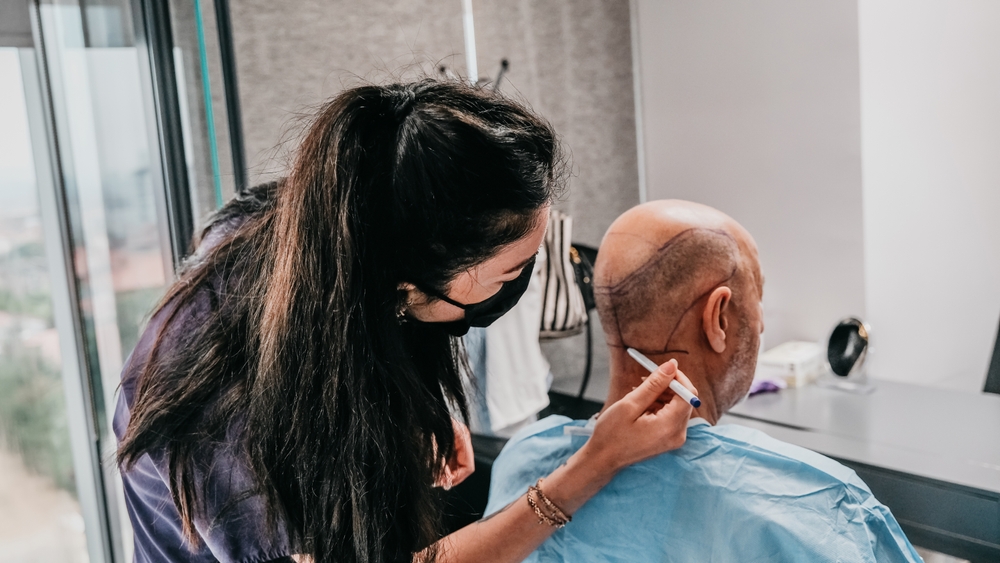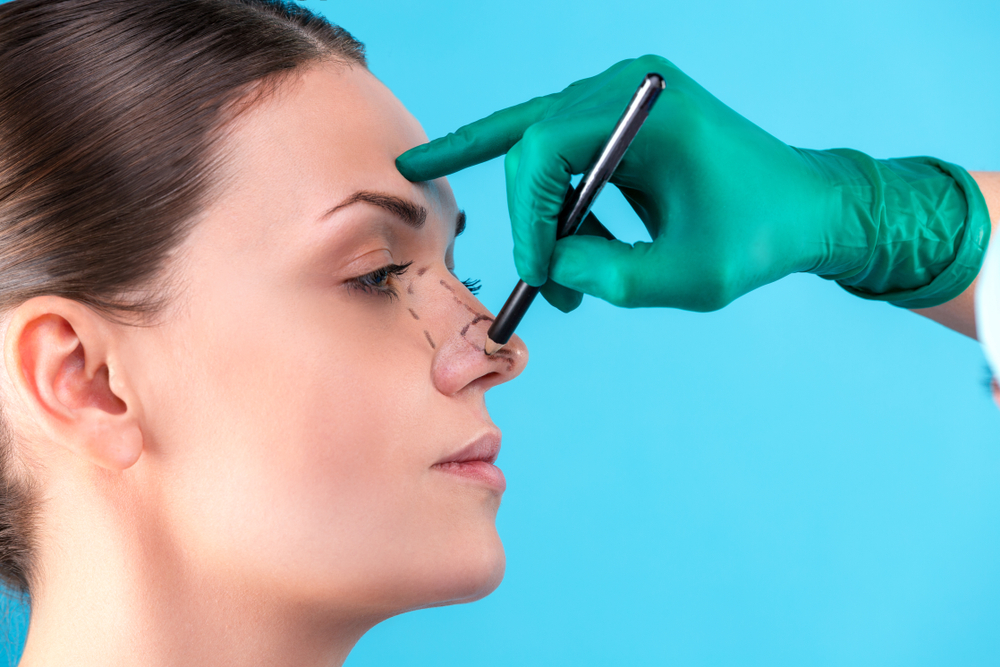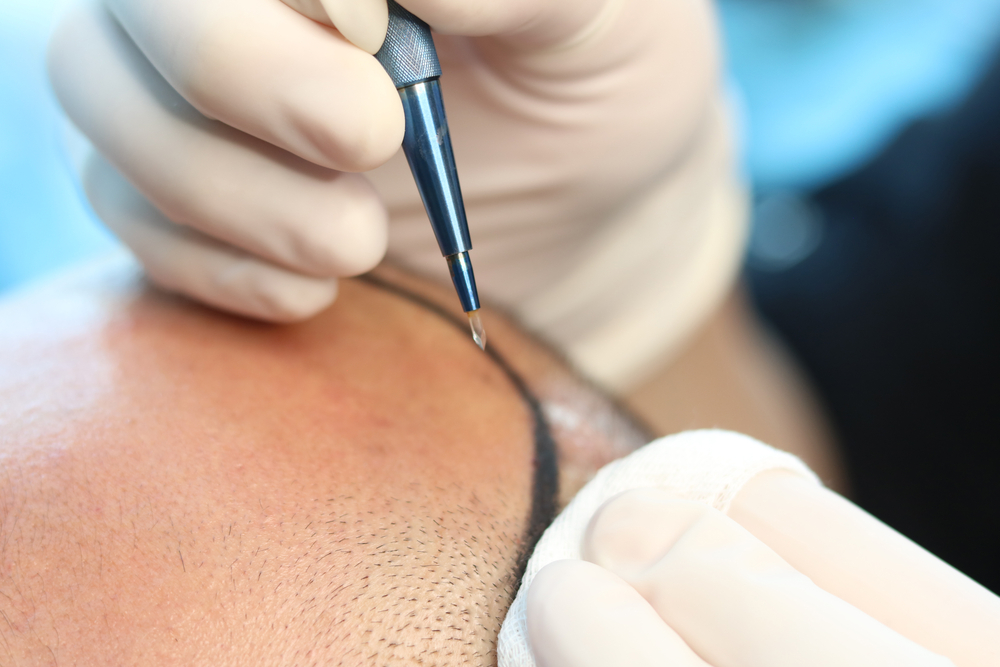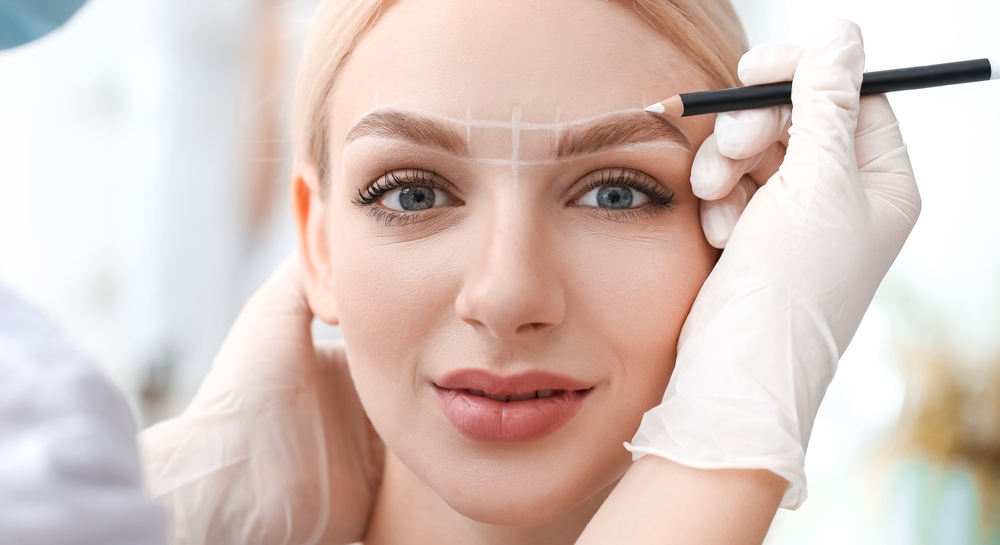
A sparse eyebrows transplant moves hair follicles from a donor areaThe Source of Restoration The donor area plays a critical role in hair transplantation, as it serves as the source... to the brow region. Surgeons use FUE or DHI techniques to create permanent, natural-looking eyebrows.
Eyebrows frame the face. They express emotion. They define facial symmetry. Thin or sparse eyebrows rob the face of balance. Many patients overplucked their brows in the 1990s. Others lost eyebrow density through aging, burns, or medical conditions. Makeup fills the gaps temporarily. Microblading fades within months. Brow serums disappoint most users. Only eyebrow transplantation offers a permanent eyebrow solution.
This guide explains every aspect of sparse eyebrow restoration. It covers causes, candidacy, surgical technique, recovery, results, risks, and costs. It compares eyebrow transplant to microblading, tattooing, and serums. It cites real scientific studies. By the end, you will understand whether eyebrow hair transplant fits your needs.
What Causes Sparse Eyebrows in Adults?
Genetics, overplucking, aging, medical conditions, and trauma cause sparse eyebrows. Each factor damages follicles or interrupts hair growth cycles.
Doctors must understand the root cause before they recommend eyebrow restoration. Some causes heal with time. Others leave permanent damage. The following sections break down the most common reasons men and women lose eyebrow density.
Do Genetics Cause Naturally Thin Eyebrows?
Yes. Family history strongly influences eyebrow thickness from birth.
Some patients inherit thin eyebrows. Their hair follicles produce fine, short hairs from adolescence. Genetic sparse eyebrows do not improve with diet or serums. These patients make excellent candidates for eyebrow transplant because their donor hair remains healthy. Gunter and Antrobus (1997) emphasized that genetic brow shape sets the baseline for all restoration planning.
Can Overplucking Destroy Eyebrow Follicles Forever?
Yes. Repeated tweezing, waxing, or threading kills follicles over time.
The 1990s fashion trend demanded ultra-thin brows. Millions of women plucked daily. Each pluck traumatized the follicle. After years of abuse, the follicle stopped producing hair. Klingbeil and Fertig (2018) identified overplucking as a leading cause of eyebrow loss in their systematic review. Waxing and threading rip hairs from the root. These methods cause chronic inflammation. Scar tissue replaces the follicle. Once scar tissue forms, no serum or medication revives the hair. Only eyebrow reconstruction with grafts restores the lost density.
Do Aging and Hormonal Changes Thin Eyebrows?
Yes. Menopause and aging reduce follicular activity in the brow region.
Estrogen supports hair growth. When estrogen drops during menopause, eyebrow hairs grow slower. They grow thinner. Some follicles enter permanent rest. Thyroid disorders also disrupt brow density. Hypothyroidism classically thins the outer third of the eyebrow. Doctors call this the sign of Hertoghe. Patients with hormone-related thinning should stabilize their thyroid levels before they pursue eyebrow transplant surgery.
Which Medical Conditions Lead to Eyebrow Hair Loss?
Alopecia, thyroid disease, trichotillomania, and nutritional deficits cause brow loss.
Alopecia areata attacks hair follicles. It creates round bald patches in the brows. Trichotillomania drives patients to pull their own hairs. This compulsive behavior destroys follicles. Iron deficiency and zinc deficiency starve the hair root. Doctors must treat the underlying disease first. Active alopecia areata disqualifies patients from immediate surgery. Once the disease stabilizes, surgeons can evaluate the patient for eyebrow restoration.
Can Trauma and Scarring Eliminate Eyebrow Hair?
Yes. Burns, injuries, and surgical scars destroy brow follicles permanently.
Burns damage the skin deep into the dermis. They destroy hair follicles entirely. Surgical incisions near the brow also remove follicles. Motamed and Davami (2005) studied burn victims who needed eyebrow reconstruction. They found that scarred skin presents unique challenges. Graft survival drops slightly in scarred tissue. However, skilled surgeons still achieve excellent results with proper technique. Trauma patients often need eyebrow grafts placed at precise angles to hide the scar.
Can Cosmetic Procedures Damage Eyebrows?
Yes. Poor microblading and tattoo complications can destroy native brow hairs.
Microblading cuts the skin with pigment-laced blades. Inexperienced technicians cut too deep. They injure native follicles. Laser tattoo removal near the brow also burns follicles. Patients who suffered these complications often seek eyebrow transplant as a permanent repair. The surgeon must work around existing pigment while placing new hair follicles.
Who Qualifies as a Good Candidate for Eyebrow Transplantation?
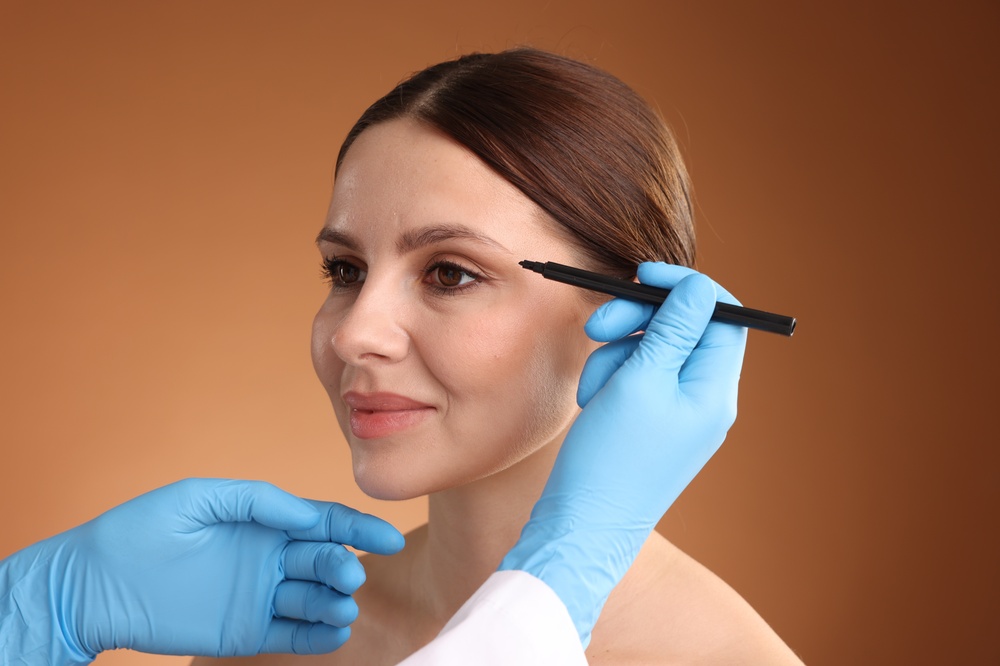
Healthy adults with stable hair loss, sufficient donor hair, and realistic expectations qualify best.
Not everyone needs surgical eyebrow restoration. Some patients benefit from medical treatment instead. Surgeons evaluate candidacy during a detailed consultation. They examine the brows. They inspect the donor area. They review medical history. The following criteria help patients understand their eligibility.
What Makes Someone an Ideal Candidate for Sparse Eyebrow Restoration?
Adults with healthy donor hair, stable brow loss, and no active disease make ideal candidates.
Ideal candidates want permanent results. They have healthy hair at the back of the scalp. They accept that transplanted hairs need occasional trimming. They understand that eyebrow transplant recovery takes months. Patients with naturally thin brows seek fuller arches. Patients with patchy loss want uniform density. Surgeons design the brow shape before they extract a single graft. Good candidates follow aftercare instructions strictly. They avoid smoking. They avoid blood thinners before surgery.
Can Burn Victims and Scarred Patients Receive Eyebrow Transplants?
Yes. Burn victims and scarred patients benefit greatly, though graft survival may vary.
Scarred skin receives grafts successfully. However, blood supply in scar tissue differs from normal skin. Toscani et al. (2011) reported that most patients with scarred brows achieve graft survival above 75 percent. Some burn patients need two sessions. Surgeons place grafts at higher density to compensate for lower survival rates. The artistic design matters even more in these cases. The new hairs must camouflage the scar and restore facial symmetry.
Who Should Avoid Eyebrow Transplant Surgery?
Patients with active alopecia areata, uncontrolled diabetes, or insufficient donor hair should wait.
Active autoimmune disease attacks transplanted hairs too. Surgeons delay surgery until the disease remains quiet for at least one year. Uncontrolled diabetes slows healing. It raises infection risk. Patients with diffuse scalp hair loss lack adequate donor supply. Very fine donor hair produces weak brow results. Surgeons honestly tell these patients when eyebrow transplant will not help. They may recommend alternative treatments instead.
What Does Eyebrow Anatomy Teach Us About Natural Brow Design?
The eyebrow contains four distinct regions. Surgeons must respect each region to create natural facial harmony.
Eyebrow design separates amateur work from expert restoration. The brow does not grow as one uniform strip. It contains specific zones. Each zone grows at a different angle. Each zone carries a different density. Surgeons study these zones before they make a single incision.
What Are the Four Key Regions of the Eyebrow?
The head, body, arch, and tail form the complete eyebrow structure.
The head sits near the nose. Hairs here grow straight upward. The body forms the central brow. Hairs here grow slightly outward and upward. The arch peaks above the outer iris. The tail tapers toward the temple. Hairs in the tail grow downward and outward. Pathomvanich (2004) described how Asian eyebrow anatomy differs slightly from Caucasian anatomy. These ethnic variations matter during eyebrow design. A surgeon must map each zone precisely. Incorrect mapping creates unnatural brows.
How Do Surgeons Map Gender-Specific Eyebrow Shapes?
Men need straight, heavy brows. Women need arched, refined brows with a higher peak.
Baker et al. (2007) proved that brow shape changes how observers perceive the entire face. Men look masculine with thick, flat eyebrows positioned low on the brow bone. Women look feminine with a defined arch and a delicate tail. Roth and Metzinger (2003) quantified the ideal arch position for women. They found that the arch should sit directly above the lateral limbus of the eye. Surgeons use calipers and markers. They draw the planned shape before surgery. This preoperative mapping prevents asymmetry. It ensures the final brow matches the patient’s gender and facial proportions.
How Do Surgeons Perform a Sparse Eyebrows Transplant Step by Step?
Surgeons consult, extract donor grafts, prepare follicles, create recipient sites, and implant hairs with artistic precision.
Eyebrow transplant demands both medical skill and artistic vision. The surgeon acts as a sculptor. Every graft angle matters. Every hair direction matters. The following steps explain how experts deliver natural eyebrow restoration.
What Happens During the Initial Consultation?
The surgeon examines the brows, designs the shape, and counts the needed grafts.
During consultation, the surgeon asks about the patient’s goals. They photograph the face from multiple angles. They measure existing brow hairs. They identify the donor area at the back of the scalp. They estimate how many eyebrow grafts the patient needs. They explain the FUE eyebrow transplant process in detail. They set realistic expectations. They schedule the procedure. Patients should ask about the surgeon’s experience with eyebrow restoration specifically.
Why Do Surgeons Prefer Occipital Scalp Hair for Donor Grafts?
Occipital hair matches brow texture closely and resists balding.
The occipital scalp sits at the lower back of the head. Hairs here remain permanent even in patients with male pattern baldness. These hairs share similar thickness with native eyebrow hairs. However, scalp hair grows longer than brow hair. Patients must trim transplanted hairs every few weeks. Umar (2014) explored alternatives. He used nape and periauricular hair for six patients. These hairs grow slower and finer. They require less trimming. Cheng et al. (2024) confirmed that periauricular hair improves cosmetic outcomes. Their study of 81 patients showed a mean satisfaction score of 4.90 out of 5.00 at 15 months.
How Does FUE Eyebrow Transplantation Work?
Surgeons extract individual follicles with a micro-punch and implant them into the brow region.
FUE stands for follicular unit extraction. Rassman et al. (2002) pioneered this minimally invasive approach. The surgeon uses a circular punch measuring 0.8 to 1.0 millimeters. The punch surrounds each follicular unit. The surgeon gently extracts the graft. This leaves tiny dot scars in the donor area. These scars hide under existing hair. The surgeon collects 200 to 400 grafts per brow. FUE avoids the linear scar of older strip methods. Patients recover faster. They experience less postoperative pain.
What Role Does DHI Play in Eyebrow Restoration?
DHI allows direct implantation without pre-made incisions, giving surgeons more control over angle and depth.
DHI stands for direct hair implantation. The surgeon loads grafts into a Choi implanter pen. The pen creates the recipient site and places the graft simultaneously. This technique reduces graft handling. It improves hair graft survival. DHI works especially well for eyebrow reconstruction because the brow skin is thin. The surgeon controls the exact depth. They prevent damage to underlying structures. Both FUE and DHI produce excellent results. The surgeon chooses the method based on experience and patient needs.
How Do Surgeons Create Natural Hair Angles During Implantation?
Surgeons point hairs upward at the head, flat across the body, and downward at the tail.
Natural eyebrows grow at specific angles. The head region shoots upward at nearly 90 degrees. The body flows outward at 45 degrees. The tail points downward at 30 degrees. Hwang et al. (2002) studied how recipient sites influence hair growth. They found that the implantation angle determines the final direction. Surgeons use ultra-fine blades measuring 0.6 to 0.8 millimeters. They insert each graft at the correct tilt. They space grafts 1 to 2 millimeters apart. This spacing prevents cobblestoning. It mimics natural eyebrow density. Tomc and Malouf (2015) stressed that artistic angulation separates natural results from obvious transplants.
How Many Grafts Do Sparse Eyebrows Need?
Most patients need 200 to 400 grafts per eyebrow. Severe thinning may require up to 600 grafts total.
Graft numbers depend on the degree of loss. Surgeons count carefully. They do not overpack. Overpacking damages blood supply. It kills grafts. The following factors shape the final count.
What Is the Average Graft Count for One Eyebrow?
One eyebrow typically receives 200 to 250 grafts for moderate thinning.
Cheng et al. (2024) reported that female patients averaged 402 total follicular units for both brows. Male patients averaged 482 total units. These numbers cover complete restoration. Patients with only patchy thinning need fewer grafts. Surgeons place single-hair grafts at the edges. They use two-hair grafts in the central body for density. Laorwong et al. (2009) described how Asian patients often need fewer grafts because their native brows already carry moderate density. The surgeon customizes the count for each face.
Which Factors Change the Number of Grafts Required?
Existing density, desired thickness, scar tissue, and brow size all influence graft count.
Patients with some native hairs need fewer grafts. The surgeon adds grafts around existing hairs. Patients who want dramatic thickness need more grafts. Scar tissue absorbs fewer grafts successfully. Surgeons increase the count slightly in scarred areas to compensate. Wide brows need more grafts than narrow brows. Long tails need extra grafts. The surgeon calculates all these variables during the design phase.
What Does the Eyebrow Transplant Recovery Timeline Look Like?
Recovery spans 12 months. Patients see crusting first, then shock shedding, then gradual regrowth, then final density.
Eyebrow transplant recovery follows a predictable pattern. Patients must understand each stage. Patience matters. Hair follicles resettle slowly. The following timeline explains what happens week by week and month by month.
What Should Patients Expect in the First 24 Hours?
Patients see mild redness, tiny scabs, and slight swelling. They must keep the area dry.
The surgeon applies antibiotic ointment. Small crusts form around each graft. Patients sleep with their head elevated. This reduces swelling. They avoid touching the brows. They do not wash the face for the first day. The clinic provides detailed aftercare instructions. Patients take prescribed antibiotics. They avoid strenuous exercise. They avoid alcohol and smoking.
How Do Patients Manage Crusting and Swelling During Week One?
Patients gently rinse with saline, avoid rubbing, and expect swelling to peak on day three.
Crusting peaks around days three to five. Patients spray saline solution several times daily. This softens scabs. They pat the area dry. They never rub. Swelling may spread to the eyelids. This looks dramatic but resolves quickly. By day seven, most crusts fall off naturally. Patients return to the clinic for a checkup. The surgeon confirms that grafts remain secure. They advise patients to avoid makeup for at least ten days. Makeup particles could infect the fresh sites.
When Does Shock Shedding Occur After Eyebrow Transplantation?
Shock shedding starts around week two and continues through week six.
Transplanted hairs enter a resting phase. The shaft falls out. The follicle remains alive beneath the skin. This shock shedding frightens patients. They think the transplant failed. Doctors reassure them. Shedding proves the follicle has begun its cycle. New hairs will emerge. Patients must not panic. They must continue gentle care. They must avoid picking at scabs. Picking dislodges grafts.
When Do New Eyebrow Hairs Start Growing?
New hairs appear between months three and four.
The follicle reactivates. A thin, soft hair emerges. Early hairs look wispy. They lack full pigment. Patients must wait. Each month brings more hairs. By month four, patients see definite improvement. The brows look fuller. The hairs grow longer. Patients begin trimming them to brow length. Some hairs grow faster than others. This creates natural variation.
When Do Patients See Final Eyebrow Transplant Results?
Final results appear between months nine and twelve.
By month six, most grafts have produced at least one hair cycle. Density improves steadily. The hairs thicken. They mature in texture. By month nine, the brow reaches 80 to 90 percent of final density. By month twelve, the surgeon evaluates the outcome. Some patients request a second session for extra thickness. Most patients feel satisfied with one session. Gupta et al. (2017) noted that patients typically report high satisfaction once the hairs reach full maturity.
What Results Can Patients Expect From Eyebrow Transplantation?
Patients gain permanent, natural-looking eyebrows with real hair growth. Results mature over one year.
Understanding the growth cycle helps patients stay patient. Transplanted hairs behave like scalp hairs. They grow continuously. They need trimming. They look and feel real because they are real.
How Long Does Transplanted Eyebrow Hair Take to Grow?
Visible growth starts at month three. Full density arrives by month twelve.
Hair grows in cycles. Anagen lasts years. Telogen lasts months. Transplanted follicles reset their clocks. They enter telogen first. Then they restart anagen. This reset explains the three-month delay. Once active growth begins, hairs grow roughly 1 centimeter per month. Patients trim them every two to three weeks. The growth rate matches the donor site. Scalp donor hair grows faster than native brow hair. This difference requires lifelong maintenance trimming.
Do Transplanted Eyebrows Look Natural Long Term?
Yes. Expert surgeons design brows that match the patient’s face, ethnicity, and gender.
Natural appearance depends on three factors. First, the surgeon must choose the right donor hair. Second, the surgeon must place grafts at correct angles. Third, the surgeon must design the right shape. Gho and Neumann (2014) emphasized that eyebrow restoration succeeds when surgeons treat the brow as a facial aesthetic unit, not just a hair transplant. Patients with periauricular donor hair enjoy especially natural results. Cheng et al. (2024) proved this in their 2024 study. The slow growth rate of periauricular hair mimics native brow behavior closely.
What Are the Main Advantages of Choosing Eyebrow Transplantation?
Eyebrow transplant offers permanent results, natural hair growth, improved facial definition, and freedom from daily makeup.
Patients choose eyebrow transplant for many reasons. The benefits outweigh the temporary inconvenience of surgery. Here are the core advantages.
First, the results last forever. The transplanted follicles live permanently. They do not fade like microblading. Second, the hairs grow naturally. They move with facial expressions. They feel soft. Third, full brows define the eyes. They lift the face. They restore youthful proportions. Fourth, patients save time. They no longer draw brows every morning. They no longer worry about sweat or rain washing off makeup. Fifth, patient satisfaction rates remain high. Klingbeil and Fertig (2018) reviewed 354 patients across 67 studies. They found that most patients expressed strong satisfaction with their outcomes.
What Risks and Complications Can Eyebrow Transplants Cause?
Infection, folliculitis, swelling, poor direction, asymmetry, and low density represent the main risks. Expert surgeons minimize each one.
Every surgery carries risk. Eyebrow transplant poses fewer dangers than major operations. However, patients must know the possible complications. Informed consent requires honesty.
How Common Is Infection After Eyebrow Transplant Surgery?
Infection remains rare. Proper aftercare and antibiotics prevent almost all cases.
The brow area sits near the eyes. Infection here demands attention. Patients receive antibiotic ointment. They take oral antibiotics for five to seven days. They avoid dirty environments. They avoid swimming pools for two weeks. Folliculitis sometimes appears. This looks like small red pimples around grafts. It resolves with warm compresses and topical treatment. Serious infections affect fewer than 2 percent of patients.
Can Transplanted Eyebrow Hairs Grow in the Wrong Direction?
Yes. Poor technique causes unnatural angles. Expert surgeons avoid this through careful site creation.
Hair direction determines whether the brow looks real or fake. If the surgeon places grafts at wrong angles, hairs stick out. They curl upward. They cross each other. Omranifard et al. (2012) compared de-epithelialized FUT to standard FUT. They found that de-epithelialization improved hair orientation significantly. Modern FUE and DHI techniques also improve direction control. Surgeons use magnification. They check each graft before insertion. They align the hair exit with the natural brow flow.
How Do Expert Surgeons Reduce Complication Rates?
Experts use magnification, precise instruments, sterile technique, and conservative density planning.
Experience matters. Surgeons who perform hundreds of eyebrow transplants recognize danger signs early. They space grafts properly. They preserve blood supply. They place grafts at shallow depths in the thin brow skin. They avoid transecting follicles during extraction. They monitor patients closely during follow-up. Miao et al. (2016) demonstrated that single-hair grafts from the hairline create the most aesthetic results in Asian patients. This level of detail separates experts from generalists.
How Does Eyebrow Transplantation Compare to Other Sparse Eyebrow Treatments?
Eyebrow transplant provides permanent real hair. Microblading, tattooing, and serums offer temporary or cosmetic solutions only.
Patients weigh many options before they choose surgery. Each alternative has merits. Each has limits. The following comparison clarifies the differences.
|
Feature |
Eyebrow Transplant |
Microblading |
Brow Tattoo |
Brow Serums |
|
Longevity |
Permanent |
12 to 18 months |
2 to 5 years |
Only while using |
|
Real Hair Growth |
Yes |
No |
No |
No |
|
Natural Texture |
High |
Medium |
Low |
N/A |
|
Maintenance |
Low (trimming only) |
High (touch-ups needed) |
High (fading occurs) |
High (daily application) |
|
Cost Over Time |
One-time investment |
Recurring fees |
Recurring fees |
Recurring purchases |
|
Reversibility |
Permanent |
Fades naturally |
Laser removal needed |
Stops when discontinued |
Is Eyebrow Transplantation Better Than Microblading?
Yes, for patients who want permanent, three-dimensional real hair rather than ink lines.
Microblading creates the illusion of hairs. It uses pigment deposited in the skin. It looks good initially. However, pigment fades. It turns gray or blue over time. It does not add texture. It does not move. Patients who sweat or swim often see premature fading. Eyebrow transplant replaces missing hairs with living follicles. The result feels real. It behaves real. It lasts decades.
Does Eyebrow Transplantation Outlast Tattooing?
Yes. Tattoo pigment fades and discolors. Transplanted hairs grow forever.
Brow tattoos use deeper pigment placement. They last longer than microblading. However, colors shift. Laser removal hurts and costs thousands. Some patients develop allergic reactions to tattoo ink. Eyebrow transplant avoids all these problems. The hairs grow naturally. They gray with age just like scalp hair. Patients dye them if they wish.
Can Brow Serums Match the Results of Surgical Restoration?
No. Serums cannot revive dead follicles. They only strengthen weak ones.
Brow serums contain peptides, vitamins, and prostaglandin analogs. These ingredients extend the growth phase of existing hairs. They cannot create new follicles. They cannot restore scarred areas. They require daily application. Once patients stop, benefits disappear within weeks. Eyebrow transplant delivers new follicles. These follicles produce hair independently. No daily serum required.
What Factors Determine the Cost of a Sparse Eyebrows Transplant?
Graft count, surgeon skill, clinic location, and technology level determine the total price.
Cost varies widely across markets. Patients should understand the pricing structure. Cheap surgery often means inexperienced technicians. Poor results cost more to fix than original quality work.
Small cases with 200 grafts cost less. Large cases with 600 grafts cost more. Celebrity surgeons charge premium fees. Their expertise justifies the price. Geographic location affects cost too. Major cities have higher overhead. Clinics in medical tourism hubs may offer lower prices. However, patients must verify credentials abroad. They should not sacrifice safety for savings. Advanced techniques like DHI may carry higher fees than standard FUE. Patients receive detailed quotes during consultation. The quote includes the procedure, medications, and follow-up visits.
Why Should Patients Look Beyond Price When Choosing a Surgeon?
Skill and artistry determine the final look. Bargain surgery risks poor angles, low density, and wasted grafts.
Revision surgery costs double. Patients who choose cheap clinics often need corrective work. The original surgeon may have overharvested the donor area. They may have placed grafts at wrong angles. They may have created asymmetry. Fixing these errors requires more grafts. It requires more money. It requires more recovery time. Patients should view eyebrow transplant as a long-term investment. They should pay for expertise upfront.
How Can Patients Choose the Right Eyebrow Transplant Surgeon?
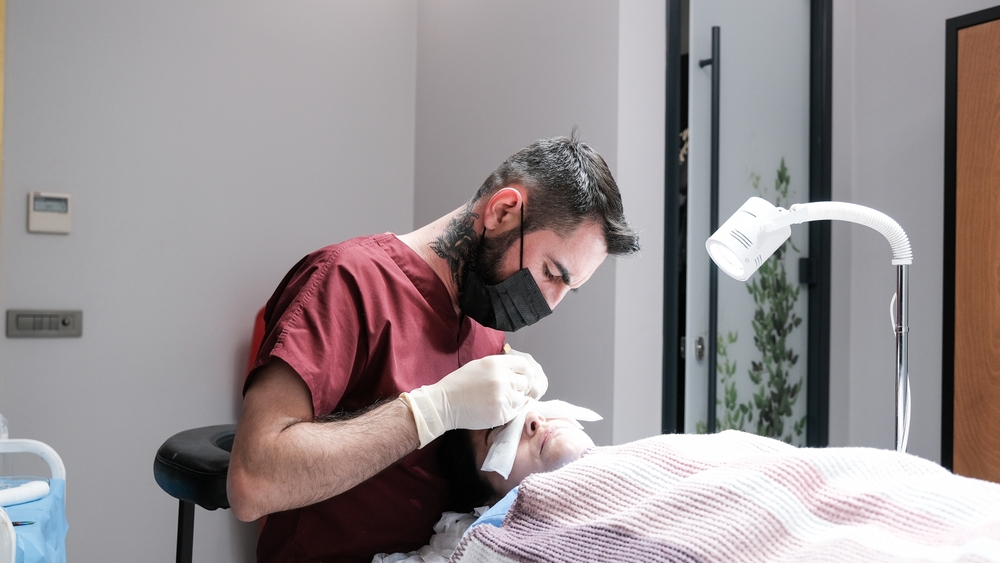
Patients should verify credentials, review before-and-after photos, and ask specific questions about eyebrow experience.
Selecting the right surgeon determines success. General hair transplant surgeons do not always understand brow aesthetics. Patients must seek specialists.
What Credentials Should an Eyebrow Restoration Specialist Hold?
The surgeon should hold board certification in dermatology or plastic surgery and demonstrate specific FUE expertise.
Board certification proves rigorous training. Membership in hair restoration societies adds credibility. The surgeon should perform eyebrow cases weekly, not monthly. They should understand facial aesthetics deeply. They should know how brow shape changes with ethnicity and age. They should use magnification and precise instruments. They should work with experienced technicians. The clinic should maintain accreditation. It should follow strict sterilization protocols.
Why Does Artistic Skill Matter in Eyebrow Transplantation?
Artistic skill separates mechanical graft placement from beautiful, harmonious brow design.
Surgeons must think like artists. They study the golden ratio. They measure intercanthal distance. They evaluate forehead height. They consider hairline position. Epstein (2013) wrote that facial hair restoration requires a completely different mindset than scalp restoration. The surgeon designs the brow frame before they touch the scalp. They draw shapes. They adjust arches. They tailor tails. They place single-hair grafts at the edges for softness. They build density in the body for impact. This artistic vision creates brows that look born, not built.
What Do Patients Frequently Ask About Sparse Eyebrows Transplants?
Patients ask about permanence, pain, graft numbers, trimming, growth, candidacy, success rates, and comparisons to microblading.
The following questions appear in almost every consultation. Clear answers reduce anxiety. They help patients make confident decisions.
Is an Eyebrow Transplant Permanent?
Yes. The transplanted follicles live permanently and continue producing hair for life.
Surgeons harvest follicles from the permanent zone at the back of the scalp. These follicles resist the hormones that cause baldness. They keep growing after transplantation. Patients enjoy lifelong results. The hairs age naturally. They may gray. They may thin slightly in very old age. However, they do not fall out like native brow hairs did.
Does Eyebrow Transplant Surgery Hurt?
No. Local anesthesiaEnsuring Comfort During Hair Transplants Sedation is used in hair transplantation to help patients remain calm and comfortable throughout the... numbs the area completely. Patients feel pressure, not pain.
The surgeon injects local anesthetic into the brow and donor areas. Numbing takes effect within minutes. Patients stay awake. They talk to the staff. They listen to music. Some clinics offer mild sedation for anxious patients. Postoperative discomfort feels like mild tightness. It lasts two to three days. Over-the-counter pain relievers manage it easily.
Can Men Undergo Eyebrow Transplantation?
Yes. Men seek eyebrow restoration for genetic thinning, scars, and trauma.
Male eyebrow design differs from female design. Men need straighter, thicker, lower brows. Surgeons respect these masculine standards. Male patients often restore brows lost to accidents or burns. Others simply inherited thin brows. The procedure works identically in men and women. Recovery times match. Success rates match.
What Is the Success Rate of Eyebrow Transplants?
Success rates exceed 90 percent in healthy patients. Graft survival typically reaches 85 to 95 percent.
Klingbeil and Fertig (2018) found that most patients in their systematic review achieved follicular mean survival above 75 percent. Many studies reported survival between 85 and 95 percent. Healthy skin with good blood supply produces the best survival. Scarred skin may drop to 60 percent. Even then, surgeons compensate with higher graft counts. Patient satisfaction remains high across all studies. Proper aftercare improves survival. Patients who follow instructions closely see better results.
Can Eyebrow Transplants Repair Overplucked Brows?
Yes. Overplucked brows represent one of the most common reasons patients seek transplant.
Overplucking destroys follicles permanently. No medication revives them. Eyebrow transplant places new follicles directly into the damaged skin. The surgeon designs a shape that flatters the face. They fill gaps. They rebuild tails. They restore heads. Patients who overplucked for decades finally see full brows again. The results look natural because the surgeon respects the original brow architecture.
Is Microblading Better Than Eyebrow Transplantation?
No. Microblading offers temporary cosmetic enhancement. Transplantation offers permanent real hair restoration.
Microblading suits patients who want a quick, non-surgical fix. It does not suit patients who want real texture. It does not suit patients with no native hairs. It requires touch-ups every year. Costs add up over time. Eyebrow transplant requires one surgery. It delivers permanent density. It delivers real hair movement. For patients with sparse eyebrows, transplant provides the superior long-term value.
What Should You Remember About Sparse Eyebrows Transplantation?
Sparse eyebrows stem from many causes. Eyebrow transplant offers a permanent, natural solution. Expert design and skilled surgery deliver the best outcomes.
This guide covered the full landscape of eyebrow restoration. You learned that genetics, overplucking, aging, disease, and trauma cause thin eyebrows. You learned that healthy adults with stable loss make ideal candidates. You learned that eyebrow anatomy demands precise design. You learned that FUE and DHI techniques extract and place grafts with artistic control. You learned that recovery takes 12 months but follows a clear timeline. You learned that results look natural and last forever. You learned that transplantation outperforms microblading, tattooing, and serums. You learned that cost reflects skill, not just graft count. You learned that choosing the right surgeon determines success.
If you struggle with sparse eyebrows, you now hold the knowledge to make an informed choice. Consult a board-certified specialist. Review their cases. Ask questions. Demand a custom design. Your eyebrows frame your face. They deserve expert care. Permanent eyebrow restoration can transform your appearance and your confidence. Take the next step today.
References
Baker, S. B., et al. “The Influence of Brow Shape on the Perception of Facial Form and Brow Aesthetics.” Plastic and Reconstructive Surgery, vol. 119, no. 7, 2007, pp. 2240-2247.
Cheng, Hanxiao, et al. “Periauricular Hair TransplantationHair transplantation is a surgical procedure that involves the extraction of hair follicles from a designated donor site, followed by... Enhances the Cosmetic Results of Eyebrow Transplantation: A Retrospective Study in Chinese Recipients.” Journal of Plastic, Reconstructive & Aesthetic Surgery, vol. 77, Nov. 2024, pp. 1-8. doi:10.1016/j.bjps.2024.09.008.
Epstein, J. “Facial Hair Restoration: Hair Transplantation to Eyebrows, Beard, Sideburns, and Eyelashes.” Facial Plastic Surgery Clinics of North America, vol. 21, no. 3, 2013, pp. 457-467.
Gho, C., and M. Neumann. “Restoration of the Eyebrows by Hair Transplantation.” Facial Plastic Surgery, vol. 30, no. 2, 2014, pp. 214-218.
Gunter, J. P., and S. D. Antrobus. “Aesthetic Analysis of the Eyebrows.” Plastic and Reconstructive Surgery, vol. 99, no. 6, 1997, pp. 1808-1816.
Gupta, Jyoti, et al. “The Science and Art of Eyebrow Transplantation by Follicular Unit Extraction.” Journal of Cutaneous and Aesthetic Surgery, vol. 10, no. 2, 2017, pp. 66-71. doi:10.4103/JCAS.JCAS_27_17.
Hwang, S., et al. “Does the Recipient Site Influence the Hair Growth Characteristics in Hair Transplantation?” Dermatologic Surgery, vol. 28, no. 8, 2002, pp. 795-798.
Klingbeil, Kyle D., and Raymond Fertig. “Eyebrow and Eyelash Hair Transplantation: A Systematic Review.” The Journal of Clinical and Aesthetic Dermatology, vol. 11, no. 6, June 2018, pp. 21-30.
Laorwong, K., et al. “Eyebrow Transplantation in Asians.” Dermatologic Surgery, vol. 35, no. 3, 2009, pp. 496-503.
Miao, Y., et al. “Single Hair GraftsA hair graft refers to a small unit of hair-bearing skin taken from the donor area—typically the back or sides... of the Hairline to Aesthetically Restore Eyebrows by Follicular Unit Extraction in Asians.” Dermatologic Surgery, vol. 42, no. 11, 2016, pp. 1300-1302.
Motamed, S., and B. Davami. “Eyebrow Reconstruction Following Burn Injury.” Burns, vol. 31, no. 4, 2005, pp. 495-499.
Omranifard, M., et al. “Follicular Isolation Technique with De-Epithelialization for Eyebrow and Eyelash Reconstruction.” Plastic and Reconstructive Surgery, vol. 130, no. 3, 2012, pp. 571-578.
Pathomvanich, D. “Anatomical Restoration Surgery of the Eyebrow in Asian.” Thai Journal of Surgery, vol. 25, 2004, pp. 47-52.
Rassman, W. R., et al. “Follicular Unit Extraction: Minimally Invasive Surgery for Hair Transplantation.” Dermatologic Surgery, vol. 28, no. 8, 2002, pp. 720-728.
Roth, J. M., and S. E. Metzinger. “Quantifying the Arch Position of the Female Eyebrow.” Archives of Facial Plastic Surgery, vol. 5, no. 3, 2003, pp. 235-239.
Tomc, C. M., and P. J. Malouf. “Eyebrow Restoration: The Approach, Considerations, and Technique in Follicular Unit Transplantation.” Journal of Cosmetic Dermatology, vol. 14, no. 4, 2015, pp. 310-314.
Toscani, M., et al. “Single Follicular Unit Hair Transplantation to Restore Eyebrows.” Dermatologic Surgery, vol. 37, no. 8, 2011, pp. 1153-1158.
Umar, S. “Eyebrow Transplants: The Use of Nape and Periauricular Hair in 6 Patients.” Dermatologic Surgery, vol. 40, no. 12, 2014, pp. 1416-1418.