Patients must stop smoking, avoid blood thinners, follow fasting rules, and prepare their home before rhinoplasty. Proper preparation reduces complications and improves results.
What Is Rhinoplasty and Why Does Preparation Matter?
Rhinoplasty changes the shape or function of the nose. Surgeons perform this procedure for cosmetic reasons or to fix breathing problems. Cosmetic rhinoplasty improves appearance. Functional rhinoplasty fixes structural issues like a deviated septum.
Proper preoperative rhinoplasty preparation directly affects your results. Patients who follow pre-op instructions heal faster. They experience fewer complications. They achieve better aesthetic outcomes. Poor preparation increases bleeding risks. It delays healing. It creates suboptimal results.
Patient responsibility plays a critical role. You must share your full medical history. You must follow lifestyle changes. You must take medications exactly as directed. Your surgeon guides you through each step. Together, you build the safest path to recovery.
Research confirms this connection. Rohrich and Ahmad note that thorough preoperative assessment reduces revision rates and improves patient satisfaction (Rohrich and Ahmad 43). Your actions before surgery shape your experience after surgery.
What Happens During Preoperative Assessment and Medical Evaluation?
What Should Patients Expect at the Initial Consultation and Surgical Planning?
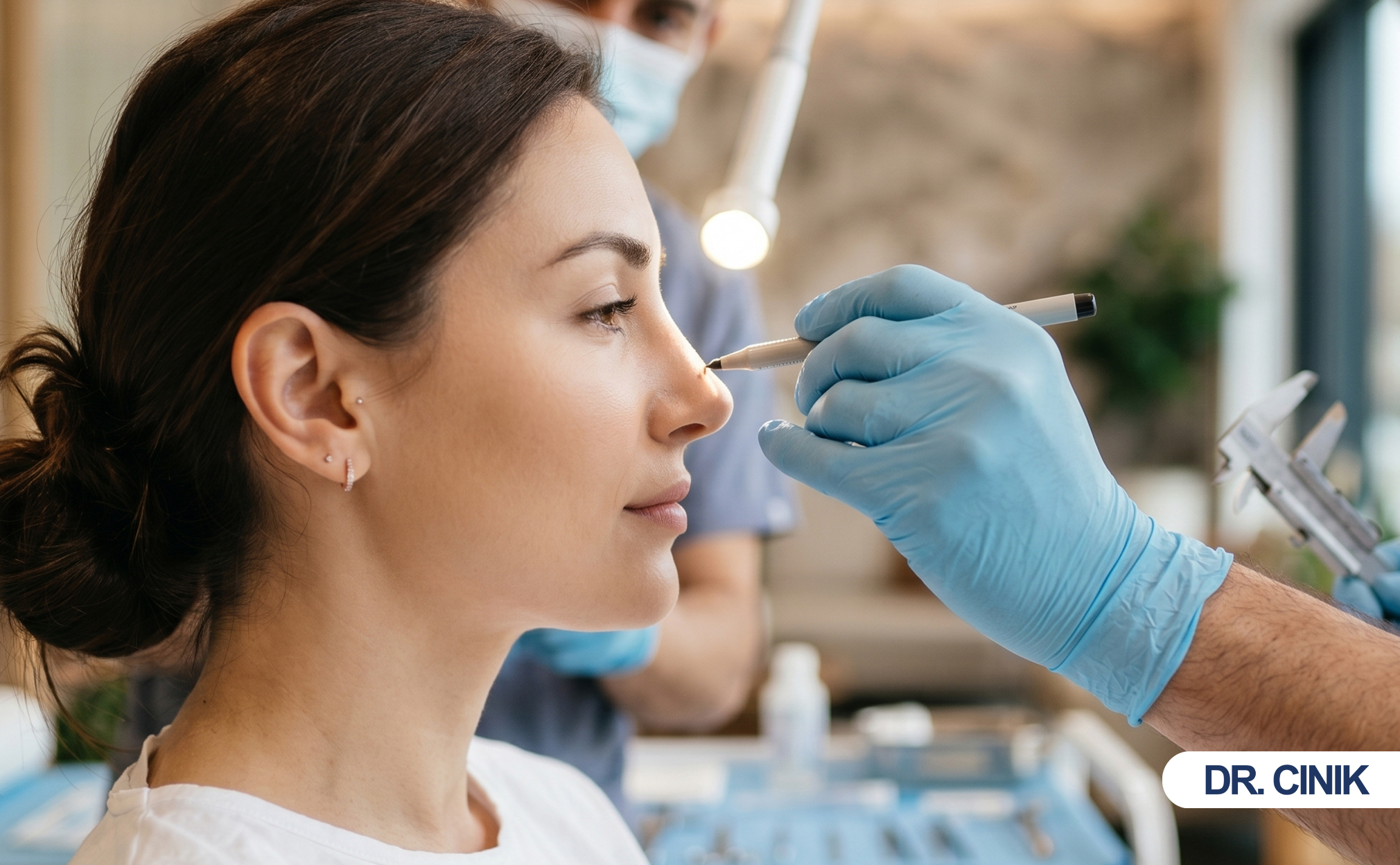
The surgeon analyzes your facial structure, discusses realistic goals, and may use imaging tools to preview results.
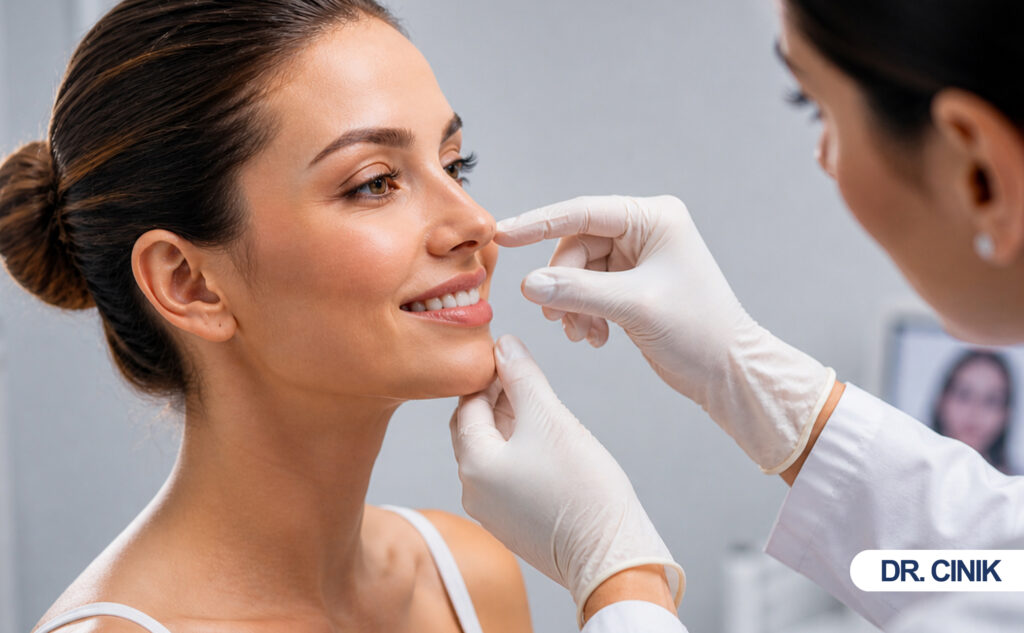
Your first visit sets the foundation for success. The surgeon examines your nasal structure carefully. They assess skin thickness. They check cartilage strength. They evaluate facial symmetry. This facial analysis helps them plan precise changes.
You must set realistic expectations during this meeting. Surgeons explain what rhinoplasty can and cannot do. They show you possible outcomes. Some clinics use imaging and simulation tools. These digital previews help you visualize changes. However, simulations show possibilities, not guarantees.
The rhinoplasty consultation process builds trust. You ask questions. The surgeon explains techniques. Together, you agree on goals. This collaboration prevents disappointment later.
What Medical History Must Patients Disclose?
Patients must share all chronic diseases, previous surgeries, allergies, and current medications without exception.
Full disclosure saves lives. You must tell your surgeon about every chronic disease. Diabetes, hypertension, and asthma all affect surgery. Previous surgeries matter too. Past nasal surgery changes your anatomy. It affects the current surgical plan.
Allergies require special attention. Tell your surgeon about medication allergies. Mention latex sensitivity. Report reactions to anesthesiaEnsuring Comfort During Hair Transplants Sedation is used in hair transplantation to help patients remain calm and comfortable throughout the... from prior procedures. Transparency ensures surgical safety. Hidden information creates danger.
Write down your complete medical history before the appointment. Bring this list to your consultation. Review it with your nurse and surgeon. This step protects you.
What Laboratory Tests and Imaging Does Rhinoplasty Require?
Most patients need blood tests, an EKG, and sometimes nasal imaging before surgery.
Required laboratory tests confirm your readiness for anesthesia. Blood tests check your blood count. They reveal clotting function. They detect infections. An EKG evaluates heart rhythm. Patients over 50 or those with heart conditions always need this test.
Nasal imaging helps surgeons plan complex cases. A CT scan shows internal structures. It reveals septum deviation. It identifies sinus issues. Physical examination protocols complete the assessment. Your surgeon checks your heart and lungs. They verify your overall fitness for surgery.
What Lifestyle Changes Must Patients Make Before Rhinoplasty?
Why Must Patients Stop Smoking Before Rhinoplasty?
Nicotine narrows blood vessels, reduces oxygen delivery, and severely delays healing. Quit at least 2 to 4 weeks before surgery.
Smoking cessation stands as the most important lifestyle change. Nicotine causes vasoconstriction. This means your blood vessels tighten. Less blood reaches your nasal tissues. Less oxygen nourishes healing cells.
Research proves this danger. Smoking increases wound complications by 300%. It raises infection rates. It causes tissue death in extreme cases. Surgeons recommend a cessation timeline of 2 to 4 weeks before the procedure. Some experts prefer 6 weeks for heavy smokers.
Stop all nicotine products. This includes cigarettes, vaping, patches, and gum. Your surgeon may test your nicotine levels. Honesty about smoking habits protects your safety.
Why Must Patients Avoid Alcohol Before Surgery?
Alcohol thins blood and interacts dangerously with anesthesia. Stop drinking 1 to 2 weeks before rhinoplasty.
Alcohol avoidance prevents bleeding problems. Alcohol affects platelet function. It makes blood clotting harder. During rhinoplasty, even small bleeding amounts matter. Alcohol also interacts with anesthesia drugs. This interaction creates dangerous complications.
The recommended discontinuation period lasts 1 to 2 weeks. Some surgeons ask for longer abstinence. Follow your specific instructions exactly. Even one drink can cause problems.
How Should Patients Optimize Nutrition and Hydration?
Eat a high-protein diet, drink plenty of water, and maintain vitamin balance to support tissue repair.
Nutrition and hydration optimization speeds recovery. Your body needs protein to rebuild tissue. Eat lean meats, fish, eggs, and beans. Protein supports wound healing. It builds new cells.
Vitamins play supporting roles. Vitamin C strengthens collagenA structural protein found in the skin and other connective tissues, which is responsible for skin firmness and elasticity..... Zinc aids tissue repair. However, avoid high-dose supplements without approval. Some vitamins increase bleeding risks.
Drink water consistently. Hydration keeps tissues healthy. It supports circulation. It helps your body process anesthesia. Good nutrition before surgery creates better conditions after surgery.
What Medications and Supplements Must Patients Manage?
What Medications Should Patients Avoid Before Rhinoplasty?
Stop aspirin, ibuprofen, and all NSAIDs at least 1 to 2 weeks before surgery because they thin blood.
Blood-thinning drugs cause serious problems during nasal surgery. Aspirin and ibuprofen fall into this category. These NSAIDs and anticoagulants reduce platelet function. They increase bleeding during and after rhinoplasty.
Stop these medications 1 to 2 weeks before your date. Your surgeon gives exact timelines. Some prescription blood thinners require longer adjustment periods. Never stop heart medications without cardiologist approval.
What Supplements and Herbal Products Create Risks?
Avoid vitamin E, fish oil, ginkgo biloba, and herbal remedies because they increase bleeding and interact with anesthesia.
Supplements and herbal products seem harmless. They are not. Vitamin E affects clotting. Fish oil reduces platelet aggregation. Ginkgo biloba increases bleeding time. Many herbal remedies interact with anesthesia drugs.
Tell your surgeon about every pill and powder you take. Include vitamins. Include protein powders. Include traditional remedies. Effects on clotting and anesthesia vary widely. Your surgical team must know everything.
How Should Patients Adjust Medications Under Physician Guidance?
Only your surgeon or prescribing doctor should change your medication plan. Never stop or start drugs on your own.
Physician-guided adjustments keep you safe. Your surgeon reviews your medication list. They coordinate with your other doctors. They create an approved medication plan. This plan tells you what to stop. It tells you what to continue.
Avoiding self-discontinuation prevents emergencies. Some patients stop heart or blood pressure drugs without asking. This creates anesthesia risks. It causes dangerous blood pressure changes. Follow only the surgeon-approved medication plan. Ask questions if instructions seem unclear.
How Should Patients Prepare Their Body and Environment?
What Skin and Hygiene Steps Should Patients Take?
Shower with antibacterial soap the night before or morning of surgery. Avoid facials, chemical peels, and harsh skincare treatments for 2 weeks prior.
Skin and hygiene preparation reduces infection risks. Bacteria live on skin surfaces. An antibacterial shower before surgery removes these germs. Use the soap your surgeon recommends. Scrub gently around your face and nose.
Avoid skincare treatments before surgery. Chemical peels irritate skin. Facials introduce bacteria. Microdermabrasion damages surface layers. Stop these treatments 2 weeks before your date. Let your skin rest in its natural state.
How Should Patients Prepare Their Home for Recovery?
Set up a recovery space with ice packs, prescribed medications, soft foods, and extra pillows before surgery day.
Home preparation for recovery creates comfort. Choose a rest area with head elevation. Stack pillows to keep your head raised. This position reduces swelling. It prevents bleeding.
Gather essential items early. Buy ice packs for facial swelling. Fill prescriptions before surgery. Stock soft foods like yogurt and soup. Prepare entertainment. Recovery requires rest. A ready environment supports this rest.
How Can Patients Prepare Psychologically for Surgery?
Manage anxiety through rest, realistic expectations, and open communication with your surgical team.
Psychological preparation matters as much as physical preparation. Managing anxiety improves your experience. Talk to your surgeon about fears. Ask specific questions. Knowledge reduces worry.
Importance of rest and sleep before surgery cannot be overstated. Sleep heals the body. It reduces stress hormones. It prepares your immune system. Avoid stressful activities the week before surgery. Arrange work coverage early. Clear your calendar. Mental peace supports physical healing.
What Does a Timeline-Based Preparation Checklist Look Like?
What Should Patients Do 3 to 4 Weeks Before Rhinoplasty?
Stop smoking, start eating a high-protein diet, and complete all consultations and medical tests.
This early phase builds your foundation. Stop smoking completely. Begin nutritional optimization. Add protein to every meal. Drink more water. Reduce caffeine.
Complete consultations and tests during this window. Schedule your pre-op appointment. Get blood work done. Visit your primary doctor if needed. Early completion prevents last-minute stress.
What Steps Matter 1 to 2 Weeks Before Surgery?
Discontinue blood thinners and supplements, stop alcohol, and confirm your support system and transportation.
The 1 to 2 weeks before surgery period requires strict discipline. Discontinue blood-thinning medications and supplements exactly as directed. Avoid alcohol completely. Confirm logistics and support system arrangements.
Arrange your escort. This person drives you home. They stay with you the first night. Verify their availability. Prepare your home. Buy groceries. Fill prescriptions. These steps prevent panic later.
What Must Patients Do 24 Hours Before Surgery?
Stop eating and drinking at midnight, shower with antibacterial soap, and pack your documents and essentials.
The 24 hours before surgery demand precision. Follow fasting instructions strictly. No food or drink after midnight. This rule prevents aspiration during anesthesia. Aspiration causes lung damage. It can be fatal.
Shower with antibacterial soap the morning of surgery. Pack essentials and documents. Bring your ID. Bring insurance cards. Bring payment information. Wear comfortable clothes. Leave valuables at home.
What Should Patients Do on the Day of Surgery?
Wear loose front-opening clothing, remove all makeup and jewelry, and arrive early with your escort.
Day of surgery protocols ensure smooth operations. Wear loose, front-opening clothing. You cannot pull shirts over your head after surgery. Remove makeup completely. Remove jewelry. Remove contact lenses. These items create infection risks and interfere with monitoring equipment.
Arrive early and follow instructions strictly. Your surgical team prepares you. They start IV lines. They check vital signs. They review your plan. Cooperation makes everything faster and safer.
What Surgical Logistics and Planning Do Patients Need?
How Should Patients Arrange Transportation and Post-Op Support?
Every patient needs an escort to drive them home and someone to supervise them for the first 24 hours.
Transportation and post-op support are mandatory, not optional. You cannot drive after anesthesia. Drugs impair judgment. They slow reaction times. The need for escort after surgery protects you and others.
First-night supervision requirements keep you safe. Someone must watch for bleeding. They must help you take medications. They must assist with meals. Arrange this person before your surgery date.
How Much Time Off Should Patients Plan for Recovery?
Plan for 7 to 14 days away from work. Avoid social activities for at least 2 weeks.
Time off and recovery planning require honesty about your schedule. Typical downtime lasts 7 to 14 days. Office workers often return after 1 week. Physical laborers need 2 weeks or more.
Work and social activity considerations include swelling and bruising. Your face shows obvious signs of surgery for 10 to 14 days. Most patients feel self-conscious. Plan accordingly. Tell your employer you need medical leave. Do not rush back to heavy activities.
What Are the Real Risks of Poor Preparation?
Poor preparation increases bleeding, infection, anesthesia complications, and leads to worse aesthetic results.
Poor preparation creates serious consequences. Increased bleeding risk tops the list. Blood thinners and alcohol make bleeding hard to control. Surgeons may stop surgery early. This affects your results.
Infection and delayed healing follow poor hygiene and smoking. Bacteria enter surgical sites. Nicotine chokes blood supply. Tissues struggle to close. Scars become more visible.
Anesthesia complications rise with hidden medical information. Undisclosed heart conditions create emergencies. Undisclosed drug use causes dangerous interactions.
Suboptimal aesthetic outcomes result from all these factors. Swelling lasts longer. Skin contracts poorly. Final shapes disappoint. Preparation directly determines your satisfaction.
What Do Patients Frequently Ask About Rhinoplasty Preparation?
How Long Before Rhinoplasty Should Patients Stop Smoking?
Quit smoking at least 2 to 4 weeks before surgery. Longer abstinence provides better protection.
Smoking cessation timelines vary by patient health. Two weeks represents the minimum. Four weeks offers stronger protection. Six weeks benefits heavy smokers. Your surgeon sets your specific deadline based on your history.
Can Patients Take Vitamins Before Rhinoplasty?
Some vitamins help healing, but high-dose vitamin E and certain supplements increase bleeding. Ask your surgeon first.
Vitamins before rhinoplasty require careful selection. Vitamin C supports collagen. It helps healing. Vitamin E thins blood. It causes problems. Fish oil and ginkgo create similar risks. Your surgeon approves a safe list. Follow it exactly.
What Should Patients Eat Before Surgery?
Eat a high-protein, balanced diet. Avoid heavy, greasy foods. Stop all food and drink after midnight the day before surgery.
Food choices before surgery affect your strength. Protein builds tissue reserves. Complex carbohydrates provide energy. Fruits and vegetables deliver micronutrients. Hydration maintains blood volume.
What Happens If Patients Break Fasting Rules?
Surgeons will cancel or postpone surgery. Aspiration during anesthesia causes severe lung damage and death.
Fasting rules exist for survival. Anesthesia relaxes your swallowing muscles. Stomach contents flow backward. They enter your lungs. This causes aspiration pneumonia. It blocks airways. Surgery cancellation risks protect your life. Never hide food or drink consumption. Honesty keeps you alive.
How Does Proper Preparation Lead to the Best Rhinoplasty Outcomes?
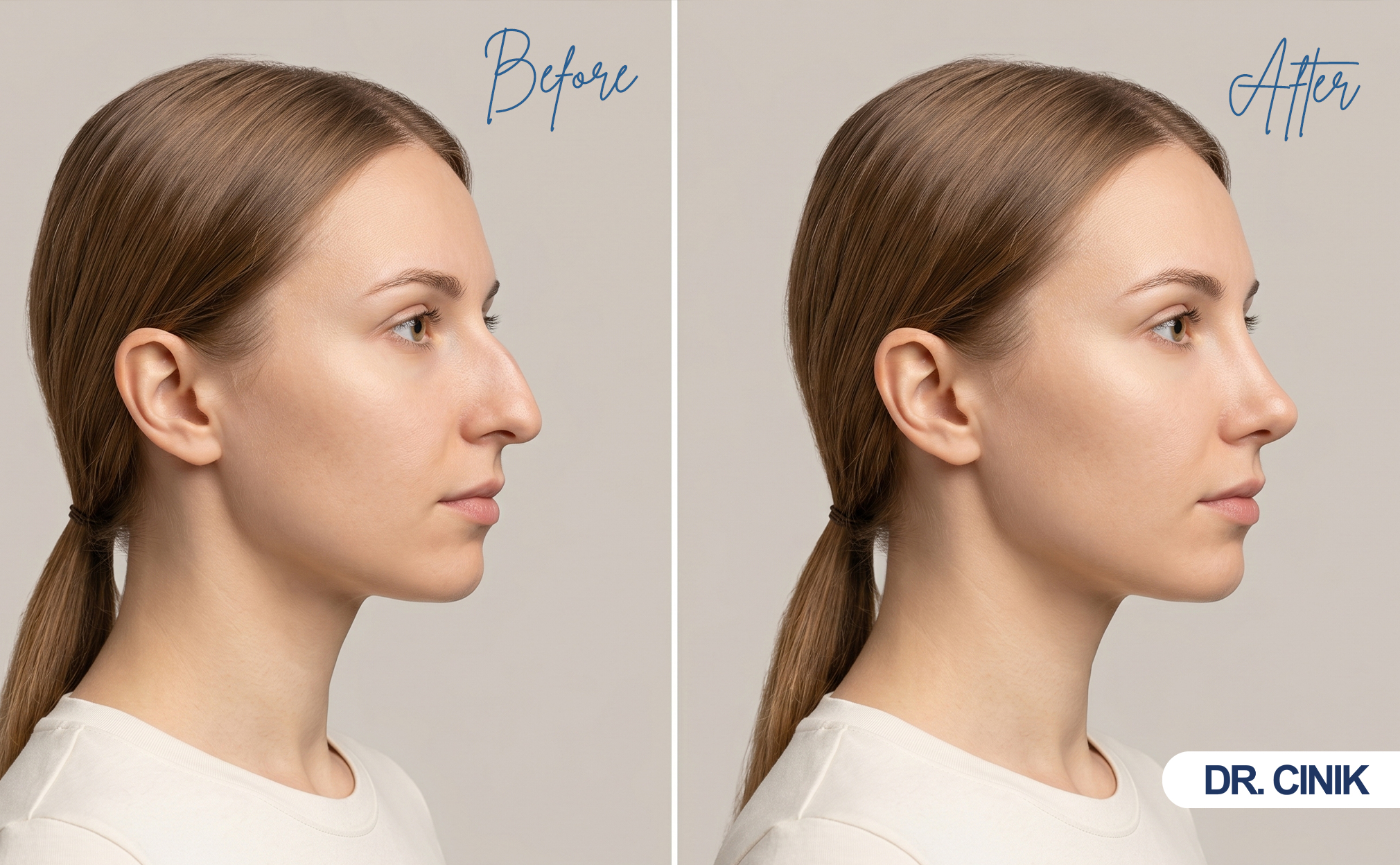
Patients who follow every preparation step heal faster, experience fewer complications, and achieve more predictable, satisfying results.
Preparation determines success. Summary of key preparation steps includes medical honesty, lifestyle changes, medication management, and home readiness. Each element connects to the others.
Patient compliance remains the deciding factor. Surgeons provide expert guidance. Patients must execute that guidance. This partnership creates safety.
Surgeon guidance provides the roadmap. They know your anatomy. They understand your risks. They tailor instructions to your needs. Trust their expertise.
The link between preparation and optimal outcomes is proven. Studies show that prepared patients have shorter surgeries. They need less pain medication. They return to normal life faster. They report higher satisfaction scores.
Your nose job preparation checklist protects your investment. Rhinoplasty changes your appearance for decades. A few weeks of careful preparation ensures those decades bring confidence rather than regret.
Comparison Table: Preparation Timeline at a Glance
|
Timeframe |
Action Required |
Why It Matters |
|
4 Weeks Before |
Stop smoking |
Restores blood flow, reduces infection risk |
|
3 Weeks Before |
Begin high-protein diet |
Builds tissue repair capacity |
|
2 Weeks Before |
Stop alcohol, NSAIDs, supplements |
Prevents bleeding and anesthesia interactions |
|
1 Week Before |
Confirm escort and home setup |
Ensures safe recovery environment |
|
24 Hours Before |
Fast from midnight, antibacterial shower |
Prevents aspiration and infection |
|
Morning Of |
Remove makeup, wear loose clothes, arrive early |
Allows smooth surgical workflow |
Comparison Table: Safe vs. Unsafe Preparatory Practices
|
Safe Practice |
Unsafe Practice |
Potential Consequence of Unsafe Action |
|
Disclose full medical history |
Hide previous surgeries or conditions |
Anesthesia complications, surgical errors |
|
Stop smoking 4 weeks early |
Smoke up to surgery day |
Tissue death, delayed healing, poor scars |
|
Stop NSAIDs as directed |
Continue aspirin or ibuprofen |
Excessive bleeding, hematomaHematoma: A localized collection of blood outside the blood vessels, often causing swelling and discoloration, which can occur as a... formation |
|
Fast from midnight |
Eat or drink before surgery |
Aspiration, lung damage, surgery cancellation |
|
Arrange post-op support |
Plan to drive home alone |
Accident risk, inadequate first-night care |
References
Rohrich, Rod J., and Jamil Ahmad. “Rhinoplasty.” Plastic and Reconstructive Surgery, vol. 128, no. 2, 2011, pp. 43e–59e.
Guyuron, Bahman. “Preoperative Assessment and Preparation for Rhinoplasty.” Aesthetic Plastic Surgery, vol. 34, no. 3, 2010, pp. 267–271.
American Society of Anesthesiologists. “Practice Guidelines for Preoperative Fasting and the Use of Pharmacologic Agents to Reduce the Risk of Pulmonary Aspiration.” Anesthesiology, vol. 126, no. 3, 2017, pp. 376–393.
Sørensen, Lars T. “Wound Healing and Infection in Surgery: The Pathophysiological Impact of Smoking, Smoking Cessation, and Nicotine Replacement Therapy.” Annals of Surgery, vol. 255, no. 6, 2012, pp. 1069–1079.
Conrad, Kerstin, and Jerzy E. K. Kolodziejski. “Nutritional Status and Nutritional Management in Patients Undergoing Head and Neck Surgery.” Current Opinion in Clinical Nutrition and Metabolic Care, vol. 15, no. 1, 2012, pp. 46–51.
Kaye, Alan D., et al. “Herbal Medications: Cardiovascular and Anesthetic Implications.” Middle East Journal of Anesthesiology, vol. 20, no. 5, 2010, pp. 679–688.
Dobbs, T. D., et al. “Does Preoperative Smoking Cessation Improve Outcomes? A Systematic Review and Meta-Analysis.” Journal of Plastic, Reconstructive & Aesthetic Surgery, vol. 72, no. 8, 2019, pp. 1304–1315.
Guglielmi, Giuseppe, and Ludovica Maria Saba. “Imaging in Rhinoplasty: The Surgeon’s Perspective.” Seminars in Plastic Surgery, vol. 33, no. 3, 2019, pp. 197–202.