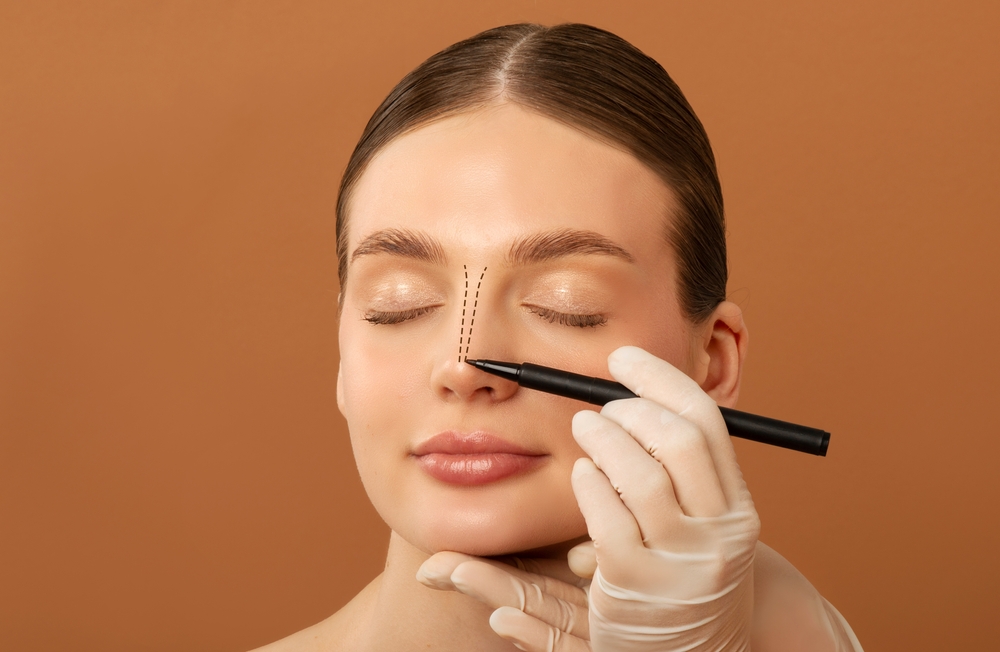
More than 220,000 people choose rhinoplasty every year. This number makes nose reshaping one of the most popular cosmetic surgeries worldwide. Patients now travel across borders to find the best surgeons, the most advanced techniques, and the fairest prices. Turkey has emerged as the top destination for these patients. The country combines deep surgical expertise, modern hospitals, and costs that remain far below Western prices. In 2024, Turkey welcomed over 2 million health tourists and generated roughly 3 billion dollars in revenue from medical tourism (Xinhua, 2025). Cosmetic and plastic surgery accounted for the largest share of this market. Rhinoplasty sits at the center of this demand.
This article explains why Turkey leads the global rhinoplasty market. It explores the science behind the surgery, the reasons patients choose Turkey, the safety standards that protect them, and the practical steps every patient should take before booking.
What Is Driving the Global Popularity of Rhinoplasty?
Patients want better facial harmony, improved breathing, and higher self-confidence. These three needs keep rhinoplasty at the top of global cosmetic surgery lists.
What Is Rhinoplasty?
Rhinoplasty reshapes the nose. Surgeons alter the bone, cartilage, and soft tissue to improve appearance or function. The procedure falls into two main categories. Cosmetic rhinoplasty changes the external shape. Functional rhinoplasty fixes breathing problems, often by correcting a deviated septum or collapsed nasal valves.
Surgeons use two main approaches. Open rhinoplasty creates a small incision across the columella, the strip of tissue between the nostrils. This approach gives the surgeon full visibility. Closed rhinoplasty hides all incisions inside the nostrils. This method leaves no visible scar and reduces swelling faster.
Primary rhinoplasty refers to the first surgery. Revision rhinoplasty corrects or improves the results of a previous operation. Revision cases demand more skill because scar tissue and missing cartilage complicate the work.
Why Does Rhinoplasty Remain One of the Most Requested Cosmetic Procedures Worldwide?
Patients request rhinoplasty for three main reasons. First, aesthetic motivations drive many patients. They want a smaller hump, a refined tip, or a narrower bridge. Second, structural and breathing corrections attract patients with deviated septums, nasal valve collapseA condition where nasal sidewalls weaken or fall inward during breathing, often corrected surgically to improve airflow., or trauma from accidents. Third, psychological benefits matter deeply. Studies show that rhinoplasty improves self-image and quality of life. Litner et al. (2008) found that cosmetic facial surgery increases satisfaction with appearance and boosts overall quality of life. Patients report feeling more confident in social settings and more comfortable with their reflection.
How Did Turkey Become a Global Rhinoplasty Hub?
The Turkish government invested heavily in healthcare, built modern facilities, and created services that cater directly to international patients.
What Factors Fueled the Growth of Medical Tourism in Turkey?
Turkey started investing in health tourism over a decade ago. The government established the General Directorate of Investments and Establishments in 2011 to attract foreign patients. The Ministry of Health now mandates global certifications for hospitals and offers incentives to healthcare providers. In 2024, Turkey reportedly received 2 million health tourists (Xinhua, 2025). The country hosts over 40 Joint Commission International-accredited hospitals, the second-largest cluster in the world. These facilities meet strict safety and quality standards.
The HealthTürkiye portal now registers every overseas patient. This system combines visa processing, quality monitoring, and price transparency. Visa-free entry covers more than 70 jurisdictions, and an e-visa system adds 40 more markets. These policies remove administrative barriers and speed up the journey from inquiry to surgery.
Why Does Turkey Hold a Strong Reputation in Cosmetic and Facial Plastic Surgery?
Turkish surgeons perform high volumes of rhinoplasty each year. This volume builds experience fast. Many surgeons train in Europe and the United States before returning to Turkey. They bring international techniques and combine them with local expertise. Turkey ranks second globally for the number of plastic surgeons. This density ensures patients can find specialists who focus exclusively on nasal surgery.
International patients also spread the word. Satisfied patients share their results on social media and online forums. These referrals create a cycle of growing demand. In 2022, Turkey performed approximately 470,900 cosmetic procedures, with rhinoplasty accounting for 56,700 of those operations.
What Are the Top Reasons Patients Choose Turkey for Rhinoplasty?
Patients choose Turkey because experienced surgeons, advanced technology, low costs, accredited hospitals, ethnic expertise, all-inclusive packages, short waits, high satisfaction, easy access, and tourism opportunities come together in one place.
1. Why Do Highly Experienced Rhinoplasty Surgeons Attract Global Patients?
Turkish rhinoplasty surgeons often belong to two specialized fields. They hold qualifications in ear, nose, and throat surgery or facial plastic surgery. This dual background gives them deep knowledge of nasal anatomy and airway function. Many surgeons perform hundreds of rhinoplasties each year. This high volume sharpens their skills and refines their judgment.
Reid et al. (2025) emphasize that rhinoplasty among diverse ethnic groups requires specialized techniques. Surgeons must understand anatomical differences and patient preferences. Turkish surgeons have spent years treating patients from the Middle East, Europe, Africa, and Asia. This exposure prepares them for complex cases.
2. How Do Advanced Surgical Techniques and Technology Improve Outcomes?
Turkish clinics adopt new methods quickly. Preservation rhinoplasty keeps the nasal dorsum intact instead of removing it. This approach maintains natural structure and reduces the risk of collapse. Ultrasonic rhinoplasty uses piezoelectric instruments to cut bone with high-frequency vibrations. A 2023 meta-analysis in PMC found that piezosurgery reduces postoperative edema and bruising compared to traditional osteotomy. The precision of ultrasonic tools minimizes damage to surrounding tissues and blood vessels.
Ethnic rhinoplasty approaches tailor techniques to different nasal anatomies. 3D planning and imaging technologies allow surgeons to simulate results before surgery. Patients see projected outcomes and discuss adjustments with their surgeon.
3. Why Does Turkey Offer Affordable Costs Without Compromising Quality?
Rhinoplasty in the United States typically costs between 8,000 and 15,000 dollars. In the United Kingdom, prices range from 6,000 to 15,000 dollars. In Turkey, patients pay between 2,500 and 5,000 dollars for the same procedure. This gap does not reflect lower quality. It reflects lower operating costs, favorable exchange rates, and government support for medical tourism.
|
Country |
Primary Rhinoplasty Cost (USD) |
Revision Rhinoplasty Cost (USD) |
|
United States |
$8,000 – $20,000 |
$9,000 – $20,000 |
|
United Kingdom |
$6,000 – $15,000 |
$7,000 – $15,000 |
|
South Korea |
$4,500 – $8,500 |
$5,000 – $9,000 |
|
Germany |
$5,000 – $8,000 |
$7,000 – $8,000 |
|
Turkey |
$2,600 – $5,300 |
$3,800 – $6,500 |
Patients save 50 to 70 percent compared to Western prices. These savings include surgeon fees, anesthesiaEnsuring Comfort During Hair Transplants Sedation is used in hair transplantation to help patients remain calm and comfortable throughout the..., hospital stay, and medication.
4. What Role Do Internationally Accredited Hospitals Play?
Accreditation ensures safety. JCI-accredited hospitals follow strict protocols for infection control, surgical equipment, and emergency response. Turkey holds over 40 JCI-accredited facilities. Many hospitals also achieve HIMSS Level 6 or higher digital maturity, which means they use near-paperless workflows and advanced data management.
Modern surgical facilities in Turkey feature hybrid operating rooms, robotic surgery platforms, and proton therapy centers. Patients receive care in environments that match or exceed standards in Western Europe.
5. Why Is Turkey Famous for Expertise in Ethnic Rhinoplasty?
Ethnic rhinoplasty reshapes the nose while preserving the patient’s ethnic background. Surgeons in Turkey treat patients from dozens of countries. They understand that Middle Eastern patients often prefer straight profiles with defined tips. They know that African American patients seek balance and harmony with slight alar flaring. They recognize that Asian patients may want more tip projectionThe distance the nasal tip extends outward from the face, crucial for balanced facial aesthetics. without losing ethnic identity.
Broer et al. (2006) showed that ethnic background significantly influences aesthetic preferences. Turkish surgeons apply this knowledge daily. They create personalized plans that respect cultural identity.
6. What Do Comprehensive All-Inclusive Treatment Packages Include?
All-inclusive packages simplify the journey. Patients receive online consultation, airport transfers, hotel accommodation, interpreter services, and postoperative care. The package covers preoperative tests, anesthesia, hospital stay, and medications. Some packages include a companion’s stay and city tours.
This structure removes stress. Patients focus on recovery while coordinators handle logistics.
7. Why Do Patients Value Short Waiting Times in Turkey?
In many Western countries, patients wait months for elective surgery. In Turkey, patients book surgery within days or weeks. Clinics reserve slots specifically for international patients. This speed appeals to busy professionals and students who cannot take extended time off.
8. What Drives Excellent Patient Satisfaction Rates?
Studies show high satisfaction after rhinoplasty when patients choose experienced surgeons and maintain realistic expectations. Khansa et al. (2016) analyzed social media data and found that 83.6 percent of patients expressed satisfaction after primary rhinoplasty. Kalaaji et al. (2019) validated the FACE-Q questionnaire in 243 Norwegian patients and confirmed significant improvement in nose satisfaction scores after surgery.
Turkish clinics emphasize thorough consultation. Surgeons spend time understanding patient goals. They explain limitations clearly. This communication builds trust and aligns expectations.
9. How Does Turkey’s Strategic Location Benefit International Patients?
Istanbul sits within a four-hour flight radius of 129 countries. Turkish Airlines flies to 342 cities. Direct connections from London, Frankfurt, Dubai, and New York make travel easy. Istanbul Airport handles 200 million passengers annually and offers medical lanes for fast transfers.
10. Why Do Patients Combine Surgery with Travel in Turkey?
Istanbul blends history, culture, and modern comfort. Patients visit the Hagia Sophia, the Grand Bazaar, and the Bosphorus during recovery. Many schedule surgery at the start of a two-week trip. They recover in a pleasant environment and explore the city once swelling subsides.
Why Is Turkey Particularly Famous for Ethnic Rhinoplasty?
Turkish surgeons treat diverse ethnic groups daily. They preserve cultural identity while improving nasal aesthetics.
What Is Ethnic Rhinoplasty?
Ethnic rhinoplasty refers to nose reshaping tailored to non-Caucasian anatomies. Different ethnic groups possess distinct nasal skin thickness, cartilage strength, and bone structure. Surgeons must adapt their techniques accordingly.
What Common Concerns Does Ethnic Rhinoplasty Address?
Common concerns include wide nasal bridges, low dorsums, bulbous tips, and wide nostrils. Some patients want more tip definition. Others want narrower alar bases. Functional issues like breathing difficulty also appear frequently.
How Do Surgeons Preserve Cultural Identity While Enhancing Nasal Aesthetics?
Surgeons avoid over-resection. They maintain ethnic features that patients value. Rohrich and Mohan (2018) stress that Middle Eastern rhinoplasty should avoid drastic changes. The goal is refinement, not erasure. Surgeons use grafts to build structure rather than remove tissue excessively.
Why Do International Patients Trust Turkish Surgeons for Ethnic Cases?
Turkey sits at the crossroads of continents. Surgeons have treated patients from the Middle East, North Africa, Central Asia, and Europe for decades. This experience builds cultural sensitivity. Patients see before-and-after photos of individuals who share their ethnic background. They feel understood.
How Does Rhinoplasty in Turkey Compare to Other Popular Countries?
Turkey offers lower costs, shorter waits, and comparable quality compared to South Korea, the United States, the United Kingdom, and Germany.
How Does Turkey Compare to South Korea?
South Korea ranks high in cosmetic surgery volume. Korean surgeons excel in facial bone surgery and double-eyelid procedures. However, Korean rhinoplasty often focuses on specific East Asian aesthetic ideals. Turkish surgeons offer broader ethnic expertise. Costs in South Korea run 30 to 50 percent higher than in Turkey.
|
Factor |
Turkey |
South Korea |
|
Average Cost |
$2,600 – $5,300 |
$4,500 – $8,500 |
|
Ethnic Expertise |
Broad (Middle East, Europe, Africa, Asia) |
Specialized (East Asian) |
|
Waiting Time |
Days to weeks |
Weeks to months |
|
Package Services |
Common |
Less common |
How Does Turkey Compare to the United States?
The United States produces world-class surgeons and research. However, costs remain extremely high. The average rhinoplasty costs 15,000 dollars in major cities. Insurance rarely covers cosmetic work. Access also poses challenges. Top surgeons maintain long waiting lists. Turkey offers the same accreditation standards at a fraction of the price.
How Does Turkey Compare to the United Kingdom?
The NHS rarely funds cosmetic rhinoplasty. Private clinics charge 6,000 to 15,000 pounds. Waiting times stretch for months. Turkish clinics provide faster scheduling and all-inclusive packages that UK clinics rarely offer.
How Does Turkey Compare to Germany and Other European Destinations?
Germany maintains excellent healthcare standards. Costs fall below US and UK levels but remain higher than Turkey. German surgeons perform fewer rhinoplasties per year due to lower population demand. Turkish surgeons gain more hands-on experience because they treat higher volumes.
What Types of Rhinoplasty Procedures Do Surgeons Commonly Perform in Turkey?
Turkish surgeons perform preservation, ultrasonic, revision, functional, ethnic, male, and female rhinoplasty with equal expertise.
What Is Preservation Rhinoplasty?
Preservation rhinoplasty keeps the nasal dorsum intact. Surgeons reshape the nose from below rather than removing the bridge. This method preserves natural contours and reduces the risk of irregularities. Patients enjoy more predictable results.
What Is Ultrasonic Rhinoplasty?
Ultrasonic rhinoplasty uses piezoelectric instruments to sculpt bone with sound waves. The technique cuts bone precisely without damaging soft tissue. Research shows that patients experience less bruising and swelling after piezo surgeryA bone-sculpting technique using ultrasonic vibrations for precise reshaping with minimal trauma to surrounding tissues..
What Is Revision Rhinoplasty?
Revision rhinoplasty corrects unsatisfactory results from previous surgery. Suresh et al. (2021) found that revision patients often show higher dissatisfaction rates than primary patients. This fact makes surgeon selection even more critical. Turkish revision specialists use rib cartilage or ear cartilage grafts to rebuild structure.
What Is Functional Rhinoplasty?
Functional rhinoplasty fixes breathing problems. Surgeons straighten the septum, reduce turbinates, or reinforce collapsed valves. Baumann (2010) showed that septoplasty and rhinoplasty significantly improve quality of life. Patients breathe better and sleep more soundly.
What Is Ethnic Rhinoplasty?
Ethnic rhinoplasty adapts techniques to the patient’s heritage. Surgeons account for thicker skin, weaker cartilage, and different aesthetic goals. Reid et al. (2025) confirm that culturally attuned approaches enhance both satisfaction and clinical outcomes.
What Is Male Rhinoplasty?
Male rhinoplasty maintains strong, masculine features. Surgeons avoid over-reduction. They preserve a straight bridge and a well-defined angle between the nose and forehead. Arima et al. (2012) note that male patients sometimes express less specific complaints than female patients. Skilled surgeons guide male patients toward clear goals.
What Is Female Rhinoplasty?
Female rhinoplasty often seeks softer, more refined contours. Surgeons may reduce a hump, lift the tip slightly, or narrow the bridge. Communication remains essential. Surgeons must understand each patient’s individual vision rather than applying a generic template.
What Does a Rhinoplasty Journey in Turkey Include?
The journey includes online consultation, arrival and assessment, surgery, recovery in Turkey, and remote aftercare at home.
What Happens During Online Consultation and Treatment Planning?
Patients submit photos and complete a medical history form. The surgeon reviews nasal anatomy, skin type, and breathing function. They discuss goals and show simulated outcomes. Patients receive a detailed quote and a proposed surgical plan.
What Occurs During Arrival and Preoperative Assessment?
Patients arrive one or two days before surgery. The clinic conducts blood tests, imaging, and a physical exam. The surgeon confirms the plan and marks the nose. Patients meet the anesthesiologist and sign consent forms.
What Happens During the Surgical Procedure?
Surgery lasts two to four hours. The anesthesiologist administers general anesthesia. The surgeon performs the planned reshaping. They close incisions with fine sutures and apply a splint. Staff move the patient to recovery and monitor vital signs.
What Does Recovery and Follow-Up Care Involve?
Patients stay in the hospital for one night. Clinic staff check the splint and change dressings. Surgeons remove the splint after five to seven days. Patients receive instructions for cleaning, sleeping, and activity limits. Most patients stay in Turkey for seven to ten days total.
How Does Remote Aftercare Work Following Return Home?
Clinics provide WhatsApp or video follow-up. Patients send photos at one week, one month, three months, and six months. Surgeons answer questions and detect complications early. This continuity protects patients across borders.
Is Rhinoplasty in Turkey Safe?
Yes, when patients choose accredited hospitals and board-certified surgeons. Safety standards match international benchmarks.
What Safety Standards Protect International Patients?
JCI accreditation requires hospitals to maintain strict infection control, emergency protocols, and equipment standards. The Turkish Ministry of Health inspects facilities regularly. Mandatory registration through the HealthTürkiye portal adds another layer of oversight.
How Can Patients Choose Qualified Surgeons and Accredited Facilities?
Patients should verify board certification in plastic surgery or ENT. They should confirm hospital accreditation on the JCI website. They should ask how many rhinoplasties the surgeon performs annually. High-volume surgeons typically achieve better outcomes.
What Questions Should Every Patient Ask Before Booking?
Patients should ask: Are you board-certified? Is the hospital JCI-accredited? How many rhinoplasties do you perform each year? What is your revision rate? What does the package include? Who handles emergencies? How do you manage aftercare once I return home?
What Potential Risks Exist and How Can Patients Minimize Them?
All surgery carries risks. Possible complications include infection, bleeding, asymmetry, breathing difficulty, and dissatisfaction. Patients minimize risks by choosing experienced surgeons, following preoperative instructions, and attending all follow-up appointments. Spataro et al. (2016) analyzed 175,842 septorhinoplasty cases and identified risk factors for revision. Patients with realistic expectations and thorough preoperative screening face lower revision rates.
How Can Patients Choose the Best Rhinoplasty Surgeon in Turkey?
Patients should check credentials, review cases, assess experience, test communication, and understand policies.
Why Should Patients Verify Credentials and Certifications?
Board certification proves that the surgeon completed rigorous training. Membership in international societies like ISAPS or the European Board of Facial Plastic and Reconstructive Surgery indicates ongoing education. Patients should avoid practitioners who lack transparent credentials.
How Do Before-and-After Cases Help Patients Decide?
Photos show the surgeon’s aesthetic range. Patients should look for cases that match their ethnic background and nasal anatomy. Consistent results across many patients suggest reliable skill.
Why Should Patients Evaluate Experience with Their Nasal Anatomy?
Thick skin requires different techniques than thin skin. Wide nostrils demand specific skills. Patients should ask if the surgeon has treated noses similar to theirs.
How Does Communication Quality Affect the Consultation?
The best surgeons listen more than they talk. They ask about patient goals. They explain what they can and cannot achieve. Poor communication leads to mismatched expectations.
Why Should Patients Understand Revision Policies and Aftercare?
Some clinics include revision surgery in the package. Others charge separately. Patients should clarify costs, timelines, and logistics before surgery.
What Common Mistakes Should International Patients Avoid?
Patients should avoid choosing by price alone, ignoring credentials, expecting perfection, neglecting recovery, and skipping research.
Why Should Patients Avoid Selecting a Clinic Based Solely on Price?
Low prices sometimes signal unlicensed facilities or inexperienced surgeons. Hellings and Nolst Trenité (2007) note that revision rhinoplasty often stems from poor initial choices. Patients who prioritize price over quality may pay more later for corrections.
What Happens When Patients Ignore Surgeon Credentials?
Unqualified practitioners cause deformities, breathing problems, and infections. Turkey has excellent surgeons, but it also has unlicensed operators. Research protects patients.
Why Do Unrealistic Expectations Lead to Dissatisfaction?
No surgeon can create a perfect nose. Schwitzer et al. (2015) found that demographic factors and expectations significantly influence satisfaction. Patients who expect miracles often feel disappointed even with good results.
Why Should Patients Not Overlook Postoperative Recovery Requirements?
Recovery demands patience. Swelling lasts months. Final results appear after one year. Patients who rush back to work or ignore activity restrictions risk complications.
How Do Reviews and Patient Testimonials Protect Patients?
Real reviews reveal patterns. Patients should read multiple sources. They should look for detailed accounts rather than generic praise. Video testimonials carry more weight than text alone.
What Do Patients Frequently Ask About Rhinoplasty in Turkey?
Patients ask about rankings, savings, stay duration, ethnic availability, surgeon recognition, and revision protocols.
Why Does Turkey Rank as the Best Country for Rhinoplasty?
Turkey combines expertise, technology, accreditation, and affordability. Surgeons perform high volumes. Hospitals meet global standards. Packages remove logistical stress.
How Much Can International Patients Save?
Patients save 50 to 85 percent compared to US and UK prices. A full package in Turkey often costs less than the surgeon fee alone in London or New York.
How Long Should Patients Stay in Turkey After Rhinoplasty?
Most patients stay seven to ten days. This timeline allows for preoperative assessment, surgery, splint removal, and one follow-up visit.
Is Ethnic Rhinoplasty Widely Available in Turkey?
Yes. Turkish surgeons treat diverse ethnic groups daily. They offer specialized plans for Middle Eastern, African, Asian, and European patients.
Are Turkish Rhinoplasty Surgeons Internationally Recognized?
Many Turkish surgeons publish in peer-reviewed journals, speak at international conferences, and hold memberships in global societies. Their recognition extends far beyond Turkey.
What Happens If Patients Need Revision Surgery?
Top clinics offer revision policies. Some include minor touch-ups in the original package. Complex revisions may require additional fees. Patients should clarify terms before the first surgery.
Why Will Turkey Continue to Lead the Global Rhinoplasty Market?
Turkey will keep leading because it balances affordability, expertise, and patient experience better than any competitor.
Turkey built its medical tourism sector on three pillars. First, the government continues investing in healthcare infrastructure. New hospitals open with the latest technology. Second, surgeons gain experience faster than their peers in slower markets. High volume creates mastery. Third, all-inclusive packages remove barriers for international patients.
The future looks bright. Blockchain pilots now test encrypted health data exchange. This innovation will reassure foreign insurers and streamline continuity of care. Telemedicine follow-up already connects Turkish surgeons with patients worldwide. These advances strengthen trust and expand reach.
Patients want three things: safety, results, and value. Turkey delivers all three. The country will remain the world’s leading destination for rhinoplasty as long as it maintains these standards and continues adapting to patient needs.
References
Arima, L. M., et al. “Influence of Age on Rhinoplasty Outcomes Evaluation: A Preliminary Study.” Aesthetic Plastic Surgery, vol. 36, no. 2, 2012, pp. 248-253.
Baumann, Ingo. “Quality of Life Before and After Septoplasty and Rhinoplasty.” GMS Current Topics in Otorhinolaryngology, Head and Neck Surgery, vol. 9, 2010, Doc06.
Broer, P. N., et al. “Influence of Ethnicity on the Frequency of Nasal Surgery.” Rhinology, vol. 44, no. 3, 2006, pp. 201-204.
Hellings, Peter W., and Gilbert J. Nolst Trenité. “Long-Term Patient Satisfaction After Revision Rhinoplasty.” Laryngoscope, vol. 117, no. 6, 2007, pp. 985-989.
Kalaaji, Annette, et al. “Assessment of Rhinoplasty Outcomes with FACE-Q Rhinoplasty Module: Norwegian Linguistic Validation and Clinical Application in 243 Patients.” Plastic and Reconstructive Surgery Global Open, vol. 7, 2019.
Khansa, Ibrahim, et al. “Patient Satisfaction After Rhinoplasty: A Social Media Analysis.” Aesthetic Surgery Journal, vol. 36, no. 1, 2016, pp. NP1-NP5.
Litner, Joel A., et al. “Impact of Cosmetic Facial Surgery on Satisfaction with Appearance and Quality of Life.” Archives of Facial Plastic Surgery, vol. 10, no. 2, 2008, pp. 79-83.
Reid, Devaun, et al. “Ethnic Variations and Surgical Outcomes in Rhinoplasty: A Systematic Review.” Aesthetic Plastic Surgery, 2025.
Rohrich, Rod J., and Roshan Mohan. “Middle Eastern Rhinoplasty: Update.” Plastic and Reconstructive Surgery Global Open, vol. 6, 2018.
Schwitzer, Jonathan A., et al. “Assessing Demographic Differences in Patient-Perceived Improvement in Facial Appearance and Quality of Life Following Rhinoplasty.” Aesthetic Surgery Journal, vol. 35, no. 7, 2015, pp. 784-793.
Spataro, Emilio, et al. “Revision Rates and Risk Factors of 175,842 Patients Undergoing Septorhinoplasty.” JAMA Facial Plastic Surgery, vol. 18, no. 3, 2016, pp. 212-219.
Suresh, R., et al. “Primary and Revision Rhinoplasty: A Single Surgeon Experience.” Plastic and Reconstructive Surgery Global Open, 2021.
Xinhua. “Türkiye Targets Larger Share in Global Medical Tourism Market.” Iletisim.gov.tr, 5 Feb. 2025.