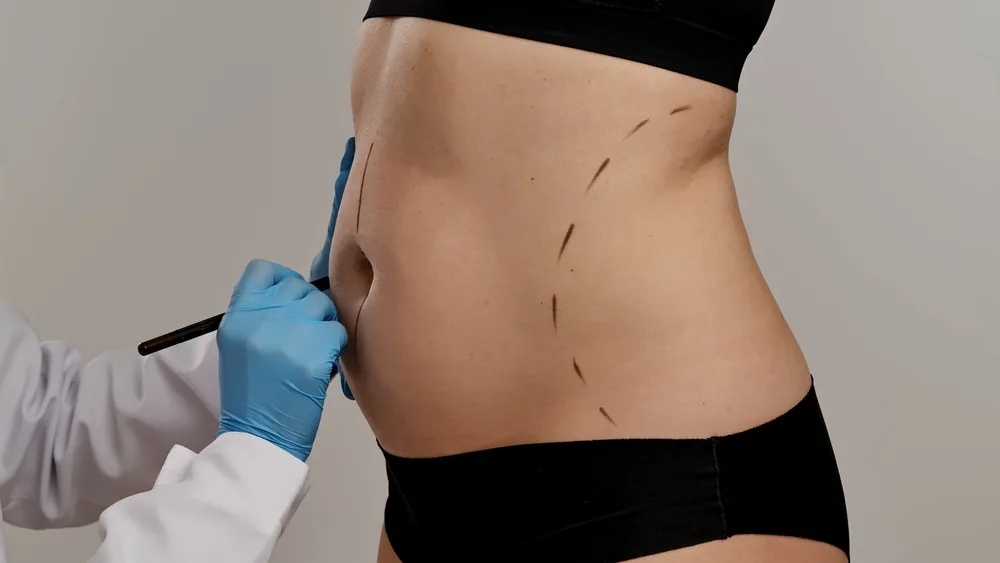
Combining liposuction with tummy tuck surgery in Turkey offers international patients a comprehensive body contouring solution. This procedure removes excess fat, tightens loose skin, repairs separated muscles, and reshapes the waistline in a single operation. Turkey attracts patients because experienced surgeons, modern facilities, and structured recovery programs support safe outcomes.
What Is the Difference Between Liposuction and a Tummy Tuck?
Liposuction removes fat deposits. A tummy tuck removes excess skin and repairs muscles. These procedures treat different problems. Many patients need both.
What Does Liposuction Treat?
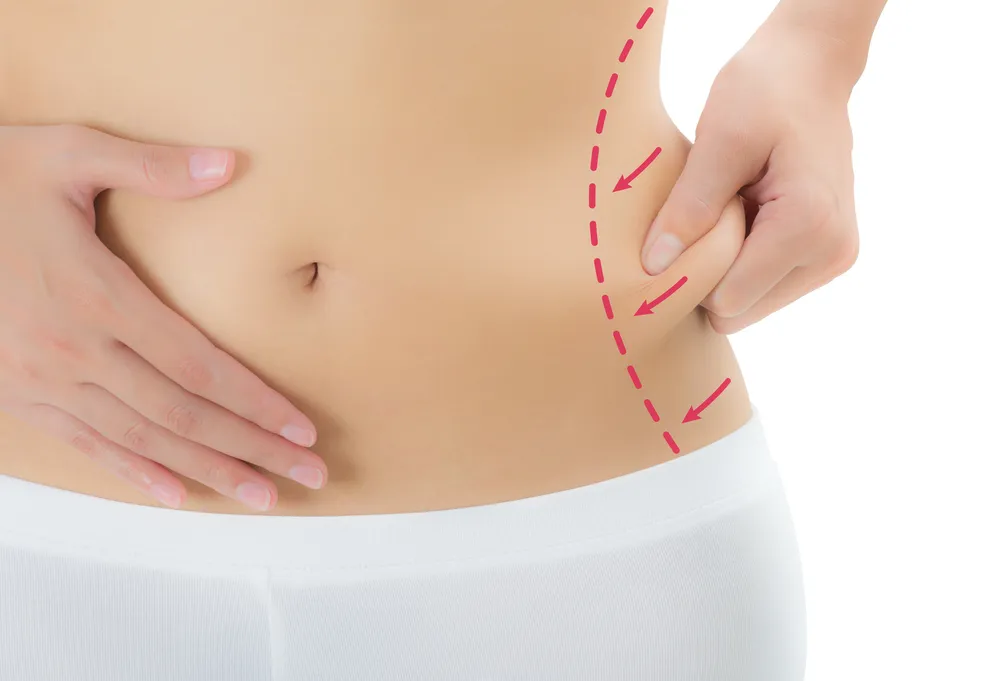
Liposuction targets localized fat deposits. A surgeon inserts a thin tube called a cannula through small incisions. The cannula breaks up fat cells and suctions them out. This procedure works best for patients with good skin elasticity.
Liposuction treats multiple body areas. Surgeons commonly address the abdomen, flanks, thighs, back, and arms. The procedure shapes contours. It does not remove skin. It does not tighten muscles.
Patients with firm skin see the best results. The skin retracts after fat removal. Patients with loose skin may see irregular contours after liposuction alone.
What Does Abdominoplasty Correct?
Abdominoplasty, or tummy tuck, corrects several abdominal problems. The surgeon removes excess skin. The surgeon repairs separated abdominal muscles. The surgeon tightens the abdominal wall.
Excess skin hangs after pregnancy or massive weight loss. This skin does not respond to diet or exercise. Surgery removes this tissue permanently.
Diastasis recti describes separated abdominal muscles. Pregnancy stretches the rectus abdominis muscles apart. The connective tissue between them weakens. This separation creates a bulge. Core strength drops. Back pain increases. Surgery brings the muscles back together.
Stretch marks below the navel often disappear when the surgeon removes lower abdominal skin. The procedure also tightens a weak abdominal wall. This restores core stability.
Why One Procedure Alone May Not Be Enough?
Some patients carry excess fat without loose skin. Liposuction alone works for these patients. Other patients have loose skin without excess fat. A tummy tuck alone works for these patients.
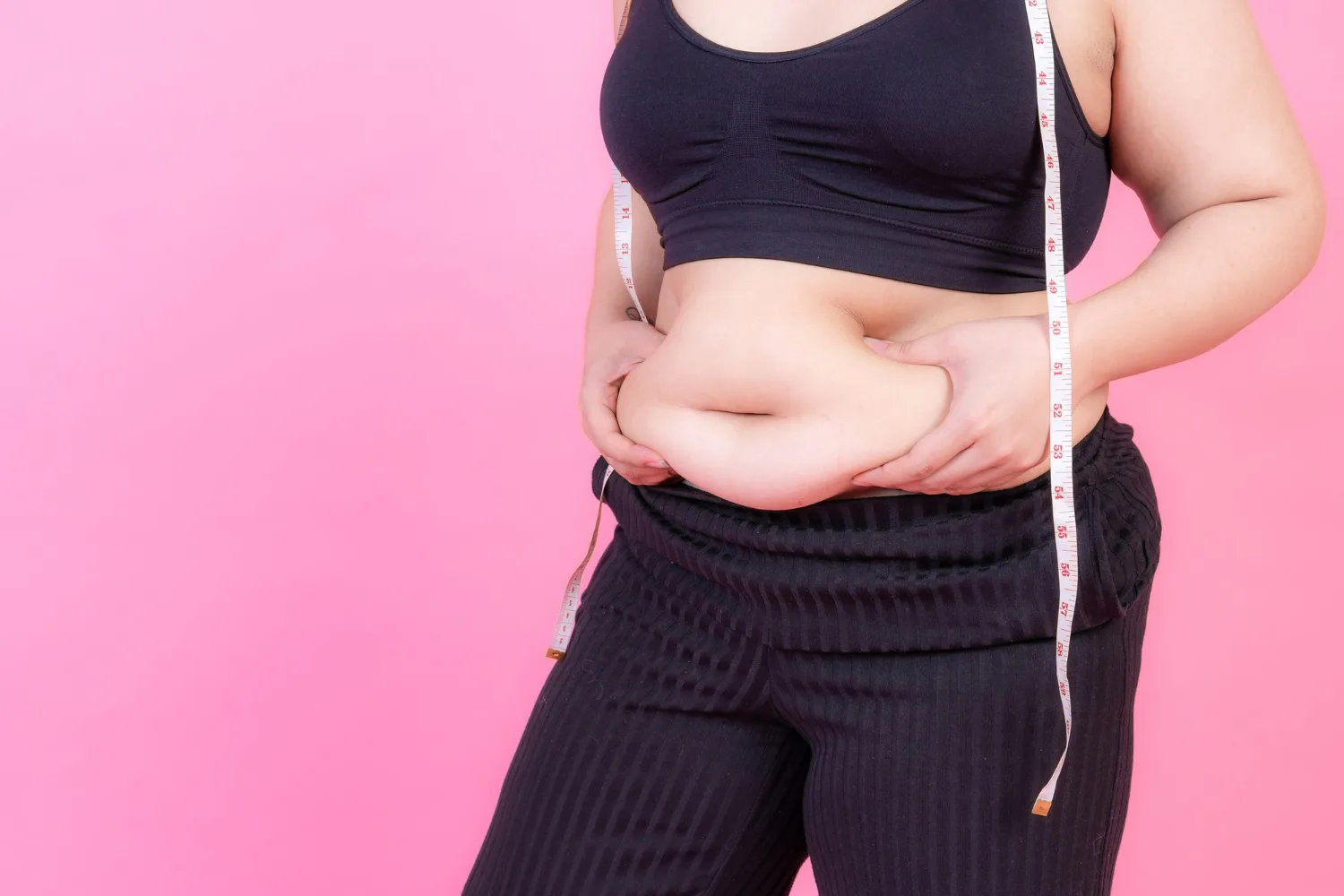
Many patients face combined problems. They carry stubborn fat deposits. They also have loose skin. They may have muscle separation. One procedure cannot fix all these issues.
Liposuction alone leaves loose skin looking worse. The skin drapes over reduced fat layers. A tummy tuck alone leaves fat deposits behind. The waistline looks less defined. Combining both procedures solves all problems at once.
Why Are Liposuction and Tummy Tuck Frequently Combined?
Surgeons combine these procedures because they treat different problems. Together they create better contours, sharper waistlines, and more natural proportions. Patients recover once instead of twice.
How Does Comprehensive Body Contouring Work?
Combined surgery addresses fat, skin, and muscle in one operation. The surgeon sculpts fat deposits. The surgeon removes excess skin. The surgeon repairs muscle separation. This creates a complete transformation.
Patients see flatter abdomens. They see tighter waists. They see smoother skin. No single procedure achieves all these goals.
How Does the Combination Improve Waist Definition?
Liposuction sculpts the flanks and upper abdomen. The tummy tuck tightens the lower abdomen and repairs muscles. Together these steps create an hourglass shape. The waist narrows. The hips curve naturally.
Surgeons call this 360-degree contouring. They treat the entire midsection. The result looks balanced from every angle.
How Does the Combination Create Better Abdominal Contour?
Fat removal reveals muscle definition. Skin removal eliminates folds and wrinkles. Muscle repair flattens the midsection. These three actions work together. The abdomen looks toned and youthful.
How Does the Combination Enhance Body Proportions?
The torso connects the chest to the hips. A wide waist disrupts this flow. Combined surgery restores natural proportions. The chest, waist, and hips relate harmoniously. Clothing fits better. The silhouette looks athletic.
How Does Single Anesthesia Benefit Patients?
Patients receive general anesthesia once. They face anesthesia risks once. They schedule one surgery date. They take one recovery period. They miss work once. They pay for one hospital stay.
Two separate surgeries mean two anesthesia sessions. This increases risk. This increases cost. This doubles recovery time.
What Are the Psychological and Functional Benefits?
Patients feel more confident after combined surgery. They see complete results faster. They do not wait months between procedures. They return to normal life sooner.
Function improves too. Muscle repair strengthens the core. Back pain decreases. Posture improves. Physical activity becomes easier.
What Is Lipoabdominoplasty?
Lipoabdominoplasty combines liposuction with tummy tuck using modern techniques that preserve blood supply. This approach reduces complications and improves safety compared to older methods.
What Is the Definition of Lipoabdominoplasty?
Lipoabdominoplasty merges liposuction with abdominoplasty. The surgeon performs both procedures in one session. Modern techniques preserve the blood vessels that supply the abdominal skin. This prevents tissue death. This reduces healing problems.
Dr. Osvaldo Saldanha developed the modern lipoabdominoplasty technique in Brazil. He demonstrated that surgeons could safely combine both procedures (Saldanha et al., 2003). His work changed how surgeons approach body contouring.
How Has Modern Body Contouring Evolved?
Surgeons once feared combining liposuction with tummy tuck. They worried about blood supply damage. They worried about skin death. Early techniques removed fat aggressively. This disrupted blood vessels. Complications occurred.
Modern techniques changed this. Surgeons now preserve the Scarpa fascia. This layer contains important blood vessels. Surgeons liposuction above this layer. They preserve blood flow to the skin. This makes combination surgery safe.
What Are the Surgical Principles?
The surgeon marks the abdomen before surgery. The surgeon plans fat removal areas. The surgeon plans skin excision. The surgeon plans muscle repair.
The surgeon performs liposuction first. This thins the fat layer. The surgeon then raises the skin flap more easily. The surgeon sees the muscles clearly. The surgeon repairs the muscles with sutures. The surgeon removes excess skin. The surgeon repositions the belly button.
How Does Preservation of Blood Supply Work?
The abdominal skin receives blood from multiple sources. Blood vessels run through the fat layer. Blood vessels run along the muscle wall. Blood vessels come from the sides. Blood vessels come from above.
Modern lipoabdominoplasty preserves these vessels. The surgeon leaves a thin fat layer on the skin flap. This fat contains blood vessels. The surgeon avoids deep undermining. This preserves side blood vessels. The skin stays alive. Healing proceeds normally.
Why Are Modern Techniques Safer Than Earlier Methods?
Earlier methods removed fat from the skin flap completely. This killed blood vessels. The skin lost its blood supply. Skin death occurred. Wounds opened. Scars widened.
Modern techniques keep blood vessels intact. Complication rates dropped. Surgeons now combine these procedures routinely. Studies confirm the safety of modern lipoabdominoplasty (Costa-Ferreira et al., 2010).
Who Is a Good Candidate for Combining Liposuction with Tummy Tuck Surgery?
Good candidates include women after pregnancy, patients after weight loss, people with diastasis recti, and individuals with stable weight. Candidates should be healthy non-smokers with realistic expectations.
Why Do Women After Pregnancy Need This Combination?
Pregnancy stretches abdominal skin. Pregnancy separates abdominal muscles. Pregnancy deposits fat on the flanks and abdomen. Diet and exercise cannot fix separated muscles. Diet and exercise cannot remove excess skin.
Combined surgery repairs muscles. It removes loose skin. It sculpts fat deposits. Mothers regain their pre-pregnancy shape. Core strength returns. Back pain decreases.
Why Do Patients Following Significant Weight Loss Benefit?
Massive weight loss leaves empty skin. The skin lost elasticity. It hangs in folds. This skin chafes. It causes rashes. It limits clothing choices.
These patients need skin removal. They often need fat sculpting too. Combined surgery removes hanging skin. It contours remaining fat. It repairs any muscle separation. Patients see dramatic improvements.
How Does Diastasis Recti Affect Candidacy?
Diastasis recti means separated abdominal muscles. The gap between rectus muscles widens. The belly bulges. The core weakens. Back pain develops. Hernias may form.
Tummy tuck repairs this separation. The surgeon sews the muscles together. Liposuction sculpts the surrounding fat. Combined surgery fixes the bulge and the contour.
Why Do Patients with Stubborn Fat Deposits Qualify?
Some fat resists diet and exercise. Genetics determine fat distribution. Hormones influence fat storage. These deposits sit on the abdomen, flanks, and back.
Liposuction removes these deposits permanently. The tummy tuck removes skin and repairs muscles. Together they create a complete result.
Why Must Candidates Have Stable Body Weight?
Surgeons require stable weight for several months. Weight fluctuations stretch the skin. Weight gain adds fat. Weight loss creates new loose skin. Stable weight ensures lasting results.
Candidates should be near their goal weight. They should maintain this weight for at least three to six months. This proves stability.
What BMI Considerations Apply?
Body Mass Index measures weight relative to height. Surgeons prefer candidates with BMI under 30. Higher BMI increases complication risks. Higher BMI makes surgery technically harder. Higher BMI reduces aesthetic results.
Some surgeons accept BMI up to 32. Others require weight loss first. Each surgeon evaluates individually.
How Do Smoking Status and General Health Matter?
Smoking damages blood vessels. Smoking reduces oxygen delivery. Smoking increases infection risk. Smoking delays healing. Smokers face higher rates of skin death and wound problems.
Surgeons require smoking cessation for at least four weeks before surgery. Some require longer. Candidates must disclose all health conditions. Diabetes, heart disease, and blood clotting disorders require special evaluation.
Who May Not Be an Ideal Candidate?
Patients planning future pregnancy, significantly obese patients, people with uncontrolled medical conditions, and those with unrealistic expectations should postpone or avoid this surgery.
Why Should Patients Planning Future Pregnancy Wait?
Pregnancy stretches the abdomen again. It separates repaired muscles. It creates new loose skin. It deposits new fat. Surgery results reverse.
Women should complete their families first. They should wait at least six months after their last pregnancy. This allows hormones to stabilize. This allows weight to settle.
Why Does Significant Obesity Disqualify Patients?
Obesity increases surgical risks. Anesthesia becomes more dangerous. Wound healing slows. Infection rates rise. Blood clot risks increase. Results look less natural.
Surgeons often require weight loss first. Some patients need bariatric surgery first. They should reach a stable lower weight. Then they qualify for body contouring.
How Do Uncontrolled Medical Conditions Affect Candidacy?
Diabetes must be well-controlled. High blood sugar impairs healing. It increases infection risk. Heart conditions require cardiac clearance. Blood clotting disorders need hematology evaluation. Autoimmune diseases may flare after surgery.
Patients must optimize their health before surgery. They must coordinate with their primary doctors.
Why Does Poor Skin Healing Matter?
Some patients form thick scars. Some patients have connective tissue disorders. Some patients take medications that impair healing. These factors increase complication risks.
Surgeons evaluate skin quality. They evaluate scar history. They adjust techniques accordingly.
How Do Unrealistic Expectations Harm Outcomes?
Surgery improves appearance. It does not create perfection. Scars remain visible. Some asymmetry may persist. Results take months to finalize.
Patients must understand limitations. They must accept trade-offs. Surgeons screen for body dysmorphic disorder. They refer patients for counseling when needed.
Which Areas Can Be Treated with Liposuction During a Tummy Tuck?
Surgeons can liposuction the upper abdomen, lower abdomen, waist, flanks, back, bra roll, and mons pubis during tummy tuck surgery. Lipo 360 treats the entire midsection circumference.
How Does Upper Abdomen Liposuction Work?
The upper abdomen sits above the belly button. This area often holds stubborn fat. Traditional tummy tuck does not treat this area well. The surgeon focuses on lower abdominal skin removal.
Adding liposuction sculpts the upper abdomen. The surgeon thins this fat layer. The result looks flatter. The transition between upper and lower abdomen looks smooth.
How Does Lower Abdomen Liposuction Complement the Tummy Tuck?
The lower abdomen contains the skin the surgeon removes. The surgeon also liposuctions this area before skin removal. This thins the tissue. This makes skin removal more precise. This creates better contours.
How Does Waist Liposuction Improve Results?
The waist sits between the ribs and hips. Fat here creates a boxy shape. Liposuction narrows this area. The surgeon removes fat from both sides. The waist curves inward. This creates an hourglass silhouette.
How Do Flanks or Love Handles Respond to Treatment?
Flanks sit at the sides of the lower back. They bulge above the hips. They create a square torso shape. Liposuction removes this fat. The hips curve naturally. Clothing fits better.
How Does Back Liposuction Work?
The upper and lower back carry fat deposits. These create rolls and bulges. Liposuction smooths these areas. The back looks toned. The silhouette improves from behind.
What Is the Bra Roll?
The bra roll sits at the back below the bra line. Fat accumulates here. It creates a visible bulge. Liposuction removes this fat. The back looks smooth. Bras and clothing fit better.
When Is Mons Pubis Liposuction Appropriate?
The mons pubis sits above the pubic bone. Fat here creates a bulge. This becomes visible in fitted clothing. Surgeons liposuction this area during tummy tuck. They tighten the skin. The contour looks natural.
What Is Lipo 360 Explained?
Lipo 360 means liposuction around the entire torso. The surgeon treats the abdomen, flanks, and back in one session. This creates 360-degree contouring. The waist narrows from all angles. The result looks balanced and proportional.
|
Treatment Area
|
What It Treats
|
How It Helps
|
|
Upper Abdomen
|
Fat above belly button
|
Flattens upper stomach
|
|
Lower Abdomen
|
Fat below belly button
|
Smooths lower contour
|
|
Waist
|
Side fat at midsection
|
Creates hourglass shape
|
|
Flanks
|
Love handles
|
Reduces square torso
|
|
Back
|
Upper and lower back rolls
|
Smooths silhouette
|
|
Bra Roll
|
Fat below bra line
|
Eliminates back bulge
|
|
Mons Pubis
|
Fat above pubic bone
|
Improves lower contour
|
Which Types of Tummy Tuck Can Be Combined with Liposuction?
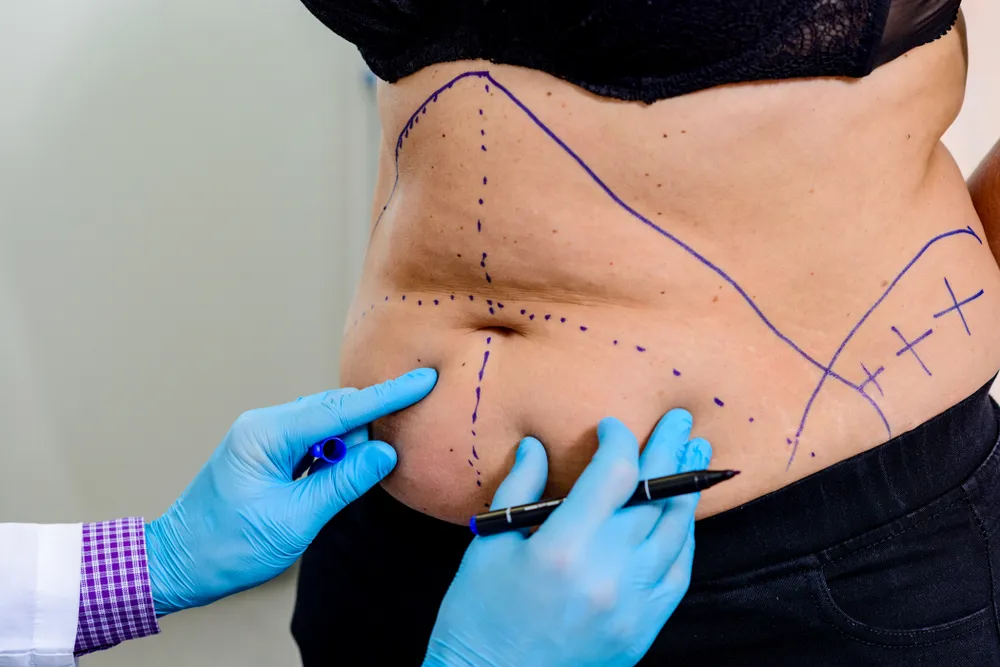
Surgeons combine liposuction with mini tummy tuck, standard abdominoplasty, extended tummy tuck, fleur-de-lis abdominoplasty, and circumferential body lift. The choice depends on the amount of excess skin and the patient's anatomy.
What Is a Mini Tummy Tuck?
A mini tummy tuck addresses only the lower abdomen. The surgeon makes a shorter incision. The surgeon removes a small amount of skin. The surgeon does not reposition the belly button. The surgeon does not repair upper muscle separation.
Surgeons combine liposuction with mini tummy tuck for patients with mild skin laxity. These patients have good upper abdominal skin. They have minimal muscle separation. Liposuction sculpts the flanks and upper abdomen. The mini tuck tightens the lower abdomen.
What Is Standard Abdominoplasty?
Standard abdominoplasty treats the entire abdomen. The surgeon makes a hip-to-hip incision. The surgeon removes skin from the lower abdomen to the belly button. The surgeon repairs muscles from the chest to the pubic bone. The surgeon repositions the belly button.
Surgeons add liposuction to standard abdominoplasty routinely. This sculpts the flanks, upper abdomen, and back. This creates comprehensive results. Most patients receive this combination.
What Is an Extended Tummy Tuck?
An extended tummy tuck continues the incision around the hips. The surgeon removes skin from the flanks. This treats love handles and side skin laxity. The incision runs further back than standard abdominoplasty.
Liposuction enhances this procedure. The surgeon sculpts the entire flank and hip area. The result extends body contouring to the sides. Patients with significant skin laxity benefit most.
What Is Fleur-de-Lis Abdominoplasty?
Fleur-de-lis abdominoplasty adds a vertical incision. The standard tummy tuck uses only a horizontal incision. The fleur-de-lis adds a vertical incision from the belly button down. This removes excess skin in both directions.
Massive weight loss patients need this technique. They have loose skin vertically and horizontally. The vertical incision allows more skin removal. Liposuction sculpts the remaining contours. The trade-off is a visible vertical scar.
What Is a Circumferential Body Lift?
A circumferential body lift encircles the entire torso. The incision runs completely around the body. The surgeon lifts the abdomen, flanks, and back. This treats the entire midsection.
Lockwood developed techniques for lower body lifting with fascial suspension (Lockwood, 1993). Circumferential lifts build on these principles. Liposuction sculpts all treated areas. This procedure suits massive weight loss patients with circumferential skin laxity.
|
Procedure Type
|
Incision Pattern
|
Skin Removal
|
Best For
|
|
Mini Tummy Tuck
|
Short horizontal
|
Lower abdomen only
|
Mild laxity, minimal muscle separation
|
|
Standard Abdominoplasty
|
Hip to hip
|
Lower to navel
|
Moderate laxity, muscle separation
|
|
Extended Tummy Tuck
|
Around hips
|
Abdomen and flanks
|
Significant side laxity
|
|
Fleur-de-Lis
|
Horizontal + vertical
|
Vertical and horizontal
|
Massive weight loss
|
|
Circumferential
|
Around entire torso
|
360 degrees
|
Circumferential laxity
|
The surgeon plans the procedure with markings, administers general anesthesia, performs liposuction, repairs muscles, removes excess skin, repositions the belly button, places drains, and applies compression garments.
What Happens During Preoperative Planning?
The surgeon examines the patient. The surgeon assesses skin quality. The surgeon measures fat thickness. The surgeon checks muscle separation. The surgeon photographs the abdomen from multiple angles.
The surgeon discusses goals. The surgeon explains limitations. The surgeon reviews risks. The surgeon obtains informed consent. The surgeon orders blood tests and medical clearance.
How Do Surgical Markings Work?
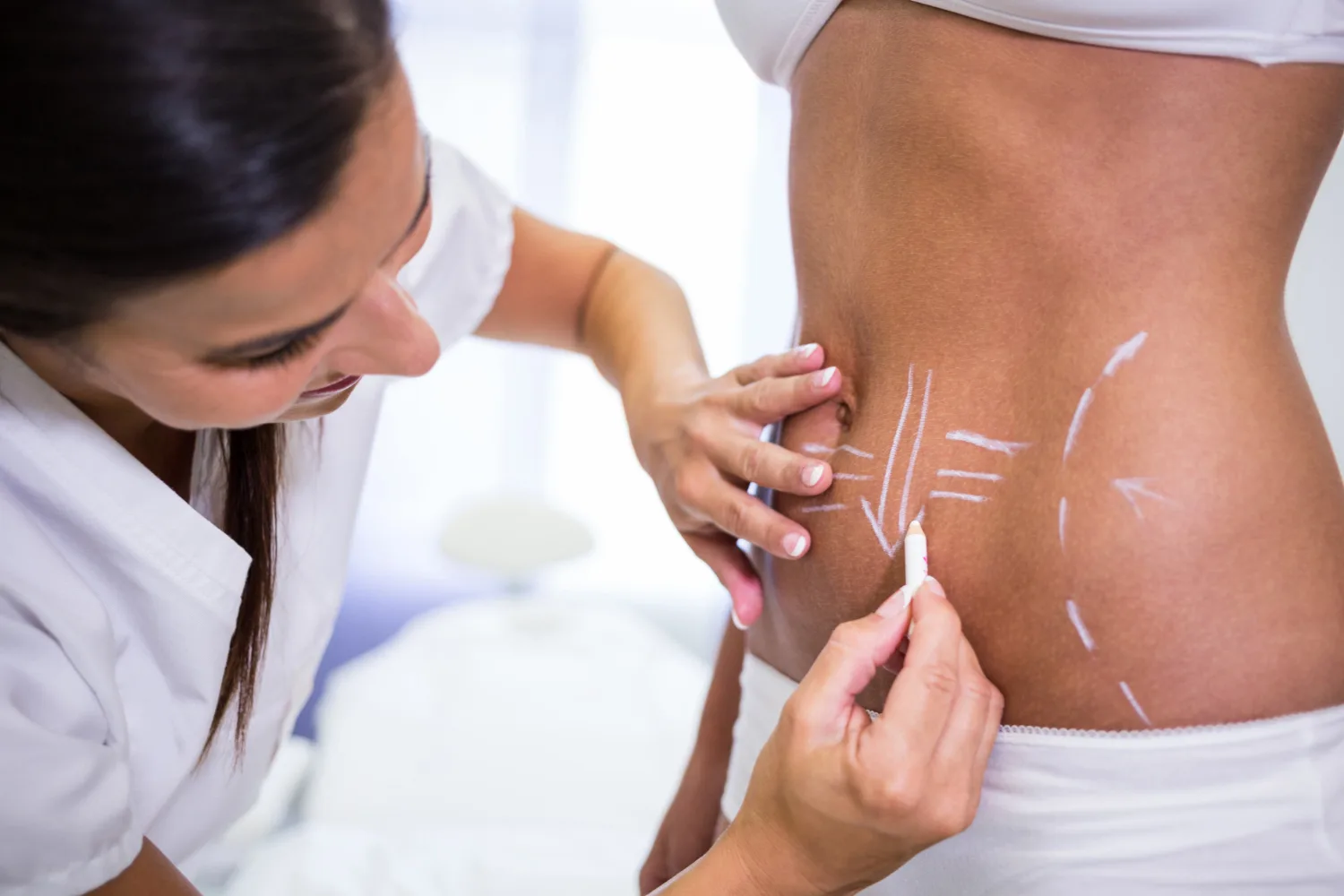
The surgeon marks the patient while standing. Gravity shows the true extent of skin laxity. The surgeon marks the incision line low on the abdomen. The surgeon marks liposuction areas. The surgeon marks the new belly button position.
These markings guide surgery. They ensure symmetry. They ensure proper placement. The patient sees the plan before anesthesia.
How Does General Anesthesia Work?
An anesthesiologist administers medications. The patient sleeps completely. The patient feels no pain. The anesthesiologist monitors heart rate, blood pressure, and oxygen. The anesthesiologist manages breathing.
General anesthesia allows the surgeon to work safely. The muscles relax completely. The surgeon repairs muscles more easily. The patient remains comfortable throughout.
What Happens During the Liposuction Stage?
The surgeon injects tumescent fluid first. This fluid contains saline, local anesthetic, and epinephrine. The fluid numbs the area. It shrinks blood vessels. It reduces bleeding.
The surgeon inserts the cannula through small incisions. The surgeon moves the cannula back and forth. The cannula breaks up fat cells. Suction removes the fat. The surgeon sculpts each area carefully.
How Does Muscle Repair Work?
The surgeon lifts the skin flap. This exposes the rectus abdominis muscles. The surgeon sees the separation. The surgeon places permanent sutures. These sutures bring the muscles together.
The repair runs from the breastbone to the pubic bone. This creates a tight inner corset. The waist narrows. The core strengthens. The bulge disappears.
How Does Skin Removal Work?
The surgeon pulls the upper abdominal skin downward. The surgeon marks the excess lower skin. The surgeon cuts along this line. The surgeon removes the extra tissue. This includes skin and fat.
The remaining skin stretches smoothly over the abdomen. The surgeon checks tension. Too much tension causes wound problems. Too little tension leaves laxity.
How Does Umbilicus Repositioning Work?
The belly button stays attached to the abdominal wall. The surgeon cuts around it. The surgeon leaves it connected to its blood supply. After skin removal, the surgeon makes a new opening in the tightened skin. The surgeon pulls the belly button through this opening. The surgeon sutures it in place.
This creates a natural-looking belly button. It sits at the proper height. It has a natural shape.
Why Do Surgeons Place Drains?
Drains remove fluid that accumulates under the skin. Blood and lymph fluid collect in the surgical space. Without drains, this fluid builds up. It forms a seroma. It delays healing.
Surgeons place one or two drains. These exit through small holes near the incision. They connect to collection bulbs. Patients empty these bulbs at home. Surgeons remove drains when output decreases.
How Do Compression Garments Help?
The surgical team applies a compression garment after surgery. This garment squeezes the abdomen gently. It reduces swelling. It supports the repaired muscles. It helps the skin adhere to the underlying tissue.
Patients wear this garment for several weeks. It becomes part of daily recovery.
What Are the Benefits of Combining Both Procedures?
Combined surgery delivers better aesthetic results, a more natural waistline, reduced need for future surgery, one recovery period, cost savings, and higher patient satisfaction.
How Do Patients Achieve Better Aesthetic Results?
Fat removal sculpts contours. Skin removal eliminates folds. Muscle repair flattens the midsection. These three actions create a transformation no single procedure achieves.
The abdomen looks flat. The waist looks narrow. The skin looks smooth. The proportions look balanced. Patients see comprehensive improvements.
How Does the Combination Create a More Natural Waistline?
Liposuction removes fat from the flanks and waist. Muscle repair narrows the midsection. Together these steps create an hourglass curve. The waist dips inward naturally. The result looks athletic. It looks proportional.
How Does the Combination Reduce the Need for Future Surgery?
Patients who choose only liposuction may need tummy tuck later. Their loose skin worsens. Patients who choose only tummy tuck may need liposuction later. Their fat deposits remain obvious.
Combined surgery addresses all problems at once. Patients avoid revision surgery. They save money. They save recovery time.
How Does One Recovery Instead of Two Help?
Combined surgery means one anesthesia session. It means one hospital stay. It means one recovery period. Patients take time off work once. They arrange childcare once. They manage pain once.
Two separate surgeries double these burdens. Combined surgery streamlines the process.
How Does Cost Efficiency Work?
One surgery costs less than two. Patients pay anesthesia fees once. They pay facility fees once. They pay surgeon fees once. They buy compression garments once. They take time off work once.
International patients save on travel costs too. They fly to Turkey once. They stay in a hotel once. They combine their medical trip with vacation once.
Why Do Patients Report Higher Satisfaction?
Studies show high satisfaction rates after combined surgery. Patients see dramatic improvements. They meet their goals in one procedure. They avoid the disappointment of incomplete results.
Matarasso demonstrated that liposuction as an adjunct to abdominoplasty improved outcomes without increasing complications when performed properly (Matarasso, 1991). Modern techniques have only improved these results.
What Are the Risks and Possible Complications?
Risks include bleeding, infection, seroma, hematoma, delayed healing, skin necrosis, blood clots, pulmonary embolism, contour irregularities, scarring, and temporary numbness. Experienced surgeons minimize these risks.
How Does Bleeding Occur?
Blood vessels may bleed during or after surgery. Surgeons control bleeding during the operation. Some bleeding continues after surgery. Blood may collect under the skin. This forms a hematoma.
Surgeons use techniques to reduce bleeding. Tumescent fluid shrinks blood vessels. Careful dissection avoids major vessels. Patients stop blood thinners before surgery.
How Does Infection Develop?
Bacteria may enter the surgical site. This causes redness, warmth, and pus. Infections usually respond to antibiotics. Severe infections need drainage.
Surgeons use sterile techniques. They give preventive antibiotics. Patients keep the wound clean. These steps minimize infection risk.
What Is a Seroma?
A seroma means fluid collection. Clear or straw-colored fluid accumulates under the skin. This happens when lymph vessels leak. Drains prevent most seromas.
If a seroma forms, the surgeon drains it with a needle. Small seromas absorb naturally. Large seromas need repeated drainage.
What Is a Hematoma?
A hematoma means blood collection. Blood pools under the skin. This creates swelling, bruising, and pain. Small hematomas resolve naturally. Large hematomas need surgical drainage.
Surgeons place drains to prevent hematomas. Patients avoid strenuous activity early. These precautions help.
What Causes Delayed Wound Healing?
Some wounds close slowly. Poor blood supply causes this. Infection causes this. Tension on the incision causes this. Smoking causes this.
Surgeons reduce tension with proper technique. They preserve blood supply. Patients follow wound care instructions. Most wounds heal within two weeks.
What Is Skin Necrosis?
Skin necrosis means skin death. The skin loses blood supply. It turns dark. It may slough off. This creates an open wound. Scarring worsens.
Modern techniques preserve blood vessels. This makes skin necrosis rare. Smokers face higher risks. Surgeons screen patients carefully.
What Are Blood Clots or DVT?
Deep Vein Thrombosis means blood clots in leg veins. Surgery and immobility increase clot risk. Clots may travel to the lungs. This causes pulmonary embolism. This is a serious emergency.
Surgeons prevent DVT in several ways. They use compression stockings. They use blood-thinning medications. They encourage early walking. They limit surgical time.
What Is Pulmonary Embolism?
A pulmonary embolism means a clot travels to the lungs. This blocks blood flow. Patients experience chest pain. They experience shortness of breath. This requires emergency treatment.
Prevention matters most. Early walking reduces risk. Blood thinners reduce risk. Compression devices reduce risk. These measures make pulmonary embolism rare.
What Are Contour Irregularities?
Contour irregularities mean uneven results. Some areas look lumpy. Some areas look depressed. This happens when fat removal is uneven. It happens when skin retraction is uneven.
Experienced surgeons minimize this risk. They use careful liposuction technique. They ensure smooth transitions. Minor irregularities improve with massage and time.
How Does Scarring Affect Results?
Tummy tuck leaves a horizontal scar low on the abdomen. Some patients form thick scars. Some scars widen. Some scars darken.
Surgeons place incisions low. They hide scars under underwear. They use techniques to minimize tension. Scar treatments improve appearance over time.
Why Does Temporary Numbness Occur?
Nerves stretch during surgery. Nerves may cut during skin removal. This causes numbness around the incision and belly button. Sensation usually returns within months. Some numbness may persist permanently.
Why Does Surgeon Experience Matter?
Experienced surgeons know how to prevent complications. They preserve blood supply. They manage tension. They recognize problems early. They respond quickly.
Patients should choose board-certified plastic surgeons. They should ask about complication rates. They should review before-and-after photos.
How Safe Is Combining Liposuction with Tummy Tuck Surgery?
Clinical studies confirm that modern lipoabdominoplasty is safe when surgeons select patients carefully, preserve blood supply, limit surgical time, work in accredited facilities, and monitor patients closely after surgery.
What Does Evidence from Clinical Studies Show?
Research supports the safety of combined procedures. Saldanha and colleagues published their lipoabdominoplasty technique in 2003. They demonstrated safe combination surgery with preserved blood supply (Saldanha et al., 2003).
Costa-Ferreira and colleagues confirmed these findings. They showed that modern techniques reduced complications compared to traditional abdominoplasty (Costa-Ferreira et al., 2010). Complication rates remain low in experienced hands.
Hunstad and Repta reviewed abdominoplasty with liposuction. They concluded that proper technique makes this combination safe and effective (Hunstad and Repta, 2009).
Why Does Patient Selection Matter?
Not every patient qualifies for combined surgery. Surgeons evaluate health status. They evaluate BMI. They evaluate skin quality. They evaluate expectations.
Proper selection prevents problems. Surgeons decline high-risk patients. They optimize medical conditions first. They postpone surgery when needed.
How Do Surgical Time Considerations Affect Safety?
Longer surgeries increase risks. Anesthesia exposure increases. Blood clot risk increases. Body temperature drops. Surgeons work efficiently.
Experienced surgeons complete combined procedures in reasonable time. They plan carefully. They work with skilled teams. They avoid unnecessary steps.
How Does Blood Supply Preservation Protect Patients?
Modern techniques preserve abdominal blood vessels. Surgeons leave a thin fat layer on the skin flap. They avoid wide undermining. They preserve side blood vessels.
This keeps the skin alive. It promotes healing. It reduces skin death. It reduces wound separation. Blood supply preservation forms the foundation of safe combination surgery.
Why Does an Accredited Hospital Environment Matter?
Accredited hospitals meet safety standards. They have proper equipment. They have trained staff. They have emergency protocols. They maintain sterile conditions.
Patients should verify facility accreditation. International patients should research hospital credentials. Turkey has many JCI-accredited facilities. These meet international standards.
How Does Postoperative Monitoring Help?
Nurses monitor patients after surgery. They check vital signs. They check drains. They check wounds. They manage pain. They watch for complications.
Early detection saves lives. Early intervention prevents escalation. Good monitoring programs ensure patient safety.
What Is Recovery Like After Combined Surgery?
Recovery progresses through stages: the first 24 hours require rest, the first week involves limited movement, weeks 2–4 show steady improvement, weeks 4–8 allow gradual return to normal activity, three months reveal major results, six months show near-final contours, and one year brings complete healing.
What Happens in the First 24 Hours?
Patients wake in the recovery room. Nurses monitor vital signs. Pain medication controls discomfort. Patients feel tightness in the abdomen. They feel soreness at liposuction sites.
Patients walk with assistance within hours. Early walking prevents blood clots. It promotes circulation. Patients drink fluids. They eat light meals. They rest in a flexed position. This reduces tension on the incision.
What Happens in the First Week?
Patients return to their hotel or home. They take prescribed medications. They empty drain bulbs several times daily. They wear compression garments continuously. They walk short distances frequently.
Patients cannot stand fully upright. The abdomen feels tight. They sleep with pillows under their knees. They avoid lifting anything heavy. They sponge-bathe until drains remove.
Most patients feel tired. They need help with daily tasks. They should not drive. They should not work.
What Happens During Weeks 2–4?
Drains usually remove during this period. Output decreases. The surgeon removes drains in the office. This takes seconds. Patients feel immediate relief.
Swelling peaks around day three. It then gradually decreases. Bruising changes color. It fades from purple to yellow to normal. Patients begin standing straighter.
Patients return to light activities. They may work from home. They still avoid heavy lifting. They continue wearing compression garments.
What Happens During Weeks 4–8?
Patients feel much better. They stand fully upright. They resume desk work. They drive short distances. They increase walking.
Swelling continues to decrease. The abdomen looks flatter. The waist looks narrower. Patients see improvements weekly. They may begin light exercise. They avoid core workouts. They avoid heavy lifting.
Scars begin to mature. They look red and raised initially. They start flattening. Patients begin scar care treatments.
What Changes Occur at Three Months?
Most swelling resolves by three months. The abdomen looks significantly flatter. The waist looks defined. Clothes fit better. Patients feel confident in fitted clothing.
Patients resume most normal activities. They may begin moderate exercise. They continue avoiding heavy abdominal strain. Scars continue fading.
What Changes Occur at Six Months?
Results look nearly final. Swelling is minimal. Scars have faded significantly. The abdomen looks toned. The proportions look natural.
Patients resume all activities. They exercise fully. They lift normally. They enjoy their new shape.
What Happens at One Year?
Healing completes at one year. Scars reach their final appearance. They fade to thin white lines. Sensation returns fully in most areas. Results look stable and natural.
Patients maintain results with healthy habits. Weight stability preserves the outcome. Exercise keeps muscles toned. Good nutrition supports skin quality.
|
Recovery Stage
|
Timeframe
|
What to Expect
|
Activity Level
|
|
Immediate
|
0–24 hours
|
Pain controlled, drains in place, walking with help
|
Bed rest with short walks
|
|
Early
|
Days 2–7
|
Tightness, limited mobility, drain care
|
Light walking only
|
|
Initial Healing
|
Weeks 2–4
|
Drains removed, swelling decreases, standing straighter
|
Light daily activities
|
|
Progressive
|
Weeks 4–8
|
Major swelling gone, return to desk work
|
Moderate activity
|
|
Significant Improvement
|
Months 2–3
|
Results visible, clothes fit better
|
Regular light exercise
|
|
Near Final
|
Months 4–6
|
Scars fade, contours defined
|
Full exercise resumption
|
|
Complete
|
12 months
|
Final results, scars mature
|
All activities normal
|
How Can Recovery Be Improved?
Patients improve recovery by walking early, wearing compression garments, managing drains properly, eating nutritious food, staying hydrated, following activity restrictions, caring for scars, and receiving lymphatic drainage massage when recommended.
Why Does Walking Early Matter?
Walking starts immediately after surgery. It prevents blood clots. It reduces swelling. It prevents constipation. It improves mood. Patients should walk every few hours. They should start with short distances. They should increase gradually.
How Do Compression Garments Help?
Compression garments squeeze the surgical area. They reduce fluid buildup. They support repaired muscles. They help skin adhere. They minimize swelling.
Patients wear garments for four to six weeks. They wear them continuously at first. They may remove them for showering. They follow surgeon instructions exactly.
How Should Patients Manage Drains?
Drains collect fluid. Patients empty bulbs when half full. They record output amounts. They keep drain sites clean. They avoid pulling on drain tubes.
The surgeon removes drains when output drops. This usually happens within one to two weeks. Proper drain care prevents infection. It prevents fluid buildup.
How Does Nutrition Support Healing?
Protein builds new tissue. Patients need extra protein after surgery. They should eat lean meats, fish, eggs, and legumes. Vitamins support healing. Vitamin C builds collagen. Zinc supports wound repair.
Patients should avoid processed foods. They should limit salt. Salt increases swelling. They should eat whole foods. They should eat fruits and vegetables.
Why Does Hydration Matter?
Water carries nutrients to tissues. Water flushes toxins. Water reduces constipation. Water supports skin elasticity. Patients should drink eight to ten glasses daily. They should avoid alcohol. Alcohol dehydrates. It interferes with medications.
What Activity Restrictions Apply?
Patients must avoid heavy lifting for four to six weeks. They must avoid core exercises for six to eight weeks. They must avoid strenuous activity until cleared. They should not push, pull, or strain their abdomen.
These restrictions protect muscle repair. They protect incision healing. Premature activity causes complications.
How Does Scar Care Work?
Surgeons recommend scar treatments once wounds heal. Silicone sheets or gels flatten scars. They fade scar color. Sunscreen prevents darkening. Patients should protect scars from sun exposure for one year.
Massage may improve scar texture. Patients should follow surgeon guidance. They should not massage until cleared.
When Is Lymphatic Drainage Massage Recommended?
Some surgeons recommend lymphatic massage. This gentle massage moves fluid. It reduces swelling. It speeds recovery. It improves comfort.
Patients should only see trained therapists. They should wait until cleared by their surgeon. They should avoid vigorous massage. This could damage healing tissues.
What Results Can Patients Expect?
Patients can expect a flatter abdomen, improved waist definition, tighter muscles, better clothing fit, high long-term satisfaction, and realistic before-and-after improvements.
How Flat Will the Abdomen Become?
The abdomen flattens significantly. Muscle repair eliminates the bulge. Skin removal eliminates folds. Fat removal reduces thickness. The result looks toned.
Results vary by starting point. Patients with more excess skin see more dramatic changes. Patients with mild concerns see subtle refinements. All patients see improvement.
How Much Does Waist Definition Improve?
The waist narrows noticeably. Muscle repair brings the rectus muscles together. This creates an inner corset. Liposuction removes flank fat. This eliminates side bulges.
The hourglass shape emerges. The torso looks proportional. Clothing fits better. Belts sit properly. Dresses drape naturally.
How Does Muscle Tightening Help?
Muscle repair restores core strength. Patients stand straighter. They experience less back pain. They engage in physical activity more easily.
The visual improvement matters too. The midsection looks firm. The belly button sits in a natural position. The abdomen does not protrude.
How Does Clothing Fit Change?
Patients drop clothing sizes. Pants fit at the waist. Shirts drape smoothly. Swimwear looks flattering. Form-fitting clothes become comfortable.
This change affects daily life. Patients feel confident at work. They feel comfortable at social events. They enjoy shopping for new styles.
How Satisfied Are Patients Long-Term?
Studies show high satisfaction rates. Patients maintain results with stable weight. They report improved quality of life. They report increased self-confidence.
The combination of fat removal, skin tightening, and muscle repair creates lasting improvements. Patients rarely regret choosing combined surgery.
What Are Realistic Before and After Expectations?
Surgery improves appearance. It does not create perfection. Scars remain visible. Some asymmetry may persist. Results take months to finalize.
Patients should expect significant improvement. They should not expect magazine perfection. Realistic expectations lead to satisfaction.
How Long Do Results Last?
Results last for years with stable weight, no future pregnancies, healthy lifestyle choices, regular exercise, and good nutrition.
How Does Weight Stability Affect Results?
Weight gain stretches the skin. It deposits new fat. It may separate repaired muscles. Weight loss creates new loose skin. Stable weight preserves surgical results.
Patients should maintain their post-surgery weight. Small fluctuations of five to ten pounds cause minimal changes. Large fluctuations reverse results.
How Does Pregnancy Affect Results?
Pregnancy stretches the abdomen again. It separates repaired muscles. It creates new loose skin. It deposits fat. Future pregnancy undoes surgical improvements.
Women should complete their families before surgery. If pregnancy occurs after tummy tuck, results may need revision.
What Lifestyle Factors Matter?
Smoking damages skin elasticity. It accelerates aging. It impairs healing. Patients should quit smoking permanently.
Sun exposure darkens scars. It damages skin. Patients should protect scars from sun. They should use sunscreen daily.
Alcohol and poor nutrition affect skin quality. Healthy habits maintain results. Patients should prioritize wellness.
How Does Exercise Help?
Exercise maintains muscle tone. It prevents weight gain. It improves circulation. It supports skin health.
Patients should resume exercise gradually. They should focus on core strength. They should include cardiovascular activity. They should maintain consistency.
How Does Healthy Nutrition Help?
Nutrition supports skin quality. Protein maintains collagen. Vitamins support repair. Antioxidants fight aging. Hydration keeps skin plump.
Patients should eat whole foods. They should limit sugar. They should limit processed foods. They should maintain balanced diets.
Why Do International Patients Choose Turkey for Combined Body Contouring Surgery?
International patients choose Turkey because experienced plastic surgeons, modern medical facilities, comprehensive treatment packages, short waiting times, recovery-friendly hospitality, and easy accessibility from Europe and the Middle East create an ideal medical tourism destination.
How Experienced Are Plastic Surgeons in Turkey?
Turkish plastic surgeons perform high volumes of body contouring procedures. They train in top international institutions. They attend global conferences. They publish research. They refine techniques continuously.
Many surgeons specialize in combination procedures. They perform lipoabdominoplasty routinely. This experience translates to better outcomes. It translates to lower complication rates.
What Modern Medical Facilities Are Available?
Turkish hospitals invest in modern technology. They use advanced liposuction equipment. They maintain accredited operating rooms. They employ skilled anesthesiologists. They follow international safety protocols.
JCI accreditation ensures standards match those in Europe and North America. Patients receive quality care. They receive safe anesthesia. They receive proper monitoring.
What Do Comprehensive Treatment Packages Include?
Medical tourism packages simplify the process. They include airport transfers. They include hotel accommodation. They include surgery and hospital stay. They include medications and garments. They include follow-up appointments.
Some packages include city tours. They include translation services. They include dedicated patient coordinators. This support reduces stress. It lets patients focus on recovery.
How Short Are Waiting Times?
Patients book surgery within weeks. They do not wait months. They choose dates that suit their schedules. This flexibility helps working patients. It helps parents. It helps anyone with time constraints.
How Does Recovery-Friendly Hospitality Help?
Turkey offers excellent hospitality. Hotels cater to medical tourists. They provide comfortable rooms. They provide nutritious meals. They provide quiet environments. Staff understand recovery needs.
Istanbul and other cities offer rich culture. Patients combine recovery with mild tourism. They visit historical sites. They enjoy Turkish cuisine. They experience warm hospitality.
How Accessible Is Turkey from Europe and the Middle East?
Short flights connect Turkey to major cities. London reaches Istanbul in four hours. Berlin reaches Istanbul in three hours. Dubai reaches Istanbul in four hours. Direct flights operate daily.
This accessibility reduces travel stress. It reduces jet lag. It makes follow-up visits feasible. It makes Turkey practical for international patients.
What Should You Ask During Your Surgical Consultation?
Patients should ask about candidacy, procedure selection, muscle repair needs, liposuction areas, recovery timeline, risks, and surgeon experience.
Am I a Candidate?
Ask the surgeon directly. Discuss your health history. Discuss your weight stability. Discuss your goals. The surgeon evaluates your abdomen. The surgeon assesses your skin. The surgeon measures your fat.
Honest discussion ensures proper candidacy. It prevents inappropriate surgery. It sets realistic expectations.
Which Procedure Is Best for My Anatomy?
Not every patient needs the same technique. Some need mini tummy tuck. Some need standard abdominoplasty. Some need extended or fleur-de-lis techniques. The surgeon explains which approach suits your body.
Ask why the surgeon recommends a specific technique. Ask about alternatives. Ask about trade-offs. Understanding the plan builds confidence.
Will Muscle Repair Be Necessary?
Muscle repair adds recovery time. It adds surgical complexity. Not every patient needs it. Ask the surgeon to examine your muscle separation. Ask how extensive the repair will be.
This information helps you prepare. It helps you understand recovery. It helps you plan time off work.
Which Areas Will Be Liposuctioned?
Surgeons plan liposuction based on your contours. Ask which areas the surgeon will treat. Ask about expected improvements. Ask about risks in each area.
This discussion ensures you understand the complete plan. It prevents surprises. It aligns expectations.
What Is the Expected Recovery Timeline?
Recovery varies by procedure extent. Ask when you can return to work. Ask when you can exercise. Ask when you can travel home. Ask when you will see results.
The surgeon provides a personalized timeline. This helps you plan. It helps you arrange support. It helps you set realistic expectations.
What Are the Risks?
Every surgery carries risks. Ask about specific complications. Ask about complication rates. Ask about how the surgeon prevents problems. Ask about how the surgeon manages problems if they occur.
Informed patients make better decisions. They prepare properly. They recognize warning signs early.
Experience matters. Ask about the surgeon's volume. Ask about training. Ask about board certification. Ask to see before-and-after photos of similar patients.
This research protects you. It ensures you choose a qualified surgeon. It increases your confidence.
Frequently Asked Questions
This section answers common questions about combining liposuction with tummy tuck surgery.
Can Liposuction Replace a Tummy Tuck?
No. Liposuction removes fat. It does not remove skin. It does not repair muscles. Patients with loose skin need tummy tuck. Patients with muscle separation need tummy tuck. These problems require surgical correction.
Is Combining Liposuction with Tummy Tuck Safe?
Yes. Modern techniques make this combination safe. Studies confirm low complication rates. Patient selection matters. Surgeon experience matters. Accredited facilities matter. When these factors align, risks remain low.
How Painful Is Recovery?
Patients experience discomfort, not severe pain. Pain medication controls symptoms. The abdomen feels tight. Liposuction sites feel sore. Most patients describe recovery as manageable. Pain decreases significantly after the first week.
How Long Should International Patients Stay in Turkey?
Patients should stay seven to ten days. This allows initial recovery. This allows drain removal. This allows the first follow-up visit. This ensures safe travel home. Some patients stay longer for comfort.
Can I Have Lipo 360 with a Tummy Tuck?
Yes. Surgeons frequently combine Lipo 360 with tummy tuck. This treats the entire midsection. It sculpts the abdomen, flanks, and back. It creates comprehensive contouring. The surgeon evaluates whether this suits your anatomy.
No. Not every patient needs muscle repair. Patients without diastasis recti may skip this step. The surgeon examines your muscles. The surgeon recommends repair only when necessary. This decision depends on your anatomy.
When Can I Return to Work?
Desk work resumes in two to three weeks. Physical work requires four to six weeks. Individual recovery varies. The surgeon provides clearance based on your progress. Patients should not rush this timeline.
When Can I Exercise Again?
Light walking starts immediately. Light activity resumes in two to three weeks. Moderate exercise resumes in four to six weeks. Core exercises and heavy lifting resume in six to eight weeks. The surgeon guides this progression.
Will I Have Drains?
Most patients receive one or two drains. These prevent fluid buildup. They usually remove within one to two weeks. Some surgeons use techniques that avoid drains. Ask your surgeon about their specific approach.
How Visible Are the Scars?
The main scar sits low on the abdomen. It hides under underwear and swimwear. It fades over one to two years. It never disappears completely. Proper scar care minimizes visibility.
Can the Procedures Be Combined After Massive Weight Loss?
Yes. Massive weight loss patients often need combined procedures. They may need fleur-de-lis or circumferential techniques. They may need multiple stages. The surgeon plans comprehensive treatment. Safety remains the priority.
Can Men Undergo Combined Tummy Tuck and Liposuction?
Yes. Men frequently choose this combination. They address abdominal fat. They address loose skin. They address muscle laxity. Male patients see excellent results. The surgical approach adapts to male anatomy.
How Soon Are Final Results Visible?
Results improve for one year. Major improvements show at three months. Near-final results show at six months. Final results appear at twelve months. Patience rewards patients.
Can Pregnancy Affect My Results?
Yes. Future pregnancy stretches the abdomen. It separates repaired muscles. It creates new loose skin. It deposits fat. Women should complete their families before surgery.
Is the Surgery Permanent?
Results last with stable weight. Fat cells removed do not return. Skin removed does not grow back. Muscle repair stays intact. However, weight gain, pregnancy, and aging can change results. Healthy habits maintain outcomes.
Conclusion
Liposuction and tummy tuck treat different anatomical problems. Liposuction removes fat. Tummy tuck removes skin and repairs muscles. These procedures often work best together. Many patients need both to achieve their goals.
Combined surgery provides comprehensive abdominal contouring. It removes fat. It tightens skin. It repairs muscles. It reshapes the waist. It does all this in one operation. Patients recover once. They pay once. They see complete results faster.
Success depends on several factors. Careful patient selection matters. Experienced surgical planning matters. Evidence-based techniques matter. Realistic expectations matter. Patients who prioritize these factors achieve excellent outcomes.
Turkey offers international patients access to skilled surgeons. It offers modern facilities. It offers comprehensive care packages. It offers short waiting times. It offers recovery-friendly environments. Patients considering treatment in Turkey should research surgeon qualifications. They should verify facility accreditation. They should demand transparent consultations. They should ensure structured follow-up care.
Combined liposuction and tummy tuck surgery transforms the midsection. It restores confidence. It improves function. It creates lasting results. With proper planning and care, patients achieve safe, satisfying outcomes.
References
Aly, Ayman S., et al. "Belt Lipectomy for Circumferential Truncal Excess: The University of Iowa Experience." Plastic and Reconstructive Surgery, vol. 111, no. 1, 2003, pp. 398–400.
Costa-Ferreira, Antonio, et al. "Lipoabdominoplasty: A Safe Technique." Plastic and Reconstructive Surgery, vol. 126, no. 4, 2010, pp. 123e–124e.
Hunstad, Joseph P., and Remus Repta. "Abdominoplasty with Lipoabdominoplasty." Aesthetic Surgery Journal, vol. 29, no. 3, 2009, pp. 221–223.
Lockwood, Ted E. "Lower-Body Lift with Superficial Fascial System Suspension." Plastic and Reconstructive Surgery, vol. 92, no. 6, 1993, pp. 1112–1122.
Matarasso, Alan. "Liposuction as an Adjunct to a Full Abdominoplasty Revisited." Plastic and Reconstructive Surgery, vol. 106, no. 5, 2000, pp. 1197–1198.
Matarasso, Alan. "Abdominoplasty: A Clinical Classification and Treatment Algorithm." Clinics in Plastic Surgery, vol. 16, no. 2, 1989, pp. 255–268.
Nahas, Fernando X. "An Aesthetic Classification of the Abdomen Based on the Myoaponeurotic Layer." Aesthetic Plastic Surgery, vol. 25, no. 1, 2001, pp. 1–8.
Saldanha, Osvaldo R., et al. "Lipoabdominoplasty with Selective and Safe Undermining." Aesthetic Plastic Surgery, vol. 27, no. 4, 2003, pp. 322–327.
Saldanha, Osvaldo R., et al. "Lipoabdominoplasty: The Saldanha Technique." Clinics in Plastic Surgery, vol. 37, no. 3, 2010, pp. 469–481.