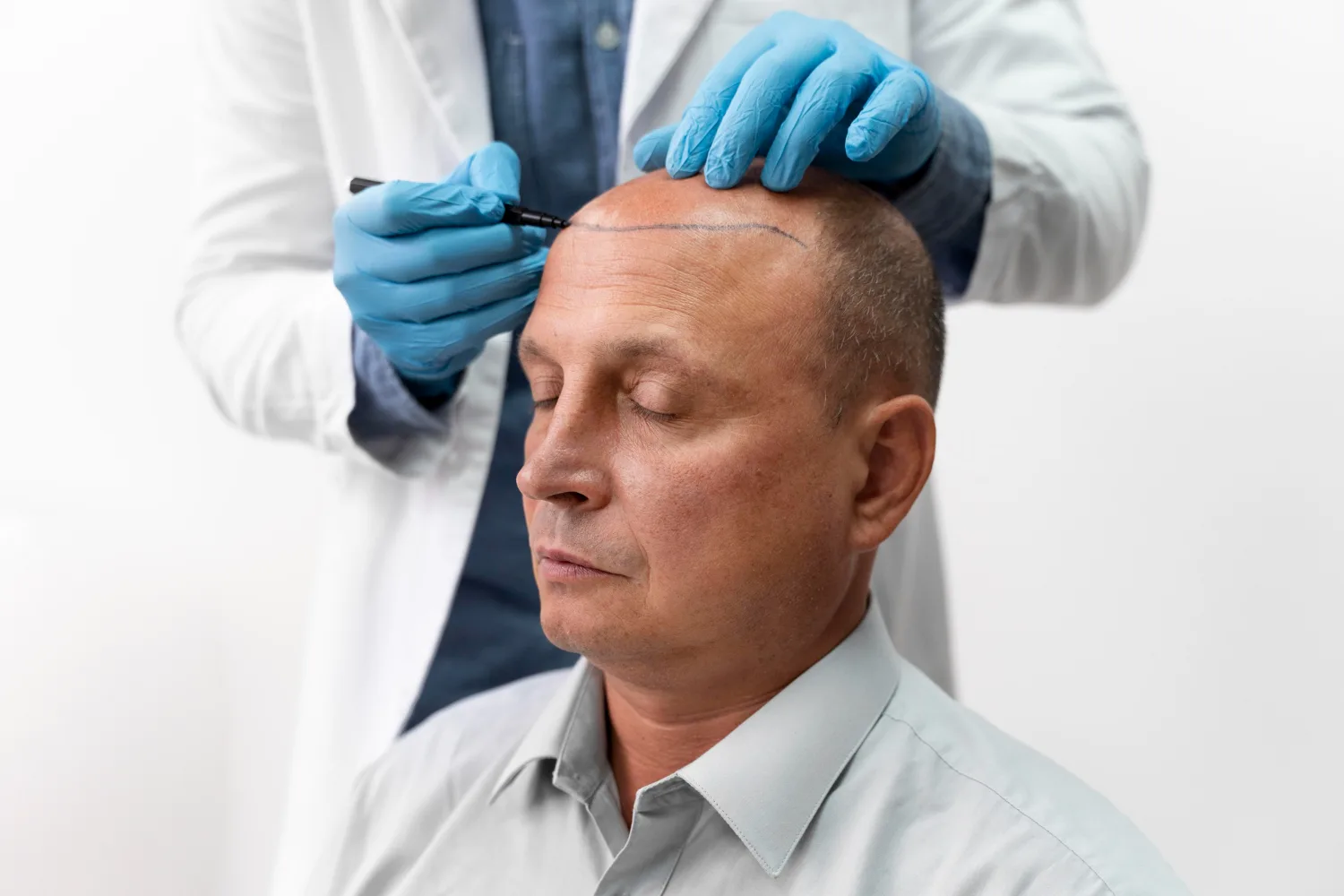
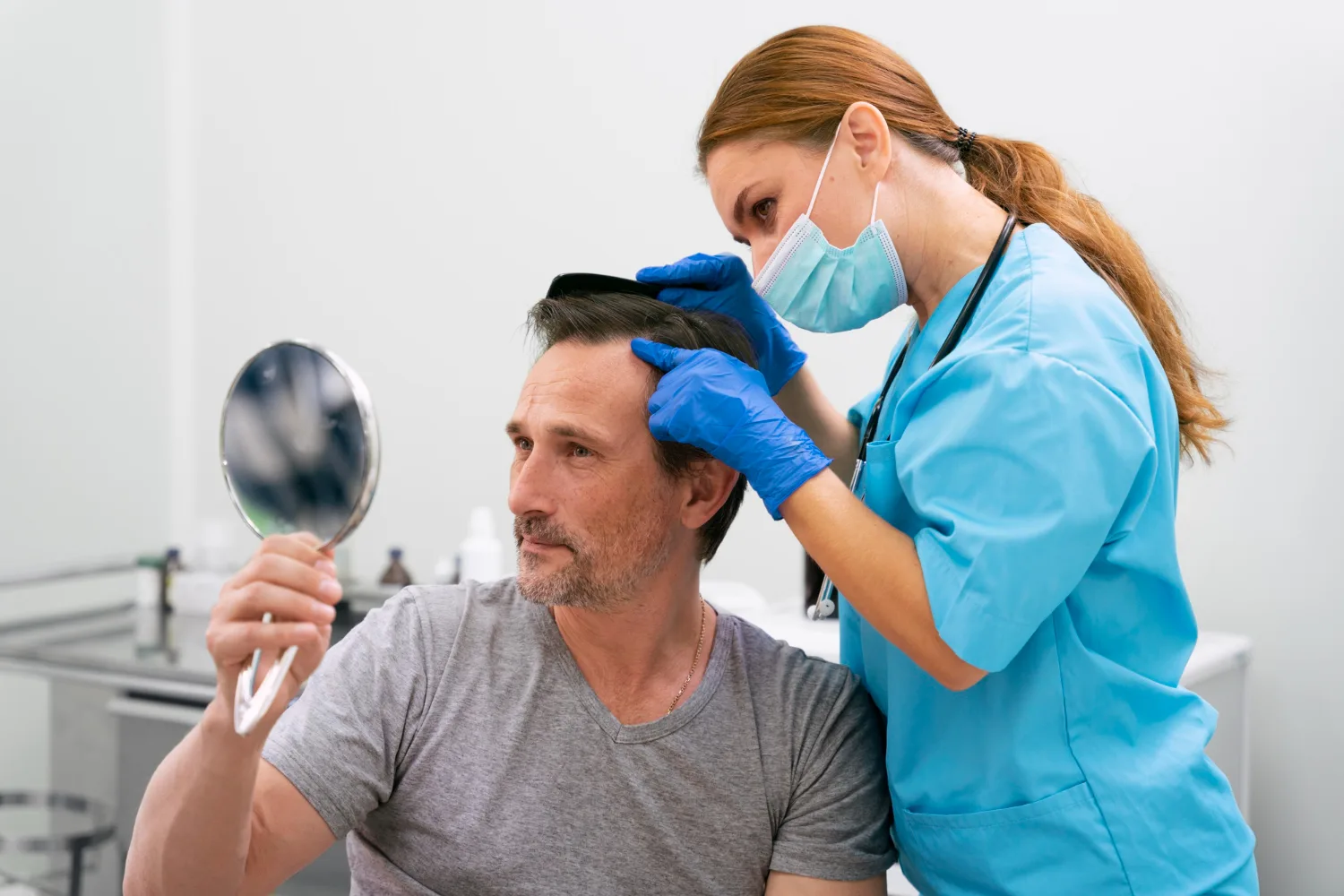
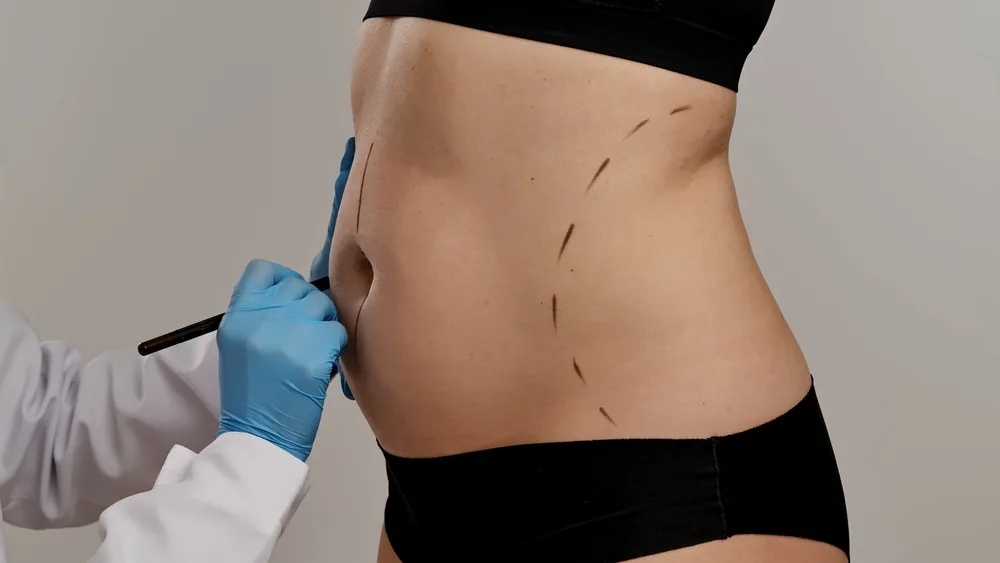
Men around the world now seek fuller, more defined facial hair. Beard transplantation has grown into a major aesthetic procedure. Turkey has emerged as the leading destination for this surgery. Thousands of international patients fly to Istanbul and other Turkish cities every year. They come for expert surgeons, modern clinics, and affordable prices. Turkey combines decades of hair restoration experience with a strong medical tourism infrastructure. This article explains why Turkey dominates the global beard transplant market. It covers the science behind the procedure, the techniques surgeons use, and the reasons patients choose this destination.
What Is a Beard Transplant?
A beard transplant moves hair follicles from one part of the body to the face. Surgeons extract healthy follicles from a donor area. They implant these follicles into the beard region. The transplanted hair grows naturally and permanently.
A beard transplant is a surgical procedure that relocates hair follicles to facial areas lacking density. Surgeons typically harvest grafts from the back of the scalp. This area contains hair that closely matches beard texture. The procedure restores facial hair in men who have patchy, thin, or scarred beard regions.
How Does a Beard Transplant Work?
Surgeons perform beard transplants in several precise steps. First, they identify a suitable donor area. Then they extract individual follicles. Next, they create tiny channels in the beard zone. Finally, they place each graft into these channels.
A beard transplant works through follicular unit extraction and implantation. Surgeons remove hair follicles one by one from the donor site. They use specialized microsurgical tools. Each follicle contains one to four hairs. The team keeps these grafts in a sterile solution. Then the surgeon creates recipient channels at specific angles. The team implants each graft into these channels. Blood supply nourishes the transplanted follicles. The follicles enter a resting phase. New hair growth begins within months. The entire process requires precision and artistic planning. Surgeons must match natural beard direction and density.
Which Facial Areas Can Be Restored?
Surgeons can restore hair to almost any facial zone. Each area requires a different number of grafts. The technique remains the same regardless of location.
A beard transplant can restore the full beard, mustache, goatee, sideburns, jawline, and cheeks. Surgeons customize the treatment for each facial zone. A full beard restoration covers the entire lower face. Mustache restoration fills the upper lip region. Goatee restoration targets the chin and center area. Sideburn restoration improves the temporal region. Jawline restoration enhances facial definition. Cheek restoration increases density on the mid-face. Each zone demands careful angle planning. Hair grows differently on the cheek versus the chin. Surgeons study these patterns before surgery.
|
Facial Area
|
Typical Graft Range
|
Growth Direction
|
|
Mustache
|
300–600
|
Downward and slightly outward
|
|
Goatee
|
400–800
|
Downward and forward
|
|
Sideburns
|
200–400
|
Downward and backward
|
|
Full beard
|
2,500–4,000
|
Variable by zone
|
|
Jawline
|
500–1,000
|
Angular and downward
|
|
Cheeks
|
800–1,500
|
Slightly outward and downward
|
Is a Beard Transplant Permanent?
Yes, a beard transplant provides permanent results. The transplanted follicles retain their genetic characteristics.
A beard transplant is permanent because donor hair comes from genetically resistant areas. Scalp hair at the back of the head resists hormonal hair loss. Surgeons move these follicles to the face. The follicles maintain their original properties. They continue growing for a lifetime. Patients can shave, trim, and style the transplanted hair. The results do not fade over time. Some patients experience temporary shedding after surgery. This is normal. New growth replaces shed hair within months.
Who Is an Ideal Candidate?
Healthy men with sufficient donor hair qualify for this procedure. Surgeons evaluate several factors before approving a patient.
An ideal candidate has stable donor hair, realistic expectations, and good general health. Men with patchy beards from genetics make excellent candidates. Men with facial scars from acne, burns, or trauma also benefit. Patients must have enough donor grafts available. The scalp donor area must supply the required follicles. Surgeons assess beard hair characteristics. Coarse scalp hair may not match fine beard hair perfectly. Candidates must understand the healing process. They must commit to post-operative care. Smokers may face higher risks. Surgeons often ask patients to stop smoking before surgery.
Why Do Men Choose Turkey for Beard Transplants?
Turkey has built a global reputation for hair restoration. International patients trust Turkish surgeons. They appreciate the combination of skill, technology, and value.
Men choose Turkey for beard transplants because the country offers expert surgeons, advanced techniques, and affordable prices. Turkish clinics perform thousands of procedures monthly. Surgeons gain extensive experience quickly. The government supports medical tourism with modern infrastructure. International patients receive comprehensive packages. These packages include airport transfers, hotel stays, and translation services. Turkey blends European medical standards with competitive pricing.
Why Is Turkey Considered a Global Hair Restoration Hub?
Turkey performs more hair transplants than most countries combined. This volume creates unmatched expertise.
Turkey ranks as a global hair restoration hub because of high surgical volumes and specialized training. Istanbul alone hosts hundreds of dedicated hair clinics. Surgeons perform beard transplants daily. This repetition hones their skills. Many Turkish surgeons train internationally. They attend conferences in Europe and North America. They bring advanced knowledge back to Turkey. Turkish clinics invest in the latest technology. They use robotic systems, high-resolution microscopes, and precision tools. The country has developed a complete ecosystem. This ecosystem includes surgeons, technicians, nurses, and patient coordinators. International accreditation bodies recognize many Turkish facilities.
How Does Turkey Combine Quality with Affordability?
Turkey delivers world-class results at lower prices. This balance attracts patients from every continent.
Turkey combines quality with affordability through lower operational costs and competitive markets. Clinic rent, staff salaries, and equipment cost less than in Western Europe. The Turkish lira exchange rate favors foreign currencies. High competition among clinics drives quality up and prices down. Clinics must maintain excellent standards to attract international patients. Government incentives support healthcare exports. Patients receive the same technology used in London or New York. They pay a fraction of the cost. Surgeons do not compromise on technique. They use identical graft extraction and implantation methods.
Why Do International Patients Trust Turkish Surgeons?
Trust develops through results, transparency, and communication. Turkish clinics have earned this trust over decades.
International patients trust Turkish surgeons because of proven track records and international training. Many Turkish surgeons publish research in peer-reviewed journals. They present at global conferences. Clinics display extensive before-and-after portfolios. Verified patient reviews build credibility. Surgeons speak multiple languages. They explain procedures clearly. Clinics use video consultations for overseas patients. This transparency reduces anxiety. Patients see exactly what to expect. Turkish surgeons specialize exclusively in hair restoration. They do not divide attention between unrelated cosmetic procedures.
How Has Medical Tourism Strengthened Turkey's Reputation?
Medical tourism has transformed Turkey into a healthcare destination. Beard transplants represent a major segment of this industry.
Medical tourism has strengthened Turkey's reputation by creating a patient-centered infrastructure. The government promotes Turkey as a medical destination. Airports offer direct flights from major cities worldwide. Hotels cater to recovering patients. Clinics employ multilingual staff. Patients combine surgery with tourism. They visit historical sites during recovery. This positive experience generates word-of-mouth referrals. Social media amplifies success stories. Patients share their transformations online. This organic marketing reinforces Turkey's position. The country now competes with traditional medical hubs like Germany and the United States.
What Motivates Men to Get a Beard Transplant?
Men seek beard transplants for diverse reasons. Some want to correct genetic limitations. Others need to hide scars or improve symmetry.
Men get beard transplants to fix patchy growth, cover scars, increase density, and boost confidence. Genetics determine baseline beard patterns. Some men naturally grow thin or uneven facial hair. Hormonal factors also influence beard development. Testosterone levels affect hair thickness and coverage. Medical conditions like alopecia barbae cause patchy loss. Trauma leaves permanent bald spots. Cultural trends now celebrate full beards. Social media and fashion industries promote masculine facial hair. Men feel pressure to match these ideals. Research shows facial hair affects social perception. Dixson and Brooks (2013) found that women rate men with facial hair as more masculine and socially mature. These psychological and social motivations drive demand for restoration procedures.
Patchy Beard Caused by Genetics
Genetics control beard density more than any other factor. Some men inherit sparse facial hair patterns.
Genetics cause patchy beards through inherited follicle distribution. Androgen receptors in facial skin determine hair growth. Some men have fewer receptors in certain areas. This creates natural gaps. Fathers and grandfathers often pass these patterns to their sons. Beard transplants override genetic limitations. Surgeons place grafts exactly where nature left gaps. Patients finally achieve the density their genes denied them.
Facial Scars from Acne, Burns, or Injuries
Scars destroy hair follicles permanently. No topical treatment can restore hair in scarred skin.
Facial scars from acne, burns, or injuries eliminate hair follicles in affected areas. Acne cysts damage the follicular structure. Burn injuries destroy skin and underlying tissue. Surgical scars remove hair-bearing skin. Beard transplants reintroduce healthy follicles into these zones. Surgeons must work carefully around scar tissue. Scarred skin has reduced blood supply. Surgeons place grafts at lower density in scarred regions. This improves survival rates. The transplanted hair camouflages the scar. Patients regain normal facial appearance.
Thin or Uneven Beard Density
Some men grow hair everywhere but lack thickness. Thin beards look wispy and unkempt.
Thin or uneven beard density results from variable follicle activity across the face. Some zones produce thick terminal hairs. Others produce fine vellus hairs. This variation creates an uneven look. Beard transplants add density to thin regions. Surgeons match existing hair caliber. They place grafts between native hairs. This creates uniform thickness. Patients can then style their beard with confidence.
Hormonal or Medical Factors
Hormones regulate facial hair growth. Medical conditions can disrupt this balance.
Hormonal or medical factors affect beard growth through testosterone and DHT pathways. Low testosterone levels reduce facial hair development. Thyroid disorders alter hair texture and growth speed. Autoimmune conditions like alopecia areata attack hair follicles. Some medications cause hair thinning. Dermatologists evaluate these factors before surgery. Patients with active medical conditions may need treatment first. Surgeons coordinate with endocrinologists when necessary.
Desire for Improved Facial Symmetry
Facial hair frames the jaw and chin. Uneven growth distorts this frame.
Men desire improved facial symmetry through balanced beard coverage. The human eye notices facial balance instantly. Patchy areas on one side create asymmetry. This asymmetry affects perceived attractiveness. Barber (1995) noted that facial symmetry signals genetic health. Beard transplants correct these imbalances. Surgeons design beard patterns that enhance natural bone structure. They add density where needed. They create mirror-image results.
Increased Confidence and Self-Image
Appearance affects mental health. Men report higher self-esteem after beard restoration.
Beard transplants increase confidence and self-image by restoring masculine facial features. Men with patchy beards often feel self-conscious. They avoid certain angles in photos. They hide their face behind masks or hands. Successful transplantation eliminates these concerns. Patients report improved social interactions. They feel more authoritative in professional settings. Research supports this psychological benefit. Studies on hair restoration show significant improvements in quality of life scores. Men feel more attractive and assertive.
Which Beard Transplant Techniques Are Used in Turkey?
Turkish surgeons master multiple techniques. They select the best method for each patient.
Turkish clinics use FUE and DHI techniques for beard transplants. FUE stands for Follicular Unit Extraction. DHI stands for Direct Hair Implantation. Both methods produce natural results. Surgeons choose based on patient needs, graft numbers, and facial characteristics. Some cases combine both techniques. Turkish surgeons also use sapphire blades and motorized punch systems. These tools improve precision and reduce trauma.
What Is FUE Beard Transplant?
FUE remains the most common beard transplant method worldwide. Turkish surgeons have perfected this technique.
FUE beard transplant involves extracting individual follicles with a micro-punch tool. Surgeons use a circular blade between 0.7 and 1.0 millimeters. They center the punch around each follicle. They extract the graft with minimal surrounding tissue. This leaves tiny dot scars in the donor area. These scars heal quickly and become invisible. The team sorts grafts by hair count. They place single-hair grafts along the beard edge. They place multi-hair grafts in the interior for density. FUE allows surgeons to harvest thousands of grafts in one session. Rose (2011) described FUE as a minimally invasive alternative to strip harvesting. The technique reduces post-operative pain. Patients recover faster than with older methods.
What Is DHI Beard Transplant?
DHI offers enhanced precision for facial hair restoration. This technique suits detailed work.
DHI beard transplant uses a specialized implanter pen called a Choi pen. Surgeons load each graft into the pen. They create the recipient channel and implant the graft simultaneously. This reduces the time grafts spend outside the body. DHI allows exact control over angle and depth. Surgeons can place grafts between existing hairs without shaving the recipient area. This benefits patients who want to maintain some facial hair during recovery. DHI requires significant skill. The surgeon must control the pen with steady hands. Turkish clinics train technicians extensively in this method.
|
Feature
|
FUE Beard Transplant
|
DHI Beard Transplant
|
|
Extraction method
|
Micro-punch tool
|
Micro-punch tool
|
|
Implantation method
|
Forceps or implanter
|
Choi pen
|
|
Recipient area shaving
|
Usually required
|
Often not required
|
|
Graft survival rate
|
High
|
Very high
|
|
Best for
|
Large sessions
|
Precision work
|
|
Procedure time
|
Faster
|
Slower
|
|
Cost
|
Moderate
|
Higher
|
|
Recovery
|
Quick
|
Quick
|
Which Technique Provides Better Precision?
Precision matters enormously in beard restoration. Facial hair requires exact angulation.
DHI provides better precision for small, detailed areas. The Choi pen allows direct placement. Surgeons control depth and direction instantly. FUE also achieves precision but requires more steps. For full beard restoration, FUE often works faster. For mustache or scar work, DHI excels. Turkish surgeons assess each case individually. They may use DHI for the mustache and FUE for the cheeks. This hybrid approach maximizes results.
How Are Natural Beard Angles and Directions Created?
Natural beard growth follows specific patterns. Surgeons must replicate these patterns exactly.
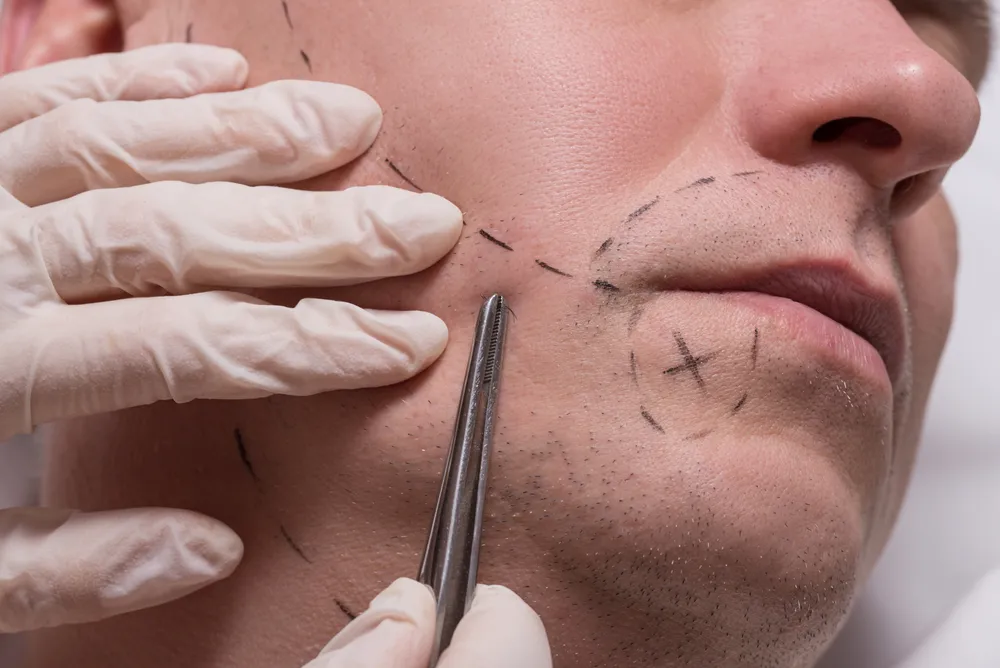
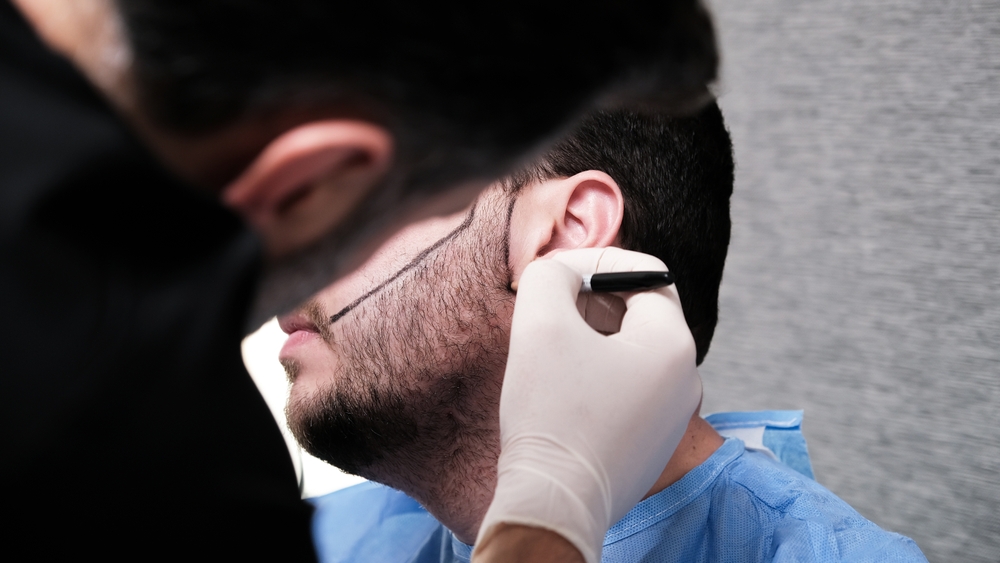
Surgeons create natural beard angles by studying facial hair flow before surgery. Beard hair on the cheek grows outward and downward. Chin hair grows forward and downward. Mustache hair grows downward and slightly outward. Neck hair grows downward and backward. Surgeons map these directions on the patient's face. They create recipient channels at matching angles. A deviation of even ten degrees looks unnatural. Experienced Turkish surgeons spend significant time on this design phase. They use surgical markers to draw angle guides. Garg and Garg (2017) emphasized that angle matching determines the final aesthetic outcome.
Which Method Is Best for Scar Camouflage?
Scarred skin presents unique challenges. Graft survival depends on blood supply and technique.
DHI works best for scar camouflage because it minimizes trauma to surrounding tissue. Scarred skin has compromised vascularity. The Choi pen creates smaller channels. This preserves existing blood vessels. Surgeons place grafts at lower density in scars. They space grafts wider apart. This prevents overcrowding. FUE can also treat scars but requires careful channel creation. Turkish surgeons often prefer DHI for small scar patches. They use FUE for larger burn areas.
The procedure follows a strict protocol. Each step builds on the previous one.
A beard transplant involves consultation, design, extraction, and implantation. The patient meets the surgeon first. The surgeon analyzes the face and donor area. The team designs the beard pattern. They administer local anesthesia. They extract grafts from the donor site. They create recipient channels. They implant each follicle. The surgeon performs a final assessment. The entire process takes four to eight hours.
Initial Consultation
The consultation sets expectations. Surgeons evaluate candidacy and explain the process.
The initial consultation includes medical history review, scalp examination, and beard design discussion. Surgeons ask about previous surgeries and medications. They check for bleeding disorders. They photograph the face from multiple angles. They discuss the patient's goals. They explain realistic outcomes. They estimate the required graft number. They provide pre-operative instructions. Patients must avoid alcohol and blood thinners before surgery.
Beard Design and Facial Analysis
Design transforms surgery into art. Surgeons must understand facial aesthetics.
Beard design and facial analysis determine where to place each graft. Surgeons study facial proportions. They measure the distance from nose to chin. They assess jawline width. They consider ethnic hair characteristics. Mediterranean men often have dense, curly beard hair. Asian men may have straighter, sparser patterns. Surgeons adapt their design accordingly. They draw the proposed beard outline on the skin. Patients approve this design before anesthesia.
Donor Hair Evaluation
Donor hair quality affects results. Not all scalp hair suits facial transplantation.
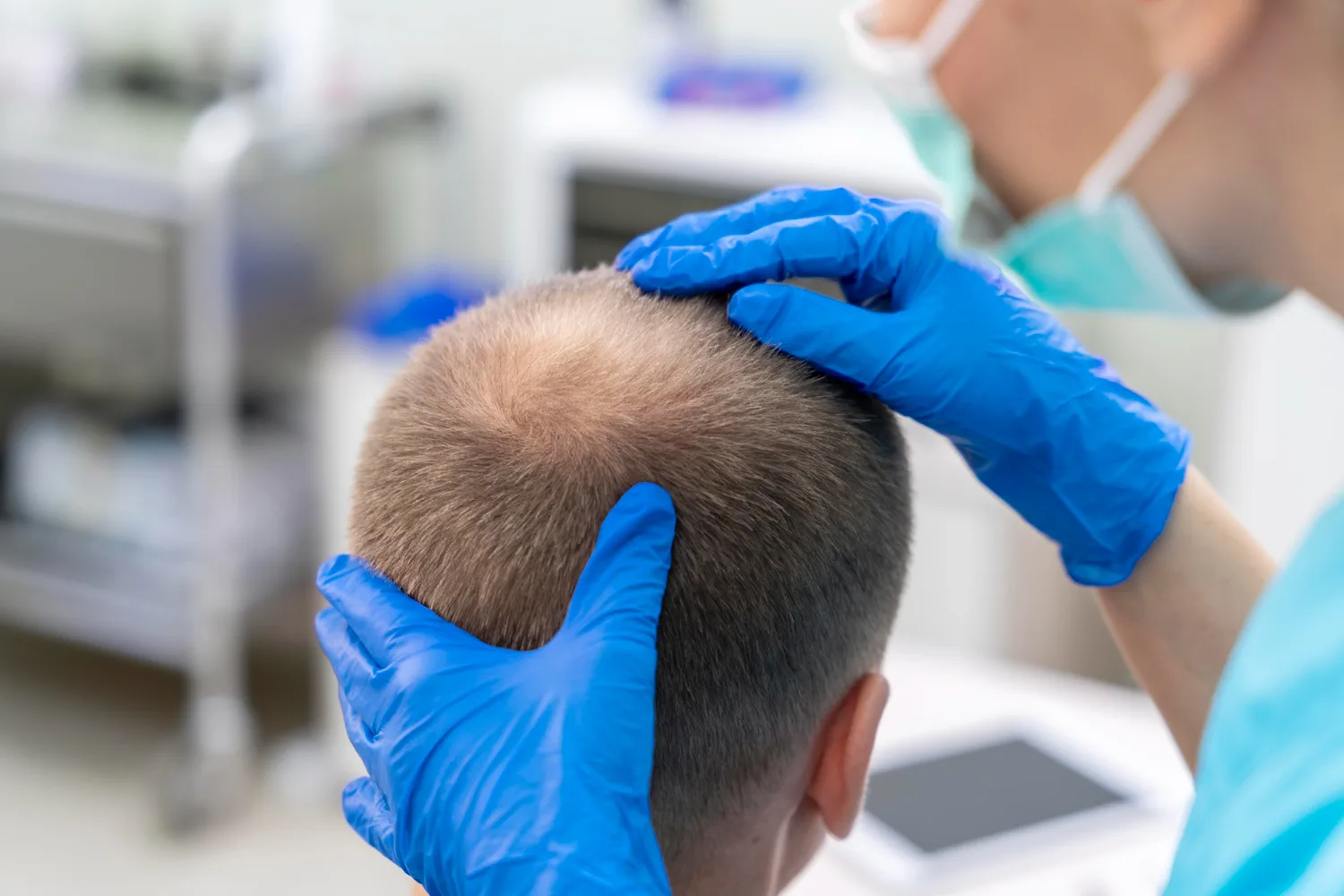
Donor hair evaluation assesses density, texture, and caliber at the back of the scalp. Surgeons measure follicles per square centimeter. They need at least 60 follicles per square centimeter for safe harvesting. They check hair curl and thickness. Coarse hair creates a fuller look. Fine hair looks more natural but requires more grafts. They evaluate the donor area size. Large sessions need more donor supply. Bernstein and Rassman (2005) noted that donor hair characteristics predict transplant success.
Local Anesthesia
Comfort matters during long procedures. Anesthesia keeps patients pain-free.
Local anesthesia numbs both the donor and recipient areas. Surgeons inject lidocaine with epinephrine. The epinephrine constricts blood vessels. This reduces bleeding during implantation. Patients remain awake throughout. They can listen to music or watch videos. The anesthesia lasts several hours. Surgeons may add more during lengthy sessions.
Extraction demands patience and skill. Each graft represents a precious resource.
Graft extraction removes individual follicles from the donor area. The surgeon uses a motorized or manual punch. They align the punch with hair exit angles. Incorrect alignment transects the follicle. Transected grafts cannot survive. Turkish surgeons maintain transection rates below five percent. They extract grafts in a scattered pattern. This prevents visible thinning in the donor zone. They place grafts in a sterile holding solution. The solution maintains graft viability.
Recipient Channel Creation
Channel creation shapes the final result. Direction, depth, and density all matter here.
Recipient channel creation involves making tiny incisions in the beard area. Surgeons use custom-cut blades or needles. They match blade width to graft size. Single-hair grafts need finer blades. Multi-hair grafts need wider channels. They create channels at the predetermined angles. They space channels according to density plans. The front beard line receives single hairs. The interior receives multi-hair grafts. Avram (2012) described this layering technique as essential for natural results.
Follicle Implantation
Implantation completes the surgical work. Technicians place each graft carefully.
Follicle implantation inserts each graft into its designated channel. Surgeons or technicians use forceps or implanter pens. They grasp the graft by the surrounding tissue. They never touch the hair bulb. They slide the graft into the channel. The graft should sit at skin level. Too deep placement causes buried grafts. Too shallow placement causes popping. The team works systematically across the face. They complete one zone before moving to the next.
Final Assessment
The surgeon reviews everything before the patient leaves. Quality control ensures success.
Final assessment includes checking graft placement, cleaning the area, and applying dressings. The surgeon counts implanted grafts. They verify angle consistency. They apply antibiotic ointment. They cover the donor area with a bandage. They give the patient post-operative instructions. They schedule follow-up appointments.
Why Is Natural Beard Design So Important?
Beard design separates amateur work from expert results. Natural appearance depends on planning.
Natural beard design is important because facial hair follows complex growth patterns. A beard transplant must look like the patient never had surgery. The hair should blend with any existing facial hair. The density should match ethnic norms. The shape should complement bone structure. Poor design creates obvious, artificial results. Expert Turkish surgeons spend up to an hour on design alone. They consider every aesthetic variable.
Hair Direction
Beard hair does not grow straight down. Each zone has a unique flow.
Hair direction varies across the face. Cheek hair angles outward at 20 to 30 degrees from the vertical. Mustache hair points downward and slightly away from the center. Chin hair flows forward. Surgeons must replicate these patterns. They map direction before creating channels. They adjust for individual variation. Some men have swirl patterns on the chin. Surgeons incorporate these naturally occurring features.
Growth Angle
The angle of hair emergence affects shadow and texture. Incorrect angles look unnatural.
Growth angle determines how hair catches light. Beard hair emerges at shallow angles on the cheek. It emerges more steeply on the chin. Surgeons create channels at matching angles. A steep angle on the cheek creates a bristly, artificial look. A shallow angle on the chin creates weak coverage. Turkish surgeons calibrate angles precisely. They use magnifying loupes for accuracy.
Density Planning
Too much density looks fake. Too little looks thin. Balance creates natural results.
Density planning distributes grafts according to facial zones and native hair presence. The beard center needs higher density. The edges need gradual tapering. Surgeons use the rule of thirds. They place the densest grafts in the central third. They decrease density toward the periphery. This mimics natural beard architecture. Parsley and Perez-Meza (2010) discussed density principles in hair restoration planning.
Facial Proportions
The beard frames the face. It must suit the underlying structure.
Facial proportions guide beard shape and size. A round face benefits from angular beard design. A long face benefits from horizontal fullness. Surgeons measure chin width and jaw angles. They design beards that enhance masculine features. They avoid designs that exaggerate facial asymmetries.
Ethnic and Facial Characteristics
Different ethnicities have different beard patterns. Surgeons must respect these variations.
Ethnic characteristics influence beard design significantly. Middle Eastern men often grow dense, curly beards. East Asian men may grow straighter, sparser beards. African men may have tightly coiled facial hair. Surgeons adapt extraction and implantation techniques. Curly hair requires careful angle control. The curl starts below the skin surface. Incorrect channel angles cause ingrown hairs.
What Makes Turkish Beard Transplant Clinics Attractive to International Patients?
Turkish clinics have refined the patient experience. They remove barriers for foreign visitors.
Turkish beard transplant clinics attract international patients through experienced teams, modern technology, accreditation, and comprehensive services. Clinics employ dedicated patient coordinators. They speak English, French, Arabic, and Spanish. They arrange every detail of the visit. Clinics invest in the latest surgical equipment. They maintain international safety standards. They provide transparent pricing. Patients know exactly what they receive.
Experienced Multidisciplinary Teams
Beard transplants require diverse skills. Surgeons, technicians, and nurses work together.
Experienced multidisciplinary teams include hair transplant surgeons, surgical technicians, nurses, and anesthesiologists. Surgeons lead the design and critical steps. Technicians assist with extraction and implantation. Nurses manage patient comfort and sterile fields. Some clinics include dermatologists. These specialists evaluate skin conditions. The team approach ensures efficiency. Large graft sessions require multiple skilled hands.
Modern Medical Technologies
Technology improves outcomes. Turkish clinics adopt innovations quickly.
Modern medical technologies in Turkish clinics include robotic extraction systems, sapphire blades, and high-resolution microscopes. Robotic systems assist with graft harvesting. They reduce human error. Sapphire blades create smoother recipient channels. These blades cause less tissue trauma. Digital microscopes help technicians sort grafts. They identify the healthiest follicles. Some clinics use platelet-rich plasma therapy. PRP boosts graft survival after implantation.
International Accreditation and Safety Standards
Safety concerns every patient. Accreditation verifies quality.
International accreditation ensures Turkish clinics meet global safety standards. Organizations like JCI and ISO certify many facilities. These certifications require rigorous inspections. Clinics must maintain sterile environments. They must track surgical outcomes. They must have emergency protocols. International patients should verify accreditation before booking. This verification provides peace of mind.
Comprehensive Consultation Process
Good results start with thorough planning. Consultations leave no detail unexplored.
Comprehensive consultation processes include digital imaging, facial mapping, and graft counting. Surgeons use software to simulate beard designs. Patients see potential results before surgery. The team discusses hairline shapes and density goals. They explain the recovery timeline. They address all questions. This thoroughness reduces misunderstandings.
Multilingual Patient Coordinators
Language barriers create anxiety. Coordinators bridge this gap.
Multilingual patient coordinators guide international patients through every step. They meet patients at the airport. They accompany them to the clinic. They translate medical instructions. They handle hotel and transport logistics. Patients feel supported throughout their journey. This service differentiates Turkish clinics from competitors.
Personalized Treatment Planning
Every face differs. Personalized plans address individual needs.
Personalized treatment planning tailors graft numbers, techniques, and designs to each patient. Surgeons do not use one-size-fits-all approaches. They consider age, facial shape, and hair characteristics. They plan for future hair loss. Younger patients may need conservative designs. Older patients may want fuller coverage. The plan adapts to these variables.
What Is Included in Medical Tourism Packages?
Turkish clinics offer all-inclusive packages. These packages simplify the entire experience.
Medical tourism packages typically include airport transfers, hotel accommodation, interpreter services, medications, aftercare kits, and follow-up consultations. Clinics arrange private transport from the airport. They book partner hotels near the clinic. They provide translators who speak the patient's language. They supply all necessary medications. They give aftercare kits with shampoo, lotion, and instructions. They schedule post-operative checkups. Some packages include online consultations after the patient returns home.
Airport Transfers
Travel after surgery feels stressful. Private transfers eliminate this worry.
Airport transfers include private car service between the airport, hotel, and clinic. A driver meets the patient at arrivals. They assist with luggage. They transport the patient directly to the hotel or clinic. After surgery, the driver returns the patient to the hotel. This door-to-door service ensures comfort.
Hotel Accommodation
Rest matters after transplantation. Hotels provide recovery-friendly environments.
Hotel accommodation in medical tourism packages includes stays at partner hotels. These hotels cater to post-surgical patients. They offer quiet rooms. They provide room service. They accommodate special dietary needs. Patients typically stay two to three nights. This allows for initial recovery and a post-operative checkup.
Interpreter Services
Clear communication prevents errors. Interpreters ensure understanding.
Interpreter services provide language support throughout the medical journey. Interpreters attend consultations. They translate surgical instructions. They assist during checkups. They help with non-medical needs like restaurant orders. Professional interpreters understand medical terminology. They convey precise meanings.
Medication and Aftercare Kits
Proper aftercare protects grafts. Kits provide everything patients need.
Medication and aftercare kits include antibiotics, pain relievers, anti-inflammatory drugs, saline spray, special shampoo, and sleeping pillows. Antibiotics prevent infection. Pain relievers manage discomfort. The saline spray keeps grafts moist. Special shampoo cleanses without dislodging grafts. Sleeping pillows prevent patients from rolling onto their face.
Post-Operative Follow-Up
Early monitoring catches issues quickly. Follow-ups ensure proper healing.
Post-operative follow-up includes clinic visits the day after surgery and several days later. Nurses check for infection signs. They clean the donor and recipient areas. They remove any bandages. They reinforce aftercare instructions. Surgeons assess graft placement. They address any concerns immediately.
Online Consultations After Returning Home
Distance should not prevent care. Online follow-ups maintain continuity.
Online consultations after returning home allow patients to communicate with their surgical team remotely. Patients send photos of their progress. Surgeons evaluate healing. They answer questions about shedding and growth. They adjust care recommendations. This remote support continues for months. Patients feel connected to their care team.
How Much Does a Beard Transplant Cost in Turkey?
Cost remains a major factor in destination choice. Turkey offers significant savings.
A beard transplant in Turkey costs significantly less than in Western Europe or North America. Prices vary based on graft numbers, technique, and surgeon experience. Patients should avoid choosing based solely on price. Quality and safety matter more than cost. Turkish clinics provide transparent quotes. These quotes include all package elements.
Which Factors Influence the Price?
Several variables affect the final cost. Patients should understand these factors.
The price of a beard transplant depends on graft numbers, technique choice, surgeon experience, clinic reputation, and package inclusions. More grafts require more time and resources. DHI costs more than standard FUE. Renowned surgeons charge premium rates. Established clinics with accreditation have higher prices. All-inclusive packages cost more than surgery-only options. Patients receive itemized breakdowns.
Why Are Costs Significantly Lower Than in Europe and North America?
Economic differences create price gaps. These gaps do not reflect quality differences.
Costs in Turkey remain lower than in Europe and North America because of lower overhead expenses and favorable exchange rates. Clinic rent in Istanbul costs less than in London or New York. Staff salaries align with local economics. Medical device import costs are similar globally. However, operational savings offset these expenses. Competition among hundreds of clinics keeps prices accessible. Patients receive identical graft quality.
Does Lower Cost Mean Lower Quality?
Price alone does not determine quality. Turkey proves this distinction.
Lower cost does not mean lower quality in Turkey. Turkish surgeons use the same techniques as European colleagues. They train at the same international conferences. They use identical equipment. The cost difference stems from economic factors, not skill gaps. Patients should still research thoroughly. Extremely low prices may indicate inexperienced staff or hidden fees. Mid-range prices from established clinics offer the best value.
|
Cost Factor
|
Turkey
|
Western Europe
|
North America
|
|
Graft extraction
|
Included
|
Per graft
|
Per graft
|
|
Surgeon fee
|
Lower
|
Higher
|
Highest
|
|
Facility fee
|
Lower
|
Higher
|
Higher
|
|
Anesthesia
|
Included
|
Extra
|
Extra
|
|
Aftercare
|
Included
|
Limited
|
Limited
|
|
Total estimate
|
$1,500–$4,000
|
$4,000–$10,000
|
$6,000–$15,000
|
How Long Does Recovery Take?
Recovery follows a predictable timeline. Patients should know what to expect at each stage.
Beard transplant recovery takes about 12 to 14 months for full results. Initial healing occurs within two weeks. Scabs fall off after 7 to 10 days. Transplanted hair sheds around weeks 2 to 4. New growth begins at month 3. Visible density appears by month 6. Final results mature by month 12. Patients must follow aftercare instructions carefully.
What Happens During the First Week?
The first week determines graft survival. Patients must protect the transplanted area.
During the first week, patients experience swelling, redness, and tiny scabs. Swelling peaks on day 2 or 3. It may spread to the eyelids. This is normal. Redness fades gradually. Small crusts form around each graft. Patients must not touch or pick these. They sleep with their head elevated. They avoid direct water pressure on the face.
When Do Scabs Fall Off?
Scabs protect grafts during initial healing. They detach naturally.
Scabs fall off after 7 to 10 days. Patients can gently rinse the area after day 3. They use saline spray as instructed. They avoid rubbing. The clinic typically removes remaining scabs at the one-week checkup. Forceful removal dislodges grafts. Patience prevents damage.
When Does Transplanted Hair Shed?
Shedding surprises many patients. It signals the start of new growth.
Transplanted hair sheds between weeks 2 and 4. This is called shock loss. The follicle enters a resting phase. The hair shaft falls out. The follicle remains alive beneath the skin. Shedding proves the graft has established blood supply. Patients should not panic. This phase is temporary and expected.
When Does New Beard Growth Begin?
New growth marks the exciting phase of transformation.
New beard growth begins around month 3. Fine, thin hairs emerge first. These initial hairs may look colorless or wispy. They gradually thicken and darken. By month 4 to 5, patients notice real coverage. The growth rate varies by individual. Some men see faster results than others.
When Are Final Results Visible?
Patience brings the ultimate reward. Full results take time.
Final results become visible after 12 to 14 months. By this time, the beard has reached mature density. Hair has thickened and darkened. The texture matches natural beard hair. Patients can trim and style freely. The result looks completely natural. Rassman et al. (2002) documented that hair transplant results continue maturing for over a year.
|
Recovery Phase
|
Timeline
|
What to Expect
|
|
Initial swelling
|
Days 1–3
|
Mild to moderate facial swelling
|
|
Scab formation
|
Days 3–7
|
Tiny crusts around grafts
|
|
Scab shedding
|
Days 7–10
|
Natural crust removal
|
|
Shock loss
|
Weeks 2–4
|
Transplanted hair falls out
|
|
Early growth
|
Months 3–4
|
Fine new hair emerges
|
|
Visible density
|
Months 6–8
|
Noticeable coverage
|
|
Final results
|
Months 12–14
|
Mature, natural beard
|
What Should Patients Expect After Surgery?
Knowing normal symptoms reduces anxiety. Patients should distinguish healing from complications.
After surgery, patients should expect swelling, redness, temporary shedding, itching, and sensitivity. These symptoms represent normal healing. They resolve within days to weeks. Complications like infection show different patterns. Patients must recognize warning signs. They must contact their clinic if severe pain, pus, or fever develops.
Swelling
Swelling affects most patients. It peaks quickly and then fades.
Swelling occurs as the body responds to surgical trauma. Fluid accumulates in facial tissues. The swelling typically peaks 48 hours after surgery. It may descend to the eyelids. This looks dramatic but resolves within a week. Cold compresses and head elevation reduce swelling.
Redness
Redness indicates increased blood flow to healing tissue. It fades gradually.
Redness appears in both the donor and recipient areas. The donor area shows diffuse pinkness. The recipient area shows pinpoint redness at each graft site. This resembles mild sunburn. Redness fades within 10 to 14 days. Some patients with fair skin notice lingering pinkness for several weeks.
Temporary Shedding
Shedding confuses patients who expect immediate growth. Education prevents panic.
Temporary shedding affects nearly all transplanted hairs. The follicle shifts into the telogen phase. The hair shaft detaches. The follicle prepares for new growth. This process lasts a few weeks. New anagen hairs emerge later. Patients must trust the process.
Itching
Itching signals healing. Patients must resist scratching.
Itching develops as scabs form and skin heals. It peaks during days 3 to 7. Scratching dislodges grafts and introduces bacteria. Patients use prescribed saline spray. They pat the area gently if needed. Antihistamines help severe cases.
Sensitivity
The face feels tender after surgery. This sensitivity resolves naturally.
Sensitivity affects the recipient area. Touch feels uncomfortable. Shaving remains prohibited for several weeks. Patients avoid tight clothing that rubs the face. They sleep on their back. Sensitivity decreases significantly after two weeks.
Normal Healing Milestones
Tracking progress helps patients stay positive. Milestones mark successful recovery.
Normal healing milestones include scab shedding by day 10, swelling resolution by day 7, and shock loss by week 4. New growth starts at month 3. Density improves by month 6. Full results appear by month 12. Patients who follow aftercare instructions reach these milestones predictably.
What Are the Benefits of Beard Transplantation?
Beard transplants offer lasting advantages. These benefits extend beyond appearance.
The benefits of beard transplantation include permanent facial hair restoration, natural appearance, improved facial balance, better styling flexibility, and long-term confidence improvement. The results last a lifetime. Patients style their beard any way they choose. They no longer hide patchy areas. They feel more masculine and self-assured.
Permanent Facial Hair Restoration
Unlike temporary solutions, transplants offer permanence.
Permanent facial hair restoration eliminates the need for daily concealers or fibers. The transplanted follicles live indefinitely. They cycle through normal hair growth phases. Patients enjoy consistent coverage year after year. No repeat procedures are necessary for the transplanted area.
Natural Appearance
Expert technique creates undetectable results.
Natural appearance depends on proper angle, direction, and density planning. Skilled Turkish surgeons place single hairs at the edge. They layer multi-hair grafts internally. The beard grows and moves like native facial hair. Observers cannot distinguish transplanted from natural hair.
Improved Facial Balance
Facial hair shapes perception. A fuller beard enhances masculine proportions.
Improved facial balance comes from framing the jaw and chin. A well-designed beard makes the face look more angular. It can minimize a double chin. It can strengthen a weak jawline. It creates visual symmetry. These aesthetic improvements enhance overall attractiveness.
Better Styling Flexibility
Patchy beards limit styling options. Full beards allow creativity.
Better styling flexibility means patients can choose any beard style. They grow a full beard, goatee, or designer stubble. They can trim sharp lines. They can fade the edges. They are no longer constrained by bald patches. This freedom increases grooming enjoyment.
Long-Term Confidence Improvement
The psychological impact lasts decades. Confidence affects every life domain.
Long-term confidence improvement represents the most valuable benefit. Men feel more comfortable in social situations. They participate more actively in professional meetings. They take more photos. They feel more attractive to partners. This confidence boost justifies the investment for most patients.
Are There Any Risks or Limitations?
Every surgery carries risks. Patients must understand these before proceeding.
Beard transplants carry risks including infection, folliculitis, uneven density, poor graft survival, and temporary numbness. These risks remain low with qualified surgeons. Patients must choose experienced practitioners. Limitations include finite donor hair and the need for realistic expectations. Surgeons cannot create unlimited density.
Infection
Infection threatens any surgical site. Prevention matters most.
Infection occurs when bacteria enter recipient channels. Signs include increasing redness, warmth, pus, and fever. Turkish clinics prevent infection through sterile technique and prophylactic antibiotics. Patients must keep the area clean. They must avoid touching with unwashed hands. Early detection allows prompt treatment.
Folliculitis
Inflamed follicles cause discomfort. This condition usually resolves with care.
Folliculitis presents as small pimples around transplanted hairs. It develops when new hairs pierce the skin. It affects some patients at month 2 to 3. Warm compresses help. Severe cases need topical antibiotics. The condition resolves without long-term damage.
Uneven Density
Poor planning creates patchy results. Expert design prevents this issue.
Uneven density results from improper graft distribution. Novice surgeons may place grafts too far apart. They may create visible gaps. Experienced Turkish surgeons plan density meticulously. They account for graft survival rates. They place extra grafts in critical zones.
Poor Graft Survival
Not every graft survives. Surgeons must maximize survival rates.
Poor graft survival occurs when grafts fail to establish blood supply. Dehydration, rough handling, or poor placement cause failure. Top clinics achieve survival rates above 90 percent. They use proper holding solutions. They implant quickly. They avoid overcrowding.
Temporary Numbness
Nerve irritation causes numbness. This symptom resolves over time.
Temporary numbness affects the donor and recipient areas. Local anesthesia and surgical manipulation irritate superficial nerves. Numbness lasts weeks to months. Sensation returns gradually. Permanent numbness is extremely rare.
Importance of Choosing Qualified Surgeons
Surgeon selection determines outcome quality. Patients must research carefully.
Choosing qualified surgeons reduces all risks significantly. Patients should verify credentials. They should review before-and-after galleries. They should read independent reviews. They should ask about the surgeon's specific beard transplant experience. General cosmetic surgeons may lack specialized hair restoration training. Board certification in hair surgery indicates advanced expertise.
How Can Patients Choose the Right Beard Transplant Clinic in Turkey?
Research prevents disappointment. Patients must evaluate multiple factors.
Patients can choose the right beard transplant clinic in Turkey by verifying surgeon credentials, reviewing before-and-after photos, reading verified patient reviews, evaluating consultation transparency, confirming aftercare services, and understanding realistic expectations. Patients should avoid clinics that pressure them. They should avoid deals that seem too good to be true. They should prioritize surgeon skill over price.
Verify Surgeon Credentials
Credentials prove training and competence. Patients should demand proof.
Patients verify surgeon credentials by checking medical licenses, board certifications, and training history. They should confirm the surgeon specializes in hair restoration. They should ask how many beard transplants the surgeon performs monthly. High volume indicates experience. They should verify membership in professional societies like the ISHRS.
Review Before-and-After Photos
Photos demonstrate surgical skill. They reveal consistency and artistry.
Patients should review before-and-after photos from the specific surgeon. They should look for natural results. They should check for consistent quality across many patients. They should ensure photos show similar cases to their own. They should ask for unedited photos if possible.
Read Verified Patient Reviews
Reviews reveal the patient experience. They expose potential red flags.
Patients should read verified reviews on independent platforms. They should look for patterns. Multiple complaints about the same issue signal problems. They should contact previous patients if possible. Direct conversations provide honest insights.
Evaluate Transparency During Consultation
Honest clinics educate patients. They do not oversell.
Patients should evaluate whether the clinic explains risks and limitations. Transparent clinics discuss realistic graft numbers. They show honest photos. They do not promise miracles. They explain why certain results may not be achievable. This honesty builds trust.
Confirm Aftercare Services
Aftercare determines long-term success. Patients need ongoing support.
Patients should confirm what aftercare services the clinic provides. They should ask about emergency contact availability. They should understand the follow-up schedule. They should confirm online consultation availability. Comprehensive aftercare indicates a patient-centered approach.
Understand Realistic Expectations
Expectations shape satisfaction. Patients must know what surgery can and cannot achieve.
Patients should understand that beard transplants improve density but cannot create perfect symmetry. They should know that results take a full year. They should understand that donor hair limits total graft numbers. Surgeons cannot implant unlimited density. Realistic expectations lead to happy outcomes.
Frequently Asked Questions About Beard Transplants
Patients ask common questions before committing to surgery. Clear answers reduce anxiety.
Is a Beard Transplant Painful?
No, a beard transplant is not painful during the procedure. Local anesthesia numbs the area completely.
Patients feel pressure but no sharp pain during surgery. Post-operative discomfort feels mild. Most patients manage it with over-the-counter pain relievers. The face feels tender for a few days. This discomfort resolves quickly.
Can Transplanted Beard Hair Be Shaved?
Yes, transplanted beard hair can be shaved. It behaves exactly like natural beard hair.
Patients can shave, trim, and style transplanted hair. The hair grows continuously. It requires regular grooming. Shaving does not damage the follicles. The hair grows back normally.
Will the Transplanted Beard Continue Growing?
Yes, the transplanted beard will continue growing throughout the patient's lifetime.
The transplanted follicles maintain their growth cycle. They produce hair indefinitely. Patients treat them like native beard hair. They grow at the same rate. They have the same texture.
How Many Grafts Are Usually Required?
Most beard transplants require between 1,000 and 3,000 grafts. The exact number depends on the treatment area.
A mustache needs 300 to 600 grafts. A goatee needs 400 to 800 grafts. A full beard needs 2,000 to 4,000 grafts. Surgeons evaluate each patient individually. They recommend precise numbers during consultation.
Can Beard Transplants Cover Scars?
Yes, beard transplants can cover scars from acne, burns, surgery, or trauma.
Surgeons implant grafts directly into scarred tissue. They may use lower density in scarred areas. This improves graft survival. The transplanted hair camouflages the scar. It blends with surrounding beard hair.
Can Smokers Undergo Beard Transplantation?
Smokers can undergo beard transplantation, but they face higher risks. Nicotine constricts blood vessels.
Reduced blood flow decreases graft survival. Surgeons strongly recommend quitting smoking before surgery. Patients should stop at least two weeks prior. They should avoid smoking during recovery. This precaution maximizes results.
Is There an Ideal Age for Beard Transplantation?
There is no strict ideal age, but most surgeons prefer patients over 25.
Men under 25 may still develop natural beard density. Surgeons avoid premature transplantation. Older patients benefit equally. Surgeons evaluate beard growth patterns and donor hair quality. Age matters less than overall health and realistic expectations.
How Soon Can I Return to Work?
Most patients return to work within 3 to 5 days. Recovery depends on the nature of the job.
Office workers can return quickly. Physical laborers may need a week. Swelling and redness may be visible for several days. Patients who interact with the public may prefer a week off. Remote workers can resume within a day or two.
Can I Exercise After Surgery?
Patients should avoid strenuous exercise for at least two weeks.
Exercise increases blood pressure. This risks bleeding and graft displacement. Light walking is acceptable after a few days. Patients should avoid heavy lifting and intense cardio. They should avoid contact sports for a month. Surgeons provide specific timelines.
Will the Beard Look Completely Natural?
Yes, a well-performed beard transplant looks completely natural.
Expert surgeons match hair direction, angle, and density. The transplanted hair blends with existing hair. No one can detect the surgery. The results appear as if the patient always had a full beard. Skill and artistry determine this naturalness.
Conclusion: Why Is Turkey One of the World's Leading Destinations for Beard Transplants?
Turkey has earned its position through expertise, infrastructure, and value.
Turkey leads the world in beard transplants because of decades of experience, high surgical volumes, advanced technology, and competitive pricing. Turkish surgeons perform more facial hair restorations than surgeons in any other country. This volume creates unmatched skill. Clinics invest in modern equipment. They maintain international safety standards. Medical tourism packages remove logistical barriers. Patients receive comprehensive care from arrival to departure.
However, patients must prioritize surgeon expertise over price alone. The cheapest option rarely provides the best results. Experienced surgeons with transparent practices deliver superior outcomes. They provide personalized treatment planning. They offer comprehensive aftercare. They set realistic expectations.
Long-term outcomes depend on proper technique and patient compliance. Patients who follow aftercare instructions achieve excellent results. They enjoy permanent, natural-looking facial hair. They experience improved confidence and facial balance.
Men considering beard transplantation should research thoroughly. They should choose clinics with proven track records. They should verify surgeon credentials. They should review extensive before-and-after galleries. Turkey offers exceptional opportunities for facial hair restoration. The right clinic transforms these opportunities into life-changing results.
References
Avram, Marc R. "Hair Transplantation for Men and Women." Seminars in Cutaneous Medicine and Surgery, vol. 31, no. 2, 2012, pp. 116–122.
Barber, Nigel. "The Evolutionary Psychology of Physical Attractiveness: Sexual Selection and Human Morphology." Ethology and Sociobiology, vol. 16, no. 5, 1995, pp. 395–424.
Bernstein, Robert M., and William R. Rassman. "The Logic of Follicular Unit Transplantation." Dermatologic Clinics, vol. 23, no. 3, 2005, pp. 413–425.
Dixson, Barnaby J., and Robert C. Brooks. "The Role of Facial Hair in Women's Perceptions of Men's Attractiveness, Health, Masculinity and Parenting Abilities." Evolution and Human Behavior, vol. 34, no. 3, 2013, pp. 236–241.
Garg, Anil K., and Seema Garg. "Techniques of Hair Transplantation: A Review." Journal of Cutaneous and Aesthetic Surgery, vol. 10, no. 3, 2017, pp. 129–138.
Horvath, Jennifer. "Medical Tourism: A Review." Journal of Medical Tourism, vol. 1, no. 1, 2013, pp. 1–8.
Lunt, Neil, and Pereira Carrera. "Medical Tourism: Assessing the Evidence on Treatment Abroad." Maturitas, vol. 66, no. 1, 2010, pp. 27–32.
Marzola, Mario. "Single-Hair Follicular Unit Transplantation for Hairline Restoration." Dermatologic Surgery, vol. 31, no. 8, 2005, pp. 949–951.
Parsley, William M., and David Perez-Meza. "Review of Factors in the Selection of Donor Sites for Hair Transplantation." Journal of Dermatological Treatment, vol. 21, no. 3, 2010, pp. 160–163.
Rassman, William R., et al. "Follicular Unit Extraction: Minimally Invasive Surgery for Hair Transplantation." Dermatologic Surgery, vol. 28, no. 8, 2002, pp. 720–728.
Rose, Paul T. "The Latest Innovations in Hair Transplantation." Journal of Cutaneous and Aesthetic Surgery, vol. 4, no. 2, 2011, pp. 67–72.
Unger, Walter P., and Ronald Shapiro. Hair Transplantation. Marcel Dekker, 2004.