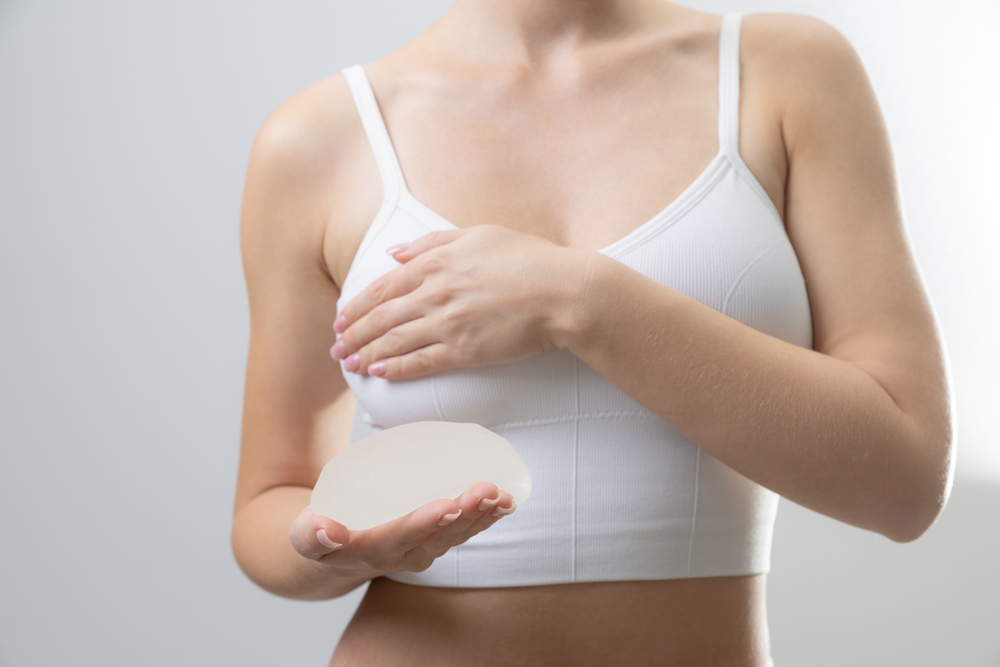
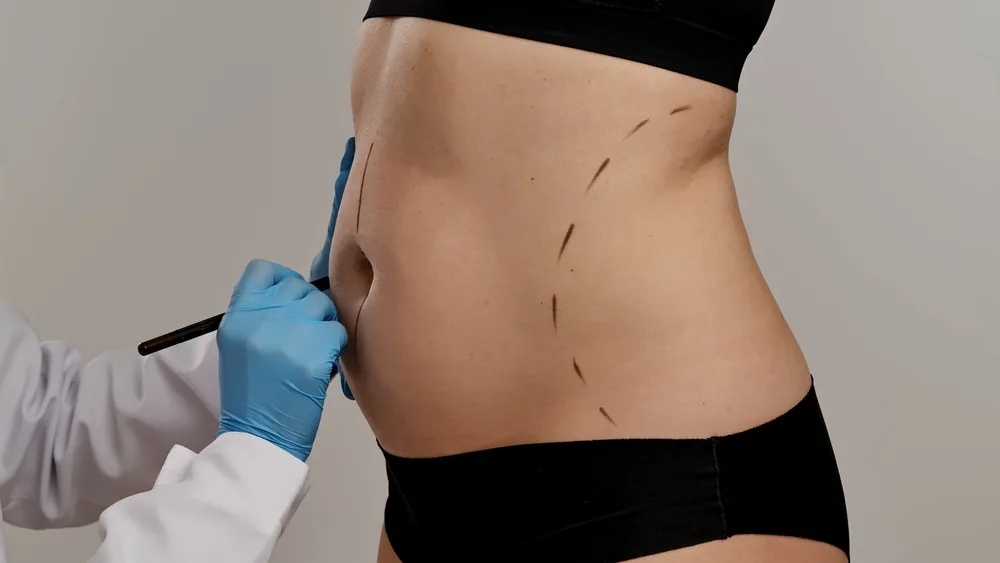
Recovery from breast augmentation takes six to twelve months. Most patients resume light activities within one to two weeks. Final results emerge gradually as swelling subsides and implants settle.
Breast augmentation recovery covers the entire healing period after a surgeon places breast implants. This period matters just as much as the surgery itself. The body needs time to adapt to the implants, heal incisions, and restore normal tissue function. Several factors shape how quickly a patient heals. These factors include implant placement above or below the muscle, implant type and size, incision location, individual health status, smoking habits, age, nutrition, and the specific surgical technique the surgeon uses. Most patients follow a predictable recovery pattern. However, individual experiences vary. Some patients heal faster. Others need more time. This article outlines the complete recovery timeline from day one through one year. It also explains normal symptoms, pain management strategies, activity guidelines, warning signs, and long-term expectations.
Patients wake up in a recovery room. Medical staff monitor vital signs and pain levels. Most patients go home the same day with a caregiver.
The immediate postoperative period sets the foundation for the entire recovery. Anesthesia wears off gradually. Patients feel groggy and tired. The chest feels tight and heavy. This tightness is normal. The surgeon has created space for the implants. The surrounding tissue reacts to this change. Patients should arrange transportation before surgery. Driving after anesthesia is unsafe. A responsible adult must stay with the patient for at least twenty-four hours.
How Is the Recovery Room Experience Managed?
Nurses monitor blood pressure, heart rate, and oxygen levels. They check incision sites and implant position. Patients receive discharge instructions before leaving.
Medical staff watch patients closely after surgery. They manage nausea and pain with medications. They ensure the patient can drink fluids and stay awake. The surgeon or nurse reviews wound care instructions. They also provide prescriptions for pain medication and antibiotics. Patients must understand these instructions before discharge. Clear communication reduces anxiety and prevents complications (Tebbetts 2002).
What Occurs During the First 24 Hours?
Patients experience pain, chest tightness, swelling, bruising, and fatigue. Arm movement feels limited. Rest remains essential.
The first twenty-four hours challenge many patients. The chest feels tight because the skin and muscle stretch to accommodate the implants. Pain levels vary. Some patients describe the sensation as pressure rather than sharp pain. Swelling begins immediately. Bruising may appear around the breasts and upper chest. Fatigue is common. The body has undergone trauma. It directs energy toward healing. Patients should take medications on schedule. They should not wait for severe pain before taking the next dose.
What Is Normal During the First Day?
Temporary breast firmness, high implant position, mild drainage, and surgical dressings are all normal.
Patients often worry when implants sit high on the chest. This high position is completely normal. Gravity and muscle relaxation will lower the implants over time. The dressings may show slight drainage. Clear or pink-tinged fluid is expected. Heavy bleeding is not. The surgical bra or bandage provides compression and support. Patients should not remove these dressings unless the surgeon instructs them to do so.
What Does the Breast Augmentation Recovery Timeline Look Like?
Recovery follows a week-by-week pattern. Early days require rest. Weeks two and three bring improved mobility. Months two through three show major cosmetic changes. Final results appear after six to twelve months.
The breast augmentation recovery timeline helps patients set realistic expectations. Healing does not happen overnight. It progresses through distinct stages. Each stage brings new improvements and new challenges. Understanding this timeline reduces anxiety and helps patients plan their return to work and exercise.
What Should Patients Expect During Days 1 to 3?
Patients should rest, walk short distances, take medications on schedule, drink plenty of water, and wear compression garments.
The first three days demand patience. Patients should sleep and rest as much as possible. However, complete bed rest is not ideal. Short walks around the house promote blood circulation. Walking reduces the risk of blood clots. Patients should take antibiotics and pain medications exactly as prescribed. Hydration supports healing and helps flush anesthesia from the body. Compression garments or surgical bras reduce swelling and keep implants in position (Stevens et al. 2006).
What Happens During Week 1?
Pain begins improving. Swelling reaches its peak. Bruising starts fading. Patients attend their first follow-up appointment. The surgeon may remove drains.
Week one brings noticeable changes. Pain typically decreases each day. Many patients switch from prescription pain medication to over-the-counter options by day five or six. Swelling usually peaks around day three or four. After this peak, it gradually subsides. Bruising changes color from purple to yellow. The first follow-up visit allows the surgeon to check incisions and implant position. If the surgeon placed drains, they often remove them during this visit.
What Changes Occur During Weeks 2 to 3?
Mobility increases. Many patients return to desk work. Comfort improves significantly. Swelling continues to decrease.
Patients feel much better during weeks two and three. They can raise their arms more easily. Daily activities like showering and dressing become less difficult. Most patients return to office jobs during this period. However, patients should still avoid lifting anything heavy. The breasts may feel itchy as nerves begin to heal. This itching signals tissue repair. Patients should not scratch the incision sites.
What Improvements Happen During Weeks 4 to 6?
Surgeons often approve light exercise. Scars begin maturing. Implants start settling into a more natural position.
Week four marks a turning point for many patients. Surgeons typically clear patients for light cardiovascular exercise. Walking and lower-body workouts are usually safe. Patients should still avoid chest exercises and heavy lifting. Scar tissue begins forming. The incisions may look pink or red. This coloration is normal. Implants begin the early stages of settling. The upper chest looks less full. The lower pole gains more volume.
What Develops During Months 2 to 3?
The drop and fluff process becomes visible. Breasts look more natural. Sensation improves.
Months two and three bring exciting cosmetic changes. The drop and fluff process transforms the breast shape. Implants descend into a lower, more natural position. The lower breast tissue softens and expands. This creates a rounder, more natural contour. Nipple sensation often returns during this period. Some patients experience temporary hypersensitivity. Others notice gradual numbness fading. The breasts look less artificial and more integrated with the body.
What Finalizes During Months 6 to 12?
The breasts reach their final shape. Scars mature and fade. Implants stabilize completely. Long-term healing concludes.
The six-to-twelve-month period completes the breast augmentation healing process. Scars fade from red to pale pink or white. They become flat and less noticeable. The breast tissue fully adapts to the implants. The capsule, a natural layer of scar tissue around the implant, stabilizes. Patients can evaluate their final results. They should attend all scheduled follow-up visits during this time. Regular monitoring ensures long-term implant health (Cunningham 2007).
What Symptoms Are Normal During Recovery?
Pain, swelling, bruising, tightness, numbness, itching, and mild asymmetry are all normal parts of healing.
Patients often worry about symptoms after breast augmentation. Most postoperative symptoms are completely normal. The body responds to surgery with inflammation and tissue repair. Recognizing normal symptoms helps patients avoid unnecessary panic.
Is Pain and Tenderness Normal?
Yes. Pain and tenderness are expected. They usually peak during the first three days and improve steadily.
Pain after breast augmentation varies by patient. Some describe it as pressure. Others feel muscle soreness similar to an intense workout. The pain typically responds well to medication. Patients should communicate openly with their surgeon about pain levels. Uncontrolled pain can increase stress and slow healing. Proper pain management supports faster recovery (Hidalgo 2000).
Is Swelling Expected?
Yes. Swelling is a normal inflammatory response. It peaks early and resolves over several months.
Swelling after breast augmentation is universal. The body sends fluid to the surgical area to deliver nutrients and immune cells. This swelling makes the breasts look larger than the final size. Patients should not judge their final results during the early weeks. Swelling takes time to resolve. Sleeping with the upper body elevated helps reduce fluid accumulation.
Does Bruising Occur?
Yes. Bruising around the breasts, chest, and sometimes upper arms is common.
Bruising results from small blood vessels breaking during surgery. The discoloration spreads as gravity pulls blood downward. Bruising usually appears within two days after surgery. It changes from dark purple to green to yellow. Most bruising disappears within two to three weeks. Arnica supplements may help some patients, but they should ask their surgeon before taking any new supplements.
Is Chest Tightness Common?
Yes. Chest tightness is very common, especially with submuscular placement.
The tightness comes from skin and muscle stretching. Submuscular placement, where the surgeon places implants under the pectoral muscle, causes more tightness. The muscle must relax and accommodate the implant. This process takes weeks. Deep breathing exercises help. Patients should take slow, deep breaths several times per day. This practice prevents shallow breathing and maintains lung capacity.
Are Numbness and Sensitivity Changes Normal?
Yes. Temporary numbness or increased sensitivity in the nipples and breast skin is normal.
Nerve stretching during surgery causes temporary numbness. Some nerves recover within weeks. Others need months. A small percentage of patients experience permanent numbness in isolated areas. Nipple sensitivity may increase, decrease, or fluctuate. These changes usually stabilize within six months. Patients should report any burning or severe pain to their surgeon.
Is Itching Part of Healing?
Yes. Itching indicates nerve regeneration and tissue repair.
Itching often begins during week two or three. It signals that the incision and surrounding tissue are healing. Patients should not scratch the incisions. Scratching can introduce bacteria and damage the wound. Applying moisturizer around the incision area helps. Patients must wait until the surgeon clears them before applying anything directly to the incision.
Is Mild Asymmetry Normal Early On?
Yes. Mild asymmetry during early healing is completely normal.
No two breasts heal at exactly the same speed. One breast may swell more than the other. One implant may settle faster. This temporary asymmetry worries many patients. However, it usually resolves as healing progresses. Patients should take photos weekly to track changes. If asymmetry persists after six months, the surgeon can evaluate the cause.
How Can Pain Be Managed After Breast Augmentation?
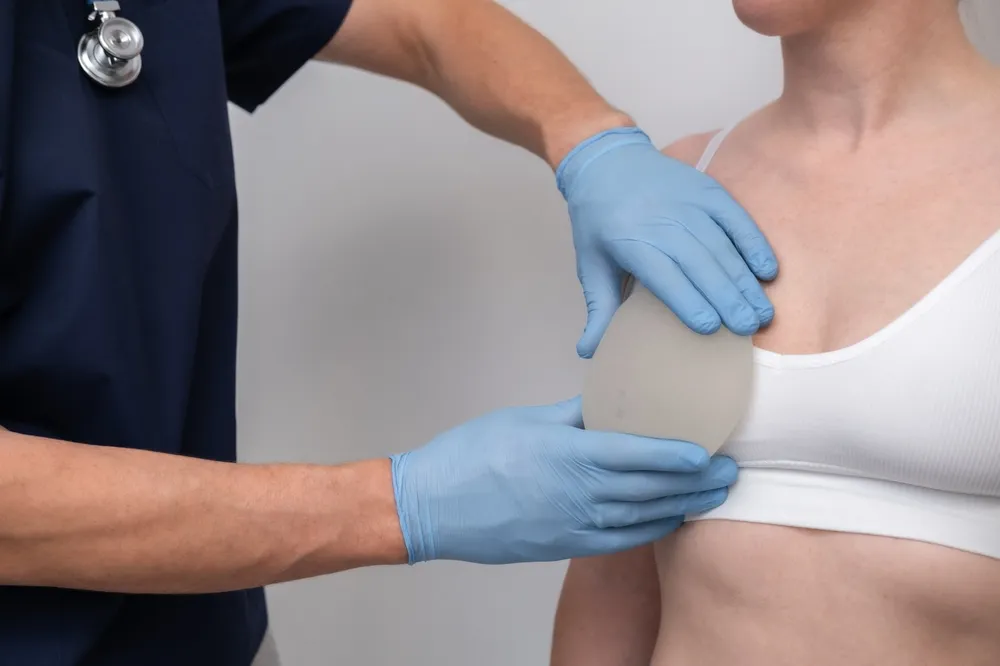
Patients manage pain through prescription medications, over-the-counter drugs, cold compresses, proper sleeping positions, surgical bras, and activity modification.
Effective pain management improves the breast augmentation recovery experience. Patients should not try to endure severe pain without medication. Unmanaged pain raises blood pressure and increases bleeding risk. A multimodal approach works best.
What Prescription Medications Help?
Surgeons typically prescribe opioid pain relievers and muscle relaxants for the first week.
Prescription pain medications provide strong relief during the early days. Patients should take them exactly as directed. They should not skip doses to "save" medication. Consistent pain control works better than chasing severe pain. Muscle relaxants help patients with submuscular implants. These medications reduce muscle spasms and tightness. Patients should avoid alcohol while taking prescription pain medications.
When Can Patients Switch to Over-the-Counter Pain Relief?
Most patients switch to acetaminophen or ibuprofen within five to seven days.
Over-the-counter pain relievers provide sufficient relief after the first week. Acetaminophen reduces pain without increasing bleeding risk. Ibuprofen reduces both pain and inflammation. However, some surgeons prefer patients avoid ibuprofen early on because it may increase bleeding. Patients should follow their surgeon's specific recommendations. Never mix multiple pain medications without medical approval.
Do Cold Compresses Reduce Pain?
Yes. Cold compresses reduce swelling and numb pain signals.
Cold therapy constricts blood vessels. This reduces swelling and decreases nerve activity. Patients should apply cold compresses for fifteen to twenty minutes at a time. They should place a cloth barrier between the ice pack and the skin. Direct contact can cause frostbite. Patients should avoid placing ice directly on the incision. Cold compresses work best during the first seventy-two hours.
How Does Sleeping Position Affect Pain?
Sleeping elevated on the back reduces chest pressure and minimizes swelling.
Sleeping position directly impacts pain levels. Elevating the upper body at thirty to forty-five degrees reduces fluid buildup. It also prevents patients from rolling onto their sides or stomach. Back sleeping keeps weight off the breasts. Patients should arrange pillows to support this position. A wedge pillow works well. Proper sleeping position is one of the most effective breast augmentation recovery tips.
How Does a Surgical Bra Help?
A surgical bra provides compression, supports implants, and reduces movement-related pain.
Surgical bras are not optional. They stabilize the breasts and minimize painful movement. The compression reduces swelling and promotes proper implant positioning. Patients should wear the surgical bra continuously during early recovery. They should only remove it for showering unless instructed otherwise. The surgeon will advise when patients can switch to a regular soft bra.
How Does Activity Modification Reduce Pain?
Avoiding sudden movements, heavy lifting, and overhead reaching prevents pain spikes.
Every movement affects the chest after surgery. Patients should move slowly and deliberately. They should not reach for high shelves. They should not push, pull, or lift heavy objects. Activity modification prevents strain on healing tissue. It also reduces the risk of bleeding and implant displacement. Planning ahead helps patients avoid unnecessary movement.
How Should You Sleep After Breast Augmentation?
Patients should sleep on their backs with the upper body elevated for at least two to four weeks. Side sleeping becomes safe around four to six weeks. Stomach sleeping may resume after eight to twelve weeks.
Sleeping after breast augmentation requires adjustments. The wrong position increases pain, swelling, and complication risk. The right position supports healing and comfort.
Why Should Patients Sleep Elevated?
Elevation reduces swelling, improves circulation, and prevents fluid accumulation.
Sleeping with the head and upper back elevated uses gravity to drain fluid away from the chest. This position reduces morning swelling and stiffness. It also makes getting in and out of bed easier. Patients slide out of bed rather than sitting up directly. This movement avoids straining the chest muscles.
Why Is Back Sleeping Recommended?
Back sleeping keeps pressure off the breasts and implants.
Back sleeping distributes weight evenly. It prevents direct pressure on the incisions. It also keeps implants in the correct position while the capsule forms. Patients who normally sleep on their sides or stomachs may struggle initially. Body pillows can help. Placing pillows under the arms prevents rolling. Some patients use pregnancy pillows for full-body support.
When Is Side Sleeping Safe?
Most surgeons approve side sleeping after four to six weeks.
Side sleeping places pressure on one breast. This pressure can cause discomfort and affect implant position early on. After four to six weeks, the initial healing phase has passed. Patients can try side sleeping with a pillow supporting the chest. If they feel pain or pressure, they should return to back sleeping. Every patient heals at a different rate.
When Can Stomach Sleeping Resume?
Stomach sleeping may resume after eight to twelve weeks, depending on comfort.
Stomach sleeping applies direct pressure to both breasts. This position is the most restrictive after breast augmentation. Patients should wait until implants have settled and incisions have healed. They should start with short periods and assess comfort. If they experience pain or tightness, they should wait longer.
What Activities Should You Avoid During Recovery?
Patients should avoid heavy lifting, upper body exercise, running, swimming, driving initially, smoking, alcohol, and underwire bras.
Activity restrictions protect healing tissue and implants. Ignoring these restrictions increases complication risk. Patients should understand each restriction and follow it carefully.
Why Should Patients Avoid Heavy Lifting?
Heavy lifting strains chest muscles, increases blood pressure, and risks bleeding or implant displacement.
Surgeons typically restrict lifting anything heavier than five to ten pounds for at least four to six weeks. This restriction includes grocery bags, laundry baskets, and small children. Lifting engages the pectoral muscles. These muscles directly affect submuscular implants. Straining can cause bleeding, increased pain, or implant malposition.
Why Should Patients Avoid Upper Body Exercise?
Chest and shoulder exercises stress healing tissue and disrupt implant positioning.
Push-ups, pull-ups, chest presses, and overhead presses are off-limits for six to eight weeks. These exercises engage the pectoral muscles intensely. Early exercise can cause bleeding, implant displacement, and delayed healing. Patients should wait for surgical clearance before resuming upper body workouts.
Why Should Patients Avoid Running?
Running creates bouncing motion that strains breast tissue and causes pain.
High-impact sports like running jar the breasts. This bouncing motion is painful during early recovery. It also stresses the incisions and implant pockets. Patients should wait six to eight weeks before running. When they resume, they should wear a supportive sports bra. They should start with walking and gradually increase intensity.
Why Should Patients Avoid Swimming?
Swimming pools, hot tubs, and baths introduce bacteria and submerge incisions.
Submerging incisions in water increases infection risk. Chlorine and chemicals irritate healing tissue. Hot tubs are especially dangerous because heat expands blood vessels and increases swelling. Patients should take showers only until incisions fully close. Most surgeons allow swimming after six to eight weeks.
When Can Patients Resume Driving?
Most patients can drive after five to seven days, but only after stopping prescription pain medication.
Driving requires full alertness and the ability to turn the steering wheel. Prescription pain medications impair reaction time. Patients must stop taking opioids before driving. They should also test their range of motion. If turning the wheel causes pain, they should wait longer. Airbag deployment could also injure healing breasts.
Why Should Patients Avoid Smoking and Alcohol?
Smoking reduces blood flow and oxygen delivery. Alcohol increases bleeding risk and interacts with medications.
Nicotine constricts blood vessels. This reduces oxygen and nutrient delivery to healing tissue. Smokers face higher infection rates, slower healing, and worse scarring. Alcohol thins the blood and increases bleeding risk. It also interacts dangerously with pain medications. Patients should avoid both for at least four weeks before and after surgery (Spear and Schwarz 2009).
Why Should Patients Avoid Underwire Bras Early?
Underwire bras irritate incisions and disrupt implant positioning.
Underwire bras place pressure along the incision line. This pressure can cause irritation, delayed healing, and abnormal scarring. The wire also restricts natural implant settling. Patients should wear soft, wireless surgical bras or sports bras. Most surgeons allow underwire bras after eight to twelve weeks.
When Can You Return to Normal Daily Activities?
Patients can walk immediately, return to office work in one to two weeks, resume household tasks in two to three weeks, and gradually resume all other activities over six to twelve weeks.
Returning to normal activities after breast augmentation requires patience. Patients should not rush the process. Premature activity increases complication risk. The following guidelines help patients plan their recovery schedule.
When Can Patients Start Walking?
Patients can start walking short distances within hours of surgery.
Walking is the safest and most encouraged activity after breast augmentation. It promotes circulation, prevents blood clots, and reduces stiffness. Patients should start with five to ten minute walks around the house. They can gradually increase duration. Walking does not strain the chest muscles. It supports overall recovery.
When Can Patients Return to Office Work?
Most patients return to desk jobs within five to ten days.
Office work does not require heavy lifting or strenuous activity. However, patients should consider their commute. Driving may not be safe immediately. Public transportation may involve jostling and reaching. Patients should arrange a comfortable workstation. They should keep frequently used items within easy reach. Returning to work too early increases fatigue and stress.
When Can Patients Resume Household Activities?
Light household tasks are safe after two weeks. Heavy cleaning waits until six weeks.
Cooking, light tidying, and folding laundry are usually safe after two weeks. Vacuuming, scrubbing, and moving furniture require more effort. These activities engage the upper body and increase heart rate. Patients should delegate heavy tasks. They should avoid reaching into high cabinets.
When Can Patients Resume Childcare?
Patients can care for older children immediately. Lifting small children should wait four to six weeks.
New mothers or caregivers must plan for help after surgery. Infants and toddlers require lifting, carrying, and bending. These movements strain the chest. Patients should arrange childcare assistance for at least two weeks. Older children who can walk and climb independently require less physical effort.
When Can Patients Resume Traveling?
Short car trips are safe after one week. Long trips require more planning.
Traveling after surgery is possible with precautions. Patients should stop every hour to walk during long car rides. This prevents blood clot formation. They should wear comfortable clothing. They should avoid lifting luggage. A companion should handle bags and overhead compartment items.
When Is Air Travel Safe?
Most surgeons approve air travel after one to two weeks.
Air travel involves pressure changes, prolonged sitting, and limited mobility. These factors increase blood clot risk. Patients should walk the aisle every hour. They should stay hydrated. They should wear compression stockings if the surgeon recommends them. They should avoid lifting carry-on bags into overhead bins.
What Is the Exercise Timeline?
Walking resumes immediately. Lower-body exercise starts at four weeks. Upper-body exercise starts at six to eight weeks. Full unrestricted exercise resumes at twelve weeks.
The exercise timeline after breast augmentation protects healing tissue while maintaining fitness. Patients should not sacrifice long-term results for short-term activity. The following table outlines the typical exercise timeline:
|
Activity Type
|
When to Resume
|
Examples
|
|
Walking
|
Immediately
|
Light house walking, short outdoor walks
|
|
Lower-body cardio
|
Week 4
|
Stationary bike, leg-focused elliptical
|
|
Light jogging
|
Week 6
|
Slow treadmill running with supportive bra
|
|
Upper-body weights
|
Week 8
|
Light chest presses, shoulder work
|
|
Full gym routine
|
Week 12
|
CrossFit, heavy lifting, swimming
|
How Long Does Swelling Last After Breast Augmentation?
Swelling peaks during the first week. Most visible swelling resolves within six to eight weeks. Subtle swelling may persist for three to six months.
Swelling is one of the most noticeable aspects of breast implant recovery. It affects breast size, shape, and comfort. Understanding the swelling timeline helps patients manage expectations.
How Does Early Swelling Present?
Early swelling makes the breasts look large, firm, and high on the chest.
During the first two weeks, swelling is most pronounced. The breasts may look larger than expected. The skin feels tight and shiny. This appearance is temporary. Patients should not judge their final size during this period. Elevation and compression help manage early swelling.
How Does Swelling Resolve?
Swelling decreases gradually week by week. The breasts soften and descend.
Progressive resolution follows a predictable pattern. By week three, patients notice less morning stiffness. By week six, the breasts look significantly smaller than during week one. By month three, most daily swelling fluctuations have stopped. The breasts feel softer and more natural.
When Does the Final Breast Shape Emerge?
The final breast shape becomes visible after six to twelve months.
The final breast shape depends on multiple factors. These factors include implant settling, capsule formation, and complete swelling resolution. Patients should wait a full year before evaluating their results. Photographs help track progress. Comparing week one photos to month six photos reveals dramatic changes.
What Factors Prolong Swelling?
Large implants, submuscular placement, poor nutrition, smoking, and noncompliance with compression garments prolong swelling.
Several factors extend the swelling period. Large implants require more tissue stretching. Submuscular placement causes more muscle trauma. Smoking reduces circulation and delays fluid drainage. Patients who skip compression garments or sleep flat may retain fluid longer. Following all postoperative instructions minimizes swelling duration.
What Is the "Drop and Fluff" Process?
Drop and fluff describes how implants descend and soften over three to six months. The upper chest empties. The lower breast fills out. The result looks more natural.
The drop and fluff process fascinates many patients. It explains why implants look unnatural immediately after surgery. This process is completely normal and expected.
Why Do Implants Sit High Initially?
Muscle tension, skin tightness, and surgical pocket formation place implants high on the chest.
Surgeons create a pocket for the implant. This pocket sits in the correct anatomical position. However, the surrounding tissue reacts to the implant. The muscle contracts and pushes the implant upward. The skin has not yet stretched to accommodate the lower pole. Gravity has not yet pulled the implant downward. These factors create a high, flat appearance.
How Do Implants Settle?
Gravity, tissue relaxation, and patient movement gradually pull implants into their intended position.
Gravity works constantly. As the muscle relaxes and the skin stretches, the implant descends. The lower breast tissue expands to accommodate the implant volume. This creates a teardrop shape rather than a round, high shape. Massaging may help some patients, but only if the surgeon recommends it.
How Does Muscle Relaxation Affect Settling?
The pectoral muscle gradually relaxes around the implant. This relaxation allows the implant to drop.
Submuscular implants sit beneath the pectoral muscle. This muscle is naturally tight. After surgery, the muscle spasms and contracts. Over weeks and months, the muscle adapts. It stretches and relaxes around the implant. This adaptation is essential for natural positioning. Muscle relaxants and time support this process.
What Is the Timeline for Natural Position?
Initial dropping begins around week four. Major changes occur during months two and three. Final position stabilizes by month six.
The timeline varies by patient. Thin patients with tight skin may see slower dropping. Patients with larger implants may notice faster changes. Most patients see significant improvement by month three. The final position is usually set by month six. Patients should attend follow-up appointments so the surgeon can monitor progress.
How Should Incisions and Scars Be Cared For?
Patients should keep incisions clean, follow showering instructions, use silicone products, protect scars from sun, massage when cleared, and understand long-term maturation.
Scar care after breast augmentation affects long-term cosmetic results. Proper care minimizes scar visibility and prevents complications.
How Should Patients Care for Wounds?
Patients should keep incision sites clean and dry. They should follow the surgeon's dressing protocol exactly.
Wound care starts immediately after surgery. Patients should not touch incisions with dirty hands. They should watch for signs of infection. These signs include redness spreading from the incision, warmth, pus, and fever. The surgeon provides specific instructions about changing dressings. Patients should follow these instructions precisely.
When Can Patients Shower?
Most surgeons allow showering after twenty-four to forty-eight hours. Baths and swimming must wait longer.
Showering is usually safe after the first day or two. Patients should let water run gently over the incisions. They should not scrub the area. They should pat the skin dry with a clean towel. They should not soak the incisions. Baths, hot tubs, and pools remain restricted for six to eight weeks.
How Do Silicone Products Help Scars?
Silicone gel and silicone sheets hydrate scars, reduce collagen overgrowth, and flatten raised tissue.
Silicone-based products are the gold standard for scar management. They create a protective barrier over the scar. This barrier maintains hydration and regulates collagen production. Patients typically start using silicone products after the incisions close completely. This usually occurs around two to three weeks. Patients should apply products consistently for several months.
Why Does Sun Protection Matter?
Sun exposure darkens scars and makes them more visible. UV rays stimulate melanin production in healing tissue.
Fresh scars are highly sensitive to ultraviolet light. Sun exposure can turn a pale scar dark brown or red. This discoloration may be permanent. Patients should keep scars covered for at least one year. When exposure is unavoidable, they should apply SPF 50 sunscreen directly to the scar. They should reapply every two hours.
How Does Scar Massage Help?
Scar massage breaks down dense collagen, improves flexibility, and flattens raised scars.
Surgeons usually approve scar massage around four to six weeks after surgery. Patients should use a gentle moisturizer. They should massage the scar in circular motions for five to ten minutes daily. Massage increases blood flow and breaks up adhesions. It also desensitizes the area. Patients should stop if they feel pain or notice wound separation.
What Happens During Long-Term Scar Maturation?
Scars mature over twelve to eighteen months. They fade from red to pale and flatten over time.
Scar maturation is a slow process. During the first three months, scars may look red and slightly raised. Between months three and six, they begin flattening. After month six, they continue fading. Most scars reach their final appearance after one to two years. Some patients are genetically prone to keloids or hypertrophic scars. These patients should discuss prevention strategies with their surgeon.
What Should You Eat During Breast Augmentation Recovery?
Patients should eat high-protein foods, drink plenty of water, consume vitamins and minerals, eat fiber, choose healing-supporting foods, and avoid certain supplements.
Nutrition plays a critical role in breast augmentation aftercare. The body needs fuel to repair tissue, fight infection, and manage inflammation.
Why Does Protein Intake Matter?
Protein provides the building blocks for tissue repair and collagen formation.
The body uses protein to rebuild muscle, skin, and blood vessels. Patients should aim for at least one gram of protein per kilogram of body weight daily. Good sources include chicken, fish, eggs, Greek yogurt, beans, and lean beef. Protein shakes can supplement whole foods. Adequate protein speeds wound healing and reduces infection risk.
Why Is Hydration Important?
Water transports nutrients, removes waste, and maintains skin elasticity.
Dehydration slows healing and increases fatigue. Patients should drink at least eight glasses of water daily. They may need more if they take medications that cause fluid loss. Proper hydration also prevents constipation, a common side effect of pain medications.
Which Vitamins and Minerals Support Healing?
Vitamin C, vitamin A, zinc, and iron support immune function and collagen production.
Vitamin C is essential for collagen synthesis. It also acts as an antioxidant. Citrus fruits, strawberries, and bell peppers provide vitamin C. Zinc supports immune function and cell division. Meat, shellfish, and pumpkin seeds contain zinc. Patients should obtain these nutrients from food rather than megadoses of supplements.
How Does Fiber Prevent Constipation?
Fiber adds bulk to stool and promotes regular bowel movements.
Pain medications, especially opioids, slow digestion. This causes constipation. Fiber-rich foods like oats, vegetables, fruits, and legumes prevent this problem. Patients should also stay hydrated. Prune juice and kiwi fruit are natural laxatives. Patients should avoid straining during bowel movements because this increases abdominal and chest pressure.
Which Foods Support Healing?
Anti-inflammatory foods, lean proteins, colorful vegetables, and healthy fats support recovery.
The following table lists foods that promote healing:
|
Food Category
|
Examples
|
Benefits
|
|
Lean proteins
|
Chicken, turkey, fish, tofu
|
Tissue repair and collagen formation
|
|
Colorful vegetables
|
Spinach, carrots, bell peppers
|
Vitamins, minerals, and antioxidants
|
|
Healthy fats
|
Avocado, olive oil, nuts
|
Cell membrane repair and inflammation reduction
|
|
Fermented foods
|
Yogurt, kefir, sauerkraut
|
Gut health and immune support
|
|
Berries
|
Blueberries, strawberries
|
Antioxidants that reduce oxidative stress
|
Which Foods and Supplements Should Patients Avoid?
Patients should avoid alcohol, excessive salt, sugary processed foods, and certain supplements like fish oil and vitamin E before surgery.
Some supplements increase bleeding risk. These include fish oil, ginkgo biloba, garlic supplements, and high-dose vitamin E. Patients should stop these at least two weeks before surgery. Excessive salt increases swelling and fluid retention. Processed sugars increase inflammation. Alcohol interferes with medications and dehydrates the body.
What Are the Warning Signs of Complications?
Infection, hematoma, seroma, implant displacement, wound separation, capsular contracture, and deep vein thrombosis are serious complications that require immediate medical attention.
Most patients recover without complications. However, recognizing warning signs early prevents serious outcomes. Patients should know the difference between normal healing and dangerous symptoms.
What Are the Signs of Infection?
Fever, spreading redness, warmth, pus, and foul odor indicate infection.
Infection usually develops within the first two weeks. The incision may look increasingly red. The surrounding skin feels hot. Patients may develop a fever above 100.4 degrees Fahrenheit. Pus or cloudy drainage is not normal. Early antibiotic treatment usually resolves infection. Delayed treatment can lead to implant removal (Adams 2009).
What Is a Hematoma?
A hematoma is a collection of blood around the implant. It causes rapid swelling, severe pain, and firmness.
Hematomas occur when blood vessels bleed into the surgical pocket. This bleeding creates pressure and pain. The breast may swell dramatically over hours. The skin may bruise extensively. Hematomas require surgical drainage. Patients should seek emergency care if they experience sudden severe swelling.
What Is a Seroma?
A seroma is a buildup of clear fluid around the implant. It causes swelling and a sloshing sensation.
Seromas differ from hematomas because they contain fluid rather than blood. Small seromas often resolve on their own. Large seromas require drainage with a needle. Recurrent seromas may indicate infection or implant issues. Patients should report persistent fluid accumulation to their surgeon.
What Is Implant Displacement?
Implant displacement occurs when the implant moves from its intended position.
Displacement may happen upward, downward, or toward the armpit. It usually results from premature activity, trauma, or inadequate capsule formation. The breast may look asymmetrical or distorted. Early displacement may respond to repositioning exercises. Late displacement may require surgical correction.
What Is Wound Separation?
Wound separation occurs when the incision edges pull apart.
Separation exposes underlying tissue to bacteria. It increases infection and poor scarring risk. Separation may result from excessive tension, infection, or premature activity. Small separations may heal with local care. Large separations require surgical closure.
What Is Capsular Contracture?
Capsular contracture occurs when scar tissue tightens around the implant. It causes firmness, distortion, and pain.
The body forms a capsule around every implant. This capsule is normal. However, in some patients, the capsule thickens and contracts. This squeezes the implant. The breast feels hard and may look round and unnatural. Severe contracture causes pain. Treatment ranges from massage to surgical capsule removal. The exact cause remains unclear, but infection and bleeding may contribute (Gabriel et al. 1997).
What Is Deep Vein Thrombosis?
Deep vein thrombosis is a blood clot in a deep leg vein. It causes leg pain, swelling, and warmth.
Surgery and immobility increase clot risk. A clot in the leg is dangerous. If it breaks free, it can travel to the lungs. This causes a pulmonary embolism, which is life-threatening. Patients should walk frequently. They should report calf pain, swelling, or shortness of breath immediately.
Patients should call their surgeon immediately if they experience fever, severe pain, rapid swelling, chest pain, shortness of breath, or wound separation.
The following comparison table helps patients distinguish normal symptoms from warning signs:
|
Normal Symptom
|
Warning Sign
|
Action
|
|
Mild redness near incision
|
Spreading redness across breast
|
Call surgeon immediately
|
|
Moderate pain responding to medication
|
Severe pain not relieved by medication
|
Seek emergency care
|
|
Gradual swelling decrease
|
Rapid swelling increase over hours
|
Call surgeon immediately
|
|
Clear, slight drainage
|
Thick, yellow, or foul-smelling drainage
|
Call surgeon immediately
|
|
Mild bruising
|
Extensive bruising with hard swelling
|
Seek emergency care
|
|
Mild shortness of breath after activity
|
Sudden shortness of breath at rest
|
Call emergency services
|
Which Factors Affect Recovery Speed?
Implant placement, implant size, surgical technique, smoking, nutrition, fitness, age, and chronic conditions all influence how quickly patients heal.
Recovery speed varies significantly between patients. Understanding these factors helps patients optimize their healing and set realistic expectations.
How Does Implant Placement Affect Recovery?
Submuscular placement requires longer recovery than subglandular placement.
Submuscular placement positions the implant beneath the pectoral muscle. This placement causes more muscle trauma and tightness. Patients need more time for muscle relaxation and pain resolution. Subglandular placement positions the implant above the muscle. This placement causes less muscle pain and faster initial recovery. However, each placement has distinct advantages. The surgeon recommends the best option based on patient anatomy.
How Does Implant Size Affect Recovery?
Larger implants require more tissue stretching and longer healing times.
Large implants place more tension on the skin and muscle. The body needs more time to adapt. Swelling may last longer. The drop and fluff process may take more time. Patients with very large implants should expect a more gradual recovery.
How Does Surgical Technique Affect Recovery?
Minimally invasive techniques, precise dissection, and bloodless fields reduce trauma and speed healing.
Experienced surgeons use techniques that minimize tissue damage. They control bleeding carefully. They place implants with precision. These techniques reduce postoperative pain and swelling. Patients should choose a board-certified plastic surgeon with extensive breast augmentation experience.
How Does Smoking Affect Recovery?
Smoking severely impairs healing by reducing oxygen delivery and increasing infection risk.
Nicotine constricts blood vessels throughout the body. This reduces blood flow to the surgical site. Oxygen and nutrients cannot reach healing tissue efficiently. Carbon monoxide from cigarettes further reduces oxygen transport. Smokers face higher risks of infection, wound separation, capsular contracture, and poor scarring. Patients must quit smoking at least four weeks before and after surgery (Hammond 2009).
How Does Nutrition Affect Recovery?
Poor nutrition delays wound healing and weakens immune response.
Patients who eat adequate protein, vitamins, and minerals heal faster. Malnutrition prolongs inflammation and tissue repair. Patients should optimize their diet before surgery. They should continue healthy eating throughout recovery.
How Does Physical Fitness Affect Recovery?
Fit patients often recover faster because their bodies handle surgical stress better.
Regular exercise improves cardiovascular health, immune function, and tissue oxygenation. Fit patients may experience less fatigue after surgery. They may also regain mobility faster. However, even fit patients must follow activity restrictions.
How Does Age Affect Recovery?
Younger patients generally heal faster than older patients.
Youth brings more elastic skin, better circulation, and more robust immune function. Older patients can still achieve excellent results. They may simply need more time. Older patients should also consider their overall health status.
How Do Chronic Medical Conditions Affect Recovery?
Diabetes, autoimmune disorders, and bleeding disorders increase complication risk and prolong healing.
Medical conditions affect how the body responds to surgery. Diabetes impairs wound healing and increases infection risk. Autoimmune disorders may cause exaggerated inflammation. Bleeding disorders increase hematoma risk. Patients must disclose all medical conditions to their surgeon before surgery.
How Does Recovery Differ Between Breast Augmentation and Breast Augmentation with Lift?
Breast augmentation with lift requires longer healing, additional incisions, more intensive scar care, and stricter activity restrictions.
A breast lift, or mastopexy, raises the nipple and reshapes the breast. Combining this with augmentation increases surgical complexity. Patients should understand these differences.
Does Breast Augmentation with Lift Require a Longer Healing Period?
Yes. The combination procedure typically adds one to two weeks to the initial recovery timeline.
The lift component removes excess skin and reshapes breast tissue. This creates additional surgical trauma. Patients experience more swelling and discomfort. They may need more time before returning to work.
What Additional Incisions Occur with a Lift?
A lift requires incisions around the areola, vertically down the breast, and sometimes along the breast fold.
Standard breast augmentation uses smaller incisions. These incisions may hide in the breast fold, around the areola, or in the armpit. A lift adds incisions that reshape the breast envelope. More incisions mean more scar management.
How Does Scar Care Differ with a Lift?
Scar care is more intensive because lifts create more visible and extensive scars.
Patients must commit to diligent scar management after a combined procedure. They should use silicone products on all incision lines. They should protect all scars from sun exposure. Massage becomes even more important.
Are Activity Restrictions Different with a Lift?
Yes. Patients must avoid arm elevation and stretching for longer periods.
The lift component places tension on the skin closure. Excessive arm movement can stretch these incisions. Patients must avoid reaching overhead for at least four weeks. They should sleep on their backs for longer. The surgeon provides specific restrictions based on the lift technique used.
What Long-Term Changes Can Patients Expect?
Scars fade, implants soften, sensation normalizes, and implants last many years. Regular follow-up visits ensure long-term health.
Breast augmentation recovery extends beyond the first year. Long-term changes continue for months and years. Patients should monitor their breasts and maintain follow-up care.
How Do Scars Fade Over Time?
Scars gradually fade from red to pale over twelve to twenty-four months.
Scar fading is a slow but steady process. Initially, scars look red and slightly raised. Over time, they flatten and lighten. Final scar color depends on skin tone and genetics. Some patients develop nearly invisible scars. Others have more noticeable lines. Proper care optimizes outcomes.
How Do Implants Soften?
Implants soften as the surrounding capsule matures and the tissue adapts.
New implants often feel firm. The surrounding tissue is tight. Over months, the capsule softens. The breast tissue drapes more naturally over the implant. This softening improves both appearance and feel.
How Does Breast Sensation Recover?
Most patients regain normal or near-normal sensation within six to twelve months.
Nerve regeneration takes time. Some patients experience temporary hypersensitivity. Others feel numbness. Most nerves recover within the first year. A small percentage of patients may have permanent numbness in limited areas. Incision location affects nerve risk.
How Long Do Implants Last?
Breast implants are not lifetime devices. Most last ten to twenty years.
Implants may require replacement due to rupture, capsular contracture, or patient preference. Patients should monitor their breasts for changes. The FDA recommends MRI screening for silicone implant rupture starting three years after placement and every two years thereafter (Jewell 2007).
Why Are Routine Follow-Up Visits Important?
Follow-up visits detect complications early and ensure implant integrity.
Patients should see their surgeon at regular intervals. These visits include physical examination and discussion of any concerns. Some surgeons recommend annual visits. Others suggest visits every two to three years. Regular monitoring catches problems before they become serious.
What Are the Most Common Questions About Breast Augmentation Recovery?
Patients frequently ask about pain, bra wear, showering, sleeping, work, childcare, exercise, swelling, natural appearance, asymmetry, scars, and emergency contact timing.
This section provides rapid answers to the most common patient questions.
How Painful Is Breast Augmentation Recovery?
Most patients rate pain as moderate. It feels like intense muscle soreness rather than sharp pain.
Pain is manageable with medication. It improves significantly after the first week. Most patients describe the sensation as pressure or tightness.
How Long Should I Wear a Surgical Bra?
Most surgeons recommend wearing a surgical bra continuously for four to six weeks.
Some patients wear it longer. The bra provides compression and support. Patients should not switch to regular bras until the surgeon approves.
When Can I Shower After Surgery?
Most patients can shower after twenty-four to forty-eight hours.
Patients should keep showers brief. They should avoid soaking the incisions. They should pat the area dry gently.
When Can I Sleep on My Side?
Most patients can side sleep after four to six weeks.
Patients should start with short periods. If they feel pressure or pain, they should return to back sleeping.
When Can I Return to Work?
Desk workers return in five to ten days. Physical laborers need four to six weeks.
Patients should arrange adequate time off. Returning too early increases fatigue and complication risk.
When Can I Lift My Children?
Patients should avoid lifting anything heavier than ten pounds for four to six weeks.
Small children require lifting and carrying. Patients should arrange help during this period.
When Can I Exercise?
Walking starts immediately. Lower-body exercise begins at four weeks. Upper-body exercise begins at six to eight weeks.
Patients should follow the surgeon's specific timeline. They should not rush the process.
How Long Does Swelling Last?
Major swelling lasts six to eight weeks. Subtle swelling may persist three to six months.
Patients should not judge their final size during early recovery.
When Will Implants Look Natural?
Most implants look natural after three to six months.
The drop and fluff process transforms the appearance. Patience is essential.
Is Asymmetry Normal During Healing?
Yes. Mild asymmetry is normal for several months.
One breast often heals faster than the other. Final symmetry usually emerges by month six.
How Long Does Scar Healing Take?
Scars mature over twelve to eighteen months.
They fade gradually. Proper care improves outcomes.
When Should I Call My Surgeon?
Call immediately for fever, severe pain, rapid swelling, wound separation, or shortness of breath.
Patients should never hesitate to contact their surgeon with concerns.
How Should Patients Approach Breast Augmentation Recovery?
Patients should follow postoperative instructions, maintain patience, attend follow-up appointments, and adopt healthy lifestyle habits.
Breast augmentation recovery is a journey, not an event. It requires patience, discipline, and realistic expectations. The early weeks challenge patients with discomfort and activity restrictions. The middle months reward patients with improving shape and softness. The final results emerge after six to twelve months.
Following postoperative instructions is the most important factor in successful recovery. These instructions exist for specific reasons. They protect the surgical result and reduce complication risk. Patients should read all instructions carefully. They should ask questions if anything is unclear.
Patience is equally important. The body heals on its own schedule. Patients cannot rush biology. Comparing their progress to online stories causes unnecessary anxiety. Every patient heals differently. Trusting the process leads to better outcomes.
Regular follow-up appointments allow the surgeon to monitor progress. These visits catch problems early. They also provide reassurance. Patients should attend all scheduled appointments even if they feel fine.
Healthy lifestyle habits support long-term results. Patients should maintain a stable weight. They should avoid smoking. They should eat a balanced diet. They should exercise regularly after clearance. These habits preserve the surgical result and promote overall health.
Breast augmentation recovery is a temporary investment in a lasting outcome. The discomfort of early weeks fades. The confidence of the final result remains. Patients who approach recovery with knowledge and patience achieve the best possible outcomes.
References
Adams, William P. "Capsular Contracture: A Review." Plastic and Reconstructive Surgery, vol. 124, no. 6, 2009, pp. 266-268.
Cunningham, Bruce L. "The Mentor Core Study on Silicone MemoryGel Breast Implants." Plastic and Reconstructive Surgery, vol. 120, no. 7, 2007, pp. 19-29.
Gabriel, Sherine E., et al. "Long-Term Safety of Breast Implants." Current Opinion in Rheumatology, vol. 9, no. 2, 1997, pp. 165-169.
Hammond, Dennis C. "Breast Augmentation." Plastic and Reconstructive Surgery, vol. 124, no. 4, 2009, pp. 104-112.
Hidalgo, David A. "Breast Augmentation: Choosing the Optimal Incision, Implant, and Pocket Plane." Plastic and Reconstructive Surgery, vol. 105, no. 6, 2000, pp. 2202-2216.
Jewell, Mark L. "Silicone Breast Implant Safety and Efficacy." Plastic and Reconstructive Surgery, vol. 120, no. 7, 2007, pp. 83-91.
Spear, Scott L., and Michael R. Schwarz. "Augmentation Mammaplasty." Plastic and Reconstructive Surgery, vol. 124, no. 4, 2009, pp. 120-128.
Stevens, W. Grant, et al. "Rapid Recovery After Breast Augmentation." Aesthetic Surgery Journal, vol. 26, no. 5, 2006, pp. 589-595.
Tebbetts, John B. "A System for Breast Implant Selection Based on Patient Tissue Characteristics and Implant Softness." Plastic and Reconstructive Surgery, vol. 109, no. 4, 2002, pp. 1396-1409.