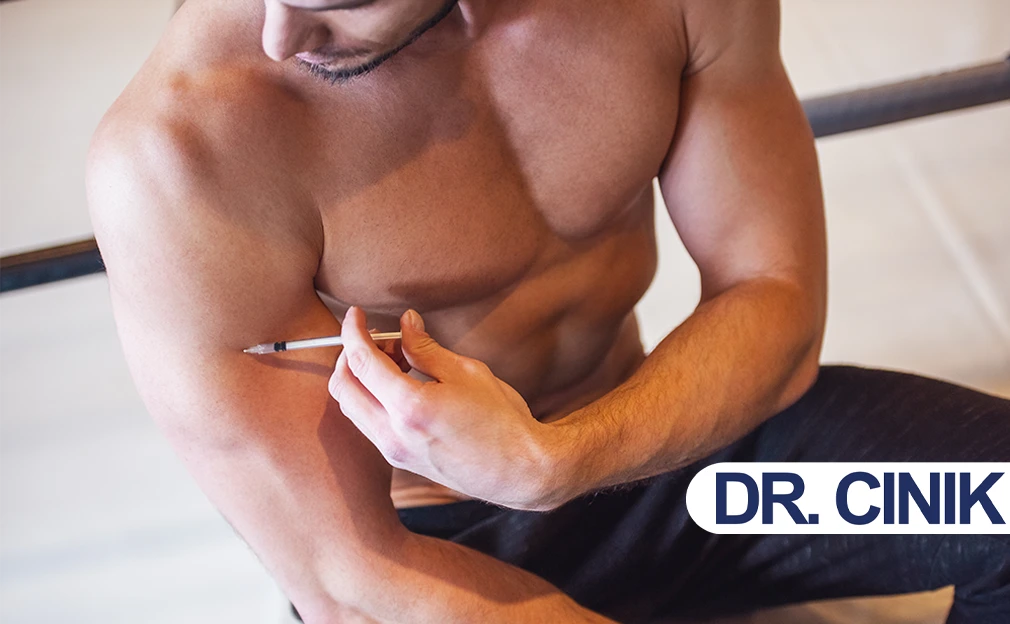
Bodybuilding, Steroids and Hair Loss: Can You Keep both your Gains and your Mane?
When it comes to muscles, there's no shortage of dedication in the gym.
You’re putting in the hours, eating high-protein foods like a beast, and lifting like a Greek god. And, yes, you’re taking steroids to supercharge your gains.
Your muscles are blowing up; your confidence is soaring—but then you notice something weird—your hairline starts whispering goodbye.
Could your gains be costing you your mane?
If yes, is it inevitable? Are all steroids to blame? And what happens if you’ve had a hair transplant—can the follicles survive an intensified hormonal storm?
Welcome to the brief guide on steroid use and hair loss—a topic that’s all too real for many gym-goers, athletes, and bodybuilders.
In this article, we’ll explore the science, the myths, and the practical ways to prevent hair loss from steroids—all with a bit of humor and a lot of facts.
What Are Anabolic Steroids — And Why Do They Mess with Your Hair?
Let’s start with the basics. When we say “steroids”, we’re not talking about the kind your doctor gives you for a bad rash (those are corticosteroids; they have nothing to do with your muscles and hair). We’re talking about anabolic-androgenic steroids (AAS) — synthetic versions of testosterone, the male sex hormone. As you know, it’s responsible for developing male traits (hello, facial hair and deep voice) and, of course, it helps your muscles grow.
In short, the “anabolic” part of “anabolic-androgenic steroids” boosts muscle growth and recovery, while the “androgenic” part enhances male characteristics.
Anabolic-androgenic steroids work by:
- Increasing protein synthesis
- Promoting muscle hypertrophy
- Improving recovery time
- Increasing aggression and competitiveness (whether it is a gym myth or not—you decide)
Popular AAS medications include testosterone enanthate, trenbolone, nandrolone, and Dianabol, among others.
They’re extremely popular among:
- Bodybuilders looking for muscle mass
- Powerlifters and Athletes trying to boost performance
- Fitness influencers chasing aesthetics
- And, let’s be honest, regular guys wanting to gain an edge
But these hormones don’t just stop at your muscles. They also travel to—you guessed it—your hair follicles.
Learn more: Does Creatine Cause Hair Loss – Or Is It Just Another Gym Bro Myth?
Hair Loss from Steroids: Is It Real?
Alas, it’s real. In fact, “hair loss from steroid use” is one of the most searched bodybuilding-related concerns online.
Here’s how it works:
Steroids (i.e., AAS) increase the amount of testosterone circulating in your blood. The enzyme named 5-alpha-reductase converts this hormone to dihydrotestosterone (DHT). So, when your testosterone skyrockets thanks to steroids, guess what else increases?
Yes, you guessed right — DHT.
In its turn, DHT, a powerful androgen important for male development, is also responsible for androgenetic alopecia, better known as male pattern baldness.
Why DHT Matters
Dihydrotestosterone, or DHT, binds to androgen receptors in your hair follicles and shrinks them over time, leading to thinner, shorter hairs and, eventually, no hair at all.
It’s more than just gym folklore — hair loss from steroid use is scientifically backed. For example, the 2022 clinical review from Frontiers in Endocrinology (the so-called HAARLEM study) followed AAS users and found that self-reported hair loss increased sixfold after steroid use, particularly in those using DHT-based compounds. And this study from Biomedicine & Pharmacotherapy confirms that DHT inhibits hair regrowth.
Well, to sum it all up in plain words, for people genetically predisposed to hair loss (thanks, ancestors), this DHT surge speeds up miniaturization of hair follicles. It results in hair thinning, especially around the temples and crown. Once these follicles shrink enough, they stop producing viable hairs altogether.
Here’s where things get hairy — literally.
Which Steroids Are the Worst for Hair?
Not all steroids are created equal when it comes to your hairline. Here’s the unofficial “follicle fear factor” list:
Worst Offenders (DHT-based or very androgenic)
- Winstrol (Stanozolol)
- Masteron (Drostanolone)
- Anadrol (Oxymetholone)
- Trenbolone (doesn’t convert to DHT but is extremely androgenic)
The bottom line is simple: More androgenic potency = higher hair-loss risk.
Moderate Risk
- Testosterone Enanthate/Cypionate
- Sustanon
- Dianabol (Methandrostenolone)
These are converted to DHT in the body, so the risk depends on your dose and individual enzyme activity.
Lower Risk
- Nandrolone (Deca-Durabolin) – converts to dihydronandrolone, which is less androgenic than DHT.
- Oxandrolone (Anavar) – a mild DHT derivative with low androgenic activity, sometimes called “hair-friendly” (but still not risk-free).
Bodybuilders and Hair Transplants: A Love-Hate Relationship
Many bodybuilders who turn to hair transplants, hope for a winning combo: a great physique and a solid hairline. There’s even a trend among gym influencers and competitive athletes: bulking up at the gym, then fixing hairlines at a clinic. Hair transplants, once reserved for aging executives, are now hot among fitness fanatics who want a clean hairline to go with their jaw-dropping muscles.
But there’s a catch: transplanted hair and steroids don’t always play nice.
Can You Take Steroids After a Hair Transplant?
Technically, yes — but there are a few points to consider:
- Transplanted hairs are DHT-resistant. That’s the good news. Most surgeons use follicles from the “safe zone” on the back and sides of the head, which aren’t sensitive to DHT. So even if you're on steroids post-transplant, those hairs should remain.
- Your native hairs are still vulnerable. If you had thinning around the crown or hairline before surgery and you go on steroids without any protective measures, you could lose non-transplanted hairs rapidly — making the transplant look awkward or incomplete.
- Shock loss risk may increase. While not proven, steroid use may increase inflammation or affect healing, possibly contributing to temporary “shock loss” after surgery.
- Steroid abuse = unpredictable results. The more extreme your hormone levels, the harder it is to predict how your scalp will respond. Some guys get away with it. Others don’t.
How to Prevent Hair Loss from Steroids
Just because you’re using anabolic steroids doesn’t mean you’re doomed to a shiny dome. Here are ways to reduce the risk of hair loss:
1. Block DHT
Finasteride (Propecia) and Dutasteride (Avodart) block 5-alpha-reductase, preventing testosterone from converting into DHT.
- Finasteride blocks type II 5α-reductase, reducing DHT by about 70%
- Dutasteride blocks type I and II, cutting DHT by up to 90%
One more study on Dutasteride vs Finasteride
These are prescription meds, so talk to your doctor first. Some men experience side effects like low libido or depressed mood. Want fewer side effects? Topical versions of these drugs are gaining popularity, especially in combination with minoxidil.
2. Use Minoxidil (Rogaine)
This medication stimulates blood flow and hair growth. Many doctors say that Minoxidil works best when paired with a DHT blocker.
Read more: How Long Does Minoxidil Take to Work?
3. Try Topical Finasteride
Recent studies show topical finasteride may reduce hair loss with fewer side effects.
Study summary – topical finasteride
Bonus: You can find products that combine topical finasteride + minoxidil.
4. Lower Your Dose & Cycle Smart
Higher doses = more DHT = more shedding.
Stick to lower androgenic AAS, shorten your cycles, and avoid stacking multiple DHT-based steroids unless you like hats.
5. Consider Natural Alternatives
Some supplements (Saw palmetto berries extract, Pumpkin seed oil, or Nettle root extract) may have mild anti-DHT effects, though evidence is rather limited.
Signs You're Losing Hair from Steroids and What to Do
If you notice these signs while on cycle, DHT is probably to blame:
- Increased shedding in the shower or on your pillow
- Thinning at the temples or crown
- Receding hairline
- Itchy or sensitive scalp
Don’t panic - there’s still hope.
Quite logically, the very first step is to stop or reduce steroid use. Then it would be wise of you to see a dermatologist or trichologist. The doctor will create a treatment plan for you (most likely will include finasteride or dutasteride combined with minoxidil). Once the hair loss stabilizes, you can consider a hair transplant.
And don’t forget: the earlier you act, the more hair you can save.
Final Thoughts: Can You Have the Muscle and the Mane?
Steroids give you fast results in the gym, but they may take a silent toll on your scalp.
If you're genetically predisposed to androgenetic alopecia (to find out whether you are, just look at your Dad’s and Granddad’s hair… if any), your hair follicles are basically DHT magnets. Anabolic-androgenic steroids (AAS), while boosting muscle growth, flood your system with DHT.
But this doesn’t have to be a horror story. With smart planning—including DHT blockers, minoxidil, and post-transplant care—you don’t have to choose between gains and the mane.
You can well keep both.
FAQs: Hair Loss, Transplanted Hair, and Steroids
Q: Can I take steroids after a hair transplant?
A: Yes, but ideally not immediately. Wait until the grafts are fully healed (3-6 months) and always use a DHT blocker if your family members are prone to hair thinning and loss.
Q: Will finasteride stop all steroid-related hair loss?
A: Not 100%, but it dramatically reduces DHT, your main enemy. It’s your best defense.
Q: Do I need to take DHT blockers forever?
A: If you're prone to genetic hair loss and want to keep your hair, yes—consistency is key.
Q: Are there bodybuilders who keep their hair on steroids?
A: Absolutely. Genetics play a massive role. Some guys get lucky. Others… shave heads or wear hats.
Q: Is all hair loss from steroids permanent?
A: Not always. If follicles haven’t completely miniaturized, stopping AAS and starting treatment can reverse some loss.
Q: Can I take finasteride during a cycle?
A: Yes—many do. Just be aware of possible side effects and always consult your doctor.
Q: Will transplanted hairs fall out from steroids?
A: No—they’re DHT-resistant. But native hair might keep receding if left unprotected.
Q: Is there a steroid that won’t mess with my hair at all?
A: No steroid is 100% safe for your hair, especially if you’re genetically predisposed. Anavar and nandrolone may be less aggressive—but use them wisely. Avoid trenbolone, testosterone-heavy compounds, or DHT derivatives.
Q: Does stopping steroids restore hair?
A: For many, yes, especially if follicles haven’t miniaturized irreversibly. Hair may regrow in 3-6 months post-cycle.