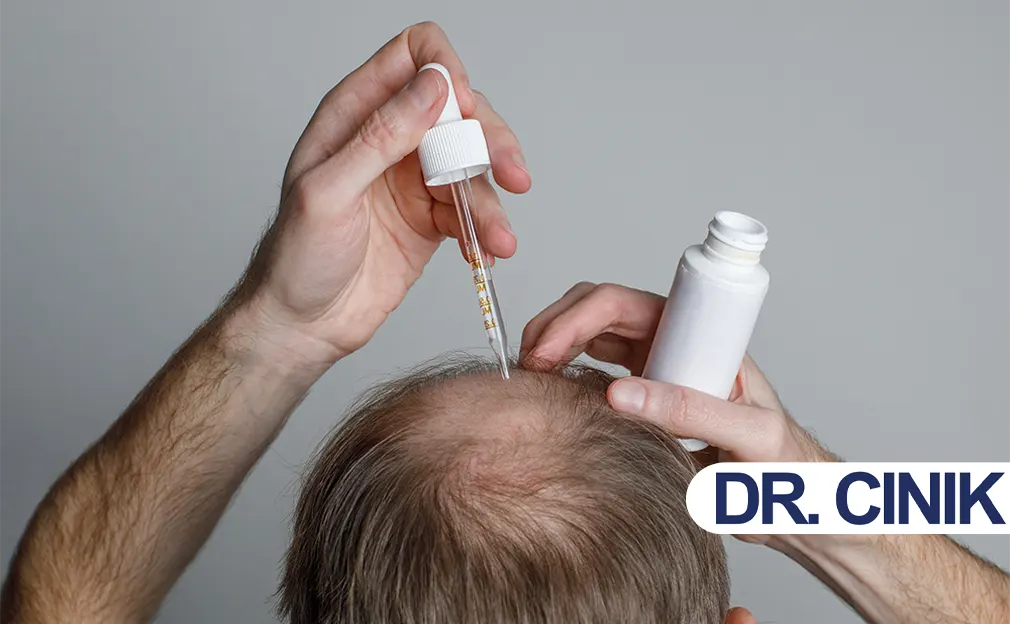
How Long Does Minoxidil Take to Work?
For many men and women, hair loss can become an excruciating source of anxiety. Often genetic, the patient will be seeking options for remedy that will help abate the loss of hair—or preferably, reverse it. Minoxidil is a popular treatment that has effectively become synonymous with a hair regrowth treatment for many patients. Minoxidil was initially developed and approved for use as an antihypertensive agent. Due to serendipity, it was discovered to have the side effect of stimulating hair growth and was approved for use to treat androgenetic alopecia, or pattern baldness, of the scalp.
Since then, the uses for Minoxidil have diversified; it has been used off-label to promote facial hair growth, including, but not limited to beards and eyebrows, and may promote recovery from hair transplants. A common question users have is: How long does Minoxidil take to work?
In this article, we will examine the mechanisms of action, indications, side effects, and how to optimize your experience with Minoxidil to delay hair thinning or even improve facial hair. Our goal is to help you understand a little more about this popular treatment option and how it fits into your hair care plan.
What Is Minoxidil?
Minoxidil is famous as a hair growth stimulator and anti-balding agent. It might sound strange, but it was originally developed for the oral treatment of high blood pressure, but during early clinical trials, a side effect was noted, excessive hair growth, which paved the way for topical Minoxidil to treat hair loss.
In 1988, the FDA approved minoxidil, making it the first drug shown to promote hair regrowth. Minoxidil works best in people under the age of 40 experiencing recent hair thinning, but it does not work on receding hairlines or sudden hair loss. Minoxidil does not cure baldness but can slow hair loss and promote regrowth if used consistently.
How Does Minoxidil Work?
Research on Minoxidil and hair regrowth has provided convincing evidence that the product supports hair regrowth.
In simpler terms, what does that mean for your hair?
As a topical solution, Minoxidil promotes blood flow to the hair follicles, increasing the supply of oxygen, nutrients, and growth factors. The follicles are nourished by this stimulation, and the hair's growth phase (the anagen phase) can be enhanced, which helps to thicken and give it density.
You might be asking: How long does Minoxidil take to work?
Well, Minoxidil should be used consistently for at least 2 to 4 months prior to determining that it does not work, as the transformation will take time.
What Are the Uses of Minoxidil?
Minoxidil is utilized by both males and females to address androgenetic alopecia. The bottom line is that Minoxidil reverses hair loss and stimulates regrowth by:
- Reversing the miniaturization of follicles and restoring follicles to a healthier, fuller state
- Increasing blood flow around hair follicles, supplying hair with oxygen and nutrients
- Curbing the dormancy of follicles and allowing them to enter the active (anagen) phase
- Oftentimes, prolonging the active phase so hair can be longer and thicker
Minoxidil has only one FDA-approved use for scalp hair loss due to heredity, but it is sometimes used off-label to stimulate beard or eyebrow growth.
Types of Minoxidil
Minoxidil is available in topical and oral forms, both aiming at stimulating hair growth and slowing down hair loss
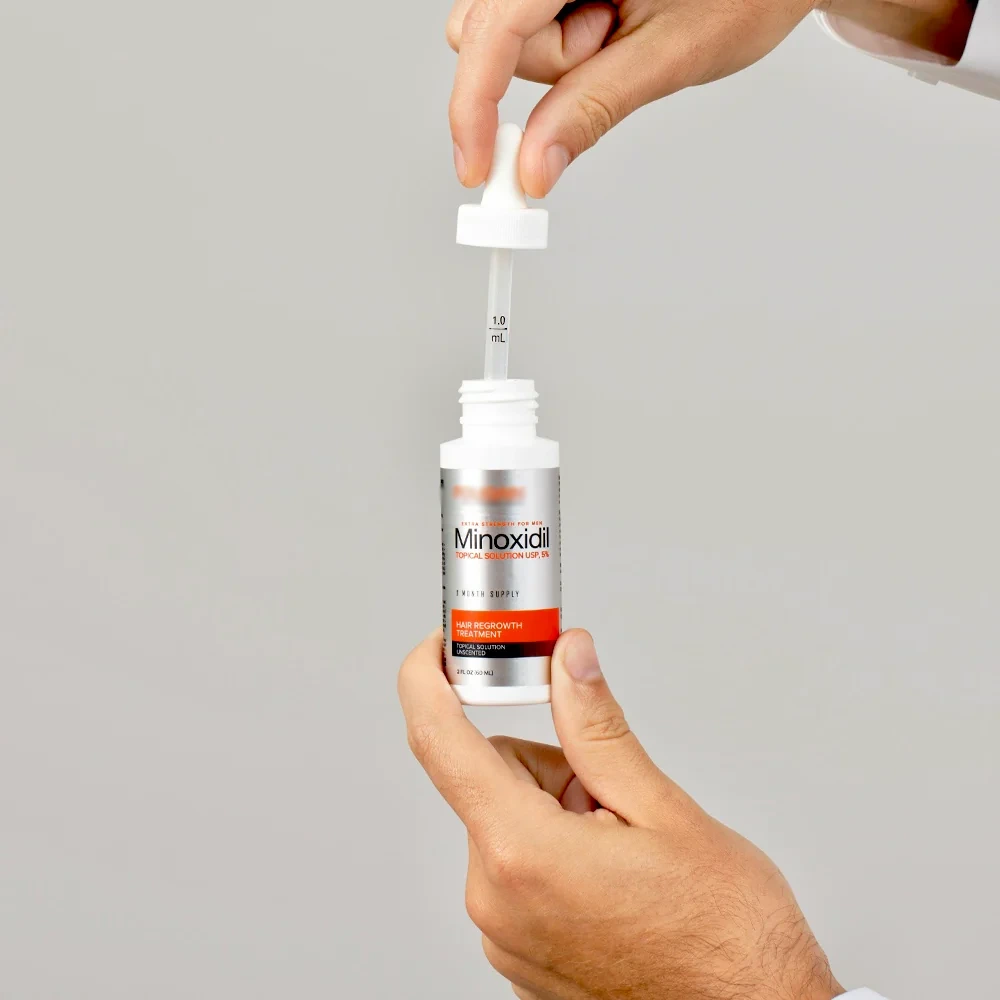
Topical Minoxidil
- Typically a therapeutic agent for hair loss.
- Topical Minoxidil comes in both foam and solution (both liquid form and aerosol) and is sold in both 2% and 5% concentrations.
- Generally, men will use the 5% solution, while women may either use the 2% solution or 5% foam product.
- Foam is less irritating than the liquid preparation in that it does not contain propylene glycol.
- Applied to the scalp once or twice a day.
Oral Minoxidil
- Was originally developed to treat severe hypertension.
- There have also been reports of off-label use for hair loss (at low doses).
- Will also be helpful in cases where topical agents have not been effective.
- Must be prescribed and monitored by a physician because of the potential impact on blood pressure and other side effects.
Application Techniques for Minoxidil Types
Topical Minoxidil is typically provided as a liquid or foam. The application of up to 1 milliliter is rubbed into the affected area of the scalp two times a day. The area should not be washed for a period of at least four hours after the application to allow for absorption. The foam is placed directly onto the scalp using your fingers once or twice per day.
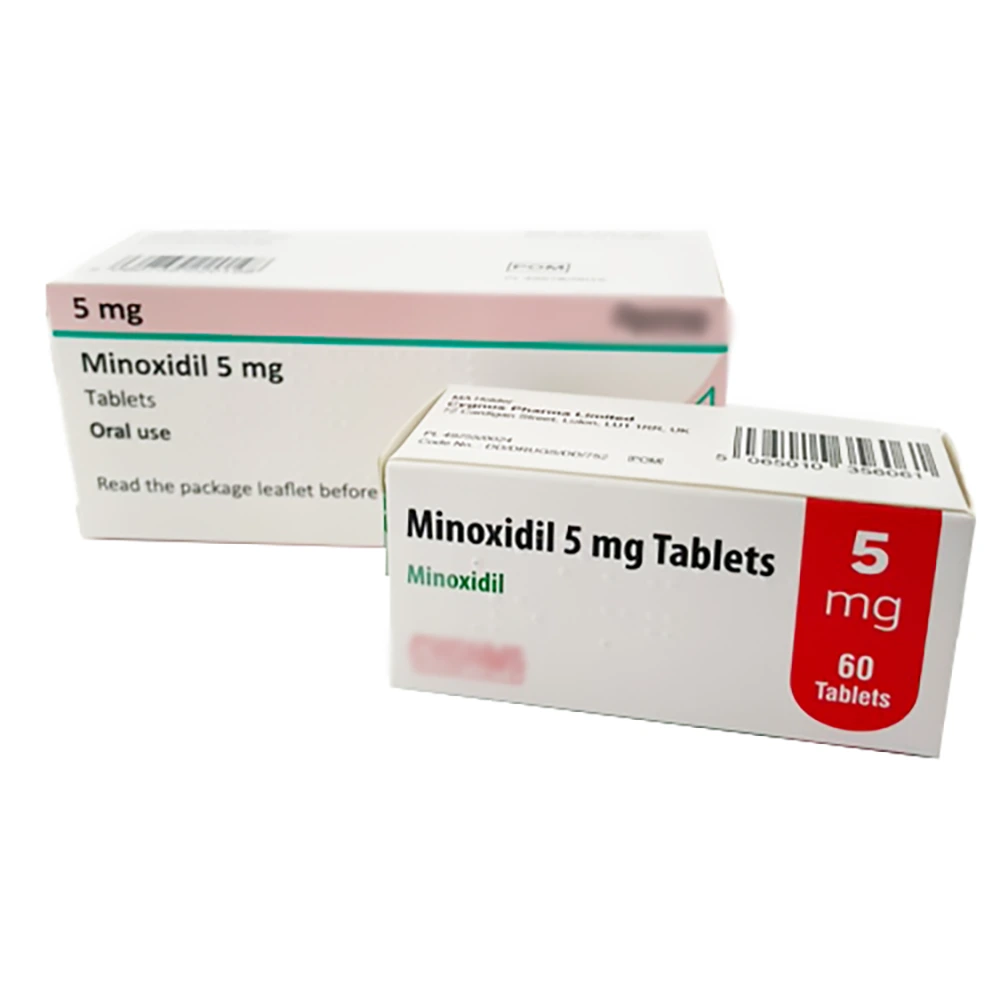
Oral Minoxidil is prescribed in tablets and must be taken in the totality of the dose and frequency as directed by your doctor for your condition. Although it is typically prescribed as a dosing schedule of once or twice per day, follow the advice of your doctor with strict adherence, as side effects are still possible. Please also ensure you follow up with your doctor on the regular and ongoing schedule agreed to when you started taking the medication.
How Often Should I Apply Minoxidil?
So, how often should you apply Minoxidil?
In general, Minoxidil needs to be used twice daily by men, usually in the morning and the evening, but this can often result in scalp irritation.
Women use Minoxidil at least once a day to minimize unwanted side effects.
What Is the Best Minoxidil Type?
Simply put: The best kind of Minoxidil is dependent upon your specific needs.
Topical Minoxidil is a very common treatment for hair loss that generally comes as a liquid or foam with either a 2% or 5% concentration. It will work for most people and is applied to the scalp once or twice daily.
Oral Minoxidil - originally created as a treatment for blood pressure, has been used off label occasionally for hair loss in cases when topical Minoxidil proves ineffective.
Oral Minoxidil requires a prescription and side effect monitoring from a medical professional. Your choice should depend on your own preferences and medical recommendations.
Which Minoxidil Type Is the Best for Sensitive Skin?
If your skin is sensitive, then the foam form of Minoxidil may be the best option for you, as it does not contain propylene glycol, which can sometimes cause irritation.
Is Minoxidil Effective for Facial Hair?
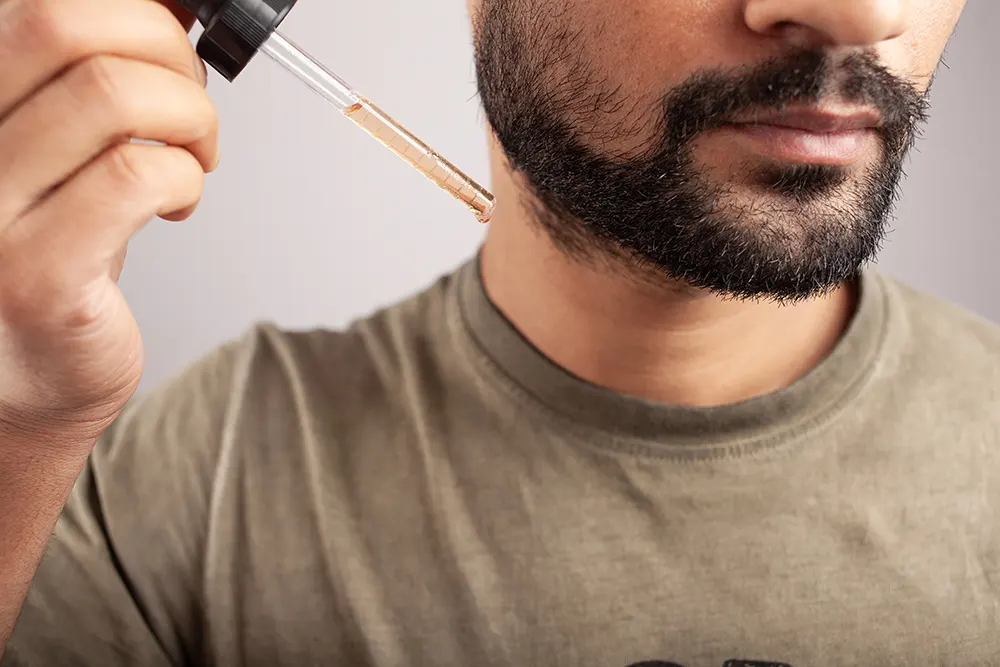
Minoxidil first started out as an agent for scalp hair growth, and now many individuals use it, off-label, to enhance and improve facial hair. While the FDA has not approved this use, the available studies and the numerous testimonials indicate that it promotes beard growth, likely through stimulation of the hair follicles and hair growth. Most users report seeing lighter and finer hair first and only thicker growth later.
Shedding can occur, but it usually resolves whatever hair response is happening. A few side effects include skin dryness and unwanted hair in surrounding areas. Although the long-term permanence of facial hair growth after stopping Minoxidil remains uncertain, the results can be long-lasting.
Does Minoxidil Work for Men and Women?
Approved by the FDA for the treatment of hereditary hair loss in men and women over 18 years of age, Minoxidil is used in women to treat female-pattern hair loss, which typically occurs gradually. This thinning usually affects the top of the scalp, especially in those with a family history of similar hair loss.
That said, in men, it is recommended for slowing or reversing hair loss specifically at the crown (vertex) of the scalp, although it has not been shown to be effective for baldness at the front or for a receding hairline.
Minoxidil and Derma Roller
The process of derma rolling (also referred to as microneedling) involves puncturing thinning areas of the scalp with a small instrument tipped with tiny needles to create a series of micro-wounds on the scalp.
This triggers a wound-healing response, which in turn stimulates the growth of hair. Some research has suggested that the Derma Roller improves scalp absorption of Minoxidil, resulting in better results.
Dr. Emrah Cinik, our hair transplant expert at Dr. Cinik, says: “For better hair growth results, apply Minoxidil twice daily in conjunction with weekly microneedling. You will notice hair count improvement as well as visible hair growth in just three months!”
Read more: Dermaroller for Hair Loss: How Does It Work?
Combining Minoxidil With Other Treatments
Indeed, Minoxidil works efficiently on its own, but combining it with other treatments can boost results significantly—especially in more persistent or advanced stages of hair loss.
Here are some examples that have proven quite effective when used alongside minoxidil:
- PRP or PRF Injections – Use your own platelets to stimulate and support hair follicle growth.
- Low-Level Laser Therapy (LLLT) – Improves blood flow and follicle activity using red light therapy.
- Derma Roller (Microneedling) – Enhances Minoxidil absorption and activates growth factors.
- Hair Growth Shampoos – Support scalp health with ingredients like biotin, Procapil, keratin, and ginseng.
Together, these can help improve hair density and speed up regrowth, creating better long-term results. Remember: Always check with a specialist before starting a combination approach.
Read more: Exosome Hair Therapy: It Is Time to Say Farewell to Your Hair Loss!
How Long Does Minoxidil Take to Work?
According to Dr. Cinik, “People often ask us, ‘How long does Minoxidil take to work?’ And the answer to this question is that visible hair growth occurs after using Minoxidil steadily for 4-6 months. First, fine soft hair sprouts, and later over time, they convert into fuller, thicker hair. You can expect maximum regrowth from daily Minoxidil use, which is typically seen at about 1 year.”
Minoxidil Effectiveness Timeline
A good understanding of how long Minoxidil takes to work, as well as when to expect results, will motivate you and help you stay committed to the treatment.
- At the beginning of the treatment—the first couple of weeks—you may notice a bit of increased shedding; this is normal and actually indicates that the treatment is starting to work.
- Over 2 to 8 weeks, it begins to improve blood circulation and reactivate hair follicles; still, visible changes are quite subtle.
- Within 2 to 3 months, you will start to notice fine new hairs and reduced shedding.
- Maximum results usually appear between 4 to 6 months, with significant improvement in hair thickness and density.
Yet, outcomes may vary depending on the type of hair loss, the consistency of treatment, and whether any additional therapies are used alongside Minoxidil.
How to Get Better Results From Minoxidil
Here are some tips to boost the effectiveness of Minoxidil :
- Add Tretinoin: Tretinoin helps enhance Minoxidil's action by increasing follicular enzyme activity, improving results for hair growth.
- Make it a daily habit: Apply Minoxidil at the same time every day, such as during your tooth brushing routine, to improve consistency.
- Exfoliate your scalp: Keep your scalp clean and free of debris by exfoliating once or twice a week. This helps Minoxidil absorb more effectively.
Factors Influencing Minoxidil Results
The efficacy of Minoxidil can be attributed to different factors in each person. First and foremost, the type and severity of hair loss play an important role- an early-stage hair thinner may have a better response than someone with advanced hair loss. Next, consistency of use of Minoxidil will increase the likelihood of better results- if one person uses it consistently and another person uses Minoxidil inconsistently, the results achieved will differ. Genetics, underlying health conditions, and the length of hair loss will also affect usability.
Also, the condition of the scalp and the concurrent use of other treatments like finasteride, microneedling, or PRP will greatly affect the outcome. Ultimately, patience helps, but so does adherence to treatment plans and working with a medical professional to optimize the appropriate interventions for an individual.
Minoxidil and Hair Shedding
While perhaps unsettling to someone hearing this for the first time, noticing more hair fall after starting Minoxidil is quite common and most often a temporary phase during the treatment period. The initial shedding occurs as Minoxidil enhances the natural hair cycle, pushing out older hairs to make way for new growth—essentially a sign that the medication is working.
Most people experience this shedding transiently, usually lasting from a few weeks to a couple of months, after which regrowth begins.
An important note: if shedding continues beyond 4 months or seems excessive, consulting your doctor is advisable. An adjustment in your treatment plan or starting with a lower concentration may help. Patience is key, as Minoxidil takes time to deliver measurable results.
Minoxidil After Hair Transplant
“While Minoxidil is not actually compulsory after a hair transplant, its use is strongly recommended as it can help promote faster hair regrowth and reduce the chances of shock loss, which is the temporary shedding of transplanted or existing hair,” Dr. Cinik explains.
Minoxidil will increase blood flow to the scalp and help stimulate the newly transplanted hair follicles to grow. Again, after surgery, the scalp will need time to heal before you can use Minoxidil, usually about 1 to 2 weeks afterward. You can use Minoxidil foam or liquid, depending on your preference and your doctor's recommendation.
With Minoxidil, the key is to be consistent with it. Most people will use it two times per day. Most people's hair will begin to noticeably improve around the four-month mark. Minoxidil is a great tool for each phase of your hair restoration. Just be sure to use it properly, use it consistently, and check with your doctor when you decide to start or stop using it.
What Happens If You Stop Taking Minoxidil?
Minoxidil withdrawal typically leads to a reversal of hair growth as there is nothing to counteract the effects of DHT, which is naturally produced by the body.
This means the hair follicles will continue to shrink until they eventually die. The process may even appear faster than before, as the newer, weaker follicles are lost first.
Minoxidil is considered safe for long-term use, which is why it is often the drug of choice. Withdrawal effects are minimal, if any, and no long-term side effects are known, except in extremely rare cases. As a result, you can stop using Minoxidil without worrying about significant issues other than the return of hair loss.
Minoxidil and Pets
Minoxidil, even though it is safe for humans, is toxic to cats and dogs in tiny amounts. Pets may accidentally lick treated skin or bedding or come into contact with the drug through spills. The symptoms can be severe and sometimes fatal, especially in cats. Consequently, keep Minoxidil away from all pets and be cautious during and after application.
Minoxidil Side Effects
You should report to your doctor any side effects you notice from Minoxidil as soon as possible.
Serious side effects (Get medical help right away):
- Allergic reactions such as Skin rash, itching, or hives
- Swelling of your face, lips, tongue, or throat
- Burning, itching, crusting, or peeling of the skin where you are using Minoxidil
Less serious side effects (Usually do not need medical attention, but report to your doctor if it is bothersome or persists):
- Changes in hair color or texture
- Dizziness
- Irritation at the site of application
- Unwanted or random hair growth (for example, on the face or body).
Minoxidil Disadvantages
As with any medication, there are negatives you should think about before using Minoxidil.
- Slow results: Minoxidil is not a fast solution; it can take 6 to 9 months before visible signs of improvement appear, and the results in terms of hair regrowth may be quite minimal. Some users may experience initial hair shedding in the first few weeks of treatment, which overall can be disheartening.
- Lifetime treatment: If you wish to maintain results, it must be used indefinitely. Once you stop, hair loss resumes. On average, it takes around 2 minutes twice a day to apply minoxidil, which can be inconvenient, especially considering the cost that accumulates over time.
- Works for just some people: Minoxidil is effective in about 50 % of men and 30–40 % of women, primarily those suffering from androgenetic alopecia. If the individual has low levels of a certain key enzyme (SULT1A1), they might not respond to Minoxidil at all.
Minoxidil Alternatives
If you're looking beyond Minoxidil, there are several other hair loss treatments worth considering:
- Finasteride: FDA-approved for men, especially effective for crown hair loss. Not typically recommended for women.
- Dutasteride: A strong DHT blocker that may be more effective than finasteride for regrowing hair, but results can take a few months.
- Natural Remedies: Ingredients like rosemary oil, pumpkin seed oil, caffeine, and acupuncture show early promise but lack strong evidence.
- Redensyl: A newer, non-hormonal option that encourages early results, though more research is needed.
- Low-Level Laser Therapy (LLLT): Uses light to stimulate blood flow and boost hair growth. Backed by some clinical support for various hair loss types.
Final Thoughts’ on How Long Does Minoxidil Take to Work?
As we have seen together, Minoxidil is a hair growth treatment that has obtained a great deal of popularity in the realm of hair restoration—and rightfully so. It is one of the few over-the-counter treatments that has both been scientifically studied and has actual results in the real world. Of course, it is not an all-purpose treatment and certainly not a "cure" for baldness; however, it provides countless people a fighting chance at combating hair loss and thinning.
Whether the intended goal is maintaining what remains, "regrowing" what has been lost, or even enhancing facial hair, Minoxidil can certainly play an important role in your hair care toolkit. That said, a question many people ask is: How long does Minoxidil take to work? The answer requires some patience—typically several months of consistent use to notice meaningful results.
Nevertheless, patience, persistence, and potentially some trial and error are necessary, as for the vast majority, there are no easy or instant fixes. Minoxidil is not for everyone and certainly is not a viable option for fast results.
Yet, when it works, it can be life-changing. Just remember to manage expectations, be sure to monitor for side effects, and solicit professional advice to make sure you're on the right path. In the end, it is enlightened choices that lay the path toward better hair—whether it be Minoxidil alone or in conjunction with other treatments, the first step has clearly already been taken.
FAQs
Does Minoxidil Work?
Results from Minoxidil use are inconsistent and largely depend on the individual. Noticeable improvement typically requires consistent use over several months.
Does Minoxidil Affect Testosterone?
No, Minoxidil does not drastically affect testosterone levels.
Does Minoxidil Affect Sperm?
Minoxidil is not likely to have any impact on male fertility.
Does Minoxidil Age Your Face?
Currently, there are no new studies available that confirm whether Minoxidil contributes to signs of skin aging.
Is Minoxidil a DHT Blocker?
No, Minoxidil does not block DHT; however, it combats hair loss through a different mechanism.
Is Oral Minoxidil Better Than Topical?
Oral Minoxidil may be more effective than topical forms in individuals with low follicular sulfotransferase activity, which is often a reason for poor response to topical treatment.
Is Minoxidil a Steroid?
No, Minoxidil is not a steroid. It is a vasodilator, which means it dilates blood vessels and helps in promoting new hair growth. Minoxidil is available in marketed preparations as a solution and a foam. It should be used after consultation with a dermatologist.
Is Minoxidil a Safe Drug?
Some men suffering from baldness apply liquid Minoxidil to the scalp to stimulate hair growth. However, these liquids can be improperly prepared from Minoxidil tablets, which may get absorbed into the body and produce unwanted effects on the heart and blood vessels.
Is Minoxidil Good or Bad for You?
Hair shedding and scalp irritation are the most common side effects associated with topical Minoxidil. All in all, however, Minoxidil topical solution and foam are considered very safe and effective for the treatment of hair loss in both men and women. Most of these side effects resolve once the drug is discontinued.
Will Minoxidil Harm Me?
If you use Minoxidil only as prescribed by your doctor and not more frequently, it will not harm you. Increased absorption into the bloodstream may affect the heart and blood vessels, potentially causing unwanted side effects.
Can Minoxidil Grow a Beard?
Originally developed to treat various hair disorders, Minoxidil has proven useful not only for promoting hair growth on the scalp but also in the beard area. Results vary between individuals, and factors such as genetics and proper application play a significant role in its effectiveness.
Can I Use Minoxidil Forever?
Minoxidil is generally considered safe for long-term use, with no known withdrawal symptoms or serious long-term side effects.
Can I Comb My Hair After Applying Minoxidil?
Yes, you can. Combing your hair will not hinder the effectiveness of Minoxidil. Since the product is applied directly to the scalp and not the hair itself, you should be able to comb your hair strands without them looking or feeling greasy.