Sapphire FUE Cost and Value in Turkey
Sapphire FUE offers patients an advanced hair restoration option at a fraction of Western prices. Turkey leads the global market in hair transplant volume. The country combines surgical expertise with comprehensive all-inclusive packages. This guide examines Sapphire FUE cost and value in Turkey through scientific evidence, market data, and patient-centered analysis. You will learn about pricing structures, quality factors, technique comparisons, and how to evaluate clinics beyond marketing claims.
What Is Sapphire FUE Hair Transplantation?
Sapphire FUE represents a refined version of Follicular Unit Extraction. Surgeons use blades made from synthetic sapphire instead of steel. These blades create smaller, sharper incisions in the recipient area. The technique preserves the core FUE extraction method. Technicians still harvest individual follicular units from the donor zone. The difference lies entirely in the incision tool used for recipient site creation.
How Does Sapphire FUE Differ from Standard FUE?
Sapphire blades differ from steel blades in material, shape, and cutting geometry. Steel blades typically have a U-shaped or rectangular profile. Sapphire blades feature a V-shaped tip with a 30-degree angle. Ahmad et al. (2021) published a mathematical modeling study in the Journal of Cosmetic Dermatology. The researchers measured wound surface area as a proxy for tissue injury. The 30-degree sapphire blade produced the least tissue injury of all configurations tested. The rectangular steel blade produced the maximum tissue injury. This finding provides direct clinical evidence for sapphire blade advantages (Ahmad et al. 2021).
Surgeons create recipient sites before placing grafts. In standard FUE, steel blades cut wider channels. In Sapphire FUE, the V-shaped blade cuts narrower channels. The incision quality improves because sapphire maintains sharpness longer than steel. The blade enters at a precise angle. The sagittal orientation causes less injury than the coronal orientation. These technical differences translate into measurable patient benefits.
What Benefits Do Sapphire Blades Provide?
Sapphire blades create smaller incisions. The reduced wound size means less tissue trauma during surgery. Patients experience faster healing in the recipient area. The risk of visible scarring drops because the incisions close more quickly. Surgeons can design natural hairlines with greater precision. The smaller channels allow denser packing in critical zones like the frontal hairline.
Ahmad et al. (2021) established that reduced wound surface area correlates directly with faster re-epithelialization. Wasserbauer (2012) reported in Hair Transplant Forum International that FUE wounds typically re-epithelialize within 3 to 5 days when trauma is minimized. Sapphire FUE patients typically report that redness fades within 5 to 7 days. Standard steel blades often require 7 to 10 days for the same cosmetic recovery. The donor area heals in approximately 7 to 10 days with either technique. The primary healing advantage lies in the recipient area (Ahmad et al. 2021; Wasserbauer 2012).
How Much Does Sapphire FUE Cost in Turkey?
Sapphire FUE prices in Turkey range from €2,000 to €4,500 for standard packages. The exact figure depends on graft count, clinic reputation, and package inclusions. Turkey maintains a significant cost advantage over Western markets. Patients from the United Kingdom, United States, Germany, and Australia regularly travel to Istanbul for this procedure.
What Is the Average Sapphire FUE Price Range?
Typical Sapphire FUE packages in Turkey cost between €2,500 and €4,500. Single-session procedures for moderate hair loss fall at the lower end. Extensive procedures requiring 4,000+ grafts push prices toward the upper range. Some premium clinics charge up to €6,000 for complex cases with additional services. The average international price for the same procedure ranges from €8,000 to €25,000 depending on the country.
Country | Average Sapphire FUE Cost | Package Type | Typical Graft Range |
Turkey | €2,500 – €4,500 | All-inclusive | 3,000 – 4,500 |
United Kingdom | £8,000 – £15,000 | Surgery only | 2,500 – 4,000 |
United States | $8,000 – $20,000 | Surgery only | 2,500 – 4,000 |
Germany | €6,000 – €12,000 | Surgery only | 2,500 – 4,000 |
Australia | A$12,000 – A$25,000 | Surgery only | 2,500 – 4,000 |
Canada | C$10,000 – C$20,000 | Surgery only | 2,500 – 4,000 |
Why Do Turkish Clinics Prefer Package Pricing Over Per-Graft Costs?
Most Turkish clinics avoid per-graft pricing. They offer all-inclusive packages instead. This model simplifies decision-making for international patients. The package price covers the full treatment journey. Patients know their total cost before booking. There are no surprise fees on arrival.
Package pricing also reflects operational efficiency. Turkish clinics perform high volumes of procedures. The Ministry of Health certified over 700 facilities for international health tourism in 2025. This scale allows clinics to spread fixed costs across many patients. The per-graft model common in Western countries adds administrative complexity. It also creates incentives for clinics to maximize graft counts rather than optimize outcomes.
What Services Do All-Inclusive Packages Typically Include?
Standard all-inclusive Sapphire FUE packages in Turkey cover multiple services. The pre-operative consultation includes hair analysis and blood work. The surgery itself includes anesthesia, the surgical team, and all consumables. Post-operative medications include antibiotics, pain management, and anti-inflammatory drugs. Accommodation typically spans 2 to 4 nights in a partnered hotel. Airport transfers cover arrival, departure, and clinic visits. Interpreter services bridge language gaps. Aftercare products include medicated shampoo, topical solutions, and written protocols. Follow-up support often includes video consultations at 3-month and 12-month intervals.
Service Category | Typically Included | Sometimes Included |
Pre-op consultation | Yes | Yes |
Blood tests | Yes | Yes |
Hair analysis | Yes | Yes |
Surgery and anesthesia | Yes | Yes |
Post-op medications | Yes | Yes |
Hotel accommodation | Yes (2-4 nights) | Yes (premium hotels) |
Airport transfers | Yes | Yes (VIP options) |
Interpreter | Yes | Yes |
Aftercare kit | Yes | Yes |
PRP therapy | Sometimes | Yes (premium packages) |
12-month follow-up | Yes | Yes |
International flights | No | No |
Travel insurance | No | No |
What Factors Affect Sapphire FUE Cost in Turkey?
Multiple variables influence the final price of Sapphire FUE in Turkey. Patients should understand these factors before comparing quotes. Price alone does not indicate quality. Value emerges from the intersection of surgeon skill, technology, and comprehensive care.
How Does the Number of Grafts Required Impact Cost?
Graft count directly affects procedure complexity. A patient needing 2,000 grafts for a receding hairline pays less than a patient needing 4,500 grafts for extensive crown coverage. More grafts require longer surgery times. They demand larger surgical teams. They consume more resources. Clinics factor these variables into package pricing. Most Turkish packages accommodate graft ranges rather than exact counts. A typical package might cover 3,000 to 4,000 grafts for a fixed price.
How Does the Degree of Hair Loss Influence Pricing?
The Norwood scale classifies male pattern baldness. Higher stages require more grafts. They also demand more complex hairline design. Surgeons must work with limited donor supply. They must distribute grafts strategically across multiple zones. Advanced hair loss often requires higher surgical expertise. This complexity can push patients toward premium packages or experienced surgeons who charge more.
Why Does Surgeon Experience Matter for Cost?
Experienced surgeons command higher fees. Their expertise translates into better outcomes. Wang et al. (2024) conducted a retrospective study of 158 male patients with androgenetic alopecia who underwent FUE. The study found that over 90% of transplanted follicles survived at the 12-month follow-up. More than 85% of patients achieved follicle survival rates exceeding 95%. These figures establish the baseline performance of modern FUE when skilled surgeons perform the work (Wang et al. 2024).
Experienced surgeons maintain lower transection rates. Sharma (2019) noted in a PMC review that transection or physical injury to grafts represents a major drawback of FUE when compared to FUT. Inadequate punch size, blunt surfaces, or inappropriate force lead to wider wounds and graft damage. Experienced surgeons understand the physics behind FUE. They achieve better results through refined technique (Sharma 2019).
How Do Clinic Reputation and Accreditation Affect Price?
Accredited clinics invest in quality infrastructure. The Ministry of Health certifies facilities for international health tourism. Joint Commission International accredits approximately 50 to 60 private hospitals in Turkey. These certifications require ongoing compliance with safety standards. Accredited clinics maintain sterile environments. They employ qualified nursing staff. They use certified equipment. These investments increase operating costs. Patients pay a premium for verified safety standards.
What Role Does Surgical Team Expertise Play in Pricing?
Sapphire FUE requires coordinated teamwork. The surgeon designs the hairline and creates recipient sites. Technicians extract grafts. Other technicians place grafts. Each team member needs specialized training. High-quality clinics employ experienced technicians who have performed thousands of procedures. This expertise reduces graft handling time. It improves placement precision. It minimizes follicular trauma. Clinics with superior teams charge more because they deliver better outcomes.
How Does Technology Influence Cost?
Sapphire FUE requires genuine sapphire blades. These blades cost more than steel alternatives. Clinics must source high-quality synthetic sapphire. They must maintain sterile blade protocols. Some clinics invest in advanced graft storage systems. Others use platelet-rich plasma as a holding solution. Pathania et al. (2023) conducted a randomized control trial examining PRP as a holding solution. Patients whose grafts were stored in PRP had significantly higher follicle densities and longer hair shafts at 6 months post-op compared to those stored in saline alone. These technological investments increase costs but improve outcomes (Pathania et al. 2023).
Does Clinic Location Within Turkey Affect Price?
Istanbul hosts the majority of hair transplant clinics. The city offers the widest range of options. Competition keeps prices relatively stable. Ankara and Izmir also have established clinics. Coastal cities like Antalya cater to medical tourists combining procedures with vacation. Prices in secondary cities may run slightly lower than Istanbul. However, Istanbul offers the deepest pool of experienced surgeons and the most flight connections.
How Do Package Inclusions Shape the Total Cost?
Basic packages cover the essentials. Premium packages add services like PRP therapy, luxury accommodation, extended follow-up, or multiple aftercare kits. Some clinics offer lifetime follow-up guarantees. Others include second-session discounts. Patients should compare package details rather than headline prices. A €2,500 package with minimal aftercare may offer less value than a €3,500 package with comprehensive support.
Why Is Sapphire FUE More Affordable in Turkey?
Turkey delivers Sapphire FUE at 50% to 80% below Western prices. This gap does not reflect lower quality. It stems from structural economic and operational factors. Understanding these factors helps patients evaluate value accurately.
How Do Lower Operating Costs Reduce Prices?
Turkey maintains lower labor costs than Western Europe or North America. Nursing staff, clinic administrators, and support personnel earn competitive local wages. Real estate costs in Istanbul remain below London, New York, or Sydney levels. Medical supply chains operate efficiently within the region. These lower input costs allow clinics to offer competitive pricing without compromising standards.
How Does High Patient Volume Drive Efficiency?
Turkey performs an estimated 60% to 70% of the world's hair transplant procedures. Istanbul alone handles hundreds of procedures daily. This volume creates economies of scale. Clinics negotiate better rates for supplies. They optimize surgical schedules. They refine logistics for international patients. High volume also means surgeons perform more procedures monthly. This repetition hones skills and reduces per-procedure overhead.
How Does the Competitive Medical Tourism Industry Benefit Patients?
Over 1,000 clinics operate in Turkey. Over 700 hold Ministry of Health certification for international health tourism. This competition forces clinics to improve service quality. It pushes them to invest in technology. It compels transparent pricing. Patients benefit from this competitive pressure. They receive better packages at lower prices than in markets with fewer providers.
What Government Support Does Health Tourism Receive?
The Turkish government actively promotes health tourism. USHAS, the Health Tourism Promotion Agency, certifies and markets Turkish clinics. The official Health Türkiye portal registers certified providers. The government offers incentives like subsidies for qualifying clinics. In 2024, Turkey allocated significant public healthcare investment. The Ministry of Health and SSI contributed billions toward modern medical infrastructure. This support strengthens the entire ecosystem (Coherent Market Insights 2026).
How Does Efficient Clinic Infrastructure Lower Costs?
Turkish clinics specialize in medical tourism workflows. They partner with hotels near clinic locations. They coordinate airport transfers through dedicated services. They employ multilingual staff. This vertical integration reduces coordination costs. It eliminates middlemen. It streamlines the patient journey. Western clinics typically focus only on the surgical procedure. Patients must arrange travel, accommodation, and aftercare separately. This fragmentation adds cost and complexity.
How Does Sapphire FUE Cost in Turkey Compare to Other Countries?
The cost differential between Turkey and Western countries remains substantial. Patients save thousands while receiving comparable or superior care. The following comparison examines key markets.
How Does Turkey Compare to the United Kingdom?
UK hair transplant clinics charge £8,000 to £15,000 for FUE procedures. These prices typically cover surgery only. Patients pay extra for consultations, medications, and follow-up. Turkish all-inclusive packages at £2,000 to £4,000 include accommodation, transfers, and aftercare. UK patients save 60% to 80% by choosing Turkey. They also avoid NHS waiting lists for cosmetic procedures.
How Does Turkey Compare to the United States?
US clinics charge $8,000 to $20,000 for FUE. Major cities like New York and Los Angeles push prices toward the upper range. Insurance does not cover cosmetic hair restoration. Patients pay entirely out of pocket. Turkish packages at $2,500 to $5,500 offer the same surgical quality. The savings often cover multiple trips to Turkey including flights.
How Does Turkey Compare to Germany?
German clinics charge €6,000 to €12,000 for FUE. The market emphasizes precision and regulation. However, prices remain high due to labor costs and overhead. Turkish clinics offer Sapphire FUE at €2,500 to €4,500. German patients benefit from short flight times to Istanbul. Many German insurers have begun exploring reimbursement options for accredited Turkish centers.
How Does Turkey Compare to Australia?
Australian clinics charge A$12,000 to A$25,000 for FUE. The market has limited provider density. Geographic isolation increases costs. Turkish packages at A$4,000 to A$7,000 attract growing numbers of Australian patients. Direct flight connections from Sydney and Melbourne to Istanbul have expanded in recent years.
How Does Turkey Compare to Canada?
Canadian clinics charge C$10,000 to C$20,000 for FUE. Provincial healthcare does not cover cosmetic procedures. Turkish packages at C$3,500 to C$6,500 offer significant savings. Canadian patients often combine their procedure with tourism in Istanbul or Cappadocia.
Country | Average Cost | Package Type | Waiting Time | Surgeon Involvement | Overall Value |
Turkey | €2,500 – €4,500 | All-inclusive | 1-2 weeks | High | Excellent |
United Kingdom | £8,000 – £15,000 | Surgery only | 4-12 weeks | Variable | Moderate |
United States | $8,000 – $20,000 | Surgery only | 2-8 weeks | High | Low |
Germany | €6,000 – €12,000 | Surgery only | 4-8 weeks | High | Moderate |
Australia | A$12,000 – A$25,000 | Surgery only | 4-12 weeks | Variable | Low |
Canada | C$10,000 – C$20,000 | Surgery only | 4-12 weeks | Variable | Low |
Is the Cheapest Sapphire FUE Always the Best Choice?
Low prices attract attention. However, the cheapest option rarely delivers the best value. Patients must evaluate multiple factors beyond the quoted price. Safety, surgeon skill, and long-term outcomes matter more than initial cost.
What Hidden Costs Should Patients Watch For?
Some clinics advertise low base prices. They then add fees for essential services. Blood tests might cost extra. Post-operative medications may require separate payment. Follow-up consultations might carry charges. Accommodation upgrades can inflate the total. Patients should request itemized quotes. They should confirm what the package includes before paying deposits.
What Risks Come with Choosing Based Only on Price?
Budget clinics may cut corners. They might use inexperienced technicians. They could employ steel blades marketed as sapphire. They may rush procedures to maximize daily patient volume. Sharma (2019) warned that motorized punches increase harvesting speed but need better control and dexterity. Inexperienced practitioners using motorized tools damage delicate grafts. This transection wastes donor hair and compromises results (Sharma 2019).
Aksoz et al. conducted a retrospective study of 1,030 FUE procedures. They reported notable complications in 9.9% of cases. Nearly half of these patients experienced mild postoperative events. Frontal edema and donor-site pruritus appeared most commonly. Proper preoperative assessment, surgical experience, and meticulous technique minimize these complications. Price-driven choices often sacrifice these safeguards (Aksoz et al. 2024).
What Questions Should Patients Ask Before Booking?
Patients should ask about surgeon credentials. They should verify board certification. They should request before-and-after photos of actual patients. They should ask about technician involvement. They should confirm blade authenticity. They should inquire about graft survival rates. They should understand revision policies. They should request contact information for past patients. These questions reveal clinic quality more accurately than price alone.
Why Do Medical Standards and Safety Matter More Than Price?
Accredited clinics follow strict sterilization protocols. They maintain emergency equipment. They employ qualified anesthesiologists. They conduct thorough pre-operative assessments. Budget clinics may lack these safeguards. A complication during surgery can turn a cheap procedure into an expensive medical emergency. Patients should prioritize clinics with verifiable accreditation over those with the lowest quotes.
What Determines the Value of Sapphire FUE in Turkey?
Value encompasses more than cost. It includes surgical outcomes, patient experience, and long-term satisfaction. Patients should evaluate these dimensions when choosing a clinic.
How Does Surgeon Experience Create Value?
Experienced surgeons design better hairlines. They understand facial proportions. They account for future hair loss patterns. They distribute grafts strategically. They minimize transection during extraction. They place grafts at optimal angles. These skills directly impact aesthetic outcomes. A skilled surgeon transforms a good procedure into an excellent one.
Why Does Natural Hairline Planning Matter?
The hairline defines the visual success of transplantation. An unnatural hairline draws attention. It signals that work has been done. A natural hairline blends seamlessly with existing hair. It follows the patient's original pattern. It accounts for age-appropriate recession. Surgeons must design hairlines that look good immediately and mature naturally over decades.
How Does Graft Survival Rate Define Value?
Graft survival rate measures the percentage of transplanted follicles that establish blood supply and produce hair. Pathomvanich (2003) confirmed in Dermatologic Surgery that properly handled grafts achieve survival rates as high as 95% in ideal conditions. Wang et al. (2024) found that over 90% of transplanted follicles survived at 12 months in their retrospective study. High survival rates mean patients achieve desired density without needing revision procedures. This saves money and donor hair in the long term (Pathomvanich 2003; Wang et al. 2024).
Why Do Density and Coverage Determine Satisfaction?
Density refers to hairs per square centimeter. Coverage refers to the area successfully treated. Both metrics depend on graft survival and placement skill. Patients with high density and full coverage report greater satisfaction. They style their hair freely. They feel confident in social and professional settings. Value emerges when patients achieve their aesthetic goals in a single procedure.
How Do Long-Term Results Validate the Investment?
Hair transplantation is a permanent procedure. Transplanted follicles resist dihydrotestosterone. They continue growing for decades. Patients should evaluate clinics based on long-term results, not just immediate post-operative photos. Twelve to eighteen months provide the true measure of success. Clinics with consistent long-term outcomes deliver superior value.
Why Does Comprehensive Aftercare Add Value?
Aftercare protects the surgical investment. Proper protocols reduce infection risk. They minimize shock loss. They support graft anchoring. They guide patients through the growth timeline. Clinics offering detailed aftercare kits, written instructions, and accessible follow-up support provide better value than those discharging patients without guidance.
How Does Patient Satisfaction Reflect True Value?
Patient satisfaction combines objective results with subjective experience. It includes communication quality, comfort during the procedure, and confidence in the team. Satisfied patients refer friends and family. They post positive reviews. They return for additional procedures if needed. High satisfaction rates indicate that a clinic delivers genuine value beyond the surgical outcome.
Is the Higher Price of Sapphire FUE Worth It Compared to Standard FUE?
Sapphire FUE typically costs 10% to 30% more than standard FUE within the same clinic. Patients should weigh this premium against measurable benefits.
What Are the Surgical Differences?
Sapphire blades create V-shaped incisions. Steel blades create U-shaped incisions. The V-shape produces less wound surface area. It allows tighter graft packing. It improves control over incision depth and angle. These differences matter most in visible areas like the hairline.
How Does Healing Time Compare?
Sapphire FUE patients typically heal faster in the recipient area. Redness fades within 5 to 7 days. Steel blade patients may need 7 to 10 days for equivalent cosmetic recovery. The donor area heals at the same rate for both techniques. Patients returning to professional settings quickly benefit from the accelerated timeline.
How Does Recovery Comfort Differ?
Smaller incisions generate less inflammation. Patients report less post-operative discomfort. Scabbing is minimal. Itching decreases faster. These comfort advantages improve the overall patient experience. They reduce the psychological burden of recovery.
How Do Cosmetic Outcomes Compare?
Sapphire FUE enables denser packing in critical zones. Surgeons can place grafts closer together. This creates fuller appearance in the hairline and crown. The smaller incisions also reduce the risk of pitting or cobblestoning. These cosmetic advantages justify the premium for many patients.
What Is the Actual Cost Difference?
Within Turkish clinics, Sapphire FUE typically adds €300 to €800 to a standard FUE package. For a patient paying €2,500 for standard FUE, Sapphire FUE might cost €2,800 to €3,300. This modest premium delivers measurable technical advantages. Most patients consider the upgrade worthwhile.
Which Patients Benefit Most from Sapphire FUE?
Patients with visible hairline recession benefit most. Those seeking maximum density in limited zones see the greatest advantage. Patients with professional obligations requiring quick return to public view appreciate faster healing. Individuals prone to scarring or sensitive skin may experience better outcomes with sapphire blades.
How Does Sapphire FUE Compare to DHI in Cost and Value?
DHI, or Direct Hair Implantation, represents another advanced technique. Patients often compare Sapphire FUE and DHI when choosing their procedure.
What Are the Key Procedure Differences?
Sapphire FUE creates recipient sites first. Technicians then place grafts into these pre-made channels using forceps. DHI uses a Choi implanter pen. This tool creates the incision and places the graft in a single motion. DHI eliminates the separate channel-creation step. It reduces graft handling time. It offers precise control over angle, depth, and direction.
Sethi et al. (2013) described DHI as a modified follicular unit extraction technique. The Choi implanter pen allows simultaneous channel creation and graft placement. This reduces the time grafts spend outside the body. It potentially improves survival rates (Sethi et al. 2013).
How Do Costs Compare?
DHI typically costs 15% to 30% more than Sapphire FUE. In Turkey, DHI ranges from €2,800 to €5,000. Sapphire FUE ranges from €2,500 to €4,500. The price difference reflects the specialized equipment. It also accounts for longer procedure times. DHI sessions often run 30% to 50% longer than equivalent Sapphire FUE sessions.
How Does Recovery Differ?
Both techniques offer minimally invasive recovery. DHI may produce slightly less redness because the Choi pen creates smaller wounds. Sapphire FUE may heal faster in the recipient area due to the blade geometry. Both techniques allow return to normal activities within 7 to 10 days. The differences are marginal when skilled surgeons perform either procedure.
What Are the Hair Density Expectations?
DHI excels in targeted density. Surgeons can pack grafts tightly in small areas like the frontal hairline. Sapphire FUE handles larger coverage areas more efficiently. It allows higher graft counts per session. Patients needing 4,000+ grafts often prefer Sapphire FUE. Patients needing precise hairline refinement may prefer DHI.
How Should Patients Choose the Right Technique?
The choice depends on hair loss pattern, goals, and budget. Patients with extensive baldness often need Sapphire FUE for adequate coverage. Patients with localized thinning may benefit from DHI precision. Consultation with an experienced surgeon determines the optimal approach. Technique matters less than surgical skill. A highly experienced Sapphire FUE surgeon outperforms an inexperienced DHI practitioner.
Factor | Sapphire FUE | DHI |
Average Cost (Turkey) | €2,500 – €4,500 | €2,800 – €5,000 |
Implantation Method | Pre-made channels, forceps placement | Choi implanter pen, simultaneous placement |
Grafts Per Session | 3,000 – 4,500+ | 1,500 – 2,500 |
Procedure Duration | 4-8 hours | 6-9 hours |
Best For | Large coverage areas, extensive baldness | Hairline precision, targeted density |
Recovery Time | 5-10 days | 5-10 days |
Graft Survival Rate | 90-95% | 90-97% |
Who Qualifies as a Good Candidate for Sapphire FUE?
Sapphire FUE suits most patients seeking hair restoration. However, certain profiles benefit particularly from this technique.
Can Sapphire FUE Treat Male Pattern Baldness?
Yes. Male pattern baldness represents the most common indication. Sapphire FUE restores receding hairlines. It fills crown thinning. It rebuilds temporal peaks. The technique works across all Norwood stages. Surgeons adjust graft distribution based on available donor supply and projected future loss.
Does Sapphire FUE Work for Female Hair Loss?
Yes. Women with androgenetic alopecia or traction alopecia qualify for Sapphire FUE. The technique works well for diffuse thinning. It restores density without linear scarring. Women often prefer Sapphire FUE because the smaller incisions reduce visible signs of surgery. They can return to social and professional activities quickly.
Is Sapphire FUE Effective for Hairline Restoration?
Yes. Hairline restoration demands precision. The frontal hairline frames the face. It determines perceived age and attractiveness. Sapphire blades allow surgeons to create natural, irregular hairlines. They control angle and direction precisely. This makes Sapphire FUE ideal for hairline work.
Can Surgeons Use Sapphire FUE for Beard and Eyebrow Restoration?
Yes. Beard and eyebrow transplants require extreme precision. Each graft must follow the natural growth pattern. Sapphire blades create incisions that match the fine caliber of facial hair. Surgeons can achieve natural density in beards and eyebrows. The technique produces minimal scarring in visible facial areas.
Do Patients Seeking Faster Recovery Benefit from Sapphire FUE?
Yes. Patients with time constraints appreciate the faster healing. Business professionals, public figures, and active individuals value the reduced downtime. The smaller incisions mean less post-operative care. They allow quicker return to exercise and outdoor activities.
What Should Patients Expect Before and After Sapphire FUE Surgery?
Understanding the treatment journey reduces anxiety. It helps patients prepare properly. It sets realistic expectations.
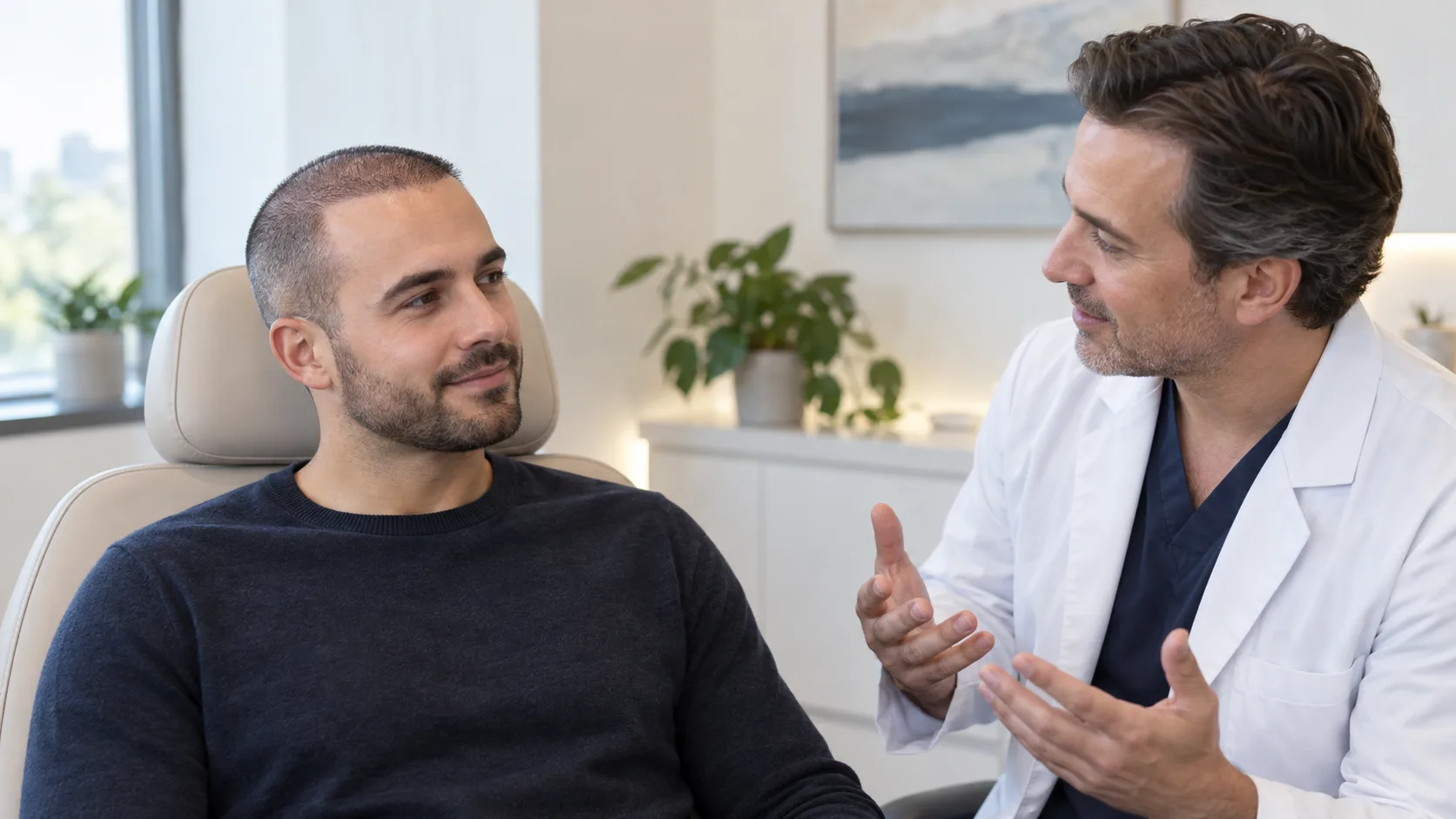
What Happens During the Initial Consultation?
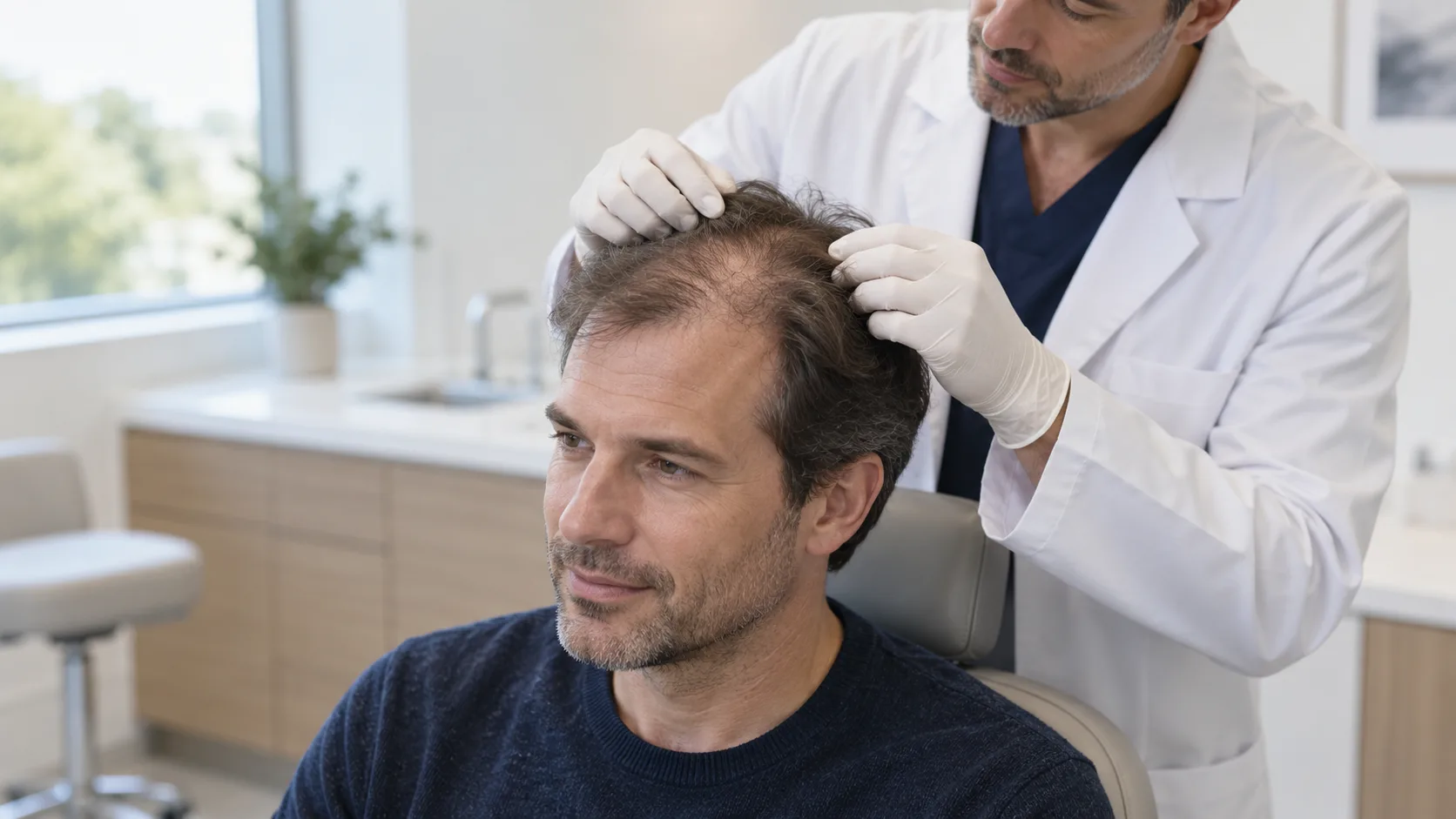
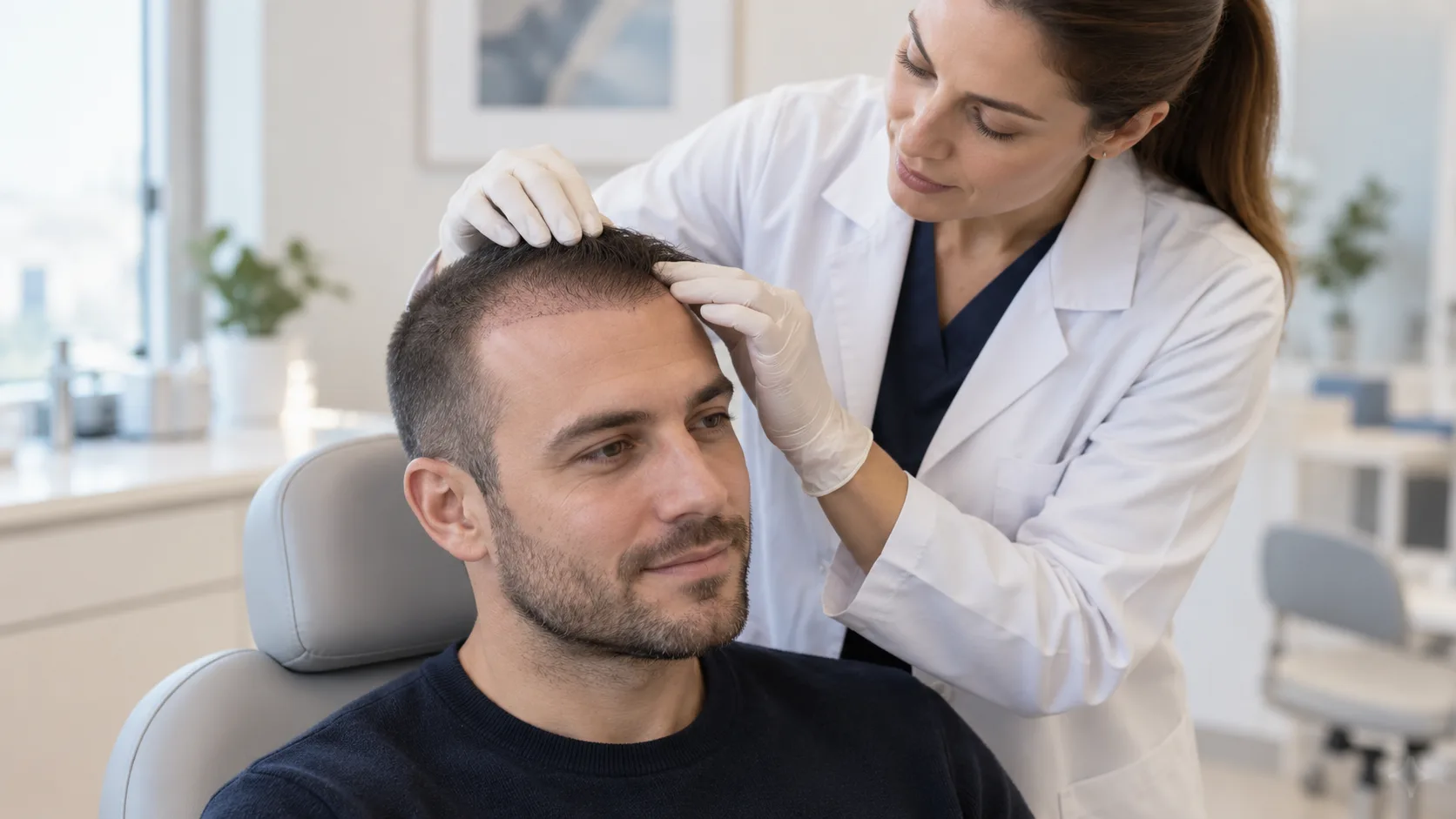
The surgeon examines the scalp. They assess donor density. They evaluate hair loss pattern. They discuss patient goals. They explain realistic outcomes. They design a preliminary hairline. They estimate graft requirements. They review medical history. They identify any contraindications.
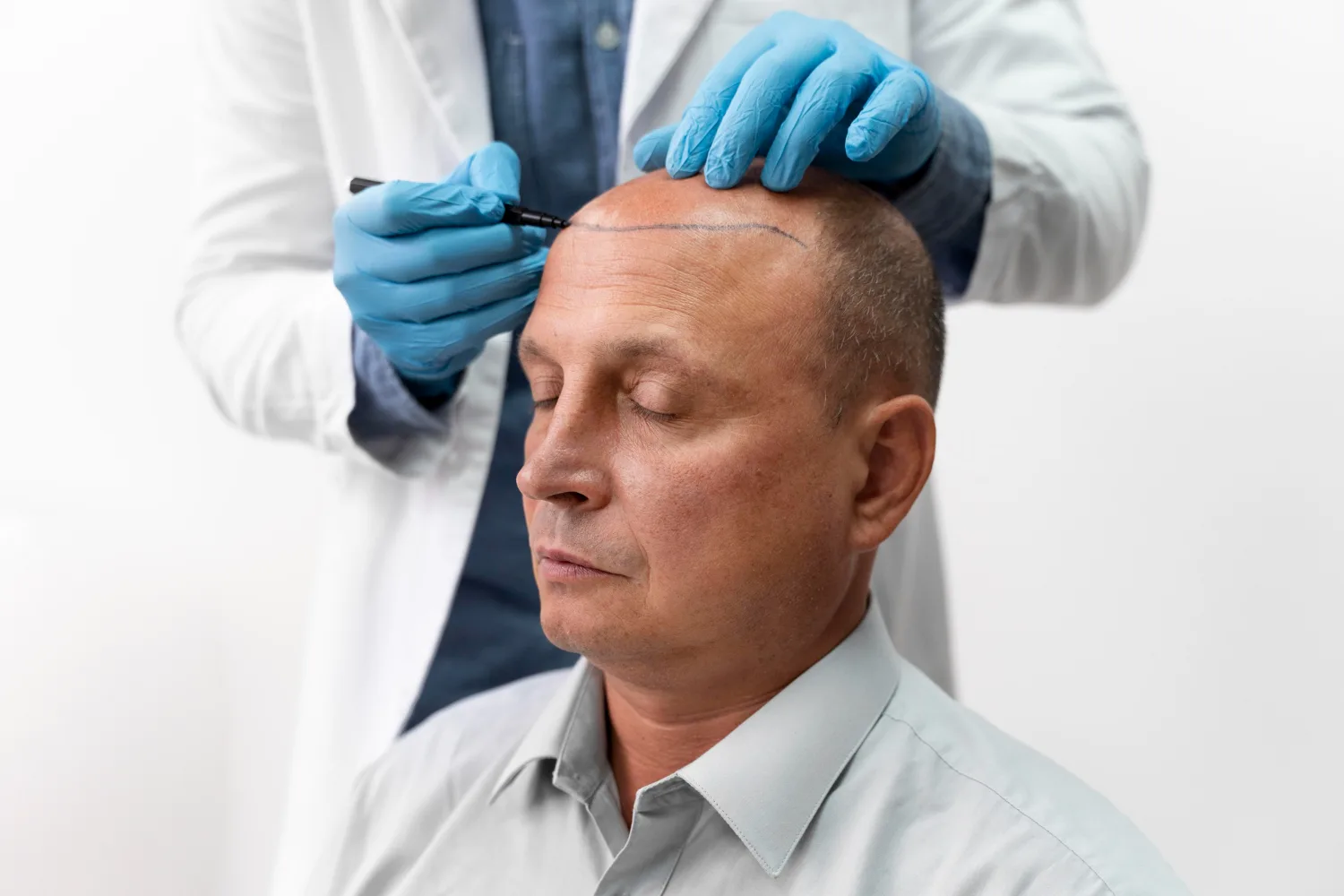
How Does Hairline Design Work?
The surgeon marks the proposed hairline. They consider facial symmetry, age, and ethnic characteristics. They create a shape that complements the patient's features. They explain how the hairline will mature over time. Patients approve the design before surgery begins.
What Happens on Surgery Day?
The team shaves the donor area. They administer local anesthesia. They extract grafts using micro-punch tools. They prepare grafts under microscopes. The surgeon creates recipient sites with sapphire blades. Technicians place grafts into the channels. The procedure typically lasts 4 to 8 hours. Patients receive breaks for meals and rest.
What Does the Recovery Timeline Look Like?
The first 24 hours require rest. Patients wear a protective bandage. The first 3 days involve careful washing protocols. Days 4 to 7 show gradual reduction in redness and swelling. The second week allows return to light activities. Month 1 brings shedding of transplanted hair. This is normal and expected.
What Hair Growth Milestones Should Patients Track?
Timeline | Expected Development |
First week | Scabs form and begin to fall off; redness fades |
First month | Transplanted hair sheds; follicles enter resting phase |
Three months | New hair begins emerging; fine and thin initially |
Six months | Visible density improvement; hair thickens |
Twelve months | Mature results visible; full density achieved |
Eighteen months | Final refinement complete; hair texture normalizes |
Wang et al. (2024) measured outcomes at 12 months post-op. They found patient satisfaction exceeded 98%. Complication rates stayed under 6%. These metrics confirm that patients who follow aftercare protocols achieve excellent long-term results (Wang et al. 2024).
How Can Patients Choose the Best Sapphire FUE Clinic in Turkey?
Selecting the right clinic requires research. Patients should verify multiple factors before committing.
Why Should Patients Verify Surgeon Credentials?
Board certification confirms specialized training. The American Board of Hair Restoration Surgery and International Society of Hair Restoration Surgery represent leading credentials. Certified surgeons have documented experience. They have passed rigorous examinations. They commit to ongoing education. Patients should ask directly about certification. They should verify credentials through official registry websites.
How Should Patients Review Before-and-After Results?
Clinics should provide unedited photos of actual patients. Patients should look for consistent lighting and angles. They should examine hairline design quality. They should assess density in the crown. They should check for visible scarring. They should request photos at multiple time points, including 12-month results. Stock photos or heavily edited images raise red flags.
Why Should Patients Read Independent Reviews?
Independent review platforms provide unfiltered patient experiences. Patients should read multiple reviews across different sites. They should look for patterns in feedback. Consistent praise for surgeon communication indicates quality. Repeated complaints about hidden costs signal problems. Reviews from patients with similar hair loss patterns prove most relevant.
How Should Patients Compare Package Details?
Patients should create a checklist of included services. They should compare accommodation quality. They should verify transfer arrangements. They should confirm medication coverage. They should understand follow-up protocols. The clinic with the lowest headline price may exclude essential services. The true cost includes all necessary components.
Why Should Patients Confirm Aftercare Services?
Aftercare determines long-term success. Patients should confirm what aftercare products they receive. They should understand washing protocols. They should know how to contact the clinic with questions. They should confirm follow-up appointment schedules. Video consultations at 3 months and 12 months provide valuable monitoring.
What Should Patients Know About Revision Policies?
No procedure guarantees perfect results. Some patients need touch-ups for density or coverage. Patients should ask about revision policies before surgery. Some clinics offer free or discounted revisions within a specified timeframe. Others charge full price for additional work. Understanding these terms prevents future disputes.
What Are Common Misconceptions About Sapphire FUE Pricing?
Misinformation confuses patients. Clarifying these misconceptions helps patients make informed decisions.
Does a Higher Price Always Mean Better Results?
No. Some premium clinics charge more for marketing, luxury facilities, or brand positioning. These factors do not guarantee superior surgical outcomes. Patients should evaluate surgeon skill, not price tags. A moderately priced clinic with an experienced surgeon often delivers better results than an expensive clinic with a marketing-focused approach.
Does a Low Price Always Mean Poor Quality?
No. Turkey's structural cost advantages allow high-quality clinics to offer lower prices. Lower rent, labor costs, and supply chain efficiency create this gap. A €2,500 package from an accredited clinic with an experienced surgeon can deliver excellent results. Patients should verify quality through credentials and reviews, not assume low price equals low quality.
Are More Grafts Always Better?
No. Graft count must match donor supply and recipient needs. Excessive grafting depletes the donor area. It creates unnatural density in some zones while leaving others thin. Skilled surgeons prioritize strategic distribution over maximum numbers. They preserve donor hair for future procedures if needed.
Does Package Price Equal Overall Treatment Value?
No. The package price is one component of value. Surgeon expertise, graft survival rates, aftercare quality, and long-term results determine true value. A €4,000 package with 95% graft survival offers better value than a €2,000 package with 75% survival. The higher survival rate means fewer wasted grafts and better density.
Frequently Asked Questions About Sapphire FUE in Turkey
How Much Does Sapphire FUE Cost in Turkey?
Sapphire FUE in Turkey typically costs between €2,500 and €4,500. Premium packages or complex cases may reach €6,000. This price usually includes surgery, accommodation, transfers, medications, and follow-up support.
Why Is Sapphire FUE Cheaper in Turkey?
Lower operating costs, high patient volume, competitive market dynamics, and government support for health tourism create the price advantage. Turkish clinics perform economies of scale that Western markets cannot match.
Are All-Inclusive Packages Worth It?
Yes. All-inclusive packages eliminate hidden costs. They simplify logistics. They provide comprehensive care. Patients know their total investment upfront. The package model typically delivers better value than itemized pricing.
Is Sapphire FUE More Expensive Than Standard FUE?
Yes, but modestly. Sapphire FUE typically costs 10% to 30% more than standard FUE within the same clinic. The premium reflects the specialized blades and technical advantages.
How Many Grafts Do Most Packages Include?
Most Turkish Sapphire FUE packages accommodate 3,000 to 4,000 grafts. Some cover up to 4,500 grafts. Clinics usually specify graft ranges rather than exact counts. Patients should confirm coverage limits before booking.
Does Insurance Cover Sapphire FUE?
No. Health insurance classifies hair transplantation as a cosmetic procedure. It does not cover elective aesthetic surgery. Patients pay entirely out of pocket in all countries.
Are Sapphire FUE Results Permanent?
Yes. Transplanted follicles come from the donor area. These follicles resist dihydrotestosterone. They continue growing throughout the patient's lifetime. However, existing non-transplanted hair may continue thinning. Surgeons often recommend medications like finasteride to preserve native hair.
How Long Should Patients Stay in Turkey?
Patients typically stay 3 to 5 days. Day 1 covers arrival and consultation. Day 2 is surgery day. Days 3 and 4 allow initial recovery and follow-up. Day 5 permits departure. Some patients extend their stay for tourism.
What Does Aftercare Include?
Aftercare includes medications, topical solutions, medicated shampoo, washing instructions, sleeping position guidance, activity restrictions, and follow-up appointments. Premium packages may add PRP therapy or extended monitoring.
How Can Patients Compare Clinics Fairly?
Patients should verify surgeon credentials. They should review unedited before-and-after photos. They should read independent reviews. They should compare package inclusions item by item. They should ask about graft survival rates and revision policies. They should prioritize accredited clinics with transparent practices.
Conclusion
Sapphire FUE cost and value in Turkey reflect a unique market position. Turkey combines advanced surgical technology with structural cost advantages. The result is accessible, high-quality hair restoration for international patients. However, cost should never serve as the sole decision factor. Value emerges from surgeon expertise, graft survival rates, comprehensive aftercare, and long-term aesthetic outcomes.
Patients should evaluate clinics on multiple dimensions. They should verify credentials. They should examine results. They should understand package details. They should ask about safety protocols. The cheapest option risks compromised outcomes. The most expensive option does not guarantee excellence. The best choice balances fair pricing with verified quality.
Turkey remains the leading destination for Sapphire FUE because it delivers this balance. The country's medical tourism infrastructure supports safe, efficient, and satisfying patient experiences. Comprehensive all-inclusive packages remove logistical barriers. Experienced surgeons achieve graft survival rates exceeding 90%. Patients who research thoroughly and choose accredited providers consistently report high satisfaction.
The decision to undergo Sapphire FUE represents a significant personal investment. Patients who approach this decision with scientific understanding, realistic expectations, and careful clinic evaluation achieve the best possible outcomes. Turkey offers the opportunity to restore hair, confidence, and quality of life at a fraction of the cost available elsewhere.
References
Ahmad et al. "Mathematical Modeling of Tissue Trauma from Blade Shapes and Insertion Angles in Hair Transplantation." Journal of Cosmetic Dermatology, 2021.
Aksoz et al. "Retrospective Analysis of Complications in 1,030 FUE Procedures." Frontiers in Medicine, 2024.
Beehner, Michael L. "A Study Comparing Survival of Hair Follicles Stored Cold and at Room Temperature." Hair Transplant Forum International, 2021.
Coherent Market Insights. Turkey Medical Tourism Market Size and Trends 2026-2033. Coherent Market Insights, 2026.
Mordor Intelligence. Turkey Medical Tourism Market Size and Growth to 2031. Mordor Intelligence, 2026.
Park, JH, et al. "Comparison of Follicular Unit Survival in Manual and Motorized FUE: A Prospective Study." 2015.
Parsley, William M, and Perez-Meza, David. "Review of Factors Affecting the Growth and Survival of Follicular Grafts." Journal of Cutaneous and Aesthetic Surgery, 2010.
Pathania, Vikas, et al. "Randomized Control Trial to Study the Efficacy and Safety of Platelet-Rich Plasma as Intraoperative Holding Solution in Hair Restoration Surgery: A Pilot Study." 2023.
Pathomvanich, D. "Survival and Growth of Follicular Unit Grafts." Dermatologic Surgery, 2003.
Sethi, Pradeep, et al. "Direct Hair Transplantation: A Modified Follicular Unit Extraction Technique." 2013.
Sharma, R. "Follicular Unit Extraction (FUE) Hair Transplant: Curves Ahead." PMC, 2019.
Unger, W. "Effect of Rapid Transfer of Grafts from the Donor Area to the Recipient Site." Hair Transplantation, 4th ed., Marcel Dekker, 2004.
von Albertini, Conradin, et al. "Does the Use of Implanters Affect the Quality of FUE Grafts?" 2017.
Wang, Fang, et al. "Using the Follicular Unit Extraction Technique in Treatment of Male Androgenetic Alopecia." 2024.
Wasserbauer. "FUE Wound Re-epithelialization Timeline." Hair Transplant Forum International, 2012.
Yii, Valerie, et al. "Systematic Review of Follicular Unit Graft Survival Rates After Hair Transplantation in Primary Cicatricial Alopecia." 2025.