What Makes Turkish FUE Hair Transplants So Popular?
Hair restoration has become one of the most sought-after cosmetic procedures worldwide. Every year, millions of people search for solutions to hair loss. Turkey now leads this global market. The country performs more FUE hair transplants than any other nation. Patients from Europe, North America, and the Middle East travel to Istanbul in record numbers. They seek natural results at accessible prices. This article explains why Turkish FUE hair transplants have gained such worldwide popularity. You will learn what FUE involves, why Turkey dominates the field, what patients should expect, and how to choose the right clinic.
What Is an FUE Hair Transplant?
FUE stands for Follicular Unit Extraction. Surgeons extract individual hair follicles from a donor area. They then implant these follicles into thinning or bald areas. This method avoids the linear scar associated with older techniques.
Understanding Follicular Unit Extraction (FUE)
Follicular Unit Extraction removes single follicular units directly from the scalp. A surgeon uses a small punch tool, usually 0.8 to 1.0 millimeters in diameter. The tool creates a tiny circular incision around each graft. The team then extracts the graft with forceps. This process repeats hundreds or thousands of times. The surgeon places each graft into premade recipient sites. These sites follow the natural angle and direction of existing hair. Sharma and Ranjan note that FUE offers less visible scarring and shorter recovery than older strip methods (Sharma and Ranjan).
Why Is FUE Preferred Over Older Hair Restoration Techniques?
Patients and surgeons prefer FUE for several clear reasons. First, FUE leaves only tiny dot-like scars. These scars hide easily under short hair. Second, recovery takes less time. Most patients return to normal activities within a week. Third, FUE produces natural-looking hairlines. Surgeons control the exact placement of each graft. Fourth, the approach causes less trauma to surrounding tissue. Parsley and colleagues confirm that modern FUE achieves graft survival rates between 85% and 95% when teams handle grafts carefully (Parsley et al.).
Who Is an Ideal Candidate for FUE?
Ideal candidates have sufficient donor hair on the back or sides of the head. They also have realistic expectations about density and coverage. Candidates should be in good general health. They should not have uncontrolled diabetes or bleeding disorders. True emphasizes that proper patient selection directly determines surgical success (True).
Why Has Turkey Become the Global Leader in FUE Hair Transplants?
Turkey did not become the world leader in hair restoration by accident. Decades of investment, policy support, and clinical volume built this position.
The Evolution of Turkey's Hair Transplant Industry
Turkey's hair transplant industry began growing rapidly in the early 2000s. Clinics invested in modern equipment and training. Surgeons traveled abroad to learn advanced techniques. They returned and refined their skills on large patient volumes. This cycle created a self-reinforcing ecosystem. More patients attracted more surgeons. More surgeons improved outcomes. Better outcomes attracted even more patients.
Medical Tourism Growth and Government Support
The Turkish government actively supports medical tourism. The Ministry of Health certifies clinics through the International Health Tourism Certificate program. USHAS, the Health Tourism Promotion Agency, markets Turkish healthcare abroad. The Health Türkiye portal connects international patients with verified providers. Global Market Insights reports that Turkey's medical tourism market reached USD 3.5 billion in 2025 and projects growth to USD 17.3 billion by 2035 (Global Market Insights).
Istanbul as an International Hair Restoration Hub
Istanbul serves as the operational heart of this industry. The city hosts over 650 hair transplant clinics. Istanbul Airport handles 90 million passengers annually. Direct flights connect Istanbul to more than a dozen US cities, five UK airports, and major hubs worldwide. This connectivity makes travel easy for medical tourists.
High Patient Volume Creates Extensive Clinical Experience
Turkish clinics perform an estimated 1.1 to 1.5 million hair transplant procedures each year. This volume represents 25% to 35% of all global procedures. International patients account for 58% to 65% of these cases. No other country matches this scale. High volume forces surgical teams to refine their techniques daily. They manage diverse hair types, loss patterns, and aesthetic goals. This repetition builds unmatched expertise.
What Factors Make Turkish FUE Hair Transplants So Popular?
Several interconnected factors drive the popularity of Turkish FUE procedures. These factors work together to create a compelling value proposition.
Affordable Treatment Without Sacrificing Modern Technology
Turkish clinics charge between $1.07 and $1.80 per graft. A typical 3,500-graft procedure costs $3,745 to $6,300. The same procedure costs $15,750 to $28,000 in the United States and $17,500 to $35,000 in the United Kingdom. Turkish clinics achieve these prices through economies of scale, lower operational costs, and bundled services. They do not compromise on technology. They use sapphire blades, micromotors, and advanced graft storage solutions.
Highly Experienced Hair Transplant Teams
Turkish surgical teams perform more procedures annually than teams in most other countries. A single experienced surgeon may oversee thousands of cases per year. This volume hones technical precision. Teams learn to extract grafts with minimal transection. They master recipient site creation. They develop intuition for natural hairline design.
Widespread Use of Advanced FUE Equipment
Leading Turkish clinics adopt new technology quickly. They use motorized punches with adjustable speed and torque. They employ sapphire blades for sharper, cleaner incisions. Some clinics use robotic assistance for extraction accuracy. They store grafts in chilled holding solutions. These tools improve graft survival and reduce procedural trauma.
Personalized Hairline Design
Turkish surgeons emphasize individualized hairline planning. They measure facial proportions. They consider age, ethnicity, and future hair loss patterns. They design hairlines that look appropriate at age 30 and age 50. Fu and colleagues found that hair direction and patient age significantly influence satisfaction with frontal hairline correction (Fu et al.).
Comprehensive Preoperative Planning
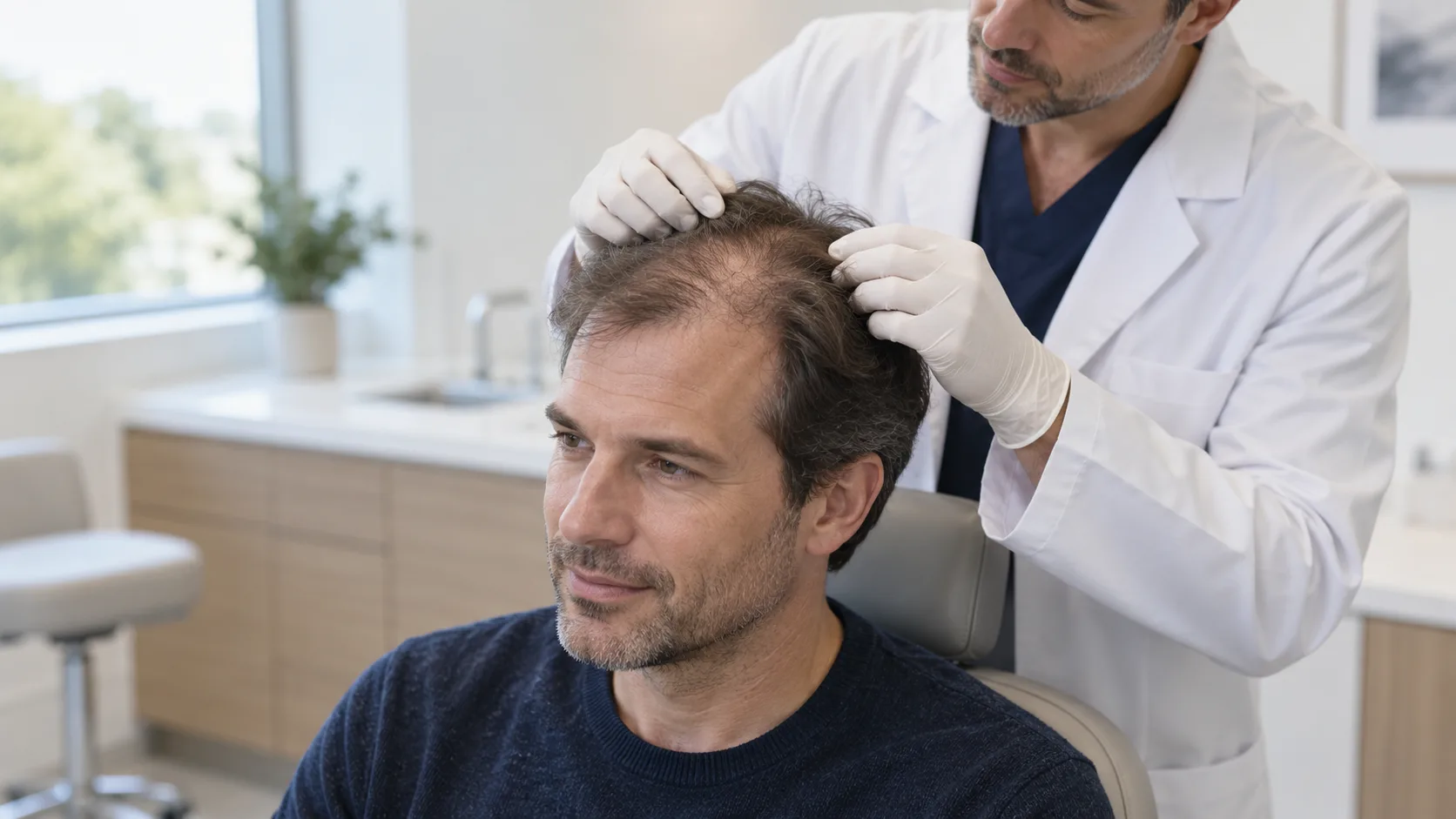
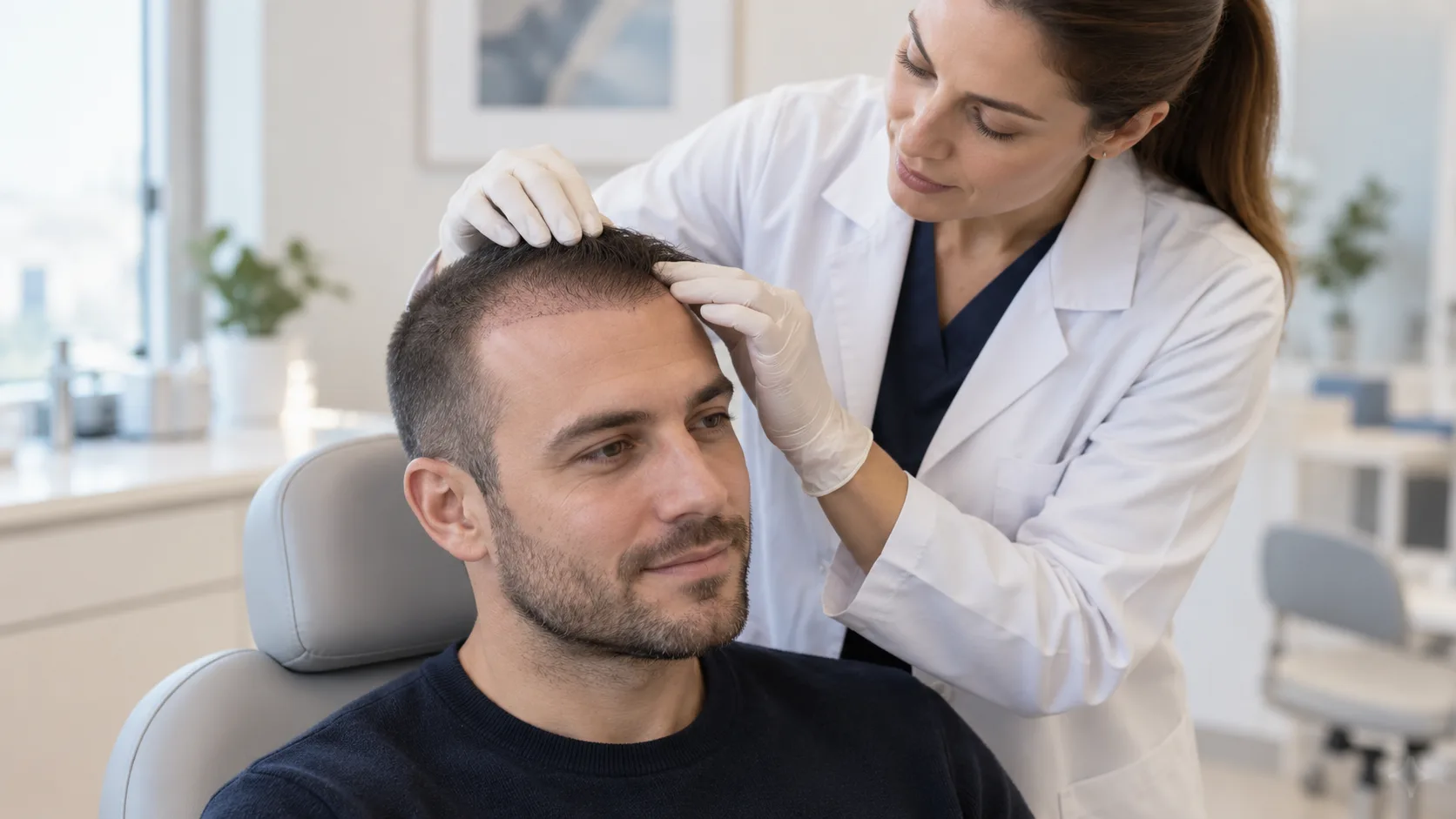
Clinics conduct thorough preoperative assessments. They evaluate donor density with densitometers. They photograph the scalp from multiple angles. They calculate the exact graft count needed. They discuss long-term medical therapy, such as finasteride or minoxidil. This planning prevents overharvesting and ensures sustainable results.
Efficient International Patient Services
Turkish clinics have streamlined the entire medical tourism experience. They offer online consultations via video call. They provide detailed treatment plans before patients book flights. They assign multilingual coordinators to each patient. These coordinators handle scheduling, translation, and logistics.
Short Waiting Times Compared with Many Countries
Patients in the United Kingdom and Canada often wait months for consultations. In Turkey, patients can book procedures within days or weeks. This speed appeals to busy professionals who want minimal disruption to their schedules.
Availability of Multilingual Coordinators
Most major Turkish clinics employ staff who speak English, Arabic, French, Spanish, and Italian. This multilingual support removes language barriers. Patients feel confident asking questions. They understand preoperative and postoperative instructions clearly.
Why Do International Patients Choose Turkey Instead of Their Home Country?
Patients do not choose Turkey based on price alone. They weigh multiple practical and emotional factors.
Significant Cost Savings
A patient from London can save 70% to 82% by choosing Turkey over a UK clinic. A patient from New York can save similar amounts. These savings remain substantial even after adding flight and hotel costs. Patients view this as value, not cheapness. They receive comparable or superior clinical outcomes for a fraction of the price.
All-Inclusive Medical Tourism Packages
Turkish clinics pioneered the all-inclusive package model. These packages typically include the procedure, airport transfers, hotel accommodation, medications, aftercare products, and follow-up consultations. Patients know the total cost upfront. They avoid surprise fees. This transparency builds trust.
Combining Treatment with Travel
Istanbul offers rich cultural experiences. Patients visit the Hagia Sophia, the Grand Bazaar, and the Bosphorus. They combine medical care with a memorable trip. This combination reduces the psychological burden of surgery. Patients view the journey as a positive life event, not just a medical necessity.
Easy International Accessibility
Turkish Airlines operates the world's most extensive route network. Istanbul sits at the crossroads of Europe, Asia, and the Middle East. Flight times from London average under four hours. Direct flights from New York take about ten hours. Visa requirements remain simple for most nationalities.
Strong Online Reputation and Patient Testimonials
Social media and review platforms display thousands of before-and-after photos from Turkish clinics. YouTube videos document entire patient journeys. Reddit forums host honest discussions about specific surgeons. This transparency helps prospective patients research thoroughly. They see real results from real people.
How Does Surgical Experience Influence FUE Results?
Experience determines outcomes in hair transplantation more than almost any other factor. High-volume centers produce consistently better results.
Why Procedure Volume Matters
Surgeons who perform thousands of procedures develop muscle memory. They recognize subtle variations in scalp elasticity. They adjust punch depth instantly. They identify the best grafts in the donor area. Pathomvanich demonstrated that properly handled grafts achieve survival rates as high as 95% in ideal conditions (Pathomvanich).
Consistent Refinement of Surgical Techniques
High-volume clinics collect data continuously. They track graft survival rates. They monitor patient satisfaction scores. They refine their protocols based on this feedback. This iterative improvement creates a culture of excellence.
Managing Different Hair Loss Patterns
Androgenetic alopecia presents differently in every patient. Some lose hair at the crown. Others recede at the temples. Some experience diffuse thinning. Experienced teams have seen every pattern. They know exactly how to distribute grafts for maximum visual impact.
Natural Hairline Creation
Creating a natural hairline requires artistic judgment. Surgeons must place single-hair grafts at the frontal edge. They must transition to double and triple grafts behind the hairline. They must follow the natural swirl pattern at the crown. Wang and colleagues reported that over 90% of transplanted follicles survived after FUE in a study of 158 male patients, with patient satisfaction exceeding 98% (Wang et al.).
Donor Area Preservation
Overharvesting the donor area causes permanent damage. Experienced surgeons calculate safe extraction limits. They space extractions evenly. They preserve enough grafts for future procedures if hair loss progresses. Muthuvel and colleagues confirm that board-certified surgeons working with trained teams achieve higher long-term follicle survival (Muthuvel et al.).
What Makes Turkish FUE Results Look Natural?
Natural results depend on technical precision and artistic planning. Turkish clinics excel in both domains.
Hairline Planning
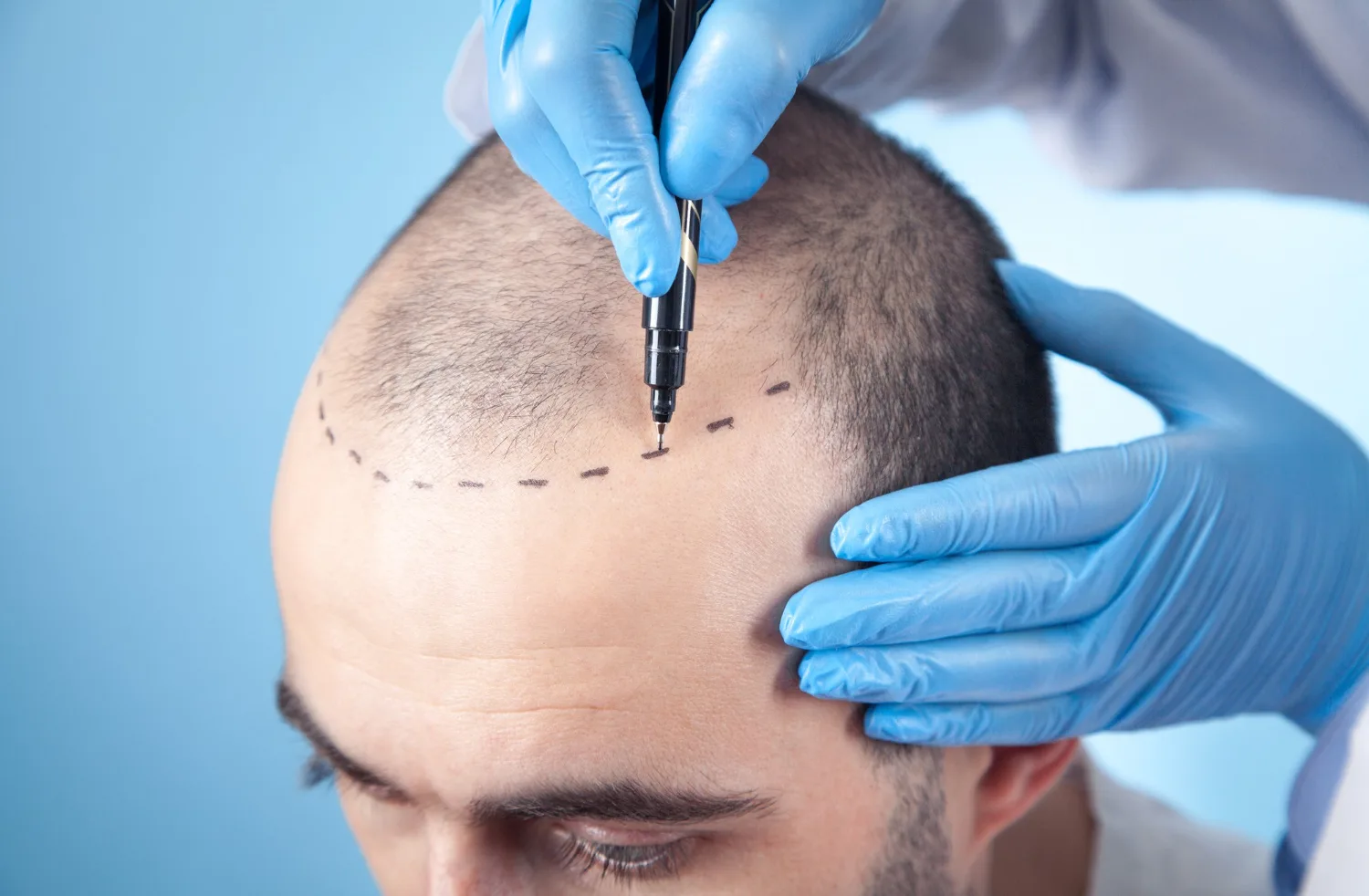
A natural hairline is not straight. It has subtle irregularities. It follows the natural transition from forehead to hair-bearing scalp. Turkish surgeons design hairlines with micro-irregularities. They avoid harsh, symmetrical lines. They consider facial shape and ethnic background.
Graft Angle and Direction
Each hair exits the scalp at a specific angle. Frontal hairs point forward at 15 to 20 degrees. Temporal hairs point downward. Crown hairs follow a spiral pattern. Surgeons must replicate these angles exactly. Incorrect angles produce unnatural, "pluggy" results.
Density Distribution
Natural hair density varies across the scalp. The frontal hairline requires lower density. The mid-scalp and crown need higher density. Surgeons place grafts closer together in some areas and farther apart in others. This variation mimics nature.
Matching Hair Characteristics
Surgeons match the thickness, curl, and color of transplanted hair to existing hair. They select donor grafts that blend seamlessly. They consider how hair will look when it grows longer.
Long-Term Aesthetic Planning
Hair loss progresses over decades. A good transplant must look natural at every stage. Surgeons plan for future recession. They reserve donor grafts for touch-ups. They recommend medical therapy to slow ongoing loss.
What Is Included in Most Turkish Hair Transplant Packages?
Turkish clinics have standardized comprehensive packages. Patients know exactly what to expect.
Online Consultation
Patients submit photos through WhatsApp, email, or clinic portals. Surgeons review these photos and provide preliminary assessments. They estimate graft counts and discuss realistic outcomes.
Medical Evaluation
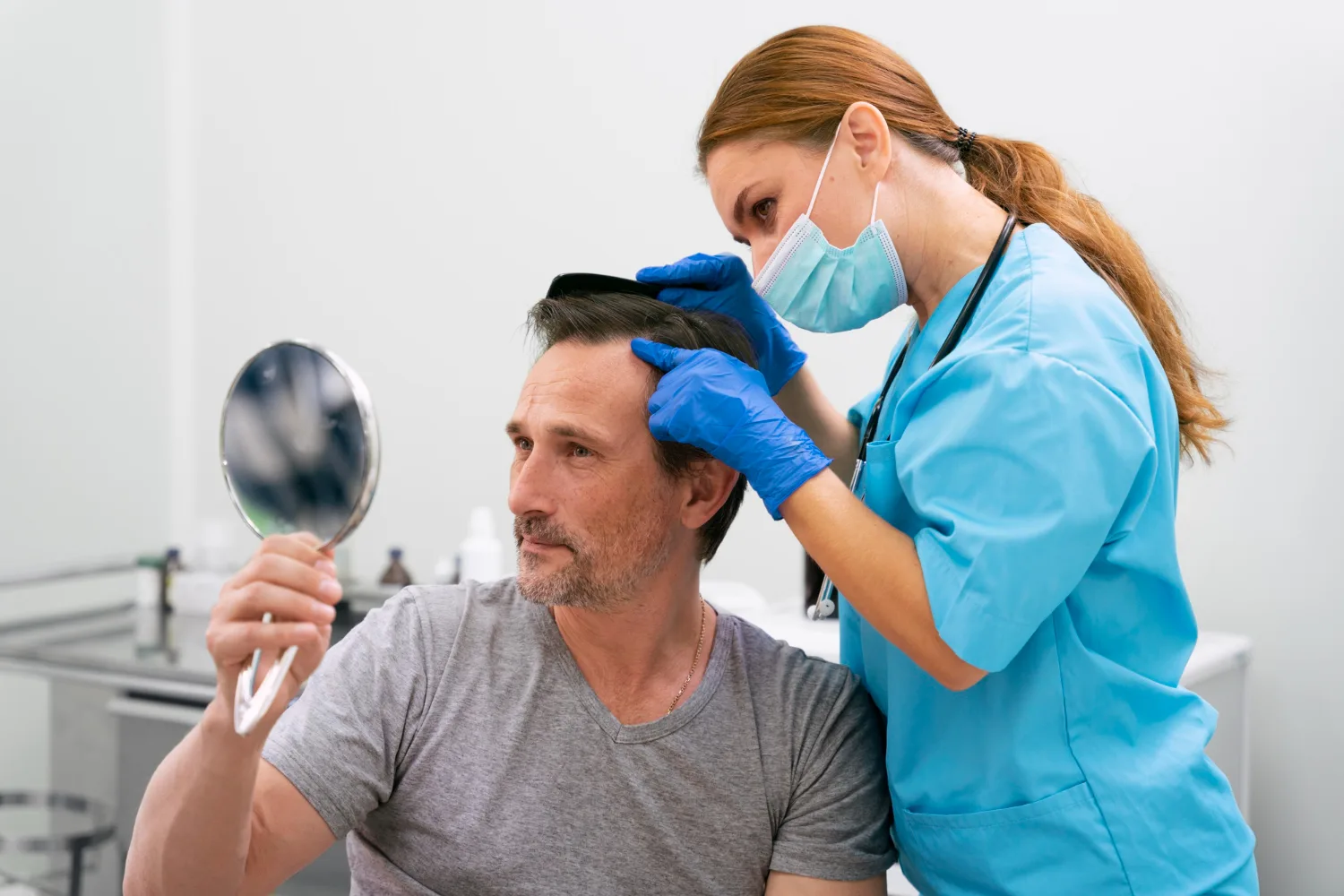
On arrival, patients undergo blood tests and scalp examinations. The medical team reviews health history. They confirm candidacy and adjust the surgical plan if needed.
Airport Transfers
Clinics provide private transfers between the airport, hotel, and clinic. Patients avoid navigating unfamiliar public transportation after surgery.
Hotel Accommodation
Packages include two to four nights in a nearby hotel. Staff select hotels with comfortable beds and easy access to the clinic.
Procedure Day
The surgical team performs the FUE procedure under local anesthesia. Most procedures take six to eight hours. Patients receive breaks for meals and rest.
Medications
Clinics provide antibiotics, pain relievers, anti-inflammatory drugs, and stomach protectors. Patients receive clear dosing instructions.
Aftercare Products
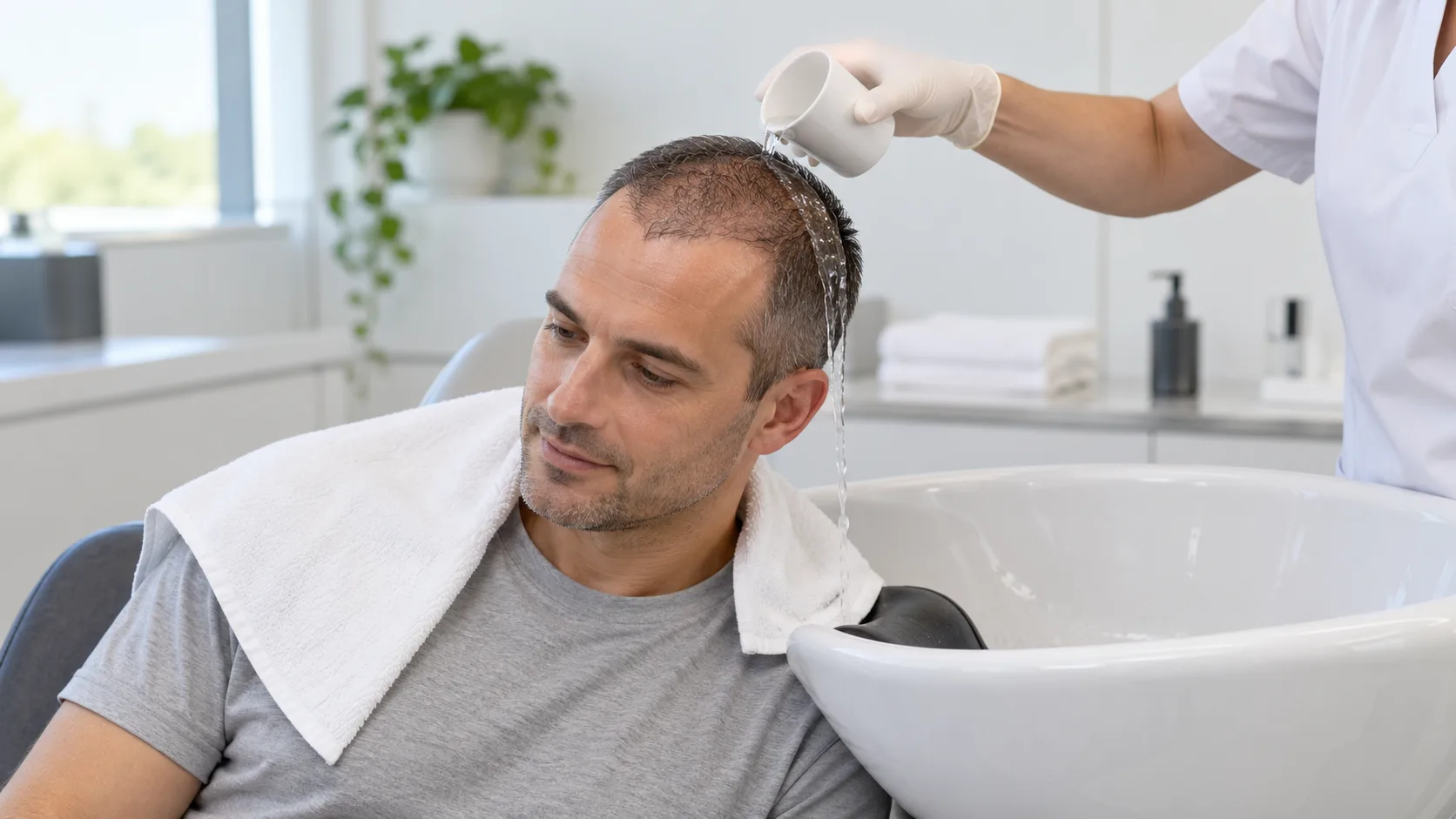
Patients receive special shampoos, saline sprays, and topical solutions. These products support healing and graft survival during the critical first weeks.
Follow-Up Consultations
Clinics schedule follow-up appointments at regular intervals. They monitor healing at one week, one month, three months, six months, and twelve months. Many clinics offer remote follow-up for international patients.
How Safe Are FUE Hair Transplants in Turkey?
Safety depends on clinic standards, surgeon qualifications, and patient selection. Turkey hosts both world-class facilities and substandard operators.
Understanding International Standards
The Turkish Ministry of Health certifies clinics that meet specific standards. JCI accreditation indicates compliance with international patient safety protocols. Certified clinics maintain sterile environments. They use disposable instruments. They follow established emergency protocols.
Importance of Proper Patient Assessment
Safe clinics conduct thorough preoperative screening. They check blood pressure and blood sugar. They review medication lists. They identify contraindications such as bleeding disorders or active scalp infections. Goldin emphasizes that patients with diabetes or hypertension must have these conditions under good control before surgery (Goldin).
Sterilization Protocols
Reputable clinics sterilize all instruments. They use disposable punches and blades. They maintain clean surgical suites. They follow hand hygiene protocols. These measures prevent infections and cross-contamination.
Qualified Medical Teams
The best clinics employ board-certified surgeons. These surgeons lead every critical step of the procedure. They do not delegate extraction or implantation to unqualified technicians. They supervise the entire team.
Why Clinic Selection Matters More Than Country
Turkey has excellent clinics and poor clinics. The country itself does not guarantee quality. Patients must research individual providers. They must verify credentials. They must read independent reviews. A well-chosen Turkish clinic offers safety comparable to top facilities in Western Europe or North America.
What Risks Should Patients Be Aware Of?
Every surgical procedure carries risks. FUE hair transplants are no exception. Patients must understand these risks before booking.
Choosing Clinics Based Only on Price
The lowest price often signals corners cut in safety or quality. Cheap clinics may use outdated equipment. They may rush procedures. They may employ undertrained staff. Patients should compare value, not just price.
Hair Mill Clinics
Some high-volume clinics operate like factories. They schedule multiple patients per day. Surgeons supervise briefly while technicians perform most steps. This model increases error rates. It reduces personalized care.
Unrealistic Marketing Claims
Clinics promising guaranteed density or perfect results mislead patients. Hair transplantation cannot restore teenage hairlines in most adults. It cannot create density that exceeds natural donor supply.
Excessive Graft Promises
Some clinics promise 5,000 or 6,000 grafts in a single session. This number may exceed safe donor limits. Overharvesting damages the donor area permanently. It also strains the surgical team, reducing graft quality.
Poor Donor Area Management
Inexperienced teams extract grafts too close together. They create visible thinning in the donor zone. They may cause scarring or pigment changes. Proper spacing preserves donor density and appearance.
Limited Surgeon Involvement
In some clinics, the surgeon only designs the hairline. Technicians perform extraction and implantation. This division of labor increases transection rates. It reduces accountability for outcomes.
Inadequate Postoperative Follow-Up
Some clinics discharge patients without clear aftercare instructions. They fail to monitor healing. They do not address complications promptly. Good follow-up prevents minor issues from becoming major problems.
How Can You Choose the Right FUE Clinic in Turkey?
Selecting the right clinic requires diligent research and critical thinking. Patients should evaluate multiple factors.
Verify Surgeon Credentials
Check where the surgeon trained. Verify board certification. Look for membership in professional societies such as the International Society of Hair Restoration Surgery. Confirm how many procedures the surgeon performs annually.
Review Before-and-After Results
Examine photos of patients with similar hair loss patterns and hair characteristics. Look for natural hairlines. Check for consistent density. Be wary of heavily edited or stock images.
Confirm Who Performs Each Surgical Step
Ask directly whether the surgeon performs extraction and implantation. Ask about technician involvement. Understand the chain of responsibility. The surgeon should oversee every critical phase.
Evaluate Patient Reviews from Independent Sources
Read reviews on Google, Trustpilot, and Reddit. Look for detailed accounts of the entire experience. Pay attention to how clinics handle complications. Ignore reviews that seem generic or fake.
Ask About Emergency Support
Confirm that the clinic has emergency protocols. Ask how they handle severe bleeding, allergic reactions, or infections. Verify that a physician remains on call after hours.
Understand the Complete Treatment Plan
Request a written treatment plan. It should specify graft count, technique, anesthesia type, and aftercare protocol. It should list all included services and costs.
Compare Value Rather Than Price Alone
The cheapest option rarely offers the best value. Compare what each package includes. Factor in surgeon experience, clinic accreditation, and follow-up quality. Invest in quality for a permanent result.
What Is Recovery Like After an FUE Hair Transplant?
Recovery follows a predictable timeline. Patients should understand each phase.
First 24 Hours
The scalp feels tender and tight. Small crusts form around each graft. Patients must sleep with their head elevated at 15 to 30 degrees. This position reduces swelling. They should avoid touching the grafts.
First Week
Swelling may move to the forehead and around the eyes. This swelling resolves within days. Patients can wash their scalp gently after 24 hours. They use mild shampoo and avoid direct water pressure. Most patients return to work within three to five days.
Shock Hair Loss Phase
Transplanted hairs shed two to four weeks after surgery. This shedding shocks many patients. It is completely normal. The follicles remain alive beneath the scalp. New growth will emerge.
Three to Six Months
Fine new hairs begin appearing. They may look thin or curly at first. Density increases gradually. Patients should continue any prescribed medical therapy. They should avoid smoking and alcohol.
One-Year Results
Full results appear by twelve months. Hair thickens and matures. The final density becomes visible. Patients can cut, style, and dye their hair normally. Most report high satisfaction at this stage. Liu and colleagues found that hair transplantation significantly elevated self-esteem and increased satisfaction with appearance in male patients (Liu et al.).
Tips for Optimal Healing
Sleep with head elevation for one week. Avoid strenuous exercise for ten days. Protect the scalp from direct sunlight for one month. Follow medication instructions exactly. Attend all follow-up appointments.
How Does Turkey Compare with Other Hair Transplant Destinations?
Turkey competes with several other medical tourism destinations. Each has strengths and weaknesses.
Turkey vs United Kingdom
UK clinics charge £5,000 to £15,000 for comparable procedures. Turkish clinics charge £1,500 to £3,500 all-inclusive. UK patients face long NHS waiting lists for consultations. Turkish clinics offer immediate availability. UK surgeons often perform fewer procedures annually due to lower demand.
Turkey vs United States
US clinics charge $15,750 to $28,000. Turkish clinics charge $3,745 to $6,300. US clinics offer excellent quality at premium prices. Turkish clinics match or exceed US quality at major centers for a fraction of the cost. US patients increasingly search for Turkish options as costs at home rise.
Turkey vs Western Europe
German and French clinics charge €4,500 to €8,500. They offer high standards but limited volume. Turkish clinics provide comparable standards with far greater experience. Western European patients save 50% to 70% by traveling to Turkey.
Cost Comparison
Country | Cost Per Graft (USD) | Cost for 3,500 Grafts | Savings vs US |
Turkey | $1.07 – $1.80 | $3,745 – $6,300 | 73% – 82% |
United Kingdom | $5.00 – $10.00 | $17,500 – $35,000 | – |
United States | $4.50 – $8.00 | $15,750 – $28,000 | – |
Germany | $4.50 – $8.50 | $15,750 – $29,750 | 15% – 35% |
Waiting Times
Turkish clinics schedule procedures within days or weeks. UK and Canadian patients often wait months. US patients face shorter waits but at much higher cost.
Treatment Experience
Turkish clinics specialize in international patients. They offer packages with transfers, hotels, and translators. Western clinics typically charge separately for each service. Turkish clinics provide a more streamlined experience.
What Does Scientific Research Say About Hair Transplant Success?
Peer-reviewed studies confirm the safety and efficacy of modern FUE procedures.
Clinical Success Rates
FUE achieves graft survival rates of 85% to 95% in clinical settings. Wang and colleagues reported over 90% follicle survival in their retrospective study of 158 male patients (Wang et al.). Pathomvanich documented survival rates up to 95% with proper handling (Pathomvanich).
Factors Affecting Graft Survival
Graft survival depends on extraction technique, handling time, hydration, and implantation precision. Park and colleagues found that manual FUE demonstrated slightly higher follicular survival and lower transection rates than motorized methods (Park et al.). Chilled holding solutions and minimal handling time improve outcomes.
Importance of Surgical Technique
Transection, or cutting through the follicle, destroys grafts. Skilled surgeons minimize transection. They use appropriate punch sizes. They maintain correct depth. They avoid excessive torque during extraction.
Role of Postoperative Care
Patient behavior after surgery strongly influences results. Smoking reduces blood flow to grafts. Poor hygiene causes infections. Skipping medications allows inflammation. Yang Liu and colleagues showed that postoperative self-management directly affects long-term outcomes (Yang Liu et al.).
Long-Term Patient Satisfaction
Studies consistently report high satisfaction rates. Aksoz and colleagues found that 86.18% of patients rated their one-year results as excellent (Aksoz et al.). Yang Liu and colleagues documented a mean increase of 29.62 points in appearance satisfaction scores six months after surgery (Yang Liu et al.). Fu and colleagues emphasize that individualized planning improves satisfaction for both men and women (Fu et al.).
Frequently Asked Questions About Turkish FUE Hair Transplants
Is Turkey really the best country for FUE hair transplantation?
Turkey leads the world in procedure volume, experience, and value. The country performs 25% to 35% of all global hair transplants. However, "best" depends on individual needs. Patients who prioritize convenience over cost may prefer local options. Patients seeking maximum value and experience often choose Turkey.
Why are Turkish hair transplants more affordable?
Lower labor costs, favorable exchange rates, and economies of scale reduce prices. The high volume of patients allows clinics to spread fixed costs across many cases. Government support for medical tourism also keeps infrastructure costs manageable.
How many grafts can be transplanted in one session?
Most surgeons transplant 2,500 to 4,500 grafts in one session. Some cases require 5,000 or more. The safe maximum depends on donor density and scalp elasticity. Surgeons should not sacrifice graft quality for quantity.
How long should I stay in Turkey?
Most patients stay three to four days. They arrive one day before surgery. They undergo the procedure the next day. They rest one day after surgery. They fly home the following day. Some clinics recommend five to seven days for more complex cases.
Is the procedure painful?
Surgeons use local anesthesia. Patients feel pressure and movement but not pain. Some discomfort occurs during anesthesia injection. Postoperative soreness feels similar to a mild sunburn. Pain medication manages this effectively.
How long does recovery take?
Most patients resume normal activities within five to seven days. Strenuous exercise requires ten to fourteen days. The scalp returns to normal appearance within two to three weeks. Full healing takes several months.
When will I see full results?
New hair growth begins at three to four months. Density increases through months six to nine. Full results appear by twelve months. Some patients see continued improvement through month fourteen.
Are Turkish FUE hair transplants permanent?
Transplanted hair comes from the donor area, which resists the hormone that causes pattern baldness. This hair maintains its genetic resistance after transplantation. It grows permanently in the new location. However, existing non-transplanted hair may continue thinning. Medical therapy helps preserve native hair.
Conclusion: Why Are Turkish FUE Hair Transplants So Popular Worldwide?
Turkish FUE hair transplants have earned global popularity through a powerful combination of factors. Turkey offers affordable pricing without sacrificing quality. Its surgeons possess unmatched experience due to extraordinarily high procedure volumes. The country maintains modern medical infrastructure with strong government support. Clinics provide comprehensive packages that simplify the entire patient journey. Istanbul's geographic position and flight connectivity make travel easy from almost anywhere.
However, excellent outcomes depend on one critical choice: selecting a reputable clinic with experienced medical professionals. Price alone should never drive this decision. Patients must verify surgeon credentials. They must review independent testimonials. They must confirm who performs each surgical step. They must demand transparent treatment plans and robust follow-up care.
Hair transplantation represents a permanent investment in appearance and confidence. The procedure succeeds when patients combine realistic expectations with individualized treatment planning. It succeeds when clinics prioritize graft survival, natural aesthetics, and long-term patient satisfaction over speed or volume. Turkey offers the resources to achieve these goals. The responsibility lies with each patient to choose a provider that truly delivers on this promise.
References
Aksoz, T., et al. "Clinical Outcome and Safety Profile of Patients Underwent Hair Transplantation Surgery by Follicular Unit Extraction." Journal of Clinical and Diagnostic Research, vol. 12, no. 5, 2018, pp. 540-543.
Fu, Danlan, et al. "Factors Influencing Patient Satisfaction in Frontal Hairline Correction with Hair Transplantation: A Multicenter Retrospective Study." Plastic and Reconstructive Surgery, vol. 157, no. 2, 2026, pp. 184e-196e.
Global Market Insights. Turkey Medical Tourism Market Size & Share 2026–2035. Global Market Insights Inc., 2026.
Goldin, J. "Hair Transplantation." StatPearls, National Center for Biotechnology Information, 2025.
Liu, Fang, et al. "The Relationship between Self-Esteem and Hair Transplantation Satisfaction in Male Androgenetic Alopecia Patients." Journal of Cosmetic Dermatology, vol. 18, no. 5, 2019, pp. 1345-1352.
Muthuvel, Kumaresan, et al. "Longevity of Hair Follicles after Follicular Unit Transplant Surgery." Dermatologic Surgery, vol. 46, no. 8, 2020, pp. 1120-1126.
Park, JH, et al. "Comparison of Follicular Unit Survival in Manual and Motorized FUE: A Prospective Study." Dermatologic Surgery, vol. 41, no. 10, 2015, pp. 1145-1150.
Parsley, William M, et al. "Review of Factors Affecting the Growth and Survival of Follicular Grafts." Journal of Cutaneous and Aesthetic Surgery, vol. 3, no. 2, 2010, pp. 69-75.
Pathomvanich, D. "Survival and Growth of Follicular Unit Grafts." Dermatologic Surgery, vol. 29, no. 5, 2003, pp. 523-526.
Sharma, Ravi, and Anushri Ranjan. "Follicular Unit Extraction (FUE) Hair Transplant: Curves Ahead." Journal of Cutaneous and Aesthetic Surgery, vol. 12, no. 4, 2019, pp. 219-227.
True, Robert H. "Is Every Patient of Hair Loss a Candidate for Hair Transplant?: Deciding Surgical Candidacy in Pattern Hair Loss." Journal of Cutaneous and Aesthetic Surgery, vol. 14, no. 3, 2021, pp. 238-242.
Wang, Fang, et al. "Using the Follicular Unit Extraction Technique in Treatment of Male Androgenetic Alopecia." Aesthetic Plastic Surgery, 2024.
Yang Liu, et al. "Evaluating the Satisfaction of Patients Undergoing Hair Transplantation Surgery Using the FACE-Q Scales." Aesthetic Plastic Surgery, vol. 43, no. 2, 2019, pp. 457-464.
Yii, Valerie, et al. "Systematic Review of Follicular Unit Graft Survival Rates After Hair Transplantation in Primary Cicatricial Alopecia." Journal of the American Academy of Dermatology, 2025.