Why Is Graft Hydration Critical During Hair Transplant Surgery?
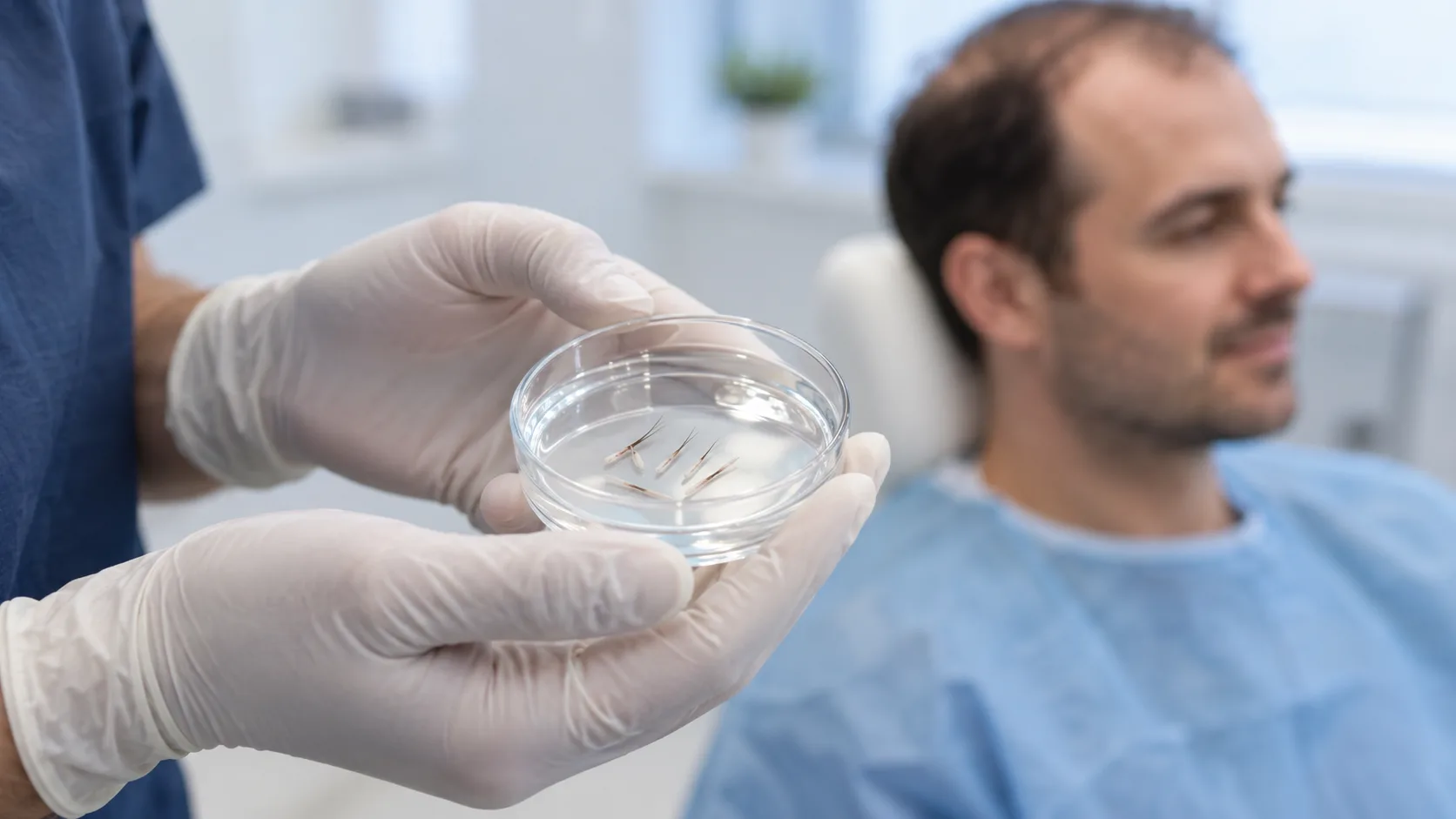
A hair transplant graft is a living follicular unit that contains one to four hair follicles along with surrounding tissue. Surgeons extract these grafts from the donor area and implant them into the recipient area. The period between extraction and implantation creates a vulnerable window. Harvested grafts no longer receive nutrients or oxygen through their normal blood supply. They become exposed to air, temperature changes, and physical stress. Graft hydration stands as one of the fundamental factors that determine whether these living follicles survive the journey from donor site to recipient site. This article explains why maintaining graft hydration matters, how dehydration threatens follicular viability, and how proper preservation supports successful hair transplantation. The discussion covers hydration, temperature, storage solution, handling, ischemia, and time outside the body as an integrated system.
What Is Graft Hydration in Hair Transplantation?
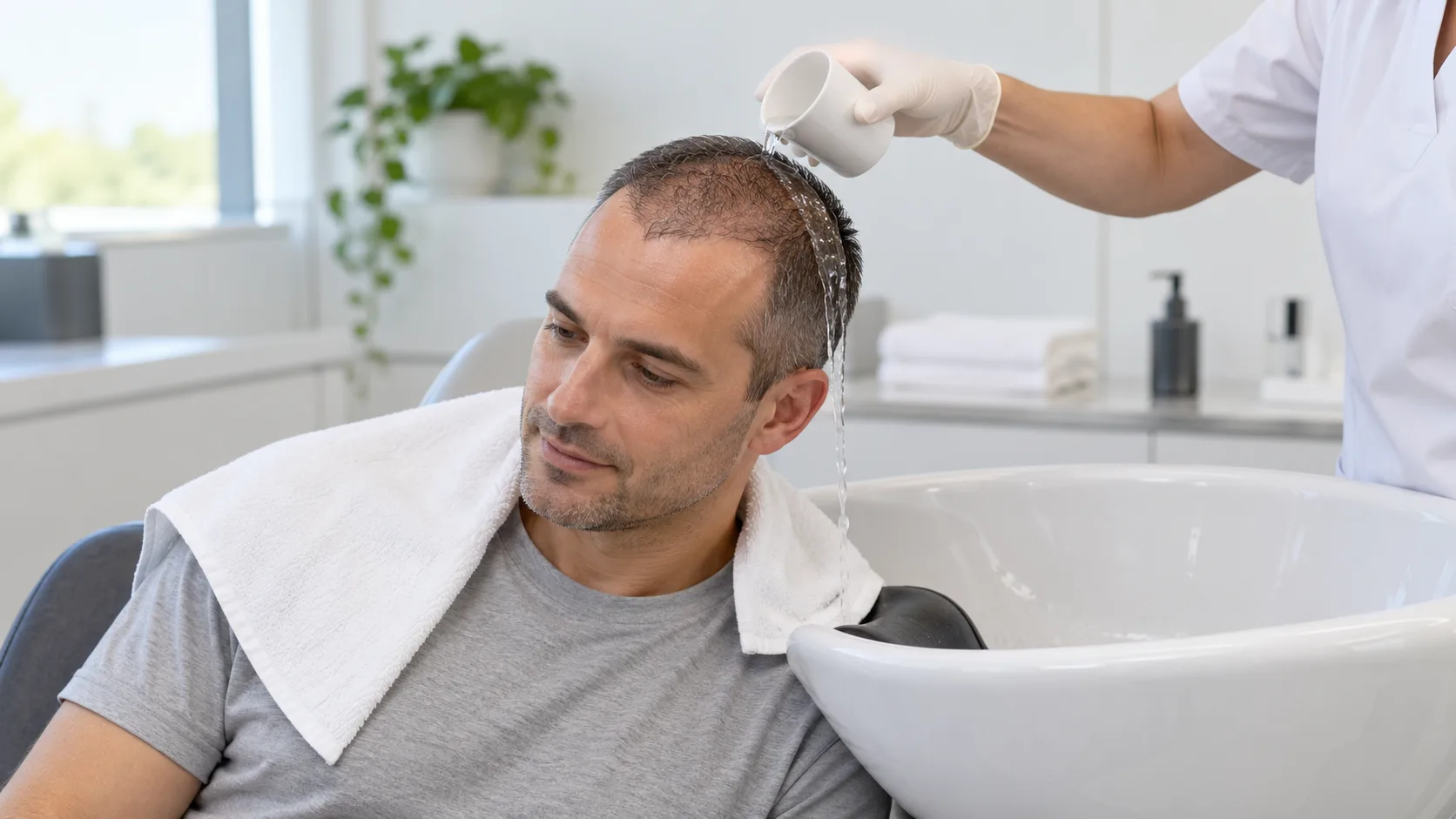
Graft hydration means keeping extracted follicular units submerged in an appropriate fluid environment from the moment of extraction until implantation.
What Does Graft Hydration Mean?
Graft hydration refers to the practice of maintaining harvested follicular units in a suitable fluid environment before implantation. Surgeons place extracted grafts into a holding solution immediately after removal from the scalp. This practice prevents the follicular tissue from losing moisture during the preparation and storage phases. Graft hydration differs from post-operative scalp hydration. Post-operative hydration involves keeping the patient's scalp moist after surgery. Graft hydration focuses specifically on preserving the follicular unit while it remains outside the body. The follicular unit contains delicate structures including the dermal papilla, outer root sheath, and bulge region. These structures require continuous moisture to maintain their integrity. Without proper hydration, cellular membranes begin to break down within minutes.
Why Do Hair Grafts Need to Remain Hydrated Outside the Scalp?
Extracted grafts lose their connection to the blood supply immediately upon removal. They no longer receive oxygen, glucose, or other nutrients through capillary networks. The exposed follicular tissue faces dehydration as a primary threat. Air exposure causes rapid water loss from the small volume of tissue that constitutes a follicular unit. Dehydration acts as a form of physical and cellular stress during the ex-vivo period. The follicular unit should remain moist during dissection, preparation, storage, and implantation. Even technically precise extraction cannot fully compensate for poor graft preservation. Hydration preserves the physiological environment of the harvested tissue and supports cellular structures until revascularization occurs.
Why Is Graft Hydration Critical for Follicular Survival?
Dehydration damages cellular membranes and reduces follicular viability, while proper hydration maintains tissue integrity during the ex-vivo period.
How Can Dehydration Damage Hair Grafts?
Water loss compromises cellular integrity in harvested follicular units. Dehydration ranks among the most immediate threats to graft survival. Research demonstrates that grafts left in dry conditions can suffer major damage within minutes. Gandelman et al. (2000) studied grafts subjected to dehydration and trauma. They observed major damage through light microscopy, scanning electron microscopy, and transmission electron microscopy after dehydration. Planted dried grafts failed to grow (Gandelman et al., 2000). Beehner (2007) conducted a follow-up study in which one-hair and two-hair grafts dried on a wet Telfa pad for sixteen minutes. Survival for one-hair follicular units dropped to sixty percent, while two-hair units showed eighty-two percent survival. Wetting dried grafts before placement did not restore viability (Beehner, 2007). These findings show that dehydration causes irreversible cellular damage. The follicular unit must remain moist during every stage of handling.
How Does Hydration Support Follicular Viability?
Proper hydration maintains the physiological environment that living follicular tissue requires. Water supports cellular structures including membranes, organelles, and protein configurations. Hydration preserves graft viability by preventing osmotic stress and membrane disruption. Scientific literature identifies hydration, temperature, time out of the body, and gentle handling as fundamental considerations in follicular graft preservation (Parsley and Perez-Meza, 2010). Preserving the graft while outside the body remains essential because revascularization does not occur immediately after implantation. The graft must survive on stored energy and preserved cellular structures until new blood vessels form. Hydration provides the aqueous medium that supports these survival mechanisms.
What Happens to a Hair Graft When It Becomes Dehydrated?
Dehydrated grafts experience cellular water loss, membrane damage, and oxidative stress, which can lead to reduced survival or complete graft failure.
What Cellular Changes Can Occur During Graft Dehydration?
Cellular water loss triggers a cascade of damaging events in follicular tissue. The cell membrane loses its normal fluidity and integrity. Organelles within the follicular cells begin to dysfunction. Dehydration can compromise the viability of follicular structures including the dermal papilla and matrix cells. Researchers have linked dehydration to oxidative stress and ischemia-reperfusion injury as related mechanisms. When cells lose water, metabolic waste accumulates and pH shifts occur. The outer root sheath and inner root sheath structures become distorted. Graft preservation extends beyond simply preventing visible drying. Microscopic cellular damage begins before the graft appears dry to the naked eye.
Can Dehydration Reduce Graft Survival?
Dehydration directly reduces follicular survival rates. However, graft survival depends on multiple variables working together. Dehydration represents one component of a multifactorial graft-survival process. Other factors include transection, mechanical trauma, ischemia time, and storage conditions. No single factor determines transplant success in isolation. Kim et al. (2002) investigated the effects of dehydration, preservation temperature, and time on hair grafts. Their research confirmed that dehydration significantly impacts graft viability (Kim et al., 2002). Clinicians must address dehydration alongside other preservation variables to optimize outcomes.
How Are Hair Grafts Kept Hydrated During a Hair Transplant?
Surgeons place extracted grafts into holding solutions such as normal saline, Ringer's lactate, or specialized preservation media immediately after extraction.
What Solutions Are Used to Preserve Hair Grafts?
Clinicians use several types of solutions to preserve hair grafts during transplantation. Normal saline and Ringer's lactate serve as the most common options. These solutions provide basic hydration and prevent dehydration. Normal saline contains sodium chloride in water. Ringer's lactate contains sodium, potassium, calcium, chloride, and lactate. Specialized preservation solutions have emerged as alternatives. Hypothermosol represents an intracellular-like solution designed for hypothermic storage. Dulbecco's Modified Eagle Medium (DMEM) and Williams E medium provide culture-based environments with amino acids and vitamins. Platelet-rich plasma (PRP) has also undergone investigation as an additive. The literature indicates that normal saline and Ringer's lactate can provide acceptable graft preservation for short procedures. Research has also investigated more sophisticated holding solutions and additives (Parsley and Perez-Meza, 2010).
Solution Type | Category | Key Components | Primary Function |
Normal Saline | Extracellular | Sodium chloride, water | Basic hydration, prevents drying |
Ringer's Lactate | Extracellular | Electrolytes, lactate buffer | Hydration with buffering capacity |
Hypothermosol | Intracellular-like | Ionic buffers, pH stabilizers, antioxidants | Cellular protection during cold storage |
DMEM/Williams E | Culture media | Amino acids, vitamins, glucose, pyruvate | Metabolic support |
PRP | Biological additive | Growth factors, platelets | Potential viability enhancement |
How Does the Graft-Holding Environment Affect Survival?
The composition of the holding solution directly impacts follicular survival. Fluid composition and osmotic balance determine how cells respond to storage. The solution should maintain an appropriate environment for living follicular tissue. pH, electrolytes, and metabolic support all interact with hydration status. Normal saline has a pH of approximately 5.0, which is more acidic than physiological pH of 7.4. This acidity can negatively impact follicular tissue over time. Intracellular solutions like Hypothermosol maintain ionic balance across cell membranes during hypothermic storage. These solutions prevent cellular edema that can occur when cold temperatures inactivate ATP-driven ion pumps. More expensive preservation solutions do not automatically guarantee superior clinical outcomes. The entire preservation protocol including temperature, time, and handling matters equally.
What Is the Role of Temperature in Graft Hydration?
Temperature control slows cellular metabolism during storage, but the optimal temperature depends on the holding solution and storage duration.
Should Hair Grafts Be Kept Cold During Storage?
Temperature control serves as a standard practice during graft preservation. Cooling reduces cellular metabolism and decreases oxygen demand. This reduction in metabolic rate extends the viable storage time. However, temperature interacts critically with solution composition. Chilling grafts in normal saline can actually accelerate cell damage because cold inactivates the sodium-potassium ATPase pump. This inactivation causes ion imbalance and cellular swelling in extracellular solutions. Chilling provides benefit only when paired with appropriate intracellular or specialized solutions. Short-duration preservation differs from prolonged storage. For procedures lasting under six hours, room temperature storage in appropriate media may suffice. For extended storage, controlled hypothermia becomes more important.
Does Cold Storage Improve Graft Survival?
The evidence comparing room-temperature and chilled graft storage remains mixed. Kim et al. (2002) found that storage at four degrees Celsius in normal saline does not improve graft survival unless grafts remain outside the body for more than six hours. After six hours, preserving grafts at four degrees Celsius appears beneficial. However, follicular survival decreases after six hours regardless of temperature (Kim et al., 2002). Perez-Meza found no difference in survival between ambient temperature and four degrees Celsius for grafts stored four to six hours. Beehner demonstrated that cold storage in normal saline improves survival rates of grafts exposed to crush injury. Raposio et al. (1999) found no statistically significant difference between survival rates of grafts stored at room temperature versus one degree Celsius (Raposio et al., 1999). The International Society of Hair Restoration Surgery evidence indicates that chilled grafts in normal saline or Ringer's lactate can produce acceptable results. Definitive evidence for one universal storage protocol remains limited.
Storage Condition | Survival Trend | Best For |
Room temperature, short time | Acceptable for brief storage | Procedures under 4 hours |
Chilled saline | Moderate protection | Procedures 4-6 hours |
Chilled Hypothermosol | Enhanced cellular protection | Extended storage, crush protection |
37°C in DMEM | Recent research interest | Specific experimental protocols |
How Does Time Outside the Body Affect Graft Hydration?
Ischemia time creates a countdown for graft survival, and hydration cannot fully compensate for excessive ex-vivo duration.
Why Is Ischemia Time Important for Hair Grafts?
Ischemia time refers to the period during which follicular tissue remains without its normal blood supply. This period begins at extraction and ends when revascularization occurs after implantation. During ischemia, follicular cells starve for oxygen and nutrients. Metabolic waste accumulates. Cells shift to anaerobic metabolism. Lactate builds up. Cellular acidosis develops. Mitochondria begin to fail. Prolonged ex-vivo time compounds cellular stress. Hydration alone cannot eliminate the effects of excessive time outside the body. The graft needs more than moisture; it needs timely implantation.
How Long Can Hair Grafts Remain Outside the Body?
Research establishes clear time-dependent survival curves. Limmer (1996) demonstrated approximately one percent graft loss per hour outside the body. Survival rates reached ninety-five percent at two hours, ninety percent at four hours, eighty-six percent at six hours, and seventy-nine percent at twenty-four hours (Limmer, 1996). These numbers establish the critical implantation window at two to four hours from extraction. Grafts implanted within this window demonstrate significantly higher survival rates than those waiting six hours or longer. Short-duration storage produces better outcomes than extended storage. However, no single universal maximum time exists because survival depends on the storage environment and protocol. Research comparing storage conditions demonstrates that follicular survival changes with increasing time to implantation. This reinforces the importance of controlling both preservation conditions and duration (Parsley and Perez-Meza, 2010).
How Does Graft Handling Influence Hydration and Survival?
Gentle handling prevents mechanical trauma, and efficient workflow reduces both dehydration risk and ex-vivo time.
Why Is Gentle Graft Handling Important?
Follicular units are vulnerable to mechanical trauma throughout the transplantation process. Crushing, compression, excessive manipulation, and desiccation all threaten viability. The bulbar region and dermal papilla are particularly sensitive. A 2021 study found that intact grafts achieved approximately seventy-one percent survival, while grafts with slight bulb injury dropped to forty-four percent. Grafts fractured in half showed only thirteen percent survival. Beehner found that soft crushing of bulbs resulted in sixty-four percent survival, while hard crushing reduced survival to thirty-five percent. Hard crushing of the bulge area resulted in zero percent survival for room-temperature grafts versus thirty-six percent for chilled grafts. This indicates that chilling provides slight protection against physical damage. Grafts should remain appropriately moist throughout preparation because dry grafts become brittle and more susceptible to mechanical damage.
How Does Graft Preparation Affect Hydration?
Graft dissection and trimming require careful attention to hydration status. Technicians must maintain grafts in a suitable solution during preparation. Grafts should not remain unnecessarily exposed to air during sorting, counting, or loading. Each moment outside solution increases dehydration risk. Efficient surgical workflow reduces both dehydration and time outside the body. When multiple team members work in coordinated fashion, they can minimize the interval between extraction and implantation. The number of hands touching each graft, the instruments used, and the speed of the extraction-to-storage pipeline all affect survival outcomes.
How Does Graft Hydration Relate to FUE Hair Transplantation?
FUE grafts require the same hydration protocols as other extraction methods, and their thinner protective tissue makes careful handling even more critical.
Why Is Hydration Important After FUE Extraction?
Follicular Unit Extraction (FUE) involves individual follicular-unit extraction using punch devices. Each graft receives individual handling rather than strip harvesting. Extracted grafts pass through sorting, preparation, and implantation phases. Maintaining hydration during graft sorting and preparation remains essential. FUE grafts often possess thinner protective tissue surrounding them compared to strip-harvested grafts. This anatomical difference makes out-of-body time management more critical. The FUE workflow must minimize dehydration and mechanical trauma through rapid transfer from extraction site to holding solution.
Does the Extraction Technique Change the Importance of Hydration?
Graft hydration remains important regardless of the extraction approach. Whether surgeons use FUE, strip harvesting (FUT), or other methods, the extracted follicular unit faces the same dehydration threat. Extraction-related trauma differs from dehydration-related stress. Technique, handling, storage, and implantation should be considered as an integrated process. No extraction method eliminates the need for proper hydration. FUE now accounts for the majority of hair transplant procedures worldwide, making hydration protocols in FUE settings particularly relevant for modern practice.
What Other Factors Affect Hair Graft Survival?
Transection, mechanical trauma, temperature, time outside the body, and ischemia-reperfusion injury all interact with hydration to determine graft survival.
How Does Graft Transection Affect Survival?
Follicular graft transection occurs when the cutting instrument severs part of the follicular unit. This damage compromises graft viability because the follicle loses structural integrity. Hidden transection refers to sub-surface damage not visible to the naked eye. Expert surgeons minimize hidden transection to approximately two percent, while beginners may reach eight percent. Transection differs from dehydration because it causes immediate structural damage rather than gradual cellular stress. Even perfectly hydrated grafts cannot survive if transection severs critical structures.
How Does Mechanical Trauma Affect Graft Survival?
Crushing and excessive manipulation during handling cause physical damage to follicular units. Forceps pressure, torsion, and improper gripping can injure the dermal papilla or bulge region. Delicate handling remains essential throughout graft preparation. Technicians should use appropriate instruments and avoid repeated manipulation. Mechanical trauma compounds the effects of dehydration because damaged cells lose their ability to retain water effectively.
How Does Temperature Affect Graft Survival?
Controlled temperature during storage slows metabolism but must be paired with appropriate solution chemistry. The interaction between temperature and holding solution determines whether cooling helps or harms. Extracellular solutions like normal saline can cause cellular swelling when chilled. Intracellular solutions prevent this swelling. Temperature management works together with hydration to create an optimal preservation environment.
How Does Time Out of the Body Affect Graft Survival?
Minimizing ex-vivo time stands as a fundamental principle in hair transplantation. Prolonged preservation leads to cellular stress and declining viability. Each hour outside the body increases the risk of metabolic failure. Efficient surgical teams coordinate extraction and implantation to keep grafts within the optimal two-to-four-hour window. Time management and hydration protocols must work in tandem.
How Does Ischemia-Reperfusion Injury Affect Hair Grafts?
Ischemia-reperfusion injury (IRI) occurs when blood supply returns to the graft during implantation. The sudden reoxygenation triggers a burst of reactive oxygen species. These free radicals cause oxidative stress and can trigger apoptosis in follicular cells. Cooley (2004) described IRI as biochemical injury that occurs after a period of low oxygen followed by re-exposure to oxygen. Free radicals act as molecular terrorists that injure the inside and outside of cells (Cooley, 2004). Preservation strategies aim to minimize cellular injury during transplantation. Antioxidant-containing solutions like Hypothermosol partially mitigate this risk by pre-loading grafts with free radical scavengers. The scientific review identifies dehydration, transection, blunt trauma, ischemia-reperfusion injury, and storage conditions among the major operation-day factors affecting follicular graft survival (Parsley and Perez-Meza, 2010).
Can Advanced Graft-Preservation Solutions Improve Hair Transplant Outcomes?
Specialized solutions offer theoretical advantages, but fundamental graft care remains the priority, and no single solution has proven universally superior.
What Are Specialized Hair Graft Preservation Solutions?
Advanced preservation media contain components designed to support cellular viability beyond simple hydration. Hypothermosol includes buffers, pH stabilizers, and antioxidants. ATP-containing solutions provide energy substrates that cells deplete during ischemia. Some protocols add platelet-rich plasma for growth factors. Vitamin B12 has shown dose-dependent increases in hair shaft elongation in tissue culture studies. Krugluger et al. demonstrated that inhibitors of inducible nitric oxide synthase prevented post-transplant hair shedding. These specialized solutions aim to address multiple preservation factors simultaneously.
Are Advanced Storage Solutions Better Than Normal Saline?
The evidence comparing conventional and specialized holding solutions remains incomplete. Cole and Reed (2012) reviewed the literature and found that many studies failed to show reproducible evidence that any specific protocol improves survival. Study designs often do not withstand statistical scrutiny (Cole and Reed, 2012). Beehner compared chilled saline to chilled Hypothermosol with ATP. Grafts stored in Hypothermosol with ATP showed better yield than those in chilled saline over extended storage periods. However, chilled saline produced acceptable results for shorter durations. Cooley's research demonstrated that grafts stored in saline for five days had zero percent survival, while grafts in Hypothermosol alone had forty-four percent survival, and grafts in Hypothermosol plus ATP had seventy-two percent survival. For typical procedures lasting under six hours, normal saline or Ringer's lactate at appropriate temperatures can produce acceptable outcomes. Research has investigated specialized solutions and additives, but the literature does not establish one universally superior holding solution or temperature protocol.
What Is the Difference Between Graft Hydration and Graft Storage?
Hydration is one component of preservation; complete graft storage requires managing temperature, solution chemistry, time, and handling together.
Is Hydration the Same as Graft Preservation?
Hydration and preservation are related but distinct concepts. Hydration refers specifically to maintaining moisture around the follicular unit. Preservation encompasses a broader set of variables including hydration, temperature, storage solution, time outside the body, mechanical handling, and oxygen or metabolic conditions. A graft can be hydrated yet still fail if other preservation factors are inadequate. For example, a graft submerged in normal saline at an inappropriate temperature may still suffer cellular damage. Preservation involves creating an integrated environment that supports all aspects of follicular viability.
Why Must These Factors Be Managed Together?
Optimal graft preservation requires a coordinated protocol. Hydration is necessary but not sufficient by itself. Temperature control without proper solution chemistry can cause cellular swelling. Gentle handling without hydration still leads to desiccation. The ideal protocol balances all variables simultaneously. Surgeons must consider the multifactorial nature of graft survival. No single intervention guarantees success. The team must address hydration, temperature, time, handling, and solution composition as an integrated system.
How Does Graft Hydration Influence the Final Hair Transplant Result?
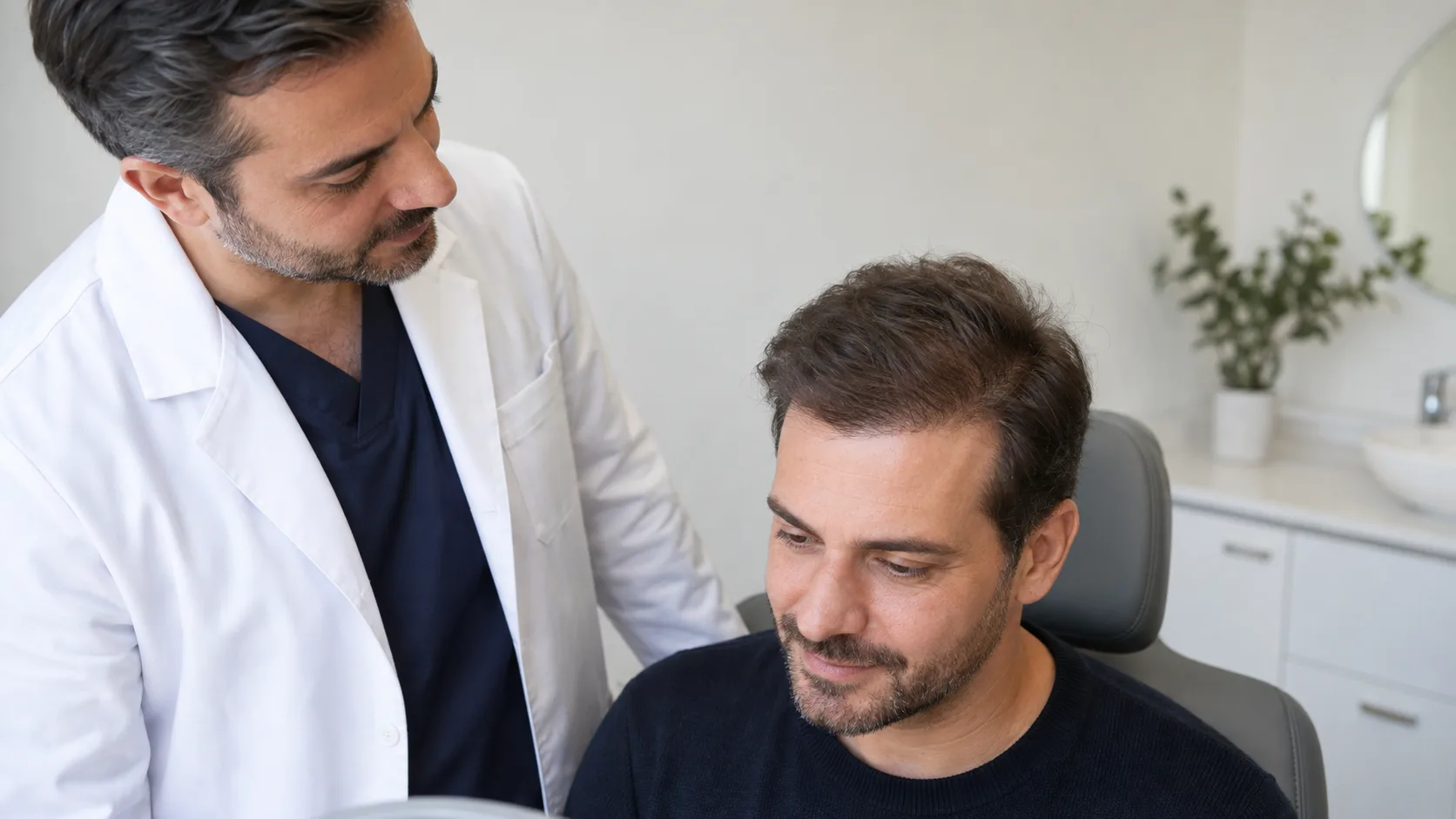
Better preservation supports higher graft survival, which leads to more consistent hair growth, though many factors beyond hydration affect the final cosmetic outcome.
Does Better Graft Preservation Mean Better Hair Growth?
Graft viability directly connects to successful follicular growth after implantation. Preserved follicles have a better opportunity to establish blood supply and enter the growth cycle. Well-hydrated grafts maintain cellular structures needed for revascularization. However, no clinic can guarantee a specific survival percentage or cosmetic outcome. Recipient-site blood supply, patient health, and surgical technique all influence results. Graft preservation improves the probability of good growth but does not eliminate other variables.
Can Poor Graft Hydration Cause Patchy Hair Growth?
Compromised graft viability may contribute to inconsistent growth patterns. When some grafts survive well and others suffer dehydration damage, the result can appear uneven. However, patchy growth has multiple causes. Recipient-site factors, donor-area characteristics, patient-related conditions, and surgical technique all play roles. Dehydration-related graft damage represents one potential cause among many. Clinicians must evaluate the entire surgical protocol rather than isolating hydration as the only explanation for uneven results.
What Should Patients Know About Graft Hydration?
Patients cannot control hydration during surgery, but they can evaluate clinic protocols by asking specific questions about holding solutions, temperature, and handling procedures.
Is Graft Hydration Something Patients Can Control During Surgery?
Graft hydration during extraction and implantation is primarily a clinical-team responsibility. Patients cannot directly influence this technical aspect of the procedure. However, patients can and should ask clinics about their graft-handling protocols before choosing a surgeon. Important questions include: What holding solution do you use? How do you control storage temperature? What is the typical time between extraction and implantation? How do you minimize graft exposure to air? What handling procedures protect grafts from mechanical trauma? Clinics that answer these questions with specific, evidence-based protocols demonstrate commitment to graft survival.
What Should Patients Look for in a Hair Transplant Clinic?
Patients should seek clinics that emphasize evidence-based graft handling. Sterile preparation and controlled storage should be standard practice. Careful extraction and implantation techniques should be visible in the clinic's approach. Patients should evaluate the entire surgical protocol rather than focusing on a single technology or marketing claim. A clinic that discusses hydration, temperature control, team coordination, and handling procedures shows understanding of graft biology. Red flags include clinics that cannot articulate their graft-handling timeline or rely on a single surgeon for sessions exceeding two thousand grafts without adequate support staff.
What Are the Key Principles of Graft Hydration During Hair Transplantation?
Keep grafts hydrated, minimize air exposure, reduce ex-vivo time, use appropriate solutions, control temperature, handle gently, and treat hydration as part of a broader survival strategy.
The evidence-based principles of graft hydration include several core practices. Keep harvested grafts appropriately hydrated at all times. Minimize graft exposure to air and dehydration. Reduce the time grafts remain outside the body. Use an appropriate holding solution that matches your storage temperature and duration. Control storage temperature according to the preservation protocol. Handle grafts gently to prevent mechanical trauma. Avoid unnecessary manipulation during graft preparation. Treat hydration as one component of a broader graft-survival strategy. A surgical review specifically describes proper hydration of donor grafts with cold saline as important for graft survival during surgery (Rose, 2015). These principles work together to protect follicular viability.
Frequently Asked Questions About Graft Hydration
Why do hair transplant grafts need to stay hydrated?
Hair grafts are living tissue. They need hydration to maintain cellular integrity while outside the body. Without moisture, cellular membranes break down and the graft dies.
What happens if hair grafts dry out during surgery?
Dried grafts suffer irreversible cellular damage. Research shows that grafts left in dry conditions can experience major damage within minutes. Planted dried grafts often fail to grow.
Does graft hydration improve hair transplant survival?
Yes. Proper hydration supports follicular viability during the ex-vivo period. Hydration works together with temperature control, gentle handling, and timely implantation to improve survival rates.
What solution is used to keep hair grafts hydrated?
Clinics commonly use normal saline, Ringer's lactate, or specialized solutions like Hypothermosol. The choice depends on procedure duration, storage temperature, and clinic protocol.
Are hair grafts stored in saline?
Many clinics use normal saline or Ringer's lactate as holding solutions. These extracellular solutions provide basic hydration. Some clinics use specialized intracellular solutions for enhanced protection.
Should hair transplant grafts be kept cold?
Temperature control depends on the solution and duration. Chilling can slow metabolism, but chilling in normal saline may cause cellular swelling. Specialized solutions are designed for hypothermic storage.
How long can hair grafts stay outside the body?
Research shows approximately one percent loss per hour. The critical window is two to four hours. After six hours, survival drops significantly regardless of storage method.
Does graft hydration matter in FUE hair transplants?
Yes. FUE grafts require the same hydration protocols. Their thinner protective tissue makes careful hydration and handling even more important.
Can poor graft handling affect hair transplant results?
Yes. Crushing, compression, and excessive manipulation damage follicular structures. Poor handling compounds dehydration and reduces survival rates.
Is graft hydration more important than the storage solution?
Neither is more important alone. Hydration and solution chemistry work together. The solution provides the hydrating medium, and proper hydration maintains cellular integrity. Both are essential.
Conclusion
Harvested follicular units remain living tissue after extraction. They require appropriate preservation from the moment they leave the scalp until revascularization occurs. Preventing dehydration stands as a biological imperative for follicular survival. Hydration interacts with temperature, storage solution, handling technique, and time outside the body in a complex preservation system. No single factor determines success. Graft hydration is a fundamental component of hair transplant surgery rather than an isolated technical detail. Evidence-based graft preservation protocols protect follicular viability and support predictable transplantation outcomes. Surgeons who master the integration of hydration, temperature, time, and handling deliver the best results for their patients.
References
Beehner, Michael. "Comparison of Survival of FU Grafts Trimmed Chubby, Medium, and Skeletonized." Hair Transplant Forum International, vol. 20, 2010, pp. 1-6.
Beehner, Michael. "Dehydration Study on Hair Grafts." Hair Transplant Forum International, 2007.
Cole, John P., and Reed, William M. "The Optimal Holding Solution and Temperature for Hair Follicle Grafts." Hair Transplant Forum International, vol. 22, no. 1, 2012, pp. 17-21.
Cooley, Jerry E. "Ischemia-Reperfusion Injury and Graft Storage Solutions." Hair Transplant Forum International, vol. 14, no. 4, 2004, pp. 127.
Gandelman, M., et al. "Dehydration and Trauma in Hair Grafts: A Microscopic Analysis." Dermatologic Surgery, vol. 26, 2000, pp. 391-395.
Kim, J.C., et al. "The Effects of Dehydration, Preservation Temperature and Time on the Hair Grafts." Annals of Dermatology, vol. 14, 2002, pp. 149-152.
Krugluger, R., et al. "Nitric Oxide Inhibitors and Hair Graft Preservation." Dermatologic Surgery, 2004.
Limmer, Bob L. "Hair Replacement Surgical and Medical." Hair Loss: Clinical Investigations and Surgical Management, edited by D.B. Stough, Mosby, 1996.
Parsley, William M., and Perez-Meza, David. "Review of Factors Affecting the Growth and Survival of Follicular Grafts." Journal of Cutaneous and Aesthetic Surgery, vol. 3, no. 2, 2010, pp. 69-75. doi:10.4103/0974-2077.69014.
Raposio, E., et al. "Effects of Cooling Micrografts in Hair Transplantation Surgery." Dermatologic Surgery, vol. 25, 1999, pp. 705-707.
Rose, Paul T. "Hair Restoration Surgery: Challenges and Solutions." Clinical, Cosmetic and Investigational Dermatology, vol. 8, 2015, pp. 361-370. doi:10.2147/CCID.S53980.