Eyebrow Hair Transplant: Procedure, Cost, Before & After Results
An eyebrow hair transplant is a surgical procedure that moves hair follicles from your scalp to your eyebrow area. It creates permanent, natural-looking eyebrows that grow like real hair. The procedure costs between $1,800 and $8,000 depending on location. Results become visible after 6-12 months and last a lifetime.
What Is an Eyebrow Hair Transplant?
An eyebrow hair transplant is a minimally invasive surgery. It transfers individual hair follicles from a donor area (usually the back of your head) to your eyebrows. This restores fullness, corrects thinning, and repairs scars.
Definition and Core Concept
Eyebrow hair transplant surgery involves harvesting hair follicles from a donor site and implanting them into the eyebrow region. Surgeons use specialized techniques to ensure the transplanted hair matches natural eyebrow growth patterns. The procedure creates permanent hair growth that behaves like native eyebrow hair but requires regular trimming.
Park et al. (2021) explain that modern eyebrow transplantation uses long hair follicular unit excision (LHF). This technique allows surgeons to see the curliness of hair before implantation. It ensures better matching with existing eyebrow hair (Park et al. 2021).
How Does It Differ From Cosmetic Solutions?
Hair transplants create real growing hair. Microblading and tattooing only add pigment to the skin. Transplants last forever. Cosmetic solutions fade within 1-3 years.
Many people confuse eyebrow transplants with cosmetic tattooing. These solutions differ fundamentally:
|
Feature |
Hair Transplant |
Microblading |
Tattooing |
|
Result Type |
Real growing hair |
Pigment on skin |
Pigment on skin |
|
Duration |
Permanent |
1-2 years |
3-5 years |
|
Maintenance |
Trimming needed |
Touch-ups required |
Fades over time |
|
Natural Look |
Very natural |
Can look drawn |
Often artificial |
|
Cost Range |
$3,000-$8,000 |
$300-$800 |
$500-$1,500 |
According to recent research, transplanted hair provides superior long-term value despite higher upfront costs. Microblading requires repeat sessions every 12-24 months. Over 10 years, microblading costs reach $3,000-$5,000 without providing real hair growth (Klingbeil and Fertig 2020).
Why Do People Choose Hair Transplant Eyebrows?
People choose transplants for permanent results. They want natural hair they can shape and style. They seek solutions for hair loss from over-plucking, trauma, or medical conditions.
The demand for eyebrow restoration has grown significantly. Studies show burns cause 57.6% of eyebrow loss cases requiring transplantation. Other causes include trauma, aging, and genetic conditions (Klingbeil and Fertig 2020).
Patients report choosing transplants because they want:
- Permanent results without repeated cosmetic procedures
- Natural hair that moves and grows
- The ability to swim, exercise, and live without worrying about smudging
- Correction of scarring or asymmetric brows
What Causes Eyebrow Hair Loss?
Over-plucking, genetics, trauma, burns, and medical conditions cause eyebrow hair loss. Identifying the cause helps determine if you are a good candidate for surgery.
Understanding the root cause of your hair loss matters. It affects candidacy and outcomes.
Primary Causes:
Over-plucking: Excessive tweezing damages hair follicles permanently. This is the most common cause in women aged 25-45. Repeated plucking destroys the follicle bulb. Eventually, hair stops growing back.
Genetics: Some people inherit naturally thin eyebrows. Family history affects hair density and growth patterns. Genetic thinning often starts in the 30s or 40s.
Trauma or Scarring: Car accidents, burns, and surgical scars destroy eyebrow hair follicles. Scar tissue lacks blood supply. Hair cannot grow through thick scar tissue without transplantation.
Medical Conditions: Hypothyroidism, alopecia areata, and eczema cause eyebrow loss. Atopic dermatitis affects up to 15% of patients with eyebrow thinning. Some autoimmune diseases attack hair follicles specifically.
A 2019 study from Nanfang Hospital reviewed 167 patients. Researchers found trauma caused eyebrow loss in 52% of cases. Burns accounted for 37% of cases. These patients achieved 85% graft survival rates after transplantation (Zhang et al. 2021).
Who Is a Good Candidate for Eyebrow Hair Transplant Surgery?
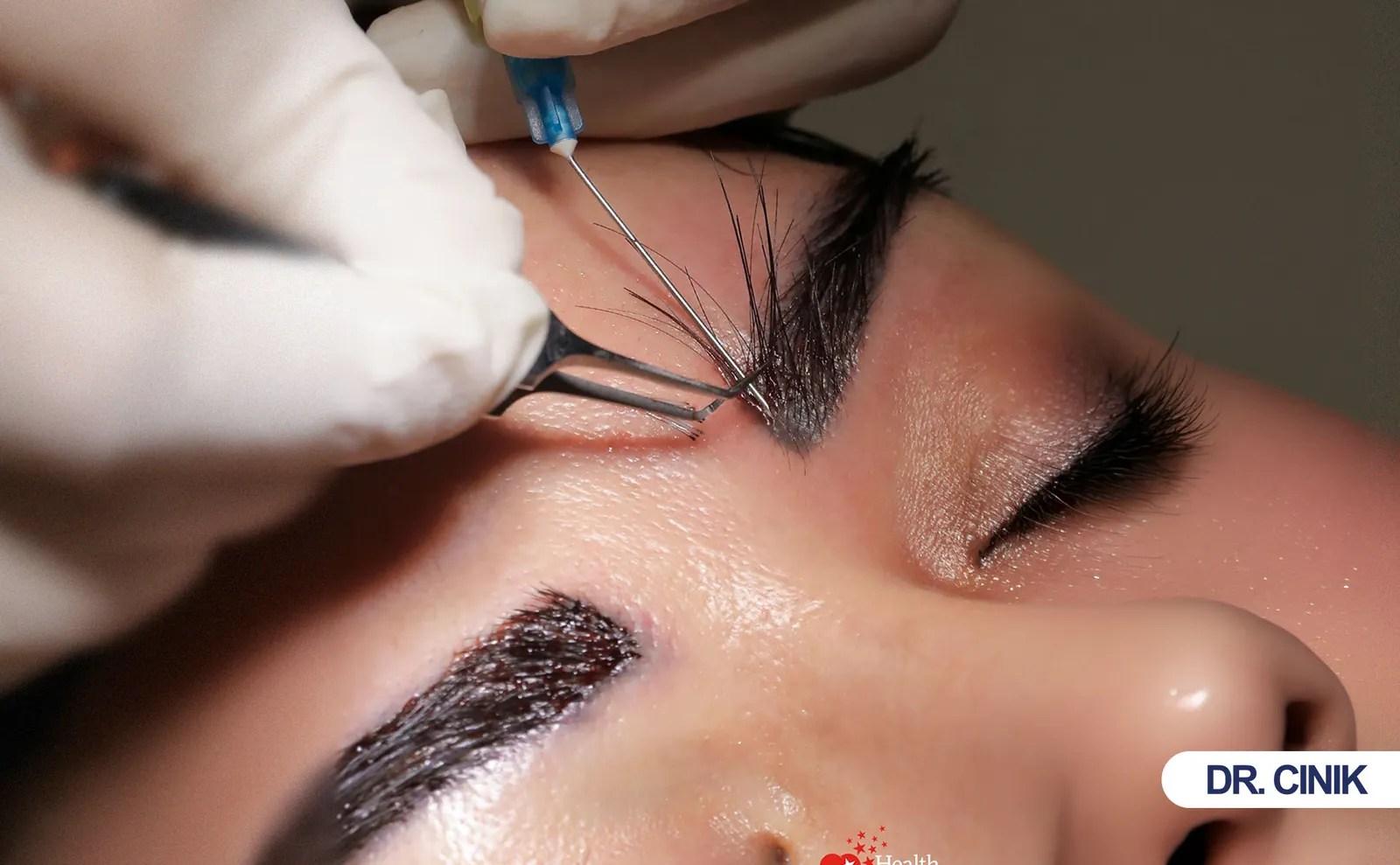
Good candidates have sparse brows, sufficient donor hair, realistic expectations, and are in good health. People with active infections or unstable medical conditions should wait.
Ideal Candidate Profile
The ideal candidate has thinning eyebrows, adequate scalp hair for donation, no active skin diseases, and understands the procedure requires trimming.
Surgeons evaluate several factors before approving patients:
Donor Hair Availability: You need enough healthy hair at the back of your head. The occipital region serves as the primary donor site. Surgeons typically harvest 200-600 grafts for both eyebrows. Patients with extensive scalp hair loss may lack sufficient donor supply.
Age Considerations: Most surgeons prefer patients over 25. Younger patients may experience continued pattern hair loss. This could affect long-term donor site stability.
Skin Quality: Healthy skin accepts grafts better. Patients with severe scarring may need special techniques. A study on scarred eyebrows achieved 85% survival rates using standardized protocols (Zhang et al. 2021).
Realistic Expectations: Candidates must understand transplanted hair grows like scalp hair. It requires regular trimming. The texture may differ slightly from natural eyebrow hair.
Who May Not Be Suitable?
People with alopecia areata, active infections, keloid scarring tendencies, or insufficient donor hair may not qualify. Pregnant women should postpone surgery.
Certain conditions contraindicate eyebrow transplantation:
Alopecia Areata: This autoimmune disease attacks hair follicles. Transplanted hair may fall out if the disease attacks the new location. One case study documented a patient who lost transplanted eyebrows 8 months after surgery due to alopecia recurrence (Civas et al. 2017).
Active Skin Conditions: Eczema, psoriasis, or active infections in the eyebrow area must resolve first. Surgery on inflamed skin increases infection risks.
Keloid Scarring History: Patients prone to keloids face higher scarring risks at both donor and recipient sites.
Blood Clotting Disorders: Conditions affecting healing or clotting require medical clearance.
Why Does Consultation Matter?
Consultation determines candidacy, designs eyebrow shape, and explains realistic outcomes. It prevents disappointment and ensures safety.
A thorough consultation includes:
- Medical history review
- Examination of donor hair density
- Assessment of eyebrow loss patterns
- Discussion of expected density and growth patterns
- Photography for surgical planning
According to ISHRS guidelines, consultation should cover potential complications and alternative treatments. This shared decision-making approach improves satisfaction rates (Klingbeil and Fertig 2020).
What Is the Eyebrow Hair Transplant Procedure?
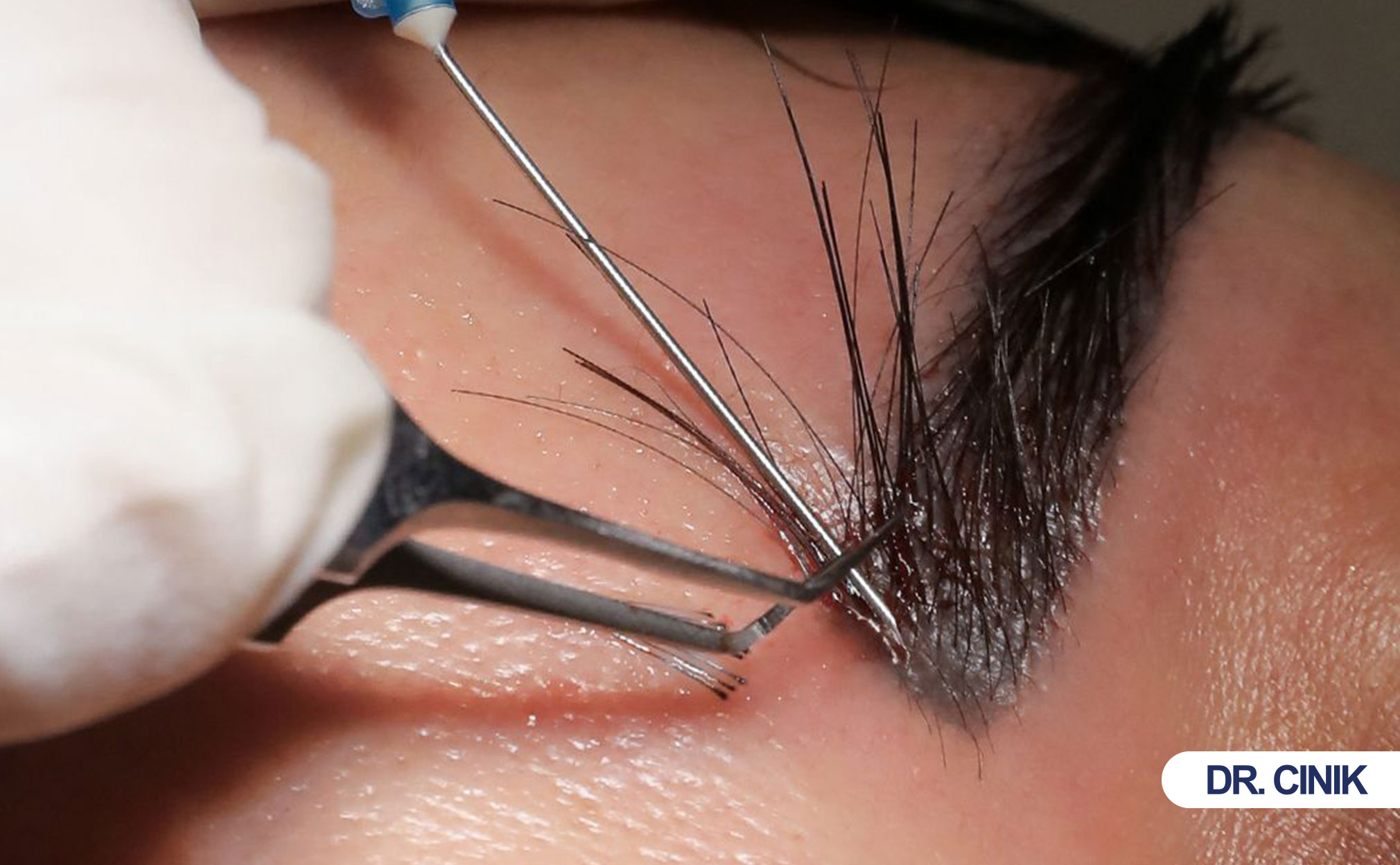
The surgeon extracts hair follicles using FUE or DHI. They implant 200-400 grafts per eyebrow at precise angles. The procedure takes 2-4 hours under local anesthesia.
How Does Step-by-Step Surgery Work?
The procedure includes consultation and design, donor extraction, graft preparation, and implantation. Recovery starts immediately after.
Step 1: Consultation and Eyebrow Design
The surgeon marks your ideal eyebrow shape. They consider facial symmetry, bone structure, and your preferences. Standard female eyebrows measure 5.0 cm long and 0.6 cm wide. Male eyebrows are slightly lower and flatter. The distance from the pupil center to the eyebrow top should equal 2.5 cm (Zhang et al. 2021).
Step 2: Donor Hair Extraction
Surgeons usually harvest from the lower occipital area. This region provides hair with similar thickness to eyebrows. Periauricular hair (near the ears) offers finer caliber matching natural eyebrow hair better. A 2025 study showed periauricular hair achieves superior cosmetic results in Chinese patients (Liu et al. 2025).
Techniques include:
- FUE (Follicular Unit Extraction): Individual follicle removal using micro-punches
- DHI (Direct Hair Implantation): Direct insertion without pre-made incisions
- Long Hair FUE: Harvesting without cutting hair shafts for immediate visual matching
Step 3: Graft Preparation
Technicians dissect follicular units under microscopes. They isolate single-hair grafts for the edges. Multi-hair grafts provide density in the middle. A recent study compared single-hair versus multi-hair grafts. Multi-hair grafts achieved aesthetic scores of 8.0/10 versus 6.44/10 for single-hair grafts when performed by experienced surgeons (ISHRS 2022).
Step 4: Implantation
The surgeon creates recipient sites using 21-23 gauge needles. They insert grafts at 5-10 degree angles. The head portion receives superolateral direction. The tail receives inferolateral direction. This mimics natural eyebrow flow.
Step 5: Recovery
Immediate aftercare includes antibiotic ointment. Patients receive detailed washing instructions. Small scabs form and fall off within 7-10 days.
What Techniques Do Surgeons Use?
FUE and DHI dominate modern practice. FUE is more common. DHI offers precise angle control. Long Hair FUE allows curliness visualization.
Follicular Unit Extraction (FUE):
Surgeons use micro-punches (0.8-1.0mm diameter) to extract individual follicles. Benefits include no linear scarring and faster healing. FUE accounts for over 90% of eyebrow transplants globally (Tomc and Malouf 2015).
Direct Hair Implantation (DHI):
DHI uses an implanter pen. It combines site creation and graft insertion. This reduces handling time. DHI provides excellent angle control critical for eyebrow aesthetics.
Long Hair Follicular Unit Excision (LHF):
Park (2021) developed this technique. It leaves hair shafts long (2-3cm) during extraction. Surgeons see the curliness and direction immediately. This ensures better matching with existing eyebrows. A study of 36 patients showed 4.7/5 patient satisfaction and 4.3/5 surgeon satisfaction using LHF (Park et al. 2021).
How Many Grafts Are Needed?
Most patients need 200-400 grafts per eyebrow. Total reconstruction requires 400-600 grafts. Partial filling needs 100-200 grafts.
Graft numbers vary by case:
|
Condition |
Grafts per Eyebrow |
Total for Both |
|
Minor thinning |
150-200 |
300-400 |
|
Moderate loss |
200-300 |
400-600 |
|
Complete reconstruction |
300-400 |
600-800 |
|
Scar correction |
200-350 |
400-700 |
The Nanfang Hospital study used an average of 600 single-hair follicles for complete bilateral reconstruction (Zhang et al. 2021).
What Are Eyebrow Hair Transplant Before and After Results?
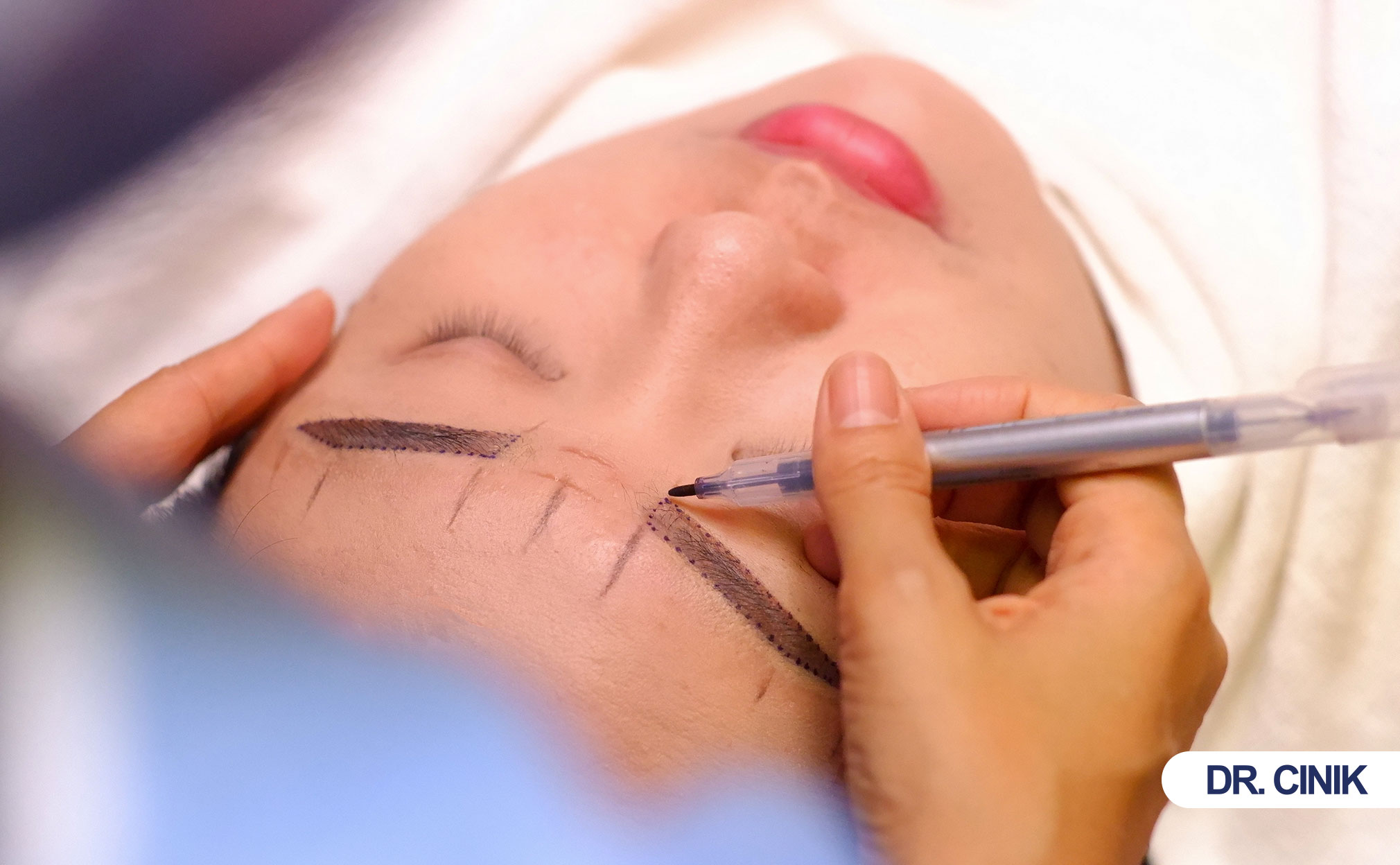
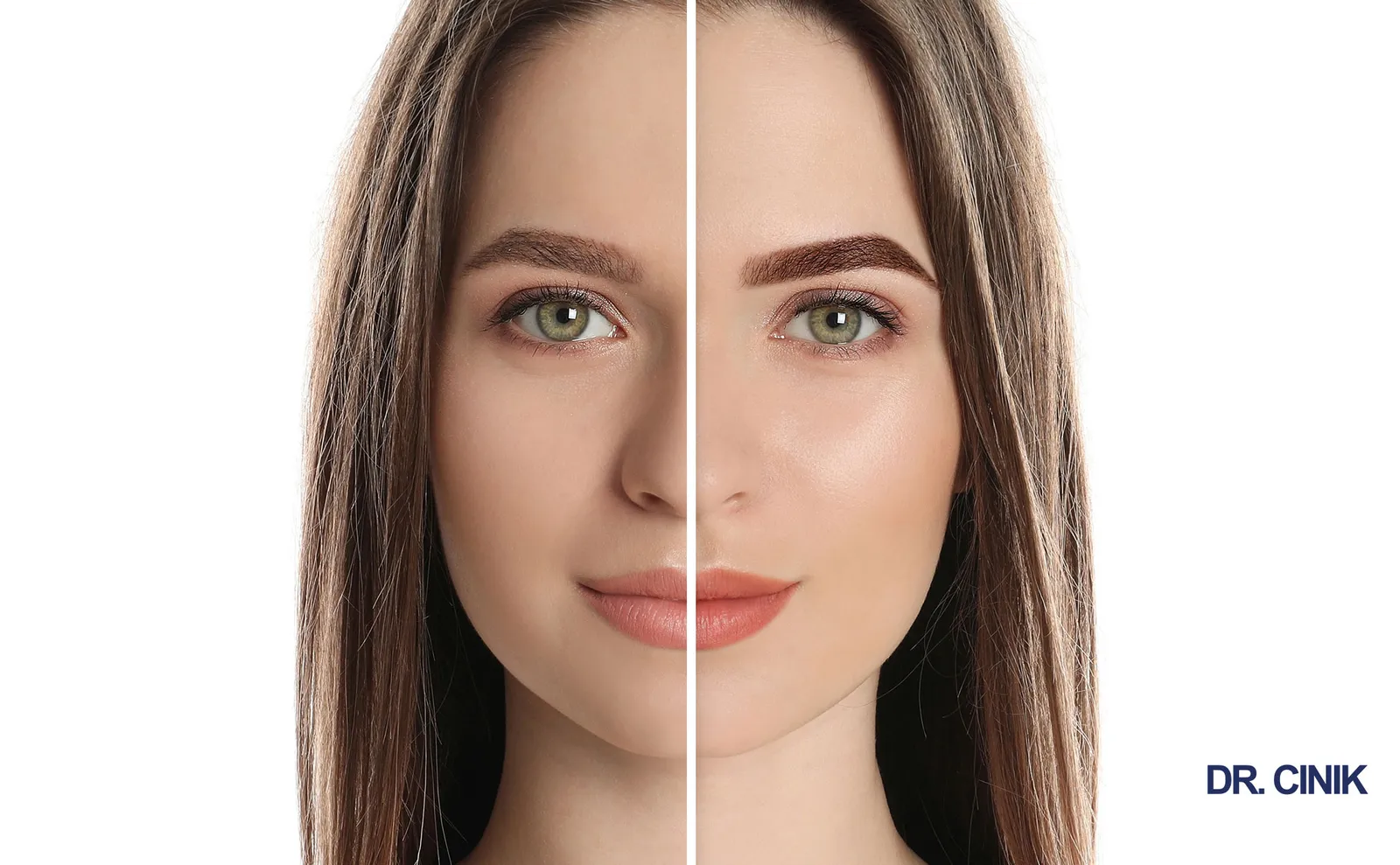
Results develop over 6-12 months. Initial redness fades in 2 weeks. Transplanted hair sheds at 2-4 weeks. New growth starts at 3 months. Full density appears at 6-12 months.
What Should You Expect Immediately After Surgery?
Expect redness, mild swelling, and small scabs for 7-10 days. The area looks darker initially. This is normal and temporary.
Week 1:
The eyebrow area appears red and slightly swollen. Tiny crusts form around each graft. These protect the new follicles. Patients report tightness but minimal pain. The Cleveland Clinic notes that swelling peaks at day 2-3 (Cleveland Clinic 2022).
Week 2:
Scabs begin falling off naturally. Redness fades to pink. Some patients notice the "ugly duckling" phase. The eyebrows look patchy as healing continues.
What Is the Timeline for Full Results?
Full results require patience. Shedding occurs at weeks 2-4. Visible growth starts at month 3. Mature results appear at months 6-12.
Months 1-2: Transplanted hairs enter resting phase. Initial growth may seem thin. The skin fully heals.
Months 3-4: New hair pushes through. Early growth looks fine and light. Direction establishes during this period.
Months 6-8: Density increases significantly. Hair thickens and darkens. Patients can shape and style.
Months 12+: Final results visible. Hair cycles normally. Regular trimming becomes routine.
A 352-patient study showed 91% achieved satisfactory growth direction and appearance. Only 3% needed makeup to blend slight color differences (Jiang et al. 2019).
How Natural Do Results Look?
Results look natural when surgeons use proper angles and single-hair grafts for edges. Multi-hair grafts provide density in the body of the brow.
Styling and Maintenance:
Transplanted hair grows like scalp hair. It reaches full length if not trimmed. Patients must trim every 2-4 weeks. Some use eyebrow gel to control direction. The hair responds to normal brow grooming.
Research shows that proper placement angle (5-10 degrees) prevents "stick-out" appearance. Flat implantation creates natural lay-flat results (Zhang et al. 2021).
What Does Eyebrow Hair Transplant Cost?
Costs range from $1,800 in Turkey to $8,000 in the USA. Factors include graft count, surgeon expertise, and location. Packages often include accommodation in medical tourism destinations.
How Much Does It Cost by Country?
Turkey offers the lowest costs ($1,800-$3,750). The USA charges the highest ($3,000-$8,000). Europe falls in between.
|
Country |
Cost Range (USD) |
Average Cost |
Package Inclusions |
|
Turkey |
$1,800-$3,750 |
$2,500 |
Surgery, hotel, transfers, aftercare |
|
USA |
$3,000-$8,000 |
$5,500 |
Surgery only |
|
UK |
$4,000-$10,000 |
$7,000 |
Surgery only |
|
Thailand |
$2,500-$5,000 |
$3,500 |
Sometimes included |
|
Germany |
$4,000-$9,000 |
$6,500 |
Surgery only |
Cost per graft analysis shows Turkey charges $0.70-$1.25 per graft. The USA charges $2.50-$5.00 per graft. This explains the total price difference (ISHRS 2024).
What Factors Affect Cost?
Graft count, surgeon experience, clinic location, and technique choice determine price. Aftercare services add value.
Number of Grafts: More grafts require more time. A 600-graft procedure takes 3-4 hours. A 200-graft procedure takes 2 hours.
Surgeon Expertise: Board-certified surgeons with 10+ years experience charge premium rates. Their survival rates often exceed 90%. Less experienced providers may offer lower prices but achieve 70-75% survival (Zhang et al. 2021).
Technique Used: DHI typically costs 20% more than standard FUE. Long Hair FUE requires specialized equipment and skills.
Geographic Location: Major metropolitan areas (New York, London) cost 30-50% more than smaller cities.
Is It Worth the Cost Compared to Microblading?
Yes, for permanent results. Transplants cost more upfront but provide real hair forever. Microblading requires $300-$400 touch-ups every 1-2 years.
10-Year Cost Comparison:
|
Year |
Transplant (One-time) |
Microblading (with touch-ups) |
|
1 |
$5,000 |
$600 |
|
3 |
$5,000 |
$1,200 |
|
5 |
$5,000 |
$2,000 |
|
10 |
$5,000 |
$3,500-$5,000 |
While microblading seems cheaper initially, lifetime costs converge. Transplants provide actual hair growth. Microblading only adds pigment that fades.
Why Is Turkey a Popular Destination for Eyebrow Hair Transplant?
Turkey offers 60-70% cost savings. Surgeons perform high volumes. Clinics provide all-inclusive packages with luxury accommodation.
What Makes Turkey Attractive for Medical Tourism?
Lower costs, experienced surgeons, modern facilities, and comprehensive packages attract international patients.
Economic Advantages: Turkey's lower cost of living translates to medical savings. A procedure costing $8,000 in the USA costs $2,500-$3,000 in Istanbul. This includes hotel and transfers (Turkey Luxury Clinics 2026).
Surgeon Experience: Turkish surgeons perform 5-10 times more procedures annually than US counterparts. High volume develops specialized expertise in eyebrow aesthetics.
Regulatory Standards: Turkish Ministry of Health regulates clinics strictly. Many facilities hold JCI accreditation. This ensures safety protocols match Western standards.
What Is Included in Turkish Packages?
Packages typically include the procedure, 4-5 star hotel, airport transfers, medications, PRP treatment, and 12-month follow-up.
Standard Inclusions:
- Pre-operative consultation and blood tests
- The surgical procedure using FUE or DHI
- Local anesthesia and sedation if needed
- Post-operative medications and shampoos
- 3 nights accommodation in partner hotels
- VIP airport and clinic transfers
- 12-month online follow-up support
Some premium packages add:
- City tours
- Translation services
- Companion accommodation
Research shows Turkish clinics achieve comparable survival rates (85-90%) to Western facilities at fraction of costs (Park et al. 2021).
What Are the Risks and Side Effects of Eyebrow Hair Transplant Surgery?
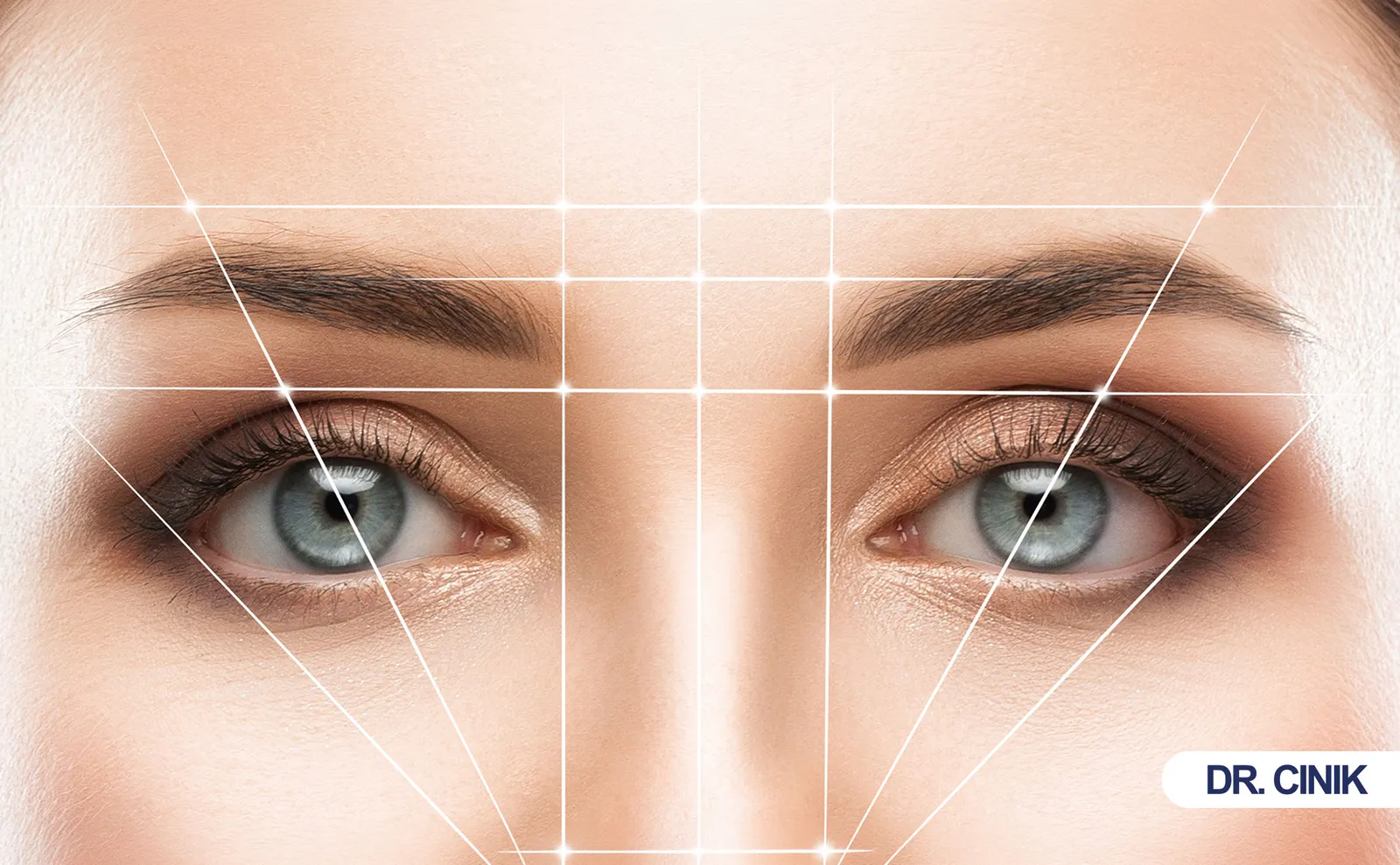
Common side effects include temporary swelling and redness. Rare risks include infection, graft failure, or unnatural growth direction. Choosing an experienced surgeon minimizes risks.
What Are Common Temporary Side Effects?
Swelling, bruising, redness, and scabbing affect most patients. These resolve within 7-14 days without treatment.
Immediate Post-Operative Effects:
Swelling peaks at 48-72 hours. It often affects the eyelids. Cold compresses reduce this. Bruising occurs in 15-20% of patients. It clears within a week.
Scabbing forms around each graft. Patients must not pick these. Natural falling occurs at days 7-10. Premature removal dislodges grafts.
Mild itching signals healing. Scratching damages follicles. Antihistamines help control this symptom.
What Complications Can Occur?
Infection occurs in less than 2% of cases. Folliculitis affects 3% of patients. Graft asymmetry happens rarely. Scarring is minimal with FUE.
Infection: Bacterial infection risk is low (1-2%). Signs include increasing pain, pus, or fever. Antibiotics treat this effectively. Proper sterile technique prevents infection (Klingbeil and Fertig 2020).
Folliculitis: Inflammation of hair follicles causes small red bumps. It affects 3% of patients. Alcohol inunction or topical antibiotics resolve it within days.
Graft Failure: Poor survival rates (below 70%) indicate technical problems. Smokers and diabetics face higher failure risks. A standardized procedure achieved 85% average survival in scarred tissue (Zhang et al. 2021).
Unnatural Direction: Incorrect angle placement (over 15 degrees) causes hair to stick out. This requires corrective surgery or electrolysis.
Cyst Formation: Inclusion cysts occur rarely. They resolve with simple drainage.
How Can You Minimize Risks?
Choose ISHRS-certified surgeons. Follow pre and post-operative instructions strictly. Avoid smoking before and after surgery.
Surgeon Selection Criteria:
- Board certification in dermatology or plastic surgery
- Specific eyebrow transplant experience (ask for case photos)
- Membership in International Society of Hair Restoration Surgery (ISHRS)
- Transparent complication rates
Research shows asymmetry most commonly results from uneven local anesthesia. Experienced surgeons administer anesthesia carefully to prevent brow elevation during procedure (Navalta and Pathomvanich 2013).
What Does Recovery and Aftercare Involve?
Recovery takes 7-10 days for surface healing. Full healing requires 2-4 weeks. You must avoid makeup, heavy exercise, and touching the area for specific periods.
How Do You Care for the First 7 Days?
Keep the area dry for 48 hours. Sleep with head elevated. Apply antibiotic ointment as directed. Do not touch or scratch.
Day 1-2:
Patients experience tightness and mild discomfort. Pain medication manages this. Sleep with two pillows to reduce swelling. Do not wash the face.
Day 3-4:
Gentle washing begins using provided special shampoo. Pat dry, never rub. Scabs start forming. They protect grafts during critical attachment phase.
Day 5-7:
Scabs begin falling. Redness fades. Most patients return to work. Light makeup can cover remaining pinkness (avoiding the graft area).
What Are Long-Term Care Requirements?
Trim hair every 2-4 weeks. Condition regularly. Shape as desired. Protect from sun initially. Expect permanent growth.
Trimming Schedule: Transplanted hair grows 0.5 inches monthly. Regular trimming maintains desired length and shape. Electric trimmers with guards work best.
Styling: Use eyebrow gel or wax to control direction. The hair may grow straighter than native brows. Training with gel helps achieve natural lay-flat appearance.
Sun Protection: UV exposure fades skin during healing. Use SPF 30+ on brow area for 3 months post-surgery. This prevents hyperpigmentation in graft sites.
How Does Eyebrow Transplant Compare to Microblading?
Transplants offer permanent real hair growth. Microblading provides temporary pigment. Transplants cost more initially but last forever. Microblading requires frequent touch-ups.
What Are the Key Differences?
Transplants involve surgery and real hair. Microblading is non-surgical cosmetic tattooing. Transplants require trimming. Microblading fades and needs redoing.
|
Comparison Point |
Eyebrow Transplant |
Microblading |
|
Method |
Surgical hair relocation |
Pigment implantation |
|
Permanence |
Permanent |
1-2 years |
|
Result |
Real growing hair |
Drawn-on appearance |
|
Maintenance |
Trimming every 2-4 weeks |
Touch-ups every 12-24 months |
|
Procedure Time |
2-4 hours |
2-3 hours |
|
Recovery |
7-10 days scabbing |
7-14 days healing |
|
Cost (10-year) |
$3,000-$8,000 once |
$3,000-$5,000 cumulative |
|
Naturalness |
Very natural |
Can look artificial up close |
Which Is Better for Different Needs?
Choose transplants for permanent natural results if you have donor hair. Choose microblading if you want immediate results without surgery or if you lack donor hair.
Choose Transplant If:
- You want permanent, maintenance-free color (aside from trimming)
- You have adequate scalp donor hair
- You prefer natural texture and movement
- You have scars requiring hair coverage
Choose Microblading If:
- You want immediate results without surgery
- You lack sufficient donor hair
- You prefer to avoid medical procedures
- You want to test eyebrow shapes before committing
A 2025 study noted patients without previous tattoos achieved higher satisfaction with transplants. Previous microblading did not prevent surgery but required evaluation of pigment depth (Liu et al. 2025).
Frequently Asked Questions About Eyebrow Hair Transplant
How Long Does an Eyebrow Hair Transplant Last?
Results are permanent. The transplanted follicles maintain their growth characteristics for life. You will have these hairs forever, though they require regular trimming.
Follicles harvested from the occipital scalp are genetically programmed to grow long-term. They resist the hormones that cause pattern baldness. Once established in the eyebrow area, they continue cycling through growth phases indefinitely (Park et al. 2021).
Does Eyebrow Transplant Hair Keep Growing?
Yes. The hair grows continuously like scalp hair. It does not stop at eyebrow length. You must trim it regularly.
This is the main maintenance difference from natural eyebrows. Native eyebrow hair has short growth phases (2-4 months). Scalp hair has long growth phases (2-6 years). Transplanted hair maintains scalp characteristics. It grows faster and longer than natural brows.
Is Eyebrow Hair Transplant Painful?
No. Surgeons use local anesthesia. You feel pressure but no pain during extraction or implantation. Post-operative discomfort is mild and manageable with over-the-counter pain relievers.
Patients report feeling "tugging" during FUE extraction. Implantation feels like "light pinches." Local anesthesia numbs completely within 5 minutes of injection. Discomfort after surgery rates 2-3 out of 10 for most patients (Kim et al. 2019).
How Long Does the Procedure Take?
The surgery takes 2-4 hours depending on graft count. A 200-graft procedure takes 2 hours. A 600-graft procedure takes 3-4 hours.
Time breaks down as:
- Design and anesthesia: 30 minutes
- Donor extraction: 1-2 hours
- Graft preparation: 30-45 minutes (concurrent with extraction)
- Implantation: 1-2 hours
Patients remain awake throughout. They can listen to music or podcasts. Clinics provide breaks as needed.
Final Thoughts: Is Eyebrow Hair Transplant Right for You?
Eyebrow hair transplant suits individuals seeking permanent, natural-looking eyebrows who have adequate donor hair and realistic expectations. It requires accepting regular trimming as trade-off for permanent results.
Summary of Benefits
Benefits include permanent results, natural appearance, scar correction capability, and cost-effectiveness over time compared to temporary solutions.
Eyebrow transplantation offers scientifically proven results. Modern techniques achieve 85-90% graft survival rates. Patients report high satisfaction (4.7/5) when proper protocols follow (Park et al. 2021; Zhang et al. 2021).
The procedure corrects diverse conditions: over-plucking damage, trauma scars, genetic thinning, and burn injuries. It provides real hair that moves naturally and responds to grooming.
Who Should Consider This Procedure?
Consider this if you have sparse eyebrows, sufficient donor hair, stable health, and desire permanent results. Ensure you accept the trimming requirement.
Good candidates include:
- Individuals with permanent hair loss from plucking or trauma
- Patients with scars needing camouflage
- Those seeking alternatives to daily makeup or fading microblading
- People with realistic expectations about growth rates
Why Is Expert Consultation Essential?
Expert consultation determines candidacy, designs appropriate shape, explains limitations, and ensures safety. It prevents unrealistic expectations and poor outcomes.
A thorough evaluation with a hair restoration specialist remains the critical first step. The surgeon assesses donor supply, skin quality, and facial aesthetics. They explain whether your goals match achievable results.
Research consistently shows that patient education and realistic expectation-setting correlate with higher satisfaction rates. Take time to review surgeon portfolios. Ask about their specific eyebrow experience, not just general hair transplant numbers.
Choose a surgeon certified by the International Society of Hair Restoration Surgery (ISHRS). Verify they perform eyebrow procedures regularly, not just occasionally. The precision required for natural eyebrow aesthetics demands specialized experience.
References
Civas, Mert, et al. "A Case of Alopecia Areata Triggered after Eyebrow Transplantation." Hair Transplant Forum International, vol. 23, no. 2, 2013, pp. 54-56.
Cleveland Clinic. "Eyebrow Transplant: What It Is, Surgery, Recovery & Results." Cleveland Clinic Health Essentials, 2022, my.clevelandclinic.org/health/treatments/24236-eyebrow-transplant.
Jiang, Wenjie, et al. "Clinical Outcomes and Technical Tips for Eyebrow Restoration Using Single-Follicular-Unit Hair Transplantation: A Case Series Review." Journal of Cosmetic Dermatology, vol. 19, no. 2, 2019, pp. 310-314.
Kim, Young S., et al. "Comparison of Postoperative Pain According to the Harvesting Method Used in Hair Restorative Surgery." Archives of Plastic Surgery, vol. 46, no. 3, 2019, pp. 241-247.
Klingbeil, Kyle D., and Raymond Fertig. "Eyebrow and Eyelash Hair Transplantation: A Systematic Review." The Journal of Clinical and Aesthetic Dermatology, vol. 11, no. 6, 2020, pp. 21-30.
Liu, Wei, et al. "Periauricular Hair Transplantation Enhances the Cosmetic Results of Eyebrow Transplantation: A Retrospective Study in Chinese Recipients." Journal of Plastic, Reconstructive & Aesthetic Surgery, vol. 78, 2025, pp. 167-175.
Navalta, James T., and Damkerng Pathomvanich. "Folliculitis and Scarring after Eyebrow Transplantation: An Uncommon Complication." Hair Transplant Forum International, vol. 23, no. 2, 2013, pp. 54-56.
Park, Jae H., et al. "Eyebrow Transplantation Using Long Hair Follicular Unit Excision Technique." Plastic and Reconstructive Surgery Global Open, vol. 9, no. 9, 2021, e3598.
Tomc, Christine M., and Peter J. Malouf. "Eyebrow Restoration: The Approach, Considerations, and Technique in Follicular Unit Transplantation." Journal of Cosmetic Dermatology, vol. 14, no. 4, 2015, pp. 310-314.
Turkey Luxury Clinics. "Average Cost of Hair Transplant in Different Countries 2026." Turkey Luxury Clinics Medical Tourism Report, 2026, turkeyluxuryclinics.com/en/blog/cost-of-hair-transplant-in-different-countries.
Zhang, Hao, et al. "Natural Reconstruction: A Comprehensive Standardized Operating Procedure for Restoring Eyebrow Loss Due to Scarring." Plastic and Reconstructive Surgery Global Open, vol. 9, no. 9, 2021, e3798.