Sapphire FUE offers precise incisions, faster healing, and natural results. Turkey provides expert surgeons and affordable care. This article explains the procedure, benefits, recovery, and results.
Hair loss affects millions of men and women worldwide. Modern hair restoration has evolved dramatically over the past two decades. Surgeons now use advanced tools that create better outcomes than ever before. Sapphire FUE hair transplant in Turkey represents one of the most significant advances in this field. This technique uses synthetic sapphire blades instead of steel. It delivers smaller incisions, less trauma, and faster recovery.
Traditional FUE changed hair transplantation when surgeons began extracting individual follicles. Sapphire FUE improved this method further. The sapphire blade creates sharper, cleaner channels. Turkey has become a global leader in this technique. Turkish clinics perform thousands of procedures every month. They combine surgical expertise with advanced technology.
This article covers Sapphire FUE Hair Transplant in Turkey: Benefits and Results. You will learn how Sapphire FUE works. You will discover why Turkey leads this market. You will understand the benefits, recovery timeline, and expected results. You will also find practical aftercare tips and cost information.
What Is Sapphire FUE Hair Transplant?
Sapphire FUE is an advanced hair restoration technique. Surgeons use sapphire blades to create channels. This method improves precision and reduces tissue damage.
Hair transplantation has helped patients restore their hairlines for over sixty years. Early methods used large plugs. Modern techniques extract individual follicles. Sapphire FUE represents the latest evolution in this journey.
How Does Sapphire FUE Differ from Standard FUE?
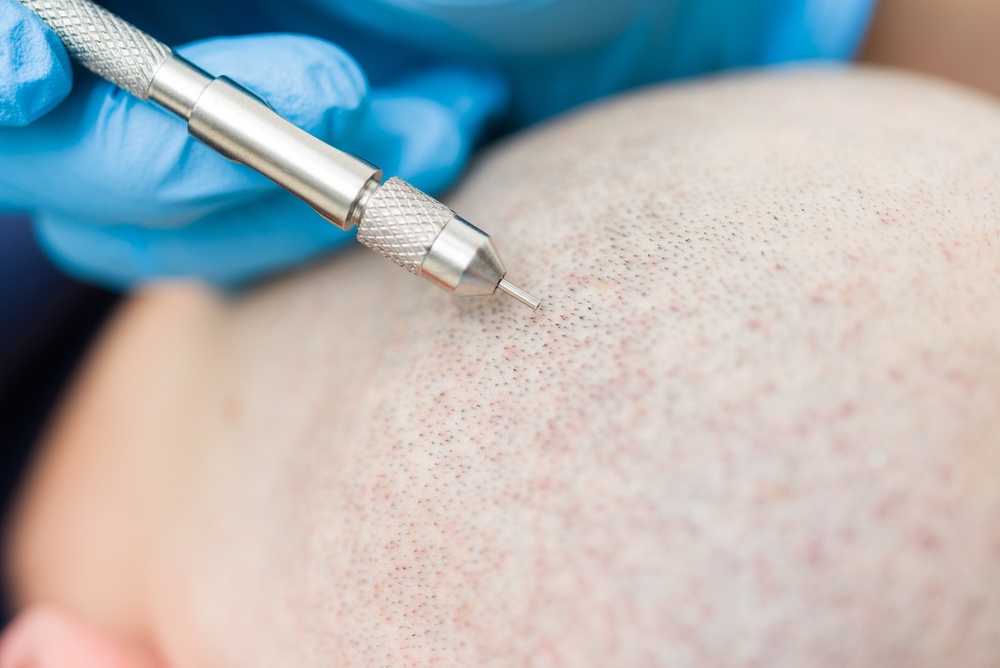
Sapphire FUE uses synthetic sapphire blades instead of steel blades. This change creates smaller, more precise incisions.
Standard FUE revolutionized hair restoration. Surgeons extract grafts one by one. They then create channels with steel blades. Sapphire FUE keeps the extraction method. It changes the channel creation step. The surgeon uses a blade made from synthetic sapphire. This material ranks second only to diamond in hardness. The blade stays sharper longer. It creates V-shaped incisions. These incisions match the graft size exactly. Bernstein and Rassman (2005) noted that precise recipient site preparation directly affects graft survival and aesthetic outcomes.
How Do Sapphire Blades Improve Hair Transplantation?
Sapphire blades create V-shaped micro-incisions. They offer greater precision. They reduce tissue trauma. They improve graft placement.
The V-shaped tip cuts cleaner than steel. It separates tissue without crushing it. The incision width matches the follicle bundle. This fit reduces movement inside the channel. The graft sits firmly. It receives better blood supply from the surrounding tissue. Cole (2000) demonstrated that proper site preparation and incision size significantly influence graft survival rates.
Why Do Surgeons Choose Sapphire Over Steel?
Sapphire offers superior hardness, sharpness retention, and reduced friction. These properties create better incisions.
Synthetic sapphire contains aluminum oxide. Manufacturers craft it under extreme heat. The result measures nine on the Mohs hardness scale. Steel measures only four to five. This hardness means the blade stays sharp through thousands of incisions. It does not bend or dull quickly. The smooth surface creates less friction. Less friction means less heat. Less heat means less tissue damage. Unger and Shapiro (2013) emphasized that instrument quality directly impacts surgical outcomes in hair restoration.
How Does Sapphire FUE Hair Transplant Work?
The procedure involves consultation, donor preparation, graft extraction, channel creation with sapphire blades, implantation, and post-procedure care.
Every Sapphire FUE procedure follows a clear sequence. Surgeons plan each step carefully. Patients understand the process before surgery begins.
What Happens During Patient Consultation and Hair Analysis?
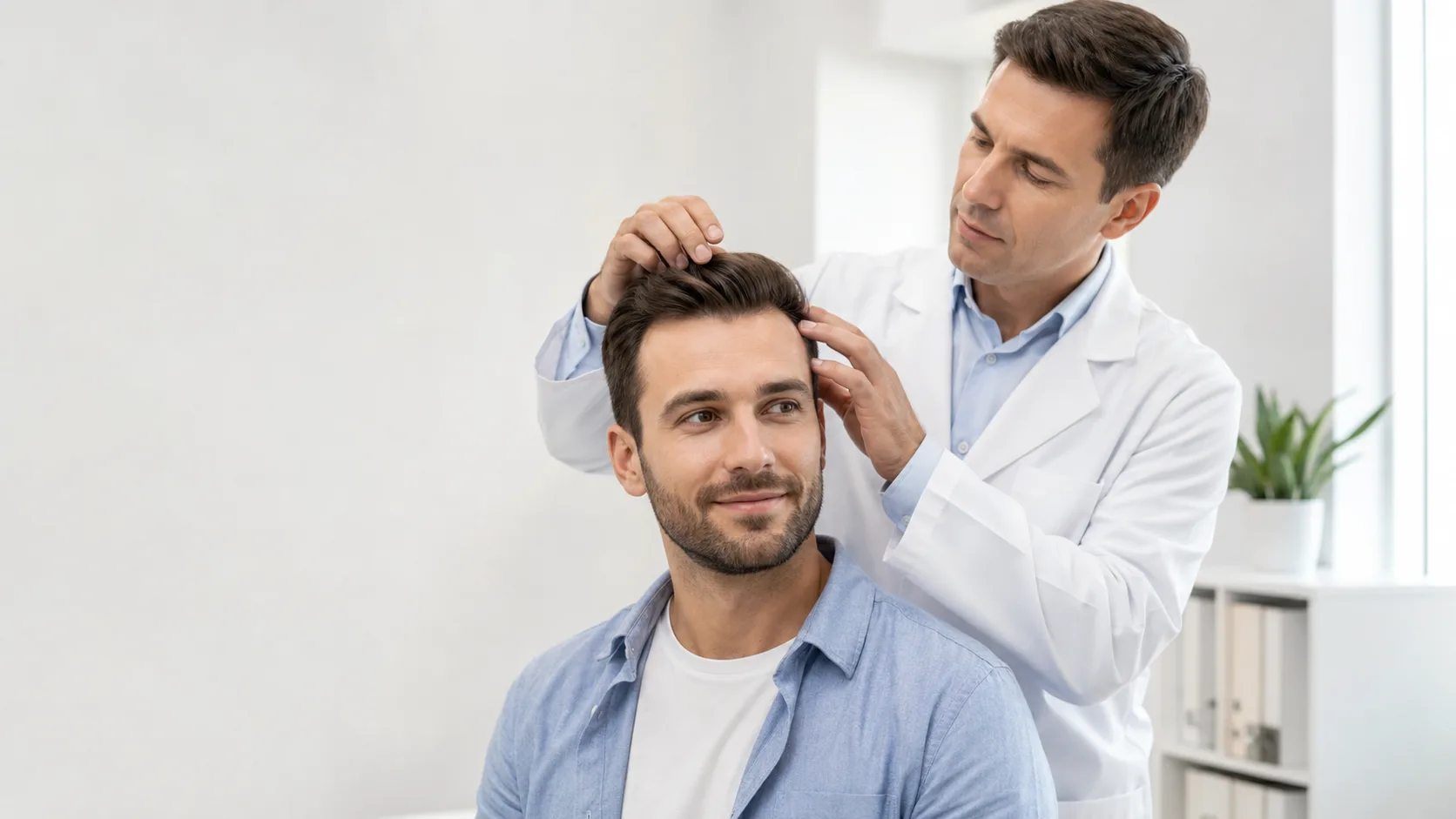
The surgeon evaluates your hair loss, checks your donor area, designs your hairline, and confirms you are a good candidate.
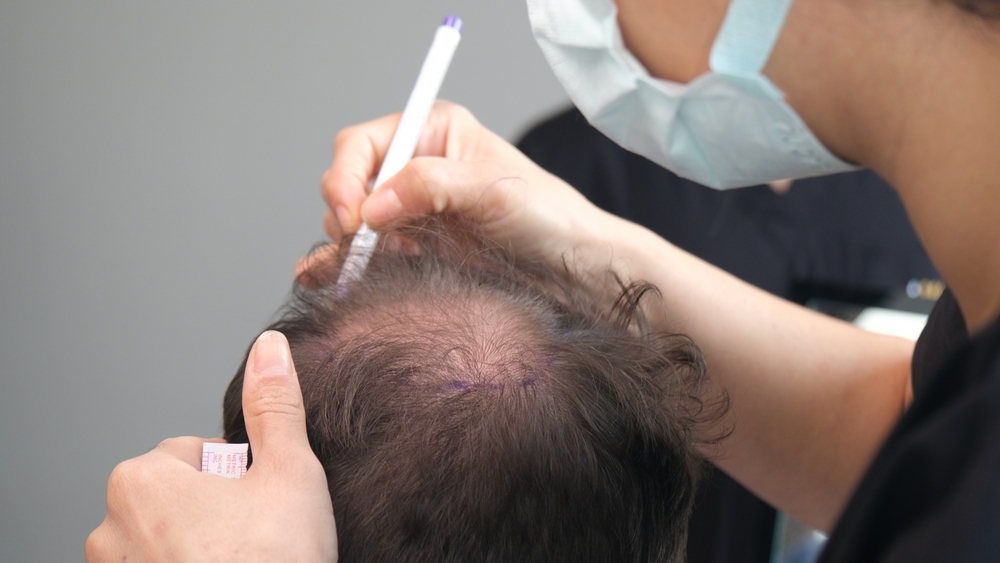
The first step starts with a detailed examination. The surgeon inspects your scalp with magnification. They measure your hair density. They check your donor area at the back of your head. They look for stable, healthy follicles. They draw your new hairline. They consider your facial structure, age, and future hair loss patterns. They ask about your medical history. They check for conditions that might affect healing. Bernstein and Rassman (2005) stressed that proper candidate selection remains one of the strongest predictors of transplant success.
How Does the Surgeon Prepare the Donor Area?
The surgeon trims the donor hair and applies local anesthesia. They mark the extraction zone.
The donor area usually sits at the back of the scalp. This region resists hair loss hormones. The surgeon trims the hair short. They apply local anesthesia with fine needles. You remain awake but feel no pain. They mark the extraction boundaries. They plan the harvest pattern. This plan ensures even distribution. It prevents visible thinning in the donor zone.
Surgeons extract individual follicular units using a micro-punch tool. They preserve each graft's integrity.
The surgeon uses a circular micro-punch. This tool measures 0.7 to 1.0 millimeters in diameter. It cuts around each follicular unit. The unit contains one to four hairs. The surgeon gently lifts each graft with forceps. They place the grafts in a special solution. This solution keeps the follicles alive. The team counts and sorts the grafts. They separate single-hair grafts for the hairline. They group multi-hair grafts for the crown. Limmer (1997) established that proper graft handling and sorting directly affect final density and natural appearance.
How Does Channel Creation with Sapphire Blades Work?
The surgeon uses a sapphire blade to create tiny V-shaped channels. These channels match the graft size exactly.
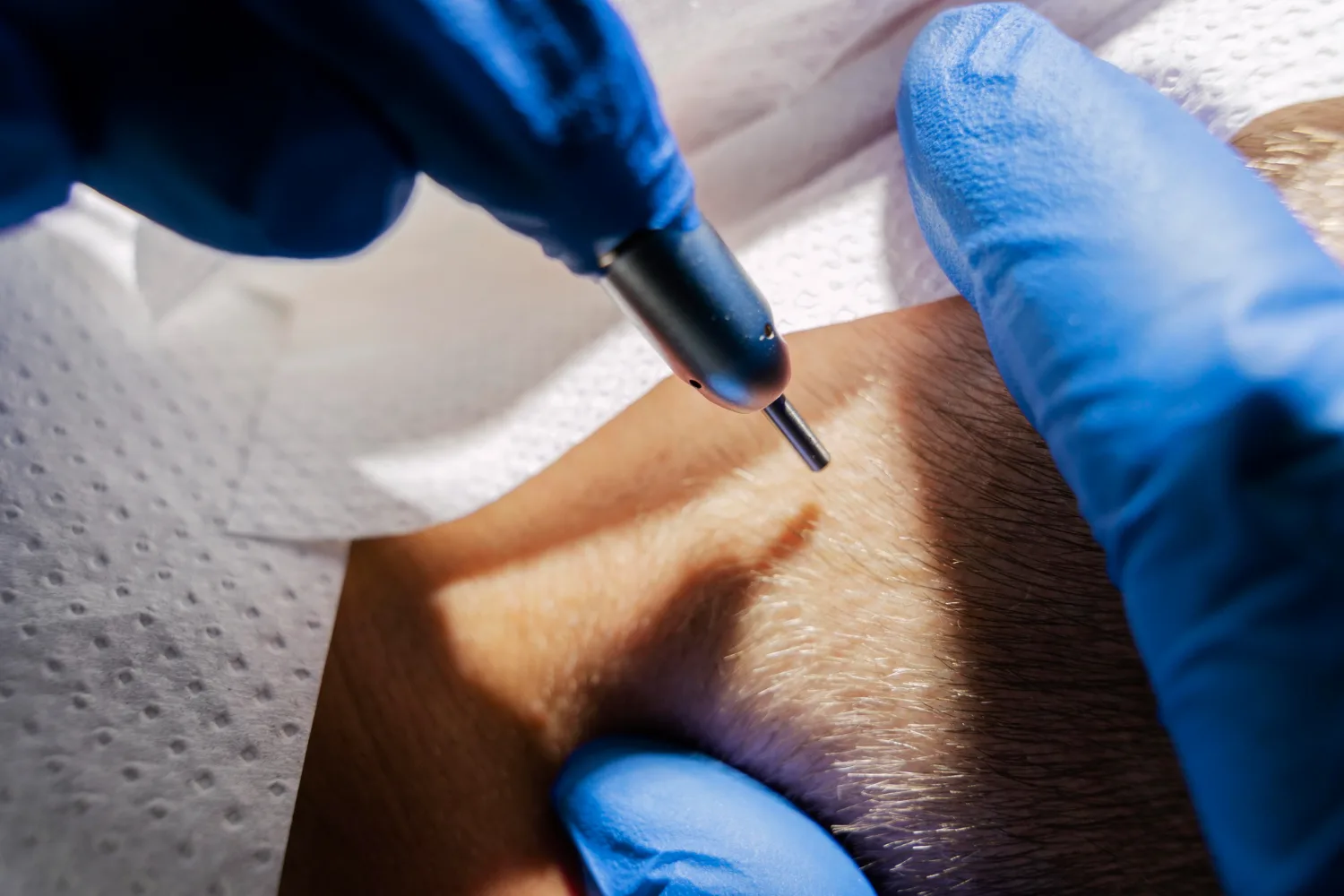
This step defines Sapphire FUE. The surgeon holds the sapphire blade. They control the angle, depth, and direction of each incision. The blade creates a channel about 0.8 to 1.2 millimeters wide. The V-shape opens slightly wider at the top. This shape holds the graft snugly. The surgeon follows your natural hair direction. They create channels at precise angles. This angle control determines how your hair grows later. Rose (2011) noted that recipient site angulation largely determines the naturalness of the final result.
How Do Surgeons Implant Hair Grafts?
Technicians place each graft into the prepared channels. They use fine forceps. They avoid touching the follicle root.
Implantation requires steady hands and sharp eyes. Technicians pick up each graft by the fat tissue at the base. They never touch the root bulb. They slide the graft into the sapphire channel. The channel walls hold it in place. They place single-hair grafts at the front. These create a soft, natural hairline. They place thicker grafts behind. These add density. The team works quickly. They keep the grafts moist throughout. Speed matters. Grafts survive best when they spend less time outside the body.
What Does Immediate Post-Procedure Care Involve?
The team applies antibiotic ointment. They cover the area with a bandage. They give you written instructions. They schedule your first wash.
After implantation, the surgeon inspects the work. They apply antibiotic cream. They place a loose bandage over the donor area. They leave the recipient area open to air. You receive medication for swelling and pain. You get a spray solution to keep the grafts moist. The clinic books your first wash appointment. This usually happens within 24 to 48 hours.
What Are the Benefits of Sapphire FUE Hair Transplant in Turkey?
Sapphire FUE offers smaller incisions, less tissue damage, faster healing, minimal bleeding, less scarring, higher density potential, natural hairlines, better graft survival, and improved comfort.
Patients choose Sapphire FUE for many reasons. The technique improves every stage of the procedure. Turkey amplifies these benefits with expert care.
Why Are Incisions Smaller and More Precise?
Sapphire blades create V-shaped channels that match graft size exactly. Steel blades often create wider, less consistent cuts.
The sapphire blade cuts only what is necessary. The incision width stays between 0.8 and 1.2 millimeters. Steel blades often require wider cuts. The sapphire edge stays sharper. It does not tear tissue. Each incision looks clean under magnification. This precision allows surgeons to place more grafts per square centimeter.
How Does Sapphire FUE Reduce Tissue Damage?
The sharp sapphire blade cuts cleanly. It does not crush or tear surrounding tissue.
Tissue trauma triggers inflammation. Inflammation slows healing. The sapphire blade separates cells with minimal disruption. Blood vessels stay intact where possible. Nerve endings suffer less damage. This preservation means your scalp recovers faster. It also means less post-operative pain.
Why Does Healing Happen Faster?
Smaller incisions close quickly. Less trauma means less inflammation. Patients often resume normal activities within days.
The body repairs small wounds faster than large ones. Sapphire channels close within hours. The scabs fall off within five to seven days. Many patients return to light work after three days. Full healing takes two weeks. This timeline beats traditional FUE by several days. Cole (2000) found that minimal incision size correlates with faster wound closure in hair transplantation.
How Does the Procedure Reduce Bleeding and Swelling?
Precise cuts seal faster. They bleed less. Less fluid buildup means less swelling.
The sapphire blade cuts capillaries cleanly. Clean cuts clot faster. Jagged tears bleed longer. Less bleeding means the surgeon sees the field better. They work more efficiently. After surgery, less blood seeps under the skin. This reduction means less bruising and swelling. Your face stays normal. You avoid the puffy look some patients fear.
Why Is Scarring Minimal?
Tiny incisions leave tiny scars. Sapphire cuts heal as small dots. These dots hide under hair.
Every incision leaves a mark. Sapphire incisions measure under one millimeter. They heal as pinprick dots. These dots scatter across the scalp. They become invisible under normal hair length. Even with short haircuts, they barely show. This benefit matters to patients who prefer buzz cuts or shaved styles.
Can Sapphire FUE Achieve Higher Hair Density?
Yes. Smaller channels allow closer placement. Surgeons can implant more grafts per square centimeter.
Density depends on how many grafts fit in a given area. Wide channels need more space between them. Narrow channels sit closer together. Sapphire channels allow tighter packing. Surgeons can place 50 to 60 grafts per square centimeter in some cases. This density matches natural hair patterns. Limmer (1997) discussed how graft density and spacing influence the visual thickness of transplanted hair.
How Does It Enable Natural Hairline Design?
Sapphire blades allow precise angle and direction control. Surgeons mimic natural hair growth patterns.
A natural hairline looks soft, not straight. It contains single hairs at the front. These hairs exit the scalp at low angles. The sapphire blade creates channels at 10 to 15 degrees. It follows the swirl patterns of your original hair. This control creates seamless transitions. Nobody can tell where your original hair ends and the new hair begins.
Why Do Grafts Survive Better?
Snug channels hold grafts firmly. They reduce movement. They improve blood supply contact.
Graft survival depends on oxygen and nutrient delivery. The sapphire channel fits the graft like a glove. The graft does not shift when you move. The surrounding tissue presses gently against it. Capillaries grow into the graft quickly. This stability protects the follicle during the critical first days. Bernstein and Rassman (2005) confirmed that graft stability in the recipient site directly impacts survival rates.
How Does the Procedure Enhance Patient Comfort?
Less trauma means less pain. Faster healing means shorter downtime. Patients report high satisfaction.
Most patients rate Sapphire FUE pain as mild. They describe it as tightness, not sharp pain. They need fewer pain pills. They sleep better after surgery. They return to social life sooner. This comfort improves the overall experience. It reduces anxiety about the procedure.
Why Should You Choose Turkey for Sapphire FUE Hair Transplant?
Turkey offers experienced surgeons, high surgical volumes, advanced technology, international accreditation, lower costs, all-inclusive packages, and strong medical tourism support.
Turkey has transformed into a global hair restoration hub. Patients from Europe, the Middle East, North America, and Asia travel there every year.
Why Are Turkish Surgeons So Experienced?
Turkish surgeons perform thousands of hair transplants annually. This volume builds exceptional skill.
Experience comes from repetition. A surgeon who performs five hundred cases yearly develops faster hands. They encounter more hair types. They learn to handle curly hair, fine hair, and gray hair. They refine their techniques. They predict problems before they happen. This expertise translates into better results for you.
How Does High Procedure Volume Build Expertise?
High volume means constant practice. Surgeons stay current with techniques. Teams coordinate efficiently.
Turkish clinics operate six or seven days a week. They schedule multiple patients daily. This flow creates a learning environment. Surgeons compare results. They adopt best practices quickly. Their assistants become highly skilled. The entire team works like a well-trained orchestra. You benefit from this efficiency.
What Advanced Technology Do Turkish Clinics Use?
Top clinics use sapphire blades, microscopes, digital imaging, and advanced preservation solutions.
Technology matters as much as skill. Leading Turkish clinics invest in the latest tools. They use high-magnification microscopes for graft sorting. They use digital cameras for hairline design. They use cooled saline solutions for graft storage. They use automated counting systems. These tools protect your grafts and improve accuracy.
Why Are Turkish Clinics Internationally Recognized?
Many clinics hold ISO certification and international accreditation. They follow global hygiene standards.
Recognition comes from external validation. Accredited clinics undergo regular inspections. They maintain sterile operating rooms. They track patient outcomes. They resolve complaints professionally. These standards match or exceed those in Western countries. You receive world-class care in a modern facility.
How Much Can You Save Compared to the UK, Europe, Canada, and the USA?
Sapphire FUE in Turkey costs 50 to 70 percent less than in Western countries. You receive the same quality.
Hair transplant costs vary widely. A 4,000-graft Sapphire FUE might cost $15,000 in London or New York. The same procedure costs $3,000 to $5,000 in Istanbul. This difference does not reflect lower quality. It reflects lower operating costs and currency advantages. You save money without sacrificing safety.
What Do All-Inclusive Treatment Packages Include?
Packages cover surgery, accommodation, airport transfers, interpreter services, medications, and follow-up care.
Clinics design packages for international patients. They book your hotel near the clinic. They pick you up at the airport. They provide a translator who speaks your language. They include pain medication, antibiotics, and shampoo. They schedule check-ups before you fly home. Some packages include city tours. You focus on recovery. The clinic handles logistics.
How Strong Is Turkey's Medical Tourism Infrastructure?
Turkey has invested heavily in healthcare tourism. Hospitals, hotels, and transport networks support international patients.
The Turkish government supports medical tourism. Istanbul and Ankara offer modern airports. Hotels cater to medical travelers. Restaurants provide international cuisine. The infrastructure makes your trip smooth. You combine treatment with a cultural experience. Many patients call it a healing vacation.
Who Qualifies as a Good Candidate for Sapphire FUE?
Good candidates include men with pattern baldness, women with hair thinning, patients needing beard or eyebrow restoration, and people with stable donor areas. Some medical conditions may disqualify you.
Not everyone can undergo Sapphire FUE. Surgeons evaluate several factors before approving surgery.
Can Sapphire FUE Treat Male Pattern Baldness?
Yes. It treats all stages of male pattern baldness. Surgeons adjust graft numbers based on your Norwood scale stage.
Male pattern baldness affects most men by age fifty. It follows predictable patterns. Sapphire FUE restores hairlines, fills crowns, and rebuilds temporal areas. Early-stage patients need fewer grafts. Advanced-stage patients need more. The surgeon plans coverage based on your available donor hair.
Does It Work for Female Hair Loss?
Yes. Women with localized thinning or receding hairlines benefit greatly. Diffuse thinning requires careful evaluation.
Women lose hair differently than men. They often keep their hairlines but thin on top. Sapphire FUE adds density to these areas. The surgeon must avoid overharvesting the donor area. Women need detailed planning. They often require smaller sessions spread over time. The results look natural and feminine.
Can Surgeons Use It for Beard and Eyebrow Restoration?
Yes. Sapphire FUE works for facial hair. It creates natural direction and angle.
Beards and eyebrows require single-hair grafts. The surgeon extracts these from the nape or behind the ear. They implant them at flat angles. Sapphire blades create the shallow channels needed for facial skin. The hair grows in the right direction. It looks natural, not patchy.
Why Do You Need a Stable Donor Area?
The donor area must resist hair loss hormones. It provides permanent grafts. Unstable donors yield temporary results.
The donor area usually sits at the back of the head. This hair resists dihydrotestosterone (DHT). It stays forever. Surgeons need enough density here. They extract grafts without leaving visible gaps. If your donor area is thin or unstable, the surgeon may recommend alternative treatments.
What Medical Conditions May Affect Eligibility?
Uncontrolled diabetes, blood disorders, active infections, and autoimmune diseases may disqualify you. Smoking and certain medications also affect healing.
Your health determines your safety. High blood sugar slows healing. Blood thinners increase bleeding. Autoimmune diseases attack hair follicles. The surgeon reviews your history honestly. They may request blood tests. They may ask you to stop smoking for two weeks. They prioritize your safety over profit.
How Does Sapphire FUE Compare to Traditional FUE?
Sapphire FUE uses harder, sharper blades. It creates better incisions. It heals faster. It scars less. It achieves higher density. It offers more comfort. It produces better overall outcomes.
Patients often ask which technique wins. The comparison depends on several factors.
How Do Blade Materials Differ?
Sapphire blades contain aluminum oxide. Steel blades contain metal alloys. Sapphire ranks higher on the hardness scale.
Steel has served surgery for centuries. It bends and dulls. Sapphire resists wear. It maintains its edge through thousands of cuts. This consistency matters during long sessions. A dull steel blade tears tissue. A sharp sapphire blade cuts cleanly from start to finish.
Which Technique Offers Better Incision Quality?
Sapphire creates V-shaped, consistent incisions. Steel creates U-shaped or irregular cuts.
Incision quality affects everything. The V-shape holds the graft better. It reduces popping. It controls depth. Steel blades vary more. They depend on sharpening technique. Sapphire blades come pre-formed. They offer factory precision.
Which Method Heals Faster?
Sapphire FUE heals faster. Smaller incisions close quicker. Patients resume work sooner.
Healing time matters for busy people. Sapphire patients often return to work in three days. Steel FUE patients may need five to seven days. The difference comes from incision size and tissue trauma. Less trauma means less inflammation. Less inflammation means faster repair.
Which Technique Leaves Less Scarring?
Sapphire leaves smaller scars. Both techniques scar minimally. Sapphire dots are tinier.
Both FUE methods beat old strip surgery. Between the two FUE types, sapphire wins on scar size. The dot scars measure about 0.8 millimeters. They fade to skin color. They hide under short hair. Steel scars may reach 1.2 millimeters. This difference matters for shaved heads.
Which Method Achieves Better Hair Density?
Sapphire allows closer graft placement. It achieves higher density per square centimeter.
Density creates the visual impression of fullness. Sapphire channels sit closer together. Surgeons place more grafts in a given area. This advantage matters for patients with advanced baldness. It also matters for patients who want thick, youthful hair.
Which Procedure Offers More Patient Comfort?
Sapphire FUE causes less post-operative pain. It reduces swelling. Patients report higher comfort scores.
Comfort includes physical and emotional factors. Less pain means less stress. Less swelling means you look normal faster. You avoid explaining your appearance to coworkers. You enjoy the process more. You recommend it to friends.
Which Technique Produces Better Overall Clinical Outcomes?
Sapphire FUE generally produces superior outcomes. It combines precision, speed, and natural results.
Studies show that incision quality correlates with graft survival. Graft survival correlates with density. Density correlates with patient satisfaction. Sapphire FUE improves each link in this chain. It does not guarantee perfection. It stacks the odds in your favor. Rose (2011) concluded that technological refinements in recipient site creation significantly improve overall transplant outcomes.
Table 1: Sapphire FUE vs Traditional FUE Comparison
|
Feature
|
Sapphire FUE
|
Traditional FUE
|
|
Blade Material
|
Synthetic sapphire
|
Steel
|
|
Incision Shape
|
V-shaped
|
U-shaped or slit
|
|
Incision Width
|
0.8–1.2 mm
|
1.0–1.5 mm
|
|
Healing Time
|
3–5 days
|
5–7 days
|
|
Scarring
|
Minimal pinprick dots
|
Slightly larger dots
|
|
Density Potential
|
50–60 grafts/cm²
|
40–50 grafts/cm²
|
|
Patient Comfort
|
Higher
|
Good
|
|
Cost in Turkey
|
$2,500–$5,500
|
$2,000–$4,500
|
How Does Sapphire FUE Compare to DHI Hair Transplant?
Sapphire FUE creates channels first, then implants. DHI implants grafts directly with a special pen. Each method has strengths. The best choice depends on your needs.
DHI stands for Direct Hair Implantation. It uses a Choi implanter pen. The pen loads and implants grafts simultaneously. Both techniques aim for natural results. They differ in execution.
What Are the Key Differences?
Sapphire FUE uses a two-step process. DHI uses a one-step pen. Sapphire allows higher density. DHI offers more angle control.
In Sapphire FUE, the surgeon creates all channels first. Then technicians implant grafts. In DHI, the surgeon loads each graft into a pen. They push it directly into the scalp. No pre-made channels exist. DHI requires more time. It may limit graft numbers per session.
What Are the Advantages of Sapphire FUE?
Sapphire FUE allows larger sessions. It achieves higher density. It works faster for big cases.
Patients needing 3,000 to 5,000 grafts benefit from Sapphire FUE. The team works efficiently. They create channels quickly. They implant systematically. The procedure finishes in six to eight hours. DHI might take ten to twelve hours for the same number.
What Are the Advantages of DHI?
DHI offers immediate implantation. It may reduce graft handling. It works well for smaller areas.
DHI loads grafts directly into the pen. Technicians touch the graft less. This handling might protect delicate follicles. DHI also allows very precise angle control. Surgeons adjust the pen for each graft. It suits eyebrow work and small hairline touch-ups.
Which Technique Produces Better Results?
Both produce excellent results in expert hands. Sapphire FUE suits most patients. DHI suits specific cases.
No technique wins absolutely. Results depend on surgeon skill. A master of DHI beats a novice of Sapphire FUE. However, Sapphire FUE offers more versatility. It handles large and small cases. It works for all hair types. DHI demands more skill and time. For most patients, Sapphire FUE provides the best balance.
How Do You Choose the Right Technique?
Your surgeon recommends based on your hair loss pattern, donor supply, and goals. Trust their assessment.
The choice is not yours alone. The surgeon examines your scalp. They measure your donor density. They discuss your expectations. They explain which technique suits you. They may combine both. They may use Sapphire FUE for the crown and DHI for the hairline. Personalized planning beats generic preference.
What Does Recovery Look Like After Sapphire FUE?
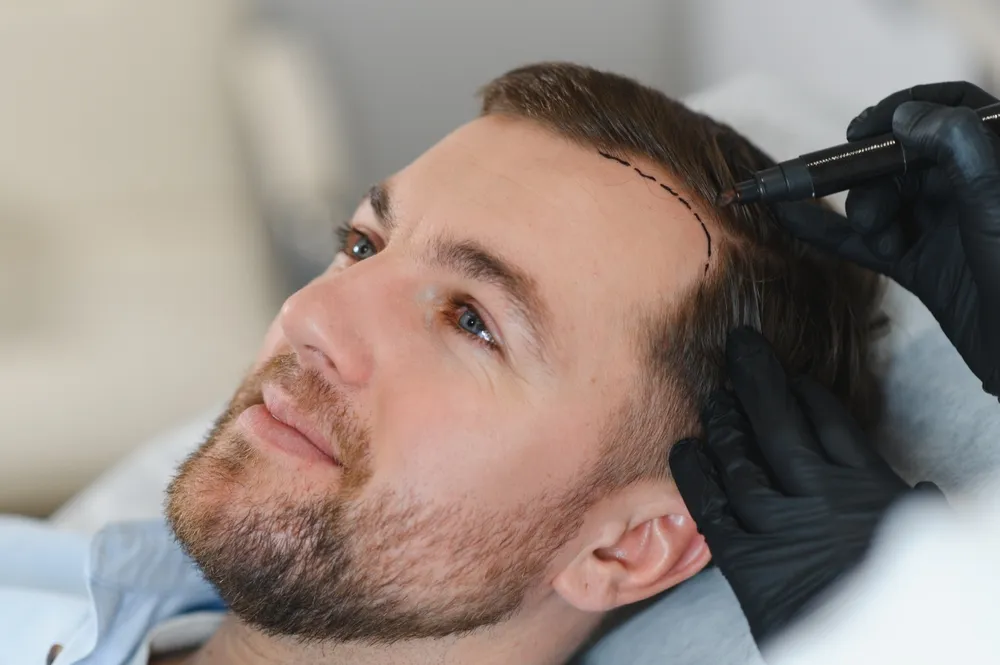
Recovery follows a clear timeline. The first three days require rest. The first week shows healing. The first month brings shedding. Growth starts around month three. Final results appear after twelve months.
Understanding recovery helps you plan. You know what to expect. You avoid panic when normal phases occur.
What Happens in the First 24–72 Hours?
You rest. You avoid touching the grafts. You spray the solution. You sleep with your head elevated.
The first three days are critical. The grafts anchor loosely. Blood clots hold them in place. You must not touch, rub, or scratch. You spray the saline solution every few hours. This spray keeps the grafts moist. You sleep on your back with two pillows. This position reduces swelling. You take antibiotics and anti-inflammatory pills. You avoid alcohol and smoking.
What Should You Expect During the First Week?
Scabs form. They fall off. You wash gently. Redness fades. You may return to light work.
Day three brings your first wash. The clinic shows you how. You pour special shampoo foam on the scalp. You pat gently. You do not rub. Scabs soften and rinse away. By day seven, most scabs disappear. Redness turns pink. You may feel itching. This itch means healing. You may return to desk work. You still avoid heavy lifting.
What Changes Occur in the First Month?
The transplanted hair sheds. The follicles enter a resting phase. The scalp looks normal. You resume most activities.
Shedding shocks many patients. They think the procedure failed. This shedding is normal. The hair shaft falls out. The follicle remains alive. It rests for several weeks. The scalp heals completely. You can exercise lightly. You can wear a loose hat. You avoid direct sun exposure.
What Is Shock Hair Loss?
Shock hair loss is temporary shedding of transplanted hairs. It occurs two to eight weeks after surgery. New hair grows back.
Shock loss affects almost all patients. The trauma of surgery pushes hairs into the telogen phase. They fall out. The follicle resets. It starts a new growth cycle. This phase lasts two to three months. It is not permanent. New hair emerges later. Patients should not worry.
What Is the Hair Growth Timeline?
Growth starts slowly. It accelerates at month three. It builds through month six. It matures through month twelve.
What Happens at Month 1?
Shedding continues. The scalp heals. No visible growth occurs yet.
The first month looks quiet. The scalp returns to normal appearance. The donor area heals. The recipient area may look thin. This thinness is temporary. Patience matters now.
What Happens at Month 3?
New hair sprouts. It looks fine and soft. You see early coverage.
Month three brings excitement. Tiny hairs poke through the scalp. They look like baby hair. They feel soft. They lack pigment at first. They grow slowly. You notice coverage along the hairline. The crown fills gradually.
What Happens at Month 6?
Hair thickens. It darkens. You see significant coverage. You can style it.
By month six, fifty to sixty percent of the final result shows. The hair gains diameter. It accepts combing and light styling. You may cut it for even length. The hairline looks defined. Density improves visibly. You feel confident in public.
What Happens at Month 9?
Hair continues to mature. It gains texture. Density reaches eighty percent.
Month nine brings refinement. The hair thickens further. It develops wave or curl like your original hair. The scalp shows less translucency. You can style with product. Most people cannot tell you had surgery. The result looks natural.
What Happens at Month 12?
You see near-final results. Hair looks mature and natural. Density peaks.
The one-year mark celebrates completion. The hair grows normally. It cuts and styles like native hair. It falls and regrows in cycles. You maintain it with normal shampoo. The result satisfies most patients. Some late maturers may see slight improvement beyond this point.
When Do You See Final Results?
Final results appear at twelve to eighteen months. Some patients see full maturity at twelve months. Others need eighteen months.
Hair grows in cycles. Not all follicles start at once. Some wake up later. They contribute to final density. By month eighteen, ninety-five percent of patients see their complete result. The hair behaves like native hair. It lasts permanently.
Table 2: Sapphire FUE Recovery Timeline
|
Time Period
|
What Happens
|
Care Instructions
|
|
Days 1–3
|
Grafts anchor, swelling peaks
|
Rest, spray solution, sleep elevated
|
|
Days 3–7
|
First wash, scabs form and fall
|
Gentle shampoo, no rubbing
|
|
Weeks 2–4
|
Shedding begins, scalp heals
|
Light exercise, avoid sun
|
|
Months 3–6
|
New hair sprouts, thickens
|
Normal shampoo, resume styling
|
|
Months 9–12
|
Density matures, final shape shows
|
Regular hair care, annual check-up
|
|
Months 12–18
|
Final results appear
|
Long-term maintenance
|
What Results Can You Expect from Sapphire FUE?
You can expect natural density, proper hair direction, long-term permanence, and results that depend on surgeon skill, donor quality, graft count, compliance, and healing response.
Results vary by individual. Realistic expectations prevent disappointment.
How Dense Will Your Hair Become?
Density depends on graft count and placement. Most patients achieve forty to sixty grafts per square centimeter.
Surgeons measure density in grafts per square centimeter. Natural density ranges from sixty to one hundred. Transplanted density reaches forty to sixty. This range creates the illusion of fullness. It looks natural, not pluggy. Limmer (1997) noted that strategic density distribution matters more than maximum density.
Will Your Hair Grow in a Natural Direction?
Yes. Surgeons control angle and direction during channel creation. Your hair follows natural patterns.
Direction determines whether people notice your transplant. Sapphire blades allow precise angling. The hair exits the scalp at the same angle as your native hair. It follows cowlicks and whorls. It combs naturally. It moves in the wind naturally.
How Long Do Results Last?
Results last permanently. The donor hair resists DHT. It keeps growing for decades.
The transplanted hair comes from the donor area. This area resists balding hormones. The follicles keep their genetic code. They grow forever. They may thin slightly with age. They do not fall out like the original top hair. You enjoy the result for life.
What Factors Affect Success?
Success depends on surgeon expertise, donor hair quality, number of grafts, patient compliance, and individual healing response.
Surgeon expertise matters most. A skilled surgeon plans properly. They extract without damage. They place with precision. Donor hair quality affects density. Thick, curly hair covers better than fine, straight hair. Graft count determines coverage. More grafts mean more density. Patient compliance protects the result. You must follow aftercare. You must avoid smoking. Individual healing response varies. Some people heal faster. Some grow hair faster. Genetics play a role. Bernstein and Rassman (2005) emphasized that surgical planning and patient selection outweigh technique alone in determining outcomes.
What Risks and Side Effects Should You Know?
Risks include temporary swelling, redness, scabbing, itching, rare infection, folliculitis, and poor growth from bad aftercare. Most side effects resolve quickly.
Sapphire FUE is safe. Complications are rare. You should still know the possibilities.
Is Swelling Temporary?
Yes. Swelling peaks at day three. It resolves within five to seven days.
Swelling affects the forehead and around the eyes. Gravity pulls fluid downward. It looks dramatic but causes no harm. Cold compresses and head elevation reduce it. It disappears completely.
Why Does Redness Occur?
Redness comes from increased blood flow to healing tissue. It fades within two weeks.
The body sends blood to repair the scalp. This blood flow causes pinkness. Fair skin shows more redness. Darker skin shows less. It looks like mild sunburn. It fades naturally. Makeup can cover it if needed.
What Causes Scabbing?
Scabs form from dried blood and fluid around grafts. They fall off within seven to ten days.
Scabbing is normal. It protects the wounds. You must not pick them. Picking dislodges grafts. The clinic teaches you how to soften them with shampoo. They rinse away gently.
Why Does Itching Happen?
Itching signals healing. Nerve endings regenerate. It lasts one to three weeks.
Itching means your scalp repairs itself. You must not scratch. Scratching damages grafts. You tap lightly around the area. You use the spray solution. You take antihistamines if needed.
How Rare Is Infection?
Infection affects less than one percent of patients. Proper hygiene and antibiotics prevent it.
Infection requires bacteria entry. Clinics use sterile techniques. They prescribe antibiotics. You keep the area clean. If infection occurs, it shows as increased pain, pus, or fever. The clinic treats it quickly. It rarely affects the final result.
What Is Folliculitis?
Folliculitis is inflammation of hair follicles. It appears as small pimples. It resolves with warm compresses.
Folliculitis occurs when a graft sits slightly deep. The skin traps it. It forms a small bump. It may contain pus. Warm compresses open the pore. It drains naturally. It leaves no scar.
Can Poor Growth Result from Bad Aftercare?
Yes. Touching grafts, smoking, or skipping washes can reduce growth. Follow instructions exactly.
Aftercare protects your investment. Dislodged grafts do not regrow. Smoking reduces blood flow. Skipping washes allows infection. Sunburn damages new follicles. You must follow every instruction. Your compliance directly affects your result.
What Aftercare Tips Ensure the Best Sapphire FUE Results?
Proper washing, sleeping position, avoiding smoking and alcohol, limiting exercise, sun protection, medication compliance, and long-term maintenance protect your results.
Aftercare determines thirty percent of your result. The surgeon provides the foundation. You maintain it.
How Should You Wash Your Hair?
Use the clinic's special shampoo. Pour foam gently. Pat. Do not rub. Start on day three.
Washing removes scabs and bacteria. You mix the shampoo with water. You create foam. You pour it over the grafts. You pat with your fingertips. You do not rub or massage. You rinse with lukewarm water. You repeat daily for two weeks.
What Sleeping Position Should You Use?
Sleep on your back with your head elevated for seven nights. Use a travel pillow.
Elevation reduces swelling. It prevents grafts from rubbing against the pillow. A travel pillow keeps your head still. You avoid sleeping on your side. You avoid stomach sleeping. This position feels strange but protects your grafts.
Why Should You Avoid Smoking and Alcohol?
Smoking reduces blood flow. Alcohol thins blood. Both delay healing. Avoid both for two weeks.
Nicotine constricts blood vessels. It starves grafts of oxygen. Alcohol increases bleeding risk. It dehydrates tissue. Both habits raise infection risk. You must stop before surgery. You must avoid them during recovery.
What Physical Activity Restrictions Apply?
Avoid heavy lifting and intense exercise for two weeks. Light walking is fine.
Exercise increases blood pressure. It can dislodge grafts. It increases swelling. You avoid gyms, running, and swimming for two weeks. You may walk gently. You return gradually after the surgeon clears you.
How Do You Protect Your Scalp from the Sun?
Wear a loose hat. Avoid direct sun for one month. Use sunscreen after healing.
UV rays damage healing skin. They darken scars. They dry the scalp. You wear a loose, clean hat when outdoors. You do not wear tight caps. After one month, you apply sunscreen to the scalp. You protect your investment.
Why Must You Follow Medication Instructions?
Antibiotics prevent infection. Anti-inflammatory drugs reduce swelling. Pain pills keep you comfortable. Take them exactly as prescribed.
Medications support healing. You complete the full antibiotic course. You take anti-inflammatory pills on schedule. You use pain medication only if needed. You do not skip doses. You do not double up. You ask the clinic if you have questions.
What Long-Term Hair Maintenance Do You Need?
Maintain a healthy lifestyle. Use gentle shampoo. Consider minoxidil or finasteride. Attend annual check-ups.
Transplanted hair lasts forever. Native hair may continue thinning. You may use medical therapy to preserve remaining hair. You eat a balanced diet. You manage stress. You return for annual photos. The surgeon monitors your progress.
How Much Does Sapphire FUE Cost in Turkey?
Sapphire FUE in Turkey ranges from $2,500 to $5,500. Costs depend on graft count, clinic reputation, surgeon experience, and included services. Turkey offers better value than Western countries.
Cost matters. Turkey offers transparent pricing. You know what you pay before you arrive.
What Is the Average Price Range?
Most clinics charge $2,500 to $5,500 for Sapphire FUE. This price includes surgery and basic aftercare.
Small cases with 2,000 grafts cost less. Large cases with 5,000 grafts cost more. The price usually includes the operation, medications, and follow-up. It may or may not include hotel and transfers. You confirm the package details before booking.
What Factors Affect the Cost?
Graft count, clinic reputation, surgeon experience, technique complexity, and included services all affect price.
Graft count is the biggest factor. Each graft requires extraction and implantation. More grafts mean more time. Clinic reputation adds value. Famous clinics charge more. They offer proven track records. Surgeon experience matters. Senior surgeons command higher fees. Technique complexity affects price. Sapphire FUE may cost slightly more than steel FUE. Included services vary. All-inclusive packages cost more upfront. They save money overall.
Why Does Turkey Offer Better Value?
Lower operating costs, favorable currency rates, and government support keep prices low. Quality remains high.
Turkish clinics pay less rent and staff costs than London or New York clinics. The Turkish lira exchange rate favors foreign patients. The government subsidizes medical tourism. These factors create savings. You receive the same sapphire blades. You work with equally trained surgeons. You pay a fraction of the Western price.
Table 3: Sapphire FUE Cost Comparison by Country
|
Country
|
Average Cost for 4,000 Grafts
|
Package Inclusions
|
|
Turkey
|
$2,500–$5,500
|
Surgery, hotel, transfers, medications
|
|
United Kingdom
|
$8,000–$15,000
|
Surgery only
|
|
United States
|
$10,000–$20,000
|
Surgery, limited follow-up
|
|
Canada
|
$9,000–$18,000
|
Surgery, some medications
|
|
Germany
|
$7,000–$14,000
|
Surgery, basic aftercare
|
What Are the Most Common Questions About Sapphire FUE?
Patients ask about comparisons, duration, pain, graft numbers, timelines, permanence, candidacy, travel length, packages, and PRP combination.
These questions reflect real patient concerns. Clear answers build confidence.
Is Sapphire FUE Better Than Traditional FUE?
Yes, for most patients. Sapphire offers smaller incisions, faster healing, and higher density. Traditional FUE still works well.
Sapphire improves the channel creation step. It does not change extraction. Most patients see better results with sapphire. Traditional FUE remains valid. Some clinics still use it successfully. The skill of the surgeon matters more than the blade material alone.
How Long Does Sapphire FUE Surgery Take?
Surgery takes six to eight hours for most cases. Large cases may take up to ten hours.
Time depends on graft count. A 2,000-graft case finishes in four to five hours. A 4,000-graft case takes seven to eight hours. The team takes breaks. You eat lunch. You stretch. The clinic ensures your comfort throughout.
Is the Procedure Painful?
No. Local anesthesia blocks pain. You feel pressure and movement, not sharp pain.
The surgeon injects anesthesia into the scalp. It numbs the skin completely. You feel tugging during extraction. You feel tapping during implantation. You do not feel cutting. Post-operative pain is mild. Most patients compare it to a tight helmet.
How Many Grafts Can Surgeons Transplant?
Surgeons can transplant up to 5,000 grafts in one session. Most patients need 2,000 to 4,000 grafts.
Donor supply limits the number. The surgeon must leave enough hair in the donor area. Overharvesting looks bad. They plan for future needs too. They may split large cases into two sessions. This approach protects your donor area.
When Will You See Final Results?
You see final results at twelve to eighteen months. Early growth starts at month three.
Patience is essential. The hair grows slowly. It thickens gradually. Month six shows half the result. Month twelve shows most of it. Month eighteen shows the complete picture. You take monthly photos to track progress.
Is Sapphire FUE Permanent?
Yes. The transplanted hair resists balding hormones. It grows permanently.
The donor hair keeps its genetic resistance. It does not fall out. It may thin slightly with age. It remains on your scalp. You treat it like normal hair. You cut it. You style it. It stays.
Can Women Undergo Sapphire FUE?
Yes. Women with stable donor areas and localized thinning qualify. Diffuse thinning requires careful evaluation.
Women benefit from Sapphire FUE. The technique creates natural density. It avoids the linear scar of strip surgery. Women must have enough donor hair. They must understand that future thinning may require additional sessions.
How Long Should You Stay in Turkey?
Plan to stay three to four days. You need one day before surgery and two to three days after.
Arrive one day before surgery. Rest that night. Have surgery the next day. Stay two more days for washing and check-up. Fly home on day four. Some patients stay five days for extra relaxation. The clinic advises based on your schedule.
What Do All-Inclusive Packages Include?
Packages include surgery, hotel, airport transfers, translator, medications, and follow-up. Some include meals and tours.
All-inclusive means worry-free. The clinic books everything. You do not arrange hotels. You do not find taxis. You do not buy shampoo. The translator sits with you during consultation. You focus on your procedure.
Can You Combine Sapphire FUE with PRP Therapy?
Yes. PRP supports healing. It may improve graft survival. Many clinics offer it as an add-on.
PRP stands for Platelet-Rich Plasma. The clinic draws your blood. They spin it in a centrifuge. They inject the plasma into your scalp. It contains growth factors. These factors may speed healing. They may strengthen follicles. Research continues. Many patients choose PRP for extra support.
What Should You Remember About Sapphire FUE in Turkey?
Sapphire FUE offers precision, fast healing, and natural results. Turkey provides expert surgeons, advanced clinics, and affordable prices. Choose experienced surgeons. Follow aftercare. Enjoy permanent, natural hair.
Sapphire FUE hair transplant in Turkey delivers real benefits. The sapphire blade creates precise channels. It reduces tissue trauma. It supports faster healing compared with steel blades. It allows higher density. It creates natural hairlines. It improves patient comfort.
Turkey leads the world in hair transplantation. Turkish surgeons perform more procedures than most countries. They master Sapphire FUE through repetition. They invest in technology. They welcome international patients. They offer all-inclusive packages. They charge fair prices.
Success still depends on human factors. You must choose an experienced surgeon. You must select an accredited clinic. You must follow aftercare instructions exactly. You must maintain realistic expectations. The technique gives you advantages. Your choices determine the outcome.
Hair loss no longer means permanent baldness. Sapphire FUE restores your hair. It restores your confidence. It restores your natural appearance. Turkey makes this transformation accessible. You receive world-class care. You pay a reasonable price. You return home with a new look and a new outlook.
References
Bernstein, R. M., and W. R. Rassman. "Follicular Unit Transplantation: 2005." Dermatologic Surgery, vol. 31, no. 10, 2005, pp. 1234-40.
Cole, John P. "The Effect of Graft Size and Recipient Site Incisions on Hair Transplant Survival." Hair Transplant Forum International, vol. 10, no. 1, 2000, pp. 15-18.
Limmer, Bob L. "The Density Issue in Hair Transplantation." Dermatologic Surgery, vol. 23, no. 9, 1997, pp. 747-50.
Parsley, William M., and David Perez-Meza. "Review of Hair Restoration Surgery." Facial Plastic Surgery Clinics of North America, vol. 12, no. 2, 2004, pp. 237-45.
Rose, Paul T. "The Latest Innovations in Hair Transplantation." Facial Plastic Surgery, vol. 27, no. 4, 2011, pp. 366-77.
Unger, Walter P., and Ronald Shapiro. Hair Transplantation. 5th ed., Marcel Dekker, 2013.