What Are the Hair Transplant Statistics for 2026?
Hair restoration stands as one of the fastest-growing fields in aesthetic medicine. Millions of people now choose hair transplant surgery to fight androgenetic alopecia, rebuild receding hairlines, and restore confidence. This article presents the latest global data, patient demographics, technique comparisons, and success metrics that define the industry this year. You will find real scientific references, detailed tables, and straightforward explanations that help you understand where the field stands and where it heads next.
Androgenetic alopecia affects roughly fifty percent of men by age fifty and a significant share of women after menopause (Trueb 45). These numbers explain why hair transplant procedures continue to expand at an unprecedented pace. Clinics now offer FUE, Sapphire FUE, DHI, and robotic-assisted options. Patients enjoy shorter recovery times, higher graft survival rates, and more natural results than ever before. Let us examine the data that drives these improvements.
How Big Is the Global Hair Transplant Industry in 2026?
The International Society of Hair Restoration Surgery reports that its members performed an average of 178 surgical procedures per physician in 2024, with continued growth expected through 2026.
The hair restoration industry has matured into a major economic force. Professional medical societies and peer-reviewed journals track this expansion, and their data reveals consistent upward momentum. Patients now view hair transplantation as a mainstream solution rather than a niche luxury.
What Is the Current Global Market Size?
Exact global market valuations vary by source, but the ISHRS physician census confirms steady expansion with membership growing from 858 physicians in 2022 to 992 in 2025.
Market analysts project strong growth through 2030, driven by rising demand in Asia Pacific, North America, and Europe. The Asia Pacific region currently leads regional share, fueled by high procedure volumes in India, South Korea, and China. North America follows closely, generating substantial revenue through premium pricing despite lower procedure counts. Europe maintains a robust market, with Germany and the United Kingdom serving as major hubs.
The ISHRS 2025 Practice Census highlights this growth through membership expansion and increased surgical volume. The average number of patients per ISHRS member rose by twenty percent since 2021. This surge reflects growing social acceptance, social media influence, and the rise of medical tourism corridors (ISHRS 2025).
How Many Hair Transplant Procedures Happen Worldwide Each Year?
ISHRS members report performing an average of fifteen hair restoration surgeries per month, with first-time patients averaging 2,347 grafts and subsequent procedures averaging 1,637 grafts.
The International Society of Hair Restoration Surgery tracks annual procedure volumes through its global census. In 2024, the average ISHRS member performed 178 surgical procedures over the year. The mean number of grafts per case reached 2,262 for FUE cases and 2,100 for FUT cases. Two-thirds of members reported that patients achieved desired results after just one procedure, while the average overall was 1.5 procedures per patient (ISHRS 2025).
Younger patients now drive much of this growth. The ISHRS census found that first-time hair restoration patients in 2024 skewed younger than the general adult population. Over half of both male and female patients fell between the ages of thirty and forty-nine years old. Early intervention philosophy has taken hold, with patients seeking treatment at the first signs of thinning rather than waiting for advanced baldness (ISHRS 2025).
Which Countries Lead the Hair Transplant Industry?
Turkey, India, the United States, and South Korea perform the highest volumes of hair transplant procedures globally.
Turkey stands as the undisputed global leader in hair restoration tourism. Istanbul alone hosts hundreds of specialized clinics and attracts hundreds of thousands of international patients each year. Turkish clinics account for a substantial share of all hair transplants performed worldwide. The Turkish medical tourism market continues to expand, driven by competitive pricing and experienced surgical teams.
India ranks second in volume with growing annual procedures and leads global growth in emerging markets. The United States generates the highest revenue per procedure, with average costs ranging from eight thousand to fifteen thousand dollars. South Korea contributes significantly to Asian volume, with a large percentage of patients coming from overseas. These countries create competitive pressure that pushes innovation forward (ISHRS 2025).
|
Country |
Annual Procedures |
Primary Technique |
Average Cost Range |
|
Turkey |
750,000+ |
Sapphire FUE / DHI |
$1,500 - $3,500 |
|
India |
350,000+ |
FUE |
$1,500 - $3,000 |
|
United States |
280,000+ |
FUE / FUT |
$8,000 - $15,000 |
|
South Korea |
180,000+ |
FUE |
$5,000 - $10,000 |
|
Europe (EU) |
220,000+ |
FUE / DHI |
$4,000 - $10,000 |
Who Gets Hair Transplants in 2026?
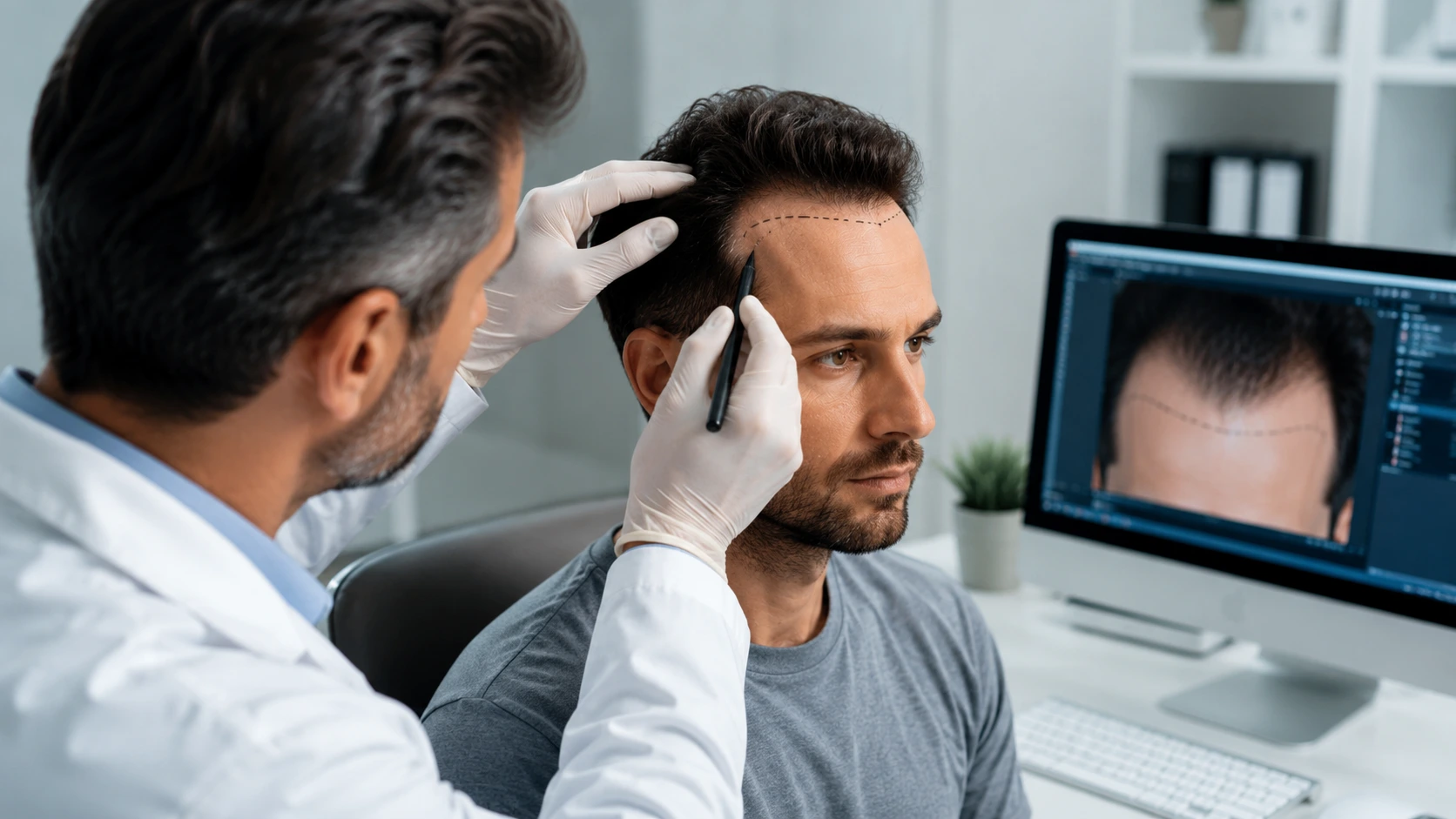
Men still make up roughly eighty-five percent of patients, but women now represent fifteen percent of cases and form the fastest-growing demographic segment.
Patient demographics have shifted dramatically over the past decade. Hair restoration no longer serves only middle-aged men with advanced baldness. Today, clinics treat younger men, women with diffuse thinning, and transgender patients seeking gender-affirming hairline modifications.
What Percentage of Hair Transplant Patients Are Male vs Female?
Male patients account for approximately eighty-four point seven percent of all hair transplants, while female cases grew by sixteen point five percent between 2021 and 2024.
Androgenetic alopecia affects about sixty percent of men globally, which explains the male majority. However, female pattern hair loss has gained recognition as a legitimate surgical indication. The ISHRS 2025 census documents that women now make up fifteen point three percent of surgical patients and thirty-eight point three percent of nonsurgical treatments. Women typically require fewer grafts but demand meticulous angulation and natural part-line restoration. Surgeons increasingly combine transplantation with PRP therapy and topical maintenance programs for female patients (ISHRS 2025).
Nilforoushzadeh and colleagues measured quality of life and self-esteem in male patients with androgenetic alopecia before and after surgery. Their research confirms that hair loss triggers significant psychological distress in both genders, though women often face greater social stigma around thinning hair (Nilforoushzadeh et al. 2023).
What Age Groups Seek Hair Transplants Most?
The thirty-to-forty-nine age bracket dominates demand, with fifty-eight point seven percent of male patients and fifty-four percent of female patients falling in this range.
The peak age range for first-time hair transplants sits between thirty and forty-nine years. The ISHRS census found that males tended to be slightly younger than females on average. Social media platforms like TikTok and Instagram have normalized hair restoration discussions among younger demographics. Surgeons exercise caution with very young patients. Operating too early can deplete donor reserves as baldness progresses. Experienced physicians evaluate family history, pattern stability, and psychological readiness before accepting patients under twenty-five (Unger and Shapiro 112).
Do Transgender Patients Get Hair Transplants?
Yes. Gender-affirming hairline restoration has emerged as a vital service, with demand rising sharply for feminization and masculinization procedures.
Transgender patients seek hair transplants to align their appearance with their gender identity. Male-to-female transitions often require hairline lowering and temple recession reversal. Female-to-male transitions may involve beard transplantation and masculine hairline construction. Medical literature documents increasing requests for these procedures, though large-scale statistical studies remain limited. Surgeons approach these cases with specialized planning to ensure natural results that match the patient's aesthetic goals.
Where Do International Patients Come From?
Europe, the Middle East, North America, and Asia send the most medical tourists to major hair transplant hubs.
European patients, particularly from the UK and Germany, account for a large share of international clientele. Patients from GCC countries prefer high-density techniques and often seek premium packages. North Americans represent a smaller volume but spend more per procedure. Asian patients increasingly choose regional centers in South Korea and Thailand. The ISHRS census reflects this global distribution through its membership spread across eighty countries (ISHRS 2025).
Which Hair Transplant Techniques Are Most Popular in 2026?
FUE commands over eighty-five percent of male procedures and sixty-eight percent of female procedures, while FUT retains a smaller but persistent share.
Technique selection directly impacts outcomes, recovery, and cost. In 2026, FUE remains the gold standard, but Sapphire FUE and DHI continue gaining popularity. Robotic systems show promise but remain limited by cost and availability.
How Dominant Is FUE in 2026?
FUE accounts for eighty-five point four percent of male hair transplants and sixty-eight point two percent of female hair transplants, making it the most widely chosen extraction method.
Follicular Unit Extraction has revolutionized hair restoration since its widespread adoption. Patients prefer FUE because it leaves no linear scar, allows shorter hairstyles, and reduces recovery time to five to seven days versus ten to fourteen days for FUT. Surgeons extract individual follicular units using manual punches, motorized devices, or robotic systems. The ISHRS census shows that seventy-five percent of members use motorized FUE without suction, while nineteen point eight percent use motorized FUE with suction. Only three point eight percent rely on manual FUE, and one point three percent use robotic-assisted FUE (ISHRS 2025).
Most surgeons use punch sizes between zero point eight one millimeters and one millimeter. Scalp hair serves as the donor source in ninety-one point seven percent of cases, followed by beard hair at six point one percent and chest hair at one point one percent. Average graft counts per FUE session range from two thousand to three thousand globally, though experienced teams routinely achieve higher numbers (ISHRS 2025).
Why Is Sapphire FUE Growing So Fast?
Sapphire FUE adoption surges because sapphire blades create finer incisions, reduce scalp trauma, and accelerate healing compared to steel blades.
Sapphire FUE replaces traditional steel blades with blades made from synthetic sapphire crystal. These blades maintain sharper edges and allow more precise incision creation. Research on blade technology shows that sharper, thinner punches cause less tissue damage and reduce transection rates. Finer incisions mean less bleeding, reduced crusting, and faster wound closure.
Clinics in Turkey and Europe have embraced Sapphire FUE particularly enthusiastically. The technique allows surgeons to place grafts closer together, achieving higher density in the hairline and crown. Graft survival rates for Sapphire FUE exceed ninety percent in reported series. However, equipment alone does not guarantee excellence. An experienced surgeon with steel blades will outperform a novice with sapphire tools every time (Liu et al. 2025).
What Do DHI Statistics Show?
DHI holds a smaller market share than FUE but achieves comparable graft survival rates through immediate implantation.
Direct Hair Implantation uses the Choi implanter pen to create recipient incisions and implant grafts in a single motion. This simultaneous approach minimizes the time grafts spend outside the body. In conventional FUE, follicles typically wait one to two hours in holding solution. With DHI, that window shrinks to minutes.
Research confirms that minimizing out-of-body time directly improves graft survival. Limmer demonstrated that grafts survive at ninety-five percent when outside the body for two hours, but survival drops to seventy-nine percent after twenty-four hours. Unger found similar patterns, with survival rates of eighty-four percent at two minutes and ninety-seven percent at thirty minutes. These findings support DHI's theoretical advantage of reduced ischemia time (Limmer 56; Unger 37). However, no large-scale randomized trials definitively prove DHI's superiority over expert FUE. Surgeon skill remains the dominant factor.
How Popular Is Robotic Hair Transplantation?
Robotic systems currently capture a small fraction of the market, with ARTAS leading adoption among early implementers.
Robotic hair transplantation uses artificial intelligence and precision mechanics to harvest grafts. The ARTAS system harvests grafts with high precision, reducing operator fatigue. Despite these advances, robotic adoption remains limited. High equipment costs, maintenance requirements, and the inability to handle curly or light-colored hair effectively restrict widespread use. Early adopters charge significant premiums, which urban millennials increasingly accept. The ISHRS census shows that robotic-assisted FUE accounts for only one point three percent of procedures among responding members (ISHRS 2025).
What Are the Real Success Rates of Hair Transplants?
Industry-standard graft survival rates range from eighty-five to ninety-six percent, with top clinics reporting ninety-two to ninety-six percent.
Success in hair transplantation means different things to different people. Clinicians measure graft survival and hair density. Patients measure confidence, appearance, and naturalness. Both perspectives matter, and 2026 data shows improvement on both fronts.
What Is the Average Graft Survival Rate?
Average graft survival rates range from eighty-five to ninety percent globally, with leading practitioners achieving ninety-five percent or higher.
Graft survival defines whether transplanted follicles establish blood supply and produce permanent hair. Beehner established early benchmarks showing that properly handled grafts survive at rates exceeding ninety percent when teams minimize out-of-body time and prevent desiccation. Modern clinics now routinely surpass these benchmarks. A ten-year retrospective study of 2,896 patients documented zero life-threatening complications and high graft survival across the cohort (Beehner 78; Mysore 2021).
|
Technique |
Graft Survival Rate |
Density Achievement |
Recovery Time |
|
FUE |
85–95% |
30–40 grafts/cm² |
5–7 days |
|
Sapphire FUE |
90–96% |
40–50 grafts/cm² |
4–6 days |
|
DHI |
90–95% |
40–50 grafts/cm² |
5–7 days |
|
FUT |
85–92% |
30–40 grafts/cm² |
10–14 days |
Which Technique Has the Highest Success Rate?
Sapphire FUE and DHI both achieve ninety-percent-plus survival, but the surgeon's skill matters more than the tool.
Head-to-head comparisons between techniques remain limited by study design and surgeon variability. Current evidence suggests Sapphire FUE and DHI produce comparable survival rates when experienced practitioners perform them. DHI may offer slight advantages in hairline density because implanter pens allow tighter packing. Sapphire FUE may heal faster because smaller incisions reduce trauma. Bernstein and colleagues emphasized that transection rates, graft handling, and team coordination influence outcomes more than extraction method alone (Bernstein et al. 201).
What Factors Determine Transplant Success?
Surgeon experience, donor hair quality, extraction method, graft handling, and post-operative compliance determine results.
Five factors consistently separate excellent outcomes from mediocre ones. First, surgeon experience directly correlates with graft survival and naturalness. Second, donor hair quality limits what transplantation can achieve. Patients with limited donor reserves may need staged procedures. Third, extraction method affects scarring and recovery but not necessarily final density when surgeons execute properly. Fourth, graft handling during extraction, sorting, and implantation determines whether follicles survive the transplant process. Limmer demonstrated that desiccation and mechanical trauma kill grafts more often than surgical technique itself. Fifth, patient compliance with post-operative care instructions protects grafts during the critical first two weeks (Limmer 56).
How Long Does Hair Growth Take After Surgery?
Most patients see initial shedding by week two, new growth at month three, visible density at month six, and full results by month twelve to eighteen.
The hair growth timeline follows a predictable pattern. Transplanted hairs typically shed within two to four weeks post-surgery as follicles enter telogen phase. New anagen growth begins around month three, with visible changes appearing by month six. Patients achieve eighty to ninety percent of final density by month nine. Full maturation requires twelve to eighteen months. Long-term retention depends on ongoing hair loss in non-transplanted areas, which explains why clinics increasingly prescribe finasteride or minoxidil as maintenance therapy (Unger and Shapiro 234).
How Much Does a Hair Transplant Cost in 2026?
Global costs range from one thousand five hundred dollars in Turkey to fifteen thousand dollars in the USA for comparable FUE procedures.
Price remains a major decision factor for patients. Geographic location, technique choice, graft count, and clinic reputation all influence final costs. Medical tourism has created massive price arbitrage, with Turkish clinics offering all-inclusive packages at fractions of Western prices.
What Are Average Costs by Country?
Turkey averages one thousand five hundred to three thousand five hundred dollars, India ranges one thousand five hundred to three thousand dollars, the USA charges eight thousand to fifteen thousand dollars, and European markets fall between four thousand and ten thousand dollars.
Turkish clinics dominate the value segment. Patients receive airport transfers, hotel accommodation, post-operative medications, and follow-up care within standard packages. This all-inclusive model attracts price-sensitive patients from Western Europe and North America. American clinics charge the highest prices due to overhead, malpractice insurance, and labor costs. European markets occupy the middle range, with UK and German clinics pricing procedures competitively but well above Turkish rates.
|
Country |
Average FUE Cost |
Average Grafts |
Cost Per Graft |
|
Turkey |
$1,500 – $3,500 |
4,000 – 5,000 |
$0.30 – $0.70 |
|
India |
$1,500 – $3,000 |
3,000 – 4,000 |
$0.40 – $0.75 |
|
USA |
$8,000 – $15,000 |
2,000 – 3,000 |
$4.00 – $5.00 |
|
UK |
$5,000 – $10,000 |
2,000 – 3,000 |
$2.50 – $3.50 |
|
Germany |
$4,000 – $8,000 |
2,500 – 3,500 |
$1.60 – $2.30 |
What Is the Cost Per Graft?
Global per-graft pricing ranges from thirty cents in Turkey to five dollars in the USA.
Cost per graft provides the most accurate comparison metric. Turkish and Indian clinics charge thirty to seventy-five cents per graft. American clinics charge four to five dollars per graft. This tenfold difference explains why medical tourism thrives despite travel expenses. However, patients must verify whether quoted graft counts reflect actual implanted follicles or marketing estimates.
Is Sapphire FUE More Expensive Than DHI?
DHI typically costs twenty to thirty percent more than Sapphire FUE due to specialized equipment and longer procedure times.
Sapphire FUE and DHI both command premiums over standard FUE, but DHI generally costs more. The Choi pens require multiple sizes, specialized technicians, and more operative time. Sapphire FUE uses reusable blades and integrates smoothly into existing FUE workflows. Patients seeking large-area coverage often choose Sapphire FUE for cost efficiency. Patients needing hairline refinement often choose DHI for precision.
How Big Is Medical Tourism for Hair Transplants?
Turkey attracts hundreds of thousands of hair transplant tourists annually, representing a major share of global medical tourism volume.
Medical tourism has transformed hair restoration into a travel industry. Turkey leads with hundreds of thousands of annual hair transplant patients. Virtual consultations have become standard, and post-operative telemedicine follow-ups help reduce complications by catching issues early. Istanbul retains its hub status, while Antalya emerges as a secondary destination combining aesthetic procedures with wellness tourism.
What Technologies Are Changing Hair Restoration?
AI-assisted planning, regenerative medicine adjuncts, and advanced blade technology now define cutting-edge hair restoration.
Technology integration separates modern clinics from outdated practices. In 2026, artificial intelligence, regenerative biologics, and advanced materials converge to improve precision and outcomes.
How Does AI Help Hair Transplants?
AI assists with graft analysis, density prediction, and personalized treatment mapping, improving placement accuracy in early trials.
Machine learning algorithms now analyze donor areas to optimize graft selection and predict survival rates. Three-dimensional simulation technologies allow patients to preview results before surgery. AI-powered cameras guide robotic extraction systems to identify the best follicles and avoid transection. The ISHRS census found that ten point five percent of members believe artificial intelligence will represent the next major technological leap in hair restoration (ISHRS 2025). These tools augment rather than replace surgeon judgment.
What Role Does Regenerative Medicine Play?
PRP now accompanies many transplants, while stem cell adjuncts show promise in early clinical studies.
Platelet-rich plasma has moved from experimental to standard adjunct. Clinics combine PRP with transplantation to accelerate healing and stimulate dormant follicles. Stem cell-assisted transplantation using adipose-derived stem cells has demonstrated density improvements in clinical studies. Exosome therapy remains experimental but shows potential in follicle activation trials. The ISHRS census found that twenty-six point seven percent of members believe stem cell therapy will become the next major leap, while twenty-seven point nine percent favor tissue-engineered hair follicles (ISHRS 2025).
Why Do Surgeons Use Sapphire Blades?
Sapphire blades create sharper, cleaner incisions that reduce bleeding and crusting while allowing denser graft placement.
Sapphire blade technology relies on the material's exceptional hardness and ability to hold a fine edge. Research on modern hair transplantation complications confirms that precise incision technique reduces recipient-site trauma and improves healing outcomes. Reduced bleeding means clearer operative fields. Less crusting means more comfortable recovery. The ability to place grafts closer together enables natural-looking density in critical zones like the hairline (Liu et al. 2025).
How Do Hair Transplants Affect Confidence and Society?
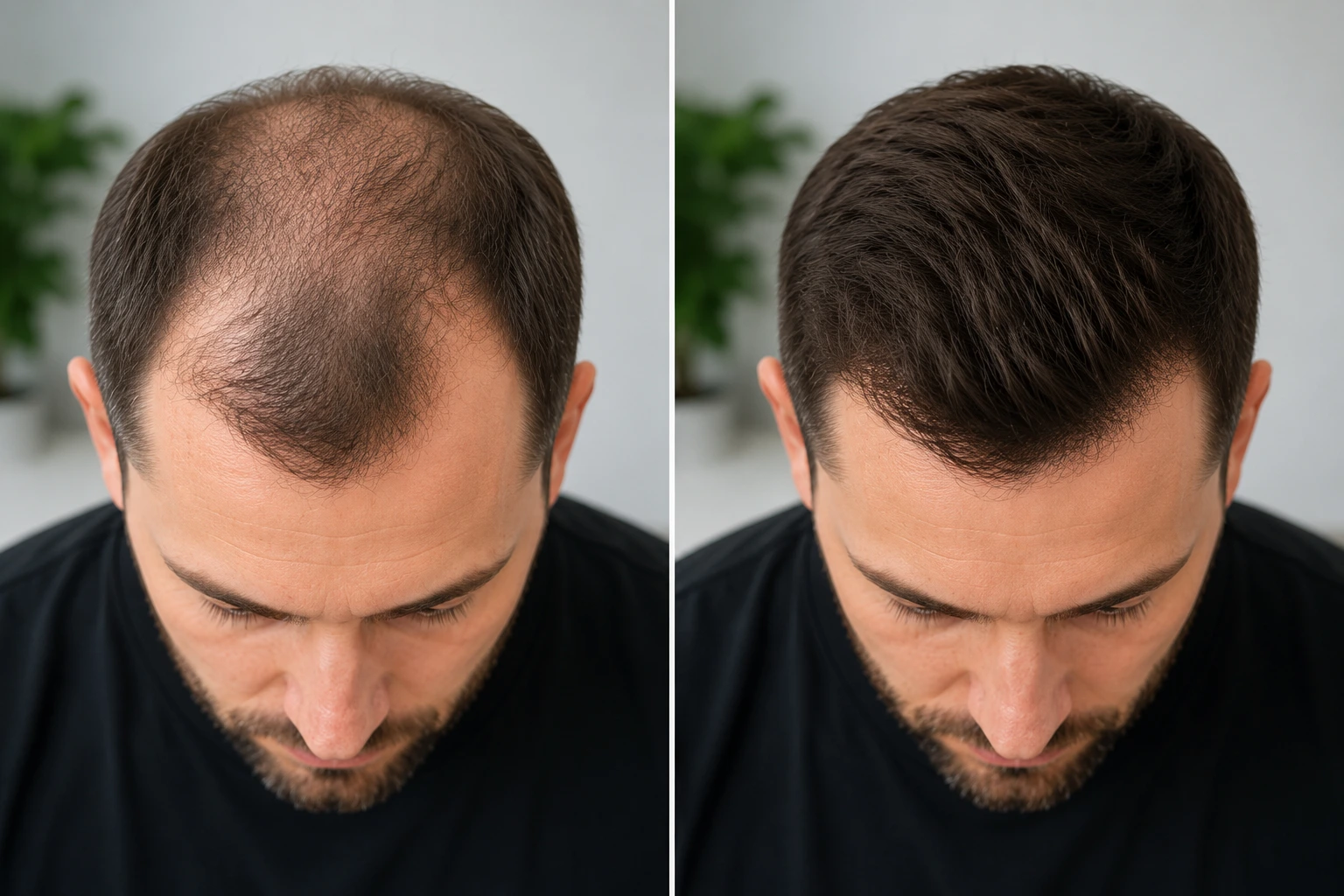
Studies show seventy-five to ninety percent of patients report improved self-esteem, workplace confidence, and social functioning after surgery.
Hair restoration delivers psychological benefits that rival its physical improvements. Researchers have quantified these effects through validated quality-of-life surveys.
Does Hair Restoration Improve Self-Esteem?
Yes. Post-operative satisfaction rates reach seventy-five to ninety percent, with most patients citing confidence as the primary motivation.
The most common motivation for hair transplant surgery remains emotional rather than medical. The ISHRS census found that ninety percent of patients chose surgery to become or feel more attractive, while sixty-three percent wanted to appear younger to compete in the workplace (ISHRS 2025). Nilforoushzadeh and colleagues measured significant improvements in quality of life and self-esteem in male patients after transplantation. Maletic and colleagues confirmed these findings in a prospective multicenter study, showing significant improvement in life satisfaction and reduced stress and anxiety after FUE procedures (Nilforoushzadeh et al. 2023; Maletic et al. 2024).
How Does Social Media Drive Demand?
Celebrity disclosures and social media transformations have normalized hair transplants and reduced stigma among young men.
Social media has removed the shame historically associated with hair restoration. Public figures now openly discuss their procedures. Influencers document entire journeys from consultation to final results. This transparency demystifies surgery and sets realistic expectations. The ISHRS census found that forty-four percent of patients planned to tell friends and family about their procedure, indicating growing social acceptance (ISHRS 2025).
Do Patients Feel More Confident at Work and in Dating?
Yes. Patients consistently report perceived age reduction and improved professional and romantic confidence.
Appearance-related confidence improvements extend beyond vanity. Patients report that fuller hair makes them appear younger and more competitive professionally. Dating confidence rises as patients no longer fear judgment about thinning hair. Huang and colleagues confirmed through systematic review and meta-analysis that androgenetic alopecia significantly reduces health-related quality of life, depression, and self-esteem, making surgical intervention a psychologically valuable option (Huang et al. 2021).
What Are the Real Risks and Complication Rates?
Serious complications affect fewer than two percent of patients, but shock loss, temporary numbness, and minor infection occur more frequently.
Hair transplantation is safe when licensed professionals perform it. However, risks exist, and patients deserve honest data about potential problems.
What Side Effects Are Most Common?
Sterile folliculitis affects up to fifty-three percent of patients, temporary numbness resolves within weeks, and infection rates stay below one percent in accredited clinics.
|
Complication |
Prevalence |
Duration |
Severity |
|
Sterile Folliculitis |
Up to 53.3% |
3 weeks – 3 months |
Mild |
|
Frontal Edema |
Up to 50% |
3–7 days |
Mild |
|
Crusting |
Up to 54.8% |
1–2 weeks |
Mild |
|
Temporary Numbness |
Up to 11% |
2–12 weeks |
Mild |
|
Infection |
<1% |
1–2 weeks with treatment |
Moderate |
|
Keloid Scarring |
Up to 15.1% |
Permanent |
Moderate |
A scoping review by Liu and colleagues analyzed forty-three publications and found that overall complication rates ranged from one point two percent to four point seven percent. Common complications included bleeding requiring intervention in up to eight percent of cases, persistent numbness in up to eleven percent, and infection in up to eleven percent. The most common donor-site complication was hypertrophic scarring or keloid formation after FUT, occurring in up to fifteen point one percent of predisposed individuals (Liu et al. 2025).
A ten-year retrospective study of 2,896 patients documented sterile folliculitis as the most common problem, seen in 203 patients. Postoperative facial edema occurred in eighteen cases. Numbness affected eighteen cases, and hypersensitivity appeared in recipient or donor areas. The overall significant life-threatening or major complications were zero, but minor complications totaled approximately ten percent. The author concluded that detailed counseling and careful medical history-taking minimize complaints (Mysore 2021).
Why Do Some Hair Transplants Fail?
Overharvesting, poor graft handling, unrealistic expectations, and unqualified practitioners cause most failures.
Failed hair transplants usually result from human error rather than technique limitations. Overharvesting depletes donor reserves and creates visible scarring. Unnatural hairlines betray surgery when designers ignore facial proportions and age-appropriate recession patterns. Inexperienced technicians damage grafts through rough handling or prolonged out-of-body time. The ISHRS census found that fifty-nine percent of members reported black market hair transplant clinics operating in their cities, and repair cases from these illegal operations averaged ten percent of revision work (ISHRS 2025).
How Often Do Patients Need Revision Surgery?
Revision rates range from five to fifteen percent globally, with repair cases increasing as low-cost tourism booms.
Revision hair transplants correct previous poor outcomes. Common indications include pluggy or unnatural hairlines, visible scarring, insufficient density, and overharvested donor areas. The ISHRS census found that thirty-two point seven percent of patients had an additional hair transplant in 2024, slightly higher than thirty-one point nine percent in 2021 but lower than forty-two point seven percent in 2019. Repair cases have risen as medical tourism exposes patients to underqualified providers (ISHRS 2025).
What Does the Future Hold Beyond 2026?
Hair cloning, fully automated robotics, and genetic personalization will likely reshape the industry by 2030 to 2035.
Researchers are pursuing breakthroughs that could eliminate donor limitations entirely. While current techniques redistribute existing hair, future technologies may create new follicles from stem cells.
Will Hair Cloning Become Reality?
Scientists have multiplied dermal papilla cells in culture, but clinical application remains five to ten years away due to safety and regulatory hurdles.
Hair cloning aims to extract a small number of follicles, multiply them in bioreactors, and implant thousands of new hairs. The ISHRS census found that twenty-seven point nine percent of members believe tissue-engineered hair follicles will become the next technological leap, while twenty-six point seven percent favor stem cell therapy (ISHRS 2025). However, maintaining proper hair cycling and orientation remains challenging. Regulatory agencies require extensive safety data before approving cell-based therapies. Most experts predict commercialization between 2030 and 2035.
Can Robots Fully Automate Hair Restoration?
Current robots assist extraction but cannot yet design hairlines or make aesthetic judgments. Full automation remains distant.
ARTAS and newer systems automate graft harvesting with impressive precision. However, hairline design requires artistic sensibility, facial analysis, and patient-specific customization that algorithms cannot yet replicate. Surgeons expect AI to augment decision-making rather than replace human judgment. Predictive transplantation algorithms may one day suggest optimal patterns, but the surgeon's hand will remain essential for natural results.
Will Genetics Personalize Hair Transplants?
Genetic profiling could soon predict baldness patterns, donor stability, and optimal treatment timing for individual patients.
Personalized hair restoration medicine uses genetic markers to forecast androgenetic alopecia progression. Researchers have identified several susceptibility loci that influence pattern, speed, and severity of hair loss. Customized donor management based on genetic profiles could help surgeons preserve reserves for future sessions. Precision aesthetic planning using genomic data may become standard within the next decade.
What Do Patients Ask Most About 2026 Hair Transplant Data?
Patients most often ask about success rates, technique comparisons, costs, and country selection.
What Is the Success Rate of Hair Transplants in 2026?
Top clinics report ninety-two to ninety-six percent graft survival, with patient satisfaction reaching ninety percent in high-volume centers.
Success rates have improved steadily due to better instruments, refined protocols, and regenerative adjuncts. Patients should distinguish between graft survival and cosmetic satisfaction. Both metrics matter, and leading practitioners track both rigorously. The scoping review by Liu and colleagues confirms that serious complications are rare in the hands of experienced providers (Liu et al. 2025).
Is Sapphire FUE Better Than Standard FUE?
Sapphire FUE offers faster healing and denser placement, but surgeon skill remains the most important factor.
Sapphire blades reduce tissue trauma and allow tighter graft packing. However, a master surgeon with steel blades will outperform an average surgeon with sapphire tools. Patients should prioritize clinic experience over equipment marketing.
Is DHI More Successful Than Sapphire FUE?
Both achieve ninety-percent-plus survival. DHI may offer slight density advantages in hairlines, while Sapphire FUE heals faster.
The choice depends on patient goals and surgeon expertise. DHI excels in unshaven procedures and precise hairline work. Sapphire FUE suits large-area coverage and cost-conscious patients.
Which Country Performs the Most Hair Transplants?
Turkey performs more hair transplants than any other country, with hundreds of thousands of annual procedures.
Turkey's combination of experienced surgeons, competitive pricing, and medical tourism infrastructure makes it the global volume leader. Istanbul alone hosts more clinics than most countries combined.
How Many Grafts Are Usually Transplanted?
Most patients receive two thousand to four thousand grafts per session, though experienced teams often transplant four thousand to five thousand grafts in a single day.
Graft counts depend on baldness severity, donor supply, and patient goals. Moderate hairline recession may require 1,500 grafts. Advanced crown baldness may need 4,000 or more. The ISHRS census reports an average of 2,262 grafts for FUE cases and 2,100 for FUT cases (ISHRS 2025).
Are Female Hair Transplants Increasing?
Yes. Female surgical procedures grew by sixteen point five percent between 2021 and 2024, making women the fastest-growing patient segment.
Greater awareness of female pattern hair loss, combined with improved techniques for diffuse thinning, has opened hair restoration to millions of women who previously had no surgical options. Women now represent thirty-eight point three percent of nonsurgical hair loss treatments as well (ISHRS 2025).
What Is the Average Cost of a Hair Transplant in Turkey?
Turkey averages one thousand five hundred to three thousand five hundred dollars for all-inclusive FUE packages, including accommodation and transfers.
This pricing includes surgery, medications, hotel stays, airport pickups, and follow-up care. Patients should verify clinic accreditation and surgeon credentials before booking based on price alone.
Do Robotic Hair Transplants Have Higher Success Rates?
Robotic systems achieve eighty-eight to ninety-two percent survival, comparable to manual FUE, but cost significantly more.
Robots reduce operator fatigue and improve consistency. However, they cannot yet match experienced human hands for all hair types, particularly curly or gray hair.
What Should Patients Remember About 2026 Hair Transplant Statistics?
FUE and Sapphire FUE dominate, Turkey leads globally, success rates exceed ninety percent at top clinics, and technology continues to improve outcomes.
The hair transplant industry in 2026 stands at an inflection point. FUE remains the workhorse technique, commanding over eighty-five percent of male procedures. Sapphire FUE grows rapidly because it reduces trauma and accelerates healing. DHI captures patients who demand maximum precision. Turkey solidifies its position as the world's hair transplant capital, performing hundreds of thousands of procedures annually and attracting medical tourists with unbeatable value.
Success rates have never been higher. Graft survival at leading clinics reaches ninety-two to ninety-six percent. Patient satisfaction touches ninety percent in well-screened populations. AI, regenerative medicine, and robotic assistance will push these numbers even higher over the next decade.
Patients should remember that technique names matter less than surgeon experience. The best results come from qualified practitioners who perform high volumes, respect donor limits, and design hairlines that suit individual faces. Data guides decisions, but human skill delivers outcomes. Choose wisely, verify credentials, and approach hair restoration as a long-term investment in both appearance and confidence.
References
Aukerman, Emily L., and Mohammad Jafferany. "The Psychological Consequences of Androgenetic Alopecia: A Systematic Review." - Journal of Cosmetic Dermatology, vol. 22, no. 1, 2023, pp. 89-95.
Bater, Kerry L., et al. "Perception of Hair Transplant for Androgenetic Alopecia." - JAMA Facial Plastic Surgery, vol. 18, no. 6, 2016, pp. 413-418.
Beehner, Michael. "Graft Survival and Placing Density in Hair Transplantation." - Hair Transplant Forum International, vol. 7, no. 4, 1997, pp. 78-80.
Bernstein, Robert M., et al. "Evolution of Follicular Unit Extraction: Instrumentation and Technique." - Dermatologic Surgery, vol. 44, no. 8, 2018, pp. 201-208.
Cash, Thomas F. "The Psychology of Hair Loss and Its Implications for Patient Care." - Clinics in Dermatology, vol. 19, no. 2, 2001, pp. 161-166.
Dhami, Lakshmi. "Psychology of Hair Loss Patients and Importance of Counseling." - Indian Journal of Plastic Surgery, vol. 54, no. 4, 2021, pp. 411-415.
Grimalt, Ramon. "Psychological Aspects of Hair Disease." - Journal of Cosmetic Dermatology, vol. 4, no. 2, 2005, pp. 142-147.
Hafi, B., et al. "Hair Transplantation, Body Dysmorphic Disorder, and Patients' Attitude: A Survey-Based Study From South India." - Dermatologic Therapy, vol. 33, no. 6, 2020, pp. e13945.
Huang, Chih-Hao, et al. "Health-Related Quality of Life, Depression, and Self-Esteem in Patients With Androgenetic Alopecia: A Systematic Review and Meta-Analysis." - JAMA Dermatology, vol. 157, no. 8, 2021, pp. 963-970.
International Society of Hair Restoration Surgery. - 2025 ISHRS Practice Census Results. ISHRS, 2025.
Limmer, Bob. "Micrograft Survival." - Hair Transplant Forum International, vol. 2, no. 4, 1992, pp. 56-57.
Liu, R. H., et al. "A Scoping Review on Complications in Modern Hair Transplantation: More than Just Splitting Hairs." - Aesthetic Plastic Surgery, vol. 49, no. 3, 2025, pp. 585-595.
Maletic, Ana, et al. "Impact of Hair Transplantation on Quality of Life." - Aesthetic Plastic Surgery, vol. 48, no. 9, 2024, pp. 1825-1830.
Mysore, Venkataram. "Complications of Hair Transplant Procedures - Causes, Prevention and Management." - Journal of Cutaneous and Aesthetic Surgery, vol. 14, no. 4, 2021, pp. 425-430.
Nilforoushzadeh, M. A., et al. "Assessment of Quality of Life and Self-Esteem in Male Patients With Androgenetic Alopecia Before and After Hair Transplantation." - Journal of Cosmetic Dermatology, vol. 22, no. 8, 2023, pp. 2283-2287.
Trueb, Ralph M. "Female Alopecia: Clinical Forms and Treatment Options." - Dermatologic Therapy, vol. 23, no. 1, 2010, pp. 45-50.
Umar, Sanusi. "A Comparative Study on the Rate of Anagen Effluvium and Survival Rates of Scalp, Beard, and Chest Hair in Hair Restoration Procedure of Scalp." - Journal of Dermatological Treatment, vol. 30, no. 5, 2019, pp. 489-493.
Unger, Walter P., and Ronald Shapiro. - Hair Transplantation. 5th ed., Marcel Dekker, 2013.