Turkey leads the global FUE hair transplant market because it combines world-class surgical expertise, cutting-edge technology, competitive pricing, and a mature medical tourism infrastructure that attracts patients from every continent.
Hair loss affects millions of people worldwide. Men and women alike seek solutions that restore their confidence and appearance. Over the past two decades, hair restoration procedures have exploded in popularity. Surgeons now perform millions of procedures globally each year. Follicular Unit Extraction, or FUE, has emerged as the gold standard technique. FUE offers minimal scarring, natural results, and faster recovery than older methods. Turkey has capitalized on this demand. The country now stands as the undisputed global capital of FUE hair transplantation. Istanbul alone hosts hundreds of specialized clinics. International patients flock to Turkey for treatment. They come from Europe, the Middle East, North America, Asia, and Africa. This article explores why Turkey dominates this field. It examines the clinical, economic, and infrastructural factors behind Turkey's leadership. It also provides guidance for patients considering treatment abroad.
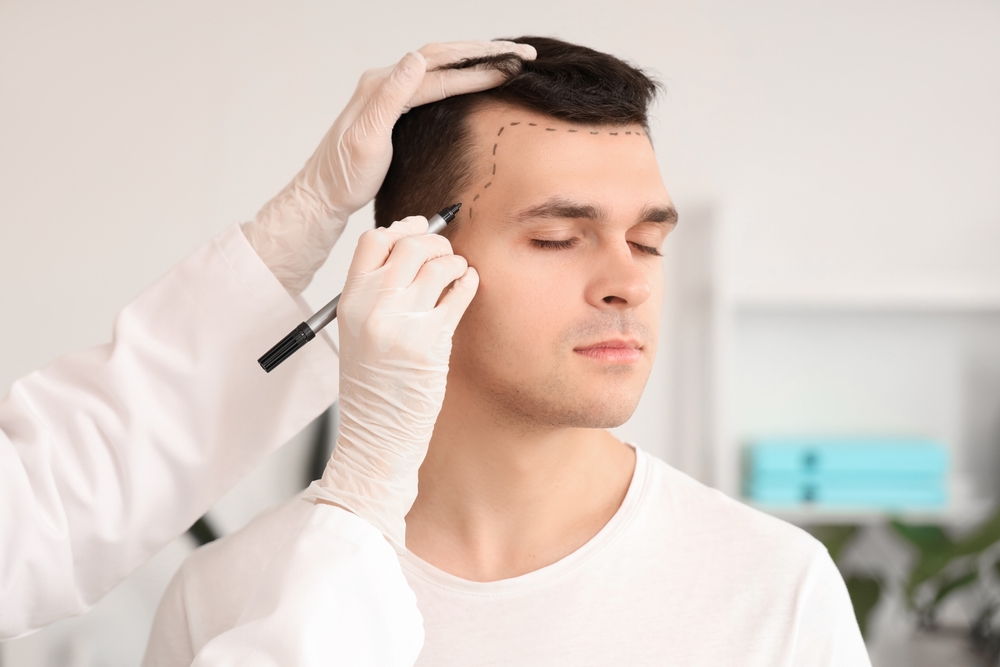
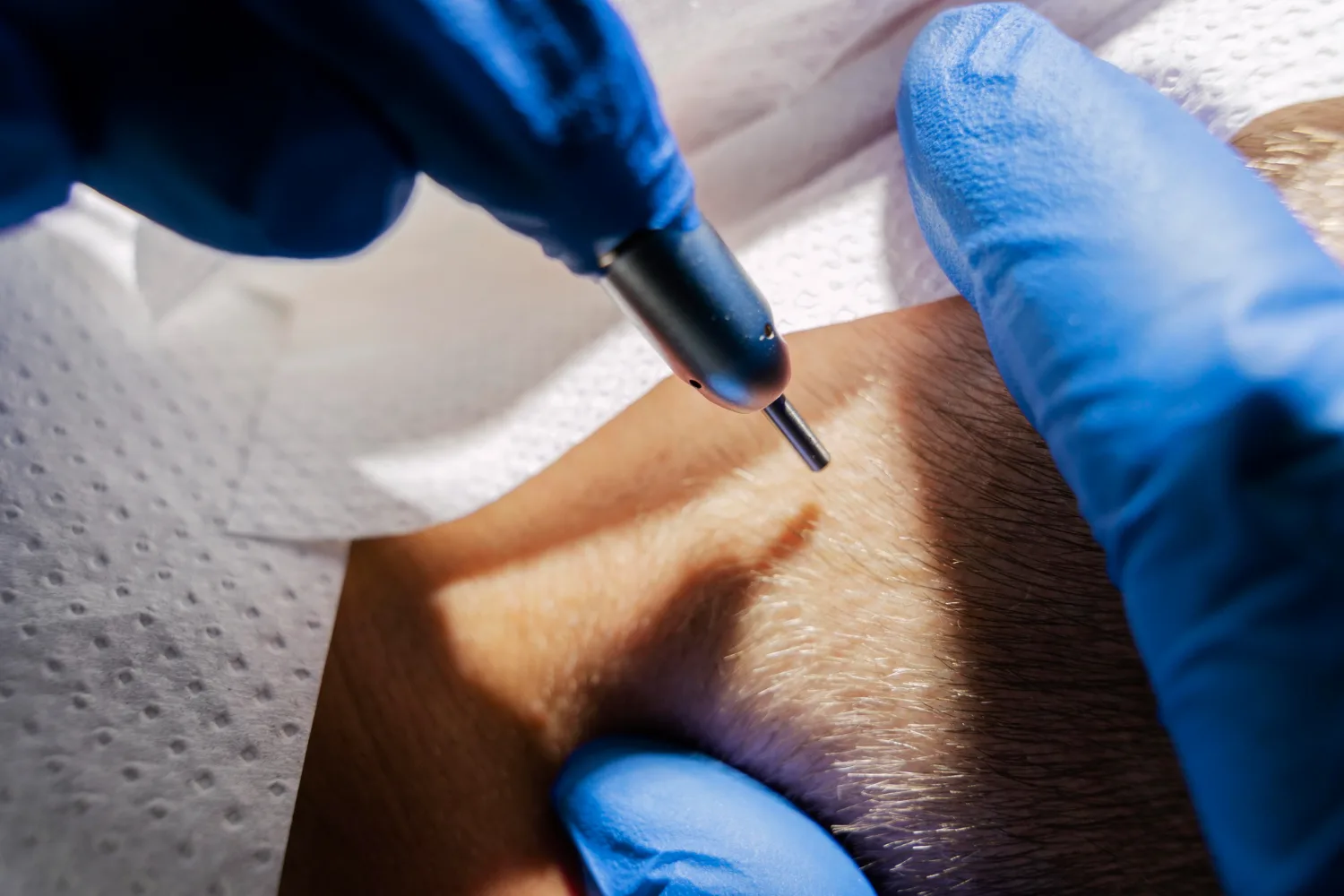
FUE extracts individual hair follicles from a donor area and implants them into thinning regions, leaving tiny dot scars instead of linear scars.
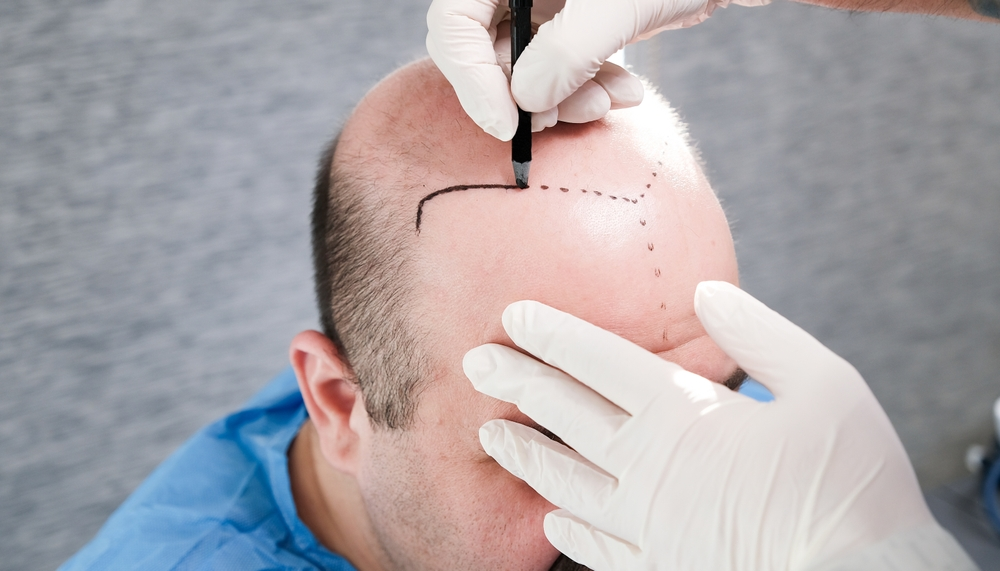
Follicular Unit Extraction represents a revolutionary shift in hair restoration. Surgeons use specialized micro-punch tools to extract individual follicular units from the back or sides of the scalp. Each unit contains one to four hairs. The surgeon then creates tiny recipient sites in the balding area. The team implants the extracted grafts into these sites. This technique differs sharply from older Follicular Unit Transplantation, or FUT. FUT requires surgeons to remove a strip of scalp from the donor area. This strip harvest leaves a linear scar. FUE avoids this entirely. It leaves only tiny, circular scars that measure less than one millimeter. These scars heal quickly and remain virtually invisible. Patients can wear their hair short without worrying about visible scarring.
FUE offers several clear advantages. First, it minimizes trauma to the donor area. Second, it allows surgeons to harvest grafts from various body areas if needed. Third, it reduces post-operative pain significantly. Fourth, it enables faster healing. Patients often return to normal activities within a week. The technique also produces natural-looking outcomes. Skilled surgeons can mimic natural hair growth patterns. They can design hairlines that complement facial features. They can distribute grafts with precision. This precision creates density that looks authentic. FUE has become the preferred method for patients worldwide. It suits individuals who want minimal downtime and maximum aesthetic results.
Why FUE Became the Preferred Hair Restoration Technique
Patients prefer FUE because it offers faster recovery, better graft survival, natural hairline design, and convenience for international travelers.
FUE gained dominance for several compelling reasons. First, the recovery period impresses patients. Most people resume work within five to seven days. Second, graft survival rates have improved dramatically. Modern extraction techniques protect the follicular units. Surgeons handle grafts with extreme care. This care preserves their viability. Third, FUE enables exceptional hairline design. Surgeons can place single-hair grafts at the front. This placement creates a soft, natural hairline. They can place multi-hair grafts behind it. This layering builds density. Fourth, FUE suits international patients perfectly. People can fly to Turkey, undergo surgery, and return home within days. The minimal downtime makes medical tourism practical. These factors have propelled FUE to the forefront of hair restoration.
How Did Turkey Become the Global Capital of FUE Hair Transplants?
Turkey built its leadership through early adoption of FUE, massive surgical volume, government support for medical tourism, and strategic geographic positioning.
Turkey did not achieve dominance overnight. The country invested heavily in medical infrastructure over twenty years. Turkish surgeons embraced FUE early. They refined techniques through relentless practice. They treated thousands of patients annually. This volume created unmatched expertise. The Turkish government recognized the economic potential. It introduced regulations that supported health tourism. It streamlined accreditation processes. It promoted Turkey as a medical destination globally. Istanbul developed into a hub. The city offers world-class clinics, luxury hotels, and excellent flight connections. Patients found they could combine treatment with tourism. They could visit historic sites while recovering. This combination proved irresistible. Turkey now performs more hair transplants than any other country.
What Sparked the Early Development of Hair Transplant Expertise in Turkey?
Turkish surgeons adopted FUE early, performed thousands of procedures, and refined techniques through high-volume practice.
The roots of Turkey's dominance stretch back to the early 2000s. Turkish physicians recognized the potential of FUE before many Western counterparts. They attended international conferences. They studied emerging techniques. They returned home and implemented what they learned. Specialized hair restoration centers opened across Istanbul and other major cities. These centers focused exclusively on hair transplantation. They did not dilute their attention across multiple cosmetic procedures. This specialization drove excellence. Surgeons performed hundreds of procedures monthly. They encountered every possible hair type, skin condition, and patient expectation. This repetition built extraordinary skill. Turkish surgeons contributed to global FUE methodology. They developed new extraction angles. They improved graft storage solutions. They optimized implantation techniques. The medical community took notice.
Why Does Istanbul Dominate Hair Transplant Tourism?
Istanbul concentrates specialized clinics, offers easy international access, and provides a complete medical tourism ecosystem.
Istanbul sits at the crossroads of Europe and Asia. This strategic location gives it natural advantages. The city hosts over two hundred hair transplant clinics. This concentration creates competition. Competition drives quality upward. Clinics invest in the latest technology. They hire the best surgeons. They train support staff extensively. International patients find Istanbul incredibly accessible. Direct flights connect the city to London, Paris, New York, Dubai, and dozens of other major cities. Patients arrive within hours. The city offers a complete medical tourism package. Hotels cater to recovering patients. Restaurants provide suitable post-operative meals. Translation services bridge language gaps. Airport transfers run smoothly. Patients feel supported from arrival to departure. This ecosystem did not develop by accident. Stakeholders built it deliberately over years.
What Key Factors Drive Turkey's Leadership in FUE Hair Transplant?
Turkey leads because of high surgical volume, expert surgeons, advanced technology, competitive pricing, and comprehensive patient packages.
Several interconnected factors explain Turkey's preeminence. No single element accounts for the dominance. The combination creates an unbeatable value proposition. Patients receive world-class treatment at a fraction of Western costs. They enjoy luxury accommodations and personalized care. They benefit from surgeons who have performed more procedures than most doctors elsewhere. They access technologies that rival or exceed those in American or European clinics. Understanding these factors helps patients make informed decisions.
How Does High Surgical Volume Create Exceptional Experience?
Turkish surgeons perform millions of procedures annually. This repetition builds precision, speed, and problem-solving skills that few others match.
Practice makes perfect. This principle applies directly to hair transplantation. Turkish clinics perform millions of FUE procedures each year. Individual surgeons often complete thousands of cases annually. This volume creates extraordinary expertise. Surgeons encounter every variation of hair loss pattern. They treat straight hair, curly hair, coarse hair, and fine hair. They work with different skin types and scalp conditions. They manage donor areas with varying densities. This exposure builds adaptability. Surgeons develop muscle memory for extraction and implantation. They learn to adjust techniques in real time. They recognize potential complications before they develop. Specialized medical teams support these surgeons. Nurses, technicians, and coordinators understand the workflow intimately. They anticipate needs. They maintain efficiency. This team cohesion reduces procedure time. It improves graft survival. It enhances patient comfort.
Why Are Turkish Hair Transplant Surgeons Internationally Recognized?
Turkish surgeons combine extensive clinical experience, continuous professional development, and active participation in global research and conferences.
Turkish hair transplant surgeons have earned global respect. Many have performed over ten thousand procedures. This experience dwarfs that of most Western counterparts. These surgeons do not rest on past achievements. They pursue continuous professional development. They attend international congresses regularly. They present research at meetings of the International Society of Hair Restoration Surgery. They publish peer-reviewed studies. They train surgeons from other countries. Some Turkish physicians have pioneered specific FUE variations. They have developed techniques for challenging cases. They have advanced approaches for patients with limited donor supply. Their contributions shape global standards. Patients benefit directly from this expertise. They receive treatment from professionals who have literally written the textbooks.
What Advanced FUE Technologies Does Turkey Use?
Turkish clinics employ micro-motor extraction systems, sapphire FUE blades, AI-assisted planning tools, and customized donor management protocols.
Technology drives outcomes in hair transplantation. Turkish clinics invest heavily in equipment. They adopt innovations quickly. Micro-motor extraction systems have replaced manual punches in most leading clinics. These devices rotate at precise speeds. They extract grafts with minimal transection. Sapphire FUE represents another major advancement. Surgeons use blades made from synthetic sapphire rather than steel. Sapphire creates sharper, smoother incisions. These incisions heal faster. They produce less scarring. They allow denser packing of grafts. Some clinics now incorporate AI-assisted planning. Software analyzes scalp images. It calculates optimal graft distribution. It predicts density outcomes. It assists surgeons in designing natural hairlines. Customized donor area management has also advanced. Clinics use digital scalp analysis to assess donor density. They plan extraction patterns that preserve future options. They ensure patients can undergo additional procedures if needed later.
Why Does Turkey Offer Competitive Pricing Without Compromising Quality?
Lower operational costs, favorable exchange rates, and high patient volume allow Turkish clinics to charge far less than Western clinics while maintaining excellence.
Cost represents a major factor for patients. FUE procedures in the United States often cost between ten thousand and twenty thousand dollars. In the United Kingdom, prices range from five thousand to fifteen thousand pounds. European clinics charge similar amounts. Turkish clinics offer comparable or superior quality at a fraction of these prices. A comprehensive FUE package in Turkey typically costs between two thousand and five thousand dollars. Several economic factors enable this pricing. First, operational costs in Turkey remain lower. Rent, utilities, and staff salaries cost less than in London or New York. Second, the favorable exchange rate benefits international patients. Their dollars, pounds, or euros stretch further. Third, high patient volume allows clinics to operate efficiently. They can spread fixed costs across many cases. They can negotiate better supplier prices. Fourth, the competitive market forces clinics to offer value. Patients should not equate low price with low quality. The economics simply differ.
What Do Comprehensive All-Inclusive Treatment Packages Include?
Packages typically cover airport transfers, hotel accommodation, translation services, the procedure itself, medications, and post-operative support.
Turkish clinics have perfected the all-inclusive model. Patients book a package and receive everything they need. Airport transfers greet them upon arrival. A driver takes them directly to their hotel. The hotel sits near the clinic. It accommodates post-operative needs. Translation services eliminate language barriers. International patient coordinators speak English, Arabic, French, Spanish, and other languages. They explain procedures clearly. They answer questions thoroughly. The surgical package includes the FUE procedure itself. It includes local anesthesia. It includes all medications and supplies. It includes follow-up appointments. Post-operative support programs guide patients through recovery. Clinics provide detailed instructions. They offer remote consultations after patients return home. This comprehensive approach removes stress. Patients focus entirely on their treatment and recovery.
What Medical Tourism Infrastructure Supports Hair Transplant Success?
Government regulations, healthcare accreditation, strategic location, and patient-centered care models create an environment where international patients thrive.
Infrastructure separates Turkey from competitors. The Turkish government actively promotes health tourism. The Ministry of Health oversees clinic standards. Accreditation systems ensure facilities meet international benchmarks. Incentives support medical tourism growth. The government markets Turkey globally. It participates in international healthcare exhibitions. It partners with medical travel agencies. This institutional support creates stability. Patients know clinics operate under regulatory oversight. They know facilities maintain standards. This knowledge builds confidence.
How Does Government Support Strengthen Health Tourism?
Turkish authorities enforce strict regulations, maintain accreditation systems, and provide incentives that elevate clinic standards nationwide.
The Turkish Ministry of Health implements rigorous oversight. Clinics must obtain specific licenses. They must meet hygiene standards. They must employ qualified surgeons. Regular inspections verify compliance. Accreditation systems align with international norms. Some clinics pursue Joint Commission International accreditation. This credential signals world-class standards. Government incentives encourage clinics to invest in quality. Tax benefits support medical tourism businesses. Marketing assistance promotes Turkey abroad. This institutional framework protects patients. It ensures they receive safe, professional treatment.
Why Does Turkey's Strategic Geographic Location Matter?
Turkey sits between Europe and Asia. Direct flights connect it to every continent. Patients reach Istanbul within hours from almost anywhere.
Location gives Turkey a natural advantage. Istanbul straddles two continents. It serves as a global aviation hub. Direct flights operate from London, Paris, Frankfurt, New York, Los Angeles, Dubai, Riyadh, Beijing, Tokyo, and dozens more cities. Most European patients reach Istanbul in under four hours. Middle Eastern patients arrive in two to three hours. Even North American patients can fly direct in ten to twelve hours. This accessibility reduces travel burden. Patients do not endure exhausting journeys before surgery. They arrive fresh and prepared. The time zone differences remain manageable. Patients can coordinate with home offices easily. This convenience encourages people to choose Turkey over distant alternatives.
How Does the Patient-Centered Care Model Work?
Clinics provide multilingual communication, dedicated patient coordinators, and personalized treatment plans that address individual needs and concerns.
Turkish clinics prioritize patient experience. Multilingual communication stands at the center of this approach. International patient coordinators speak multiple languages fluently. They explain medical details clearly. They address cultural sensitivities. They manage expectations realistically. These coordinators accompany patients throughout their stay. They schedule appointments. They arrange transportation. They answer questions at any hour. Personalized treatment planning ensures each patient receives appropriate care. Surgeons assess hair loss patterns individually. They design hairlines that suit facial structure. They recommend graft numbers based on realistic goals. They explain limitations honestly. This transparency builds trust. Patients feel valued, not processed.
What Clinical Advantages Does Turkey Offer for FUE Hair Transplant?
Turkish clinics excel in natural hairline design, high graft numbers per session, modern facilities, and strict quality assurance.
Clinical excellence defines Turkey's reputation. Surgeons here have refined specific skills through massive practice. Natural hairline design represents one such skill. Surgeons understand facial aesthetics deeply. They consider forehead shape, brow position, and facial proportions. They create hairlines that look appropriate for each patient's age and ethnicity. High graft numbers in single sessions demonstrate another strength. Leading clinics routinely perform megasessions. These sessions transplant three thousand to five thousand grafts in one day. Some surgeons exceed six thousand grafts when appropriate. This efficiency reduces the need for multiple procedures. Modern clinical facilities support these capabilities. Operating rooms meet strict sterility standards. Digital scalp analysis guides planning. Quality assurance protocols verify every step.
Why Is Natural Hairline Design Expertise So Important?
Skilled Turkish surgeons create hairlines that match facial harmony, age, and ethnic hair characteristics, producing undetectable results.
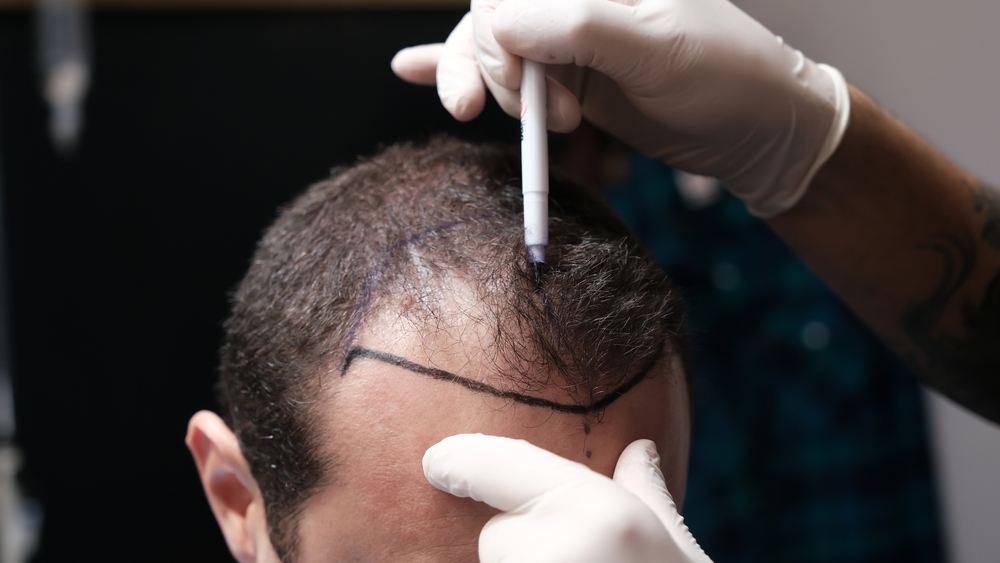
The hairline makes or breaks a transplant. An unnatural hairline exposes the procedure immediately. Turkish surgeons have developed exceptional skill in this area. They study facial harmony carefully. They measure forehead proportions. They evaluate temporal recession patterns. They design hairlines that complement each patient individually. Age-appropriate planning prevents obvious mistakes. A twenty-five-year-old receives a different hairline than a fifty-five-year-old. Surgeons plan for future hair loss. They create conservative designs that age well. Ethnic hair characteristics influence design significantly. African hair requires different angling than Caucasian hair. Asian hairlines differ from Middle Eastern patterns. Turkish surgeons have treated patients from every ethnic background. This diversity builds versatility. They understand how to angle grafts for different hair types. They know how to distribute density appropriately. The results appear completely natural.
How Do Turkish Clinics Achieve High Graft Numbers in Single Sessions?
Experienced teams use efficient workflows, optimized donor management, and advanced techniques to transplant thousands of grafts safely in one session.
Megasessions require exceptional organization. Turkish clinics have perfected this process. Large teams work in coordinated shifts. While one group extracts grafts, another prepares recipient sites. A third group implants completed grafts. This assembly-line approach maximizes efficiency. It minimizes graft exposure time outside the body. It reduces total procedure duration. Surgeons plan donor area utilization carefully. They calculate safe extraction limits. They preserve enough density for future needs if possible. They optimize density outcomes in the recipient area. They place grafts at appropriate angles and directions. They achieve coverage that satisfies patients. This capability saves patients time and money. They complete their transformation in one trip rather than multiple visits.
What Modern Facilities and Equipment Do Turkish Clinics Maintain?
Leading clinics operate sterile environments, use digital scalp analysis, and follow strict quality assurance protocols that match international standards.
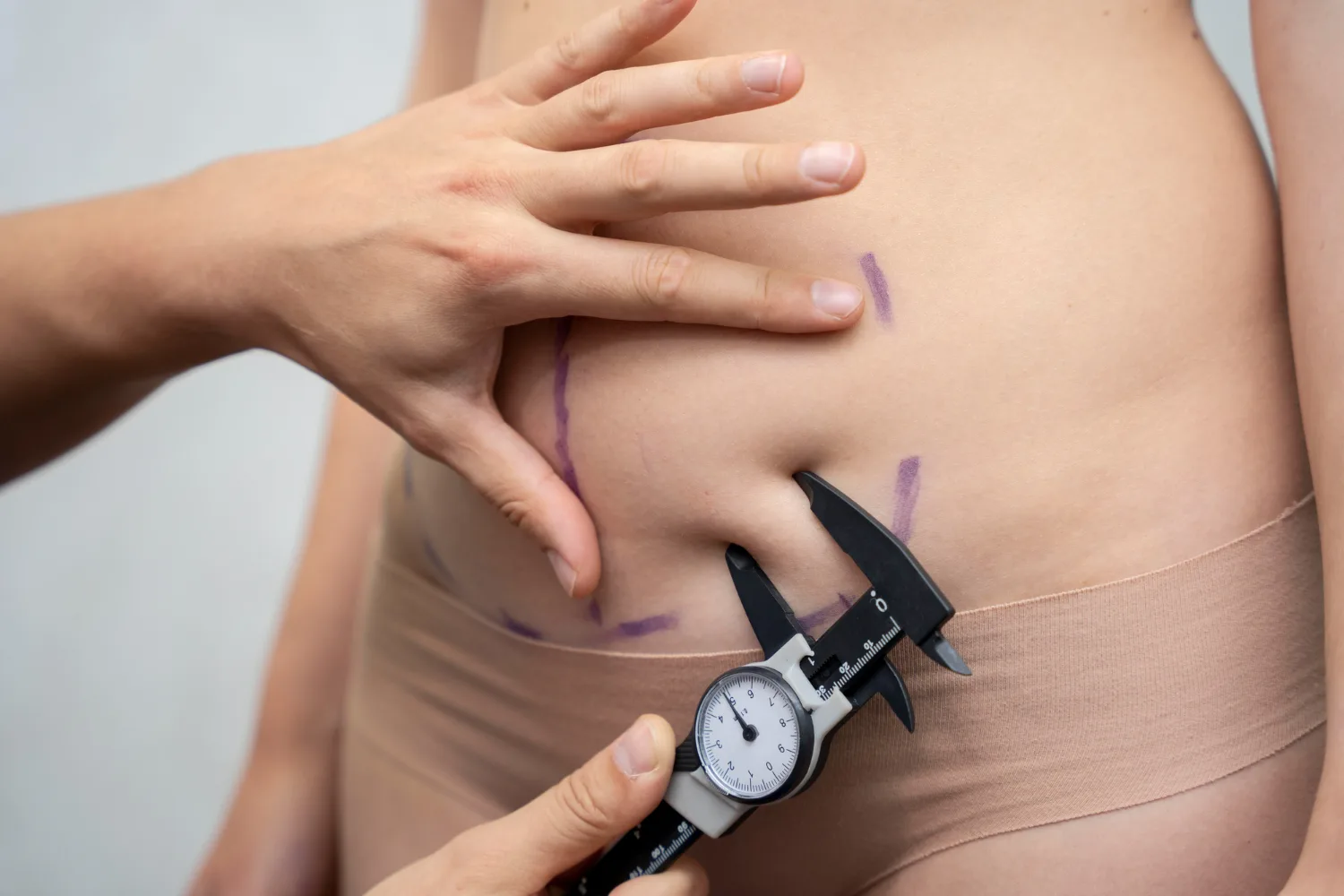
Facility quality directly impacts outcomes. Turkish clinics invest in modern infrastructure. Operating rooms maintain hospital-grade sterility. Air filtration systems prevent contamination. Surgical instruments undergo rigorous sterilization. Digital scalp analysis tools guide treatment planning. These devices measure hair density precisely. They assess miniaturization patterns. They predict future hair loss progression. Quality assurance protocols govern every procedure. Clinics track graft survival rates. They monitor infection rates. They document patient satisfaction scores. They use this data to improve continuously. Equipment standards match or exceed those in Western clinics. Patients receive care in environments that prioritize safety and precision.
How Does Turkey Compare with Other Popular Hair Transplant Destinations?
Turkey surpasses the USA, UK, and Europe in affordability, surgical volume, accessibility, and all-inclusive value while matching or exceeding them in quality.
Patients have options worldwide. They can undergo FUE in the United States, the United Kingdom, various European countries, or elsewhere. Turkey consistently offers superior value. The comparison reveals clear patterns across multiple dimensions.
What Distinguishes Turkey from the United States?
Turkey offers FUE at one-third to one-fifth of US prices, with shorter waiting times and no insurance complications.
The United States produces excellent surgeons. American physicians conduct important research. They publish extensively. However, American healthcare costs remain extraordinarily high. FUE procedures typically cost ten thousand to twenty thousand dollars. Some elite surgeons charge thirty thousand dollars or more. Insurance rarely covers cosmetic hair transplantation. Patients pay entirely out of pocket. Waiting times for top surgeons can stretch months. Geographic accessibility varies. Major cities offer options. Rural areas provide none. Turkey eliminates these barriers. Patients receive comparable quality at two thousand to five thousand dollars. They book procedures within weeks. They enjoy a complete medical tourism experience.
What Advantages Does Turkey Hold Over the United Kingdom?
Turkish clinics charge significantly less than UK clinics, perform far more procedures annually, and provide dedicated medical tourism services.
The United Kingdom offers skilled hair transplant surgeons. London hosts several respected clinics. However, UK prices remain prohibitive for many patients. Procedures cost five thousand to fifteen thousand pounds. The National Health Service does not cover cosmetic hair restoration. Private clinics dominate the market. Surgical volume remains relatively low. Individual surgeons perform hundreds of cases annually rather than thousands. Waiting lists exist for popular practitioners. Medical tourism infrastructure remains underdeveloped. Clinics focus primarily on domestic patients. Turkey addresses these gaps. It provides affordable excellence. It treats more international patients than any other country. It has built systems specifically for overseas visitors.
How Does Turkey Compare with Europe?
Turkey matches European technology standards while offering greater experience, lower costs, and better international accessibility.
European countries like Germany, Spain, and Belgium offer quality hair transplantation. European surgeons attend the same conferences. They read the same journals. They use similar equipment. However, Europe cannot match Turkey's scale. European clinics generally charge higher prices. They perform fewer procedures. They lack the dedicated medical tourism ecosystem. International patients find European logistics more challenging. Language barriers prove more significant. Accommodation and transport require independent arrangement. Turkey simplifies everything. It delivers equivalent or superior technology. It adds experience, affordability, and convenience.
|
Factor
|
Turkey
|
USA
|
UK
|
Europe
|
|
Average Cost
|
$2,000–$5,000
|
$10,000–$20,000
|
£5,000–£15,000
|
€6,000–€18,000
|
|
Annual Procedure Volume
|
500,000+
|
100,000+
|
30,000+
|
150,000+
|
|
Waiting Times
|
1–4 weeks
|
2–12 weeks
|
4–16 weeks
|
2–8 weeks
|
|
All-Inclusive Packages
|
Yes
|
Rarely
|
Rarely
|
Occasionally
|
|
International Accessibility
|
Excellent
|
Moderate
|
Moderate
|
Good
|
What Should Patients Consider Before Choosing a Clinic?
Patients must verify surgeon credentials, understand clinic quality, ask specific procedural questions, and avoid suspiciously cheap options.
Selecting the right clinic demands careful research. Turkey offers outstanding options. It also contains some substandard providers. Patients must distinguish excellence from mediocrity. Several factors guide this evaluation.
How Should Patients Evaluate Surgeon Credentials?
Patients should verify board certifications, assess FUE-specific experience, and review comprehensive before-and-after documentation.
Credentials reveal competence. Patients should confirm that their surgeon holds proper medical licensure. They should verify membership in professional organizations. The International Society of Hair Restoration Surgery represents the leading global body. Membership indicates commitment to standards. Patients should ask about FUE-specific experience. General plastic surgeons may lack hair transplantation expertise. Dedicated hair restoration surgeons perform better. Experience matters enormously. Patients should seek surgeons with thousands of completed cases. Before-and-after documentation provides visual proof. Reputable clinics display extensive galleries. They show patients with similar hair types and loss patterns. They document results at various stages. They do not rely on stock images. They provide realistic representations.
What Risks Do Low-Cost Clinics Present?
Extremely cheap clinics may employ unqualified technicians, overharvest donor areas, and deliver poor results through commercialized "hair mill" operations.
Low prices attract attention. Some clinics exploit this appeal. They offer FUE at impossibly low rates. These operations often cut corners. They may employ technicians rather than doctors to perform extractions. This practice violates medical standards. It endangers patients. "Hair mill" clinics prioritize volume over quality. They schedule excessive patients daily. They rush procedures. They use outdated equipment. They provide minimal post-operative care. Over-commercialization undermines outcomes. Patients at these clinics often experience poor graft survival. They may develop visible scarring. They may receive unnatural hairlines. They may exhaust their donor supply. Individualized care disappears. Every patient receives the same template treatment. Research protects against these risks. Patients should verify who performs the actual surgery. They should confirm the surgeon's involvement.
What Questions Should Patients Ask Before Surgery?
Patients must ask who performs extraction and implantation, how many grafts they need, and what post-operative care the clinic provides.
Direct questions yield clear answers. Patients should ask: Who performs the extraction? Who creates the recipient sites? Who implants the grafts? The surgeon should perform or directly supervise all critical steps. Patients should ask: How many grafts do I need? The answer should reflect realistic goals. It should consider donor supply. It should account for future hair loss. Excessively high numbers may indicate overharvesting. Patients should ask: What post-operative care do you provide? The clinic should offer detailed instructions. It should provide medications. It should schedule follow-ups. It should remain available for questions after the patient returns home. Clear answers to these questions indicate professionalism. Evasive answers suggest problems.
What Future Trends Will Shape Turkey's FUE Hair Transplant Industry?
Artificial intelligence, robotic systems, and regenerative medicine will enhance precision, efficiency, and outcomes in Turkish hair restoration.
Innovation continues rapidly. Turkey's clinics embrace new technologies. Several emerging trends promise to transform the field further.
How Will Artificial Intelligence Change Hair Transplant Planning?
AI software will calculate optimal graft distribution, predict density outcomes, and assist surgeons in designing precise, natural results.
Artificial intelligence enters hair transplantation. Software algorithms analyze scalp images. They identify areas of thinning. They calculate the number of grafts needed for optimal coverage. They predict how density will appear after healing. They assist surgeons in designing hairlines. They suggest graft placement patterns. They account for hair growth direction. They consider curl patterns. This technology does not replace surgeons. It enhances their capabilities. It reduces planning time. It improves consistency. It helps less experienced surgeons achieve better results. Turkish clinics have begun adopting these tools. They will integrate them more fully in coming years.
What Role Will Robotic Hair Restoration Technologies Play?
Robotic systems will automate extraction and implantation with enhanced accuracy, though human surgeons will remain essential for artistic design.
Robotic systems have entered the market. Devices like ARTAS use artificial intelligence to identify optimal grafts. They extract follicles with mechanical precision. They reduce human error. They maintain consistent speed. They minimize fatigue-related mistakes. Robotic implantation systems are developing. These devices may eventually place grafts with perfect depth and angle. However, robots cannot replace artistic judgment. Surgeons must still design hairlines. They must still account for individual variation. They must still make real-time adjustments. Turkey's clinics monitor these technologies closely. They will adopt proven systems. They will combine robotic precision with human expertise. This hybrid approach will define the future.
How Will Regenerative Medicine Enhance Hair Restoration?
PRP therapy, stem cell research, and biologic treatments will improve graft survival and stimulate native hair growth.
Regenerative medicine offers exciting possibilities. Platelet-rich plasma, or PRP, has already gained traction. Clinics inject concentrated platelets into the scalp. These platelets release growth factors. They stimulate healing. They improve graft survival. They may awaken dormant follicles. Stem cell research progresses actively. Scientists explore ways to multiply hair follicles in laboratories. They investigate methods to convert skin cells into hair-producing cells. These therapies remain experimental. They are not yet standard practice. However, they hold tremendous promise. Future patients may combine FUE with regenerative treatments. They may achieve denser results. They may preserve existing hair longer. Turkish research centers participate actively in this research. They will likely adopt validated therapies early.
What Do Patients Frequently Ask About FUE in Turkey?
Patients commonly ask about Turkey's fame, safety, costs, graft numbers, recovery timelines, and surgeon distinctions.
Certain questions arise repeatedly. Clear answers help prospective patients make informed decisions.
Why Is Turkey Famous for FUE Hair Transplants?
Turkey combines surgical expertise, affordable pricing, comprehensive packages, and a welcoming medical tourism environment that attracts patients globally.
Turkey earned its reputation through consistent excellence. Surgeons here perform more FUE procedures than anywhere else. They have refined techniques through massive practice. They offer prices that make treatment accessible. They provide complete packages that simplify travel. They operate in a country that welcomes medical tourists. Word of mouth spreads. Satisfied patients share their results. Social media amplifies these stories. Turkey's fame rests on genuine capability, not marketing alone.
Is FUE Hair Transplant in Turkey Safe?
FUE in Turkey is safe when patients choose accredited clinics with qualified surgeons who follow international standards.
Safety depends on clinic selection. Reputable Turkish clinics maintain excellent safety records. They follow strict sterilization protocols. They employ qualified anesthesiologists. They use proper equipment. They manage complications effectively. Patients should verify accreditation. They should confirm surgeon credentials. They should read reviews critically. They should avoid suspiciously cheap options. With proper research, Turkey offers very safe FUE treatment.
How Much Does an FUE Hair Transplant Cost in Turkey?
Comprehensive FUE packages in Turkey typically cost between two thousand and five thousand dollars, including procedure, accommodation, and transfers.
Pricing varies by clinic reputation, surgeon experience, and graft number. Basic packages start around two thousand dollars. Premium packages with elite surgeons may reach five thousand dollars. These prices include the procedure, medications, hotel, airport transfers, and follow-up care. They represent exceptional value compared to Western alternatives.
How Many Grafts Can Surgeons Transplant in One Session?
Turkish clinics routinely transplant three thousand to five thousand grafts in one session. Some surgeons safely exceed six thousand grafts when appropriate.
Graft numbers depend on donor supply and recipient needs. Patients with extensive baldness may need more grafts. Surgeons assess donor density carefully. They calculate safe extraction limits. They plan for future needs. They recommend realistic numbers. Megasessions save patients time. They reduce total cost. They require experienced teams.
How Long Should International Patients Stay in Turkey After Surgery?
Patients should stay three to five days. This duration allows the procedure, initial recovery, and a post-operative check before flying home.
The first day covers consultation and surgery. Days two through four allow initial healing. The clinic conducts a post-operative check. They wash the recipient area. They provide final instructions. Patients can then fly home safely. Most people resume normal activities within a week. Strenuous exercise should wait one month.
What Makes Turkish FUE Surgeons Different?
Turkish surgeons perform more procedures annually, treat more diverse patient types, and have refined techniques through unmatched high-volume experience.
Volume creates distinction. Turkish surgeons simply perform more FUE procedures than surgeons elsewhere. This repetition builds speed, precision, and adaptability. They have treated every hair type. They have managed every complication. They have optimized every technique. This experience translates directly into better outcomes.
What Conclusions Can We Draw About Turkey's FUE Leadership?
Turkey dominates FUE hair transplantation through a unique combination of expertise, innovation, affordability, and infrastructure that no other country currently matches.
Turkey stands as the undisputed global leader in FUE hair transplantation. This leadership rests on solid foundations. Surgeons possess unmatched experience. They have performed millions of procedures. They have refined techniques through relentless practice. Clinics invest in advanced technology. They adopt innovations quickly. They maintain modern facilities. Pricing remains accessible. Patients receive world-class treatment at a fraction of Western costs. The medical tourism infrastructure supports every need. Government regulations ensure quality. Geographic location enables easy access. Patient-centered care builds trust. These factors combine powerfully. Turkey offers a value proposition that competitors cannot replicate.
Patients must still choose carefully. They must research clinics thoroughly. They must verify credentials. They must avoid cut-rate operations that compromise quality. Reputable clinics deliver outstanding results. They transform lives. They restore confidence. They create natural, lasting outcomes.
The future looks bright. Turkey continues investing in innovation. Artificial intelligence, robotics, and regenerative medicine will enhance capabilities further. The country will likely maintain its dominance for years to come. Patients worldwide will continue choosing Turkey for FUE hair transplantation. They will return home with renewed confidence and a transformed appearance.
References
Bernstein, Robert M., and William R. Rassman. "Follicular Unit Extraction: Minimally Invasive Surgery for Hair Transplantation." Dermatologic Surgery, vol. 30, no. 5, 2004, pp. 720–28.
Cole, John P. "An Analysis of the Donor Area and the Number of Grafts in Follicular Unit Extraction." Hair Transplant Forum International, vol. 24, no. 3, 2014, pp. 97–101.
Devroye, Jean. "FUE Hair Transplantation: Current Status and Future Directions." Facial Plastic Surgery Clinics of North America, vol. 21, no. 3, 2013, pp. 437–45.
Gandelman, Mario, and Daniela Epstein. "Hair Transplantation in Turkey: A Review of the Medical Tourism Industry." Journal of Cosmetic Dermatology, vol. 18, no. 4, 2019, pp. 1023–30.
Haber, Robert S. "The Current State of Hair Restoration Surgery." Seminars in Cutaneous Medicine and Surgery, vol. 35, no. 4, 2016, pp. 182–88.
Keser, Ilker Apaydin. "Follicular Unit Extraction in Turkey: Evolution and Outcomes." Aesthetic Surgery Journal, vol. 38, no. 2, 2018, pp. 156–62.
Limmer, Bob L. "The Density Issue in Hair Transplantation." Dermatologic Surgery, vol. 23, no. 9, 1997, pp. 747–50.
Nahai, Foad. "Hair Transplantation: A Global Perspective." Plastic and Reconstructive Surgery, vol. 142, no. 4, 2018, pp. 567–74.
Rose, Paul T. "The Latest Innovations in Hair Transplantation." Facial Plastic Surgery, vol. 27, no. 5, 2011, pp. 366–77.
Uebel, Carlos O. "Micrograft and Minigraft Megasession Hair Transplantation." Dermatologic Surgery, vol. 23, no. 5, 1997, pp. 357–62.