Many men notice enlarged breast tissue and immediately turn to exercise. They believe push-ups, bench presses, and cardio will flatten their chest. Exercise does improve body composition and reduces fat. However, exercise cannot remove true glandular breast tissue. This article explains the science behind gynecomastia. It distinguishes between fat and gland tissue. It also reviews evidence-based treatments and when surgery becomes necessary.
What Is Gynecomastia?
Gynecomastia is the benign enlargement of male breast tissue caused by hormonal imbalance.
Gynecomastia develops when the balance between estrogen and testosterone shifts. Estrogen stimulates breast tissue growth. Testosterone suppresses it. When estrogen levels rise or testosterone levels drop, glandular breast tissue proliferates. This condition affects men of all ages. Newborns, adolescents, and older men commonly experience it. Braunstein (2007) notes that gynecomastia affects approximately 30% of men at some point in life. The condition often causes psychological distress. Men feel self-conscious about their chest appearance. Some avoid tight clothing or swimming. Understanding the biological basis helps patients choose the right treatment.
How Is Gynecomastia Different from Excess Chest Fat?
Gynecomastia involves glandular tissue. Excess chest fat involves adipose tissue only. They differ in composition, texture, and cause.
What Is True Gynecomastia?
True gynecomastia involves firm, rubbery glandular tissue beneath the nipple.
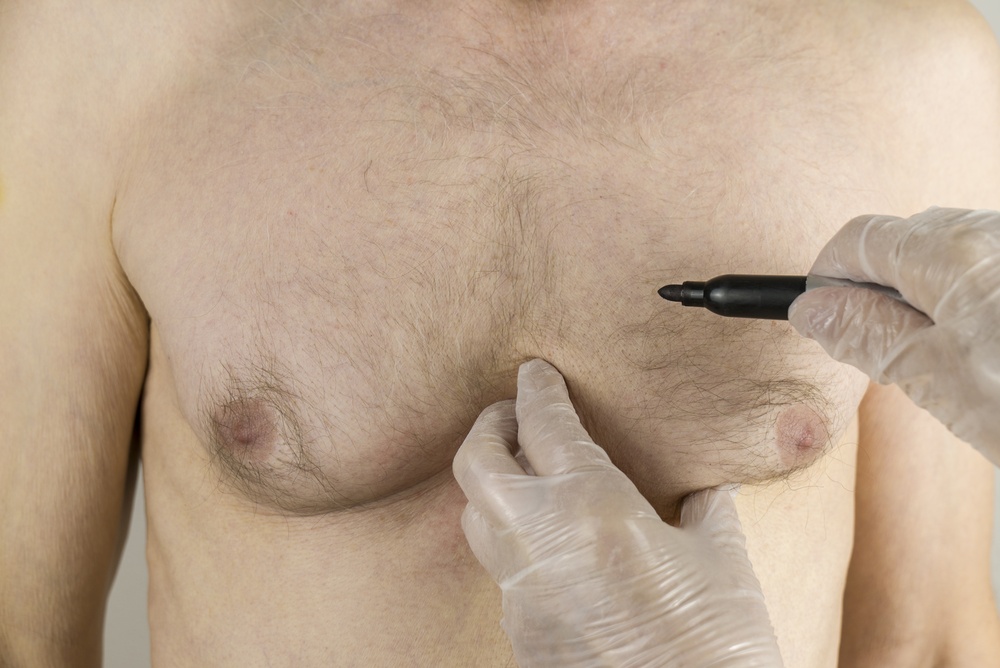
True gynecomastia consists of proliferated ductal and stromal tissue. This tissue feels firm or rubbery. It sits directly behind the nipple and areola. Healthcare providers can palpate this distinct mass during examination. The tissue does not respond to diet or exercise. It persists even in lean men.
What Is Pseudogynecomastia?
Pseudogynecomastia is excess adipose tissue in the chest area without glandular proliferation.
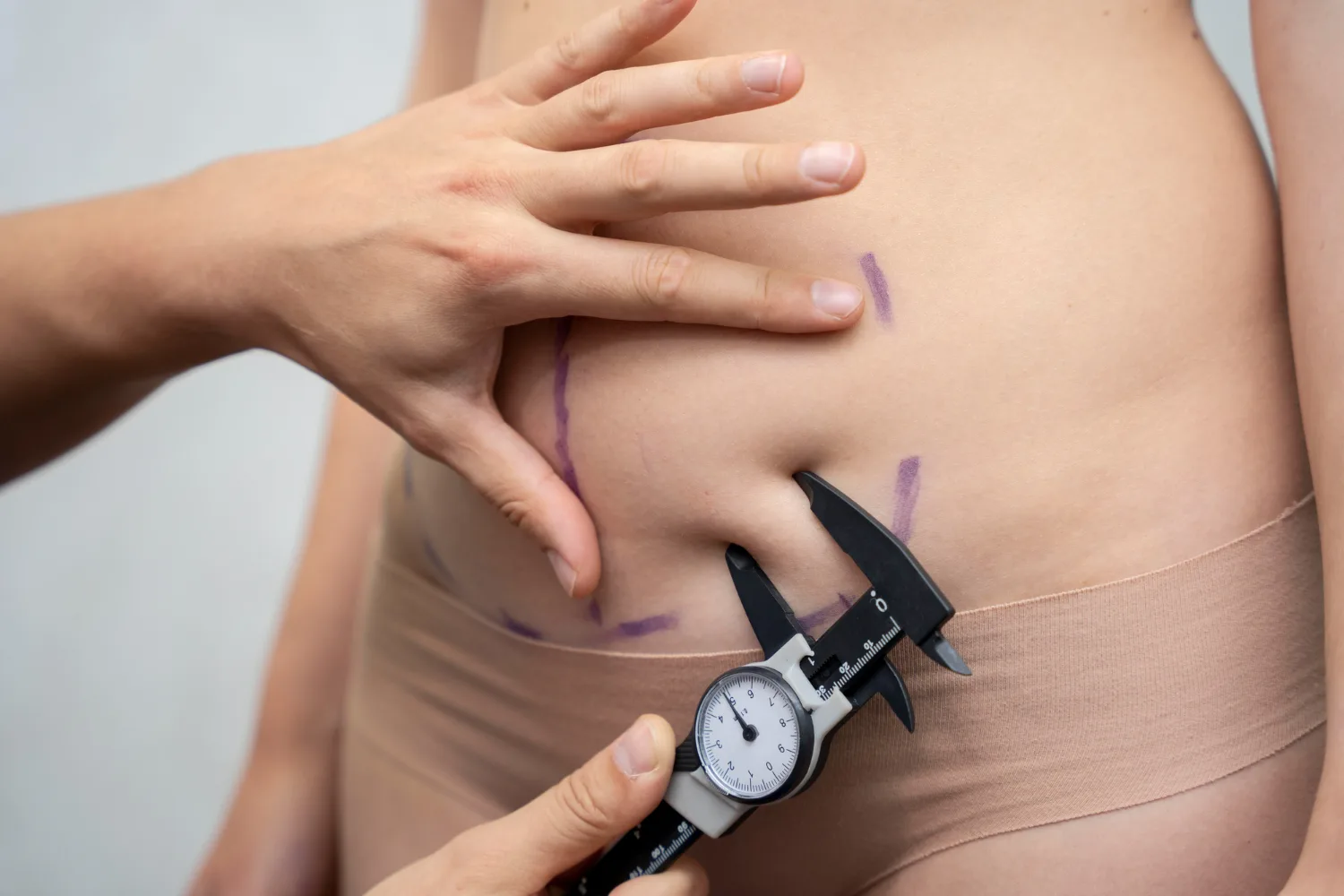
Pseudogynecomastia results from overall body fat accumulation. The chest contains adipose tissue. This tissue feels soft and diffuse. It lacks the firm, discrete mass characteristic of true gynecomastia. Weight loss and exercise often resolve pseudogynecomastia completely.
Can Both Conditions Occur Together?
Yes. Many men have both glandular tissue and excess chest fat simultaneously.
Mixed gynecomastia presents a combination of glandular and fatty tissue. This combination complicates treatment. Exercise reduces the fat component. However, the glandular component remains. Patients with mixed tissue often need combined treatment approaches.
Why Are They Often Confused?
Both conditions enlarge the male chest. Visual appearance alone cannot distinguish them.
Patients and even some healthcare providers confuse the two conditions. Both create breast prominence. Both improve partially with weight loss. Only physical examination and imaging reveal the true tissue composition. Accurate diagnosis determines appropriate treatment.
What Causes Gynecomastia?
Hormonal imbalance, puberty, aging, obesity, medications, steroids, and medical conditions cause gynecomastia.
Which Factors Lead to Male Breast Enlargement?
Multiple factors disrupt the estrogen-testosterone balance and trigger breast tissue growth.
Hormonal Imbalance
Estrogen and testosterone maintain breast tissue homeostasis. When estrogen rises or testosterone falls, breast tissue proliferates. Johnson and Murad (2009) explain that increased aromatase activity converts androgens to estrogens. This conversion raises local estrogen levels in breast tissue.
Puberty
Pubertal gynecomastia affects up to 60% of adolescent boys. Hormonal fluctuations during puberty temporarily disrupt the estrogen-testosterone ratio. Most cases resolve within one to two years. Some persist into adulthood.
Aging
Testosterone levels decline with age. Older men experience relative estrogen excess. This hormonal shift explains why gynecomastia becomes more common after age 50.
Obesity
Adipose tissue contains aromatase. This enzyme converts testosterone to estradiol. Obese men have higher aromatase activity. They produce more estrogen. This mechanism links obesity to gynecomastia development.
Certain Medications
Many medications cause gynecomastia. Anti-androgens, anabolic steroids, some antiretrovirals, and certain psychoactive drugs disrupt hormonal balance. Spironolactone, cimetidine, and ketoconazole commonly trigger breast enlargement.
Anabolic Steroid Use
Bodybuilders and athletes who use anabolic steroids frequently develop gynecomastia. Exogenous androgens convert to estrogens through aromatization. This conversion causes glandular tissue growth.
Medical Conditions
Liver cirrhosis, kidney failure, hyperthyroidism, and testicular tumors affect hormone production. These conditions alter the estrogen-testosterone ratio. They require medical evaluation and targeted treatment.
Idiopathic Gynecomastia
In some cases, no clear cause emerges. Healthcare providers label these cases idiopathic. They still require evaluation to rule out underlying pathology.
Can Exercise Eliminate Gynecomastia?
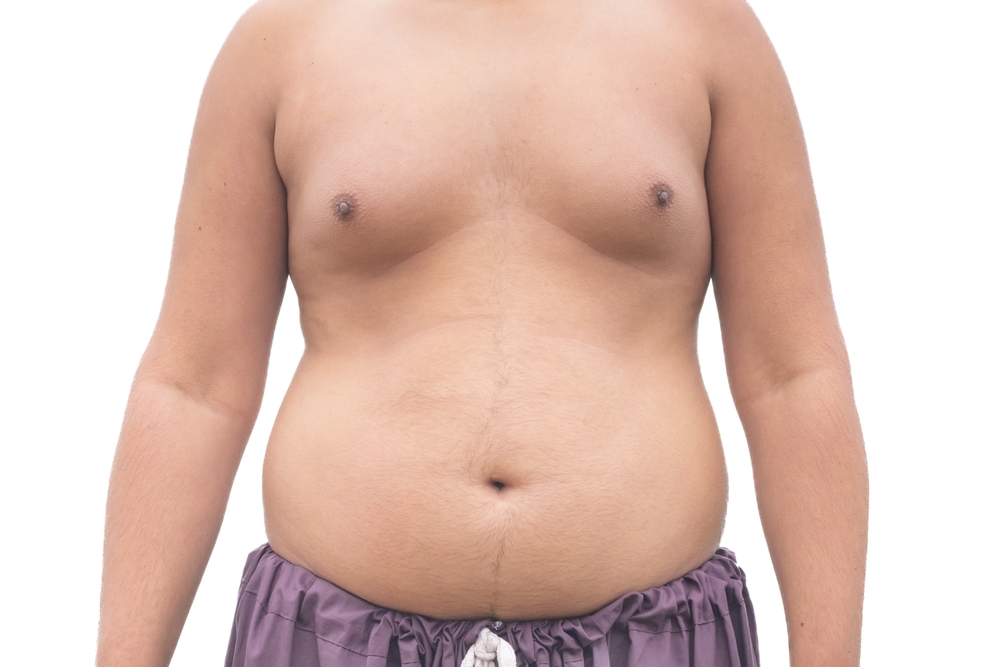
Exercise cannot eliminate true gynecomastia. Exercise reduces chest fat and improves muscle definition.
What Does Scientific Evidence Show?
Research confirms that exercise burns fat and builds muscle. No evidence shows exercise removes glandular breast tissue.
Why Exercise Cannot Remove Glandular Breast Tissue
Glandular tissue consists of epithelial cells, ducts, and stroma. Exercise stimulates muscle fibers and adipose metabolism. It does not break down glandular structures. Kanakis et al. (2019) emphasize that glandular tissue requires surgical excision when it persists. No exercise modality targets this tissue type.
How Exercise Helps Reduce Body Fat
Exercise creates a caloric deficit. It increases energy expenditure. Cardiovascular activity burns calories. Resistance training builds metabolically active muscle. These mechanisms reduce overall body fat, including chest fat.
When Chest Appearance Improves After Fat Loss
Men with pseudogynecomastia or mixed gynecomastia see chest flattening after fat loss. The adipose component shrinks. The chest contour improves. Muscle definition becomes visible.
Why Some Patients Still Notice Enlarged Nipples After Becoming Lean
True glandular tissue remains after fat loss. Lean men with gynecomastia retain a firm, disc-shaped mass behind the nipple. This tissue becomes more visible as surrounding fat disappears. The contrast between lean muscle and glandular tissue actually makes the condition more noticeable.
Why Exercise Improves Muscle Definition but Not Gland Tissue Removal
Resistance training hypertrophies pectoral muscles. Larger muscles create better chest contour. However, muscles sit beneath glandular tissue. The gland tissue still protrudes. Exercise improves the foundation but does not remove the overlying tissue.
Can Weight Loss Reduce Gynecomastia?
Weight loss reduces pseudogynecomastia. It may improve mixed gynecomastia. It does not remove true glandular tissue.
Does Losing Fat Flatten the Chest?
Fat loss flattens the chest in men with excess adipose tissue. It does not affect glandular tissue.
Patients with Obesity
Obese men with pseudogynecomastia experience dramatic chest improvement after weight loss. Their condition consists primarily of fat. Diet and exercise address this component effectively.
Patients with Mixed Fat and Gland Tissue
Men with mixed tissue see partial improvement. Fat loss reduces overall chest volume. The glandular component persists. These patients often need surgical intervention for complete resolution.
Lean Patients with Persistent Gynecomastia
Lean men with true gynecomastia see no improvement from weight loss. They already have minimal body fat. Their condition stems from glandular proliferation, not adipose accumulation.
Expected Cosmetic Improvements
Weight loss improves chest contour in men with fatty tissue. It reveals underlying muscle. It does not eliminate glandular tissue. Patients should set realistic expectations.
Which Exercises Help Improve Chest Appearance?
Chest exercises build pectoral muscles. They improve chest contour but do not remove glandular tissue.
Can Strength Training Make the Chest Look Better?
Yes. Strength training builds pectoral muscles and improves overall chest aesthetics.
Bench Press
The bench press targets the pectoralis major. It builds mass in the central chest. Men with gynecomastia can develop better chest contour through consistent bench pressing. However, the exercise does not remove gland tissue.
Incline Bench Press
The incline bench press emphasizes the upper chest. This variation creates a more balanced chest appearance. It develops the clavicular head of the pectoralis major.
Push-Ups
Push-ups require no equipment. They activate the pectoralis major, anterior deltoids, and triceps. Variations like diamond push-ups and decline push-ups target different chest regions.
Dumbbell Flyes
Dumbbell flyes stretch and contract the pectoral muscles. They emphasize chest width and separation. This exercise improves aesthetic definition.
Cable Crossovers
Cable crossovers provide constant tension throughout the movement. They target the inner chest and improve muscle definition.
Chest Dips
Chest dips activate the lower pectoralis major. They build mass in the lower chest region. Proper form emphasizes chest engagement over triceps.
Benefits of Strengthening the Pectoral Muscles
Larger pectoral muscles improve chest contour. They create a more masculine appearance. They may partially camouflage mild glandular tissue. Muscle growth boosts metabolism and supports fat loss.
Limitations of Chest Workouts
No chest exercise removes glandular tissue. The tissue sits superficial to the muscle layer. Building muscle beneath the tissue does not eliminate the protrusion. Patients need realistic expectations about exercise outcomes.
What Is the Best Overall Exercise Program for Men with Gynecomastia?
Combine resistance training, cardiovascular exercise, and core work for optimal body composition improvement.
Should You Combine Cardio and Resistance Training?
Yes. Combined training maximizes fat loss and muscle preservation.
Progressive Resistance Training
Progressive overload builds muscle mass. Men should lift weights three to four times weekly. They should increase resistance gradually. Compound movements like squats, deadlifts, rows, and presses work best.
HIIT Workouts
High-intensity interval training burns calories efficiently. It elevates metabolism for hours after exercise. HIIT sessions last 20 to 30 minutes. They include short bursts of intense activity followed by brief recovery periods.
Steady-State Cardio
Moderate-intensity cardio supports fat loss. Walking, cycling, and swimming work well. Sessions should last 30 to 60 minutes. This approach complements HIIT and resistance training.
Full-Body Strength Training
Full-body routines maximize muscle engagement. They burn more calories than isolation exercises. They improve overall body composition.
Core Exercises
Core strength supports posture and exercise performance. Planks, Russian twists, and leg raises improve trunk stability. Better posture enhances chest appearance.
Weekly Exercise Recommendations
|
Day
|
Activity
|
Duration
|
|
Monday
|
Upper body resistance training
|
45 minutes
|
|
Tuesday
|
HIIT cardio
|
25 minutes
|
|
Wednesday
|
Lower body resistance training
|
45 minutes
|
|
Thursday
|
Steady-state cardio
|
40 minutes
|
|
Friday
|
Full-body resistance training
|
50 minutes
|
|
Saturday
|
Active recovery (walking, swimming)
|
60 minutes
|
|
Sunday
|
Rest
|
-
|
Can Diet Help Reduce Gynecomastia?
Diet reduces body fat. It does not remove glandular tissue.
Which Nutritional Habits Support Fat Loss?
Calorie deficit, high protein, fiber, healthy fats, and limited alcohol support fat loss.
Calorie Deficit
Fat loss requires consuming fewer calories than the body burns. A moderate deficit of 300 to 500 calories daily promotes sustainable weight loss. Extreme restriction causes muscle loss and metabolic slowdown.
High-Protein Diet
Protein preserves muscle mass during weight loss. It increases satiety. It has a higher thermic effect than carbohydrates or fats. Men should consume 0.7 to 1 gram of protein per pound of body weight daily.
Fiber-Rich Foods
Fiber promotes fullness. It stabilizes blood sugar. Vegetables, fruits, legumes, and whole grains provide fiber. These foods support weight management.
Healthy Fats
Dietary fats support hormone production. Sources include avocados, nuts, olive oil, and fatty fish. Moderate fat intake maintains testosterone levels.
Limiting Alcohol
Alcohol adds empty calories. It disrupts hormone metabolism. It increases aromatase activity. Reducing alcohol intake supports fat loss and hormonal balance.
Reducing Ultra-Processed Foods
Processed foods contain excess sugar, unhealthy fats, and additives. They promote weight gain and inflammation. Whole foods support better body composition.
Importance of Sustainable Weight Management
Crash diets cause rebound weight gain. Sustainable habits create lasting results. Consistent nutrition combined with exercise produces the best outcomes.
Can You Spot Reduce Chest Fat?
No. Spot reduction does not work. Fat loss occurs throughout the body.
Why Doesn't Spot Reduction Work?
The body mobilizes fat from all areas, not just exercised regions.
Fat Loss Physiology
The body stores fat in adipocytes throughout the body. When energy demand exceeds intake, the body releases fatty acids from fat cells. It draws from all regions proportionally. Vispute et al. (2011) demonstrated that abdominal exercises do not preferentially reduce abdominal fat. This principle applies to chest fat as well.
Whole-Body Fat Reduction
Caloric deficit triggers systemic fat loss. The chest loses fat as part of overall body fat reduction. No exercise targets chest fat exclusively.
Common Misconceptions About Chest Exercises
Many men believe hundreds of push-ups will burn chest fat. This belief persists despite scientific evidence. Chest exercises build muscle. They do not selectively burn chest fat.
Scientific Evidence Regarding Localized Fat Loss
Research consistently refutes spot reduction. Studies show that exercise reduces fat globally. Localized exercise increases muscle size in the trained area. It does not increase local fat loss.
When Is Exercise Alone Not Enough?
Exercise fails when firm glandular tissue persists despite fat loss and muscle gain.
Which Signs Suggest True Gynecomastia?
Firm tissue, persistent enlargement, tenderness, asymmetry, and enlarged areola indicate true gynecomastia.
Firm Tissue Beneath the Nipple
True gynecomastia presents as a firm, rubbery disc. It sits concentrically behind the nipple. This texture distinguishes it from soft fat.
Persistent Enlargement Despite Weight Loss
Men who reach low body fat percentages yet retain chest protrusion likely have glandular tissue. This persistence confirms true gynecomastia.
Tenderness
Glandular tissue often feels tender or sensitive. This symptom occurs particularly in pubertal and recent-onset cases.
Asymmetry
Unilateral or asymmetric enlargement suggests true gynecomastia. Pure fat accumulation usually affects both sides equally.
Long-Standing Gynecomastia
Tissue present for more than two years often becomes fibrotic. Fibrotic tissue does not regress spontaneously. Exercise cannot remove it.
Enlarged Areola
True gynecomastia may stretch the areola. The nipple-areola complex protrudes. This feature remains visible even in lean men.
When Should You See a Doctor?
Seek medical evaluation for sudden enlargement, pain, unilateral growth, discharge, lumps, or hormonal symptoms.
Which Symptoms Require Medical Evaluation?
Several warning signs indicate underlying pathology requiring professional assessment.
Sudden Breast Enlargement
Rapid onset suggests hormonal disturbance, medication effect, or tumor. Gradual development over months is more typical of benign gynecomastia.
Painful Gynecomastia
Pain or tenderness warrants evaluation. Severe pain may indicate infection, abscess, or malignancy.
Unilateral Enlargement
One-sided growth requires exclusion of breast cancer. Male breast cancer is rare but serious.
Nipple Discharge
Bloody or clear discharge from the nipple requires immediate investigation. This symptom may indicate pituitary tumor or breast cancer.
Breast Lump
A hard, irregular, fixed mass differs from typical gynecomastia. Imaging and biopsy may be necessary.
Hormonal Symptoms
Decreased libido, erectile dysfunction, or testicular atrophy suggest endocrine disorder. These symptoms require endocrinological evaluation.
Medication Review
Physicians should review all medications. They should identify drugs known to cause gynecomastia. Alternative treatments may resolve the condition.
How Is Gynecomastia Diagnosed?
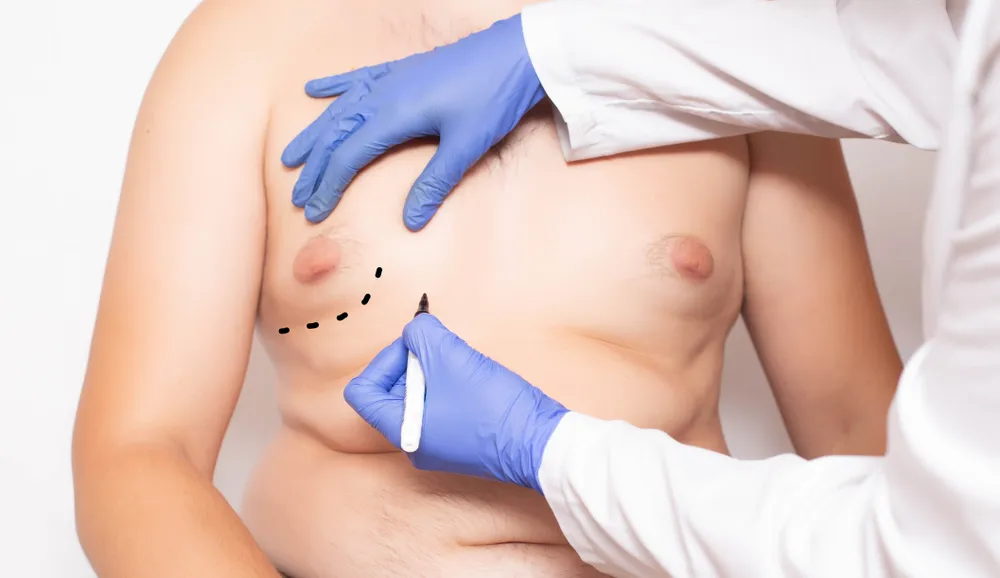
Doctors use history, physical exam, blood tests, and imaging to diagnose gynecomastia.
What Tests May Be Recommended?
Multiple diagnostic tools confirm gynecomastia and rule out other conditions.
Medical History
Physicians ask about onset, duration, and progression. They review medication use, supplement use, and substance use. They inquire about family history and systemic symptoms.
Physical Examination
Providers palpate the chest tissue. They assess texture, location, and symmetry. They examine the testicles for masses. They look for signs of hormonal disorders.
Hormonal Blood Tests
Blood tests measure testosterone, estradiol, LH, FSH, and prolactin. These tests identify hormonal imbalances. They guide treatment decisions.
Ultrasound
Breast ultrasound distinguishes glandular tissue from fat. It evaluates suspicious masses. It guides biopsy when necessary.
Mammography
Mammography helps when breast cancer is suspected. It visualizes tissue architecture. It identifies malignant features.
Additional Endocrine Evaluation
Endocrinologists may perform further testing. They evaluate thyroid function, liver function, and renal function. They assess for pituitary or testicular disorders.
What Are the Treatment Options Beyond Exercise?
Observation, cause treatment, medication, and lifestyle modification treat gynecomastia.
Which Medical Treatments Are Available?
Selected cases respond to medication or observation. Most persistent cases need surgery.
Observation
Physicians may observe asymptomatic pubertal gynecomastia. Many cases resolve spontaneously within two years. Observation avoids unnecessary intervention.
Treating Underlying Causes
Correcting hormonal disorders, changing medications, or managing medical conditions may resolve gynecomastia. This approach addresses the root cause.
Medication
Selected early cases respond to tamoxifen or raloxifene. These selective estrogen receptor modulators block estrogen action in breast tissue. They work best within the first year of onset. Kanakis et al. (2019) note limited evidence for medical therapy.
Hormonal Therapy
Testosterone replacement helps men with hypogonadism. It restores hormonal balance. It may reduce breast tissue in hormone-deficient men.
Lifestyle Modification
Weight loss, exercise, and avoiding alcohol and steroids support treatment. These measures help particularly in pseudogynecomastia.
When Is Gynecomastia Surgery Recommended?
Surgery treats persistent glandular tissue that causes physical or psychological distress.
Who Is a Good Candidate?
Healthy men with stable weight, persistent tissue, and realistic expectations qualify for surgery.
Persistent Glandular Tissue
Tissue present longer than two years rarely resolves spontaneously. Surgery becomes the definitive treatment.
Failed Conservative Treatment
Men who try exercise, diet, and medication without success need surgical evaluation.
Psychological Impact
Gynecomastia causes significant emotional distress. Men avoid social situations. They experience anxiety and depression. Surgery improves quality of life.
Stable Body Weight
Surgeons prefer patients at stable weight. Weight fluctuations after surgery affect results.
Surgical Techniques
|
Technique
|
Description
|
Best For
|
|
Liposuction
|
Removes fat through small incisions
|
Pseudogynecomastia or mixed cases with fat
|
|
Direct Gland Excision
|
Removes glandular tissue through incision
|
True gynecomastia with firm tissue
|
|
Combined Approach
|
Uses both liposuction and excision
|
Mixed gynecomastia
|
Liposuction
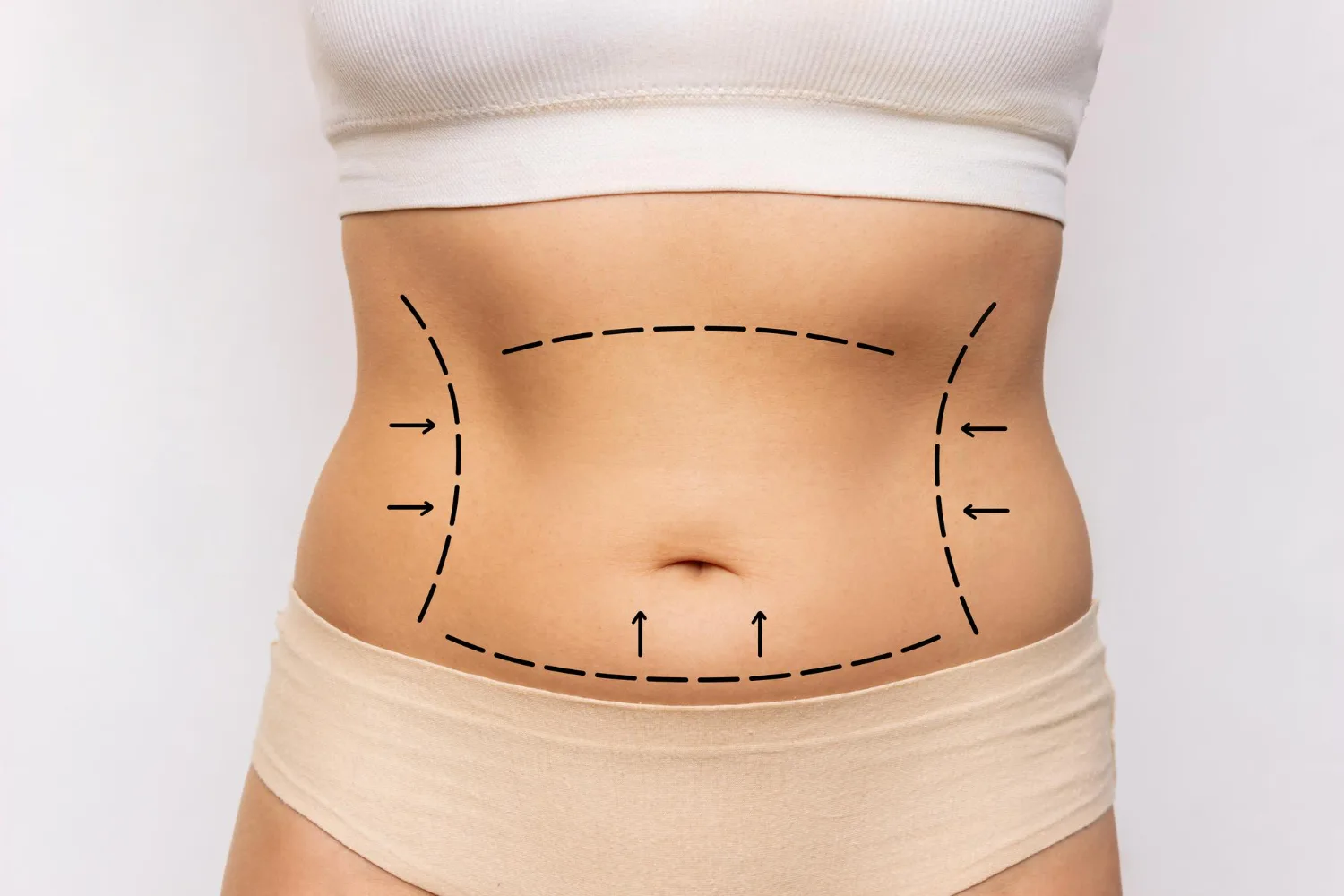
Liposuction removes excess fat. Surgeons insert a cannula through small incisions. They suction adipose tissue. This technique works well for fatty tissue.
Direct Gland Excision
Surgeons remove glandular tissue through periareolar incisions. They preserve the nipple-areola complex. This technique addresses true glandular tissue.
Combined Approach
Most patients benefit from combined liposuction and gland excision. This approach removes both fat and gland tissue. It creates the most natural contour.
Recovery Expectations
Patients wear compression garments for several weeks. They avoid strenuous exercise for four to six weeks. Swelling subsides over two to three months. Final results appear after six months.
Long-Term Outcomes
Surgery provides permanent removal of glandular tissue. Scars fade over time. Most men report high satisfaction. Cordova and Moschella (2008) report satisfaction rates exceeding 90%.
Can Gynecomastia Return After Surgery?
Recurrence is rare but possible. Certain factors increase risk.
Which Factors Increase Recurrence Risk?
Weight gain, steroid use, hormonal disorders, medications, and poor lifestyle choices cause recurrence.
Weight Gain
Significant weight gain after surgery increases chest fat. It may create the appearance of recurrent gynecomastia.
Steroid Use
Anabolic steroid use stimulates new glandular tissue growth. Men who resume steroid use risk recurrence.
Hormonal Disorders
Untreated hormonal imbalances may stimulate remaining tissue. Endocrine disorders require ongoing management.
Medication-Induced Recurrence
Continuing medications that cause gynecomastia risks new tissue development. Physicians should review medication necessity.
Lifestyle Factors
Excessive alcohol consumption and poor diet contribute to recurrence. Healthy habits support lasting results.
Common Myths About Exercise and Gynecomastia
Many misconceptions mislead patients about exercise effectiveness.
Which Misconceptions Should Patients Avoid?
Several myths create false hope and delay appropriate treatment.
"Hundreds of Push-Ups Will Remove Gynecomastia"
Push-ups build muscle. They do not remove glandular tissue. This myth leads to frustration and wasted effort.
"Building Chest Muscles Eliminates Breast Tissue"
Muscle growth improves chest contour. It does not eliminate glandular tissue. The tissue remains superficial to the muscle.
"Only Overweight Men Develop Gynecomastia"
Gynecomastia affects men of all body types. Lean men develop true gynecomastia. Obesity causes pseudogynecomastia.
"Diet Alone Cures Gynecomastia"
Diet reduces fat. It does not affect glandular tissue. True gynecomastia requires additional intervention.
"Every Enlarged Male Chest Is Gynecomastia"
Chest enlargement may result from fat, muscle, or medical conditions. Accurate diagnosis requires professional evaluation.
Frequently Asked Questions
Can Exercise Eliminate Gynecomastia Permanently?
No. Exercise reduces fat and builds muscle. It cannot remove glandular breast tissue. True gynecomastia requires medical or surgical treatment.
Can Push-Ups Reduce Gynecomastia?
Push-ups strengthen pectoral muscles. They improve chest appearance. They do not remove glandular tissue.
Which Exercises Are Best for Gynecomastia?
Bench presses, push-ups, flyes, and dips build chest muscles. Cardio and HIIT reduce body fat. No exercise removes gland tissue.
Does Losing Weight Remove Glandular Breast Tissue?
No. Weight loss removes fat. Glandular tissue persists regardless of body weight.
How Do I Know Whether I Have Gynecomastia or Chest Fat?
True gynecomastia feels firm and rubbery behind the nipple. Chest fat feels soft and diffuse. A doctor can confirm through examination.
Can Bodybuilding Hide Gynecomastia?
Large pectoral muscles may partially camouflage mild cases. They do not eliminate glandular tissue. Severe cases remain visible.
Does Cardio Help Reduce Male Breast Enlargement?
Cardio reduces overall body fat. It helps pseudogynecomastia. It does not affect true glandular tissue.
Is Surgery the Only Permanent Treatment?
Surgery permanently removes glandular tissue. It provides definitive treatment for persistent gynecomastia.
Can Gynecomastia Disappear Naturally?
Pubertal gynecomastia often resolves within two years. Adult gynecomastia rarely disappears without treatment.
How Long Should I Exercise Before Considering Surgery?
Men should achieve stable weight and consistent exercise habits for six to twelve months. If glandular tissue persists, they should consult a surgeon.
Conclusion
Exercise improves overall health. It reduces body fat. It enhances chest muscle definition. However, exercise cannot eliminate true gynecomastia. True gynecomastia involves glandular breast tissue. This tissue does not respond to physical activity.
Men should seek accurate diagnosis. Healthcare providers distinguish pseudogynecomastia from true gynecomastia. They identify underlying causes. They recommend individualized treatment.
Pseudogynecomastia responds well to diet and exercise. Mixed gynecomastia improves partially with lifestyle changes. True gynecomastia requires medical or surgical intervention.
Patients should set realistic expectations. They should avoid myths about spot reduction and chest exercises. They should consult qualified professionals. Individualized treatment based on cause, severity, and patient goals produces the best outcomes.
References
Braunstein, Glenn D. "Clinical Practice: Gynecomastia." New England Journal of Medicine, vol. 357, no. 12, 2007, pp. 1229–1237.
Cordova, Adriana, and Franco Moschella. "Revisiting the Surgical Treatment of Gynecomastia: A 10-Year Experience." Aesthetic Plastic Surgery, vol. 32, no. 5, 2008, pp. 740–746.
Johnson, Ruth E., and M. Hassan Murad. "Gynecomastia: Pathophysiology, Evaluation, and Management." Mayo Clinic Proceedings, vol. 84, no. 11, 2009, pp. 1010–1015.
Kanakis, George A., et al. "EAA Clinical Practice Guidelines: Gynecomastia Evaluation and Management." Andrology, vol. 7, no. 6, 2019, pp. 778–793.
Vispute, Sachin S., et al. "The Effect of Abdominal Exercise on Abdominal Fat." Journal of Strength and Conditioning Research, vol. 25, no. 9, 2011, pp. 2559–2564.