Ethnic rhinoplasty reshapes the nose while preserving the unique features that reflect a patient's cultural heritage. Turkey has emerged as a leading destination for this specialized procedure. International patients from diverse backgrounds travel to Turkey seeking surgeons who understand varied nasal anatomies. This article explores everything patients need to know about ethnic rhinoplasty in Turkey.
What Is Ethnic Rhinoplasty and Why Is It Different from Traditional Rhinoplasty?
Ethnic rhinoplasty preserves cultural facial identity while refining nasal shape. Traditional rhinoplasty often follows Eurocentric beauty standards.
Ethnic rhinoplasty refers to nose surgery that respects and maintains the ethnic characteristics of the patient. Surgeons performing this procedure understand that beauty standards vary across cultures. They avoid creating a uniform "Western" nose on every face.
The definition of ethnic rhinoplasty centers on individualized treatment. Surgeons analyze the specific nasal anatomy of African, Asian, Middle Eastern, Hispanic, and mixed-ethnicity patients. They recognize that each group possesses distinct skin thickness, cartilage strength, and bone structure (Rohrich and Muzaffar 2003).
The philosophy of preserving ethnic identity drives every decision in ethnic rhinoplasty. Surgeons ask patients what they want to change. They discuss what features patients wish to keep. This conversation shapes the surgical plan.
Aesthetic enhancement differs from facial westernization. Ethnic rhinoplasty improves proportion and balance. It does not erase heritage. Patients leave surgery looking like refined versions of themselves.
Functional and cosmetic objectives merge in ethnic rhinoplasty. Many patients seek better breathing alongside improved appearance. Surgeons address deviated septums, enlarged turbinates, and collapsed valves during the same procedure (Toriumi 2006).
Who Is a Good Candidate for Ethnic Rhinoplasty?
Good candidates want nasal refinement without losing their cultural identity. They are healthy adults with realistic expectations.
Patients seeking refinement without losing cultural identity make ideal candidates. These individuals understand that their ethnic features contribute to their beauty. They want improvement, not erasure.
Primary rhinoplasty candidates undergo nose surgery for the first time. Their tissues remain untouched. Surgeons can work with virgin anatomy. This situation often produces predictable results.
Revision rhinoplasty candidates have had previous nose surgery. They may suffer from over-resection, asymmetry, or breathing problems. Revision cases require advanced expertise. Surgeons must rebuild structures using cartilage grafts.
Functional breathing concerns motivate many candidates. Patients with chronic congestion, snoring, or exercise intolerance benefit from functional corrections. Ethnic rhinoplasty combines these repairs with cosmetic changes.
Age and general health considerations matter. Surgeons prefer patients over 18 years old. Facial growth must finish. Patients should not smoke. They should control chronic conditions like diabetes or hypertension before surgery.
Why Has Turkey Become a Leading Destination for Ethnic Rhinoplasty?
Turkey offers experienced surgeons, modern facilities, advanced technology, and affordable care within a robust medical tourism system.
Experienced surgeons treat diverse international patients in Turkey. They encounter nasal anatomies from every continent. This exposure builds unmatched expertise. Turkish surgeons perform thousands of rhinoplasty procedures annually.
High surgical volume creates specialized expertise. Practice refines technique. Surgeons develop nuanced approaches for thick skin, weak cartilage, and wide nasal bases. They adapt methods to each ethnic group.
Modern hospitals and internationally accredited facilities line the streets of Istanbul and other major cities. These centers meet Joint Commission International standards. They maintain sterile operating rooms and advanced anesthesia monitoring.
Advanced surgical technologies support better outcomes. Ultrasonic instruments allow precise bone shaping. Three-dimensional imaging enables accurate planning. Computer simulations help patients visualize results.
Cost-effectiveness attracts international patients without compromising quality. Turkish surgeons deliver world-class results at a fraction of UK or USA prices. Patients receive premium care while saving money.
Comprehensive medical tourism services simplify the journey. Agencies handle airport transfers, hotel bookings, and translation. Patients focus on recovery while coordinators manage logistics.
How Does Ethnic Rhinoplasty Preserve Natural Facial Identity?
Surgeons analyze individual facial proportions. They respect ethnic anatomy. They create harmony instead of copying standardized beauty templates.
Individualized facial analysis starts every ethnic rhinoplasty. Surgeons study the patient's entire face. They measure proportions between the eyes, nose, lips, and chin. They identify which nasal features complement the face and which ones distract.
Respecting ethnic anatomical characteristics prevents unnatural results. Surgeons do not thin thick skin beyond its capacity. They do not over-project tips that naturally sit lower. They work within the limits biology provides.
Creating facial harmony replaces standardized beauty goals. The nose must fit the face. A narrow, high-bridged nose looks wrong on a face with wide-set eyes and full cheeks. Ethnic rhinoplasty balances the nose with surrounding features.
Realistic patient expectations protect satisfaction. Surgeons show patients what changes are possible. They explain what changes are unwise. Patients who understand these limits enjoy better outcomes (Guyuron 2012).
Which Ethnic Nasal Characteristics Require Specialized Surgical Planning?
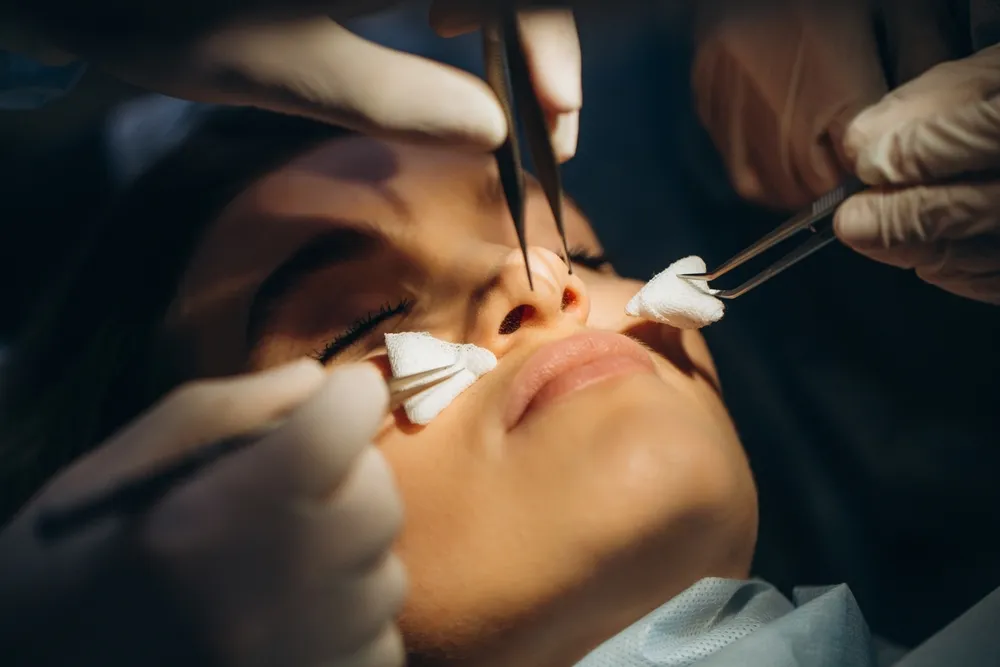
Each ethnic group presents distinct skin thickness, cartilage strength, bridge height, and base width. Surgeons customize every plan.
How Is Rhinoplasty Planned for African Patients?
Surgeons address low bridges, wide bases, thick skin, and weak tip support using structural grafting.
African patients often present a low nasal bridge. The dorsum sits flat relative to the forehead. Surgeons augment this area using cartilage grafts or solid implants. They build height gradually.
A wide nasal base characterizes many African noses. Alar base reduction narrows the nostrils. Surgeons place incisions carefully to hide scars within natural creases.
Thick skin challenges refinement. The skin envelope does not contract easily. Surgeons must create strong underlying cartilage frameworks. The cartilage pushes through the thick skin to create definition.
Tip projection techniques elevate a flat or under-projected tip. Surgeons use columellar struts and shield grafts. These grafts provide support and shape.
Cartilage support strategies dominate African rhinoplasty. The native cartilage often lacks strength. Surgeons harvest septal, ear, or rib cartilage. They build a robust internal framework (Ofodile 1994).
How Does Asian Rhinoplasty Differ?
Surgeons augment low dorsums, define tips, and increase projection using grafts and implants.
Low dorsum augmentation represents the most common request in Asian rhinoplasty. Patients want a higher bridge. Surgeons place cartilage grafts or silicone implants along the dorsum. They create smooth, natural contours.
Tip definition requires structural work. Asian tips often lack distinct points. Surgeons use cartilage grafts to create subtle definition. They avoid over-sharpening, which looks unnatural.
Nasal projection enhancement lengthens the nose. Short noses benefit from extension grafts. These grafts push the tip forward and downward.
Structural grafting techniques provide lasting support. Asian nasal cartilage tends to be weak and thin. Surgeons reinforce every component. They prevent collapse and maintain long-term shape (Toriumi 2007).
What Are the Considerations for Middle Eastern Rhinoplasty?
Surgeons reduce dorsal humps, manage thick skin, and preserve strong frameworks while maintaining airway function.
A prominent dorsal hump frequently concerns Middle Eastern patients. Surgeons reduce the hump conservatively. They avoid over-lowering the bridge, which feminizes a male face or erases ethnic character.
A strong nasal framework supports aggressive reduction. Middle Eastern noses possess robust bone and cartilage. Surgeons can reshape without fearing collapse. However, they must preserve enough structure for function.
Thick skin management demands patience. The skin envelope swells significantly after surgery. Surgeons under-correct slightly. The nose settles into the ideal shape as swelling resolves.
Functional airway preservation matters greatly. Middle Eastern patients often have a deviated septum. Surgeons straighten the septum during rhinoplasty. They preserve or improve breathing (Constantinides and Galli 2008).
How Is Hispanic and Latin American Rhinoplasty Approached?
Surgeons evaluate mixed anatomical traits. They create individualized plans that maintain facial balance.
Mixed anatomical characteristics define Hispanic and Latin American noses. Some patients show Indigenous features with low bridges and wide bases. Others show European features with high bridges and narrow tips. Many display combinations.
Individualized surgical planning becomes essential. Surgeons cannot apply a single technique to all Hispanic patients. They assess each nose independently.
Maintaining facial balance guides every decision. The nose must match the patient's overall appearance. A surgeon treats a Mestizo patient differently from a Caucasian-Hispanic patient (Cobo 2000).
How Are Mixed-Ethnicity Patients Evaluated?
Surgeons assess each anatomical feature individually. They create customized plans. They reject one-size-fits-all approaches.
Personalized anatomical assessment examines skin type, cartilage strength, bone height, and base width. Mixed-ethnicity patients inherit unpredictable combinations. Surgeons catalog every trait.
Customized treatment plans blend techniques from multiple ethnic approaches. A patient with African skin thickness and Asian bridge height requires a unique strategy. Surgeons draw from their entire experience.
Avoiding one-size-fits-all approaches protects patient identity. Surgeons resist templates. They sculpt noses that honor every ancestral influence.
What Surgical Techniques Are Used in Ethnic Rhinoplasty?
Surgeons choose from open, closed, preservation, structural, ultrasonic, and cartilage grafting techniques based on patient needs.
Open rhinoplasty provides maximum exposure. Surgeons make a small incision across the columella. They lift the skin and see the entire nasal framework. This approach suits complex cases requiring grafting.
Closed rhinoplasty hides all incisions inside the nostrils. Surgeons work through narrow openings. This technique works for simpler reductions. It produces no external scar.
Preservation rhinoplasty maintains native structures. Surgeons reshape the nose without destroying the dorsal bridge. They push bone inward rather than removing it. This technique preserves natural contours and reduces healing time (Gruber, et al. 2019).
Structural rhinoplasty rebuilds the nose using grafts. Surgeons add cartilage wherever weakness exists. This approach dominates ethnic cases. It prevents collapse and ensures longevity.
Ultrasonic rhinoplasty uses high-frequency vibrations to cut bone. Traditional rasps and osteotomes cause trauma. Ultrasonic instruments create smooth, precise cuts. Swelling decreases. Recovery accelerates.
Cartilage grafting techniques provide the building blocks for ethnic rhinoplasty. Surgeons harvest, shape, and place cartilage. They create bridges, tips, and sidewalls from graft material.
Why Are Cartilage Grafts Frequently Used in Ethnic Rhinoplasty?
Ethnic noses often lack strong native cartilage. Grafts provide support, definition, and long-term stability.
Septal cartilage offers the ideal graft material. It is straight, strong, and native to the nose. Surgeons harvest it from the nasal septum. They use it for struts, spreader grafts, and tip grafts.
Ear cartilage provides curved, flexible grafts. Surgeons take it from the concha through a hidden incision behind the ear. They use it for rim grafts and subtle contouring.
Rib cartilage supplies large quantities of strong material. Surgeons harvest it from the sixth or seventh rib. They use it for major reconstructions, dorsal grafts, and revision cases. Rib cartilage supports significant structural changes.
Structural support prevents collapse. Ethnic noses with weak cartilage need reinforcement. Grafts act like internal scaffolding. They hold the nose in position during healing.
Long-term stability ensures lasting results. Grafts incorporate into the nasal tissues. They become part of the nose. Patients enjoy permanent improvements without repeated surgeries (Toriumi 2008).
How Does Digital Surgical Planning Improve Results?
Three-dimensional analysis, digital imaging, and simulations allow precise planning and clear communication.
Three-dimensional facial analysis captures the patient's exact proportions. Surgeons rotate digital models. They examine the nose from every angle. They identify asymmetries invisible in flat photographs.
Digital imaging and simulations show potential outcomes. Surgeons modify the digital nose. Patients see before-and-after images before committing to surgery. This tool aligns expectations.
Personalized surgical planning emerges from digital data. Surgeons measure precise graft dimensions. They plan osteotomy angles. They anticipate challenges before entering the operating room.
Communication between surgeon and patient improves dramatically. Digital simulations eliminate guesswork. Patients point to specific changes they want. Surgeons explain what is surgically possible. Both parties agree on goals before anesthesia begins.
What Happens During the Initial Consultation?
The surgeon reviews medical history, examines nasal anatomy, tests breathing, analyzes facial proportions, takes photographs, and sets realistic expectations.
Medical history evaluation identifies risks. Surgeons ask about previous surgeries, allergies, and medications. They screen for bleeding disorders. They discuss smoking and drug use.
Nasal anatomy assessment examines external and internal structures. Surgeons palpate the nose. They feel cartilage strength and bone position. They identify scar tissue from previous injuries.
Functional breathing examination tests airflow. Surgeons use speculums to inspect the septum and turbinates. They may perform endoscopy. They document any obstruction.
Facial proportion analysis measures the relationship between nose and face. Surgeons assess chin projection, lip fullness, and eye spacing. They determine how much change creates harmony.
Photography and surgical planning document the starting point. Surgeons take standardized photos from multiple angles. They use these images for planning and for postoperative comparison.
Setting realistic expectations concludes the consultation. Surgeons explain what ethnic rhinoplasty can and cannot achieve. They discuss recovery timelines. They ensure patients enter surgery with accurate hopes.
How Should International Patients Prepare Before Traveling to Turkey?
Patients complete online consultations, gather medical documents, plan travel, undergo lab tests, adjust medications, stop smoking, and prepare for recovery abroad.
Online consultations connect patients with Turkish surgeons remotely. Patients submit photographs and complete questionnaires. Surgeons provide preliminary assessments. Patients ask questions without leaving home.
Medical documentation includes previous surgery records, allergy lists, and current prescriptions. Patients compile these papers. They bring them to Turkey. Surgeons review them before scheduling surgery.
Travel planning requires booking flights and accommodation. Patients should arrive two to three days before surgery. This buffer allows final consultations and preoperative testing.
Laboratory testing checks blood counts, clotting function, and infection markers. Turkish hospitals require these tests. They ensure patients can safely undergo anesthesia.
Medication adjustments prevent bleeding complications. Surgeons instruct patients to stop blood thinners like aspirin and ibuprofen. They may adjust herbal supplements.
Smoking cessation improves healing. Nicotine constricts blood vessels. It reduces oxygen delivery to tissues. Patients must quit at least four weeks before surgery.
Preparing for recovery abroad means packing loose clothing, saline spray, and entertainment. Patients arrange help for the first few days. They understand they cannot fly home immediately.
What Happens on the Day of Surgery?
Patients receive general anesthesia. Surgery lasts two to four hours. They stay in the hospital for monitoring. Staff provide immediate postoperative care.
General anesthesia ensures comfort and safety. Anesthesiologists administer medications through an IV. Patients sleep throughout the procedure. They feel no pain.
Surgical duration varies by complexity. Simple cases finish in two hours. Complex ethnic rhinoplasty with grafting may require four hours. Surgeons work carefully. They do not rush.
Hospital stay typically lasts one night. Nurses monitor vital signs. They manage pain and nausea. They ensure patients tolerate oral intake before discharge.
Immediate postoperative care includes cold compresses, head elevation, and nasal packing or splints. Staff instruct patients on breathing techniques. They provide discharge medications.
Patient monitoring continues after discharge. Surgeons check on patients daily. They address concerns immediately. International patients receive direct contact numbers for emergencies.
What Is Recovery Like After Ethnic Rhinoplasty?
Recovery progresses through distinct phases. Swelling and bruising peak early. Results refine over months.
What Can Patients Expect During the First Week?
Patients experience swelling, bruising, nasal splints, and manageable pain. They must rest with their head elevated.
Swelling reaches its maximum during days two through four. The face appears puffy. Ethnic patients with thick skin may swell more. This is normal and expected.
Bruising spreads around the eyes. It looks dramatic but causes no harm. Bruising fades from purple to yellow to clear within ten days.
Nasal splints protect the new shape. External splints cover the dorsum. Internal splints support the septum. Surgeons remove these within five to seven days.
Pain management relies on prescribed medications. Most patients describe discomfort rather than severe pain. The sensation resembles sinus pressure. Pain decreases steadily after day three.
How Does Recovery Progress During the First Month?
Surgeons remove the cast. Patients return to work. They follow activity restrictions and attend follow-up appointments.
Cast removal occurs at the first postoperative visit. The surgeon peels away the external splint. Patients see their new nose for the first time. It looks swollen but recognizable.
Return to work happens around ten to fourteen days. Bruising resolves by then. Patients can apply makeup. They resume light duties.
Activity restrictions prohibit heavy lifting, bending, and strenuous exercise. These activities increase blood pressure. They risk bleeding and swelling. Patients avoid them for four to six weeks.
Follow-up appointments track healing. Surgeons inspect incisions. They clean the nasal airway. They ensure grafts remain in position. International patients should plan to stay in Turkey for at least seven to ten days.
When Are Final Results Visible?
Swelling resolves over months. Tissues remodel gradually. Final refinement takes a year.
Resolution of swelling occurs in stages. Sixty percent of swelling fades within six weeks. Eighty percent resolves within three months. The last twenty percent takes a full year.
Tissue remodeling continues beneath the skin. Cartilage grafts settle. Scar tissue softens. The nose becomes more defined as these processes complete.
Long-term nasal refinement reveals the surgeon's artistry. The nose looks natural. It moves slightly when the patient smiles. It does not appear operated.
Timeline for complete healing extends twelve to eighteen months. Patients must practice patience. Ethnic rhinoplasty with thick skin requires more time than thin-skinned cases. The wait rewards patients with lasting, beautiful results.
What Are the Possible Risks and Complications?
Risks include infection, bleeding, swelling, scarring, breathing problems, asymmetry, and possible revision needs. Experienced surgeons minimize these risks.
Infection threatens any surgery. Surgeons prescribe antibiotics. They use sterile techniques. Patients must keep incisions clean. Infection rates remain low in accredited facilities.
Bleeding occurs during and after surgery. Surgeons control bleeding with cautery and packing. Patients avoid blood thinners. Most bleeding is minor and self-limiting.
Swelling persists longer than patients expect. Thick skin retains fluid. Ethnic rhinoplasty patients should anticipate prolonged swelling. This is not a complication but a characteristic.
Scar formation varies by ethnicity. Darker skin types carry higher keloid risk. Surgeons place incisions strategically. They recommend scar treatments postoperatively.
Breathing difficulties may arise if surgeons over-resect structures. Ethnic rhinoplasty requires preservation or reinforcement of the airway. Functional techniques prevent this problem.
Asymmetry challenges every rhinoplasty surgeon. Human faces are naturally asymmetric. Surgeons aim for improvement, not perfection. Minor irregularities often resolve as swelling decreases.
Need for revision surgery affects five to fifteen percent of rhinoplasty patients. Ethnic cases with thick skin and weak cartilage fall toward the higher end. Revision surgery addresses residual concerns.
Importance of experienced surgeons cannot be overstated. Complication rates drop dramatically with board-certified specialists. Patients should research credentials thoroughly (Rohrich and Janis 2011).
How Can Patients Reduce Surgical Risks?
Patients follow preoperative instructions, practice proper postoperative care, avoid nasal trauma, attend all follow-ups, and choose qualified specialists.
Following preoperative instructions prepares the body for surgery. Patients stop smoking. They discontinue risky medications. They fast before anesthesia. These steps reduce complications.
Proper postoperative care accelerates healing. Patients keep the head elevated. They apply cold compresses. They take medications as prescribed. They avoid blowing the nose.
Avoiding trauma protects the fragile nasal structure. Patients wear button-up shirts. They avoid glasses resting on the nose. They sleep on their backs. They stay away from contact sports.
Attending scheduled follow-ups allows early intervention. Surgeons spot problems before they worsen. They remove sutures at the right time. They guide patients through recovery.
Choosing qualified specialists represents the most important risk reduction strategy. Patients should verify board certification. They should review extensive before-and-after galleries. They should select surgeons with ethnic rhinoplasty expertise.
How Should International Patients Choose the Right Surgeon in Turkey?
Patients should verify experience with multiple ethnic groups, board certification, before-and-after galleries, revision expertise, hospital accreditation, patient reviews, communication style, and surgical philosophy.
Experience with multiple ethnic groups separates qualified surgeons from generalists. Patients should ask how many African, Asian, or Middle Eastern noses the surgeon has treated. Volume matters.
Board certification confirms training and examination. Turkish surgeons should hold certificates from the Turkish Plastic Reconstructive and Aesthetic Surgery Association or equivalent international boards.
Before-and-after galleries reveal the surgeon's aesthetic eye. Patients should look for noses similar to their own ethnicity. They should assess whether results look natural and harmonious.
Revision surgery experience indicates advanced capability. Only skilled surgeons confidently accept revision cases. Patients should ask about revision rates and techniques.
Hospital accreditation guarantees safety standards. Patients should choose surgeons operating in JCI-accredited hospitals. These facilities maintain rigorous protocols.
Patient reviews provide real-world feedback. International patients should seek testimonials from their own country. They should read about communication, coordination, and results.
Transparent communication builds trust. Surgeons should answer questions directly. They should explain risks honestly. They should never promise perfection.
Realistic surgical philosophy aligns with ethnic preservation. Surgeons who advocate for "the perfect nose" may ignore ethnic identity. Patients should choose surgeons who emphasize harmony over imitation.
What Should Be Included in a Medical Tourism Package?
A complete package includes airport transfers, hotel accommodation, translation services, local transportation, hospital coordination, follow-up care, and emergency support.
Airport transfers eliminate navigation stress. Drivers greet patients at arrivals. They transport patients directly to hotels or hospitals.
Hotel accommodation provides comfort during recovery. Packages should include hotels near the hospital. Staff should understand medical tourism needs.
Translation services bridge language gaps. Coordinators translate medical consultations. They assist during admission and discharge. They ensure patients understand postoperative instructions.
Local transportation covers clinic visits and sightseeing before surgery. Patients should not walk long distances or use public transport immediately after surgery.
Hospital coordination handles scheduling and billing. Patients deal with one contact person. This simplification reduces anxiety.
Follow-up care extends beyond departure. Surgeons should provide remote consultation options. They should communicate with the patient's home doctor.
Emergency support offers peace of mind. Patients should have 24/7 contact numbers. They should know which hospital to visit if problems arise.
How Much Does Ethnic Rhinoplasty Cost in Turkey?
Costs vary based on surgeon expertise, surgical complexity, primary versus revision status, hospital fees, and package inclusions. Turkey remains significantly more affordable than Western countries.
Factors affecting pricing include the surgeon's reputation and experience. Senior surgeons with international training charge more. Their expertise justifies the investment.
Surgeon expertise directly influences cost. Specialists in ethnic rhinoplasty command premium fees. Patients should prioritize skill over savings.
Surgical complexity determines operating time and materials. Simple primary rhinoplasty costs less. Complex cases requiring rib cartilage or multiple grafts cost more.
Primary versus revision procedures differ in price. Revision rhinoplasty demands more time and skill. It requires graft harvesting and scar dissection. Expect higher fees for revisions.
Hospital fees cover operating room use, anesthesia, and nursing care. Luxury hospitals charge more than standard facilities. Accreditation also affects pricing.
Medical tourism packages bundle services. Some packages include unlimited follow-ups. Others include complication insurance. Patients should compare what each package offers.
Cost comparison with the UK, USA, Canada, and Europe reveals Turkey's advantage. Ethnic rhinoplasty in Turkey often costs sixty to eighty percent less than in Western nations. Patients receive comparable or superior quality.
|
Country
|
Typical Price Range (USD)
|
Notes
|
|
Turkey
|
$3,000 – $7,000
|
Includes medical tourism support
|
|
United Kingdom
|
$8,000 – $15,000
|
Limited ethnic rhinoplasty specialists
|
|
United States
|
$10,000 – $20,000
|
High surgeon fees and facility costs
|
|
Canada
|
$9,000 – $18,000
|
Long wait times for non-emergency cases
|
|
Western Europe
|
$8,000 – $16,000
|
Variable access to ethnic expertise
|
Can Ethnic Rhinoplasty Improve Breathing as Well as Appearance?
Yes. Surgeons integrate septoplasty, turbinate reduction, and airway correction into ethnic rhinoplasty. Patients enjoy long-term breathing improvement.
Septoplasty straightens the deviated nasal septum. Surgeons reposition the central wall dividing the nostrils. They remove obstructing bone or cartilage spurs. Airflow increases immediately.
Turbinate reduction shrinks enlarged nasal tissues. Turbinates warm and humidify air. When they swell, they block breathing. Surgeons reduce them using cautery or partial removal.
Airway correction addresses collapsed nasal valves. Internal and external valves may weaken. Surgeons reinforce them with spreader grafts and batten grafts. These grafts prevent collapse during inhalation.
Functional rhinoplasty integration combines all these steps. Surgeons do not sacrifice breathing for beauty. They enhance both simultaneously.
Long-term breathing improvement changes patients' lives. They sleep better. They exercise without gasping. They stop relying on nasal sprays. Functional ethnic rhinoplasty delivers medical benefits beyond aesthetics (Pessa, et al. 2008).
What Psychological Factors Should Patients Consider Before Surgery?
Patients should examine body image expectations, cultural identity, emotional readiness, educational preparation, and shared decision-making.
Body image expectations must remain realistic. Surgery refines features. It does not transform lives or solve unrelated problems. Patients should pursue rhinoplasty for personal satisfaction, not external validation.
Cultural identity influences surgical goals. Patients should ask themselves why they want to change their nose. They should ensure their motivation comes from self-improvement, not pressure to conform.
Emotional preparedness handles the recovery journey. Patients experience anxiety, impatience, and mood swings. They must cope with temporary appearance changes. Stable mental health supports better outcomes.
Importance of patient education cannot be overstated. Informed patients make better decisions. They understand procedures, risks, and timelines. They enter surgery with confidence.
Shared decision-making partners the patient with the surgeon. Both parties contribute to the plan. Surgeons offer medical expertise. Patients offer personal values. Together they create the ideal approach.
How Long Do Ethnic Rhinoplasty Results Last?
Results last permanently. Structural changes endure. Natural aging continues. Lifestyle choices influence long-term outcomes.
Permanent structural changes define rhinoplasty. Surgeons remove bone and cartilage. They add grafts. These alterations remain. The nose does not revert to its original shape.
Natural aging process continues regardless of surgery. Skin loses elasticity. Facial fat shifts. The nose may appear slightly different at age sixty than at age thirty. This is normal aging, not surgical failure.
Lifestyle influences maintenance. Smoking accelerates skin aging. Sun exposure damages nasal skin. Trauma can distort results. Patients should protect their investment.
Maintaining long-term outcomes requires basic care. Patients should avoid nasal injuries. They should manage allergies. They should attend annual check-ups if possible. These habits preserve results for decades.
What Are the Most Common Myths About Ethnic Rhinoplasty?
Myths include the belief that every ethnic nose must shrink, that surgery erases identity, that all techniques are identical, that recovery takes longer, and that revision is always necessary.
Myth: Every ethnic nose should become smaller. This belief is false. Ethnic rhinoplasty respects proportion. Some patients need augmentation, not reduction. A larger, well-shaped nose suits certain faces better than a small one.
Myth: Surgery removes cultural identity. This fear is unfounded. Skilled surgeons preserve ethnic features. Patients look like improved versions of themselves. Their heritage remains visible and celebrated.
Myth: All ethnic rhinoplasty techniques are the same. This assumption is dangerous. African rhinoplasty differs completely from Asian rhinoplasty. Each ethnicity requires customized approaches. Template surgery produces disasters.
Myth: Recovery is longer than traditional rhinoplasty. This is not necessarily true. Recovery depends on surgical complexity, not ethnicity. Thick skin may retain swelling longer. However, structural grafts often heal solidly. The overall timeline remains similar.
Myth: Revision surgery is always necessary. This worry is exaggerated. Most ethnic rhinoplasty patients achieve satisfactory results after one surgery. Revision rates exist but do not guarantee individual need. Choosing an experienced surgeon minimizes this risk.
Frequently Asked Questions About Ethnic Rhinoplasty in Turkey
Is ethnic rhinoplasty different from cosmetic rhinoplasty?
Yes. Ethnic rhinoplasty specifically preserves cultural identity. Cosmetic rhinoplasty may follow general beauty standards without ethnic consideration.
Will I still look like myself after surgery?
Yes. Surgeons refine your nose while preserving your ethnic features. You will look like a better-rested, more harmonious version of yourself.
Can breathing problems be corrected simultaneously?
Yes. Surgeons routinely perform septoplasty, turbinate reduction, and valve repair during ethnic rhinoplasty.
Is open or closed rhinoplasty better?
Neither is universally better. Open rhinoplasty suits complex cases. Closed rhinoplasty works for simpler changes. Your surgeon will recommend the best approach for your anatomy.
How long should international patients stay in Turkey?
Patients should stay seven to ten days. This allows surgery, initial recovery, and at least one follow-up visit before flying home.
When can I return to work?
Most patients return to desk work in ten to fourteen days. Strenuous jobs require four to six weeks.
How long does swelling last?
Major swelling resolves in six weeks. Most swelling fades within three months. Final refinement takes twelve to eighteen months.
Is revision ethnic rhinoplasty more complex?
Yes. Scar tissue, missing cartilage, and altered anatomy make revisions challenging. They require highly experienced surgeons.
Can cartilage grafts be felt after surgery?
No. Grafts integrate into the nose. They become part of the natural structure. Patients cannot feel them after healing.
How do I know if my surgeon has experience with my ethnicity?
Ask directly. Request before-and-after photos of patients with your ethnic background. Inquire about surgical volume and specialized training.
Conclusion: Why Do International Patients Choose Turkey for Ethnic Rhinoplasty?
Turkey offers personalized planning, ethnic preservation, advanced techniques, experienced teams, and safe medical tourism infrastructure.
Personalized treatment planning defines Turkish ethnic rhinoplasty. Surgeons evaluate each patient individually. They reject cookie-cutter approaches. They craft noses that honor heritage.
Preservation of ethnic identity remains the core philosophy. Turkish surgeons understand that international patients want refinement, not westernization. They deliver results that patients proudly show in their home countries.
Advanced surgical techniques include ultrasonic instruments, 3D imaging, and structural grafting. Turkish surgeons train internationally. They bring global knowledge to local practice.
Experienced multidisciplinary teams support every patient. Surgeons, anesthesiologists, nurses, and coordinators collaborate. They ensure safety, comfort, and satisfaction.
Safe medical tourism infrastructure protects international visitors. Accredited hospitals, regulated agencies, and established protocols create trust. Patients travel with confidence.
Informed decision-making and choosing a qualified surgeon determine success. This article provides the knowledge patients need. The final step involves selecting a surgeon who shares your vision. Turkey offers many qualified professionals ready to help you achieve a nose that looks natural, functions well, and honors your ethnic identity.
References
Cobo, Roxana. "Hispanic Rhinoplasty." Facial Plastic Surgery Clinics of North America, vol. 8, no. 4, 2000, pp. 341–53.
Constantinides, Minas S., and Steven K. Galli. "Aesthetic and Functional Outcomes in Middle Eastern Rhinoplasty." Archives of Facial Plastic Surgery, vol. 10, no. 4, 2008, pp. 224–30.
Gruber, Ronald P., et al. "Preservation Rhinoplasty: A Paradigm Shift." Plastic and Reconstructive Surgery, vol. 143, no. 3, 2019, pp. 563e–571e.
Guyuron, Bahman. "Rhinoplasty: Personal Evolution Over a Quarter Century." Plastic and Reconstructive Surgery, vol. 129, no. 6, 2012, pp. 1387–403.
Ofodile, Ferdinand A. "African American Rhinoplasty." Plastic and Reconstructive Surgery, vol. 94, no. 6, 1994, pp. 897–903.
Pessa, Joel E., et al. "The Anatomic Basis for Midfacial Aging." Plastic and Reconstructive Surgery, vol. 121, no. 2, 2008, pp. 826–35.
Rohrich, Rod J., and Arshad R. Muzaffar. "Ethnic Rhinoplasty: A Universal Approach to the Ethnic Nose." Plastic and Reconstructive Surgery, vol. 111, no. 7, 2003, pp. 2119–23.
Rohrich, Rod J., and Jeffrey E. Janis. "Rhinoplasty in the African-American Patient." Plastic and Reconstructive Surgery, vol. 127, no. 2, 2011, pp. 863–71.
Toriumi, Dean M. "Structure Rhinoplasty for Asian Noses." Facial Plastic Surgery Clinics of North America, vol. 14, no. 4, 2006, pp. 315–26.
Toriumi, Dean M. "New Concepts in Nasal Tip Contouring: Archipelago of Grafts." Facial Plastic Surgery Clinics of North America, vol. 15, no. 1, 2007, pp. 93–114.
Toriumi, Dean M. "Surgical Correction of the Asian Nose." Otolaryngologic Clinics of North America, vol. 41, no. 3, 2008, pp. 563–85.