The neck often reveals age before the face does. Sagging skin, prominent muscle bands, and loss of jawline definition, commonly called “turkey neck”, affect millions of adults as they age. Fortunately, modern plastic surgery offers highly effective solutions ranging from comprehensive neck lift procedures to targeted minimally invasive treatments. Understanding the underlying anatomy, causes, and available interventions allows patients to make informed decisions about cervical rejuvenation. Whether you are experiencing early signs of neck aging or advanced tissue laxityLaxity: Looseness or slackness in the skin or tissues, often referring to the loss of firmness and elasticity in aging..., today’s surgical and non-surgical innovations provide pathways to restore a smooth, youthful neck contour that harmonizes with your overall facial appearance.
What Is Turkey Neck?
Medical Definition of Turkey Neck
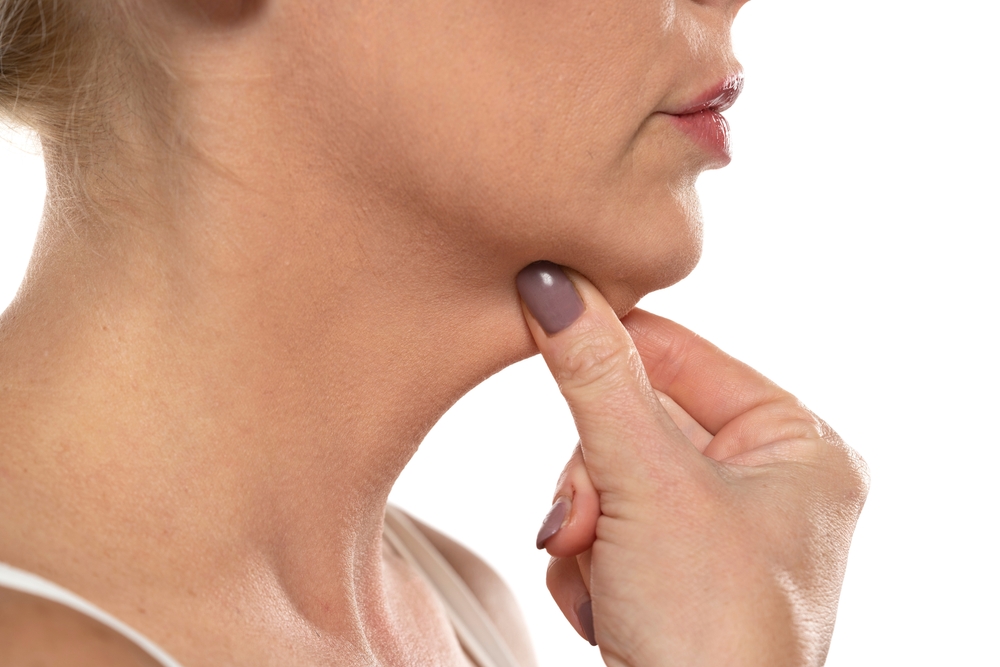
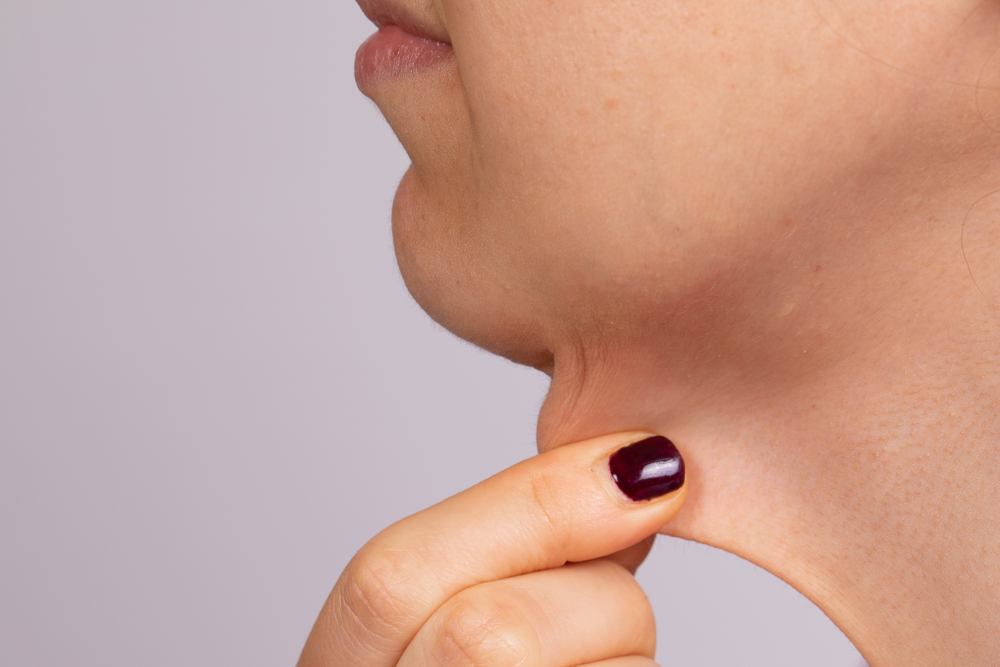
Turkey neck refers to the visible aging changes in the lower face and neck region characterized by neck skin laxity, platysmal banding, submental fat accumulation, and progressive loss of jawline definition. These changes create an aged, heavy appearance that often contradicts a youthful facial aesthetic. The term describes the resemblance of an aging neck to the loose, drooping skin found on a turkey’s neck, capturing the visual impact of accumulated tissue descent and skin redundancy. Medically, this condition represents a constellation of anatomical changes rather than a single isolated problem, requiring comprehensive assessment to determine the most effective treatment approach.
Common Signs and Symptoms
Patients typically notice sagging neck skin that hangs loosely beneath the jaw, horizontal neck lines and wrinkles, a double chin appearance from fat accumulation, and hanging tissue that obscures the natural cervicomental angle. These features collectively contribute to an older, tired appearance that can make individuals self-conscious about their profile and frontal view. Horizontal neck rings, sometimes called Venus rings, become increasingly prominent with age and are often accompanied by vertical platysmal bands that become visible during facial animation or even at rest. The accumulation of submental fat creates fullness beneath the chin, while skin laxity allows the entire neck contour to descend, eliminating the sharp transition between jaw and neck that characterizes youthful anatomy.
Why the Neck Ages Faster Than the Face
The cervical region ages prematurely due to thin skin structure with fewer sebaceous glands, reduced collagenA structural protein found in the skin and other connective tissues, which is responsible for skin firmness and elasticity.... and elastinElastin A protein in connective tissue that allows tissues to resume their shape after stretching or contracting, contributing to skin... production, constant movement from speaking and head turning, and cumulative sun exposure. Unlike the face, the neck receives less attention in skincare routines, accelerating deterioration. The skin covering the neck is naturally thinner than facial skin and contains fewer oil-producing glands, making it more susceptible to dryness and creasing. Additionally, the platysma muscle lacks the robust fibrous attachments found in facial muscles, allowing it to separate and descend more readily with age. Constant motion from daily activities combined with frequent neglect of sunscreen application to the neck creates an environment where photodamage and mechanical stress accumulate rapidly.
What Causes Turkey Neck?
Natural Aging Process
Intrinsic aging causes progressive loss of skin elasticity, gravitational effects on soft tissues, and platysma muscle separation. The platysma, a broad sheet-like muscle extending from the chest to the jaw, weakens and separates centrally with age, creating visible vertical bands. As collagen and elastin fibers degrade over time, the skin loses its ability to snap back after stretching. Gravity continuously pulls on unsupported tissues, causing them to descend toward the lower neck. The platysma muscle, which functions as a single sheet in youth, develops separation along its midline edges, allowing the underlying fat and salivary glands to protrude while the muscle edges themselves become visible as prominent cords.
Genetic Predisposition
Inherited skin quality significantly influences how the neck ages. Some individuals naturally possess thinner skin or weaker connective tissue support. Jawline structure and submental fat distribution patterns are also genetically determined, affecting susceptibility to turkey neck development. Patients whose parents developed early neck aging often notice similar patterns in their own aging process. Genetic factors determine the density of collagen cross-linking, the thickness of the dermis, and the inherent strength of the superficial musculoaponeurotic system that supports facial and neck tissues. Those born with recessed chins or less defined jawlines may find that even modest aging changes in the neck create disproportionately aged appearances.
Weight Fluctuations and Massive Weight Loss
Significant weight reduction, whether through diet, exercise, or bariatric surgery, often leaves excess loose skin in the neck region. Reduced tissue support following fat volume loss results in deflated, sagging skin that fails to retract naturally. When substantial fat deposits that previously stretched the skin disappear, the skin envelope lacks the elasticity to conform to the reduced underlying volume. This phenomenon is particularly common in patients who have lost fifty pounds or more, where the neck skin hangs in folds and the underlying platysma muscle remains stretched and separated. The combination of volume loss and skin excess creates some of the most challenging cases of turkey neck, often requiring comprehensive surgical intervention.
Lifestyle and Environmental Factors
Smoking degrades collagen and impairs wound healing. Chronic UV exposure accelerates photoaging. Poor skincare habits neglect neck protection. Modern “tech neck” from prolonged device use creates repetitive downward gaze posture, contributing to horizontal crease formation and muscle strain. Tobacco smoke introduces thousands of chemicals that break down collagen and elastin while reducing blood flow to the skin. Ultraviolet radiation penetrates the thinner neck skin more effectively, destroying the extracellular matrix. The contemporary habit of looking down at smartphones and tablets for hours daily places the neck in a flexed position, causing early crease formation and potentially accelerating tissue descent through chronic gravitational stress in a suboptimal position.
Anatomy of the Aging Neck
The Role of the Platysma Muscle
The platysma functions as a muscle of facial expression while providing structural support to the neck. With aging, the medial platysmal edges separate and descend, forming prominent vertical bands. Surgical correction requires platysmaplasty, suturing these muscle edges together to restore a smooth, continuous muscular sheet. This broad, thin muscle originates from the fascia over the pectoralis major and deltoid muscles and ascends to attach to the mandible and skin of the lower face. In youth, the two sides of the platysma meet in the midline and provide a continuous muscular foundation that supports the overlying skin and fat. As aging progresses, the medial edges separate and the muscle loses tone, allowing the submental contents to bulge forward while the muscle edges become visible as unsightly cords.
Cervicomental Angle and Jawline Definition
A youthful neck demonstrates a sharp cervicomental angle between the chin and neck. Aging obliterates this angle through skin laxity, fat accumulation, and muscle descent. Restoring this angle remains the primary objective of neck rejuvenation surgery. The ideal cervicomental angle measures between 105 and 120 degrees, creating a distinct transition from the chin to the neck shadow. When this angle becomes obtuse and blunted by descending tissues, the entire lower face appears heavier and older. Surgeons evaluate this angle carefully during consultation, as its restoration requires precise manipulation of skin, fat, and muscle layers to recreate the natural concavity beneath the chin.
Skin, Fat, and Deep Tissue Changes
Aging affects multiple tissue layers simultaneously: subcutaneous fat accumulates or redistributes, skin becomes redundant and loses elasticity, and deep structural laxity allows tissue descent. Effective treatment must address these layered changes rather than focusing on isolated concerns. The neck contains superficial fat beneath the skin, subplatysmal fat deep to the muscle, and the submandibular salivary glands, all of which can contribute to neck fullness when they descend or enlarge. Skin redundancy manifests as horizontal folds and vertical gathering, while deep tissue laxity involves the platysma and underlying retaining ligaments. Successful rejuvenation requires the surgeon to diagnose which layers are pathologic and tailor the surgical approach accordingly.
Who Is a Good Candidate for Turkey Neck Surgery?
Ideal Surgical Candidates
Optimal candidates exhibit moderate to severe neck laxity with visible muscle banding, persistent submental fat creating a double chin, and realistic expectations about surgical outcomes. Patients should seek improvement rather than perfection. The best candidates are individuals who have noticed progressive neck aging that no longer responds to non-invasive treatments and who feel that their neck appearance does not match their facial vitality or self-image. These patients understand that surgery can turn back the clock significantly but cannot stop the aging process entirely. They approach consultation with specific concerns and open minds about the recommended surgical plan.
Age Considerations
While neck lift patients typically range from their 40s to 70s, chronological age matters less than biological condition. Early intervention in the 40s may prevent advanced changes, while patients in their 60s and 70s can achieve dramatic rejuvenation if medically healthy. Younger patients often benefit from limited-incision techniques or deep neck lifts that address structural issues before skin excess becomes severe. Older patients may require more comprehensive skin redraping but can achieve equally impressive results. The key factor is not the number of years lived but the quality of skin, the extent of anatomical changes, and the absence of medical conditions that would increase surgical risk.
Health and Lifestyle Requirements
Candidates should maintain stable body weight, as future fluctuations compromise results. Non-smoker status is essential for proper healing. Overall health must permit anesthesiaEnsuring Comfort During Hair Transplants Sedation is used in hair transplantation to help patients remain calm and comfortable throughout the... and surgery, with controlled medical conditions. Patients with uncontrolled hypertension, bleeding disorders, or active autoimmune conditions may need medical optimization before proceeding. Smoking cessation for at least four weeks before and after surgery is non-negotiable because nicotine constricts blood vessels and impairs the oxygen delivery necessary for wound healing. Similarly, patients taking blood-thinning medications may need to adjust their regimens under medical supervision to prevent hematomaHematoma: A localized collection of blood outside the blood vessels, often causing swelling and discoloration, which can occur as a... formation.
When Non-Surgical Treatments May Be More Appropriate
Patients with mild laxity, minimal muscle banding, or medical contraindications to surgery may benefit from non-invasive modalities. Younger patients seeking prevention rather than correction also represent ideal candidates for conservative approaches. Those with only slight skin looseness or early platysmal banding often achieve satisfactory improvement through energy-based devices or injectables. Patients who cannot take time away from work for surgical recovery, or those with medical conditions that preclude anesthesia, find that non-surgical options provide meaningful if temporary enhancement. Additionally, individuals who are not psychologically ready for surgery may use non-invasive treatments as a bridge while planning future surgical intervention.
Plastic Surgery Options to Fix Turkey Neck
Neck Lift Surgery (Platysmaplasty)
What Is a Neck Lift?
Neck lift surgery comprehensively addresses turkey neck by tightening neck muscles through platysmaplasty, removing excess skin and fat, and restoring an elegant neck contour. This procedure remains the gold standard for significant cervical aging. Unlike isolated treatments that target only one aspect of neck aging, the neck lift approaches the problem holistically by repositioning the platysma, sculpting fat deposits, and redraping the skin envelope. The procedure can be performed alone or as part of a more comprehensive facial rejuvenation strategy. It addresses the fundamental anatomical changes that create turkey neck, making it the most powerful and long-lasting solution available.
Surgical Techniques
Traditional neck lift employs incisions behind the ears and under the chin for comprehensive access. Limited-incision techniques use smaller incisions for milder cases. Deep neck lift approaches address subplatysmal structures for advanced rejuvenation. The traditional approach allows the surgeon full visualization of the platysma for midline plication, fat removal, and skin redraping. Limited-incision techniques work well for patients with good skin elasticity and isolated muscle banding, using only a submental incision or minimal postauricular extensions. Deep neck lifts represent the most advanced technique, accessing the space beneath the platysma to contour deeper fat, reduce digastric muscles, and manage descended salivary glands.
Incision Placement and Scar Concealment
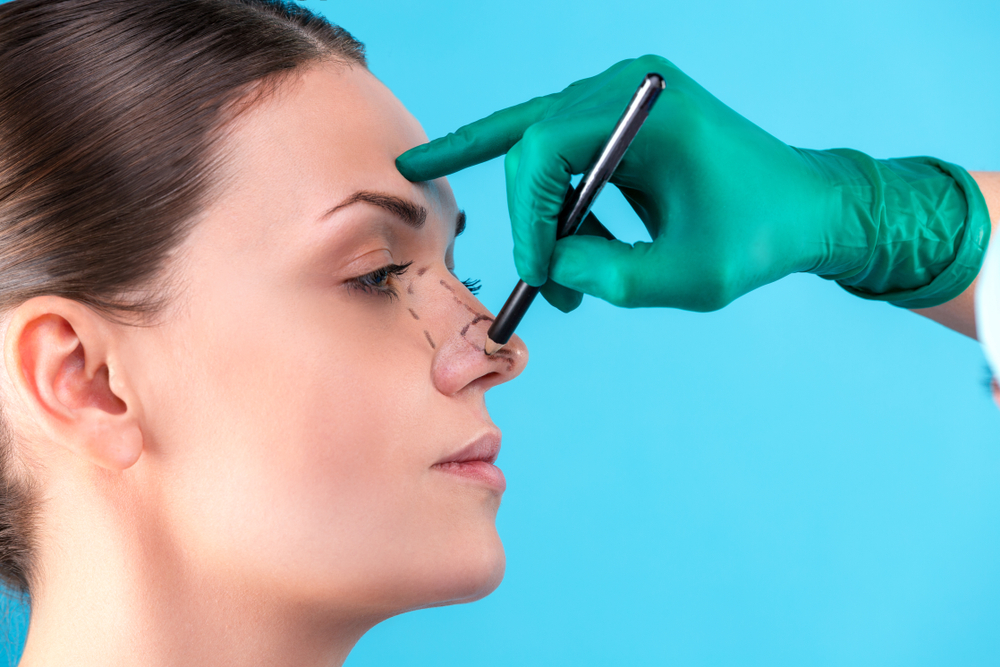
Surgeons strategically place incisions behind the ears within natural creases, under the chin in a hidden submental location, or along hairline borders. These placements ensure scars remain virtually invisible after healing. Postauricular incisions follow the natural curve where the ear meets the scalp, while preauricular extensions can be hidden along the tragus if necessary. The submental incision is placed in the natural crease beneath the chin, where even close inspection rarely reveals its presence. Hairline incisions allow access to the lateral neck while keeping scars within the temporal hair tuft. Meticulous closure technique and attention to tension-free skin approximation further optimize scar camouflage.
Benefits of Platysmaplasty
Patients achieve a sharper, more defined jawline, smoother neck profile without banding, and long-lasting rejuvenation that typically endures 10-15 years before natural aging resumes. The procedure not only removes excess tissue but also reestablishes the muscular foundation of the neck, preventing recurrence of the banding that creates the turkey neck appearance. Because the deep structural support is restored, the overlying skin ages more gracefully than it would have without intervention. The improvement in profile and frontal view often makes patients look significantly younger and healthier, with results that appear entirely natural rather than pulled or artificial.
Cervicoplasty
Excess Skin Removal Technique
Cervicoplasty specifically targets redundant skin through surgical excision and tissue redraping. This technique proves essential when skin excess represents the primary concern rather than muscle or fat pathology. During cervicoplasty, the surgeon carefully measures and removes the precise amount of loose skin necessary to create smooth contours without over-tightening. The remaining skin is then redraped in a superior and posterior vector to restore natural neck lines. This procedure requires artistic judgment to remove enough skin to achieve improvement while preserving natural mobility and avoiding the windswept appearance that results from excessive tension.
When Cervicoplasty Is Recommended
Severe loose skin following massive weight loss or advanced aging responds best to cervicoplasty. Patients with good muscle tone but excessive skin represent ideal candidates. Individuals who have undergone bariatric surgery and lost substantial weight often present with neck skin that hangs in folds, obscuring any underlying muscle definition. Similarly, patients in their late 60s and 70s who have developed significant skin redundancy but relatively preserved platysma function benefit from skin-focused correction. Cervicoplasty also serves patients who have previously undergone liposuction alone and found that fat removal revealed loose skin that now requires excision.
Combination With Other Procedures
Cervicoplasty frequently combines with platysmaplasty and liposuction for comprehensive results. Isolated cervicoplasty rarely addresses all aging components adequately. When performed with platysmaplasty, the skin removal enhances the muscle tightening by eliminating the redundant envelope that would otherwise bunch or fold. Adding liposuction allows fat contouring beneath the chin before skin redraping. In comprehensive facial rejuvenation, cervicoplasty accompanies facelift procedures to ensure that the neck and face rejuvenate harmoniously rather than creating a mismatch between a youthful face and an aged neck.
Liposuction for Turkey Neck
Submental Liposuction
Liposuction removes localized fat deposits beneath the chin through small cannula insertion. This technique effectively reduces double chin fullness and enhances neck contour when skin elasticity remains adequate. Using tiny incisions hidden beneath the chin or behind the ears, the surgeon infiltrates tumescent solution and then carefully aspirates excess fat to sculpt a more defined submental region. The procedure works best for younger patients whose skin retains enough elasticity to contract smoothly over the reduced volume. It is not a weight loss procedure but rather a contouring technique that addresses genetically determined fat pockets resistant to diet and exercise.
Radiofrequency-Assisted Liposuction
RFAL technologies like FaceTite deliver radiofrequency energy during fat removal, simultaneously melting fat and tightening skin through collagen contraction. This dual action improves outcomes in borderline skin laxity cases. The radiofrequency energy heats the deep and superficial tissues, causing immediate collagen contraction and initiating long-term neocollagenesis. This means that patients who might have been poor candidates for traditional liposuction due to mild skin looseness can now achieve satisfactory results without needing excisional surgery. The thermal effect also helps coagulate blood vessels, reducing bruising and swelling compared to conventional liposuction.
Limitations of Liposuction Alone
Liposuction cannot address muscle banding or significant skin excess. Poor skin elasticity results in worsened sagging post-procedure. Muscle laxity requires surgical tightening rather than fat removal alone. Patients with prominent platysmal bands or severe skin redundancy who undergo liposuction alone may find their neck looks fuller or more irregular afterward because the underlying support remains uncorrected. Liposuction is fundamentally a volume-reduction procedure, and while it can enhance contour in appropriately selected patients, it cannot replicate the comprehensive rejuvenation achieved by addressing all tissue layers.
Deep Neck Lift Surgery
Advanced Structural Neck Rejuvenation
Deep neck lift addresses subplatysmal fat reduction, digastric muscle contouring, and submandibular gland management. This advanced technique restructures deep anatomy rather than merely tightening superficial tissues. By accessing the plane beneath the platysma muscle, the surgeon can remove deep fat that contributes to neck fullness, reduce the anterior bellies of the digastric muscles that create bulk, and address descended or enlarged submandibular glands that protrude below the jawline. This approach treats the root causes of neck heaviness rather than simply masking them with skin tightening.
Differences Between Standard and Deep Neck Lift
Standard neck lift focuses on skin and platysma tightening. Deep neck lift additionally contours deeper fat pads, reduces prominent digastric muscles, and repositions descended salivary glands for comprehensive transformation. While standard techniques improve the neck by tightening what exists, deep neck lift actively sculpts the underlying architecture. The standard approach suits patients with good bone structure and primarily superficial aging, whereas deep neck lift is designed for patients with thick necks, prominent submandibular glands, or significant deep fat accumulation that prevents achieving a refined contour through superficial methods alone.
Ideal Candidates for Deep Neck Lift
Younger patients with good skin elasticity but deep structural fullness benefit most. Those with prominent submandibular glands or thick necks from deep fat achieve superior results compared to superficial techniques. The ideal candidate has a relatively tight skin envelope but feels their neck looks heavy or lacks definition due to deeper structures. Patients with strong jawlines and minimal skin excess but persistent neck fullness are perfect candidates because their skin will contract beautifully once the deep volume is reduced. This technique is increasingly popular among younger patients seeking dramatic contour improvement without the extensive skin excision required in older populations.
Combining Turkey Neck Surgery With Other Procedures
Facelift and Neck Lift Combination
Combining facelift with neck lift provides comprehensive facial rejuvenation. This approach harmonizes lower face and neck contours, addressing jowls, nasolabial foldsNasolabial folds: The deep creases running from each side of the nose to the corners of the mouth, commonly known..., and cervical aging simultaneously for unified, natural results. The lower face and neck age together, and treating one without the other can create a visible disconnect where the jawline looks rejuvenated but the cheeks and jowls remain aged. By lifting the superficial musculoaponeurotic system of the face and platysma of the neck as a continuous unit, the surgeon restores a smooth, unbroken contour from the cheekbone to the clavicle. This combination is the most common approach for patients seeking full facial rejuvenation.
Chin Augmentation
Chin implants improve jaw projection and enhance neck definition. A recessed chin exacerbates neck fullness; augmentation creates the illusion of a longer, more elegant neck while supporting improved cervicomental angle. By placing a precisely sized implant along the anterior mandible, the surgeon can bring a weak chin into proper proportion with the nose and forehead. This projection stretches the submental tissues slightly and provides a bony framework that supports the neck tissues more effectively. The combination of chin augmentation with neck lift is particularly powerful for patients whose neck aging is compounded by skeletal deficiency.
Eyelid Surgery and Facial Fat Transfer
Full-face anti-aging strategies incorporate blepharoplasty for eye rejuvenation and facial fat transfer for volume restoration. These complementary procedures ensure balanced, proportional rejuvenation rather than isolated neck improvement. Upper and lower eyelid surgery removes excess skin and fat bags that create a tired appearance, while facial fat transfer restores volume to the cheeks, temples, and nasolabial folds that deflate with age. When combined with neck lift, these procedures prevent the phenomenon where one area looks dramatically younger while adjacent areas betray age. The result is a cohesive, refreshed appearance that looks authentic rather than surgically segmented.
Non-Surgical Treatments for Turkey Neck
Kybella and Injectable Fat Dissolvers
Kybella contains deoxycholic acid, which permanently destroys submental fat cells through injection. Best candidates possess mild to moderate fat accumulation with good skin tone. Multiple sessions are required, and results develop gradually over weeks. During each session, the provider injects the solution into the fat pad beneath the chin, where it disrupts fat cell membranes. The body then naturally clears the destroyed cells over the following month. Because deoxycholic acid is a bile acid that permanently eliminates treated fat cells, results are lasting provided the patient maintains stable weight. However, Kybella cannot tighten skin or address muscle banding, limiting its utility for comprehensive neck rejuvenation.
Botox for Platysmal Bands
Botulinum toxin injections relax hyperactive platysmal bands, reducing their prominence. This temporary improvement lasts 3-4 months and suits patients with isolated banding rather than skin laxity. By injecting small amounts of Botox along the visible platysmal edges, the provider weakens the muscle’s ability to contract and stand out as cords. The procedure takes minutes and requires no downtime, making it popular among busy professionals. However, because Botox does not address skin excess or fat accumulation, it works best as a maintenance treatment or for younger patients whose primary concern is early banding without significant tissue descent.
Radiofrequency and Ultrasound Skin Tightening
Devices utilizing radiofrequency or microfocused ultrasound stimulate collagen production and contract existing fibers. These modalities effectively treat mild to moderate laxity but cannot replicate surgical results for advanced cases. Radiofrequency devices heat the dermis to temperatures that cause collagen denaturation and subsequent remodeling, gradually tightening the skin over several months. Ultrasound-based systems like Ultherapy target deeper tissue planes to lift and tighten without incisions. While these technologies offer genuine improvement for appropriate candidates, they produce subtle changes compared to surgery and work best for patients seeking prevention or mild enhancement rather than dramatic transformation.
Dermal Fillers and Biostimulators
Strategic filler placement along the jawline and chin creates structural support that improves neck appearance indirectly. Biostimulators like Sculptra enhance skin quality over time through neocollagenesis. By augmenting the jawline with hyaluronic acid or calcium hydroxylapatite fillers, providers can create the illusion of a more defined neck contour through enhanced skeletal support. Sculptra, injected superficially, stimulates the skin to produce new collagen, improving texture and slight laxity over a series of treatments. These approaches are best viewed as adjunctive or preventive measures rather than primary treatments for established turkey neck.
Surgical vs Non-Surgical Results Comparison
Non-surgical options offer minimal downtime and lower initial cost but provide modest, temporary improvements. Surgery delivers dramatic, long-lasting transformation with appropriate recovery investment. Patient selection determines optimal pathway. Non-surgical treatments excel at addressing single components of neck aging, fat, muscle, or skin, but cannot comprehensively correct multi-layer deterioration. Surgery requires greater commitment in terms of recovery and expense but produces definitive structural changes that non-invasive modalities cannot achieve. The decision ultimately depends on the severity of aging changes, the patient’s tolerance for downtime, and their long-term aesthetic goals.
What Happens During Turkey Neck Surgery?
Preoperative Consultation and Evaluation
Comprehensive evaluation includes facial and neck analysis, skin elasticity assessment using pinch tests, and detailed medical history review. Surgeons photograph standard views and discuss realistic expectations, potential risks, and customized surgical plans. During consultation, the surgeon examines the neck in various positions, palpates the platysma to assess banding and separation, and evaluates the cervicomental angle. They assess skin thickness, elasticity, and sun damage while discussing the patient’s specific concerns and desired outcomes. This thorough evaluation allows the surgeon to recommend the precise combination of techniques needed for optimal results.
Anesthesia Options
Neck lift surgery typically employs local anesthesia with intravenous sedation for limited procedures. General anesthesia ensures comfort and safety during extensive or combined operations. Anesthesia choice depends on procedure complexity and patient preference. Local anesthesia with sedation allows the patient to remain comfortable while avoiding the deeper recovery associated with general anesthesia, making it suitable for isolated neck lifts or liposuction. General anesthesia becomes preferable when combining neck lift with facelift, eyelid surgery, or other procedures, as it provides airway protection and complete comfort during longer operations. The anesthesia plan is always tailored to the individual’s health status and procedural requirements.
Step-by-Step Surgical Procedure
After anesthesia administration, surgeons create carefully planned incisions. Submental liposuction removes excess fat when indicated. Platysmaplasty tightens the muscle layer through buried sutures. Skin is redraped without tension, and incisions are meticulously closed. The sequence typically begins with infiltration of tumescent solution for hemostasis, followed by fat removal through liposuction. The surgeon then opens the platysma in the midline, sutures the medial edges together to eliminate banding, and may perform lateral platysmal suspension to the mastoid fascia. Finally, the skin is redraped in a posterosuperior vector, excess skin is excised, and incisions are closed in layers to minimize tension on the skin edges.
Procedure Duration and Surgical Setting
Isolated neck lift requires 2-3 hours in an accredited surgical facility or hospital outpatient setting. Combined procedures extend operative time accordingly. Patients return home the same day with appropriate postoperative support. The surgical facility must meet accreditation standards for patient safety, anesthesia administration, and emergency preparedness. After surgery, patients recover in a monitored setting until they meet discharge criteria. They must arrange for a responsible adult to transport them home and remain with them during the first night, as the effects of anesthesia and the surgical dressings require assistance.
Recovery After Neck Lift Surgery
Immediate Postoperative Period
Patients experience swelling, bruising, and mild discomfort controlled with prescribed medication. Compression garments reduce edema and support healing contours. Small drains may prevent fluid accumulation for 24-48 hours. The neck feels tight and swollen immediately after surgery, which is normal and expected. Cold compresses and head elevation help minimize swelling during the first 48 hours. The compression garment, worn continuously except during hygiene, provides gentle pressure that helps the skin adhere to the new underlying contour while reducing the risk of fluid collections.
Recovery Timeline
First week requires rest with head elevation. Most patients return to work within 10-14 days. Social activities resume around 2-3 weeks. Exercise restrictions apply for 4-6 weeks to prevent bleeding and ensure proper healing. During the first week, patients should avoid turning their head abruptly or looking down excessively. Sutures are typically removed around one week postoperatively. By the second week, bruising fades significantly, and many patients feel comfortable returning to professional and social obligations. Light walking is encouraged early, but strenuous activity, heavy lifting, and vigorous exercise must be avoided until the surgeon confirms adequate healing.
Scar Healing and Aftercare
Scar management strategies include silicone gel application, massage after initial healing, and strict sun protection. Incisions typically fade significantly within 6-12 months, becoming nearly imperceptible in most patients. Silicone sheets or gels create a protective environment that optimizes collagen remodeling in the incision line. Gentle massage beginning after suture removal helps soften scars and prevent adhesions. Sun protection is critical because ultraviolet radiation can darken scars, making them more visible. Patients are advised to apply broad-spectrum sunscreen to the neck and avoid direct sun exposure to incision lines for at least six months.
Long-Term Maintenance Tips
Maintaining stable weight, consistent sun protection, quality skincare extending to the neck, and smoking avoidance preserve surgical results. Some patients benefit from periodic non-surgical touch-ups to prolong rejuvenation. A comprehensive skincare regimen including retinoids, antioxidants, and moisturizers should extend to the neck and décolletage. Weight stability prevents fat volume fluctuations that could distort the surgical contour. Patients who maintain healthy habits find their results persist longer and age more gracefully than those who return to destructive behaviors.
Risks and Complications of Turkey Neck Surgery
Common Side Effects
Bruising and swelling resolve within 2-3 weeks. Temporary numbness around incision sites gradually improves over months. These expected effects require patience rather than concern. Some patients experience tightness when swallowing or speaking during the first week due to platysmal tightening, which resolves as tissues adapt. Minor asymmetry in swelling is common initially and typically equalizes during recovery.
Surgical Risks
Potential complications include infection, hematoma requiring drainage, nerve injury affecting muscle movement or sensation, and poor wound healing. Rare complications demand prompt medical attention and possible revision. Hematoma is the most common significant complication, usually occurring within the first 24 hours and requiring surgical evacuation to prevent skin compromise. Nerve injury, while uncommon, can affect the great auricular nerve or marginal mandibular branch of the facial nerve, causing temporary or rarely permanent sensory or motor changes. Meticulous surgical technique and careful postoperative monitoring minimize these risks.
How to Reduce Complication Risks
Selecting a board-certified plastic surgeon with extensive neck lift experience significantly reduces risks. Strict adherence to postoperative instructions regarding activity restrictions, medication compliance, and wound care optimizes outcomes. Patients should disclose their complete medical history, including all medications and supplements, as some substances increase bleeding risk. Following preoperative preparation guidelines, including smoking cessation and avoidance of blood-thinning agents, creates the optimal physiological environment for healing. Postoperative compliance with garment use, activity limitations, and wound care protocols cannot be overstated in importance.
Turkey Neck Before and After Results
Expected Improvements
Successful surgery produces a smoother neckline without hanging skin, better jaw definition creating facial framing, and an overall more youthful, refreshed appearance that aligns with the patient’s facial features. The profile view shows elimination of the double chin and restoration of the cervicomental angle, while the frontal view reveals a more defined jawline and absence of vertical bands. Patients frequently report that clothing fits better, they feel more confident in photographs, and their appearance matches their energy level and self-perception.
Timeline for Final Results
Initial swelling obscures results for several weeks. Progressive contour refinement occurs over 3-6 months as residual edema resolves and tissues settle into their final position. Patience during recovery yields optimal appreciation of improvement. While patients notice immediate changes after dressings are removed, the neck actually looks better at three months than at three weeks, and better still at six months. Scar fading continues for a full year, meaning the final aesthetic result evolves gradually. Understanding this timeline helps patients maintain realistic expectations during recovery.
How Long Do Neck Lift Results Last?
Results typically endure 10-15 years depending on skin quality, genetics, and lifestyle. While aging continues, patients maintain significant improvement compared to their preoperative state. Secondary procedures may refresh results after this interval. The aging process does not stop, but the clock is effectively reset. A patient who looks ten years younger after surgery will continue to age from that improved baseline. Many patients never require a second neck lift, while others choose maintenance procedures to address ongoing aging after a decade or more.
Cost of Turkey Neck Plastic Surgery
Factors Affecting Neck Lift Cost
Pricing reflects surgical complexity, surgeon expertise and reputation, facility fees, anesthesia costs, and geographic location. Comprehensive neck lifts command higher fees than isolated liposuction or limited procedures. Revision surgeries or deep neck lifts requiring advanced technical expertise may carry premium pricing. The cost encompasses not merely the operative time but the surgeon’s training, the safety standards of the facility, and the comprehensive care provided throughout the surgical journey.
Neck Lift Cost vs Non-Surgical Treatments
While non-surgical options require lower initial investment, multiple maintenance sessions accumulate substantial long-term costs. Surgery provides definitive improvement with predictable one-time expense. A patient undergoing annual or biannual non-surgical treatments for a decade may ultimately spend as much or more than a single surgical procedure while achieving less dramatic results. Surgery should be viewed as an investment in long-lasting transformation rather than a recurring expense.
Why Many Patients Choose Turkey for Neck Surgery
Turkey offers experienced plastic surgeons, modern medical tourism infrastructure, and significant cost-effectiveness compared to Western countries. International patients combine high-quality surgical care with recovery in a culturally rich destination. Turkish plastic surgeons perform high volumes of aesthetic procedures, developing extensive expertise in neck rejuvenation techniques. Accredited facilities meet international standards while offering comprehensive packages that include accommodation and transportation. The cost savings, often 50-70% compared to North American or European pricing, make comprehensive surgical rejuvenation accessible to a broader range of patients.
How to Choose the Right Plastic Surgeon
Importance of Board Certification
Board certification ensures rigorous training, examination, and adherence to safety standards. Verify credentials through official medical boards rather than relying solely on clinic marketing materials. Certification by recognized boards indicates that the surgeon has completed accredited residency training, passed comprehensive examinations, and maintains continuing education requirements. It provides assurance that the practitioner possesses the knowledge and technical skills necessary to perform complex neck surgery safely.
Evaluating Before-and-After Photos
Review consistent, standardized photographs of patients with similar aging patterns. Look for natural results, improved but not overdone contours, and well-healed incision placements. Pay attention to lighting consistency, patient positioning, and the presence of multiple views. Results should appear harmonious with the patient’s overall facial structure rather than artificially tight or windswept. The best surgeons demonstrate a range of patient ages and anatomies, proving their ability to customize approaches.
Questions to Ask During Consultation
Inquire about surgical approach specifics, recovery protocols, complication rates, revision policies, and realistic expectations for your specific anatomy. A thorough surgeon welcomes detailed questions. Ask how many neck lifts they perform annually, what techniques they recommend for your particular concerns, and how they handle complications should they arise. Understanding their approach to anesthesia, facility accreditation, and follow-up care reveals their commitment to patient safety.
Red Flags to Avoid
Avoid practitioners lacking verifiable credentials, facilities without accreditation, pressure tactics, guaranteed results, or significantly below-market pricing that suggests compromised safety or experience. Be wary of consultations that feel rushed, providers who dismiss your concerns, or anyone promising results that seem too good to be true. Quality plastic surgery requires time, expertise, and appropriate resources, bargain pricing often reflects shortcuts in one or more of these areas.
Frequently Asked Questions About Turkey Neck Surgery
Is a Neck Lift Permanent?
Neck lift permanently removes excess skin and fat while repositioning muscles. However, natural aging continues. Results represent lasting improvement rather than absolute permanence. The tissues removed do not regenerate, and the muscular repair provides durable structural support. Patients will always look better than they would have without surgery, even as they continue to age.
What Is the Best Age for Neck Lift Surgery?
No universal ideal age exists. Patients in their 40s through 70s achieve excellent results when exhibiting appropriate aging changes and good health. Biological condition supersedes chronological age. The best age is when the aging changes bother you enough to justify surgery and when your health status supports safe operative intervention.
Does Neck Lift Surgery Leave Visible Scars?
Strategic incision placement in natural creases and hairline boundaries renders scars virtually invisible after healing. Proper scar management further minimizes visibility. Most patients find that once fully healed, their scars are difficult to locate even when specifically looking for them.
Can Men Benefit From Turkey Neck Surgery?
Male neck lift addresses similar concerns while preserving masculine features like Adam’s apple prominence and beard patterns. Growing numbers of men seek cervical rejuvenation with excellent outcomes. Surgeons modify techniques for male patients to avoid feminization and respect the distinct aesthetic goals of male facial rejuvenation.
Is Non-Surgical Neck Tightening Effective?
Non-surgical modalities provide meaningful improvement for mild cases and maintenance after surgery. Advanced aging with significant skin excess requires surgical intervention for satisfactory correction. These treatments serve important roles in the spectrum of neck rejuvenation but cannot replicate the structural changes achieved through surgery.
How Painful Is Neck Lift Recovery?
Most patients describe tightness and pressure rather than severe pain. Prescription medication effectively manages discomfort during the first week, transitioning to over-the-counter options thereafter. The sensation of tightness actually reassures many patients that the structural support has been restored.
Conclusion
Key Takeaways
Turkey neck results from complex aging changes involving skin, fat, and muscle layers. Neck lift surgery remains the gold standard for significant laxity, delivering comprehensive, long-lasting rejuvenation. Minimally invasive options serve early-stage neck aging and maintenance purposes. Personalized treatment planning based on thorough anatomical assessment ensures optimal, natural-appearing outcomes. Understanding the multi-factorial nature of neck aging empowers patients to seek appropriate interventions at the right time in their aging journey.
Final Thoughts on Achieving a Youthful Neck Contour
Successful neck rejuvenation requires realistic expectations, appropriate procedure selection, and commitment to healthy lifestyle habits. Whether choosing surgical transformation or conservative enhancement, consulting an experienced, board-certified plastic surgeon represents the essential first step toward restoring a graceful, youthful neck contour that harmonizes beautifully with your overall appearance. The investment in neck rejuvenation pays dividends not only in aesthetic improvement but in renewed confidence and the ability to present yourself to the world with pride at any age.