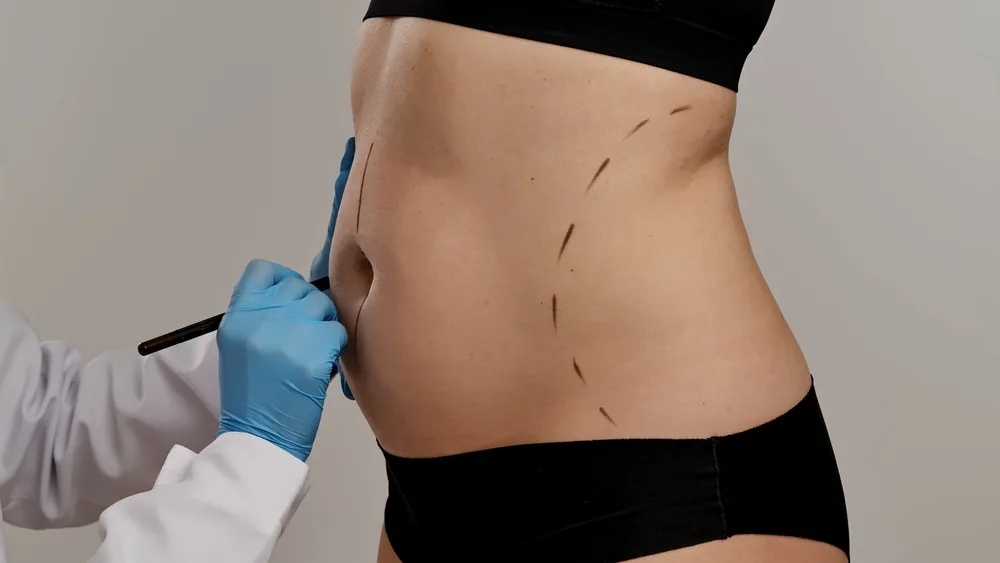
What Is a Mommy Makeover in Turkey?
A mommy makeover in Turkey combines tummy tuck and breast surgery into one personalized treatment plan. This approach helps women restore their pre-pregnancy body shape through safe, modern surgical techniques.
Pregnancy changes the body in significant ways. Many women notice loose skin around the abdomen, reduced breast volume, and stubborn fat deposits that diet and exercise cannot fix. A mommy makeover addresses these concerns simultaneously. Surgeons in Turkey perform this combination procedure frequently. They use advanced methods to tighten abdominal muscles, remove excess skin, and reshape the breasts. The goal is not perfection. The goal is restoration. Women want to feel comfortable in their bodies again. Turkey has become a leading destination for this surgery because experienced surgeons offer high-quality care at accessible prices. International patients receive comprehensive support from consultation through recovery. The procedure combines abdominoplasty with breast lift, breast augmentation, or breast reduction depending on individual needs. This customized approach ensures each patient receives the specific combination that matches her body goals.
What Does a Mommy Makeover Mean?
A mommy makeover means a customized combination surgery that restores post-pregnancy body shape through coordinated aesthetic procedures.
This term describes a personalized surgical plan rather than a single fixed operation. Each mommy makeover adapts to the patient. Some women need a tummy tuck with breast lift. Others need abdominoplasty with breast augmentation. A few require all three procedures plus liposuction. The core concept remains constant. Surgeons combine multiple body contouring procedures into one surgical session. This strategy reduces overall recovery time. It also creates harmonious results. Matarasso and Smith (2015) explain that postpartum body contouring addresses multiple body areas affected by pregnancy. The procedures enhance the patient's overall appearance when surgeons select appropriate candidates. The definition centers on customization. No two mommy makeovers look exactly alike. The surgeon evaluates each woman's specific concerns. Then the surgical team designs a plan that addresses the abdomen, breasts, and other affected areas. This individualized approach distinguishes mommy makeover surgery from standalone cosmetic procedures.
Why Do Women Choose Mommy Makeover Surgery After Pregnancy?
Women choose mommy makeover surgery after pregnancy because physical changes such as breast volume loss, breast ptosis, loose abdominal skin, diastasis recti, and localized fat deposits persist despite diet and exercise.
Pregnancy stretches the abdominal wall. The rectus abdominis muscles separate in many women. This condition is called diastasis recti. Exercise alone rarely closes this gap. The skin also loses elasticity. Stretch marks appear. Excess skin hangs over the lower abdomen. Meanwhile, hormonal changes affect breast tissue. Breasts swell during pregnancy and breastfeeding. After weaning, volume decreases. The skin envelope becomes loose. The nipples descend below their original position. This drooping is called ptosis. Localized fat accumulates in the flanks, hips, and thighs. These changes are normal. They are also persistent. Many women work hard to regain their shape. They eat nutritious foods. They exercise regularly. Yet the structural damage from pregnancy remains. Mommy makeover surgery repairs these physical changes directly. It restores abdominal wall integrity. It reshapes breasts. It removes resistant fat. Women choose this path because they want results that match their efforts.
Why Is Turkey a Leading Destination for Mommy Makeover Surgery?
Turkey leads mommy makeover surgery because experienced plastic surgeons work in accredited hospitals using modern surgical technology at affordable prices while providing excellent international patient services.
Medical tourism in Turkey has grown substantially over the past decade. The country offers world-class healthcare infrastructure. Many hospitals hold international accreditation. Surgeons train extensively in body contouring procedures. They perform high volumes of abdominoplasty and breast surgery. This experience translates to better outcomes. Modern surgical technology supports precision. Advanced anesthesia techniques improve safety. Tettamanzi et al. (2025) demonstrate that combining abdominoplasty and breast procedures under tumescent local and spinal anesthesia provides effective pain management with minimal complications. Turkish medical facilities invest in state-of-the-art equipment. They maintain rigorous safety standards. International patients receive comprehensive packages. These packages often include airport transfers, accommodation, and translation services. The cost remains significantly lower than in the UK, USA, or Canada. Patients do not sacrifice quality for affordability. They receive expert care in modern facilities while paying reasonable fees. This value proposition makes Turkey a preferred destination for post-pregnancy body contouring.
Which Procedures Are Usually Combined During a Mommy Makeover?
Surgeons usually combine tummy tuck, breast lift, breast augmentation, breast reduction, and liposuction during a mommy makeover depending on individual patient needs.
What Is Included in a Standard Mommy Makeover?
A standard mommy makeover includes tummy tuck, breast surgery, and often liposuction to address the most common post-pregnancy concerns.
Each component serves a specific purpose. The tummy tuck removes excess abdominal skin and tightens muscles. Breast surgery restores volume and position. Liposuction sculpts surrounding areas. Shermak (2020) notes that abdominoplasty with combined surgery requires careful planning. Surgeons must consider operative time, blood loss, and patient safety. The standard combination varies by patient. Some women need breast lift alone. Others need lift with implants. A few need reduction. The surgeon selects procedures that create balance. The goal is proportional harmony between the torso and breasts.
How Does a Tummy Tuck Restore the Abdomen?
A tummy tuck restores the abdomen by removing excess skin, tightening muscles, repairing diastasis recti, and improving waist contour.
Abdominoplasty addresses the structural damage pregnancy causes. Surgeons make a low horizontal incision. They elevate the skin and fat from the abdominal wall. Then they plicate the rectus muscles. This repair brings separated muscles back together. Sadeghi et al. (2022) confirm that abdominoplasty effectively corrects abdominal wall laxity. Surgeons remove the stretched skin. They reposition the belly button. The result is a flatter, firmer midsection. This procedure forms the foundation of most mommy makeovers.
How Does Breast Surgery Restore Volume and Shape?
Breast surgery restores volume and shape through mastopexy, augmentation, or reduction depending on whether the patient needs lifting, volume increase, or size decrease.
Mastopexy raises the breast position without adding volume. It corrects sagging and improves nipple position. Augmentation uses silicone implants or fat transfer to restore upper breast fullness. Reduction removes excess tissue when breasts remain too large after pregnancy. Khavanin et al. (2014) report that single-stage augmentation-mastopexy has a pooled complication rate of 13.1 percent with careful patient selection. Surgeons choose techniques based on breast volume, skin quality, and degree of ptosis.
When Is Liposuction Added to a Mommy Makeover?
Surgeons add liposuction when patients have localized fat deposits in the abdomen, waist, flanks, back, or thighs that persist after pregnancy.
Liposuction is not a weight loss tool. It is a contouring method. Surgeons use it to refine the transition zones between treated areas. They may suction the flanks during tummy tuck. They may address the outer thighs. Sadeghi et al. (2022) state that adding liposuction to abdominoplasty does not increase patient risk when surgeons evaluate skin quality properly. This adjunctive procedure enhances the overall silhouette.
What Optional Procedures Can Complement a Mommy Makeover?
Optional procedures that complement a mommy makeover include arm lift, thigh lift, fat grafting, mons pubis reduction, and scar revision.
Some women notice skin laxity in areas beyond the abdomen and breasts. An arm lift removes loose upper arm skin. A thigh lift tightens the inner or outer thighs. Fat grafting transfers harvested fat to areas needing volume, such as the hips or buttocks. Mons pubis reduction addresses fullness in the pubic area. Scar revision improves the appearance of previous surgical scars. These additions extend the surgical plan. They require additional operative time. Surgeons discuss these options during consultation.
Surgeons commonly perform tummy tuck and breast surgery together because combining procedures reduces anesthesia exposure, consolidates recovery, lowers total cost, and creates better body proportions.
What Are the Benefits of Combining Procedures?
The benefits of combining procedures include single anesthesia exposure, one recovery period, better overall body proportion, lower total cost, harmonized surgical results, and reduced time away from work and family.
Matarasso and Smith (2015) emphasize that multiple procedures can safely address various regions affected by postpartum changes. One anesthesia session eliminates repeated exposure to sedative medications. One recovery period means patients heal from all procedures simultaneously. The surgeon can sculpt the entire torso and chest in one operative session. This creates cohesive results. The breasts and abdomen complement each other. Separate surgeries might create mismatched proportions. Combining procedures also reduces costs. Patients pay for one facility fee and one anesthesia fee. They take time off work once. They arrange childcare once. The practical advantages are substantial. The aesthetic advantages are equally important. The surgeon sees the entire body during surgery. They can make adjustments that create balanced, natural-looking results.
Who Is a Good Candidate for Mommy Makeover Surgery?
A good candidate for mommy makeover surgery has completed childbearing, maintains stable body weight, has finished breastfeeding, enjoys good overall health, does not smoke, and holds realistic expectations.
When Is the Best Time After Pregnancy?
The best time after pregnancy is at least six months after finishing breastfeeding and when weight has remained stable for several months.
Women should wait until their bodies fully recover from childbirth. Hormones need time to stabilize. Breast tissue must settle into its final post-breastfeeding shape. Surgeons recommend delaying surgery until the patient reaches her goal weight. Significant weight loss after surgery can compromise results. Patients should also complete their families. Future pregnancy can reverse surgical improvements. The abdominal muscles may separate again. Breast volume may fluctuate. Women who plan more children should postpone surgery. Good candidates understand that surgery restores shape. It does not stop aging. It does not prevent future body changes. Realistic expectations lead to higher satisfaction.
How Is a Personalized Mommy Makeover Plan Created?
Surgeons create a personalized mommy makeover plan through detailed consultation involving medical history review, physical examination, breast assessment, abdominal wall evaluation, skin elasticity analysis, and goal discussion.
What Happens During the Consultation?
During the consultation, the surgeon reviews medical history, examines the breasts and abdomen, evaluates skin quality, discusses goals, and creates a surgical plan with before-and-after simulation if available.
The consultation begins with honest conversation. The patient describes her concerns. The surgeon listens carefully. They review previous surgeries and medical conditions. They examine the abdominal wall. They test for diastasis recti. They assess breast tissue quality and ptosis degree. They evaluate skin elasticity. They note fat distribution patterns. Then they explain which procedures will address each concern. They show before-and-after photos of previous patients. Some clinics offer digital simulation. This technology shows potential results. The surgeon also discusses risks. They explain recovery timelines. They answer questions about scarring, pain, and activity restrictions. This thorough process ensures the surgical plan matches the patient's anatomy and goals.
Surgeons perform mommy makeover surgery under general anesthesia following a specific sequence that typically includes liposuction first, then tummy tuck, then breast surgery over several hours.
What Happens During the Operation?
During the operation, the surgical team administers anesthesia, performs liposuction if planned, completes abdominoplasty, and then performs breast surgery while monitoring patient safety throughout.
The anesthesiologist ensures comfort and stability. The surgeon begins with liposuction if included. This harvests fat and contours adjacent areas. Next comes the tummy tuck. The surgeon makes the abdominal incision. They elevate the flap. They repair the rectus muscles with sutures. Mestak et al. (2012) confirm that sheath plication using absorbable sutures provides long-term stability for diastasis repair. The surgeon removes excess skin. They create a new opening for the umbilicus. They close the incision in layers. Then the team performs breast surgery. This might be mastopexy, augmentation, or both. The surgeon places implants if needed. They reshape breast tissue. They reposition the nipples. They close incisions carefully. The entire procedure takes three to five hours. Patients stay overnight for observation. Nurses monitor vital signs, pain levels, and drainage output.
Which Breast Surgery Option Is Best?
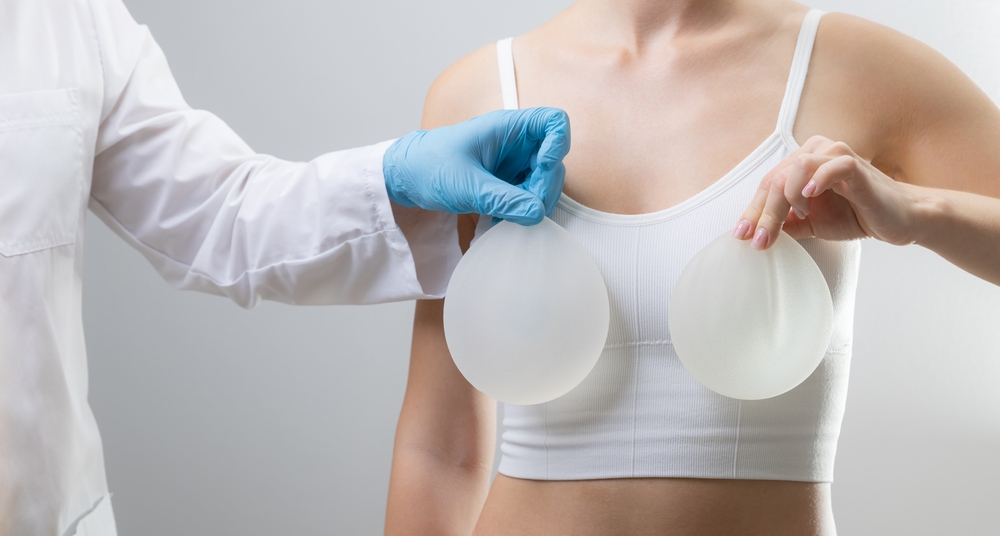
The best breast surgery option depends on whether the patient needs lifting, volume increase, or both, with choices including breast lift alone, lift with implants, lift with fat transfer, or breast reduction.
How Do Breast Lift, Augmentation, and Combined Surgery Compare?
Breast lift alone corrects sagging without adding volume. Breast lift with implants restores both position and fullness. Breast lift with fat transfer uses the patient's own tissue. Breast reduction decreases size while lifting.
Surgeons select techniques based on breast volume, skin quality, degree of ptosis, and patient goals. Women with mild sagging and adequate volume may need only mastopexy. Women with significant volume loss need augmentation with lift. Grünherz et al. (2019) found that autoimplant-mastopexy yields higher patient satisfaction than augmentation-mastopexy in some cases. Women with large, heavy breasts may benefit from reduction. The surgeon explains each option. They help patients choose the approach that creates natural, proportionate results.
What Happens During a Tummy Tuck?
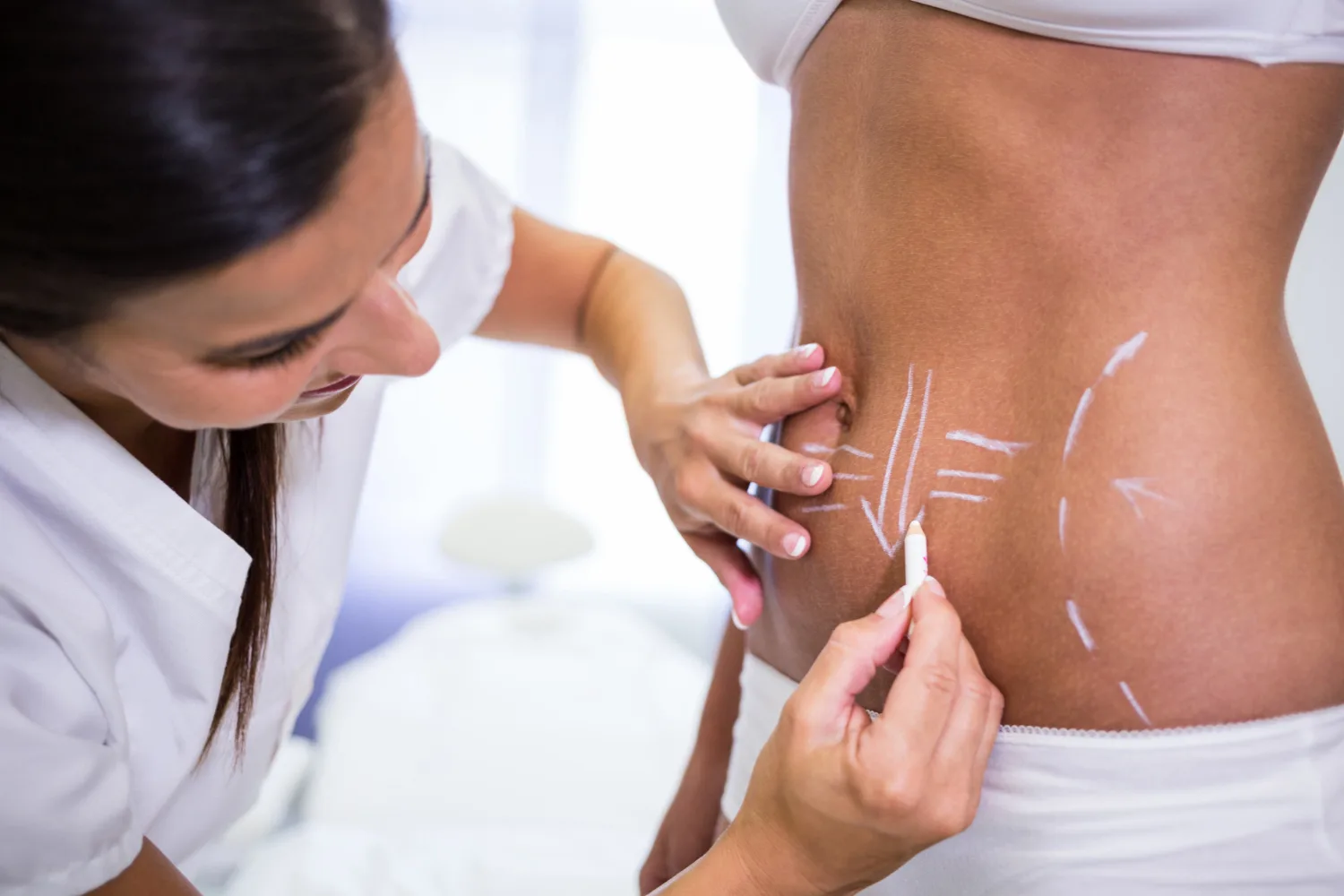
During a tummy tuck, the surgeon repairs abdominal muscles, removes excess skin, reduces stretch marks, repositions the belly button, and improves the waistline.
How Does Abdominoplasty Restore the Abdomen?
Abdominoplasty restores the abdomen by plicating separated rectus muscles, excising loose skin, eliminating lower abdominal stretch marks, repositioning the umbilicus, and narrowing the waist.
Tuominen et al. (2024) describe an abdominoplasty modification specifically for postpregnancy abdomens with diastasis rectis and midline hernia. The technique reinforces the abdominal wall while removing redundant tissue. Muscle repair creates a stronger core. Skin removal eliminates the overhang. Stretch marks located below the belly button disappear with the excised skin. Umbilical repositioning creates a natural appearance. The waistline becomes more defined. These changes restore structural integrity and aesthetic contour.
What Is Recovery Like After Mommy Makeover?
Recovery after mommy makeover progresses through distinct phases over several weeks, with most patients returning to light activities within two to four weeks.
What Does the Recovery Timeline Look Like?
The recovery timeline includes intensive monitoring in the first 24 to 72 hours, gradual improvement during week one, continued healing during weeks two to four, and progressive return to normal activities over two to three months.
Patients wake up in compression garments. They wear abdominal binders and surgical bras. Drainage tubes collect fluid from the surgical sites. Nurses teach patients how to empty these drains. The first three days require rest. Patients need help moving around. They cannot stand fully upright immediately. Walking bent at the waist reduces tension on the abdominal incision. Pain medication controls discomfort. By week one, patients shower carefully. They continue wearing compression garments. They walk more freely. By weeks two to four, many patients resume light household activities. They still avoid lifting anything heavier than a few kilograms. They sleep on their backs with pillows supporting their knees. Most patients return to desk work after two to three weeks. Exercise resumes after six to eight weeks. Full healing takes three to six months. Scars mature over twelve months. They fade gradually but remain visible.
How Long Should International Patients Stay in Turkey?
International patients should stay in Turkey for approximately seven to ten days for preoperative evaluation, surgery, postoperative monitoring, and follow-up appointments.
What Is the Recommended Medical Travel Timeline?
The recommended medical travel timeline includes arrival one to two days before surgery, the procedure day, three to five days of postoperative monitoring, a follow-up appointment before departure, and safe return flight after one week.
Patients arrive early for blood tests and final consultation. Surgery occurs the next day. They stay in the hospital for one or two nights. Then they move to recovery accommodation. Nurses visit daily. The surgeon checks incisions at day three or five. They remove drains when output decreases. They give clearance for travel. Patients should not fly immediately after surgery. Air travel increases blood clot risk. Most surgeons recommend waiting at least five to seven days before boarding a flight. The total stay allows proper initial healing. It ensures complications are caught early. Patients receive detailed instructions for home care. They schedule virtual follow-up appointments.
What Results Can Patients Expect?
Patients can expect a flatter abdomen, firmer and more uplifted breasts, improved waist definition, and better overall body proportions that restore pre-pregnancy appearance.
When Are Final Results Visible?
Final results become visible after three to six months once swelling resolves, scars begin maturing, and breast shape stabilizes.
Early improvements appear immediately. The abdomen looks flatter. Breasts sit higher. However, swelling masks the final contour. The abdomen looks swollen for several weeks. Breasts may appear high and tight initially. As inflammation subsides, the true shape emerges. Scars look red and raised at first. They gradually flatten and lighten. Breast implants settle into their pockets. The lower abdominal scar fades over twelve to eighteen months. Patients see approximately 80 percent of their results by month three. The remaining refinement happens over the following year. Weight stability preserves these outcomes. Future pregnancy can alter results.
What Are the Benefits of Mommy Makeover Surgery?
Mommy makeover surgery delivers stronger core muscles, better posture, reduced skin irritation, improved clothing fit, flatter abdomen, firmer breasts, narrower waist, restored pre-pregnancy appearance, and increased self-confidence.
What Functional Improvements Does Surgery Provide?
Surgery provides functional improvements including stronger core muscles through rectus repair, better posture, reduced skin irritation under folds, and improved clothing fit.
Diastasis recti repair restores abdominal wall strength. Women notice improved core stability. They can engage their muscles more effectively during exercise. Back pain often decreases. Better posture follows naturally. Excess skin removal eliminates friction and moisture buildup. This reduces rashes and skin irritation. Clothing fits more comfortably. Women wear fitted styles again. They participate in physical activities without self-consciousness.
What Aesthetic Improvements Does Surgery Provide?
Aesthetic improvements include a flatter abdomen, firmer breasts, narrower waist, improved body proportions, restored pre-pregnancy appearance, and increased self-confidence.
The abdomen becomes smooth and tight. The waistline curves inward. Breasts regain youthful projection. The nipples point forward instead of downward. Body proportions look balanced. Women recognize their pre-pregnancy silhouette. This transformation affects emotional wellbeing. Women report higher self-esteem. They feel more comfortable in social situations. They enjoy shopping for clothes again. The psychological benefits match the physical improvements.
What Are the Risks and Possible Complications?
Risks and possible complications include infection, bleeding, seroma, hematoma, delayed wound healing, blood clots, implant-related issues, changes in breast sensation, scarring, asymmetry, fat necrosis, and potential revision surgery.
What General Surgical Risks Exist?
General surgical risks include infection at incision sites, bleeding requiring transfusion, fluid accumulation called seroma, blood collection called hematoma, delayed wound healing, and blood clots in the legs or lungs.
Toto et al. (2023) compared combined mommy makeover surgery to single abdominoplasty in a prospective study. They found that combination procedures carry specific risks that require careful management. Infection occurs in a small percentage of patients. Surgeons prescribe antibiotics preventively. Bleeding is uncommon but possible. Drains reduce seroma risk. Hematomas may require drainage. Wound healing problems increase in smokers. Blood clots are the most serious risk. Surgeons use compression devices and blood thinners. Early walking also prevents clots.
What Procedure-Specific Risks Exist?
Procedure-specific risks include implant complications such as capsular contracture, changes in nipple sensation, visible scarring, breast asymmetry, fat necrosis after fat transfer, and the possibility of revision surgery.
Implants may harden or shift. Sensation in the nipples may increase or decrease. These changes are usually temporary. Scars remain permanent though they fade. Asymmetry can occur if breasts heal differently. Fat necrosis causes firm lumps after fat transfer. Most of these issues resolve without intervention. Some require additional surgery. Patients should understand these possibilities before proceeding.
How Can Patients Prepare for Mommy Makeover Surgery?
Patients prepare for mommy makeover surgery by completing laboratory tests, obtaining medical clearance, adjusting medications, stopping smoking, optimizing nutrition, stabilizing weight, and preparing their home recovery space.
What Should Patients Include on Their Preoperative Checklist?
The preoperative checklist should include blood work, cardiac clearance if needed, medication review with the surgeon, smoking cessation at least four weeks before surgery, balanced nutrition, weight maintenance, and home preparation with supplies and help arranged.
Patients visit their primary doctor. They complete blood counts and metabolic panels. Older patients may need cardiac evaluation. They disclose all medications and supplements. Some drugs increase bleeding risk. Surgeons advise stopping these temporarily. Smoking severely impairs healing. Patients must quit weeks before surgery. They should eat protein-rich foods. They should avoid crash diets. Weight must remain stable. At home, they set up a recovery station. They stock easy meals. They arrange childcare. They fill prescriptions beforehand. They purchase loose, comfortable clothing. They place pillows within reach. This preparation reduces stress during recovery.
How Can Patients Maintain Their Results?
Patients maintain results through healthy diet, regular exercise, weight maintenance, careful consideration of future pregnancy, proper skin care, and diligent scar care.
What Long-Term Lifestyle Recommendations Support Results?
Long-term lifestyle recommendations include eating whole foods, exercising four to five times weekly, avoiding significant weight fluctuations, postponing future pregnancy, moisturizing skin, and protecting scars from sun exposure.
Weight gain stretches the skin and muscles again. Patients should stay within five to ten kilograms of their surgical weight. Strength training preserves muscle tone. Cardio maintains heart health. Patients should wait at least six months before attempting pregnancy. Some surgeons recommend completing the family first. Scar care begins after incision healing. Silicone sheets or gels improve scar appearance. Sunscreen prevents darkening. These habits protect the surgical investment.
How Much Does Mommy Makeover Cost in Turkey?
Mommy makeover cost in Turkey varies based on procedure number, surgeon experience, hospital accreditation, implant selection, hospital stay length, aftercare services, and medical tourism package inclusions.
Which Factors Influence the Total Cost?
Factors influencing total cost include the number of combined procedures, the surgeon's expertise and reputation, the hospital's accreditation status, the type and brand of breast implants, the length of inpatient stay, comprehensive aftercare provisions, and whether the quote includes transfers and accommodation.
Turkey offers significant cost advantages compared to the UK, USA, and Canada. Patients receive comparable surgical quality for a fraction of the price. However, cost should not be the only consideration. Patients must verify what the package includes. Some quotes cover everything. Others add fees for implants, medication, or compression garments. Board-certified surgeons in accredited hospitals charge appropriate fees. Extremely low prices may indicate compromises in safety or experience. Patients should request itemized quotes. They should understand revision policies. Transparent pricing builds trust.
Why Should Patients Choose an Experienced Plastic Surgeon?
Patients should choose an experienced plastic surgeon because board certification, combined procedure expertise, accredited hospital privileges, proven results, positive patient reviews, transparent consultation, and comprehensive aftercare directly affect safety and outcomes.
What Should Patients Look for in a Surgeon?
Patients should look for board certification, extensive experience with mommy makeovers, hospital accreditation, comprehensive before-and-after galleries, authentic patient reviews, clear communication during consultation, and robust aftercare protocols.
The surgeon should hold certification from recognized plastic surgery boards. They should perform mommy makeovers regularly. High-volume surgeons handle complications better. They should operate in accredited hospitals. These facilities maintain emergency equipment and trained staff. Before-and-after photos show the surgeon's aesthetic style. Reviews reveal patient experiences. During consultation, the surgeon should explain risks honestly. They should never guarantee perfection. They should provide detailed aftercare instructions. They should remain available for questions after discharge. This level of professionalism separates qualified surgeons from less experienced providers.
Frequently Asked Questions About Mommy Makeover in Turkey
Yes, tummy tuck and breast surgery can be performed together safely in appropriately selected patients. This combination is the foundation of the mommy makeover procedure.
How Painful Is Mommy Makeover Recovery?
Mommy makeover recovery causes moderate discomfort managed with prescription pain medication. Most patients describe the sensation as tightness rather than sharp pain.
How Long Does Surgery Take?
Surgery takes three to five hours depending on which procedures the surgeon combines. Longer operations require additional safety measures.
How Long Should I Stay in Turkey?
You should stay in Turkey for seven to ten days. This allows for surgery, initial recovery, drain removal, and surgical clearance before flying home.
When Can I Return to Work?
You can return to desk work after two to three weeks. Physical jobs require six to eight weeks of recovery time.
Will Pregnancy Affect My Results?
Yes, pregnancy will affect your results. Future pregnancy can stretch abdominal muscles again and alter breast volume. Surgeons recommend completing your family first.
Can I Combine Liposuction with a Mommy Makeover?
Yes, you can combine liposuction with a mommy makeover. Surgeons frequently add liposuction to refine the waist, flanks, and thighs.
Will Scars Be Visible?
Yes, scars will be visible but fade over time. Surgeons place tummy tuck scars low on the abdomen where underwear hides them. Breast lift scars follow natural breast contours.
How Long Do Results Last?
Results last many years with stable weight. Natural aging continues. Maintaining a healthy lifestyle preserves surgical outcomes for a decade or longer.
Is Mommy Makeover Safe?
Yes, mommy makeover is safe in healthy non-smoking patients when performed by experienced surgeons in accredited facilities. All surgery carries risk. Proper candidate selection minimizes complications.
Conclusion: Is Mommy Makeover in Turkey the Right Choice for Restoring Your Post-Pregnancy Body?
Mommy makeover in Turkey offers an effective path for restoring your post-pregnancy body through combined tummy tuck and breast surgery. This choice depends on your individual health, goals, and readiness for surgery.
Turkey provides experienced surgeons, modern hospitals, and comprehensive international patient care. The combination of abdominoplasty and breast surgery addresses the core physical changes pregnancy causes. Women regain flatter abdomens. They restore breast shape and position. They improve body proportions. They renew self-confidence. Success requires individualized treatment planning. Surgeons must evaluate each patient carefully. They must balance safety with aesthetic goals. Patients must maintain realistic expectations. They must commit to recovery protocols. They must preserve results through healthy living. Choosing an experienced surgeon matters most. Accredited facilities ensure safety. Appropriate aftercare prevents complications. For women who have completed childbearing and stabilized their weight, mommy makeover in Turkey represents a scientifically sound, cost-effective solution. The procedure restores form. It renews function. It helps women reclaim their bodies after the remarkable journey of motherhood.
References
Grünherz, Lukas, et al. "Long-Term Results Measured by BREAST-Q Reveal Higher Patient Satisfaction After 'Autoimplant-Mastopexy' Than Augmentation-Mastopexy." Gland Surgery, vol. 8, 2019, pp. 516-26.
Khavanin, Nima, et al. "A Systematic Review of Single-Stage Augmentation-Mastopexy." Plastic and Reconstructive Surgery, vol. 134, no. 5, 2014, p. 922.
Matarasso, Alan, and Darren M. Smith. "Strategies for Aesthetic Reshaping of the Postpartum Patient." Plastic and Reconstructive Surgery, vol. 136, no. 2, 2015, pp. 245-57.
Mestak, Ondrej, et al. "Evaluation of the Long-Term Stability of Sheath Plication Using Absorbable Sutures in 51 Patients with Diastasis of the Recti Muscles." Plastic and Reconstructive Surgery, vol. 130, no. 5, 2012, pp. 714e-719e.
Sadeghi, Payam, et al. "Post-Bariatric Plastic Surgery: Abdominoplasty, the State of the Art in Body Contouring." Journal of Clinical Medicine, vol. 11, no. 15, 2022, p. 4315.
Shermak, Michele A. "Abdominoplasty with Combined Surgery." Clinics in Plastic Surgery, vol. 47, no. 3, 2020, pp. 365-77.
Tettamanzi, M., et al. "Combining Abdominoplasty and Breast Procedures Under Tumescent Local and Spinal Anesthesia: A Retrospective Study." Aesthetic Plastic Surgery, 2025.
Toto, V., et al. "Combined Surgery (Mommy-Makeover) Compared to Single Procedure (Abdominoplasty) in After-Pregnancy Women: A Prospective Study on Risks and Benefits." Aesthetic Plastic Surgery, vol. 47, no. 6, 2023, pp. 2533-42.
Tuominen, R., et al. "An Abdominoplasty Modification for Postpregnancy Abdomen with Rectus Diastasis and Midline Hernia: The Technique and Results." Plastic and Reconstructive Surgery, vol. 153, no. 6, 2024, pp. 1111e-1115e.