Neither technique is universally better. The best approach depends on your nasal anatomy, your goals, and your surgeon's expertise. Both open rhinoplasty and closed rhinoplasty produce excellent results when surgeons match the right technique to the right patient.
Rhinoplasty stands as one of the most complex operations in plastic surgery. Surgeons reshape the nose to improve facial harmony and fix breathing problems. This procedure changes bone, cartilage, and soft tissue. Patients seek rhinoplasty for cosmetic reasons, functional reasons, or both. Two main surgical approaches exist: open rhinoplasty and closed rhinoplasty. The open approach uses a small external cut on the columella. The closed approach uses only internal cuts inside the nostrils. Recent systematic reviews show no major differences in outcomes between these two nose surgery techniques (Zepeda et al. 2025). The key to success lies in choosing the right approach for each patient.
What Is Rhinoplasty?
Rhinoplasty is a surgical procedure that reshapes the nose. Surgeons perform this operation to improve appearance, fix breathing issues, or both. The procedure changes the nasal framework, including bone and cartilage. Doctors call this operation a "nose job" in casual language. Rhinoplasty requires precise planning and skilled execution. The nose sits at the center of the face. Small changes create big differences in facial harmony.
Cosmetic vs Functional Rhinoplasty
Cosmetic rhinoplasty improves the appearance of the nose. Surgeons reduce dorsal humps, refine the nasal tip, or straighten crooked noses. Functional rhinoplasty fixes breathing problems. Surgeons correct septal deviation, nasal valve collapse, or other airway issues. Many patients need both types of correction. Modern rhinoplasty often combines cosmetic and functional goals. This combination produces better overall patient satisfaction (Al-Ayadhi et al. 2025).
Primary vs Revision Rhinoplasty
Primary rhinoplasty means the first nose surgery a patient receives. Revision rhinoplasty means a second or subsequent operation. Primary cases usually offer simpler anatomy. Revision cases present more challenges due to scar tissue and altered anatomy. Surgeons more often choose open rhinoplasty for revision cases. The external approach gives better visualization of changed structures. Primary vs revision surgery represents a major factor in technique selection.
Why Surgical Approach Matters
The surgical approach determines how the surgeon sees and reaches the nasal structures. Good access leads to precise changes. Poor access limits what surgeons can achieve. The approach also affects recovery time, swelling, and scarring. Patients should understand these differences before choosing their procedure.
What Is Open Rhinoplasty?
Open rhinoplasty is an external approach that uses a small cut across the columella. This cut measures about 4 to 5 millimeters. The surgeon lifts the nasal skin to expose the underlying framework. This exposure gives direct visualization of all nasal structures. Surgeons can see both sides of the nose at the same time. The open approach allows complex changes and precise adjustments.
The surgeon makes a transcolumellar incision across the tissue between the nostrils. The surgeon adds internal cuts inside the nostrils. Then the surgeon lifts the skin upward. This elevation exposes the nasal cartilage, bone, and septum. The surgeon reshapes these structures under direct vision. After making the changes, the surgeon lowers the skin back down. The surgeon closes the columellar incision with fine sutures. The entire procedure takes about 2 to 4 hours.
What Is a Transcolumellar Incision?
The transcolumellar incision is the small external cut that defines open rhinoplasty. Surgeons place this cut at the narrowest point of the columella. The incision follows either a stair-step pattern or an inverted-V shape. These patterns help hide the scar in natural shadows. The columellar incision heals well in most patients. Proper closure technique prevents visible scarring (Jonas et al. 2022).
How Does Open Rhinoplasty Improve Surgical Visualization?
Open rhinoplasty gives the surgeon full, direct visualization of the nasal framework. The lifted skin exposes the dorsal hump, nasal tip cartilages, and septum. The surgeon sees both left and right sides simultaneously. This bilateral view helps the surgeon create better symmetry. Surgical visualization matters most during complex tip refinement and structural grafting.
Which Anatomical Structures Are Better Exposed?
The open approach exposes the lower lateral cartilages, upper lateral cartilages, nasal septum, and dorsal nasal bones. The surgeon sees the entire nasal tip complex. This exposure helps with precise nasal tip refinement. The surgeon also gains better access for cartilage grafts and structural grafting. Complex deformities require this level of exposure.
What Is Closed Rhinoplasty?
Closed rhinoplasty is an endonasal approach that uses only internal cuts. Surgeons make all incisions inside the nostrils. No external cut crosses the columella. The surgeon works through these internal openings to reshape the nose. This approach preserves the natural connection between nasal skin and cartilage. Closed rhinoplasty offers less surgical exposure but avoids external scarring.
The surgeon makes cuts inside both nostrils. These cuts access the nasal dorsum, tip, and septum. The surgeon works through these narrow openings with specialized instruments. The surgeon feels the structures with instruments and fingers. The surgeon cannot see the structures directly. This technique requires excellent spatial awareness and experience. The procedure usually takes 1 to 3 hours.
Why Does Closed Rhinoplasty Leave No External Scar?
Closed rhinoplasty leaves no external scar because all cuts stay inside the nostrils. The skin between the nostrils remains untouched. Patients who worry about visible marks prefer this feature. The internal cuts heal inside the nose where no one can see them. This benefit appeals strongly to patients concerned about scarring.
How Does the Internal Approach Affect Surgical Access?
The internal approach limits what the surgeon can see directly. The surgeon works through narrow nostril openings. This restricted view makes complex changes harder. The surgeon cannot compare both sides of the nose at the same time. However, the limited dissection preserves more natural tissue connections. These preserved connections may help with faster early recovery.
What Are the Main Differences Between Open and Closed Rhinoplasty?
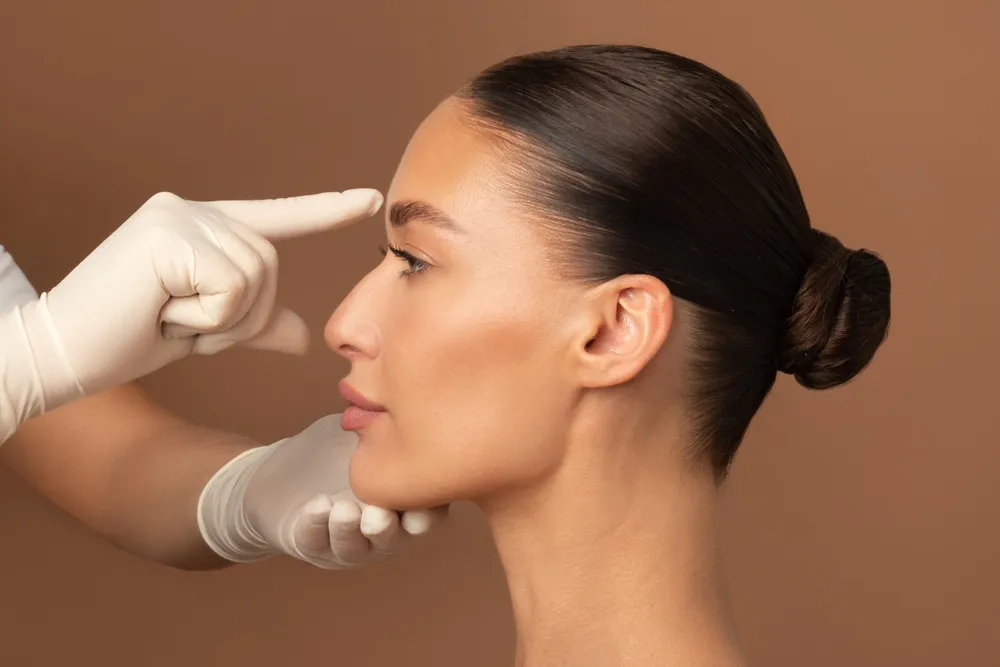
The main differences involve cuts, exposure, precision, recovery, and scarring. Open rhinoplasty uses an external cut. Closed rhinoplasty uses only internal cuts. Open rhinoplasty gives full visualization. Closed rhinoplasty gives limited visualization. Both approaches can produce excellent results in the right hands.
Surgical Incisions
Open rhinoplasty requires a transcolumellar incision plus internal cuts. Closed rhinoplasty requires only internal cuts inside the nostrils. The external incision in open rhinoplasty allows skin elevation. The internal cuts in closed rhinoplasty preserve skin attachments.
Visualization of Nasal Structures
Open rhinoplasty provides direct, full visualization of all nasal structures. The surgeon sees the entire nasal framework. Closed rhinoplasty provides only indirect visualization through the nostrils. The surgeon relies on feel and limited views. This difference matters most during complex operations.
Degree of Tissue Dissection
Open rhinoplasty requires more tissue dissection. The surgeon lifts the skin off the nasal framework. This elevation disrupts some blood vessels and lymphatic channels. Closed rhinoplasty involves less dissection. The skin stays attached to underlying structures in many areas.
Operative Precision
Open rhinoplasty allows greater operative precision. The surgeon sees exactly what changes occur during surgery. Closed rhinoplasty demands more skill from the surgeon. The surgeon makes changes without direct sight. Experienced surgeons achieve high precision with both techniques.
Open rhinoplasty creates a small scar on the columella. This scar usually fades over time. Most patients find the scar barely noticeable after one year. Closed rhinoplasty creates no external scar. This difference influences patient choice.
Recovery Timeline
Open rhinoplasty often produces slightly more early swelling. Patients may need 7 to 14 days before returning to work. Closed rhinoplasty often allows faster early recovery. Some patients return to work within 5 to 10 days. Both techniques require about 12 months for final results.
Swelling and Bruising
Open rhinoplasty may cause slightly more swelling in the first weeks. The additional dissection contributes to this swelling. Bruising patterns look similar between both techniques. By the one-month mark, these differences shrink significantly (Kiliç et al. 2015).
Operative Time
Open rhinoplasty usually takes longer. The exposure and closure add time. Closed rhinoplasty usually takes less time. However, recent meta-analyses found no statistically significant difference in operative time between the two approaches (Zepeda et al. 2025).
Complexity of Correction
Open rhinoplasty handles complex corrections better. Severe deformities, revision cases, and major reconstructions need open access. Closed rhinoplasty suits simpler cases. Minor reshaping and straightforward primary cases work well with the closed approach.
Open Rhinoplasty vs Closed Rhinoplasty Comparison Table
|
Feature
|
Open Rhinoplasty
|
Closed Rhinoplasty
|
|
Incision
|
Small external cut on columella plus internal cuts
|
Internal cuts only inside nostrils
|
|
Scar visibility
|
Small scar on columella (usually fades)
|
No visible external scar
|
|
Surgical exposure
|
Full, direct visualization of all structures
|
Limited, indirect visualization
|
|
Precision
|
High precision with direct view
|
High precision requires more skill
|
|
Recovery
|
7–14 days for initial social return
|
5–10 days for initial social return
|
|
Swelling
|
Slightly more in first 2–3 weeks
|
Slightly less in first 2–3 weeks
|
|
Tip refinement
|
Excellent control and symmetry
|
Good for minor changes
|
|
Cartilage graft placement
|
Easier with full exposure
|
More challenging
|
|
Functional correction
|
Excellent for complex airway issues
|
Good for straightforward cases
|
|
Revision suitability
|
What Are the Advantages of Open Rhinoplasty?
Open rhinoplasty offers several clear advantages for specific cases. The external approach gives surgeons unmatched visibility and control. These benefits matter most during complex operations.
Superior Surgical Visibility
Open rhinoplasty gives the surgeon a direct view of the entire nasal framework. The surgeon sees every cartilage, bone, and soft tissue element. This visibility reduces guesswork. The surgeon makes precise changes with confidence. Superior surgical visibility prevents errors during complex reshaping.
Better Control During Complex Procedures
Complex procedures require exact control. Open rhinoplasty lets the surgeon manipulate both sides of the nose equally. The surgeon can place sutures, grafts, and implants with precision. Better control leads to more predictable outcomes in difficult cases.
Easier Cartilage Grafting
Cartilage grafts support the nose and create shape. Open rhinoplasty makes graft placement easier. The surgeon sees exactly where each graft goes. Septal cartilage, conchal cartilage, or rib cartilage all require careful positioning. The open approach simplifies this task.
Improved Tip Refinement
The nasal tip contains delicate cartilage structures. Open rhinoplasty exposes these structures completely. The surgeon reshapes the tip with direct vision. This exposure helps create better tip definition and projection. Nasal tip refinement reaches its highest level with open access.
Greater Precision for Structural Rhinoplasty
Structural rhinoplasty rebuilds the nasal framework with grafts and sutures. This approach strengthens the nose and prevents collapse. Open rhinoplasty gives the surgeon the precision needed for structural work. The surgeon places spreader grafts, columellar struts, and rim grafts under direct vision.
What Are the Limitations of Open Rhinoplasty?
Open rhinoplasty has some drawbacks. Patients should understand these limitations before choosing this approach.
Longer Swelling Resolution
Open rhinoplasty may produce longer-lasting tip swelling. The dissection of the soft tissue envelope disrupts lymphatic drainage. This disruption causes fluid to linger longer. Most swelling resolves within 6 to 12 months. However, the nasal tip may stay swollen longer than with closed techniques.
External Incision
The external incision creates a small scar on the columella. Most scars heal well and fade significantly. However, some patients develop visible scars. Patients with darker skin tones or keloid history face higher scar risks. The external incision represents the main trade-off of this approach.
Longer Surgical Exposure
Open rhinoplasty keeps nasal tissues exposed longer. This longer exposure may increase infection risk slightly. The surgeon must work efficiently. Proper technique minimizes this risk.
Potential Temporary Tip Numbness
Open rhinoplasty may cause temporary numbness at the nasal tip. The dissection affects small sensory nerves. Most patients recover full sensation within 3 months. Some patients take longer to regain normal feeling (Altunal et al. 2024).
What Are the Advantages of Closed Rhinoplasty?
Closed rhinoplasty offers distinct advantages for appropriate candidates. The endonasal approach appeals to patients who want minimal signs of surgery.
No Visible External Scar
Closed rhinoplasty produces no visible external scar. All cuts hide inside the nostrils. Patients who worry about scarring prefer this benefit. The absence of external marks provides peace of mind.
Reduced Tissue Dissection
Closed rhinoplasty preserves more natural tissue connections. The surgeon lifts less skin from the nasal framework. This preservation maintains more blood supply and lymphatic drainage. Reduced tissue dissection may promote faster early healing.
Potentially Faster Recovery
Many patients recover faster after closed rhinoplasty. The reduced dissection causes less early trauma. Some patients return to normal activities within one week. This faster recovery appeals to busy professionals.
Less Early Postoperative Swelling
Closed rhinoplasty often produces less swelling in the first 2 to 3 weeks. The preserved lymphatic pathways drain fluid better. Patients look more presentable sooner. This benefit matters for patients with tight social schedules.
Shorter Surgical Duration in Selected Cases
Closed rhinoplasty often takes less time for straightforward cases. The surgeon avoids the exposure and closure steps. Shorter surgery means less anesthesia exposure. This efficiency benefits healthy patients.
What Are the Limitations of Closed Rhinoplasty?
Closed rhinoplasty also has limitations. Not every patient qualifies for this approach.
Restricted Surgical Exposure
Closed rhinoplasty limits what the surgeon can see. The narrow nostril openings block direct vision. The surgeon works with restricted surgical exposure. This limitation makes some changes difficult or risky.
Limited Access for Complex Reconstruction
Complex reconstruction requires full access to the nasal framework. Closed rhinoplasty cannot provide this access. Severe deformities, major asymmetries, and revision cases need more exposure. The limited access of closed techniques restricts these applications.
Greater Technical Difficulty
Closed rhinoplasty demands more skill from the surgeon. The surgeon works without direct vision. Every change requires careful planning and tactile feedback. Fewer surgeons train extensively in modern closed techniques today.
Less Suitable for Extensive Cartilage Modification
Extensive cartilage modification requires precise control. The surgeon must see the cartilage clearly. Closed rhinoplasty makes this difficult. Major grafting work and structural changes need open exposure.
Which Patients Are Better Candidates for Open Rhinoplasty?
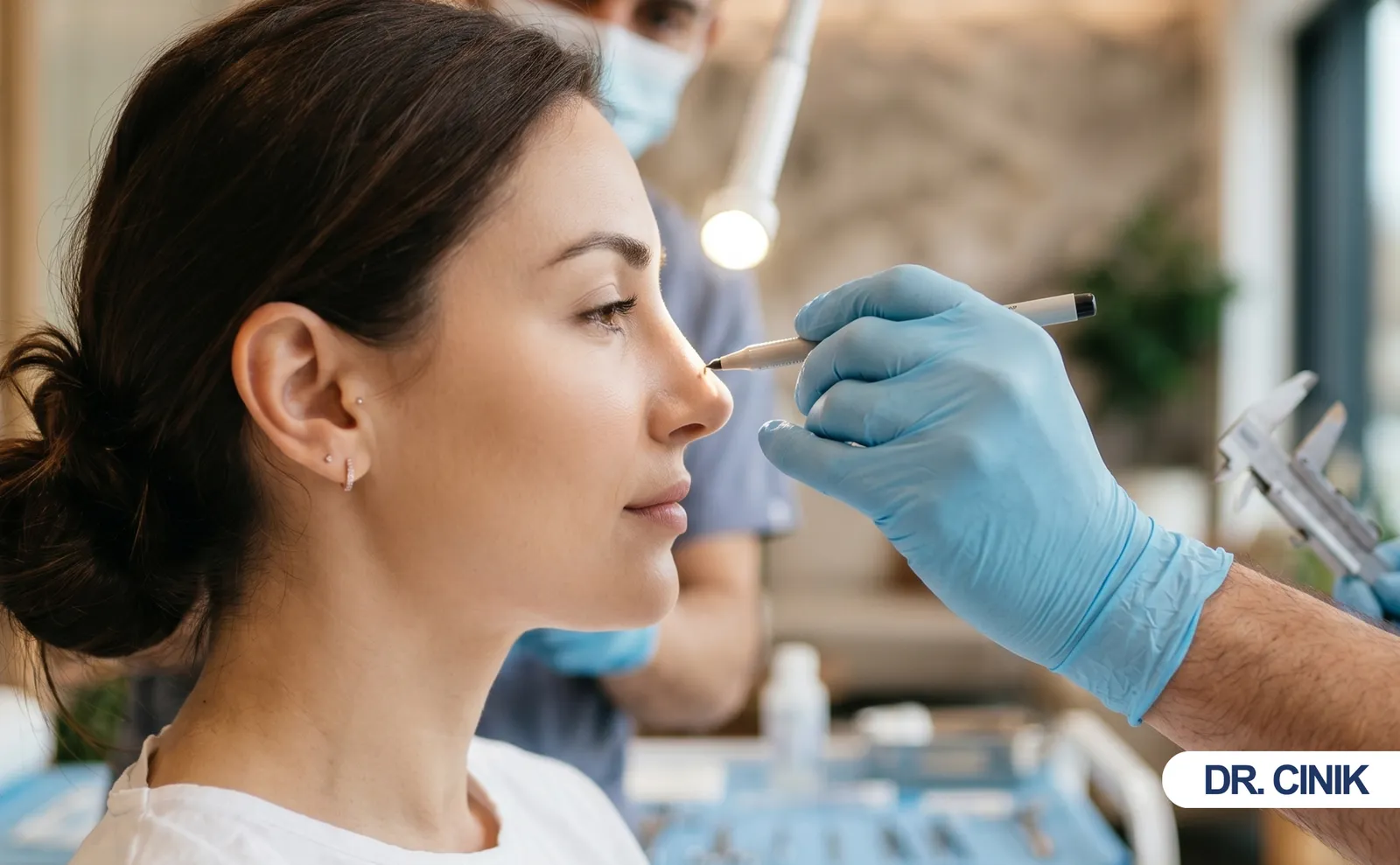
Certain patients benefit more from open rhinoplasty. Surgeons recommend this approach for complex cases.
Revision Rhinoplasty
Revision rhinoplasty patients almost always need open access. Scar tissue from previous surgery obscures normal anatomy. The open approach lets the surgeon see and navigate these changes. Revision rhinoplasty represents one of the main indications for external rhinoplasty.
Severe Nasal Asymmetry
Severe nasal asymmetry requires precise correction. The surgeon must compare both sides constantly. Open rhinoplasty allows this direct comparison. The surgeon achieves better symmetry with full exposure.
Crooked Nose
A crooked nose involves deviated bones and cartilage. Straightening these structures requires exact control. Open rhinoplasty gives the surgeon the access needed to realign the nose. Complex deviations need this level of precision.
Complex tip deformities include boxy tips, bifid tips, or severely drooping tips. These deformities require detailed cartilage work. Open rhinoplasty exposes the tip cartilages completely. The surgeon reshapes these structures with confidence.
Major Structural Reconstruction
Major structural reconstruction rebuilds the nasal framework. This work includes extensive grafting and support placement. Open rhinoplasty provides the exposure necessary for this reconstruction. Structural grafting succeeds best with direct visualization.
Extensive Cartilage Grafting
Extensive cartilage grafting requires many graft pieces. The surgeon places spreader grafts, tip grafts, and shield grafts. Open rhinoplasty makes this placement easier and more accurate. The surgeon sees each graft position clearly.
Who Is an Ideal Candidate for Closed Rhinoplasty?
Closed rhinoplasty suits patients with simpler needs. The endonasal approach works well for specific situations.
Minor Cosmetic Changes
Patients who want minor cosmetic changes make good candidates. Small adjustments to the bridge or tip work well through closed access. These patients do not need major reconstruction.
Small Dorsal Hump Reduction
A small dorsal hump reduction removes a minor bump on the nose bridge. Closed rhinoplasty reaches this area easily. The surgeon files down the bone and cartilage through internal cuts. This straightforward change fits the closed approach perfectly.
Mild Tip Refinement
Mild tip refinement makes small changes to tip shape. The surgeon narrows or lifts the tip slightly. Closed rhinoplasty handles these modest changes well. The surgeon does not need full exposure for minor adjustments.
Patients Seeking No External Scar
Patients who strongly want no external scar choose closed rhinoplasty. This approach eliminates any visible mark on the columella. The psychological benefit of scarless surgery matters to many patients.
Straightforward Primary Rhinoplasty
Straightforward primary rhinoplasty means a first-time operation on a nose with normal anatomy. These cases lack scar tissue or major deformities. Closed rhinoplasty handles these cases efficiently. Primary rhinoplasty with simple goals represents the ideal scenario for endonasal techniques.
Which Technique Is Better for Functional Rhinoplasty?
Functional rhinoplasty fixes breathing problems. Both techniques can improve nasal airway function. The choice depends on the specific problem.
Septal Deviation
Septal deviation means the nasal septum bends to one side. This bend blocks airflow. Both open and closed approaches can correct septal deviation. Severe deviations need the better visualization that open rhinoplasty provides. Mild deviations work well with closed approaches.
Nasal Valve Collapse
Nasal valve collapse occurs when the nasal sidewalls fall inward during breathing. This collapse restricts airflow. Fixing this problem usually requires graft placement. Surgeons often prefer open rhinoplasty for nasal valve collapse. The exposure helps the surgeon place grafts precisely.
Breathing Improvement
Both techniques improve breathing when performed correctly. The surgeon must address the specific cause of obstruction. Technique matters less than proper diagnosis and execution. Both open and closed rhinoplasty produce similar functional outcomes (Zepeda et al. 2025).
Functional Outcomes
Functional outcomes measure how well patients breathe after surgery. Researchers use the NOSE score to assess these outcomes. Studies show no significant difference in NOSE score improvements between open and closed approaches. Both techniques yield excellent functional results (Zepeda et al. 2025; Al-Ayadhi et al. 2025).
Which Technique Produces Better Cosmetic Results?
Cosmetic results depend on surgeon skill and patient selection more than technique choice. Both approaches produce excellent aesthetic outcomes.
Nasal Tip Definition
Nasal tip definition refers to how sharp and refined the tip looks. Open rhinoplasty allows precise tip sculpting. The surgeon sees the cartilage directly. Closed rhinoplasty can also produce good tip definition in skilled hands. The final result depends more on surgical execution than approach.
Profile Refinement
Profile refinement creates a smooth, straight nose bridge. Both techniques handle profile changes well. Dorsal hump reduction works through either approach. The surgeon removes or reshapes the bone and cartilage causing the hump.
Facial Harmony
Facial harmony means the nose balances with other facial features. Both techniques achieve facial harmony when surgeons plan properly. Preoperative analysis determines the right changes. The approach itself does not determine facial harmony.
Long-Term Stability
Long-term stability means the nose maintains its shape over time. Structural grafting improves stability. Open rhinoplasty makes graft placement easier. However, closed rhinoplasty also produces stable results when surgeons preserve key support structures. Both approaches offer good long-term stability with proper technique.
Does Open Rhinoplasty Leave a Permanent Scar?
Open rhinoplasty leaves a small scar on the columella. Most patients find this scar barely noticeable after healing.
Healing of the Columellar Incision
The columellar incision heals through natural wound healing stages. The scar matures over 6 to 12 months. During this time, the scar changes from red to skin-colored. It also flattens and softens. Proper suturing technique speeds this healing.
Scar Visibility Over Time
Most columellar scars become nearly invisible within one year. The incision sits in a natural shadow under the nose. This location hides the scar from casual view. Patients rarely notice their own scars after full healing. Scar visibility over time decreases significantly in most cases (Foda 2004).
Factors Affecting Scar Quality
Several factors affect how well the scar heals. These include skin type, surgical technique, and aftercare. Patients with darker skin may develop more visible scars. Smokers heal more poorly. Good surgical technique with precise closure produces the best scars. Deep subcutaneous sutures reduce tension on the skin edges and improve outcomes (Foda 2004).
Is Recovery Different Between Open and Closed Rhinoplasty?
Recovery follows similar timelines for both techniques. Both approaches require about 12 months for full healing.
First Week
The first week brings the most swelling and bruising. Patients wear a nasal splint for protection. Both techniques produce similar bruising patterns. Open rhinoplasty patients may notice slightly more tip swelling. Most patients manage pain with prescribed medication. Rest and head elevation reduce swelling.
First Month
During the first month, most visible swelling resolves. Bruising fades completely. Patients return to work and light activities. Open rhinoplasty patients may still have more tip swelling. Closed rhinoplasty patients often look more presentable earlier. Both groups avoid strenuous exercise.
Three to Six Months
Between three and six months, the nose takes on a more defined shape. About 90 percent of swelling disappears. Numbness resolves gradually. Patients resume normal exercise. The nasal bones heal fully. Both techniques reach similar milestones during this period.
One-Year Healing Timeline
At one year, the nose reaches its final appearance. All residual swelling resolves. The nasal tip achieves its final definition. Scar maturation completes. Both open and closed rhinoplasty produce comparable final results at this point. The one-year healing timeline ends with stable, lasting outcomes.
Does One Technique Cause More Swelling or Bruising?
Both techniques cause swelling and bruising. The differences are smaller than many patients expect.
Scientific Evidence
Scientific evidence shows minimal differences between techniques. A meta-analysis of over 1,000 patients found no statistically significant difference in edema or ecchymosis between open and closed approaches. Both techniques produced similar swelling and bruising outcomes (Zepeda et al. 2025). Other studies confirm these findings (Kiliç et al. 2015).
Why Swelling Differs
Swelling differs based on surgical dissection, not approach alone. Open rhinoplasty disrupts more tissue. This disruption causes slightly more early swelling. However, closed rhinoplasty also causes swelling. The amount of work done matters more than the approach itself. Precise surgical technique reduces swelling in both approaches.
Long-Term Healing Patterns
Long-term healing patterns look similar between both techniques. By 6 months, most patients show comparable swelling levels. By 12 months, no meaningful differences remain. The nose settles into its final shape regardless of the initial approach.
Which Technique Has Higher Patient Satisfaction?
Patient satisfaction remains high for both techniques. Studies consistently show comparable satisfaction rates.
Rhinoplasty Outcome Evaluation (ROE)
The ROE score measures patient satisfaction after rhinoplasty. This questionnaire asks about appearance, breathing, and social confidence. Meta-analyses show no significant difference in ROE score improvements between open and closed rhinoplasty. Both techniques produce large improvements in ROE scores. Patients report high satisfaction with both approaches (Zepeda et al. 2025; Raspanti et al. 2024).
Nasal Obstruction Symptom Evaluation (NOSE)
The NOSE scale measures breathing difficulty. Lower scores mean better breathing. Studies show both techniques improve NOSE scores equally. No significant difference exists between open and closed approaches for functional outcomes (Zepeda et al. 2025). The NOSE scale validates that both techniques improve nasal airway function.
Quality-of-Life Improvements
Quality-of-life improvements occur with both techniques. Patients breathe better and feel more confident. Studies show rhinoplasty improves self-esteem and social functioning. Some research suggests closed rhinoplasty patients may experience slightly better psychosocial outcomes. However, both approaches yield meaningful quality-of-life gains (Saleh et al. 2012).
What Does Scientific Research Say About Open vs Closed Rhinoplasty?
Scientific research supports both techniques. Recent studies emphasize individualized choice over universal superiority.
Findings From Recent Systematic Reviews
A major systematic review and meta-analysis published in 2025 analyzed 20 studies with 1,067 patients. The review found no significant differences in ROE scores, NOSE scores, edema, ecchymosis, operative time, satisfaction, or complication rates. These findings confirm that both techniques work equally well when surgeons choose appropriately (Zepeda et al. 2025).
Meta-analysis results show standardized mean differences near zero for most outcomes. This means the two techniques produce statistically equivalent results. Heterogeneity exists due to varying patient populations and surgical methods. However, the overall evidence strongly favors neither approach.
Functional Outcomes
Functional outcomes measure breathing improvement. Both techniques improve nasal airway function. The NOSE score improves significantly with both approaches. No technique shows superior functional outcomes.
Cosmetic Outcomes
Cosmetic outcomes measure appearance satisfaction. The ROE score improves dramatically with both techniques. Meta-analyses show comparable aesthetic results. Cosmetic outcomes depend more on surgical skill than approach choice.
Complication Rates
Complication rates remain low for both techniques. Major complications occur in about 0.7 percent of cases. The meta-analysis found no significant difference in complication rates between open and closed rhinoplasty. Both techniques carry similar safety profiles (Zepeda et al. 2025).
Revision Rates
Revision rates vary by study. Some reports show slightly higher revision rates for open rhinoplasty in primary cases. However, this may reflect case complexity rather than technique failure. Revision rhinoplasty itself more often requires open techniques.
Evidence-Based Conclusions
Evidence-based conclusions support individualized technique selection. No single approach works best for everyone. Surgeons should match the technique to the patient's anatomy, goals, and complexity. Both open and closed rhinoplasty produce excellent, comparable results in appropriate hands.
Experienced surgeons can perform both techniques. Many surgeons choose one approach more often based on training and case mix.
Importance of Surgical Experience
Surgical experience matters more than technique choice. An experienced surgeon produces better results with either approach. Patients should seek surgeons with extensive rhinoplasty experience. The surgeon's comfort level with a specific technique influences outcomes.
Individualized Surgical Planning
Individualized surgical planning starts with a thorough consultation. The surgeon examines the nasal anatomy. The surgeon discusses goals and expectations. Then the surgeon recommends the best approach for that specific patient. This personalized planning produces the best results.
Why Technique Should Match Anatomy
Technique should match anatomy because every nose differs. Thick skin requires different handling than thin skin. Strong cartilage needs different treatment than weak cartilage. A crooked nose needs different access than a straight nose. The surgeon selects the approach that best fits the patient's unique anatomy.
Frequently Asked Questions About Open vs Closed Rhinoplasty
Patients often ask specific questions about these techniques. Clear answers help patients make informed decisions.
Is Open Rhinoplasty More Painful?
Open rhinoplasty is not more painful than closed rhinoplasty. Both procedures use anesthesia during surgery. After surgery, patients manage discomfort with medication. Pain levels vary by individual, not by technique.
Is Closed Rhinoplasty Safer?
Closed rhinoplasty is not inherently safer. Both techniques show similar complication rates. Safety depends on surgeon skill, patient health, and proper facility accreditation. Neither approach carries significantly higher risk.
Which Technique Has Less Swelling?
Closed rhinoplasty may produce slightly less swelling in the first 2 to 3 weeks. However, scientific meta-analyses found no statistically significant difference in edema between the two approaches. Both techniques resolve swelling over similar timeframes.
Which Rhinoplasty Is Better for Thick Skin?
Thick skin presents challenges for both techniques. Thick skin hides subtle changes and retains swelling longer. Open rhinoplasty allows the surgeon to place stronger grafts that show through thick skin. Many surgeons prefer open rhinoplasty for thick-skinned patients.
Can Closed Rhinoplasty Correct a Crooked Nose?
Closed rhinoplasty can correct mild crooked noses. Severe deviations need open access for precise realignment. The surgeon evaluates the degree of deviation during consultation. Moderate to severe crooked noses usually need open rhinoplasty.
Is Open Rhinoplasty Better for Revision Surgery?
Open rhinoplasty works better for most revision cases. The open approach reveals scar tissue and altered anatomy. This exposure helps the surgeon navigate safely. Most revision surgeons prefer external rhinoplasty for secondary cases.
Which Procedure Has a Faster Recovery?
Closed rhinoplasty may offer slightly faster early recovery. Patients often look presentable 7 to 10 days sooner. However, both techniques require 12 months for full healing. The difference in early recovery is modest.
Can Both Techniques Improve Breathing?
Both techniques improve breathing. Functional rhinoplasty succeeds through either approach. The surgeon must address the specific cause of obstruction. Technique choice matters less than proper surgical execution.
Will Results Look Natural?
Results look natural with both techniques when surgeons plan properly. Natural results depend on preserving nasal proportions and avoiding over-reduction. An experienced surgeon creates natural results with either approach.
How Do Surgeons Decide Which Technique to Use?
Surgeons decide based on nasal anatomy, desired changes, and complexity. The surgeon examines the nose during consultation. The surgeon considers skin thickness, cartilage strength, and breathing issues. Then the surgeon recommends the approach that best fits the patient's needs.
Conclusion: Which Technique Is Better?
Neither technique is inherently better. Both open rhinoplasty and closed rhinoplasty produce excellent results. The best technique depends on the individual patient.
Both approaches are well-established and effective. Surgeons have used both techniques for decades. Modern refinements have improved both approaches. Recent systematic reviews confirm comparable outcomes.
The ideal choice depends on several factors. Nasal anatomy guides the decision. Functional concerns may favor one approach. Cosmetic goals influence the choice. The need for structural grafting pushes toward open techniques. Revision status usually requires open access. Surgeon expertise with a specific technique matters greatly.
Evidence-based medicine supports this individualized approach. The 2025 meta-analysis by Zepeda et al. found no significant differences in satisfaction, function, or complications. This research reinforces that technique selection should match the patient, not follow a universal rule.
Successful outcomes depend more on proper patient selection and surgical execution than on the choice of approach alone. Patients should choose experienced surgeons who offer honest recommendations. The right surgeon selects the right technique for the right patient. This partnership produces the best results in open vs closed rhinoplasty.
References
Al-Ayadhi, L. Y., et al. "Assessment of Postoperative Satisfaction in Patients Following Rhinoplasty: A Cross-sectional Study." Plastic and Reconstructive Surgery Global Open, 2025.
Altunal, S. K., et al. "Sensory Changes in Nasal Subunits Following Open and Closed Rhinoplasty: A Randomized Controlled Trial." Aesthetic Plastic Surgery, vol. 48, 2024, pp. 1118-1125.
Foda, H. M. T. "External Rhinoplasty for the Arabian Nose: A Columellar Scar Analysis." Aesthetic Plastic Surgery, vol. 28, 2004, pp. 312-316.
Jonas, Rachel H., et al. "Patient and Observer Graded Rhinoplasty Scar Outcomes: A Randomized Controlled Trial of Fast Absorbing Versus Permanent Columellar Suture Closure." Facial Plastic Surgery & Aesthetic Medicine, vol. 24, no. 3, 2022, pp. 196-201.
Kiliç, C., et al. "Effect of the Rhinoplasty Technique and Lateral Osteotomy on Periorbital Edema and Ecchymosis." Journal of Craniofacial Surgery, vol. 26, 2015, pp. e430-e433.
Raspanti, P., et al. "The Rhinoplasty Outcome Evaluation (ROE) Questionnaire in Rhinoplasty: A Systematic Review and Meta-Analysis." Journal of Clinical Medicine, vol. 13, no. 16, 2024, p. 4642.
Saleh, A. M., et al. "Cosmetics and Function: Quality-of-Life Changes after Rhinoplasty Surgery." Laryngoscope, vol. 122, 2012, pp. 254-259.
Stewart, M. G., et al. "Development and Validation of the Nasal Obstruction Symptom Evaluation (NOSE) Scale." Otolaryngology–Head and Neck Surgery, vol. 130, no. 2, 2004, pp. 157-163.
Tebbetts, J. B. "Open and Closed Rhinoplasty (Minus the 'Versus'): Analyzing Processes." Aesthetic Surgery Journal, vol. 26, 2006, pp. 456-459.
Zepeda, C. A., et al. "Outcomes of Open Versus Closed Rhinoplasty, a Systematic Review and Meta-analysis." Plastic and Reconstructive Surgery Global Open, 2025.