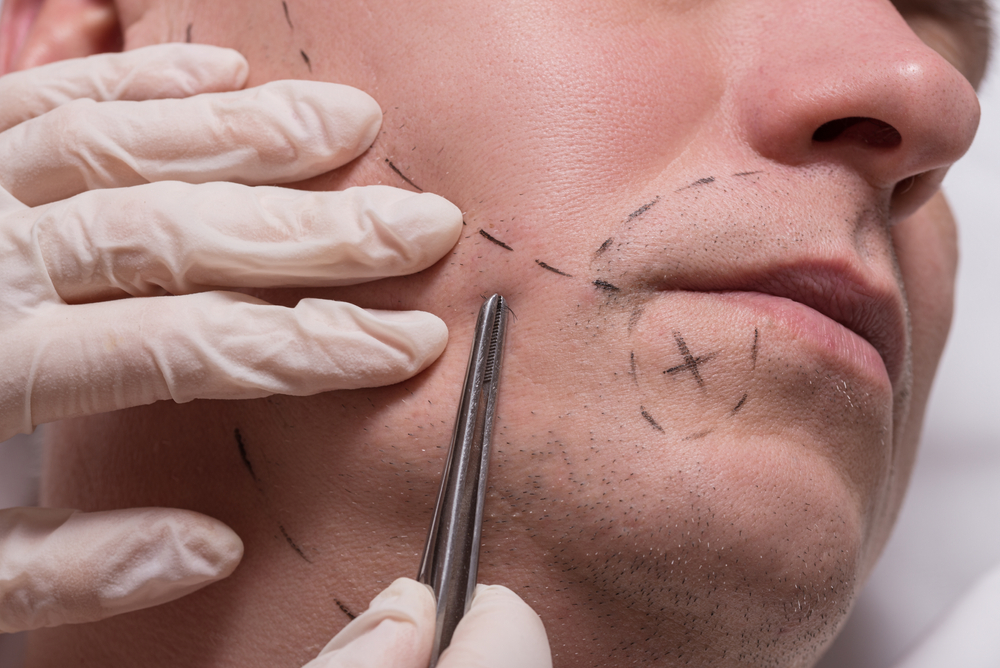
Facelift recovery spans several months and involves distinct biological healing phases. Most patients resume normal social activities within two to three weeks, but full tissue remodeling completes between six and twelve months.
A facelift, or rhytidectomyThe medical term for a facelift, derived from Greek words meaning 'wrinkle' (rhytis) and 'excision' (ektome). It refers to a..., removes excess facial skin and tightens underlying tissues to restore youthful contours. The procedure changes your appearance immediately, but the recovery journey determines your final outcome. Many patients feel anxious about downtime, swelling, and visible bruising. Understanding the biological timeline reduces fear and helps you plan your schedule.
Recovery varies widely. Your surgeon’s technique, your age, your skin quality, and your overall health all play roles. A 45-year-old non-smoker heals faster than a 65-year-old smoker with diabetes. A deep plane facelift causes more initial swelling than a mini facelift. This article gives you an evidence-based roadmap of what to expect day by day, week by week, and month by month. You will learn how your body heals, what symptoms signal normal recovery, and what strategies speed your return to daily life.
What Happens Inside Your Body During Facelift Healing?
Your body moves through three healing phases after facelift surgery: inflammation lasts days, proliferation rebuilds tissue over weeks, and remodeling strengthens scars over months.
How Does the Inflammatory Phase Start Your Recovery?
Blood vessels dilate and fluid rushes into surgical sites within hours. This causes swelling, redness, and warmth. The inflammatory phase peaks between 48 and 72 hours.
Your immune system detects tissue disruption immediately after surgery. White blood cells migrate to the wound. Histamine and prostaglandins increase blood flow. This response cleans debris and fights bacteria. You see this as swelling and bruising. The inflammatory phase typically lasts three to five days. Cold compresses and head elevation help control fluid accumulation during this window (Rohrich and Pessa, 2007).
How Does the Proliferative Phase Rebuild Your Facial Tissues?
Fibroblasts produce new collagenA structural protein found in the skin and other connective tissues, which is responsible for skin firmness and elasticity.... starting around day four. New blood vessels form to feed healing tissue. This phase lasts two to four weeks.
Once inflammation subsides, your body shifts to construction mode. Fibroblast cells deposit type III collagen, a temporary scaffold. Angiogenesis creates new capillaries. The wound gains strength rapidly during this period. You notice firmness under the skin. This firmness feels strange, but it shows active healing. Your surgeon may allow gentle massage after two weeks to encourage collagen organization (Singer and Clark, 1999).
How Does the Remodeling Phase Perfect Your Results?
Strong type I collagen replaces weak type III collagen. Scars flatten and fade. This phase continues for six to eighteen months.
The remodeling phase determines your final aesthetic outcome. Your body converts temporary collagen into permanent structural collagen. Scars mature from red and raised to flat and pale. Nerve endings regenerate slowly. Numbness fades gradually during this phase. Patience matters here. Your face may look 90% healed at three months, but subtle improvements continue for a full year (Gurtner et al., 2008).
What Does Facelift Recovery Look Like Day by Day and Month by Month?
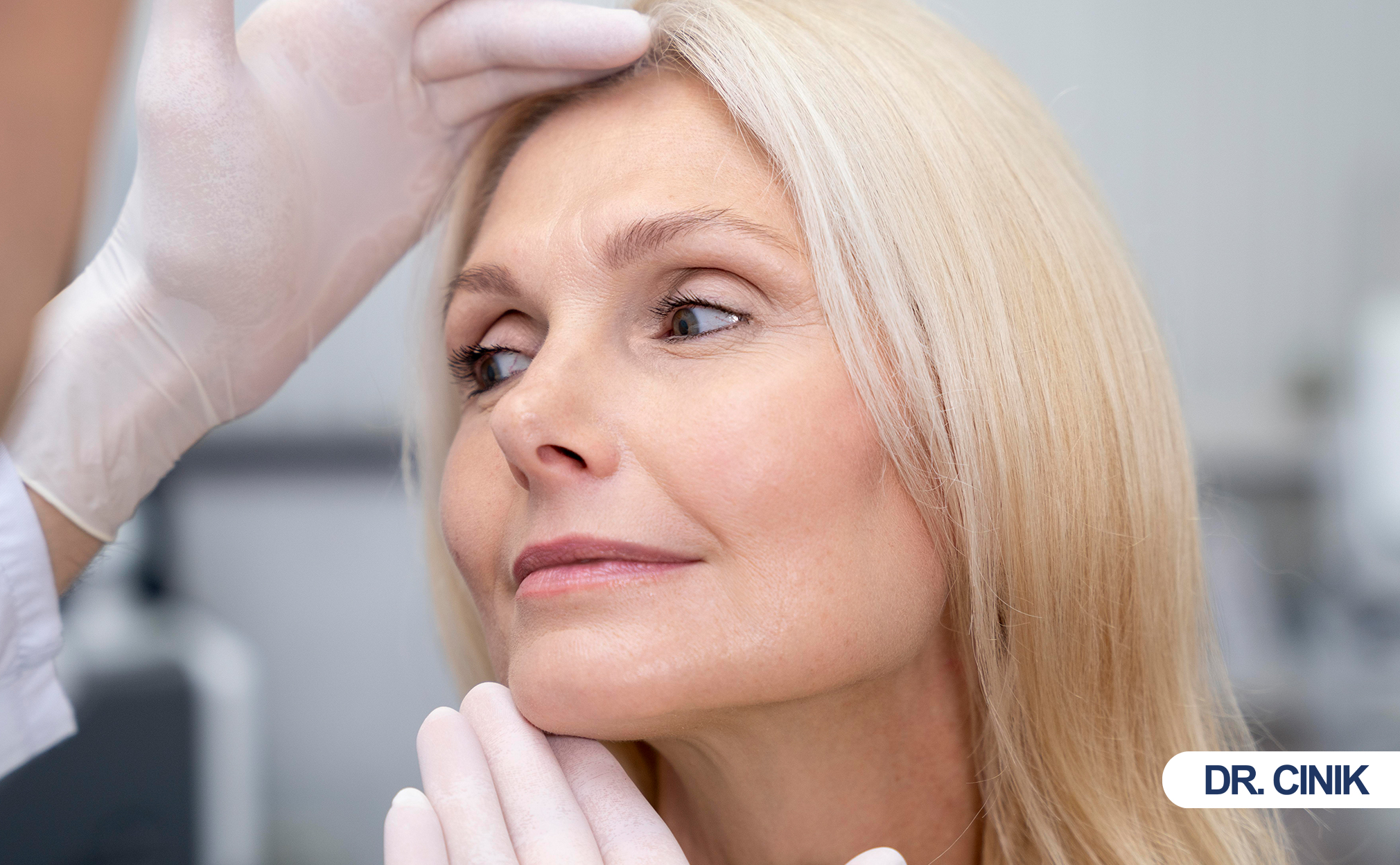
Recovery follows a predictable pattern: peak swelling hits days two to four, social recovery occurs at ten to fourteen days, work return happens at two to three weeks, and final results appear at three to six months.
What Happens During the First Three Days After Surgery?
You experience peak swelling, bruising, and tightness. Drains remove fluid. You must keep your head elevated and wear compression dressings.
The immediate postoperative period demands strict rest. Your face feels tight and heavy. Bruising spreads across your cheeks and neck. Swelling peaks around 48 to 72 hours. Your surgical team places drains to prevent fluid collection. You take prescribed pain medication. You sleep with your head elevated at 30 to 45 degrees. This position uses gravity to reduce facial edema. You avoid bending, lifting, or straining. These actions raise blood pressure and increase bleeding risk (Niamtu, 2005).
What Changes Occur Between Days Four and Seven?
Swelling and bruising reach their maximum around day three or four, then begin to improve. Your surgeon removes sutures between days five and ten.
The early recovery phase brings the first visible improvements. Bruising changes color from dark purple to yellow-green. Swelling softens slightly. You feel more comfortable moving around your home. Your surgeon removes some sutures around day five. Deeper sutures stay longer. You may shower carefully after 48 hours. You still avoid strenuous activity. Walking short distances helps circulation and prevents blood clots. Most patients describe this phase as “turning the corner” (Jacono et al., 2011).
What Should You Expect During Weeks Two and Three?
Visible bruising fades significantly. You become socially presentable. Mild asymmetry and numbness persist.
The subacute phase marks a psychological milestone. You can cover residual bruising with makeup. Swelling drops enough that acquaintances may not notice your surgery. However, your face still looks slightly puffy in photos. You may feel numbness or tingling along the jawline and neck. These sensations indicate nerve healing. Some patients experience mild facial asymmetry due to uneven swelling. This asymmetry resolves as healing progresses. You may return to light social activities after ten to fourteen days (Marten and Ely, 2019).
How Does Your Face Look Between Weeks Four and Six?
Your facial contour improves dramatically. You return to work and normal routines. Minor swelling and firmness remain.
The intermediate recovery phase restores your daily life. Most patients return to professional work between weeks two and three. By week four, you feel confident in professional settings. Your jawline looks sharper. Your neck appears smoother. However, you still notice subtle swelling near the ears and along the incision lines. This swelling hides the final refinement. Incision lines may look pink or red. You can resume light exercise after four weeks. You must still avoid high-impact activities and heavy lifting (Baker and Gordon, 2011).
What Improvements Occur During Months Two and Three?
Most swelling resolves. Your skin texture improves. Scars soften and flatten.
The advanced healing phase reveals your surgical outcome. Friends and family notice the refreshed appearance. You no longer think about your surgery daily. Incision scars fade from red to flesh-toned. Any residual firmness under the skin softens. You resume full exercise routines after six to eight weeks, pending your surgeon’s approval. Your photos from month two look significantly better than photos from week two. However, subtle changes continue (Rohrich et al., 2017).
When Will You See Your Final Facelift Results?
Final results become visible between three and six months. Scar maturation continues up to twelve to eighteen months.
The long-term recovery phase completes your transformation. Your face settles into its new position. Scars reach their mature state. Any lingering numbness disappears. Your results look natural and stable. You forget you had surgery. The tissue remodeling that began in month one finally concludes. This timeline explains why surgeons schedule follow-up appointments at three, six, and twelve months. They want to document your complete evolution (Sykes et al., 2020).
What Are the Key Clinical Milestones in Facelift Recovery?
Peak edema hits days two to four. Social recovery occurs at ten to fourteen days. Work return happens at two to three weeks. Full physical recovery requires several months.
|
Milestone |
Typical Timeframe |
What It Means |
|
Peak edema |
Days 2–4 |
Maximum swelling and bruising |
|
Drain removal |
Days 1–3 |
Fluid output decreases enough for removal |
|
Suture removal |
Days 5–10 |
External stitches come out |
|
Socially presentable |
10–14 days |
Makeup covers remaining bruising |
|
Return to work |
2–3 weeks |
Professional appearance restored |
|
Light exercise |
4 weeks |
Walking, gentle yoga permitted |
|
Full exercise |
6–8 weeks |
High-impact activities approved |
|
Final results |
3–6 months |
Surgical outcome fully visible |
|
Scar maturation |
12–18 months |
Incisions reach final appearance |
This table helps you plan your calendar. You can schedule important meetings after week three. You can plan vacations after month two. You can photograph your results confidently after month three.
What Common Symptoms Will You Experience and How Do You Manage Them?
You will experience swelling, bruising, mild pain, numbness, and tightness. Cold compresses, elevation, and prescribed medication control these symptoms effectively.
How Long Does Swelling and Bruising Last?
Major swelling and bruising persist for two to four weeks. Residual swelling may linger for several months.
Swelling and bruising frighten many patients. The discoloration looks dramatic. Remember that bruising follows gravity. It may appear on your neck and chest even if your surgeon never touched those areas. Cold compresses reduce blood flow and limit fluid accumulation during the first 48 hours. After 48 hours, warm compresses encourage blood reabsorption. You must keep your head elevated while sleeping for at least two weeks. Some patients use Arnica montana supplements, though scientific evidence remains mixed (Kotlus et al., 2019).
How Much Pain Will You Feel?
Most patients report mild to moderate discomfort, not severe pain. Prescribed analgesics control symptoms effectively.
Facelift surgery causes tightness more than sharp pain. You feel as if you are wearing a mask. Prescription pain medication helps during the first three days. Most patients switch to over-the-counter acetaminophen by day four. Avoid ibuprofen and aspirin during early recovery unless your surgeon approves them. These medications thin blood and increase bruising. If pain suddenly worsens after initial improvement, contact your surgeon immediately. This change may signal a hematomaHematoma: A localized collection of blood outside the blood vessels, often causing swelling and discoloration, which can occur as a... (Niamtu, 2005).
Why Does Your Face Feel Numb?
Temporary nerve disruption causes numbness. Sensation returns gradually over weeks to months.
Numbness surprises many facelift patients. Your surgeon manipulates skin and underlying tissues near sensory nerves. These nerves stretch or bruise during dissection. Numbness affects the cheeks, jawline, neck, and earlobes. Some patients report tingling or “pins and needles” as nerves heal. This sensation indicates recovery. Permanent numbness is rare in experienced hands. Most patients regain normal sensation within three to six months. Massaging the area gently after week two may stimulate nerve regeneration (Sykes et al., 2020).
Why Does Your Skin Feel Tight and Irregular?
Tissue repositioning causes tightness. Skin irregularities resolve during the remodeling phase.
Your surgeon lifted and redraped your facial skin. The skin must adapt to its new position. Early tightness feels uncomfortable but protects your results. Small lumps or ridges near the incision lines represent normal tissue folding. These irregularities smooth out as swelling resolves and collagen remodels. Do not judge your results during week one. The final skin drape takes shape gradually (Marten and Ely, 2019).
What Factors Speed Up or Slow Down Your Facelift Recovery?
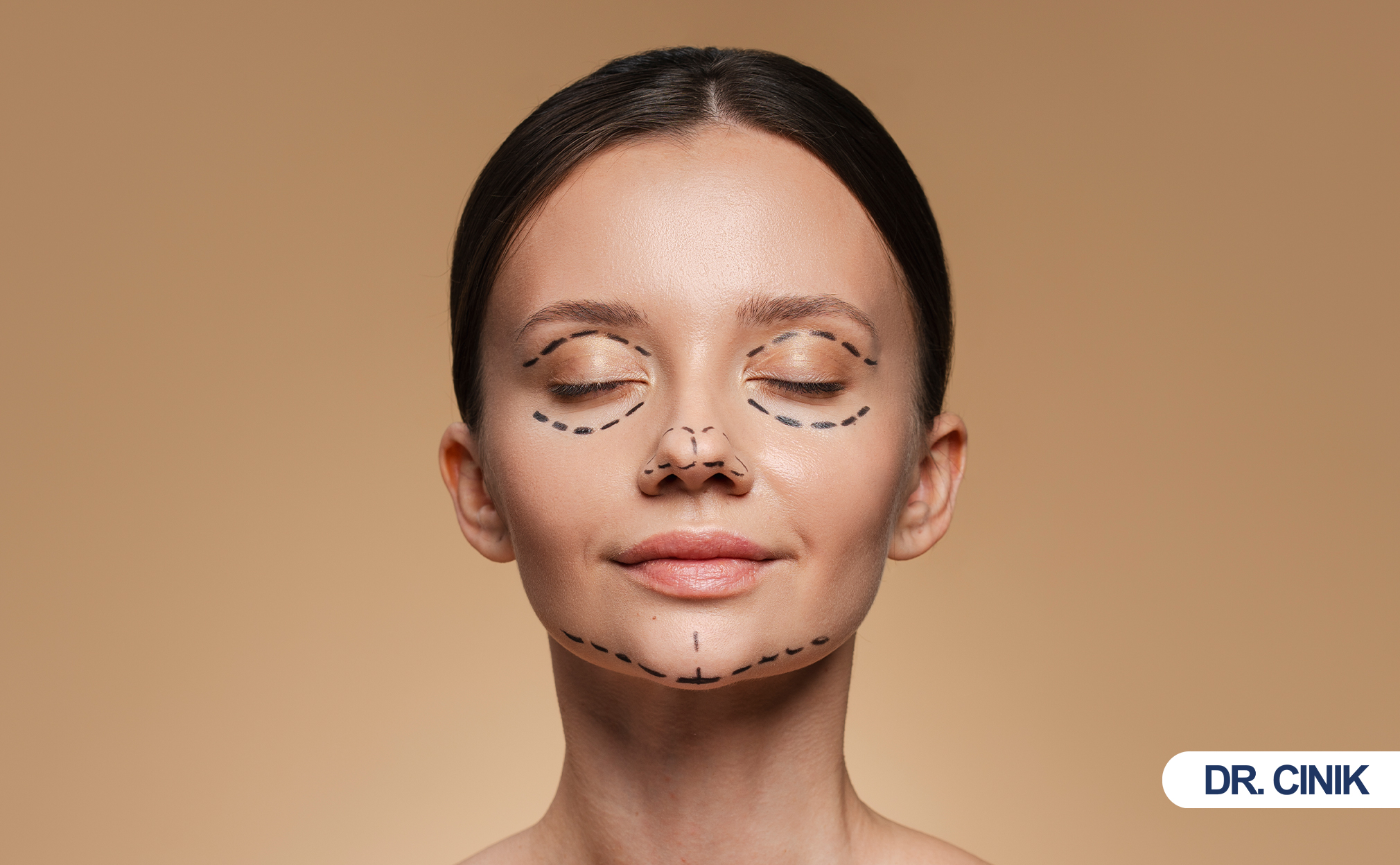
Your age, health habits, surgical technique, and aftercare compliance directly determine your healing speed.
How Do Your Personal Health Habits Affect Healing?
Younger patients with elastic skin heal faster. Smoking, diabetes, and poor vascular health delay recovery significantly.
Your body brings its own healing capacity to surgery. Patients under 50 typically recover faster than patients over 70. Elastic skin retracts smoothly. Older skin retains shape more slowly. Smoking devastates facelift recovery. Nicotine constricts blood vessels and reduces oxygen delivery to healing tissue. Smokers face higher risks of skin necrosis and poor scarring. Surgeons often require smoking cessation for four weeks before and after surgery. Diabetes increases infection risk and impairs wound healing. Control your blood sugar strictly before scheduling surgery (Rohrich and Pessa, 2007).
How Does Surgical Technique Influence Your Downtime?
Deep plane facelifts and combination procedures cause more initial swelling than mini facelifts. Minimally invasive techniques reduce tissue trauma.
The surgical approach shapes your recovery experience. A traditional SMASSMAS (Superficial Musculoaponeurotic System): A layer of tissue in the face comprising muscle and fibrous tissue, manipulation of which during... facelift manipulates the superficial musculoaponeurotic system. A deep plane facelift releases deeper attachments. Deep plane techniques create more initial edema but often deliver longer-lasting results. A mini facelift limits dissection to the lower face. This approach reduces swelling and shortens downtime to one to two weeks. Combination procedures add variables. Adding a neck lift extends recovery. Adding fat grafting introduces additional swelling in grafted areas. Your surgeon explains how your specific surgical plan affects your timeline (Jacono et al., 2011).
Why Does Aftercare Compliance Matter So Much?
Following instructions precisely prevents complications and speeds healing. Skipping restrictions causes setbacks.
Your surgeon provides specific aftercare protocols. These instructions are not suggestions. They are medical requirements. Head elevation prevents fluid accumulation. Activity restrictions prevent hematomas. Wound care prevents infections. Skipping follow-up appointments means missed opportunities to catch problems early. Patients who follow instructions religiously report smoother recoveries and better final results. Your active participation determines your outcome as much as your surgeon’s skill (Baker and Gordon, 2011).
What Complications Should You Watch For?
Hematoma, infection, skin necrosis, nerve injury, and prolonged edema represent the main risks. Early detection prevents serious outcomes.
Hematoma tops the list of early complications. Blood collects under the skin and creates painful swelling. This complication usually appears within 24 hours. Your surgeon drains the collection promptly. Infection remains rare due to antibiotic prophylaxis, but redness, warmth, and fever signal trouble. Skin necrosis threatens smokers and patients with poor circulation. The skin along incision edges loses blood supply and dies. This complication causes delayed healing and visible scarring. Nerve injury affects facial movement or sensation. Most nerve issues are temporary and resolve within months. Permanent nerve damage is rare. Prolonged edema or asymmetry may require steroid injections or revision procedures (Sykes et al., 2020).
What Strategies Optimize Your Facelift Recovery?
Medical strategies, lifestyle choices, and adjunctive therapies combine to create the smoothest healing experience.
How Do Medical Advances Improve Recovery?
Drains, tissue sealants, minimally invasive techniques, and antibiotic protocols reduce complications and downtime.
Surgeons use various tools to optimize healing. Drains remove fluid and prevent hematomas. Tissue sealants like fibrin glue reduce dead space and bruising. Minimally invasive techniques limit tissue trauma. Antibiotic prophylaxis prevents infection. Some surgeons use platelet-rich plasma to accelerate healing. These medical strategies create a controlled environment for your tissues to recover (Gurtner et al., 2008).
How Can You Take Control of Your Own Recovery?
Eat nutritious foods, drink water, quit smoking, and sleep with your head elevated.
Your daily choices shape your healing. Protein supports collagen synthesis. Vitamin C aids wound repair. Zinc supports immune function. Hydration maintains blood volume and tissue perfusion. Alcohol dehydrates you and interacts with medications. Avoid it completely during recovery. Sleep positioning matters enormously. Use wedge pillows or recliners to maintain elevation. These simple habits create the best possible conditions for your body to heal (Kotlus et al., 2019).
What Additional Therapies Help Your Face Heal?
Lymphatic drainage massage, laser therapy, and diligent skincare improve swelling, scars, and skin quality.
Manual lymphatic drainage massage starts after two weeks. This gentle technique moves fluid through lymphatic channels and reduces puffiness. Laser therapy treats incision scars after they close fully. Fractional lasers improve scar texture and color. Silicone gel sheets flatten raised scars. Strict sun protection prevents hyperpigmentation along incision lines. UV exposure darkens healing scars permanently. Use SPF 50 daily for six months after surgery. These adjunctive therapies refine your results beyond what surgery alone achieves (Rohrich et al., 2017).
How Does Facelift Recovery Affect Your Mind and Social Life?
Emotional fluctuations are normal. Education and support help you manage expectations and navigate social situations confidently.
Healing affects your emotions as much as your body. Many patients feel elated immediately after surgery, then anxious during peak swelling. You may look in the mirror at day three and regret your decision. This feeling is temporary and universal. Your face does not reflect your final result during early recovery. Support from family, friends, and your surgical team carries you through low moments. Patient education before surgery prevents panic. When you expect the swelling, you do not fear it. Clear communication with your employer about your return date reduces work stress. Plan your social calendar with recovery milestones in mind. This planning protects your mental health (Marten and Ely, 2019).
How Does Recovery Differ Between Facelift Types?
Traditional facelifts require longer recovery than mini facelifts. Deep plane techniques cause similar timelines to SMAS techniques but may create more initial edema.
|
Facelift Type |
Typical Downtime |
Swelling Level |
Best For |
|
Traditional facelift |
3–4 weeks |
Moderate to high |
Significant aging, full face and neck |
|
Deep plane facelift |
3–4 weeks |
High initially |
Long-lasting results, advanced aging |
|
SMAS facelift |
2–3 weeks |
Moderate |
Balanced results and recovery |
|
Mini facelift |
1–2 weeks |
Mild to moderate |
Early aging, limited jowls |
|
Mid-facelift |
2–3 weeks |
Moderate |
Cheek volume loss, nasolabial foldsNasolabial folds: The deep creases running from each side of the nose to the corners of the mouth, commonly known... |
Traditional facelifts address the full face and neck. They create comprehensive results but require the most downtime. Deep plane facelifts manipulate deeper tissue layers. They produce dramatic, long-lasting outcomes. The initial edema surprises some patients, but the timeline matches SMAS techniques overall. Mini facelifts target the jawline only. They suit younger patients with early jowling. Recovery feels manageable. Mid-facelifts lift the cheek area. They pair well with lower eyelid procedures. Your surgeon recommends the technique that matches your anatomy and goals (Jacono et al., 2011).
What Questions Do Patients Ask Most About Facelift Recovery?
Patients want to know timelines for work return, swelling duration, final results, and recovery acceleration.
How Long Does Facelift Recovery Take Overall?
Social recovery takes two to three weeks. Full physical and aesthetic recovery takes three to twelve months.
Most patients resume normal social and professional life within two to three weeks. However, your face continues refining for months. Plan your surgery when you can protect your recovery window. Avoid scheduling major events within six weeks of your procedure.
When Can You Return to Work After a Facelift?
Desk jobs allow return at two to three weeks. Public-facing roles may require three to four weeks.
Your job type determines your timeline. Remote workers can resume computer tasks within days if they feel well. Public speakers, sales professionals, and television personalities need more time. Makeup covers bruising after two weeks, but swelling may still show on camera. Discuss your specific role with your surgeon.
How Long Does Swelling Last After Facelift Surgery?
Major swelling lasts two to four weeks. Residual swelling may persist for three to six months.
Swelling dominates early recovery. It improves steadily after week one. By week three, only you and your surgeon notice it. By month three, it disappears completely. Elevation, diet, and lymphatic massage accelerate this process.
When Will You See Final Facelift Results?
You see substantial improvement at six weeks. Final results appear between three and six months.
Your face changes continuously during recovery. Month one looks different from month two. Month three looks different from month one. Photograph your progress weekly to appreciate the evolution. Do not judge your investment until month six.
What Helps Speed Up Facelift Recovery?
Quit smoking, follow instructions, sleep elevated, eat protein-rich foods, stay hydrated, and consider lymphatic massage.
Recovery speed depends on choices, not luck. Every recommendation your surgeon gives serves a purpose. Violating restrictions causes setbacks. Embracing healthy habits accelerates healing. You control more of your timeline than you realize.
What Should You Remember About Your Facelift Recovery Journey?
Facelift recovery follows a multi-phase biological process. Early swelling hides your results. Most patients resume normal life within weeks, but full healing takes months. Your active participation determines your outcome.
Facelift recovery intimidates many prospective patients. The timeline seems long. The symptoms seem uncomfortable. However, thousands of patients complete this journey successfully every year. Your body knows how to heal. Your surgeon knows how to guide you. The key lies in understanding what to expect.
Remember these truths. Peak swelling at day three does not predict your final result. Bruising that spreads to your chest is normal. Numbness that lasts for months resolves in most cases. Tightness that feels strange today creates the lifted look you wanted. Your patience during the first month rewards you with years of refreshed appearance.
Follow your aftercare instructions precisely. Attend every follow-up appointment. Communicate openly with your surgical team about concerns. Protect your incisions from sun exposure. Maintain healthy habits that supported your healing. Your facelift represents an investment in your confidence and quality of life. Protect that investment through your recovery and beyond.
References
Baker, Daniel C., and Howard B. Gordon. “Complications of Rhytidectomy.” Clinics in Plastic Surgery, vol. 38, no. 2, 2011, pp. 273–83.
Gurtner, Geoffrey C., et al. “Wound Repair and Regeneration.” Nature, vol. 453, no. 7193, 2008, pp. 314–21.
Jacono, Andrew A., et al. “Advances in Face and Neck Lift Surgery.” Facial Plastic Surgery Clinics of North America, vol. 19, no. 4, 2011, pp. 573–82.
Kotlus, Brett S., et al. “Cosmetic Periorbital Surgery: A Review of Current Techniques and Outcomes.” Ophthalmic Plastic and Reconstructive Surgery, vol. 35, no. 2, 2019, pp. 109–15.
Marten, Timothy J., and Stephen S. Ely. “Facelift Complications and the Suboptimal Result.” Plastic and Reconstructive Surgery, vol. 143, no. 4, 2019, pp. 671e–83e.
Niamtu, Joseph. “Expanding Hematoma in Face-Lift Surgery: Literature Review, Case Studies, and Recommendations.” Dermatologic Surgery, vol. 31, no. 9, 2005, pp. 1134–43.
Rohrich, Rod J., and Joel E. Pessa. “The Fat Compartments of the Face: Anatomy and Clinical Implications for Cosmetic Surgery.” Plastic and Reconstructive Surgery, vol. 119, no. 7, 2007, pp. 2219–27.
Rohrich, Rod J., et al. “Facelift Complications: A Comprehensive Review.” Plastic and Reconstructive Surgery, vol. 139, no. 4, 2017, pp. 863e–71e.
Singer, Adam J., and Richard A. F. Clark. “Cutaneous Wound Healing.” New England Journal of Medicine, vol. 341, no. 10, 1999, pp. 738–46.
Sykes, Jonathan M., et al. “Contemporary Facelift Surgery: A Comprehensive Review of Current Techniques and Outcomes.” JAMA Facial Plastic Surgery, vol. 22, no. 5, 2020, pp. 421–29.