Thigh lift surgery removes loose skin and extra fat from the thighs. Surgeons call this procedure thighplasty. The surgery tightens the skin and reshapes the upper leg. Many patients seek this operation after massive weight loss. Others want relief from skin rubbing and chafing. The procedure differs from liposuction because it addresses loose skin directly. Liposuction only removes fat. Thighplasty removes skin and fat together. Surgeons use several techniques to match each patient’s needs. The results improve both appearance and comfort. Patients report better mobility and higher confidence after recovery.
Thighplasty belongs to the larger field of body contouring surgery. Body contouring reshapes areas after weight changes or aging. The thighs present unique challenges because the skin bears constant stress from walking and sitting. The upper inner thigh often sags first. This sagging creates skin folds that trap moisture and cause irritation. Thigh lift surgery solves these problems by lifting and tightening the tissue. The procedure has grown more popular as bariatric surgery rates have risen. More patients now need help with excess skin after losing significant weight.
What Is Thigh Lift Surgery?
Thigh lift surgery is a body contouring procedure that removes extra skin and fat from the thigh area. Surgeons tighten the remaining skin to create a smoother shape. The operation helps patients who have loose skin from aging, weight loss, or genetics. Thighplasty improves both the look and function of the legs. Patients choose this surgery when diet and exercise fail to fix sagging skin.
What Does Thighplasty Mean in Medical Terms?
Thighplasty means the surgical removal of excess skin and soft tissue from the thigh. Surgeons perform this operation to restore tightness and contour. The procedure falls under reconstructive and cosmetic surgery. It helps patients who suffer from skin laxityLaxity: Looseness or slackness in the skin or tissues, often referring to the loss of firmness and elasticity in aging..., which is the medical term for loose skin. Skin laxity reduces mobility and causes discomfort. Thighplasty restores the natural shape of the leg. It also improves the fit of clothing and reduces friction between the inner thighs.
Surgeons classify thighplasty as a major excisional procedure. The operation requires careful planning because the thighs contain important blood vessels and lymphatic channels. Mathes and Kenkel explain that surgeons must respect the superficial fascial system during medial thighplasty to achieve stable results (Mathes and Kenkel 2008). The fascia acts like a support layer under the skin. Surgeons anchor the skin to this layer to prevent the scar from dropping over time.
What Goals Do Thigh Lift Procedures Achieve?
Thigh lift procedures achieve five main goals. First, they improve thigh contour by removing bulges and sagging skin. Second, they reduce skin laxity by tightening the remaining tissue. Third, they decrease friction and chafing between the inner thighs. Fourth, they enhance mobility by removing skin that restricts movement. Fifth, they improve self-confidence by creating a more proportionate leg shape.
Patients who lose massive weight often struggle with skin folds that hang over the knees or groin. These folds cause rashes and hygiene problems. Thighplasty eliminates these folds. The surgery also helps aging patients whose skin has lost collagenA structural protein found in the skin and other connective tissues, which is responsible for skin firmness and elasticity.... and elasticity. Bruschi and colleagues note that limb contouring after massive weight loss improves function more than pure aesthetics (Bruschi et al. 2009). Patients walk more easily and engage in physical activities without pain.
How Does Thigh Lift Differ from Liposuction?
Thigh lift differs from liposuction because thighplasty removes skin while liposuction removes only fat. Liposuction works best for patients with good skin elasticity. The skin must snap back after fat removal. When skin lacks elasticity, liposuction leaves behind empty, sagging pockets. Thighplasty solves this problem by cutting away the loose skin directly.
Some patients need both procedures. Surgeons call this combination liposuction-assisted thigh lift. The liposuction removes stubborn fat deposits. The thigh lift removes the overlying loose skin. Schmidt and colleagues found that concomitant liposuction reduces complications in vertical medial thigh lift patients (Schmidt et al. 2016). The combined approach produces better contour than either procedure alone. Surgeons evaluate skin quality before recommending the right approach.
Who Qualifies as a Good Candidate for Thigh Lift Surgery?

Good candidates have stable weight, good health, and realistic expectations. They suffer from loose thigh skin that diet and exercise cannot fix. Non-smokers heal better and face fewer complications. Patients must understand that thighplasty leaves scars. The trade-off between scars and loose skin must feel acceptable to the patient.
What Patient Profiles Seek Thigh Lift Surgery Most Often?
Three patient profiles seek thigh lift surgery most often. Post-bariatric patients form the largest group. These individuals lost massive weight through surgery or lifestyle changes. Their skin cannot shrink to match the smaller body frame. Aging patients form the second group. Their skin loses collagen and elastinElastin A protein in connective tissue that allows tissues to resume their shape after stretching or contracting, contributing to skin... over time. The thighs sag even without weight changes. Post-pregnancy patients form the third group. Hormonal shifts and weight fluctuations leave loose skin on the thighs.
Gusenoff and colleagues studied 106 thighplasty patients and found that the massive weight loss population faces unique challenges (Gusenoff et al. 2015). These patients often need multiple body contouring procedures. Their skin quality differs from non-weight-loss patients. Surgeons must plan carefully to avoid complications in this group.
What Eligibility Criteria Define an Ideal Thigh Lift Candidate?
Ideal candidates meet six criteria. They maintain stable body weight for at least six months. They possess good skin quality in areas that will remain after surgery. They do not smoke or they quit smoking before surgery. They enjoy good overall health without uncontrolled diabetes or heart disease. They understand the scar patterns and accept them. They commit to following postoperative instructions.
Surgeons screen patients carefully during consultation. They check for conditions that impair wound healing. They ask about previous surgeries and scars. They assess the patient’s mental readiness. Patients with body dysmorphia or unrealistic goals may not qualify. The surgeon and patient must share the same vision for the outcome.
What BMI and Weight Stability Requirements Do Surgeons Enforce?
Surgeons prefer a body mass index below 30 before thighplasty. Higher BMI increases complication risks. Overweight patients face more wound healing problems and infections. Weight stability matters more than exact BMI numbers. Patients must keep their weight steady for six to twelve months before surgery.
Weight fluctuations after thighplasty ruin the results. Gaining weight stretches the tightened skin. Losing more weight creates new loose skin. Bertheuil and colleagues identified high BMI before surgery as a significant risk factor for complications after J medial thighplasty (Bertheuil et al. 2021). Patients should reach their goal weight first. Then they should maintain that weight to protect their investment.
What Psychological Expectations Should Patients Hold?
Patients should hold realistic expectations about scars, recovery, and results. Thighplasty improves contour but does not create perfect legs. Scars remain visible for months or years. Some patients feel disappointed when they see scars before they fade. Others expect results that match celebrity photos. These expectations set patients up for dissatisfaction.
Surgeons should educate patients about the healing timeline. Final results take six to twelve months to appear. Early swelling distorts the shape. Scars look red and raised before they mature. Patients who understand this process report higher satisfaction. Paul and colleagues found that body contouring improves quality of life in morbidly obese patients after bariatric surgery, but patients need proper counseling beforehand (Paul et al. 2020).
What Types of Thigh Lift Surgery Exist?

Surgeons offer several types of thigh lift surgery. Each type targets a specific area and degree of loose skin. The inner or medial thigh lift remains the most common choice. The vertical thigh lift treats severe skin excess. The outer thigh lift improves the lateral contour. Surgeons combine techniques when patients need comprehensive reshaping.
What Is an Inner or Medial Thigh Lift?
The inner or medial thigh lift targets the upper inner thigh. Surgeons place an incision in the groin crease where the thigh meets the pubic area. They remove a wedge of excess skin and fat from the inner thigh. They then tighten the remaining skin upward toward the groin. This technique works best for mild to moderate skin laxity in the upper third of the thigh.
The medial thigh lift produces a hidden scar in the natural fold. Patients appreciate the discreet scar placement. However, the vertical pull can cause the scar to migrate downward over time. Lockwood introduced the fascial anchoring technique to prevent this migration (Lockwood 1988). Surgeons anchor the skin to the deep fascia near the pubic bone. This fixation keeps the scar in place and maintains the lift.
What Is a Mini Thigh Lift?
The mini thigh lift uses a limited incision approach for mild skin sagging. Surgeons make a shorter incision in the groin crease. They remove a small amount of skin from the upper inner thigh only. This technique suits patients with minimal looseness near the groin. It does not address the middle or lower thigh.
Recovery from a mini thigh lift takes less time than full thighplasty. Patients return to work sooner. The scars remain shorter. However, the results limit themselves to the upper thigh area. Patients with loose skin extending toward the knee need a more extensive procedure. The mini thigh lift offers a conservative option for younger patients or those with early aging changes.
What Is a Vertical Thigh Lift?
The vertical thigh lift removes extensive skin from the inner thigh through a vertical incision. Surgeons cut from the groin crease down toward the inner knee. They remove a large ellipse of skin along the inner thigh. This technique suits patients after massive weight loss who have severe skin excess. The vertical approach treats the entire thigh length.
The vertical thigh lift creates a long, visible scar on the inner thigh. Patients must accept this trade-off for dramatic improvement. Capella describes the vertical medial thigh lift as the gold standard for massive weight loss patients with circumferential laxity (Capella 2014). The procedure reshapes the entire leg and removes the most skin. Complication rates run higher than horizontal techniques. Surgeons must counsel patients thoroughly about the risks.
What Is an Outer Thigh Lift?
The outer thigh lift improves the contour of the lateral thigh and hip area. Surgeons place incisions along the outer hip or buttock crease. They lift the outer thigh tissue upward toward the hip. This technique often combines with a butt lift or lower body lift. It does not treat the inner thigh.
Patients with saddlebags and loose outer skin benefit from this approach. The outer thigh lift tightens the lateral leg and smooths the transition to the buttock. Surgeons sometimes perform this procedure through the same incision used for a butt lift. The combined approach creates harmonious lower body contours.
What Is a Spiral Thigh Lift?
The spiral thigh lift provides circumferential contouring of the thigh. Surgeons design the incision to wrap around the inner thigh and extend toward the back. This technique treats loose skin on both the inner and outer aspects of the thigh. It creates a spiral pattern of skin removal.
The spiral approach offers comprehensive reshaping. It addresses multiple zones in one operation. However, the technique demands advanced surgical skill. The blood supply to the skin flaps requires careful preservation. Fewer surgeons offer this specialized procedure. Patients should seek surgeons with specific experience in spiral thighplasty.
What Is a Bilateral Thigh Lift?
The bilateral thigh lift reshapes both thighs during one surgical session. Surgeons operate on the left and right thighs symmetrically. They match the amount of skin removal and the tension of the lift. This approach ensures balanced results.
Most thigh lift procedures are bilateral. Patients rarely need only one thigh treated. Bilateral surgery requires longer operative time. It also increases the total recovery burden. However, patients prefer one recovery period rather than two separate surgeries. Surgeons plan bilateral thighplasty to minimize asymmetry and maximize efficiency.
How Do Different Thigh Lift Techniques Compare?
Different thigh lift techniques vary by incision pattern, recovery time, and expected outcome. The table below compares the main options.
|
Technique |
Incision Location |
Best For |
Recovery Time |
Scar Visibility |
Complication Rate |
|
Inner/Medial Thigh Lift |
Groin crease |
Mild upper inner laxity |
2-3 weeks |
Low (hidden) |
Moderate |
|
Mini Thigh Lift |
Short groin incision |
Minimal upper thigh sagging |
1-2 weeks |
Very low |
Low |
|
Vertical Thigh Lift |
Groin to inner knee |
Severe skin excess after massive weight loss |
4-6 weeks |
High (visible) |
Higher |
|
Outer Thigh Lift |
Outer hip/buttock crease |
Lateral thigh and hip laxity |
3-4 weeks |
Moderate |
Moderate |
|
Spiral Thigh Lift |
Inner thigh wrapping to back |
Circumferential laxity |
4-6 weeks |
Moderate to high |
Higher |
|
Bilateral Thigh Lift |
Both thighs (any technique) |
Both legs need reshaping |
Adds 1-2 weeks |
Depends on technique |
Moderate |
Xie and colleagues compared horizontal and vertical techniques in massive weight loss patients. They found that horizontal fixation with limited dissection reduces seromaSeroma: A pocket of clear serous fluid that sometimes develops in the body after surgery, which may require drainage.
and infection rates (Xie et al. 2017). Vertical techniques remove more skin but carry higher wound healing risks. Surgeons select the technique based on the patient’s anatomy and goals.
What Anatomy of the Thigh Matters for Thighplasty?
Thighplasty requires deep knowledge of thigh anatomy. Surgeons must understand skin structure, fat layers, blood vessels, lymphatic channels, muscles, and fascia. Each structure plays a role in planning and execution. Safe surgery preserves vital functions while improving appearance.
What Skin and Soft Tissue Structures Affect Thigh Lift Results?
The skin and soft tissue of the thigh contain collagen and elastin fibers. These fibers give skin its stretch and recoil. Aging and weight loss break down these fibers. The skin loses its ability to snap back. Surgeons assess skin elasticity before recommending thighplasty.
The superficial fascial system supports the skin and fat. This connective tissue layer runs beneath the fat. Surgeons use this layer for anchoring sutures. Strong fascia holds the lift in place. Weak fascia leads to recurrent sagging. Mathes and Kenkel emphasize that understanding the superficial fascial system proves essential for durable thighplasty results (Mathes and Kenkel 2008).
How Does Fat Distribution in the Thighs Influence Surgery?
The thighs store subcutaneous fat in two main layers. The superficial layer sits just under the skin. The deep layer lies above the muscle fascia. Thighplasty affects both layers. Surgeons remove some fat with the skin excision. They may also perform liposuction to thin the remaining tissue.
Fat distribution varies by gender and genetics. Women tend to store more fat in the inner and outer thighs. Men accumulate fat more evenly. Surgeons plan their approach around these patterns. Excessive fat removal risks contour irregularities. Conservative fat preservation maintains a natural shape.
What Lymphatic and Vascular Considerations Affect Healing?
The thighs contain extensive lymphatic networks and blood vessels. Lymphatic channels drain fluid from the legs back toward the torso. Surgery disrupts these channels temporarily. This disruption causes swelling after thighplasty. Most swelling resolves as the body forms new lymphatic connections.
The great saphenous vein and its branches run through the medial thigh. Surgeons avoid injuring these vessels. Damage to major veins increases clot risks. The medial femoral cutaneous nerve supplies sensation to the inner thigh. Injury to this nerve causes numbness or pain. Sisti and colleagues note that lymphatic disruption contributes to prolonged edema after medial thigh lift (Sisti et al. 2015). Careful surgical technique protects these vital structures.
How Do Muscles and Fascia Support Thigh Contour?
The thigh muscles include the quadriceps, hamstrings, and adductors. These muscles create the underlying shape of the leg. Thighplasty does not alter the muscles. However, strong muscles provide better support for the tightened skin. Patients with good muscle tone achieve superior results.
The fascia covers the muscles like a sheath. Surgeons anchor the skin flaps to this strong tissue. Lockwood pioneered the fascial anchoring method for medial thigh lifts (Lockwood 1988). This technique distributes tension across the fascia rather than the skin edge. The result is a stronger lift with less scar widening.
What Causes Excess Thigh Skin and Sagging?
Excess thigh skin and sagging stem from five main causes. Massive weight loss ranks as the leading cause. Aging and collagen loss follow closely. Genetics, pregnancy, and reduced skin elasticity also contribute. Understanding these causes helps patients and surgeons plan treatment.
How Does Massive Weight Loss Create Thigh Skin Excess?
Massive weight loss stretches the skin for months or years. The skin expands to cover the larger body. When weight drops rapidly, the skin cannot shrink fast enough. The collagen and elastin fibers break under prolonged tension. They lose their recoil capacity. The thighs often show the worst sagging because the skin hangs vertically.
Patients who lose 50 kilograms or more almost always develop thigh skin excess. The inner thighs rub together and form rashes. Skin folds trap sweat and bacteria. Gusenoff and colleagues studied this population and found that 68 percent of massive weight loss thighplasty patients experienced at least one complication (Gusenoff et al. 2015). Despite this, patient satisfaction remains high because the functional improvement outweighs the healing challenges.
How Does Aging and Collagen Loss Affect Thigh Skin?
Aging reduces collagen production by about one percent per year after age twenty. The skin becomes thinner and weaker. Sun exposure accelerates this breakdown. The thighs suffer because the skin bears constant mechanical stress from walking and sitting. Gravity pulls the weakened tissue downward.
Hormonal changes during menopause worsen collagen loss. Estrogen helps maintain skin thickness. When levels drop, the skin loses support. The inner thighs sag and wrinkle. Aging patients seek thighplasty to restore the firmness they enjoyed in youth. The procedure removes the loose skin that aging created.
What Genetic Factors Contribute to Thigh Sagging?
Genetics determine skin elasticity, fat distribution, and connective tissue strength. Some families inherit loose, stretchy skin. Others inherit dense, resilient skin. Patients with genetically poor elasticity develop sagging thighs even without weight changes. Their skin simply lacks the structural proteins needed for tightness.
Genes also control where the body stores fat. Some people accumulate fat in the thighs first and lose it last. This pattern leaves the thighs deflated and wrinkled after weight loss. Surgeons cannot change genetics. However, thighplasty overrides genetic limitations by removing the loose skin directly.
How Do Pregnancy and Hormonal Changes Alter Thigh Contours?
Pregnancy causes weight gain, fluid retention, and hormone fluctuations. Estrogen and relaxing loosen ligaments and skin to accommodate the growing baby. The thighs expand along with the hips and abdomen. After delivery, some women find that their thigh skin remains stretched.
Multiple pregnancies compound this effect. The skin undergoes repeated cycles of stretching and partial recovery. Eventually, it loses elasticity permanently. Hormonal birth control and thyroid disorders also affect skin quality. These patients benefit from thighplasty when non-surgical methods fail.
Why Does Skin Elasticity Reduction Matter for Thigh Appearance?
Skin elasticity allows the skin to stretch and return to shape. When elasticity fails, the skin hangs loosely. The thighs show this problem clearly because the skin covers a large, mobile area. Reduced elasticity creates folds, wrinkles, and dimples. These changes make the legs look older and heavier.
Thighplasty works because it removes the inelastic skin entirely. The remaining skin has better elasticity. Surgeons place sutures to hold this tighter skin in position. Without adequate elasticity, even thighplasty results may relax over time. Surgeons test skin quality during consultation to predict longevity.
What Happens During Preoperative Consultation and Assessment?
Preoperative consultation builds the foundation for safe thighplasty. Surgeons examine the patient, review medical history, plan the surgery, order tests, and obtain consent. This process ensures that patients understand the procedure and face minimal risks.
What Does Physical Examination for Thigh Lift Involve?
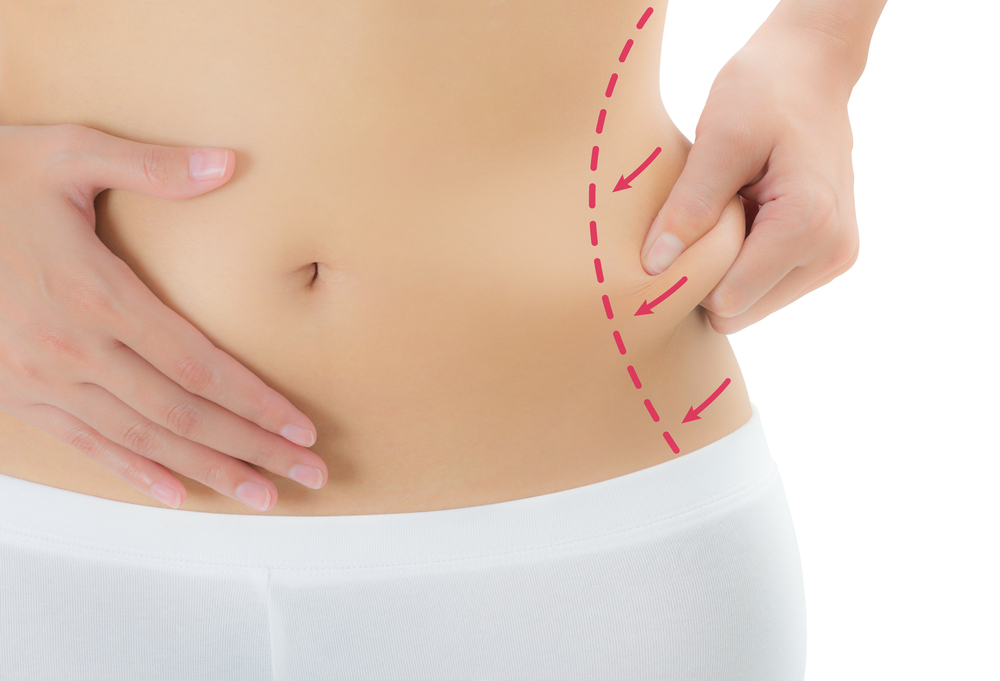
The physical examination covers skin quality, fat distribution, and existing scars. Surgeons pinch the skin to assess thickness and elasticity. They pull the skin upward to simulate the lift result. They mark the planned incision lines while the patient stands. Standing allows gravity to show the true extent of sagging.
Surgeons examine both thighs for symmetry. They note any previous scars from injuries or surgeries. They check for hernias or bulges in the groin. They assess the pubic area because medial thigh lifts affect this region. The examination takes twenty to thirty minutes. Patients wear underwear or a gown during the exam.
What Medical History Do Surgeons Evaluate?
Surgeons evaluate several health factors. They ask about diabetes, smoking, and blood clotting disorders. They review medications, including blood thinners and supplements. They check for previous vein problems or lymphedema. They ask about allergies to anesthesiaEnsuring Comfort During Hair Transplants Sedation is used in hair transplantation to help patients remain calm and comfortable throughout the... or antibiotics.
Smoking poses the greatest risk to wound healing. Nicotine constricts blood vessels and reduces oxygen delivery. Surgeons require patients to quit smoking four to six weeks before surgery. Diabetes increases infection risks if blood sugar remains uncontrolled. Surgeons coordinate with primary doctors to optimize health before thighplasty.
What Imaging and Surgical Planning Occur Before Thighplasty?
Most thighplasty cases do not require imaging. Surgeons rely on physical examination alone. However, massive weight loss patients may need imaging to assess fat distribution. Some surgeons use three-dimensional photography to plan symmetry. Computer imaging helps patients visualize possible results.
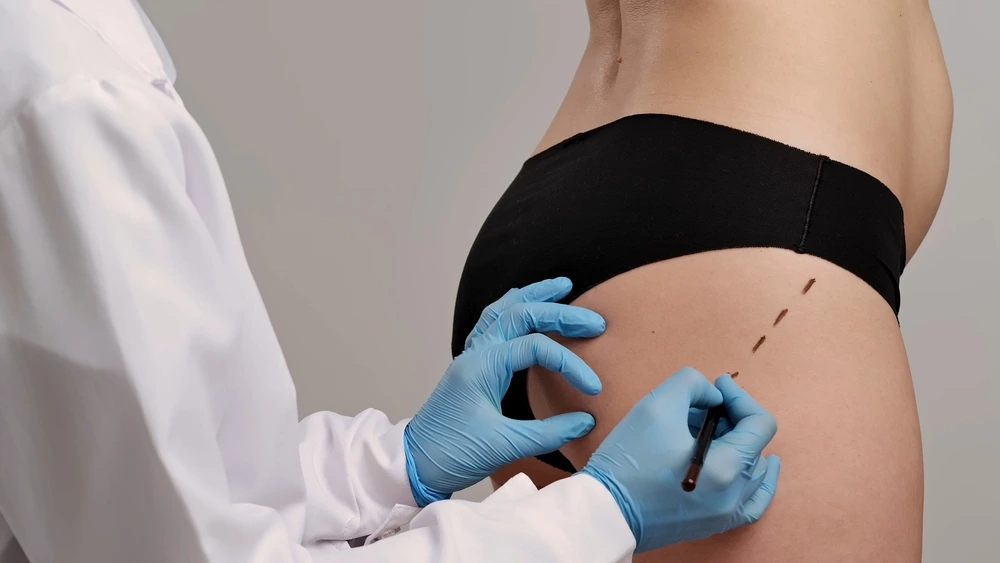
Surgical planning involves marking the patient while awake and standing. Surgeons draw the incision lines and the area of skin removal. They plan the vector of pull for optimal contour. They decide whether to combine liposuction. They also plan drain placement if needed. These markings guide the operation.
What Laboratory Testing and Clearance Do Patients Need?
Patients need blood tests to check blood count, clotting function, and electrolytes. They need a pregnancy test if applicable. Patients over fifty may need an electrocardiogram. Those with heart or lung conditions need clearance from their specialists.
Anesthesiologists review the lab results before surgery. They look for anemia, infection, or clotting problems. Patients with abnormal results may need treatment before scheduling thighplasty. The preoperative workup protects patient safety.
What Does the Informed Consent Process Cover?
The informed consent process covers risks, benefits, alternatives, and expectations. Surgeons explain the specific complications of thighplasty. They show photos of typical scars at various healing stages. They discuss the possibility of revision surgery. They explain anesthesia risks.
Patients sign consent forms after receiving this information. They confirm that they understand the procedure. They acknowledge the risks and accept responsibility for following postoperative instructions. Informed consent is a legal and ethical requirement. It ensures that patients enter surgery with full knowledge.
How Do Surgeons Perform Thigh Lift Surgery?

Surgeons perform thigh lift surgery in accredited facilities under sterile conditions. The operation involves anesthesia, incisions, tissue removal, contouring, and closure. Each step requires precision and planning.
What Anesthesia Options Do Surgeons Use for Thighplasty?
Surgeons use general anesthesia for most thigh lift procedures. General anesthesia puts the patient completely asleep. It allows the surgeon to work without movement or pain response. An anesthesiologist monitors the patient throughout the surgery.
Some surgeons use tumescent local anesthesia with sedation for mini thigh lifts. Tumescent fluid contains saline, local anesthetic, and epinephrine. It numbs the area and reduces bleeding. Sedation keeps the patient relaxed but not fully unconscious. This combination works for smaller cases. General anesthesia remains the standard for extensive thighplasty.
Where Do Surgeons Place Thigh Lift Incisions?
Surgeons place incisions based on the chosen technique. The inner thigh lift uses a groin crease incision. The vertical thigh lift adds a longitudinal incision down the inner thigh. The outer thigh lift uses incisions along the hip or buttock fold. Surgeons hide scars in natural creases whenever possible.
Incision placement balances scar visibility with skin removal needs. Short scars hide easily but remove less skin. Long scars remove more skin but remain visible. Surgeons discuss these trade-offs during consultation. They tailor the incision to the patient’s clothing preferences and anatomy.
How Do Surgeons Remove Tissue and Contour the Thigh?
Surgeons cut along the marked lines and lift the skin flap. They remove the excess skin and underlying fat as a single specimen. They thin the remaining flap to improve contour. They preserve the lymphatic vessels and nerves when possible. They check for bleeding and control it with cautery.
Tissue removal requires careful measurement. Surgeons remove symmetric amounts from both thighs. They leave enough skin to close the wound without tension. Excessive tension causes wound dehiscence and wide scars. Armijo and colleagues describe a four-step medial thighplasty that standardizes this process for reproducible results (Armijo et al. 2014).
What Is a Liposuction-Assisted Thigh Lift?
A liposuction-assisted thigh lift combines fat removal with skin excision. Surgeons perform liposuction first to thin the flap. Then they remove the loose skin. This sequence reduces the bulk under the skin and allows more precise contouring.
Di Pietro and colleagues developed the Liposuction-Assisted Medial Thigh Lift (LAMeT) technique. They reported that LAMeT reduced complications from 35.7 percent to 3.8 percent compared to standard techniques (Di Pietro et al. 2020). Liposuction preserves lymphatic channels when performed carefully. The combination approach produces smoother results and faster healing.
How Do Surgeons Close Wounds After Thighplasty?
Surgeons close wounds in multiple layers. They place deep absorbable sutures in the fascia and deep fat. These sutures carry the tension of the closure. They then close the superficial fat and skin with finer sutures. Some surgeons use surgical glue or tape on the surface.
Drains may exit through separate small incisions. Drains remove fluid that accumulates under the skin. Surgeons place compression garments over the dressings. The garment supports the closure and reduces swelling. Patients wear these garments continuously for several weeks.
How Long Does Thigh Lift Surgery Take?
Thigh lift surgery takes two to four hours for a bilateral medial thighplasty. Vertical or spiral techniques may take four to six hours. Combination procedures with liposuction, tummy tuck, or butt lift extend the operative time. Surgeons monitor the patient throughout.
Longer surgeries increase certain risks. Blood clots form more readily during prolonged immobility. Surgeons use compression devices on the calves to prevent this. They also give blood-thinning medication when appropriate. An experienced team works efficiently to minimize operative time.
What Combination Procedures Accompany Thigh Lift Surgery?
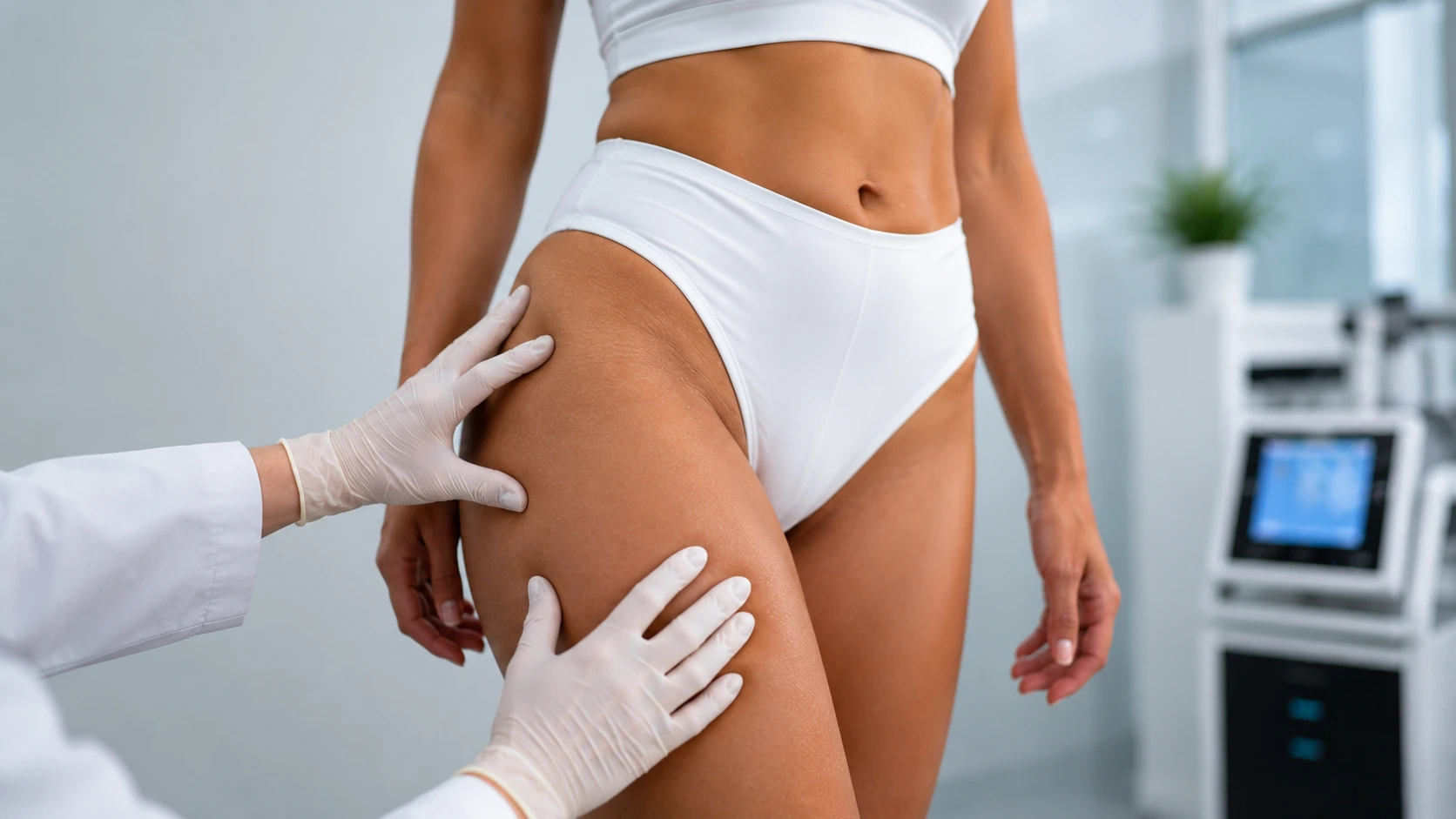
Surgeons often combine thigh lift surgery with other body contouring procedures. These combinations address multiple areas in one operative session. Patients save recovery time and achieve harmonious results.
What Is a Lower Body Lift?
A lower body lift treats the abdomen, hips, buttocks, and outer thighs in one procedure. Surgeons make a circumferential incision around the lower torso. They lift and tighten the entire lower body. The lower body lift often includes an outer thigh lift component.
Massive weight loss patients frequently choose this comprehensive approach. It removes the belt of loose skin around the waist and hips. The procedure takes six to eight hours. Recovery requires six to eight weeks. The results transform the patient’s silhouette dramatically.
What Is a Butt Lift?
A butt lift raises and reshapes the buttocks by removing excess lower back and buttock skin. Surgeons often perform it through the same incision as a lower body lift. The procedure improves sagging caused by aging or weight loss.
Some patients combine a butt lift with an outer thigh lift. This pairing smooths the transition between the buttock and thigh. The combined lift creates a youthful, athletic contour. Surgeons must preserve the blood supply to the buttock tissue during these procedures.
What Is a Tummy Tuck or Abdominoplasty?
A tummy tuck removes loose skin and tightens the abdominal muscles. It addresses the front of the torso. Surgeons frequently combine tummy tuck with medial thigh lift. The combination treats the abdomen and upper inner thighs together.
The tummy tuck requires a hip-to-hip incision below the bikini line. Surgeons remove excess skin and repair separated muscles. When combined with thighplasty, the patient receives total midsection and leg contouring. Recovery takes longer than either procedure alone.
What Is an Arm Lift or Brachioplasty?
An arm lift removes loose skin from the upper arms. Surgeons call this brachioplasty. Patients who need thighplasty often need arm lifts too. Both areas sag after massive weight loss. Surgeons sometimes schedule these procedures together.
The arm lift incision runs from the armpit to the elbow on the inner arm. The scar remains visible when the patient raises their arms. Combining arm and thigh surgery creates balanced upper and lower body results. However, the total recovery burden increases.
How Does Liposuction Combination Surgery Work?
Liposuction combination surgery adds fat removal to any body contouring procedure. Surgeons use liposuction to refine the edges of the thigh lift. They may also treat the knees, hips, or flanks. The combined approach creates smoother transitions between treated and untreated areas.
Surgeons must limit the total liposuction volume when combining procedures. Safety guidelines recommend removing no more than five liters of fat in outpatient surgery. Larger volumes increase fluid shifts and blood loss. Surgeons plan the combination carefully to stay within safe limits.
What Does Recovery After Thigh Lift Surgery Involve?
Recovery after thigh lift surgery progresses through distinct phases. Patients need patience and discipline during healing. The immediate postoperative period requires rest. The first week demands careful wound care. Long-term recovery spans several months.
What Happens During the Immediate Postoperative Period?
The immediate postoperative period covers the first twenty-four hours after surgery. Patients wake from anesthesia in a recovery room. Nurses monitor vital signs and pain levels. Patients wear compression garments and may have drains in place. Staff help patients stand and walk short distances within hours.
Early walking prevents blood clots. Patients feel groggy and sore. The thighs look swollen and tight. Staff teach patients how to empty drains if sent home with them. Most patients stay overnight for observation after extensive thighplasty.
What Occurs During the First Week of Recovery?
The first week brings the most discomfort. Patients manage pain with prescribed medications. They keep the legs elevated when resting. They avoid sitting directly on the incisions. They sponge-bathe instead of showering until cleared by the surgeon.
Drain output decreases daily. Surgeons remove drains when output drops below twenty to thirty milliliters per day. This usually happens three to seven days after surgery. Patients wear compression garments continuously. The garments reduce swelling and support the wounds.
What Is the Healing Timeline from Weeks Two to Six?
Weeks two to six mark steady improvement. Swelling begins to subside. Bruising fades from purple to yellow. Patients return to work after two to three weeks for desk jobs. They avoid strenuous activity and heavy lifting. Walking remains the primary exercise.
Surgeons remove external sutures during this period if non-absorbable types were used. Patients continue wearing compression garments for six weeks total. Scar care begins once the skin has healed. Patients apply silicone sheets or gel as directed.
What Does Long-Term Recovery Entail?
Long-term recovery spans three to twelve months. Scars mature and fade during this time. They progress from red and raised to flat and pale. Residual swelling resolves gradually. The final contour becomes visible around six months.
Some areas may feel numb or tingly as nerves regenerate. This sensation improves over months. Patients must protect scars from sun exposure for one year. Sunlight darkens scars permanently. Long-term results depend on weight stability and scar care.
When Can Patients Return to Exercise and Daily Activities?
Patients resume light walking immediately. They add gentle stretching at two weeks. They return to low-impact exercise like cycling or elliptical at four to six weeks. They avoid running, jumping, and heavy leg workouts for eight to twelve weeks.
Surgeons clear activities individually based on healing progress. Patients who rush exercise risk wound separation and fluid buildup. The compression garment supports the tissues during early workouts. Gradual return to activity protects the surgical result.
What Compression Garment Protocols Do Surgeons Recommend?
Surgeons recommend wearing compression garments for six to eight weeks after thighplasty. Some advise three months for optimal results. The garment applies even pressure to reduce swelling and prevent fluid pockets. It also supports the scar and minimizes tension.
Patients wear the garment day and night for the first month. They may remove it briefly for showering. After one month, they wear it during the day only. High-quality medical-grade garments work best. Ill-fitting garments cause ridges and discomfort.
How Do Surgeons Manage Pain After Thighplasty?
Pain management ensures comfortable recovery and prevents complications. Uncontrolled pain limits mobility. Limited mobility increases clot risks. Surgeons use multiple strategies to control discomfort.
What Pain Levels Should Patients Expect?
Patients experience moderate pain for the first three to five days. The pain feels like deep soreness and tightness. Pain levels drop significantly after the first week. By week two, most patients need only over-the-counter medications.
Individual pain tolerance varies. Patients who combine thighplasty with other procedures report higher pain levels. Proper pain control allows patients to walk and heal. Surgeons ask patients to rate pain on a scale of one to ten. This feedback guides medication adjustments.
What Medications Do Surgeons Prescribe?
Surgeons prescribe narcotic pain relievers for the first few days. They also recommend anti-inflammatory drugs like ibuprofen after the initial period. Antibiotics prevent infection during the first week. Stool softeners counteract the constipating effects of narcotics.
Surgeons avoid blood-thinning medications like aspirin early in recovery. These drugs increase bleeding risks. They resume blood thinners only when wound healing progresses. Patients must disclose all supplements and herbal remedies. Some natural products thin the blood.
How Do Patients Control Swelling and Bruising?
Patients control swelling with elevation, ice, and compression. They elevate the legs above heart level when resting. They apply ice packs for fifteen minutes at a time during the first forty-eight hours. They wear compression garments as directed.
Bruising spreads down the leg due to gravity. It looks worse before it improves. Arnica supplements may help some patients. Hydration and protein intake support tissue repair. Avoiding salty foods reduces fluid retention.
What Mobility and Comfort Tips Help Recovery?
Patients sleep with a pillow between the knees to reduce tension on the inner thigh scars. They avoid crossing their legs. They wear loose, comfortable clothing. They take short walks every two hours during waking time.
Sitting on a soft cushion reduces pressure on the groin incision. Patients avoid prolonged standing in the first week. They ask for help with childcare and household tasks. Rest supports healing, but complete bed rest causes harm. Gentle movement strikes the right balance.
What Risks and Complications Can Thigh Lift Surgery Cause?
Thigh lift surgery carries risks like all major operations. Complications range from minor to serious. Surgeons minimize risks through patient selection and technique. Patients must understand these risks before consenting.
What Common Complications Occur After Thighplasty?
Common complications include swelling, bruising, and fluid accumulation. These issues resolve with time and conservative care. Minor wound separation occurs in some patients. Scar widening happens when tension exceeds the skin’s strength.
Sisti and colleagues reviewed sixteen studies and found complications in 42.72 percent of medial thigh lift patients (Sisti et al. 2015). Wound dehiscence topped the list at 18.34 percent. Seroma followed at 8.05 percent. No major complications like thromboembolism or sepsis appeared in the reviewed literature. Minor complications remain common regardless of technique.
What Is Wound Dehiscence and How Do Surgeons Manage It?
Wound dehiscence means the wound edges separate after closure. Tension, infection, or poor healing cause this problem. Dehiscence delays recovery and widens scars. Surgeons manage small separations with wound care and antibiotics. They revise large separations in the operating room.
Gusenoff and colleagues reported wound dehiscence in 51 percent of their massive weight loss thighplasty cohort (Gusenoff et al. 2015). This high rate reflects the challenging nature of post-bariatric tissue. Surgeons reduce dehiscence risk by avoiding excessive tension and using deep fascial support sutures.
What Is Seroma Formation and What Causes It?
Seroma means a pocket of clear fluid under the skin. The body produces this fluid as a reaction to surgery. Large dead spaces and lymphatic disruption increase seroma risks. Surgeons place drains to prevent fluid buildup. They also use compression garments.
Susini and colleagues analyzed post-bariatric thigh lift studies and identified seroma as a frequent complication requiring drainage (Susini et al. 2024). Surgeons aspirate small seromas with a needle. They place new drains for large or recurrent seromas. Most seromas resolve within weeks.
What Infection Risks Exist and How Do Surgeons Prevent Them?
Infection risks include cellulitis and abscess formation. Bacteria enter through the incision or drains. Signs include redness, warmth, fever, and pus. Surgeons prevent infection with sterile technique, prophylactic antibiotics, and proper wound care.
Bertheuil and colleagues identified age, hypothyroidism, and liposuction outside the resection area as risk factors for infection after medial thighplasty (Bertheuil et al. 2021). Patients with these risk factors need extra vigilance. Early antibiotic treatment cures most infections quickly.
What Is Deep Vein Thrombosis and How Do Surgeons Prevent It?
Deep vein thrombosis means blood clot formation in the deep leg veins. Clots can travel to the lungs and cause pulmonary embolism. This complication threatens life. Surgeons prevent DVT with leg compression devices, early walking, and blood-thinning injections.
Risk factors include obesity, smoking, oral contraceptives, and prolonged immobility. Surgeons assess each patient’s clot risk before surgery. High-risk patients receive extended prophylaxis. Symptoms include calf pain, swelling, and shortness of breath. Patients must report these signs immediately.
What Causes Delayed Wound Healing?
Delayed wound healing stems from poor blood supply, infection, tension, and medical conditions. Diabetes, smoking, and malnutrition slow repair. Steroid medications impair healing. Surgeons screen for these factors before scheduling surgery.
Post-bariatric patients face higher delayed healing risks due to nutritional deficiencies. Rapid weight loss depletes protein, vitamins, and minerals. Surgeons may order nutritional testing before body contouring. Patients who optimize their nutrition heal faster and better.
How Do Scars Behave After Thigh Lift Surgery?
Scars start red, raised, and firm. They mature over twelve to eighteen months. Maturation brings fading, flattening, and softening. Some scars widen due to tension or genetics. Hypertrophic scars remain raised but stay within the incision line. Keloids extend beyond the incision and rarely occur on the thighs.
Scar behavior depends on technique, aftercare, and genetics. Horizontal groin scars hide well but may migrate downward. Vertical inner thigh scars remain visible in shorts or swimsuits. Patients must accept these permanent marks as the trade-off for improved contour.
What Is Lymphedema and How Does It Affect Thigh Lift Patients?
Lymphedema means persistent swelling due to lymphatic damage. It causes heaviness, discomfort, and recurrent infections. Thighplasty disrupts lymphatic channels in the medial thigh. Most patients experience temporary swelling. A small percentage develops chronic lymphedema.
Gusenoff and colleagues found that full-length vertical thighplasty associates with increased lower extremity edema (Gusenoff et al. 2015). Two patients in their study still had edema at twelve months. Surgeons minimize lymphatic disruption by preserving subcutaneous lymphatics during dissection. Early mobilization also promotes lymphatic recovery.
How Do Thigh Lift Scars Form and How Can Patients Manage Them?
Thigh lift scars form as the body repairs the surgical incision. All thighplasty techniques create scars. Proper management improves scar appearance. Patients play an active role in scar care.
What Types of Scars Does Thigh Lift Surgery Create?
Thigh lift surgery creates linear scars. The inner thigh lift creates a transverse scar in the groin crease. The vertical thigh lift adds a longitudinal scar down the inner thigh. The outer thigh lift creates scars along the hip or buttock. Combination techniques create T-shaped or L-shaped scar patterns.
Each scar type behaves differently. Transverse groin scars hide well but may descend over time. Longitudinal scars stay visible but do not migrate. T-junction scars where incisions meet face higher separation risks. Surgeons design patterns to minimize problematic intersections.
Where Do Surgeons Place Scars for Each Technique?
Surgeons place scars in natural folds and boundaries. The groin crease hides the medial thigh lift scar. The underwear line conceals the outer thigh lift scar. The inner thigh surface hides the vertical scar when the legs stand together. Surgeons ask patients to bring desired underwear or swimsuit styles to marking appointments.
Scar placement requires patient input. Some patients prioritize hiding scars over maximum skin removal. Others accept longer scars for better contour. The surgeon and patient agree on the plan before surgery. Proper placement determines long-term scar visibility.
What Is the Scar Healing Timeline?
Scar healing follows a predictable timeline. Inflammation lasts one to two weeks. The scar looks red and swollen. Proliferation spans weeks three to twelve. The scar builds collagen and feels firm. Remodeling continues for twelve to eighteen months. The scar fades and softens.
Patients see only ten percent of final scar appearance at three months. They must remain patient. Sun protection during the first year prevents hyperpigmentation. Silicone therapy starts after the skin closes completely. Massage begins once the scar can tolerate pressure.
How Do Silicone Sheets and Scar Therapy Work?
Silicone sheets and gels hydrate the scar and regulate collagen production. They flatten raised scars and reduce redness. Patients apply silicone daily for twelve to twenty-four hours. They continue treatment for three to six months.
Silicone works best for hypertrophic scars. It does not prevent normal scar formation. Patients combine silicone with sun protection and massage. Some surgeons recommend onion extract gels or vitamin E. Evidence supports silicone more strongly than these alternatives.
What Laser and Scar Revision Treatments Help?
Laser treatments reduce scar redness and texture irregularities. Pulsed dye lasers target red blood vessels in the scar. Fractional lasers resurface the skin texture. These treatments work best after the scar matures at six to twelve months.
Scar revision surgery removes wide or irregular scars. Surgeons re-cut the scar and close it with less tension. They may add Z-plasty techniques to redirect the scar into natural lines. Revision surgery requires additional recovery. Patients seek revision when scars cause functional or cosmetic problems.
What Results Can Patients Expect from Thigh Lift Surgery?
Thigh lift surgery produces significant improvements in thigh contour and comfort. Results develop gradually as swelling resolves. Patients enjoy both cosmetic and functional benefits.
What Cosmetic Improvements Does Thighplasty Deliver?
Thighplasty delivers smoother, tighter thigh contours. The inner thighs no longer rub together. The skin hangs less and creates fewer folds. The legs look more proportionate to the body. Patients fit into smaller clothing sizes. They feel more confident in shorts, swimsuits, and fitted pants.
The cosmetic improvement depends on the technique. Medial thigh lifts improve the upper inner thigh most. Vertical thigh lifts transform the entire leg. Outer thigh lifts enhance the lateral silhouette. Patients must match their goals to the right procedure.
What Functional Benefits Does Thigh Lift Surgery Provide?
Thigh lift surgery reduces chafing, rashes, and moisture buildup. Patients walk without skin irritation. They exercise more comfortably. Hygiene improves because skin folds no longer trap bacteria. The functional benefits often matter more than the cosmetic changes.
Bruschi and colleagues emphasize that limb contouring after massive weight loss improves function rather than pure aesthetics (Bruschi et al. 2009). Patients report easier walking, less sweating, and fewer infections. These quality-of-life improvements justify the surgery for many patients.
What Timeline Leads to Final Results?
Final results emerge after six to twelve months. Early swelling masks the improvement for weeks. Patients see initial shape changes at one month. The contour refines at three months. Scars continue maturing beyond one year.
Patience proves essential during this timeline. Patients sometimes panic when they see swelling or asymmetry early on. These issues resolve with time. Surgeons schedule follow-up appointments to monitor progress. They reassure patients through the healing phases.
How Long Do Thigh Lift Results Last?
Thigh lift results last for many years with stable weight. The removed skin does not grow back. However, remaining skin ages and loses elasticity over time. Gravity continues acting on the tissues. Patients who maintain weight and muscle tone preserve results longest.
Aging eventually causes some recurrence of laxity. This process takes ten to twenty years in most patients. Future weight fluctuations accelerate recurrence. Patients should view thighplasty as a long-term improvement, not a permanent freeze of youth.
What Factors Affect Outcome Durability?
Five factors affect durability. Weight stability ranks first. Muscle tone supports the lift second. Skin quality influences longevity third. Scar behavior affects contour fourth. Genetics determine aging speed fifth. Patients control weight and muscle tone. They cannot control genetics or aging.
Sun protection, hydration, and nutrition also support long-term results. Smoking accelerates aging and ruins outcomes. Patients who adopt healthy lifestyles enjoy the best long-term satisfaction. Surgeons discuss these factors during consultation.
What Non-Surgical Alternatives Can Tighten Thigh Skin?
Non-surgical alternatives offer modest skin tightening without incisions. These options suit patients with mild laxity who refuse surgery. Results remain limited compared to thighplasty.
How Does Radiofrequency Skin Tightening Work?
Radiofrequency devices heat the deep skin layers. The heat stimulates collagen production. The skin tightens gradually over months. Treatments feel warm but not painful. Patients need multiple sessions for visible results.
Radiofrequency works best for mild looseness. It does not remove excess skin. Patients see twenty to thirty percent improvement at best. The results last one to two years. Maintenance treatments sustain the effect.
How Do Ultrasound-Based Treatments Tighten Thigh Skin?
Ultrasound treatments deliver focused energy to the deep tissue. The energy triggers collagen remodeling. Microfocused ultrasound with visualization allows precise targeting. The procedure takes thirty to ninety minutes.
Results appear over two to three months. Patients need one to two treatments. Ultrasound works better for facial skin than thigh skin. The thighs have thicker tissue and more fat. The improvement on thighs remains subtle.
What Is Cryolipolysis and Can It Replace Thigh Lift?
Cryolipolysis freezes fat cells through the skin. The body clears the dead cells over weeks. This treatment reduces fat bulges but does not tighten skin. It actually worsens loose skin by removing underlying volume.
Some patients develop paradoxical adipose hyperplasia after cryolipolysis. This rare complication increases fat in the treated area. Cryolipolysis cannot replace thigh lift. It serves a completely different purpose.
What Is Injectable Body Contouring?
Injectable body contouring uses substances to dissolve small fat pockets or stimulate collagen. Deoxycholic acid destroys fat cells under the chin and may treat small thigh areas. Biostimulatory fillers improve skin texture slightly.
These injections do not lift or tighten significant loose skin. They suit patients with minor concerns. Multiple treatments add cost and time. The results remain temporary or minimal.
What Limitations Do Non-Surgical Treatments Have?
Non-surgical treatments cannot remove excess skin. They offer mild tightening at best. They do not improve thigh contour dramatically. They require ongoing maintenance. They cost less per session but may exceed surgical costs over time.
Patients with moderate to severe skin laxity waste money on non-surgical options. Thighplasty provides definitive correction. Surgeons help patients understand these limitations. Honest counseling prevents disappointment.
|
Treatment |
Mechanism |
Skin Removal |
Result Strength |
Sessions Needed |
Best For |
|
Thigh Lift Surgery |
Skin excision and tightening |
Yes |
Dramatic |
One |
Moderate to severe laxity |
|
Radiofrequency |
Deep heating |
No |
Mild |
3-6 |
Mild laxity |
|
Ultrasound |
Focused energy |
No |
Mild |
1-2 |
Mild laxity |
|
Cryolipolysis |
Fat freezing |
No |
None |
1-3 |
Fat reduction only |
|
Injectables |
Dissolve fat or stimulate collagen |
No |
Minimal |
Multiple |
Minor concerns |
What Factors Determine the Cost of Thigh Lift Surgery?
Thigh lift surgery costs vary widely. Geographic location, surgeon experience, and technique complexity affect price. Patients should understand the full financial picture before scheduling.
How Does Surgical Technique Affect Price?
Complex techniques cost more than simple ones. A mini thigh lift requires less time and costs less. A vertical thigh lift demands more skill and time and costs more. Bilateral surgery doubles the work compared to unilateral. Combination procedures add fees for each component.
Surgeon experience also affects price. Board-certified plastic surgeons with body contouring expertise charge premium rates. Their training and results justify higher fees. Patients should prioritize safety and outcomes over bargain pricing.
What Additional Expenses Should Patients Expect?
Additional expenses include anesthesia fees, facility fees, compression garments, medications, and follow-up visits. Anesthesia costs depend on operative time. Facility fees cover the operating room and staff. Garments cost fifty to two hundred dollars. Medications add another fifty to one hundred dollars.
Some patients need lymphatic massage after surgery. This therapy reduces swelling and costs fifty to one hundred dollars per session. Patients may need six to twelve sessions. Revision surgery for complications adds unplanned costs. Patients should budget for contingencies.
How Can Patients Choose the Best Plastic Surgeon for Thigh Lift?
Choosing the right surgeon determines safety and satisfaction. Patients should research credentials, experience, and results. They should ask direct questions during consultation.
Why Does Board Certification Matter?
Board certification proves that the surgeon completed rigorous training in plastic surgery. The American Board of Plastic Surgery sets high standards. Certified surgeons pass written and oral exams. They maintain continuing education. This credential separates qualified surgeons from cosmetic practitioners with less training.
Patients should verify certification through official board websites. They should avoid surgeons certified only in unrelated fields. Board certification provides a baseline guarantee of competence. It does not guarantee artistry, but it ensures fundamental safety.
What Experience Should Surgeons Have in Body Contouring?
Surgeons should perform thighplasty regularly. Experience hones judgment and technical skill. Patients should ask how many thigh lifts the surgeon performs yearly. Numbers below ten raise concerns. High-volume body contouring surgeons handle complications better.
Surgeons should show before-and-after photos of their own patients. These photos demonstrate consistency and range. Patients should look for results on body types similar to their own. Experience with massive weight loss patients matters for post-bariatric cases.
How Should Patients Evaluate Before-and-After Photos?
Patients should evaluate photos for scar quality, symmetry, and natural contour. Scars should sit in natural creases. Both thighs should match. The legs should look proportional, not overdone. Patients should ask whether the photos represent typical or best-case results.
Surgeons should provide multiple angles and lighting conditions. They should show photos at six months or later. Early photos hide swelling but reveal immature scars. Patients should view photos critically and ask questions.
Why Does Surgical Facility Accreditation Matter?
Accredited facilities meet strict safety standards. Accreditation organizations inspect equipment, staff credentials, and emergency protocols. The Joint Commission, AAAASF, and AAAHC accredit surgical facilities. Surgeons should operate in accredited hospitals or surgical centers.
Accreditation ensures proper anesthesia support and emergency equipment. Complications can arise suddenly. Accredited facilities handle emergencies better than unaccredited clinics. Patients should verify facility accreditation before booking surgery.
What Questions Should Patients Ask During Consultation?
Patients should ask ten key questions. What technique do you recommend for me? How many thigh lifts have you performed? What is your complication rate? Where will you operate? Who provides anesthesia? What scars will I have? How long is recovery? What happens if I have complications? What results can I realistically expect? Can I see photos of your patients?
These questions reveal the surgeon’s communication style and honesty. Surgeons who evade questions or pressure patients raise red flags. Patients should consult multiple surgeons before deciding. The right surgeon welcomes questions and provides clear answers.
What Do Patients Frequently Ask About Thigh Lift Surgery?
Patients ask many questions before committing to thighplasty. Clear answers reduce anxiety and build trust. The following questions appear most often in consultations.
Is Thigh Lift Surgery Painful?
Thigh lift surgery causes moderate pain for the first week. Surgeons control pain with medications. Most patients describe soreness and tightness rather than sharp pain. Pain drops significantly after day five. By week two, over-the-counter medications usually suffice.
Pain tolerance varies by individual. Combination procedures increase discomfort. Proper pain management keeps patients mobile. Mobility prevents clots and speeds healing. Patients should take prescribed medications on schedule rather than waiting for severe pain.
How Long Does Recovery After Thighplasty Take?
Recovery after thighplasty takes six to eight weeks for basic activities. Patients return to desk work in two to three weeks. They resume exercise in eight to twelve weeks. Full healing continues for six to twelve months.
The timeline depends on technique and individual healing. Vertical thigh lifts require longer recovery than mini lifts. Smokers and diabetics heal slower. Patients who follow instructions closely recover faster. Surgeons provide personalized timelines during consultation.
Will Thigh Lift Scars Fade Completely?
Thigh lift scars fade significantly but never disappear completely. Mature scars become pale and flat. They blend with surrounding skin tone. Some patients form better scars than others. Genetics largely determine scar quality.
Proper scar care improves outcomes. Silicone therapy, sun protection, and patience help. Surgeons place scars strategically to hide them. Patients should expect visible scars for the first year. After eighteen months, most scars become socially acceptable.
Can Thigh Lift Surgery Remove Cellulite?
Thigh lift surgery improves cellulite modestly but does not eliminate it. Cellulite lives in the deep fat layer and connective tissue bands. Thighplasty removes overlying loose skin. This removal smooths the surface slightly. However, the surgery does not cut the fibrous bands causing cellulite.
Some patients see cellulite reduction after thighplasty. Others notice little change. Surgeons should set realistic expectations. Cellulite treatments like subcision or laser work better for dimpled skin. Patients should address cellulite separately if it bothers them.
Is Thigh Lift Surgery Permanent?
Thigh lift surgery permanently removes excess skin. The removed skin cannot return. However, aging continues. Remaining skin loses elasticity over time. Weight gain stretches the tightened tissues. Gravity pulls the results downward gradually.
Patients who maintain stable weight preserve results for ten to twenty years. Muscle toning exercises support the lift. Healthy habits extend longevity. No cosmetic surgery stops aging entirely. Thighplasty offers durable improvement, not eternal youth.
When Can Patients Exercise Again After Thighplasty?
Patients walk immediately after thighplasty. They add gentle stretching at two weeks. Low-impact cardio starts at four to six weeks. High-impact exercise and heavy leg training resume at eight to twelve weeks. Surgeons clear activities individually.
Rushing exercise risks wound separation and fluid buildup. The inner thigh scars bear stress during squats and lunges. Patients should respect the healing timeline. Compression garments support early workouts. Gradual progression protects results.
Can Liposuction Replace a Thigh Lift?
Liposuction cannot replace a thigh lift when loose skin exists. Liposuction removes fat alone. It leaves empty skin pockets in patients with poor elasticity. These pockets look worse than the original problem. Thighplasty removes the loose skin directly.
Some patients with good skin elasticity achieve satisfactory results from liposuction alone. The skin snaps back after fat removal. Surgeons test skin quality during consultation. They recommend thighplasty when liposuction proves insufficient.
What Happens If Patients Gain Weight After Surgery?
Weight gain stretches the tightened skin and ruins the contour. New fat deposits form in untreated areas. The thighs may look disproportionate. Significant weight gain creates new loose skin. Patients may need revision surgery.
Surgeons emphasize weight stability before thighplasty. Patients should reach their goal weight and maintain it. Pregnancy after thighplasty also alters results. Patients should complete childbearing before body contouring. Stable weight protects the surgical investment.
Can Surgeons Combine Thigh Lift with Other Surgeries?
Surgeons combine thigh lift with tummy tuck, butt lift, arm lift, and liposuction regularly. These combinations create balanced results. They reduce total recovery time compared to separate surgeries. However, longer operations increase risks.
Surgeons limit combination scope for safety. They avoid combining thighplasty with extensive liposuction. They monitor operative time and blood loss. Patient health determines combination eligibility. Healthy patients tolerate combined procedures well.
How Much Skin Can Surgeons Remove During Thigh Lift?
Surgeons remove as much skin as needed to achieve contour without dangerous tension. They measure excess skin while the patient stands. They mark the excision pattern precisely. The amount varies from a few centimeters to the entire inner thigh length.
Massive weight loss patients require the most removal. Vertical thigh lifts remove the largest specimens. Surgeons send removed tissue to pathology in some cases. They balance removal against safe closure. Excessive removal causes wound healing disasters.
What Latest Advances Improve Thigh Lift Surgery?
Recent advances make thighplasty safer and more effective. Surgeons refine techniques constantly. New approaches reduce complications and improve comfort.
How Do Tumescent Local Anesthesia Techniques Help?
Tumescent local anesthesia infiltrates the tissues with dilute anesthetic and epinephrine. This technique reduces bleeding and postoperative pain. It allows smaller incisions and faster recovery. Some surgeons use tumescent infiltration even under general anesthesia.
The epinephrine constricts blood vessels. Reduced bleeding improves visibility. Surgeons work more precisely. Patients wake with less pain. Tumescent techniques have transformed liposuction and now benefit thighplasty.
What Short-Scar Thigh Lift Innovations Exist?
Short-scar techniques minimize incision length. Surgeons design limited excisions for mild to moderate laxity. The mini thigh lift represents one short-scar option. Newer approaches use hidden incisions in the buttock crease or groin alone.
Hunstad and colleagues described avulsion thighplasty as a technique that minimizes scarring and lymphatic problems (Hunstad et al. 2016). This method preserves lymphatic channels and reduces complications. Short-scar innovations appeal to patients who prioritize minimal scarring.
What Enhanced Recovery Protocols Do Surgeons Use?
Enhanced recovery after surgery protocols speed healing and reduce hospital stays. These protocols include preoperative nutrition, multimodal pain control, early mobilization, and standardized discharge criteria. Patients recover faster with fewer complications.
Multimodal pain control combines nerve blocks, anti-inflammatories, and minimal narcotics. Less narcotic use reduces constipation and grogginess. Early feeding maintains strength. These protocols improve the patient experience significantly.
What Modern Scar Management Approaches Work Best?
Modern scar management combines silicone therapy, laser treatments, and microneedling. Surgeons start scar care earlier than in the past. They treat scars proactively rather than waiting for problems. Fractional lasers improve texture and color simultaneously.
Platelet-rich plasma injections may accelerate scar maturation. Some surgeons inject steroids into hypertrophic scars early. These modern approaches produce better scars than historical outcomes. Patients should ask surgeons about their specific scar protocols.
How Does Liposuction-Assisted Medial Thighplasty Improve Outcomes?
Liposuction-assisted medial thighplasty preserves lymphatics and blood vessels. Surgeons thin the flap with liposuction before skin excision. This approach reduces dead space and tension. Complications drop dramatically compared to traditional methods.
Schmidt and colleagues proved that concomitant liposuction reduces complications in vertical medial thigh lift (Schmidt et al. 2016). The liposuction group had fewer infections, seromas, and hematomas. This evidence has changed surgical practice. More surgeons now combine liposuction routinely.
What Should Patients Remember About Thigh Lift Surgery?
Thigh lift surgery offers powerful transformation for patients with loose thigh skin. The procedure requires careful thought and planning. Patients should remember key principles before proceeding.
What Benefits and Limitations Define Thighplasty?
Thighplasty benefits include improved contour, reduced chafing, better mobility, and higher confidence. Limitations include permanent scars, recovery time, complication risks, and cost. Patients must weigh these factors honestly.
The benefits usually outweigh limitations for patients with significant skin excess. Mild cases may not justify the scars. Surgeons help patients assess their specific situation. Realistic expectations prevent disappointment.
Why Does Proper Patient Selection Determine Success?
Proper patient selection prevents complications and dissatisfaction. Surgeons screen for health, weight stability, and psychological readiness. They decline patients who smoke, have uncontrolled medical conditions, or hold unrealistic goals.
Garoosi and colleagues found that comorbid conditions increase complications in body contouring surgery (Garoosi et al. 2023). Proper selection identifies these risks early. Surgeons either optimize patients first or decline them. This careful approach protects both patient and surgeon.
What Factors Drive Long-Term Satisfaction?
Long-term satisfaction depends on realistic expectations, stable weight, good scar care, and strong surgeon-patient communication. Patients who understand the healing timeline tolerate early concerns better. Those who maintain weight enjoy durable results.
Psychological factors matter too. Patients with positive body image before surgery adapt better after. Support from family and friends helps recovery. Patients should address mental health needs alongside physical goals.
What Does the Future Hold for Body Contouring Surgery?
The future of body contouring surgery includes less invasive techniques, better scar management, and personalized recovery protocols. Surgeons continue refining thighplasty to reduce scars and complications. Technology improves surgical planning and execution.
Non-surgical skin tightening may advance enough to help moderate cases. Stem cell therapies and biostimulatory agents could enhance healing. Robotic assistance may improve precision. Despite these advances, thighplasty will remain the gold standard for significant skin excess. Surgeons will continue improving the procedure rather than replacing it.
References
Armijo, Brian S., et al. “Four-Step Medial Thighplasty: Refined and Reproducible.” Plastic and Reconstructive Surgery, vol. 134, no. 4, 2014, pp. 717e-725e.
Bertheuil, Nicolas, et al. “Medial Thighplasty after Massive Weight Loss: Are There Any Risk Factors for Postoperative Complications?” Aesthetic Plastic Surgery, vol. 38, no. 1, 2014, pp. 63-68.
Bertheuil, Nicolas, et al. “Risk Factors for Complications after J Medial Thighplasty following Massive Weight Loss: A Multivariate Analysis of 94 Consecutive Patients.” Plastic and Reconstructive Surgery, vol. 148, no. 3, 2021, pp. 540e-547e.
Bruschi, Stefano, et al. “Limb Contouring after Massive Weight Loss: Functional Rather than Aesthetic Improvement.” Obesity Surgery, vol. 19, no. 3, 2009, pp. 407-411.
Capella, Joseph F. “The Vertical Medial Thigh Lift.” Clinics in Plastic Surgery, vol. 41, no. 4, 2014, pp. 727-743.
Di Pietro, Verdiana, et al. “Medial Thigh Contouring After Massive Weight Loss: The Liposuction-Assisted Medial Thigh Lift (LAMeT).” Journal of Cutaneous and Aesthetic Surgery, vol. 13, no. 4, 2020, pp. 305-313.
Garoosi, Kian, et al. “Comorbid Conditions and Complications in Body Contouring Surgery: A Retrospective Review.” Aesthetic Surgery Journal Open Forum, vol. 5, 2023, pp. ojad080.
Gusenoff, Jeffrey A., et al. “Medial Thigh Lift in the Massive Weight Loss Population: Outcomes and Complications.” Plastic and Reconstructive Surgery, vol. 135, no. 1, 2015, pp. 98-106.
Hunstad, Joseph P., et al. “Avulsion Thighplasty: Technique Overview and 6-Year Experience.” Plastic and Reconstructive Surgery, vol. 137, no. 1, 2016, pp. 84-87.
Le Louarn, Claude, and John F. Pascal. “The Concentric Medial Thigh Lift.” Aesthetic Plastic Surgery, vol. 28, no. 1, 2004, pp. 20-23.
Lockwood, Ted E. “Fascial Anchoring Technique in Medial Thigh Lifts.” Plastic and Reconstructive Surgery, vol. 82, no. 2, 1988, pp. 299-304.
Mathes, David W., and Jeffrey M. Kenkel. “Current Concepts in Medial Thighplasty.” Clinics in Plastic Surgery, vol. 35, no. 1, 2008, pp. 151-163.
Paul, Marek A., et al. “The Long-Term Effect of Body Contouring Procedures on the Quality of Life in Morbidly Obese Patients after Bariatric Surgery.” PLoS One, vol. 15, no. 2, 2020, pp. e0229138.
Schmidt, Maximilian, et al. “Concomitant Liposuction Reduces Complications of Vertical Medial Thigh Lift in Massive Weight Loss Patients.” Plastic and Reconstructive Surgery, vol. 137, no. 6, 2016, pp. 1748-1757.
Schwaiger, Katharina, et al. “Thighplasty: Improving Aesthetics through Revival of the Medial, Horizontal Procedure: A Safe and Scar-Saving Option.” Journal of Plastic, Reconstructive & Aesthetic Surgery, vol. 71, no. 4, 2018, pp. 585-589.
Sisti, Andrea, et al. “Complications Associated With Medial Thigh Lift: A Comprehensive Literature Review.” Journal of Cutaneous and Aesthetic Surgery, vol. 8, no. 4, 2015, pp. 191-197.
Susini, Paolo, et al. “Thighs Lift in the Post-Bariatric Patient: A Systematic Review.” Journal of Plastic, Reconstructive & Aesthetic Surgery, vol. 98, 2024, pp. 357-372.
Xie, Shelly M., et al. “Personal Evolution in Thighplasty Techniques for Patients Following Massive Weight Loss.” Aesthetic Surgery Journal, vol. 37, no. 10, 2017, pp. 1124-1135.