
FUE Hair Transplant Recovery Timeline in Turkey
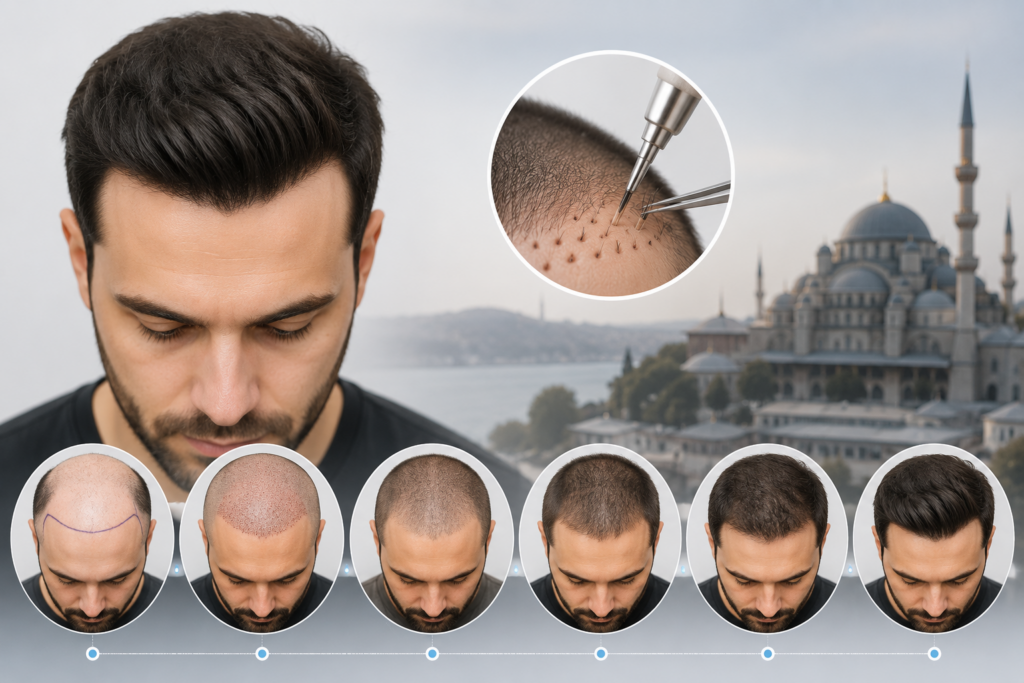
Hair transplantation stands as one of the most sought-after cosmetic procedures worldwide. Turkey leads this global industry with thousands of international patients visiting every month. Follicular Unit Extraction, known as FUE, remains the dominant technique in Turkish clinics. Understanding the recovery timeline helps patients plan their medical travel, manage expectations, and protect their investment. This […]
Why Men Travel to Turkey for Beard Transplants
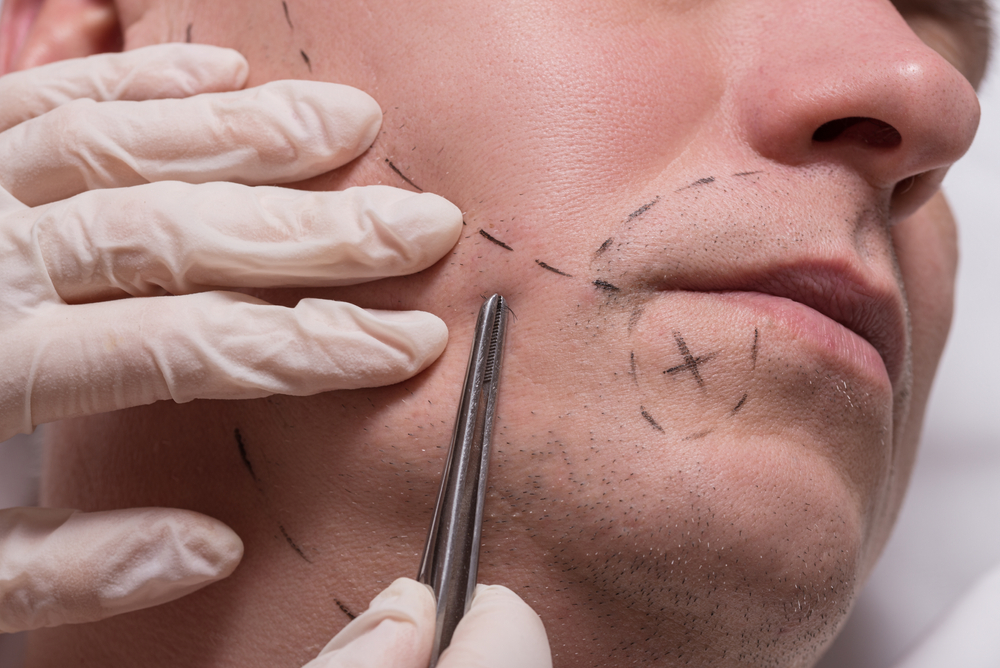
Men around the world now seek fuller, more defined facial hair. Beard transplantation has grown into a major aesthetic procedure. Turkey has emerged as the leading destination for this surgery. Thousands of international patients fly to Istanbul and other Turkish cities every year. They come for expert surgeons, modern clinics, and affordable prices. Turkey combines […]
Turkey’s Growing Expertise in Afro Hair Transplantation

Turkey has emerged as a global leader in Afro hair transplantation by combining specialized surgical training, advanced follicle extraction techniques, and comprehensive medical tourism infrastructure. Surgeons in Turkey now treat thousands of international patients with Afro-textured hair each year, achieving natural results through customized approaches that respect the unique anatomy of curly and coily hair […]
What Women Should Know Before Getting a Hair Transplant in Turkey
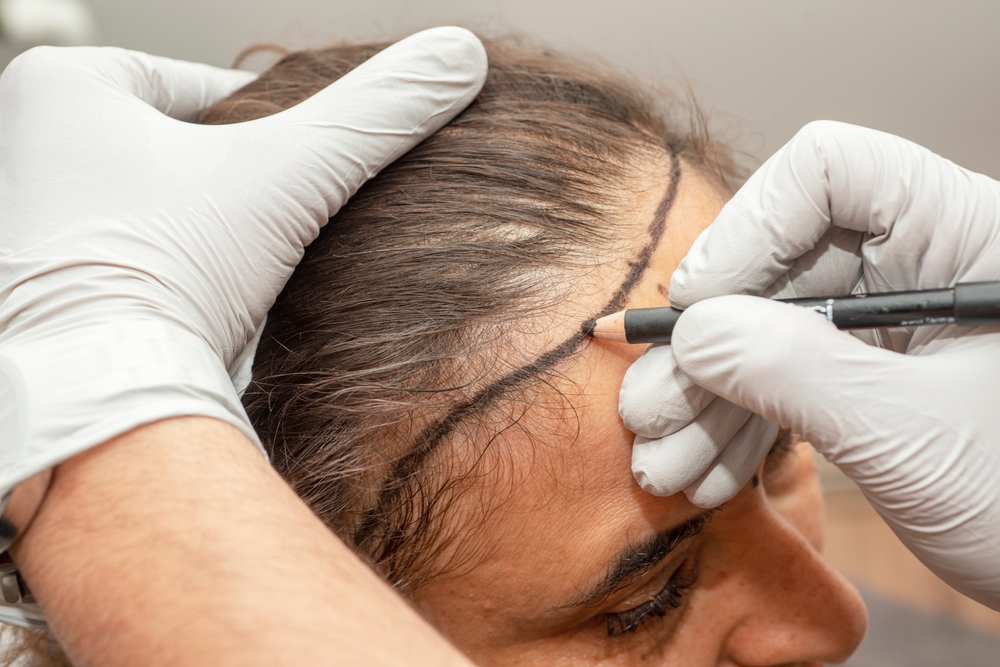
Women considering hair transplantation in Turkey need to understand the root cause of their hair loss, confirm their candidacy through medical evaluation, choose experienced surgical teams, and set realistic expectations about results and recovery. What Causes Hair Loss in Women? Women lose hair due to genetics, hormones, medical conditions, lifestyle factors, and aging. Each cause […]
Is DHI Hair Transplant Better for Hairline Restoration?
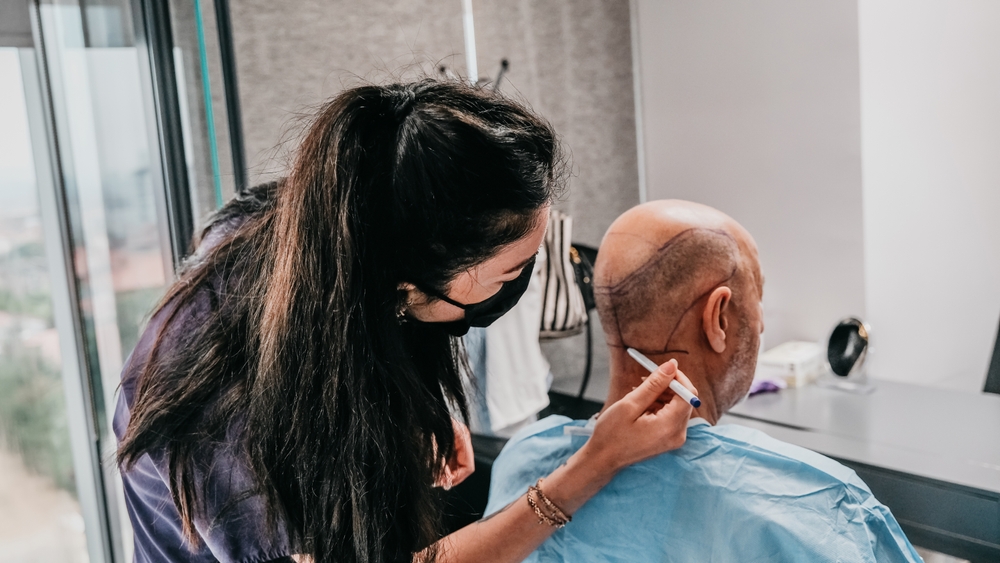
DHI offers excellent precision for hairline restoration, but current clinical evidence does not prove it universally superior to FUE. Surgeon expertise, patient characteristics, and individualized planning determine the final outcome more than the implantation technique alone. The hairline frames the face. It shapes first impressions. It defines facial symmetry. For this reason, surgeons and patients […]
Why Surgeons Prefer Manual FUE for Certain Patients
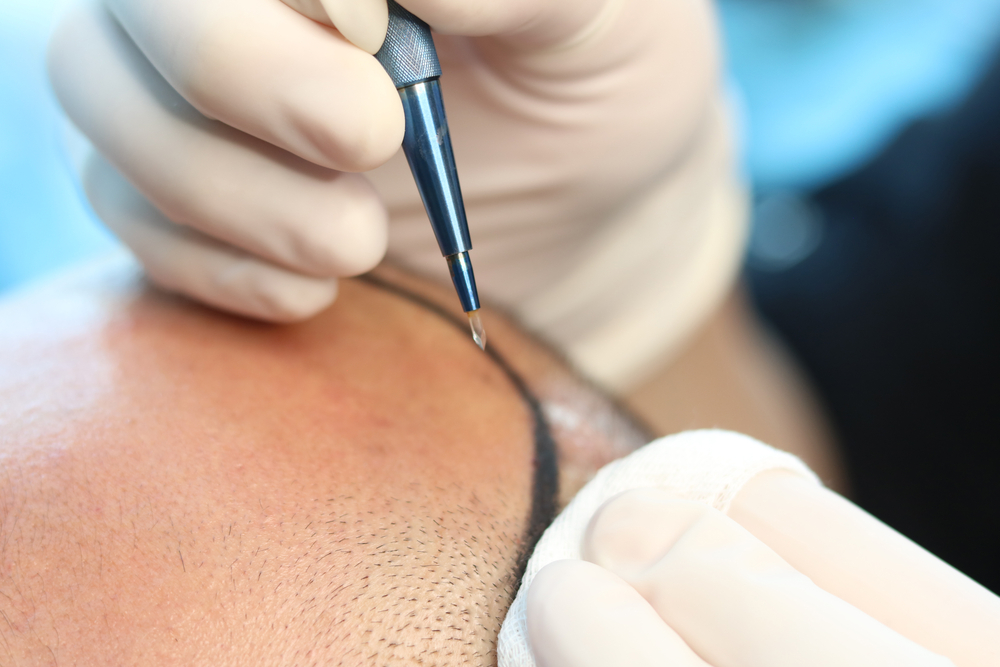
Manual Follicular Unit Extraction (FUE) gives surgeons direct control over each graft. Skilled surgeons choose this technique for patients with complex hair characteristics because it reduces follicle damage and improves graft survival. This article explains the science behind this preference. What Is Manual FUE? What Is the Definition of Manual Follicular Unit Extraction? Manual FUE […]
Is Sapphire FUE Worth It for International Patients? An Evidence-Based Analysis

The global hair transplant market now exceeds $8.6 billion annually, and Turkey alone performs an estimated 60% to 70% of the world’s procedures (Maximise Market Research 2026; Medical Tourism Co. 2026). Within this booming sector, clinics aggressively market “Sapphire FUE” as a premium upgrade. International patients face a genuine dilemma. Does the sapphire blade justify […]
How Many Grafts Do You Need for an FUE Hair Transplant in Turkey?
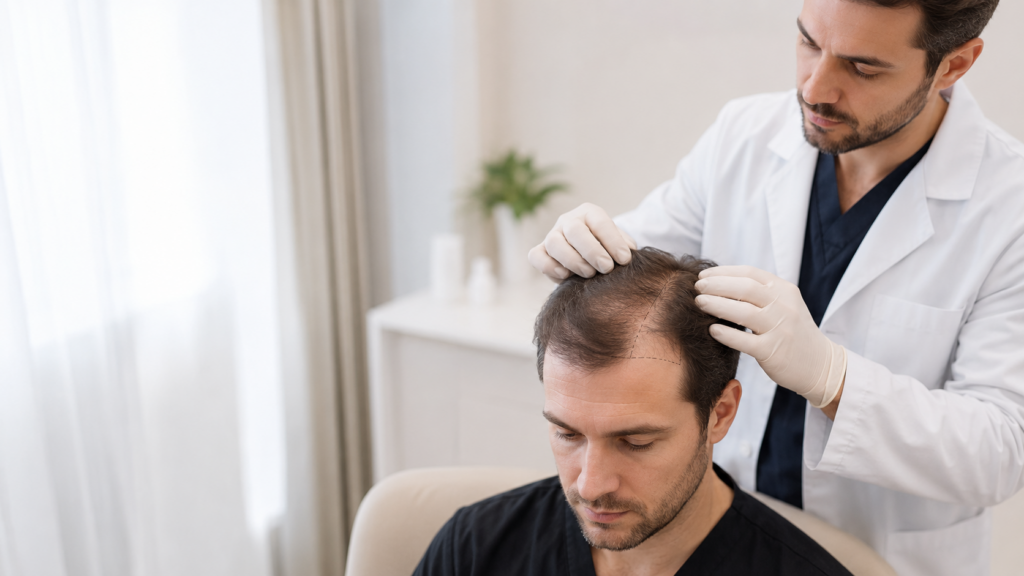
Most patients need between 1,500 and 4,000 grafts for a natural FUE hair transplant. Your exact number depends on your hair loss stage, donor hair quality, and cosmetic goals. Only a surgeon can give you a precise count after a full scalp examination. Every year, thousands of men and women fly to Turkey for FUE […]
Why Does Afro Hair Require a Different Hair Transplant Approach?
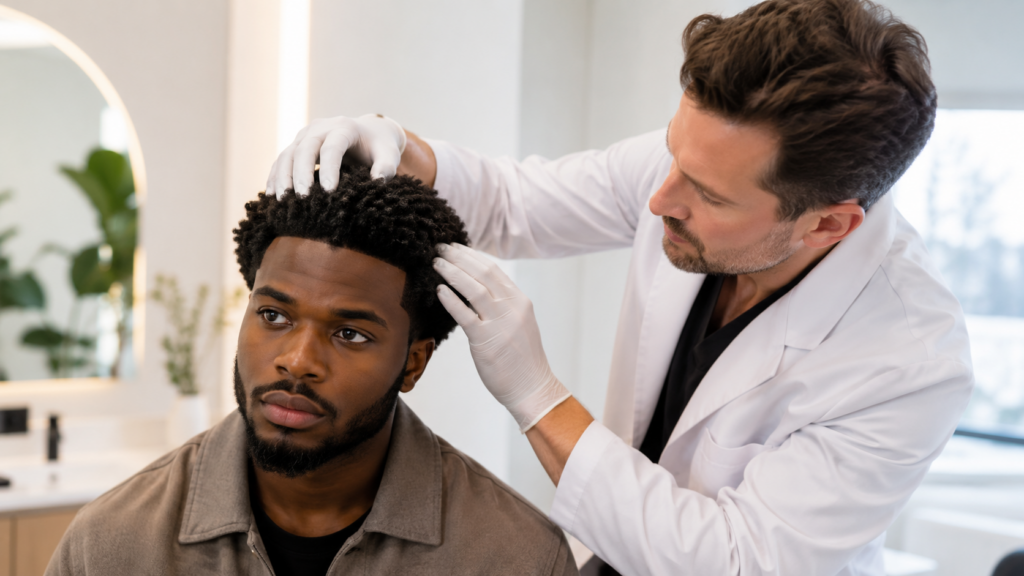
Not all hair transplant techniques work the same way on every patient. Afro-textured hair stands out as one of the most technically demanding hair types in hair restoration surgery. Success depends on understanding both visible hair characteristics and hidden follicle anatomy. Surgeon experience and specialized extraction methods directly influence graft survival and natural-looking outcomes. This […]
Beard Transplant in Turkey: The Complete Guide

A beard transplant moves hair follicles from your scalp to your face. Turkey leads this field because skilled surgeons offer advanced techniques at fair prices. This guide explains everything you need to know. More men want full, thick beards today. A strong beard changes how you look. It frames your face. It boosts your confidence. […]
Afro Hair Transplant in Turkey: Special Techniques Explained

Afro-textured hair demands unique surgical approaches. Turkey has emerged as a leading destination for patients seeking specialized Afro hair restoration. Skilled surgeons in Istanbul and other major cities now offer advanced techniques tailored specifically to curved follicles and tight curl patterns. This article explains every aspect of the procedure. Patients will learn why specialized care […]
DHI vs FUE Hair Transplant in Turkey
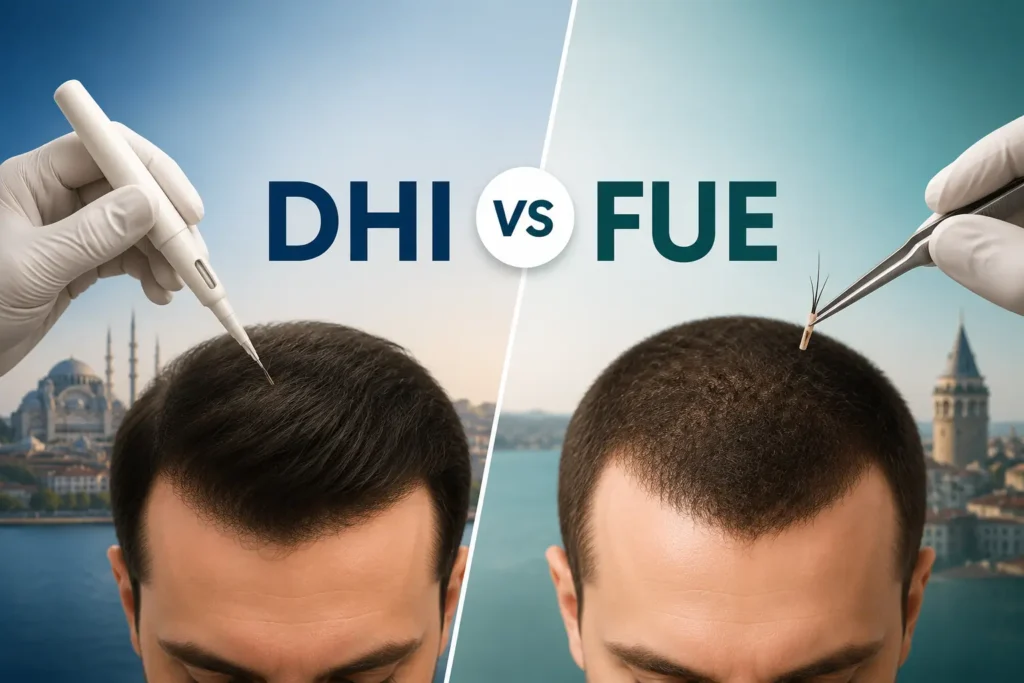
What Is the Difference Between DHI and FUE Hair Transplant in Turkey? DHI (Direct Hair Implantation) implants grafts directly into the scalp using a Choi pen without pre-made channels. FUE (Follicular Unit Extraction) extracts grafts first, creates recipient channels, and then implants them separately. Hair transplantation in Turkey has transformed into a global medical specialty. […]